Yo, what’s up, Japan explorers! Yuki here. So, you’ve done the Tokyo neon-drenched dash, you’ve hit the temples in Kyoto, and maybe you’ve even seen the deer in Nara. You’ve got the highlight reel down. But now you’re back, and you’re craving something… realer. Something with a soul that hums a little quieter but a whole lot deeper. If you’re ready to trade the shinkansen’s blur for the gentle rock of a ferry and the city’s electric buzz for the sound of a potter’s wheel, then you’re ready to discover the Mingei Art Islands. This isn’t your typical tourist trail; this is a full-on vibe shift. We’re talking about a journey into the heart of Japanese folk craft, or mingei, a philosophy that finds epic beauty in the simple, everyday objects made by nameless artisans. Think of it as the ultimate rebellion against mass production, a celebration of the human touch. The Mingei movement, championed by the visionary Yanagi Sōetsu back in the day, was all about hyping up the things people actually use—pottery, textiles, lacquerware—and recognizing them as legit works of art. These islands are where that spirit isn’t just preserved in a museum; it’s alive, breathing, and waiting for you. It’s the unfiltered, soulful Japan you’ve been searching for, a place where time slows down enough for you to actually feel it. This is the Japan that gives main character energy, where you can connect with a legacy of craftsmanship that’s been passed down for generations. Get ready to peel back the layers and find a world that’s profoundly beautiful, totally authentic, and a little bit forgotten. IYKYK.
To further explore how art and sustainability converge on these islands, consider the innovative spirit of the Setouchi Triennale.
The OG Art Hub: Kurashiki’s Timeless Vibe
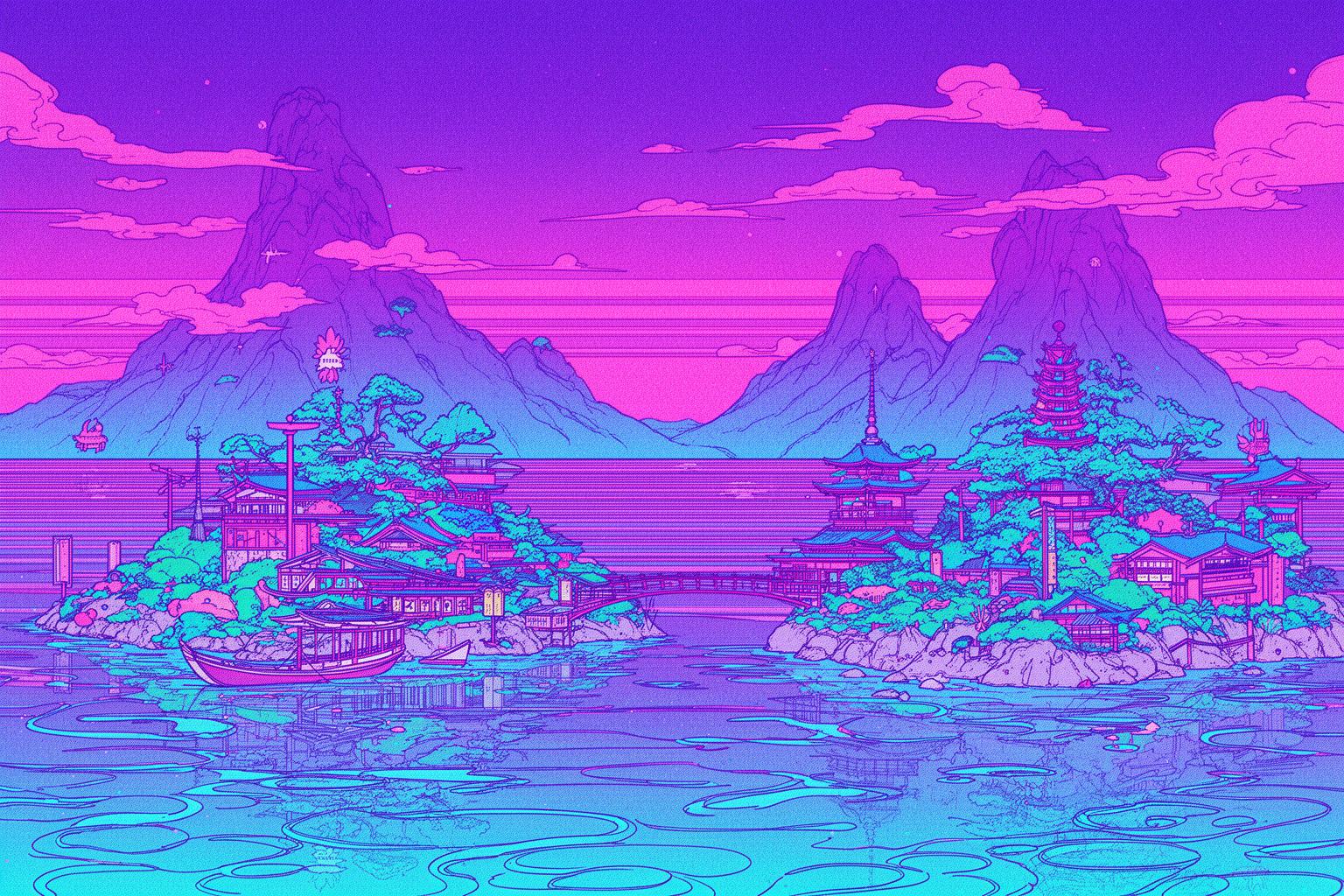
Before we even set foot on a ferry, our journey must begin in Kurashiki. Consider it the spiritual home base for this entire adventure. While islands like Naoshima capture international attention for their cutting-edge contemporary art, Kurashiki is the original—the place where a deep respect for art, both ancient and modern, has been nurtured for centuries. Entering the Bikan Historical Quarter feels like stepping onto a movie set. A canal bordered by weeping willows runs through the heart of the district, with traditional wooden boats gliding quietly over the water. The buildings are striking black-tiled, white-walled storehouses called kura, meticulously preserved and transformed into cafés, boutiques, and, most importantly, museums. The entire atmosphere is rich and immersive. It’s less about a single Instagram-worthy moment and more about a continuous sensation of stepping back in time. You could easily spend a whole day wandering the narrow alleys, uncovering small shops selling local crafts and sweets, and soaking in the palpable sense of history.
Where the Mingei Legacy Lives
Kurashiki is crucial to our story because it houses two key institutions in the world of Mingei. First is the Ohara Museum of Art, Japan’s very first museum dedicated to Western art. What makes it especially significant here is its strong link to the Mingei movement. The museum’s founder, Ohara Magosaburō, was a significant arts patron and a close associate of Yanagi Sōetsu. He didn’t just collect El Grecos and Monets; he recognized the profound value in Japanese folk craft. Within the museum complex lies the Craft Gallery (Kōgeikan), a space devoted to the works of masters such as potters Kawai Kanjirō, Hamada Shōji, and British potter Bernard Leach, a key figure bridging Japanese and Western craft philosophies. Walking through these galleries, you encounter the foundational pieces of the movement: simple, powerful forms, earthy glazes, and the quiet confidence of items designed for use, not just display. It’s both an education and an aesthetic journey.
Just a short walk away, you’ll find the Kurashiki Museum of Folkcraft. This place embodies pure Mingei. Set in a collection of beautifully preserved rice granaries, the museum is a treasure chest of everyday objects from across Japan. From chunky, rustic ceramics and sturdy wooden chests to intricate textiles and simple bamboo baskets, the diversity and craftsmanship of objects never meant to be considered ‘art’ are astounding. They were simply part of daily life. Seeing them all together helps you grasp Yanagi Sōetsu’s vision at a fundamental level. It sharpens your eye to find beauty not in the elaborate or costly, but in the honest, functional, and humble. With its peaceful charm and profound cultural heritage, Kurashiki is the ideal starting point. It roots you in the history and philosophy of Mingei before you venture to experience its living spirit on the islands of the Seto Inland Sea.
Shodoshima: Where Craft is a Flavor
We’re now boarding the ferry, with our first stop being the stunning Shodoshima. This island offers a full sensory experience, where the idea of Mingei extends beyond tangible objects to include flavors as well. Shodoshima is renowned for two specialties: olives and soy sauce. Trust me, the craftsmanship here elevates them to an art form. As one of the largest islands in the Seto Inland Sea, it features dramatic scenery ranging from gentle silver-leafed olive groves to the rugged, breathtaking Kankakei Gorge. The bond between the land and its crafts is deeply evident—the island’s essence is pressed into its olives and fermented into its soy sauce.
The Art of Soy Sauce
Let’s dive into soy sauce, because visiting one of Shodoshima’s traditional breweries is an unforgettable experience. Forget the soy sauce in plastic fish-shaped packets—this is the authentic article. We’re headed to Hishio no Sato, or “the homeland of sauce,” where historic breweries have been honing their craft for over 400 years. The air is filled with the rich, savory, slightly sweet scent of fermenting soybeans. Our destination is the Marukin Soy Sauce Historical Museum, situated in one of the original brewing buildings—a grand, wooden structure more reminiscent of a cathedral than a factory. Inside, you’ll see enormous cedar barrels called kioke, some over a century old. These barrels are alive with generations of microorganisms that give Shodoshima soy sauce its unique depth and complexity. This isn’t a sterile, mechanized operation; it’s a slow, deliberate partnership between artisans and nature. You can observe the bubbling dark moromi mash and learn about the meticulous processes of pressing, filtering, and aging. It’s the philosophy of Mingei in liquid form: a humble everyday product crafted with great skill, natural materials, and a profound respect for tradition. And the highlight? Soy sauce ice cream. It might sound unusual, but the salty umami perfectly balances the sweetness—a true taste of the island’s spirit.
Ghibli Vibes and Olive Groves
Beyond the breweries, Shodoshima exudes a strong Ghibli vibe. The Shodoshima Olive Park is a must-see. With rolling hills dotted with over 2,000 olive trees and a classic Greek-style windmill, the park overlooks the sparkling inland sea. It’s famously known as the inspiration for the live-action adaptation of Kiki’s Delivery Service. They even offer magic brooms for perfect Kiki-inspired photos with the windmill in the backdrop. It’s playful and fun while also highlighting the island’s century-old success in olive cultivation. You can sample and purchase every olive product imaginable, from premium olive oil to olive-infused cosmetics. This is another example of how the island transforms a natural resource into a celebrated craft.
For a nostalgic touch, visit the Twenty-Four Eyes Movie Village. This carefully preserved movie set from the 1954 classic of the same name tells the story of a young schoolteacher and her twelve students during the tumultuous pre-war and war years. Strolling through the old wooden schoolhouse, fishermen’s homes, and quaint village streets feels like stepping back into the Showa era. It’s a touching and beautiful part of the island that captures a sense of simpler, bygone days. Shodoshima isn’t just an art installation; it’s an island where the art lies in the agriculture, architecture, and enduring traditions that give it its distinctive character.
The Modern Soul of Mingei: Teshima and Inujima
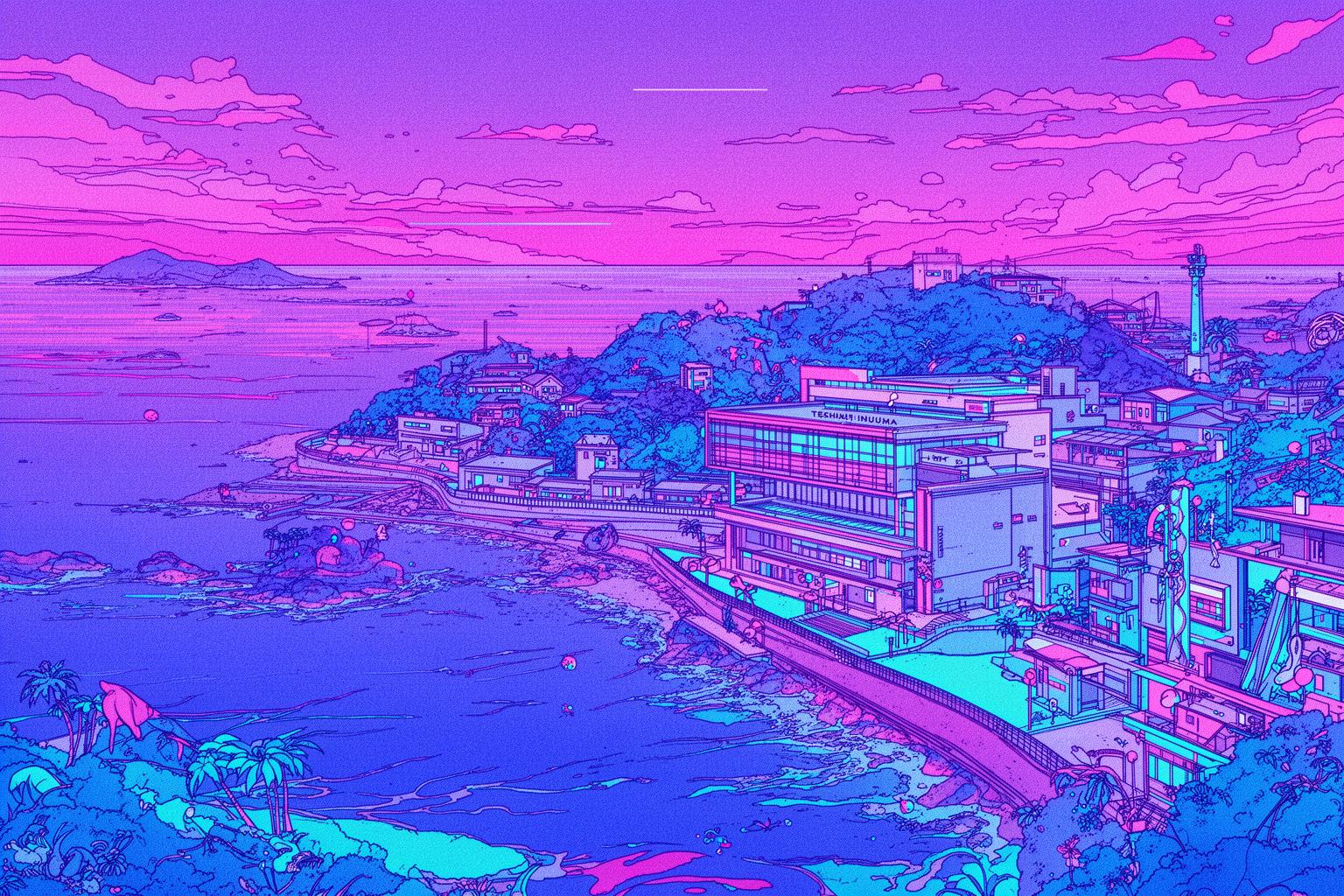
Alright, it’s time to ferry-hop to some smaller, more intensely artistic islands. Teshima and Inujima are part of the same Setouchi Triennale art festival ecosystem as Naoshima, but they offer a different, and I would argue more Mingei-aligned, experience. If Naoshima is a world-class museum, Teshima and Inujima feel more like immersive poems. The art there is subtler, more deeply connected to nature and the islands’ histories, resonating profoundly with the Mingei principle of finding depth in the elemental and everyday.
Teshima: The Art of Nothing and Everything
Teshima is an island of gentle slopes and beautifully restored rice terraces that cascade down to the sea. For decades, it bore the scars of an illegal industrial waste dump, but a vast cleanup effort combined with the revitalizing power of art has transformed it into a place of healing and stunning beauty. At the heart of the island—and its unmissable masterpiece—is the Teshima Art Museum. Yet calling it a ‘museum’ feels wholly inadequate. It’s more like a sanctuary. Designed by architect Ryue Nishizawa and artist Rei Naito, the structure is a single, vast, shell-like concrete form that seamlessly blends into the hillside. You remove your shoes and step inside, and your perception subtly shifts.
The space is expansive, empty, and silent except for the sounds of nature filtering through two large, open ovals in the ceiling. There are no paintings or sculptures. The ‘art’ is the space itself—the light that moves across the floor, the breeze brushing your skin, and tiny beads of water that seep up through minute holes in the floor. These droplets emerge, glide across the hydrophobic concrete, join into larger pools, and then vanish, in a quiet, mesmerizing, endless cycle. It’s an experience that defies easy description. It compels you to slow down, simply be, and observe. It’s a meditation on nature, time, and the beauty of a single, simple phenomenon. This is a modern embodiment of the Mingei spirit: stripping away the superfluous to reveal the incredible power and beauty of the essential. It discovers the universe in a single drop of water. You leave feeling completely refreshed. Elsewhere on the island, projects like the terraced rice fields—revived by locals and volunteers—reinforce this bond with land and community, a living agricultural folk craft.
Inujima: Beauty from the Ruins
Next is the tiny island of Inujima, easily explored in an hour or two. Its name means “Dog Island,” and its history reflects industrial rise, decline, and artistic rebirth. The island’s dominant feature is the hauntingly beautiful ruins of a massive copper refinery that operated only ten years before closing in 1919. For decades, it fell into decay, its brick smokestacks and crumbling walls slowly reclaimed by nature. The Inujima Seirensho Art Museum transformed this industrial ruin into a stunning work of art. Rather than demolish it, the project—led by artist Yukinori Yanagi and architect Hiroshi Sambuichi—embraced the site’s history. The museum is integrated into the ruins, using the existing smokestacks for natural ventilation and geothermal heat to power the space. The artwork inside, referencing the famed author Yukio Mishima, critiques Japan’s modernization. The entire experience powerfully speaks to sustainability, industrial heritage memory, and the Mingei concept of mottainai—a deep regret regarding waste. It reveals profound beauty not through new creation, but by honoring and repurposing what already exists.
Beyond the refinery, the Inujima Art House Project distributes smaller galleries and installations throughout the island’s tiny village. These art spaces are woven into existing, often vacant, traditional houses, seamlessly blending contemporary art into the everyday lives of residents. You wander narrow paths, past gardens and laundry lines, discovering intimate artistic encounters. It entirely dissolves the barrier between art and life, the absolute essence of the Mingei philosophy. On Teshima and Inujima, art is not merely something to see; it’s something you feel, breathe, and live within. It’s a total vibe.
The Southern Heartbeat: Okinawa’s Craft Kingdom
Now we take a significant leap south, leaving behind the serene Seto Inland Sea for the lively, subtropical islands of Okinawa. While the Setouchi islands embody a subtle, minimalist form of Mingei, Okinawa bursts with color, pattern, and rich history. The Okinawan archipelago was once the independent Ryukyu Kingdom, a bustling maritime trading center with its own distinct culture, language, and artistic traditions, strongly influenced by China and Southeast Asia. This unique history has shaped Okinawan folk craft into something bold, resilient, and deeply infused with the island’s spirit. Yanagi Sōetsu, the founder of the Mingei movement, was enchanted by Okinawa, describing it as a “treasure house of crafts.” He was absolutely right. Visiting here is like connecting directly to one of the most powerful wells of folk art in all of Japan.
Yachimun: The Soul of Okinawan Pottery
The most emblematic craft of Okinawa is yachimun, or pottery. It is known for its robust, functional forms and its delightfully free-spirited, earthy designs. Its colors are inspired by the island itself: deep ocean blues, rich earthy browns, and vibrant greens from the lush vegetation. To fully immerse yourself, you must visit the Tsuboya Pottery District in Naha, the capital. This district has been the heart of Okinawan pottery for over 300 years. Yachimun-dōri, the main street, is filled with countless shops and studios offering every imaginable ceramic item—from rice bowls and tea cups to the iconic shisa lion-dog statues that stand guard on Okinawan rooftops. The atmosphere is unique; it’s not a sterile commercial street but a living, working neighborhood where you can hear the whir of potters’ wheels and smell the wood smoke from the kilns. A highlight is the noborigama, or climbing kilns, ancient multi-chambered kilns built into the hillside, still in operation today. These kilns are a designated cultural asset and a testament to the craft’s unbroken heritage. Visiting a studio, speaking with artisans—many descendants of the original Tsuboya potters—and holding a hand-thrown bowl in your hands is an unforgettable experience. This is not just pottery; it is a tangible piece of Ryukyu history.
Bingata and Ryukyu Glass: A Legacy in Color and Light
Beyond pottery, Okinawa boasts two other remarkable crafts. The first is bingata, a traditional stencil-dyeing technique for creating vividly colored textiles. Once reserved for the Ryukyu Kingdom’s royal court, Bingata patterns are striking and lively, featuring motifs from Okinawan nature such as hibiscus flowers, flowing water, and tropical birds. The process is highly intricate, involving hand-carved stencils and multiple layers of pigment application. The resulting fabrics overflow with life and color. Today, you can find everything from exquisite kimonos to smaller items like coasters and bags, allowing you to bring home a piece of this royal artistry.
Then there is Ryukyu glass, a craft born out of necessity and resilience. After World War II, the island lay in ruins, and resources were scarce. Okinawan craftsmen began gathering discarded glass bottles—Coke, beer, and others—from US military bases and melting them down to create new glassware. This process of recycling, turning remnants of conflict into beauty, is the ultimate Mingei story. The glass is known for its distinctive imperfections—tiny air bubbles and slightly uneven thickness—that give it a warmth and character machine-made glass can never achieve. The colors, often vivid blues and greens, echo the Okinawan sea. Holding a piece of Ryukyu glass means holding a story of ingenuity, peace, and the transformative power of craft. Okinawa teaches us that Mingei is not merely an aesthetic; it represents cultural survival and celebration.
How to Live the Mingei Vibe
Alright, so you’re convinced by the concept, but how do you actually do it? How do you move beyond being a tourist and truly become part of this world? It’s all about making intentional choices that allow you to connect on a deeper level. This isn’t a checklist trip; it’s an immersive experience. Don’t just observe the craft; feel it, live it, and maybe even create it.
Get Your Hands Dirty: Workshops and Experiences
The best way to understand Mingei is to try it yourself. Don’t just admire the pottery; sit at a wheel and feel the clay spin beneath your hands. Many studios in Kurashiki, especially in Okinawa’s Tsuboya district, offer short workshops for visitors. You won’t become a master in two hours, but you will develop a genuine appreciation for the skill, patience, and physical effort involved in making even the simplest bowl. The sensation of centering the clay, gently pulling up the walls, connects you to an ancient human tradition. The same applies to textiles. Look for a bingata dyeing workshop where you can apply vibrant pastes through a stencil, or try a basic weaving class. Engaging in the process, even briefly, shifts your perspective from consumer to creator. It’s a transformative experience.
Stay in a Piece of Art: Kominka Stays
Where you stay can be as much a part of the Mingei experience as visiting any museum. Skip generic business hotels and seek out a kominka, a traditional Japanese farmhouse beautifully renovated for guests. These homes are living examples of folk craft. You’ll sleep under massive exposed wooden beams held together by intricate joinery, walk on dark, polished floorboards, and gaze through paper shoji screens. The materials are all natural: wood, bamboo, earth, and paper. Staying in a kominka lets you experience the architectural soul of rural Japan. It ties you to a slower, more sustainable way of life. Waking up surrounded by the quiet beauty of functional design is the perfect way to attune yourself to the Mingei spirit.
Shop with Soul, Eat with Intention
Taking home a piece of folk craft is a wonderful way to remember your trip, but approach it thoughtfully. Instead of buying mass-produced souvenirs, seek out small, family-run studios tucked away on backstreets. Talk to the artisans and ask about their process. Each piece tells a story, carrying a human touch that makes it unique. You’re not just purchasing an object; you’re supporting a legacy and becoming part of that craft’s story. And remember, Mingei is edible too! The philosophy extends to food made by traditional methods with local ingredients. Visit a small-batch sake brewery, a local miso producer, or a farmers’ market. Buy pickles from an obaa-chan (grandma). Taste the soy sauce from Shodoshima. Every meal can be an homage to folk craft. By choosing to engage in these meaningful ways, you transform a simple vacation into a rich cultural pilgrimage.
This journey through Japan’s Mingei islands is more than sightseeing. It’s an invitation to slow down and shift your perspective. It’s about discovering that the most profound beauty doesn’t always shout; sometimes it whispers from a humble tea bowl, the texture of hand-dyed cloth, or the savory depth of traditionally brewed sauce. You’ll leave not just with beautiful objects or photos, but with a new way of seeing the world—a capacity to find the extraordinary in the ordinary. It’s a trip that touches your soul and lingers long after you return home. It’s not just a vacation; it’s a total glow-up for your perspective on art, life, and beauty. And honestly, that’s the best kind of travel there is.