Yo, let’s talk about time travel. Not with a souped-up DeLorean or a wheezing blue police box, but with a ferry ticket and a sea breeze. There’s a corner of Japan, scattered across the tranquil, shimmering Seto Inland Sea, that feels like you’ve phased into an alternate reality—specifically, a future envisioned from the 1970s. We’re talking about the art islands of Naoshima, Teshima, and Inujima. This isn’t your standard gallery crawl; it’s a full-blown immersion into a world of retro-futurism. Think raw concrete structures rising from green hills like forgotten monoliths, minimalist spaces that play with your perception of light and reality, and industrial ruins reborn as temples of sustainable art. It’s a landscape where Stanley Kubrick could have shot a sequel to 2001: A Space Odyssey, where utopian dreams and dystopian warnings are etched into the very foundations of the islands. This journey is about exploring a tangible ‘what if?’—a vision of the future, now beautifully aged, where art, nature, and architecture collide to create something straight up otherworldly. The vibe is immaculate, a slow-paced, mind-bending pilgrimage that recalibrates your senses and makes you question the line between the built environment and the natural world. Forget everything you think you know about Japan; we’re about to hop on a ferry and disembark in another dimension. It’s a whole mood, and it’s waiting for you in the heart of the Setouchi region.
This retro-futurist landscape, where industrial ruins are reborn, beautifully echoes the Japanese philosophy of finding beauty in imperfection, much like the art of Kintsugi.
Naoshima: The Mothership of Concrete and Color
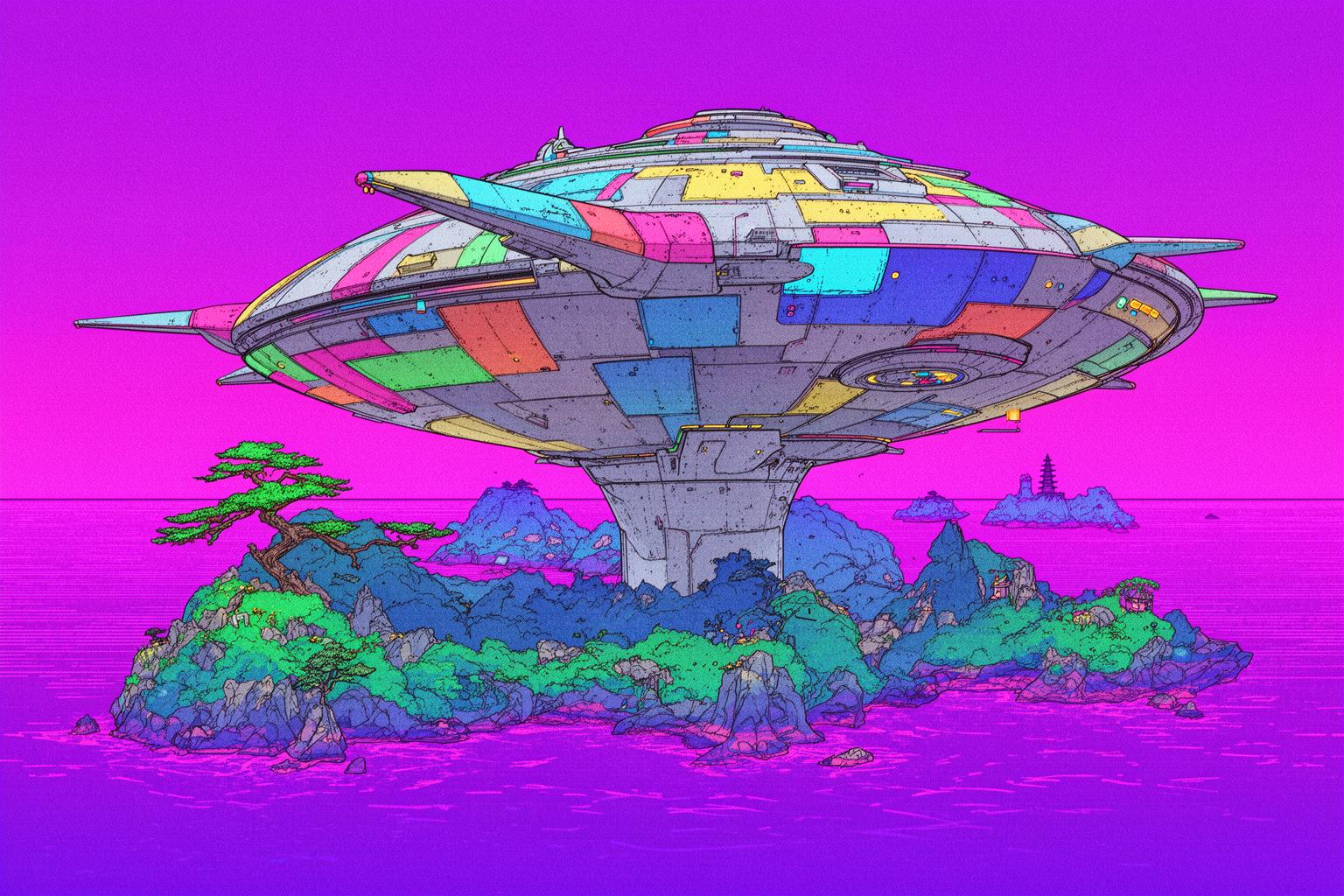
The journey to this retro-future begins even before you set foot on Naoshima’s main island. It starts at the port—either Uno Port in Okayama or Takamatsu Port in Kagawa. Standing there, waiting for the slow, chugging ferry, you sense a tangible shift. You’re leaving behind the familiar grid of mainland Japan. The air tastes saltier, time seems to stretch, and the ferry at the dock feels less like public transport and more like a shuttle bound for an off-world colony. Uno Port itself offers a preview of what’s ahead, with quirky art installations like the vibrantly colored “Chinu” fish sculpture made from discarded objects, greeting you like a strange, mechanical sea creature. The ferry ride is a key part of the ritual. For twenty minutes, there is nothing but the blue expanse of the Seto Inland Sea, dotted with green, mountainous islands resembling sleeping giants. It’s a moment of decompression, a mental airlock preparing you for the aesthetic shock that is Naoshima.
The Arrival – Miyanoura Port & The Red Pumpkin
As the ferry docks at Miyanoura Port, the first thing to catch your eye isn’t a sign or building but a giant, spotted gourd. Yayoi Kusama’s “Red Pumpkin” serves as the unofficial welcome ambassador of Naoshima, perfectly setting the tone for the island’s surrealism. It’s massive, impossibly vibrant against the blue of sea and sky, perforated with black dots that invite you to crawl inside. Peering out from the holes makes you feel as though you’re inside an alien pod. Playful and bizarre, it instantly signals that the normal rules of reality have been momentarily suspended. The port terminal itself—a minimalist glass and steel structure designed by the firm SANAA—continues this theme. It feels sleek and functional, more like a spaceport lounge than a small-town ferry station. The pace here is different: people move slowly and deliberately. There’s no rush. You’ve arrived on island time, or more aptly, on art time.
Tadao Ando’s Concrete Cosmos – The Benesse House Museum Complex
To truly grasp Naoshima’s retro-futurist essence, you must immerse yourself in Tadao Ando’s world. The self-taught architect is the island’s visionary, and his signature medium is exposed concrete. In his hands, this humble, brutalist material becomes poetic, spiritual, and profoundly futuristic. The Benesse House Museum complex is his magnum opus here—a sprawling site on the southern coast that masterfully integrates museum, hotel, and natural landscape into a seamless experience. It’s divided into four parts: Museum, Oval, Park, and Beach. Getting there is an adventure itself, whether on the cute polka-dotted town bus or, better yet, by electric bicycle, which lets you feel every curve of the coastal road and the salty breeze in your hair.
The Benesse House Museum is the heart of the complex. From outside, it stands as a commanding concrete structure, half-buried in a hill overlooking the sea. Its sharp geometric lines contrast with the soft landscape curves, yet somehow it seems perfectly at home—an ancient ruin from the future. Inside, it’s a labyrinth of light and shadow. Ando, a master of natural light, uses it here with striking effect. Sunlight floods the space through massive windows and cleverly placed skylights, illuminating raw concrete walls and world-class art. The atmosphere feels vast and contemplative. Works by artists like Andy Warhol, David Hockney, and Jean-Michel Basquiat adorn the galleries, but the art isn’t just hung on walls; it converses with the architecture. A long, curving ramp guides visitors through galleries, with views of the sea appearing and disappearing, making the journey as meaningful as the destination. It feels less like a museum and more like a sacred space—a concrete cathedral dedicated to art.
Staying overnight at Benesse House is the ultimate Naoshima experience. It elevates you from visitor to resident of this art world. After day-trippers leave, the museum becomes your private sanctuary. You can wander silent halls at midnight, contemplating a Jackson Pollock painting accompanied only by the sound of waves outside. It’s a surreal and privileged sensation, like being the last person in a beautifully designed, post-apocalyptic bunker.
The most exclusive part of the experience is Oval, a six-room hotel annex perched atop the hill, accessible only by a private monorail for overnight guests. The monorail is a sci-fi dream—a tiny, futuristic pod gliding silently up the dark, forested hillside. Arriving at Oval feels like docking at a space station. As its name implies, the building is oval-shaped, featuring an open-air water feature at its center that reflects the sky. All rooms face this central pool, creating a profound sense of tranquility and isolation. Gazing up at the stars from within the Oval, surrounded by Ando’s perfect concrete and the sounds of nature, borders on the spiritual. It epitomizes the island’s aesthetic: minimalist, meditative, and completely removed from everyday life.
The Yellow Pumpkin & The End of the World Pier
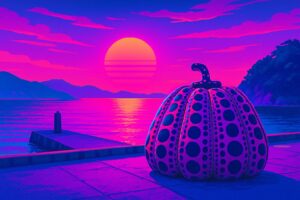
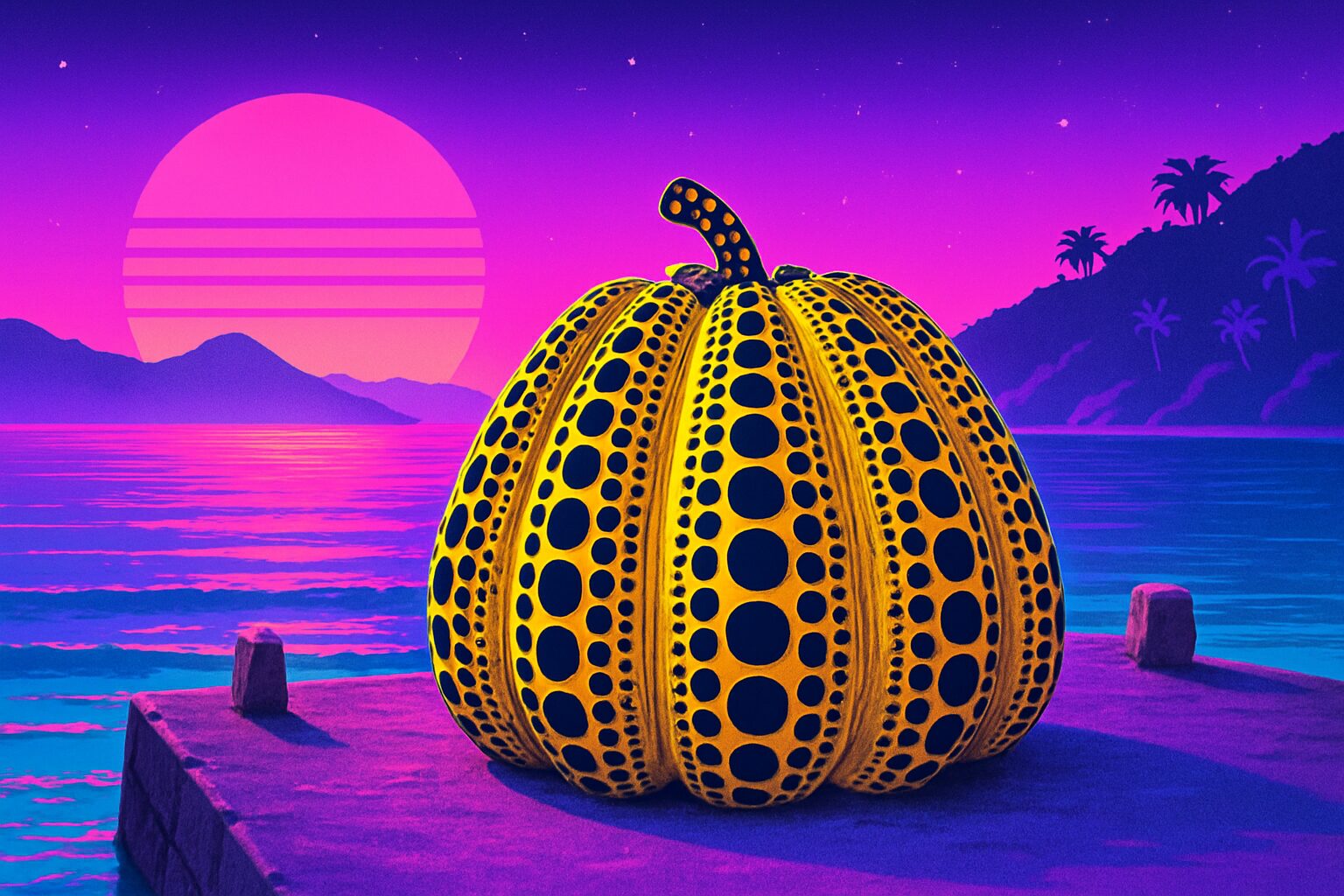
A short walk or bike ride from Benesse House Museum leads to perhaps the most iconic image of the Setouchi art islands: Yayoi Kusama’s “Yellow Pumpkin.” Set at the end of a small, weathered pier, it stands in solitary splendor—the bright yellow, black-dotted form a beacon against the endless sea and sky. It’s a simple yet powerful image that embodies Naoshima’s spirit. The sculpture is magnetic—you spot it from afar, a tiny splash of color, and are drawn irresistibly toward it. Up close, it’s joyful and almost comical, yet its isolation lends it a profound melancholy and resilience. It’s a must-see photo spot, of course, but the true magic happens when you put the camera down. Sitting on the pier, watching the tide ebb and flow around the pumpkin’s concrete base, you feel deep peace. For years, the original pumpkin symbolized endurance until a 2021 typhoon swept it into the sea. But in a move mirroring the island’s theme of regeneration, a stronger recreation was installed in 2022, ready once more to brave the elements. It’s more than a sculpture—it’s a narrative of art versus nature, and ultimately, of art’s persistence.
Chichu Art Museum – The Subterranean Sanctuary
If Benesse House is Naoshima’s concrete cathedral, then the Chichu Art Museum is its secret, subterranean temple. It offers one of the most profound art experiences anywhere on earth. ‘Chichu’ means ‘in the earth,’ and this museum, also designed by Tadao Ando, is built almost entirely underground to preserve the coastal landscape’s natural beauty. From above, you see only green hills and sparkling sea. The entrance is a simple, sharp cut in the landscape—a concrete corridor descending into the earth. The entire visit is meticulously timed; you must book tickets for specific time slots well in advance, adding a ritualistic element to the experience.
Before entering the museum proper, you walk through a small, exquisite garden modeled after Claude Monet’s Giverny garden. It’s a clever prelude—natural beauty that sharpens your senses before entering the curated architectural world inside. The museum itself is a spatial masterpiece. Ando carves geometric courtyards and light wells deep into the earth, allowing natural light to filter in and illuminate the art with precise, controlled effects. The building is a sculpture of concrete, light, and space. The visit is designed to be slow and contemplative, guiding you through corridors that open into breathtaking chambers, each dedicated to the work of just three artists.
First is Claude Monet’s “Water Lilies” series. But this is no ordinary museum viewing. Here, five monumental paintings are displayed in a vast white room with rounded corners, avoiding sharp edges and enhancing the immersive feel. The floor consists of thousands of tiny marble cubes, and visitors swap shoes for soft slippers. The room is bathed in soft, diffused natural light from a concealed skylight above. The effect is breathtaking—you feel as if you’ve stepped inside one of Monet’s paintings. The scale, light, and silence create an ethereal atmosphere both calming and emotionally stirring, like a portal to another time and place.
From this impressionistic dreamscape, you descend deeper into a chamber evocative of a sci-fi monolith’s core. Dedicated to Walter De Maria, the space contains a massive, perfectly polished black granite sphere two meters in diameter at its center, surrounded by twenty-seven gilded wooden geometric sculptures lining the walls. Natural light streams in from a long skylight above, causing the sphere and gold sculptures to gleam and change with the daylight. The installation’s scale and symmetry awe you—it feels like a cosmic ritual site, a place imbued with immense power and precision. It’s pure 1970s sci-fi aesthetic—grand, mysterious, and deeply impressive.
Finally, you encounter James Turrell’s work, which uses light itself as medium. His installations at Chichu play with perception, challenging your sense of reality. In “Afrum, Pale Blue,” you see what looks like a glowing blue cube floating in a dark room’s corner. But as you approach, you realize it’s an illusion of projected light forming the shape. In “Open Field,” you ascend stairs toward a deep blue screen resembling a movie screen before the film begins. Then you’re invited to step into it. The hesitation before crossing is real, but once inside, you enter a room filled with hazy colored light that dissolves your sense of depth and distance. It’s disorienting and exhilarating—like entering another dimension. The final piece, “Open Sky,” is a room with a square cutout in the ceiling framing the sky above. You sit on a bench and watch clouds drift or the sky shift color at sunset, transforming the sky into a living, minimalist painting created by artist, architect, and nature combined. Leaving Chichu, you step into sunlight blinking, feeling as though you’ve returned from another plane of existence—the kind of place that lingers long after departure.
The Art House Project – Weaving Art into the Fabric of Life
While Naoshima’s museums are monumental, the island’s true soul lies in the Honmura district. Here, the Art House Project takes a different approach: rather than building new museums, it transforms old, empty houses in the village into permanent art installations. This initiative weaves contemporary art directly into the fabric of a living community. With a multi-site ticket, you wander the narrow, winding streets of the old fishing village, seeking out six art houses. The contrast is striking—you walk past traditional wooden homes with tidy gardens, then suddenly encounter sleek, minimalist art spaces.
Each house holds a unique world. Kadoya, the first restored house, features a work by Tatsuo Miyajima. Inside the dark traditional home, a pool of water holds 125 flickering LED counters, their rhythms set by Naoshima’s townspeople. It’s a beautiful, mesmerizing meditation on time, life, and community. At Minamidera, another collaboration between Tadao Ando and James Turrell awaits. From outside, it resembles a simple wooden shrine designed by Ando. Inside, you enter total darkness—you can’t see your hand before your face. Feeling along the wall, senses heightened, you’re led to sit on a bench. For what feels like an eternity, you sit in the void, eyes straining to adjust. Gradually, a faint, deep blue rectangle of light emerges from the blackness at the room’s far end—a slow, magical revelation that feels like witnessing light’s birth. It’s a profound lesson in perception and patience.
Other houses are more playful. Haisha—meaning ‘dentist’—once housed the local dentist’s clinic and home. Artist Shinro Ohtake transformed it into a chaotic, scrapbook-like collage of styles and materials. A wild, vibrant explosion of color and texture, it feels like stepping into a dream, complete with a giant Statue of Liberty replica visible through a second-story window. It’s the perfect counterpoint to the island’s elsewhere-found minimalism. The Art House Project is brilliant because it slows you down, inviting exploration of the village and encouraging you to see art not confined to museums but embedded in daily life.
Practicalities on Planet Naoshima
Getting around Naoshima is part of the adventure. The island is hilly, so renting an electric bicycle is highly recommended—it offers the freedom to explore at your own pace and makes steep hills manageable. Alternatively, the town bus—adorned with Yayoi Kusama’s polka-dot design—is reliable and charming, though it runs on a fixed schedule, so plan your day accordingly. Dining options range from stylish museum cafes boasting stunning views to cozy family-run restaurants in Honmura and Miyanoura serving delicious okonomiyaki and udon. Don’t expect a bustling nightlife; Naoshima quiets down after sunset, which adds to its charm. For lodging, Benesse House is the ultimate splurge, but many lovely traditional minshuku (guesthouses) offer a more local, affordable stay. The key advice for Naoshima is to book everything—accommodation, museum tickets (especially for Chichu)—well in advance, particularly during peak season or the Setouchi Triennale art festival.
Teshima: Where Nature’s Ghost Meets Future Tech
If Naoshima is the refined, well-established flagship of the art islands, then Teshima is its wilder, more spiritual sister planet. Just a short ferry ride away, Teshima feels more expansive, more rural, and more deeply attuned to nature’s rhythms. The island is renowned for its terraced rice paddies cascading down the hillsides to the sea, and though its art installations are fewer, they wield a profound, elemental power. This is an island you sense as much as you see.
The Arrival and The Grand Descent
Whether you arrive at Ieura Port or Karato Port, the first thing you’ll notice is the quiet. The air is rich with the scent of saltwater and flourishing greenery. The top tip for visiting Teshima is to rent an electric bike right at the port. The island is much larger and hillier than it appears on a map, and the bike is essential for true freedom. The ride itself forms a key part of the Teshima experience. From Ieura Port, you’ll ascend a long, winding road, and just as your legs begin to tire, you reach the summit. What follows is one of the most exhilarating downhill rides you’ll ever take. You glide down a perfectly smooth road, treated to a breathtaking panoramic view of the sparkling sea and terraced fields below. It’s a moment of pure, unfiltered joy that washes away any travel fatigue and sets the perfect tone for your day ahead.
Teshima Art Museum – The Concrete Teardrop
The heart of Teshima, and for many the main draw, is the Teshima Art Museum. Yet calling it a museum feels almost inaccurate. It’s more a sanctuary, a space for meditation, a piece of land art in constant flux. Created by artist Rei Naito and architect Ryue Nishizawa, the structure is a masterpiece of minimalist design. From afar, it resembles a single, gigantic drop of water that has gently landed in a field of green rice paddies. A pristine white concrete shell nestles low against the earth, with two large oval openings that connect the interior directly to the elements.
The experience begins with a stroll along a graceful path winding through the rice terraces, allowing you to appreciate the harmony between the building and its natural surroundings. Before entering, visitors are instructed to remove their shoes and maintain silence inside. Stepping within is truly breathtaking. The interior is one vast, uninterrupted space. The smooth grey concrete floor curves up to meet the white ceiling, pierced by the two large sky openings. Through these apertures, you see the sky, feel the wind, hear the birds, and sometimes sense the rain. The space feels alive.
The artwork itself, titled “Matrix,” is extraordinarily subtle. Scattered across the floor are tiny, nearly invisible holes from which beads of water slowly emerge. These droplets, born of the earth, gradually wander across the hydrophobic concrete floor, merging with others to form larger streams and eventually pooling in small basins. The process is mesmerizing and hypnotic. Visitors often sit for hours watching this slow, silent ballet of water. The soundscape combines the rush of wind through the openings with the delicate trickling of the water. This artwork is powered by nature, continuously transforming with the time of day, weather, and seasons. On sunny days, sunlight floods the space, causing the water to shimmer. On overcast days, the atmosphere turns more reflective and somber. The Teshima Art Museum is a profound invitation to slow down, observe, and find beauty in the smallest details. It feels like retro-futurism—a listening station not for aliens, but for the planet itself.
Les Archives du Cœur (The Heart Archives) – A Cosmic Library of Heartbeats
Hidden on a secluded black sand beach on the island’s far side is one of the most uniquely moving art installations you’re likely to encounter. Christian Boltanski’s “Les Archives du Cœur” is exactly as it sounds: a collection of human heartbeats from around the world. The journey there is part of the experience, leading you down a small path to a serene, beautiful cove. The archive is housed in a simple dark wooden building that resembles a fisherman’s shed.
Inside, in a small, brightly lit room, you can browse the archive. You can search for heartbeats by name or country and listen to them through headphones. For a small fee, you can even record your own heartbeat, adding your rhythm to this global collection. However, the main experience happens in the “Heart Room.” Entering this dark, corridor-like space, you find a single bare lightbulb hanging from the ceiling, flickering on and off perfectly synced with the loud, rhythmic pounding of a heartbeat played over speakers. The effect is intensely visceral. Standing in the dark, you feel and hear the life force of a stranger. It can be unsettling, comforting, and deeply moving all at once. This installation is a powerful meditation on life, death, and memory. In a sci-fi sense, it resembles a cosmic database of life—a library of souls recorded as pure data, a hauntingly low-tech yet futuristic concept.
The Other Side of Teshima – Industrial Ghosts and Community Cafés
Teshima also has a darker recent history. For years, it was the site of massive illegal dumping of industrial waste, which devastated both the environment and local community. The island’s art projects form part of a long, ongoing process of healing and regeneration. This background adds another layer of meaning to the artworks, which often explore themes of nature, life, and rebirth. Beyond the main art venues, Teshima offers a delightful space to explore. You’ll find community-run spots like Shima Kitchen, a charming restaurant in a renovated old house where local women prepare delicious meals using island-grown produce. Cycling the island reveals small villages, pristine empty beaches, and stunning viewpoints. Teshima rewards curious travelers with a quieter, more contemplative experience than Naoshima—one that is equally powerful.
Inujima: The Post-Apocalyptic Paradise
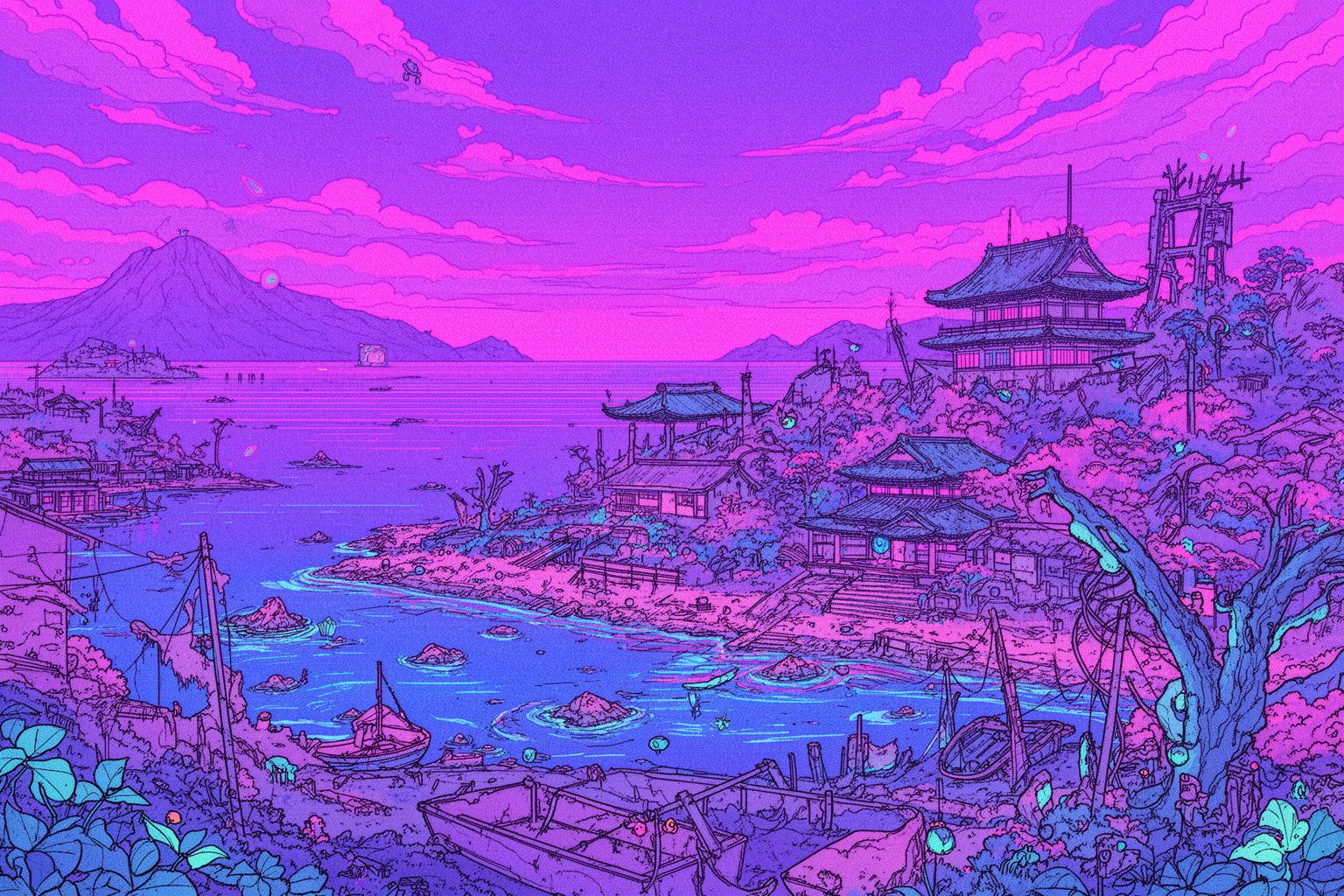
Inujima is the smallest of the main art islands, a tiny patch of land you can cross in less than an hour. However, it compensates for its size with a rich atmosphere. The name ‘Inujima’ means ‘Dog Island,’ and visiting it feels like uncovering a secret, forgotten world. The island’s character is shaped by the ruins of a large copper refinery that operated for just ten years before closing in 1919. For decades, the smokestacks and brick buildings stood abandoned, slowly being reclaimed by nature. Today, this industrial ruin has been transformed into the island’s primary art attraction, creating a unique post-apocalyptic, steampunk ambiance unlike anything else in the Setouchi region.
The Inujima Seirensho Art Museum – A Steampunk Sci-Fi Lair
The Inujima Seirensho Art Museum is a stunning example of environmental architecture and artistic expression. Architect Hiroshi Sambuichi repurposed the decaying copper refinery ruins to create a museum that honors the island’s industrial heritage while exemplifying a sustainable future. Rather than demolishing the old structures, he integrated the museum within and around the existing ruins, preserving the crumbling brick walls and towering smokestacks. The museum’s core philosophy is “using what exists to create what is to be.” It runs almost entirely on natural energy, harnessing solar heat, geothermal power, and the natural airflow from the old smokestacks to regulate temperature. It stands as a living, breathing example of eco-futurism.
Inside, the artwork is a singular, powerful installation by Yukinori Yanagi. This piece critiques Japan’s modernization through the controversial figure of author Yukio Mishima. Visitors are led through a series of dark, maze-like corridors. In one area, salvaged elements from Mishima’s former home hang suspended in a sunlit space, while mirrors multiply and distort your reflection, creating a disorienting and thought-provoking experience. Walking through this space—part industrial ruin, part gallery, part eco-power plant—is unforgettable. It evokes the lair of a brilliant, eccentric scientist in a post-apocalyptic film. The fusion of decaying brick, modern glass and steel, and challenging contemporary art fosters an atmosphere that is intellectually engaging and visually striking.
The Inujima Art House Project – A Village as a Gallery
Like Naoshima, Inujima hosts an Art House Project, though on a much smaller and more intimate scale. Scattered throughout the tiny village are five small galleries designed by architect Kazuyo Sejima, which blend harmoniously into the local community. The minimalist buildings often feature reflective or transparent materials like acrylic and aluminum, blurring the boundaries between artwork, gallery, and village scenery. Each gallery showcases a different work, creating an enjoyable treasure hunt as you stroll quietly through the village paths. The contrast between the grand, imposing Seirensho museum and these light, almost ethereal village galleries captures the dual essence of Inujima: an island shaped by heavy industry and delicate, community-oriented art.
Your Mission Briefing: Navigating the Setouchi Art-verse
Embarking on a trip to the art islands requires some advance planning, but that’s all part of the adventure. Think of it as preparing for a multi-planet expedition. A bit of logistical preparation will help ensure your journey is smooth and stress-free.
When to Go – The Triennale and the Off-Season
The Setouchi region is best known for the Setouchi Triennale, a vast international art festival held for several months every three years. During the Triennale, the islands are vibrant with energy. There are special exhibitions, new installations, and an influx of international visitors. It’s an incredible time to visit if you want the full, high-energy festival atmosphere. However, visiting during the off-season also has its merits. Traveling in spring or autumn, outside of a Triennale year, brings a completely different ambiance. The crowds disappear, the lines vanish, and you can enjoy the art in a much quieter, more reflective way. The sense of isolation and discovery is heightened, perfectly matching the retro-futurist, off-world theme. You might find yourself alone in the Teshima Art Museum or having a pier with a yellow pumpkin all to yourself. Many permanent installations, including the major museums, are open year-round, but always check the official Benesse Art Site Naoshima website for opening days, as many venues close on Mondays.
Charting Your Course – Ferries, Passes, and Timetables
Ferries are your lifeline across the Seto Inland Sea, and understanding their schedules is crucial for a successful island-hopping trip. The two main entry points are Uno Port in Okayama Prefecture and Takamatsu Port in Kagawa Prefecture. Your choice will depend on your broader Japan itinerary. Ferries between the main islands run frequently, but trips to smaller islands such as Inujima are much more limited, often only a few times a day. Missing the last ferry is not an option, so securing a timetable and carefully planning your trips is essential. A wise approach is to base yourself on one island (Naoshima is popular due to its accommodations) or a mainland port city and take day trips. A recommended itinerary might include two full days for Naoshima, one full day for Teshima, and then pairing the tiny Inujima with another activity. Trying to pack too much into a single day leads to stress. The spirit of these islands is slow and immersive, so be sure to give yourself time to relax and absorb.
Packing List for the Art-stronaut
Packing for the art islands is more about practicality than style. Here are some essentials for your journey.
First and foremost: comfortable walking shoes. You’ll be covering a lot of ground, and on Teshima and Naoshima, quite a bit of cycling as well. These islands are not the place for heels. Secondly, bring cash. Although larger museums and hotels accept credit cards, many smaller cafes, bike rental shops, and local guesthouses only take cash. It’s always wise to carry more yen than you expect to need. A portable phone charger is invaluable, as you’ll rely on your phone for navigation, photography, and ferry schedules—a dead battery could leave you stranded. Sunscreen, a hat, and sunglasses are essential, especially in summer, as the sun’s reflection off the sea is intense. Finally, the most important item to pack is an open mind. These islands offer an experience unlike anywhere else in Japan. Be ready to slow down, stay quiet, observe, and feel. Let the art and landscape work their magic on you.
The Echo of the Future Past
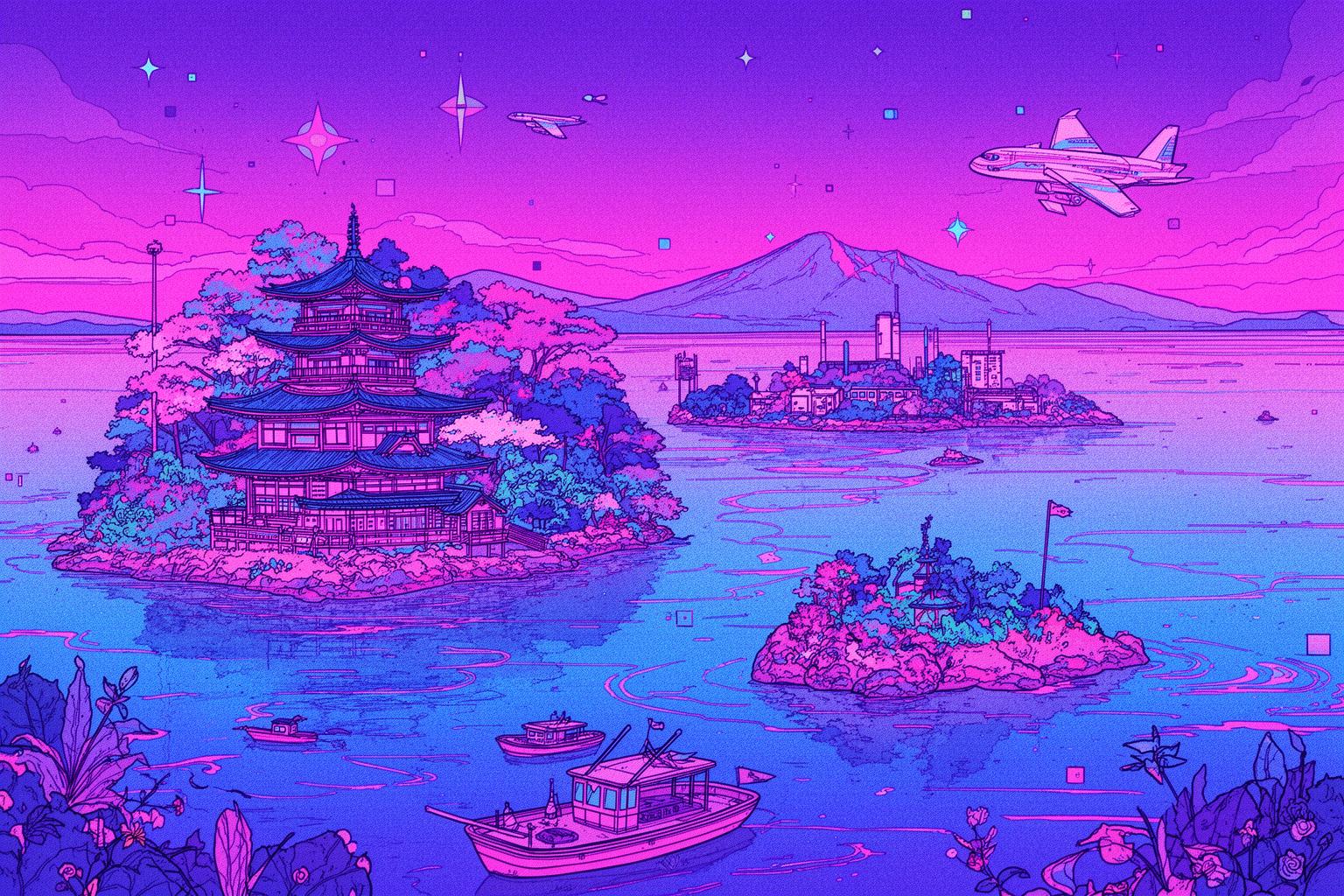
A journey through Naoshima, Teshima, and Inujima is more than just a vacation; it’s a passage through time and imagination. It’s an exploration of a future envisioned during an era of bold architecture and ambitious ideas—a future defined by clean lines, raw concrete, and a profound, symbiotic relationship between humanity, art, and nature. This isn’t the flying-car fantasy of The Jetsons, but a more reflective, minimalist, and slightly melancholic vision, rooted in the brutalist and land art movements of the 20th century. What makes the experience so compelling is that this vision has been so thoroughly realized. You are not simply observing art; you are walking through it, sleeping in it, and breathing it in, swept by the salty sea air. The islands stand as a living testament to art’s power not merely to adorn a place, but to fundamentally transform it, heal its wounds, and provide it with a renewed purpose. You depart with your mind filled with unforgettable images: a yellow pumpkin against a blue sea, a drop of water tracing its path across a concrete floor, a smokestack reaching skyward. It’s a journey that recalibrates your senses and leaves you wondering if you’ve just visited Japan or another world entirely. Go see for yourself.