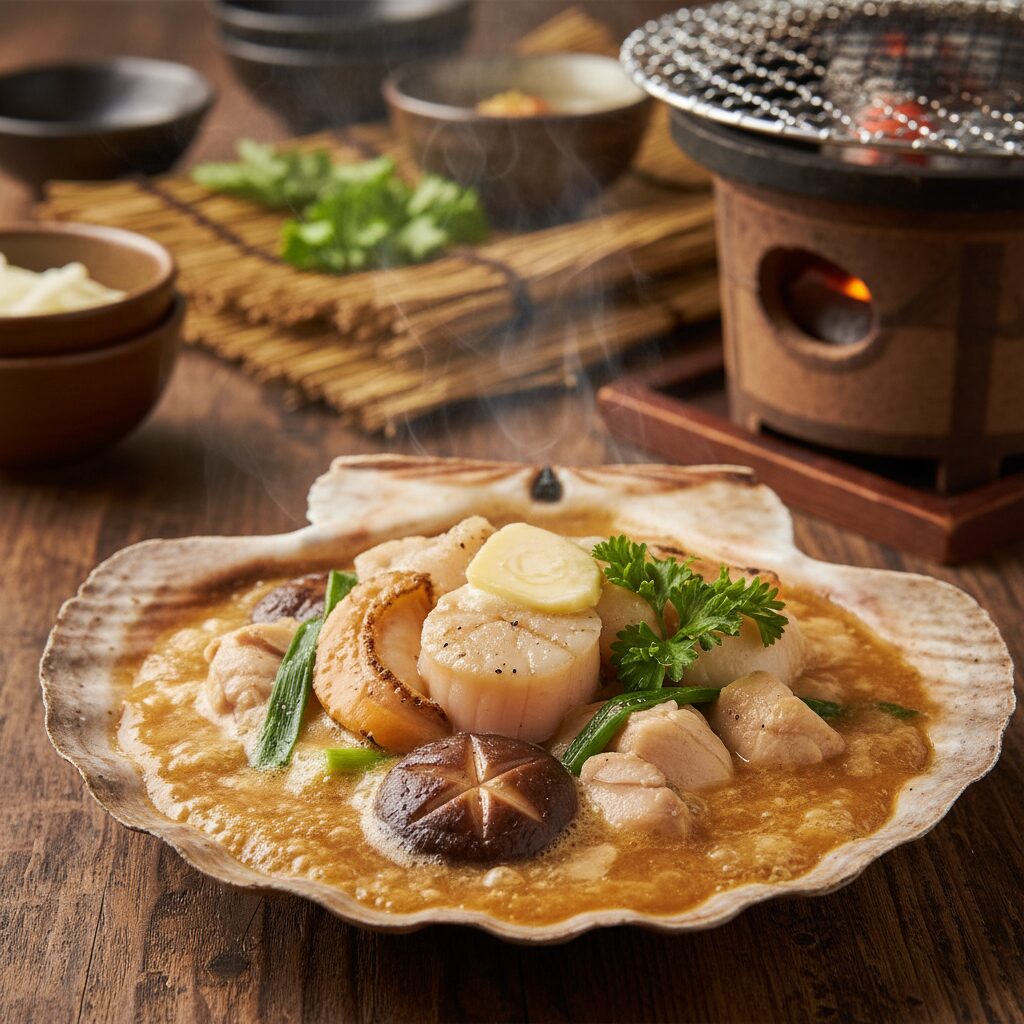
Alright, let’s have a real one. Picture this: you’re in the deep north of Japan’s main island, Honshu. The air is crisp, carrying the scent of salt from the bay and the distant, cool fragrance of ancient forests. This isn’t Tokyo. This isn’t Kyoto. This is Aomori, a place where nature is the main character and the culture runs as deep and cold as the winter snow. And in this land of epic festivals and even more epic apples, there’s a dish that’s the absolute soul of the region, a culinary hug in a shell. I’m talking about Kaiyaki Miso. Forget everything you thought you knew about miso soup. This ain’t that. This is a whole mood, a historical saga served steaming hot, and honestly, it’s a dish that lives in my head rent-free. It’s a deceptively simple concoction: fresh scallops, dashi, a dollop of local miso, maybe some green onions, all grilled right in a massive scallop shell over a flame. As it bubbles, an egg is swirled in, creating a savory, custardy masterpiece that’s both rustic and ridiculously sophisticated. It’s the kind of food that tells a story, a taste of the harsh, beautiful life of the Tsugaru Peninsula fishermen. This isn’t just a snack; it’s a piece of Aomori’s heart, served up in its own natural dish. It’s the ultimate glow-up from humble fisherman’s fare to a must-try regional delicacy. Before we dive deep into the lore of this legendary dish, get your bearings and see where we’re dropping in. This is ground zero for our flavor quest.
Unpacking the Glow Up: What Even is Kaiyaki Miso?

So, let’s dive into the details of what truly makes Kaiyaki Miso the ultimate GOAT of Aomori cuisine. You can’t simply call it ‘scallop miso grill’ and leave it at that—that’s like reducing a symphony to ‘some sounds.’ The disrespect! This dish is a full performance, an art form where the stage is a giant scallop shell, or ‘hotate.’ These shells are roughly the size of your hand, a proper unit, harvested straight from the pristine, nutrient-rich waters of Mutsu Bay. Nearly enclosed by the Shimokita and Tsugaru peninsulas, this bay acts as a VIP lounge for scallops, allowing them to grow plump, sweet, and bursting with umami. The shell isn’t just decorative; it’s the cooking vessel itself. Using the shell as a natural pan is a zero-waste power move that’s been embedded in local tradition for centuries. It also imparts a subtle, briny essence into the dish that no metal pan can replicate. It brings authenticity.
Within this pearlescent bowl, the magic unfolds. First comes the dashi, the cornerstone broth of Japanese cuisine. In Aomori, this is often a ‘niboshi’ dashi, made from dried baby sardines, delivering a more robust, oceanic punch than the more common bonito-and-kombu version. This isn’t your delicate Kyoto-style dashi; it’s bold and unapologetic, much like the Tsugaru landscape itself. Then, a generous scoop of Tsugaru miso is blended into the simmering dashi. This isn’t the sweet, light miso you might expect. Tsugaru miso is long-fermented, reddish, and intensely salty—a product of the harsh winters, crafted to preserve and supply deep flavor throughout the snowy season. Its powerful, savory funk forms the backbone of this dish’s flavor profile. It’s an intense, complex taste that instantly signals you’re not in Kansas anymore.
The star of the show, naturally, is the scallops. Freshly shucked hotate, tender and almost translucent, are sliced and added to the bubbling broth. They cook gently, soaking up the savory dashi and miso while releasing their own sweet, delicate juices into the pot. This is where quality shines through. Aomori scallops are famously sweet, and this dish lets them truly sing. Occasionally, other local ingredients join in—thin slices of Negi (Japanese long onion) for a sharp, aromatic kick, or local mountain vegetables depending on the season. The final act, the one that truly elevates Kaiyaki Miso to legendary status, is the egg. Just as everything reaches a perfect simmer, a raw egg is cracked into the shell and vigorously stirred. This is the clutch move. The egg cooks almost instantly in the hot broth, transforming the liquid into a rich, savory, slightly thick custard. It coats every piece of scallop, tempers the saltiness of the miso, and creates a texture that is pure, unadulterated comfort. The result, steaming and fragrant, is a bowl of pure Aomori soul. It’s salty, sweet, savory, and packed with the deep umami of the sea. It offers a textural journey from the tender bite of the scallop to the soft curds of egg and the soupy, custardy broth. Eating it engages all the senses—the sight of the bubbling shell, the sound of the crackling flame beneath it, the incredible aroma of grilling miso and seafood, and finally, that soul-affirming taste.
The Lore: A History Lesson, But Make it Fire
Now, a dish as iconic as this doesn’t simply emerge out of nowhere. It carries a backstory, a genuine origin deeply embedded in the history of Aomori. From a historian’s viewpoint, Kaiyaki Miso is a compelling culinary artifact. Its origins lie firmly in the tough, practical lives of the local fishermen of the Tsugaru Strait. Picture fishermen centuries ago, braving the cold, harsh waters of Mutsu Bay. They needed food that was hot, nourishing, and easy to prepare with what was available. What did they have? An abundance of giant scallops, miso for preservation and flavor, and a fire for warmth. The scallop shell served as a perfect disposable, eco-friendly pan. This was survival food, born from necessity—pure function over form—a way to get a warm, protein-rich meal in the most severe conditions.
However, the dish underwent a significant transformation, a plot twist that elevated it from fishing boats to the castles of the samurai elite. The most popular legend, the one every local grandmother will recount with a sparkle in her eye, involves a feudal lord of the Tsugaru Domain during the Edo Period. The story goes that the lord fell seriously ill, with no medicine proving effective, and the domain’s top doctors baffled. News of his condition reached the common people. A local official, recalling the fishermen’s nourishing meal, proposed a humble dish: scallops, miso, and egg grilled in a shell. The idea was that the combination of protein-rich scallops and egg, mineral-packed miso, and the warmth of the broth would serve as a powerful restorative. It was essentially the Edo-era equivalent of chicken soup for the soul, but far more grand. They served it to the ailing lord, and to everyone’s amazement, he began to regain his strength. From that day forward, Kaiyaki Miso was elevated, becoming known not just as peasant food but as a dish of healing and prestige, worthy of a daimyo. Whether entirely factual or embellished over time, this story cemented the dish’s place in the region’s cultural pantheon. It became a symbol of Aomori’s ingenuity and the deep bond between its people, the sea, and their rulers.
This evolution from a utilitarian meal to a celebrated delicacy mirrors broader shifts in Japanese society. During the peaceful Edo Period, regional cultures and cuisines flourished. Domains like Tsugaru took great pride in their local specialties, and food became an expression of regional identity. Kaiyaki Miso emerged as one of Tsugaru’s signature dishes, a source of pride displayed to visitors and celebrated in local folklore. After the Meiji Restoration, as Japan modernized, these regional foods helped preserve local identity amid rapid national centralization. In the post-war era, with the growth of domestic tourism, dishes like Kaiyaki Miso were rebranded as ‘kyodo ryori’ (regional cuisine) and became major attractions for travelers seeking authentic Japanese experiences. Today, it stands as a proud emblem of Aomori’s heritage—a dish with a dual identity that embodies both the resilient spirit of the fishermen and the refined legacy of the samurai. Every bubbling shell offers a taste of this rich, layered history. No cap.
The Vibe Check: An Evening in a Tsugaru Izakaya
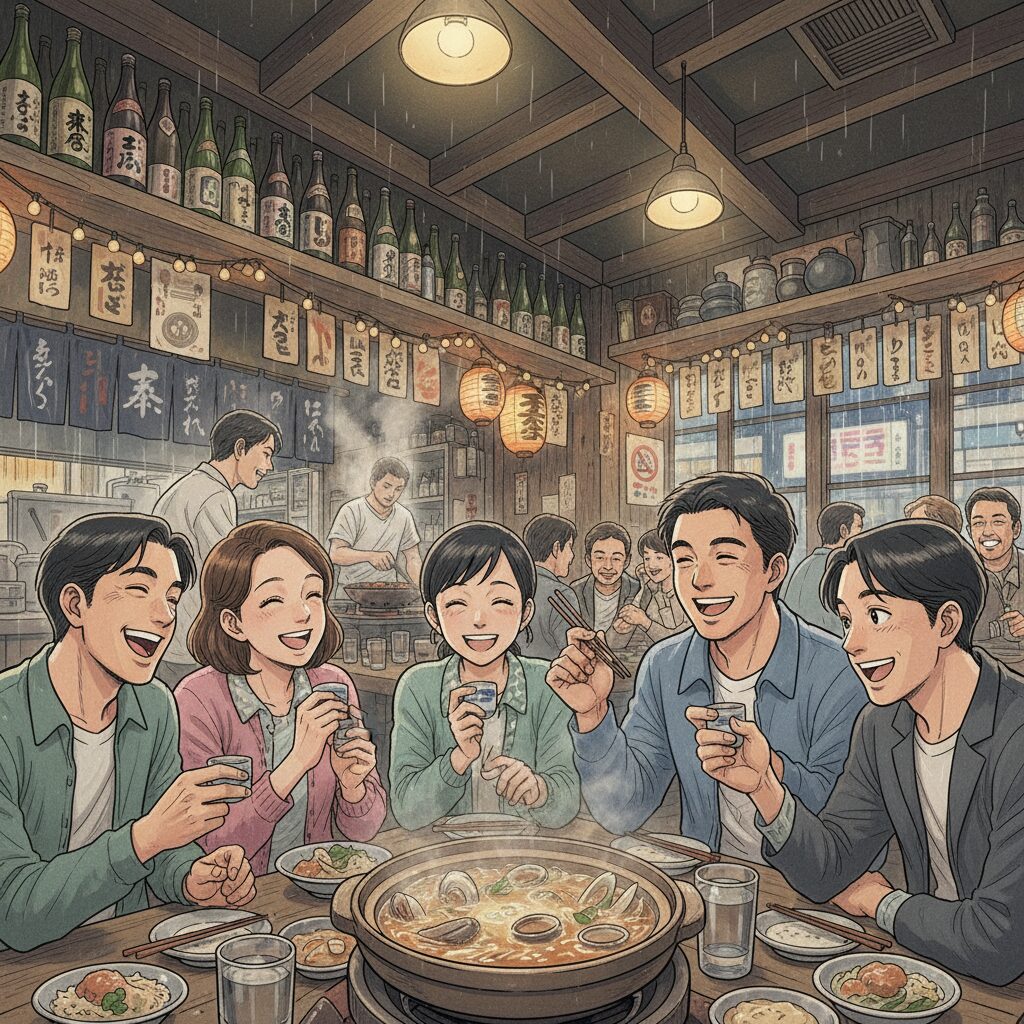
To truly grasp Kaiyaki Miso, you must experience it where it belongs: a small, lively izakaya in Aomori City on a crisp evening. Forget sterile, minimalist dining—this is about warmth, noise, and community. The atmosphere is impeccable. You pull aside a ‘noren’ curtain and are immediately immersed in a flood of sensory details. The air is rich with the enticing scents of grilled fish, simmering dashi, and the distinctive, toasty aroma of Kaiyaki Miso cooking over an open flame. It’s a fragrance that instantly feels like home, even if you’re thousands of miles away. The space is likely compact, with a worn wooden counter polished smooth by countless patrons’ elbows. Behind it, the ‘taisho’ (master) commands his domain with focused intensity, his hands moving with the skilled grace of a seasoned artist.
The soundscape is pure comfort. There’s the gentle hum of conversation in the thick, distinctive Tsugaru-ben dialect, punctuated by hearty laughter. The sizzle of food hitting the grill, the rhythmic clatter of kitchen tools, and cheerful calls of ‘Irasshaimase!’ (Welcome!) greet each new arrival. The lighting is soft and warm, casting a golden glow on the faces of other diners—salarymen unwinding after work, old friends catching up over sake, a young couple on a date. You’ll see them gathered around their own small tabletop grills, tending to bubbling shells of Kaiyaki Miso with looks of blissful anticipation. It’s a shared ritual, a communal event.
When your own set arrives, it’s a moment of theater. A small clay ‘shichirin’ grill is placed before you, its charcoal embers glowing a fierce orange. Resting atop is the giant scallop shell, filled with glistening broth and fresh scallops. The waitress might light it for you, or you might be handed the task. As it begins to simmer, the room seems to fade away, and your world narrows to this one perfect vessel of bubbling goodness. You stir in the egg, watching it swirl and cook into golden ribbons. The aroma deepens, a cloud of savory steam promising countless delights. This isn’t a passive dining experience—you’re a participant. This hands-on element is vital to the enjoyment, connecting you to the food and its rustic roots. Surrounded by warmth and the chatter of a local Aomori haunt, you’re not just a tourist eating a meal. You become part of the place, partaking in a tradition that has warmed the bellies and souls of the Tsugaru people for generations. It feels genuine, authentic, and utterly unforgettable. The entire experience embodies ‘shibui’—the Japanese aesthetic of simple, subtle, and unobtrusive beauty. It isn’t flashy, but it’s deeply, profoundly satisfying.
How to Slay the Kaiyaki Miso Game: A Pro Guide
Alright, you’re seated, the grill is heated, and the shell is bubbling. It’s go-time. How do you approach this masterpiece to unlock maximum flavor and cultural appreciation? There’s a method to the madness, a way to ride the umami wave like a pro. First, patience. Let the dashi and miso gently simmer. You want the flavors to meld and get acquainted. Watch as the edges of the scallop slices start to turn opaque—this is your signal.
Now, for the main event: the egg. Crack it into a small bowl first, whisk lightly, then pour it slowly and steadily into the simmering broth. Immediately grab your chopsticks and stir vigorously. You’re not aiming for a solid omelet here. The goal is to form soft, feathery curds of egg suspended throughout the broth, like a savory cloud. Some people prefer to stir just a little, leaving larger, distinct pockets of cooked white and runny yolk. Others opt for a fully incorporated, creamy, custard-like texture. This is your journey. There’s no wrong answer, but the classic approach is the ‘kakitamajiru’ style, with delicate egg ribbons. Stop stirring when the egg is just set but still tender. Overcooking is the enemy; it’ll make the egg rubbery and ruin its delicate texture.
Now, how to eat it? There are two schools of thought. Some treat it like a rich, decadent soup, sipping the broth and eating the scallops and egg right from the shell with a spoon. It’s an intense flavor bomb. The more common method—and arguably the superior one for a full meal experience—is to use it as a topping for a bowl of pristine, fluffy white rice. This is the ultimate power move. Spoon a generous amount of the custardy scallop-egg mixture over hot rice. The rice absorbs the savory broth, and each bite becomes a perfect harmony of textures and flavors: the sweet, firm scallop, the soft, creamy egg, the salty-funky miso broth, and the neutral, comforting bed of rice. It’s a symphony in a bowl.
What to drink with this divine creation? You absolutely must pair it with local Aomori ‘jizake’ (craft sake). The sake from this region is often dry, clean, and crisp, shaped by the cold climate and pure mountain water. A fantastic choice is Denshu from Nishida Brewing, a junmai sake known for its clean finish and subtle rice notes that cut through the richness of Kaiyaki Miso without overpowering it. Another great option is Mutsu Hassen from Hachinohe Shuzo, which tends toward a slightly more fruity and aromatic profile that beautifully complements the sweetness of the scallops. Served slightly chilled, these sakes cleanse the palate between bites, readying you for the next wave of umami. The interplay between the warm, savory dish and the cool, crisp sake is a culinary dialogue that tells a story about the harmony of Aomori’s gastronomy. Skip the beer this time. Trust me—sake is the way.
Beyond the Shell: Vibing with the Tsugaru Peninsula
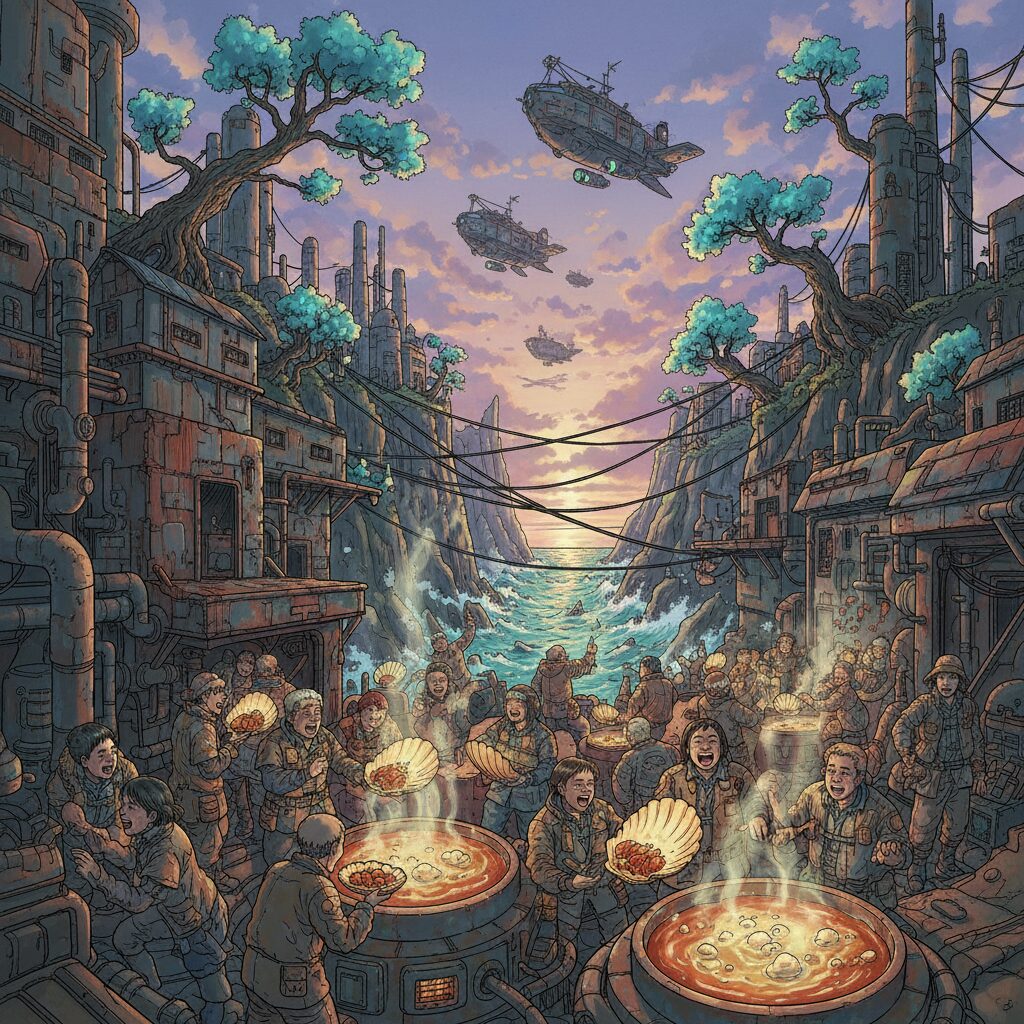
Kaiyaki Miso serves as your introduction to the wonders of Aomori, but the journey doesn’t stop once the shell is empty. This dish is a true product of its surroundings, and to fully appreciate it, you need to venture out and explore the land that created it. Aomori Prefecture is a vast, diverse region of raw, untamed beauty, alive with the changing seasons, each revealing a distinct yet equally stunning landscape.
Your base will probably be Aomori City, nestled along the coast of Mutsu Bay. Don’t underestimate this city. It’s home to the incredible Nebuta Museum WA RASSE, where you can get an up-close look at the massive, illuminated paper floats from the famous Nebuta Matsuri, one of Japan’s most dazzling festivals. The scale and artistry will leave you awestruck. For a unique culinary experience, visit the Furukawa Fish Market for a ‘Nokkedon.’ You purchase a bowl of rice, then roam the market stalls, buying tickets to exchange for insanely fresh toppings like tuna, sea urchin, salmon roe, and naturally, more scallops. You create your own ultimate seafood bowl. It’s interactive, delicious, and an absolute vibe.
From the city, endless adventures await. Travel east to the Shimokita Peninsula, an axe-shaped landmass marking the northernmost tip of Honshu. Here lies Osorezan, or ‘Fear Mountain,’ one of Japan’s three most sacred sites. This surreal volcanic landscape of stark beauty is believed to be a gateway to the afterlife. It’s a deeply spiritual and hauntingly beautiful place, feeling worlds apart from modern Japan. Alternatively, explore the ‘Hotokegaura’ rock formations, a series of breathtaking cliffs carved by nature that look like something from a fantasy saga.
Or head west to the Tsugaru Peninsula, the historic heart of the region. Visit Hirosaki, a charming castle town boasting one of Japan’s most beautiful original castles. In late April and early May, Hirosaki Park bursts into bloom with over 2,500 cherry blossom trees, creating a pink sea that ranks among the country’s top sakura viewing spots. The sight of the castle framed by blossoms epitomizes Japan. Further north, the Tanesashi Coast offers dramatic coastal hikes with sweeping ocean vistas.
Seasonality defines Aomori. Summer brings the explosive energy of the Nebuta festival in early August, a must-see spectacle of light, sound, and dance. Autumn is prime leaf-peeping season, and no spot surpasses the Oirase Gorge—a stunning mountain stream valley dotted with dozens of waterfalls, where the foliage transforms into a fiery tapestry of reds, oranges, and golds. Winter is when Aomori truly reveals its essence. The region is cloaked in some of the heaviest snowfall on earth, creating a serene, monochrome world. This is the time for onsen (hot springs), cozy izakayas, and, naturally, a steaming shell of Kaiyaki Miso to fend off the cold. This is soul food season. Experiencing Aomori’s stark winter beauty instills a deep respect for the resilience and warmth of its people and their cuisine.
Get Practical: Your Aomori Mission Brief
Ready to book that ticket? Bet. Here’s the essential information you need for a smooth journey into Japan’s deep north. Reaching Aomori is surprisingly straightforward. The Tohoku Shinkansen bullet train will take you from Tokyo to Shin-Aomori Station in just over three hours. It’s a comfortable, scenic ride that lets you watch the landscape change from urban sprawl to rolling countryside and majestic mountains. Alternatively, you can fly into Aomori Airport (AOJ), which offers connections to major hubs like Tokyo, Osaka, and Sapporo.
Once there, getting around requires some planning. Within Aomori City, there’s a decent bus network. For exploring the wider prefecture, renting a car is your best option, especially if you want the freedom to visit the remote coastlines of the Shimokita and Tsugaru peninsulas. Driving here is enjoyable, with well-maintained roads and stunning scenery. If you prefer sticking to the rails, the JR lines and the private Aoimori Railway will take you to key spots like Hirosaki and Hachinohe, but be sure to check timetables as services can be infrequent in rural areas.
Here are a few tips for first-timers to help you navigate like a local. While credit cards are increasingly accepted in cities and hotels, many smaller izakayas, local shops, and market stalls remain cash-only. Always carry a reasonable amount of yen to avoid any awkward situations. Learning a few basic Japanese phrases will go a long way. A simple ‘Sumimasen’ (Excuse me), ‘Arigato gozaimasu’ (Thank you very much), and ‘Oishii!’ (Delicious!) will be met with warm smiles and appreciation. The people of Aomori are known for their hospitality, but showing a bit of effort always makes a good impression.
Packing is crucial, especially outside of summer. Aomori weather is no joke. Winters are long and bitterly cold, with heavy snow. You’ll need serious winter gear: insulated and waterproof boots, a warm coat, thermal layers, hats, and gloves. Even in spring and autumn, the weather can be unpredictable, so layers are your best friend. A chilly morning can turn into a warm afternoon and a cool evening. Be prepared for anything, and you’ll stay comfortable enough to enjoy the breathtaking scenery regardless of the season. Finally, be open. Aomori is not a place to rush through. It’s a region that rewards slow travel. Take the time to talk to locals, linger over a meal, and simply sit and absorb the powerful natural beauty. It’s in these quiet moments that you’ll discover the true spirit of Japan’s northern frontier.
More Than a Meal: The Last Bite
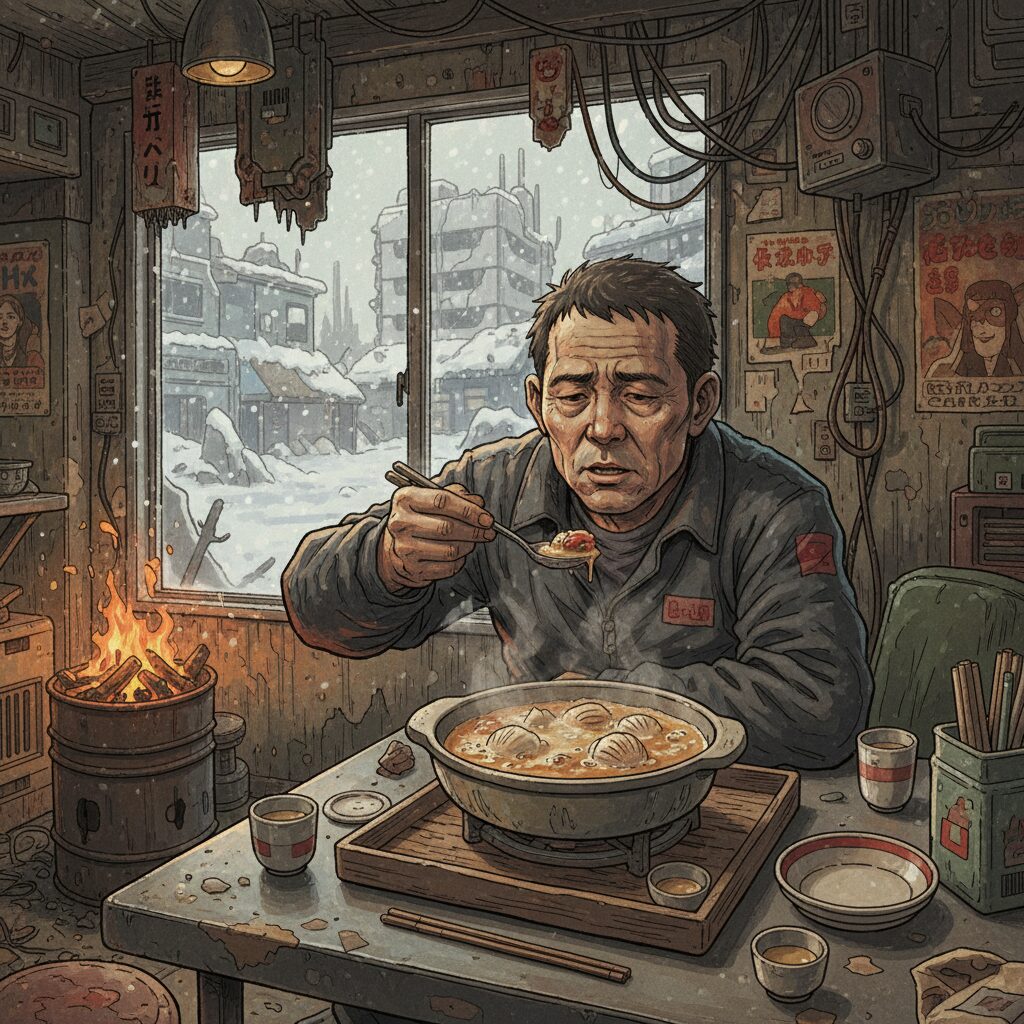
Ultimately, Kaiyaki Miso is far more than a mere combination of ingredients cooked in a shell. It serves as a culinary time capsule—a tale of survival, a lord’s recovery, and the pride of a region. This dish embodies the cold, clear waters of Mutsu Bay and the enduring spirit of the Tsugaru people. Sitting at a wooden counter in Aomori, watching the steam rise from the bubbling, golden mixture, connects you to something ancient and genuine. It reminds us that the simplest elements—a fresh scallop, a scoop of salty miso, a single egg—can be transformed into something extraordinary when grounded in a distinct sense of place and history. This is food that nourishes not only the body but also the soul. So, when planning your journey to Japan, look beyond the usual destinations. Head north, find that small izakaya marked by a little red lantern, slide open the door, and order Kaiyaki Miso. It will be more than just a meal; it will be a memory, crafted one delicious, soul-warming spoonful at a time.