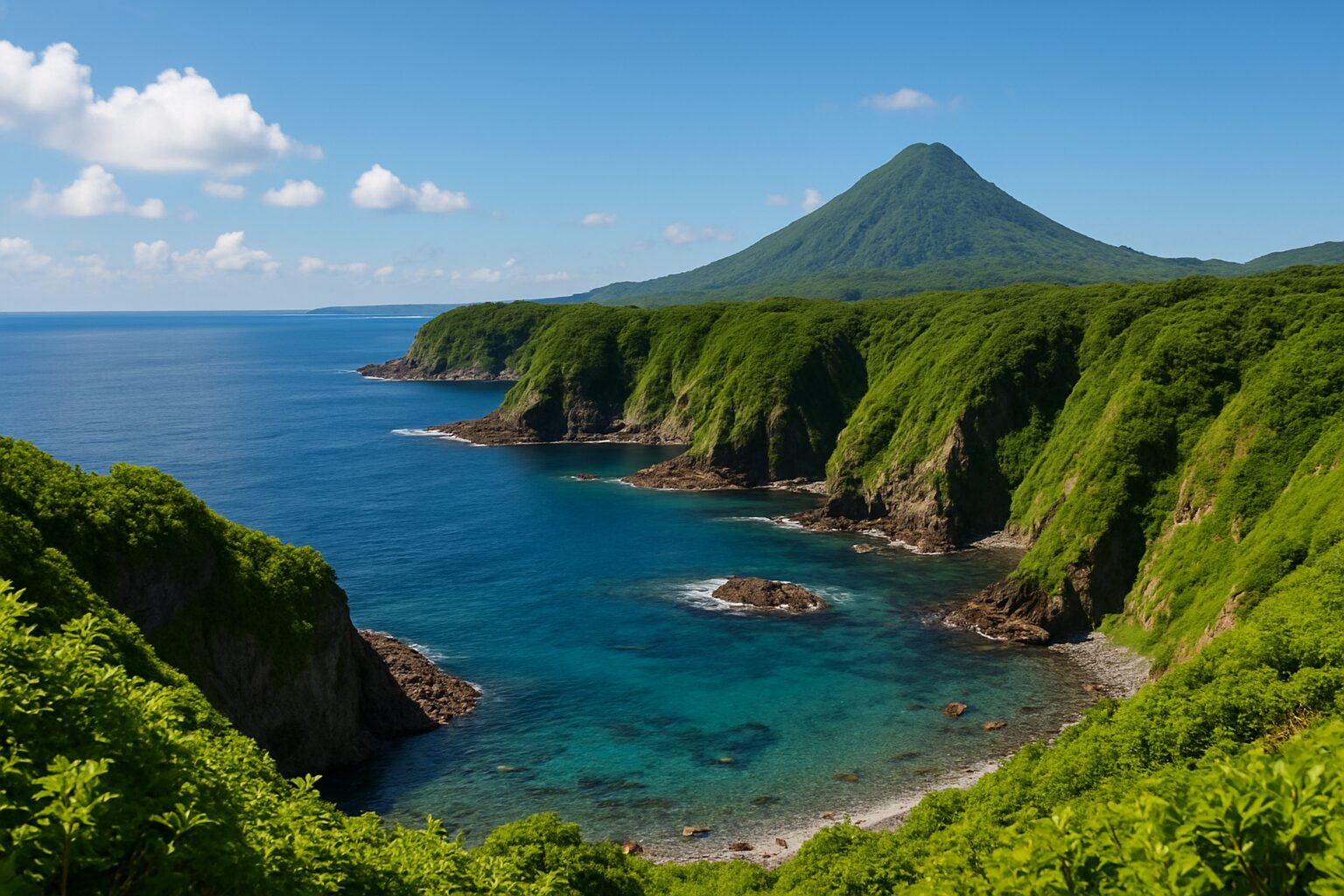
Alright, let’s get real for a second. When you picture Japan, what comes to mind? Neon-drenched Tokyo streets? Serene Kyoto temples? Cherry blossoms so thick they look like pink clouds? All legit, all amazing. But what if I told you there’s a whole other Japan? A raw, untamed, end-of-the-world kind of place where mystical volcanoes whisper secrets of the underworld and wild horses roam free against a backdrop of the wild northern sea. Buckle up, because we’re going to the Shimokita Peninsula, the axe-shaped landmass at the tippy-top of Honshu, Japan’s main island. This isn’t just a place on a map; it’s a vibe, an adventure, a deep dive into a side of Japan that feels ancient, powerful, and profoundly different. It’s where nature isn’t just a backdrop; it’s the main character, and trust me, she puts on a heck of a show. Shimokita is for the explorers, the soul-searchers, and anyone who wants to see what Japan looks like when it lets its hair down and gets a little wild. It’s a journey that will challenge your perceptions and leave an indelible mark on your soul. This is the Japan you didn’t know you were looking for, and it’s absolutely epic.
If you’re ready to embrace this raw, untamed spirit, consider starting your adventure by tackling the legendary Route 339 at Cape Tappi, Japan’s wildest highway.
The Vibe Check: What is Shimokita Even?
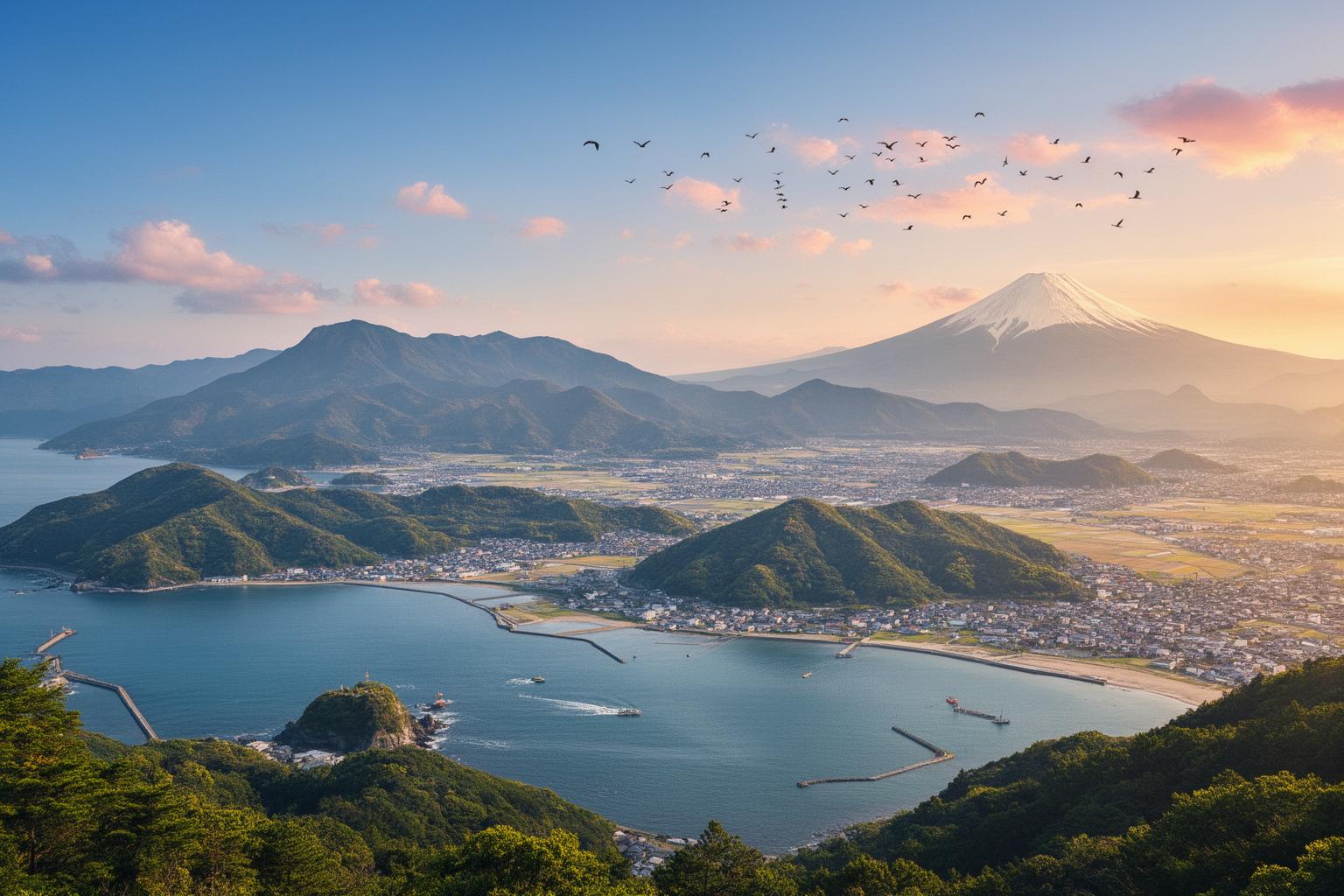
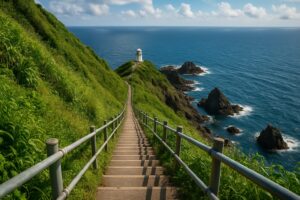
First, let’s start with the geography because it’s everything here. Look at a map of Japan, and way up in Aomori Prefecture, you’ll notice a landmass jutting into the Tsugaru Strait like a giant, rustic axe. That’s Shimokita. This isn’t just a charming metaphor; the shape shapes the experience. The “handle” of the axe is a rugged, mountainous spine, while the “blade” divides into three distinct capes, each with its own legendary character. To the east, there’s Cape Shiriyazaki, windswept grasslands where wild Kandachime horses roam. To the north, Cape Oma, the literal northernmost tip of Honshu, renowned for its world-class, outrageously expensive bluefin tuna. And to the west, a dramatic, otherworldly coastline culminates in the Hotokegaura rock formations, which seem straight out of a fantasy novel. At the center, nestled in a volcanic caldera, lies Osorezan, or “Fear Mountain,” one of Japan’s most sacred and eerie spiritual sites, often called a gateway to the afterlife. Driving through Shimokita feels like journeying across different worlds. One moment you’re in a dense, dark forest; the next, you’re on a coastline so rugged and dramatic you half expect a sea monster to rise. The towns are small, hardy fishing villages weathered by time and the harsh northern climate. The air is thick with the scents of salt, sulfur, and pine. There’s a profound sense of isolation here, but it’s not loneliness. It’s a powerful, grounding solitude that makes you feel small in the most humbling way, awed by the sheer scale and raw beauty of the landscape. It’s the kind of place where you don’t just see nature—you feel it deep in your bones.
Gateway to the Underworld: The Mystical Aura of Osorezan
If there is one place that truly captures the spirit of Shimokita, it’s Osorezan. Let me tell you, this place is something else entirely. It’s not simply a tourist spot; it’s a pilgrimage destination, a living, breathing hub of profound spiritual significance that has attracted visitors for over a thousand years. The journey itself sets the mood. As you wind your way up the mountain road, the lush green forests gradually give way to a stark, barren landscape. The air shifts, carrying the unmistakable, sharp scent of sulfur. You are entering a volcanic caldera, feeling the geothermal energy pulsing just beneath the surface.
Entering Another Realm
The gateway to Osorezan is marked by the Sanzu River, the Japanese counterpart to the River Styx, which souls must cross to enter the afterlife. A simple, arched red bridge spans its clear yet eerily still waters. Crossing this bridge feels symbolic, as if you’re leaving the world of the living behind and stepping into a threshold space. The entire area is overseen by Bodai-ji Temple, where the atmosphere is a complex blend of solemnity, natural beauty, and raw, almost terrifying power. It’s quiet, but a heavy quiet, filled with the whispers of the wind, the bubbling of geothermal vents, and the prayers of visitors seeking connection with loved ones who have passed on.
Lake Usori: Paradise and Inferno
At the heart of the caldera lies Lake Usori, whose beauty is both breathtaking and deeply unsettling. The water gleams a stunning, nearly tropical turquoise due to its high sulfur content. The shores are lined with pure white sands, making it resemble a paradise beach. Yet this is no paradise. The water is highly acidic, incapable of sustaining most life—a beautiful death, a pristine emptiness. This contrast embodies the essence of Osorezan. The landscape physically manifests Buddhist teachings on heaven and hell coexisting side-by-side. On one side lies the serene, beautiful lake symbolizing paradise; on the other, the volcanic fields— a chaotic, desolate hellscape. Walking the path around the lake is a meditative experience: the pure white sand crunches beneath your feet, the vibrant blue water stretches out before you, and an overwhelming, powerful silence envelops the surroundings.
Whispers of the Itako
Osorezan is also renowned for the Itako, blind female mediums believed to communicate with the spirits of the dead. For centuries, people have journeyed here seeking a final message from lost family members. Though their numbers have dwindled, they still hold sessions during the temple’s major summer and autumn festivals. This tradition adds a profound layer of poignant humanity to the site. Offerings abound— toys, pinwheels, clothes, and small piles of stones—left for the spirits, especially for children who have passed. The pinwheels spin in the sulfuric wind, a colorful, heartbreakingly joyful sight against the gray, desolate ground. It’s a powerful reminder that this is not merely a place of myth and geology; it’s a place of deep human grief, love, and the enduring need for connection.
A Walk Through the Volcanic Fields
Exploring the volcanic fields feels like stepping onto another planet. The ground is streaked with vivid yellows, reds, and oranges from mineral deposits. Steam hisses from cracks in the earth. Pools of gray mud bubble and boil with geothermal heat. The air is thick with the scent of sulfur, the breath of the volcano. The landscape is dotted with countless small stone piles and Jizo statues—guardians of travelers and the souls of children. Each pile represents a prayer, a memory, a soul. Walking these paths is deeply moving: a landscape at once terrifying and beautiful, a raw depiction of suffering and impermanence, yet also a place of immense peace and spiritual release. Osorezan is no easy place, emotionally or spiritually, but it is unforgettable. It confronts you with profound questions about life, death, and what lies beyond, all while standing amid one of the most uniquely powerful landscapes on Earth.
Wild and Free: Meeting the Kandachime Horses
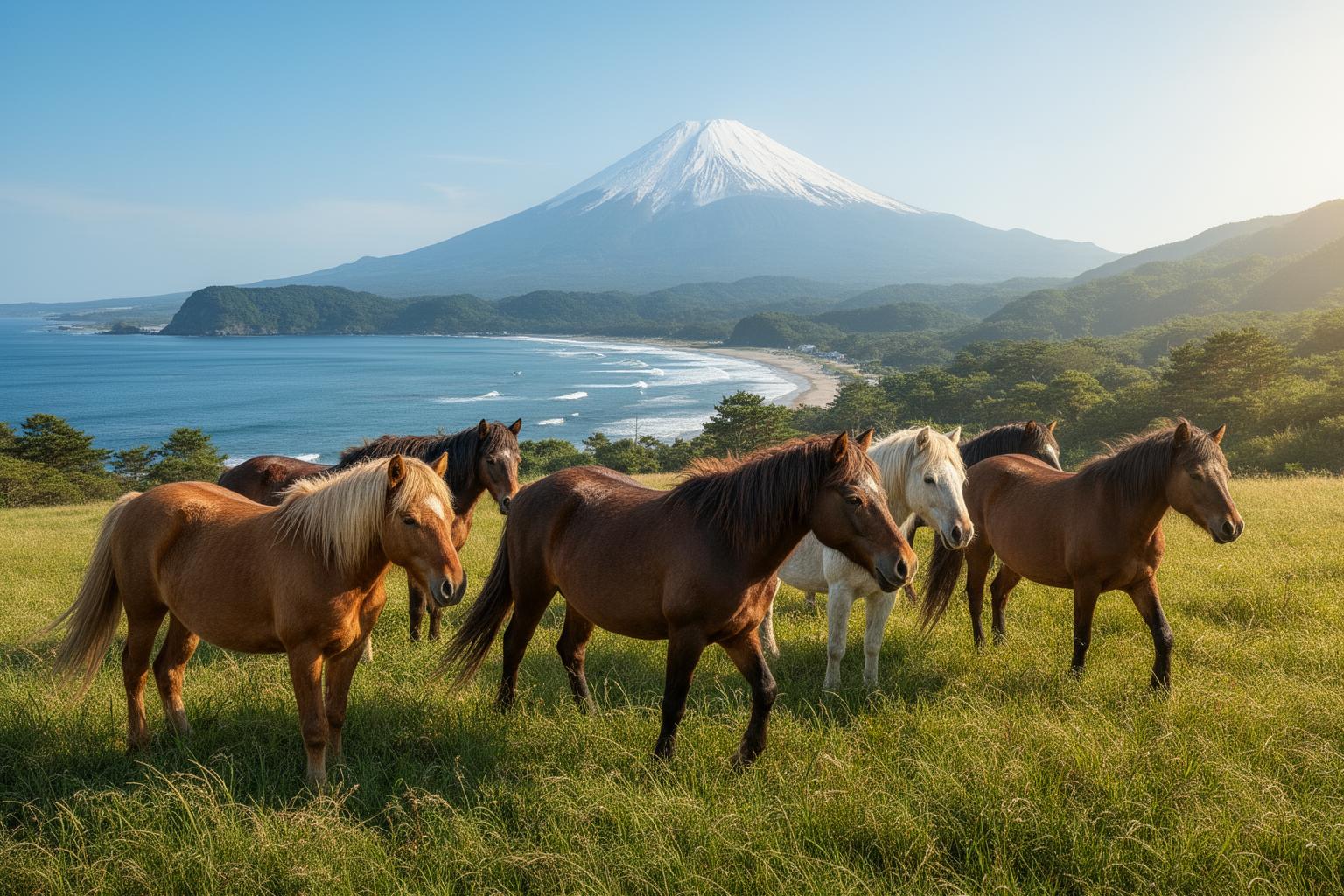
After the intense and spiritual introspection at Osorezan, the easternmost tip of the peninsula, Cape Shiriyazaki offers a different kind of untamed magic. This is the territory of the Kandachime horses, a semi-wild breed that has grazed these grasslands for centuries. Seeing them for the first time is an unforgettable experience—like stepping into a folktale. The landscape itself is breathtaking: a vast, windswept cape of rolling green hills that drop sharply into the deep blue Pacific Ocean. Standing guard over it all is the classic black-and-white striped Shiriyazaki Lighthouse, one of the first Western-style lighthouses built in Japan.
The Guardians of Cape Shiriyazaki
The Kandachime horses are the heart and soul of this place. Descended from warhorses of the Nanbu clan, they were left to survive on their own hundreds of years ago. As a result, they are exceptionally tough and resilient. With shorter legs and stockier bodies than most breeds, these adaptations help them endure the brutally cold and snowy winters of Shimokita. They are recognized as a Natural Monument of Aomori Prefecture and are protected, yet remain untamed. Living in herds, they graze peacefully on the lush seaside grass, their manes and tails flowing in the constant sea breeze. There is a quiet dignity and a powerful sense of freedom about them that is utterly captivating. They move in perfect harmony with their surroundings, following the seasons and the rhythm of the tides.
An Encounter with Majesty
As you drive onto the cape, you may find yourself stopped by the horses casually crossing the road, completely unfazed by your presence. You might spot a foal nuzzling its mother or a stallion standing proudly atop a hill, silhouetted against the sky. The most iconic sight is seeing them grazing at the base of the lighthouse or even on the beach, with waves crashing behind them. It’s a photographer’s dream, but the experience goes beyond capturing images. Being near them is a privilege—you enter their world. It’s a humbling reminder of nature’s enduring power and the beauty of creatures living wild and free. The soundscape here is just wind, the cries of seabirds, and the gentle munching of horses. It’s pure, untainted peace.
The Perfect Shot and How to Be Respectful
A quick tip for visitors: the road to Cape Shiriyazaki is open from April through November. During the harsh winter months, the horses are moved to a nearby pasture called Atsukashidai for their safety and to find food, so you won’t see them on the cape itself. When you visit, it’s crucial to remember that these are wild animals. Keep a respectful distance—do not try to touch or feed them. This is not only for your safety, as they can be unpredictable, but also essential for their well-being to maintain independence. Find a quiet spot, sit calmly, and observe. Watch the herd dynamics, listen to the sounds of the cape, and let the simple, profound beauty of the scene envelop you. It’s a rare and precious experience in today’s world.
Coastal Drama: Hotokegaura and the Art of Nature
On the western coast of the Shimokita Peninsula, facing the Tsugaru Strait, nature has crafted a monumental masterpiece: Hotokegaura, known as the “Buddha Coves.” This coastline is adorned with towering, jagged formations of white-green tuff rock that have been shaped over millennia by the unyielding wind and waves. The result is a natural gallery of sculptures so fantastical and evocative that they’ve been named after figures from the Buddhist pantheon. It feels like a sacred, hidden sanctuary, a place where the earth itself appears to be in meditation.
The “Buddha Coves”
These formations are truly breathtaking. They rise dramatically from the emerald-green waters and rocky beach, some soaring over 90 meters high. As you walk among them, it’s easy to see why they inspired such spiritual names. One resembles a seated Buddha, another a series of Arhats (enlightened disciples), and yet another a soaring pagoda. The main formation, a massive central spire, is named Nyorai no Kubi (The Head of the Buddha). The white and pale green rock, streaked with darker greens from moss and algae, contrasts strikingly with the deep blue of the sea and sky. The immense scale and intricate detail of the formations make you feel tiny, as though you’ve stumbled upon a meeting place for giants or gods.
Reaching the Sanctuary
Getting to Hotokegaura is part of the experience, with two main options. For the truly adventurous, a hiking trail descends the steep cliffside to the beach. It’s a challenging path, featuring steep stairs and rugged terrain, but the gradual reveal of the rock formations as you descend is rewarding. However, the best way to experience Hotokegaura is by taking a sightseeing boat from nearby Sai Village. The boat ride itself is spectacular, offering panoramic views of the rugged coastline. Yet the moment the boat rounds the final headland and the full expanse of Hotokegaura is revealed is pure cinematic magic. The captain expertly navigates close to the rocks, pointing out the various named formations and providing a perspective not possible from shore. The tour generally includes about 30 minutes to disembark and stroll along the beach, allowing a close encounter with these geological marvels.
The Atmosphere of Serenity
Once on the beach, the atmosphere is one of deep peace and wonder. The towering cliffs form a natural amphitheater, silencing the sounds of the outside world. All you hear is the gentle lapping of waves against the shore and the occasional call of a seagull echoing off the rocks. It’s a place that invites silence and contemplation. You find yourself simply gazing, trying to absorb the impossible shapes and textures, sensing the immense passage of time that shaped such a place. It stands as a powerful testament to nature’s artistic force and ranks among the most stunning and unique coastal landscapes in all of Japan. Whether you’re a geology enthusiast, a spiritual seeker, or someone who appreciates a breathtaking view, Hotokegaura will leave you in awe.
The Northernmost Point: Tuna, Dreams, and Cape Oma
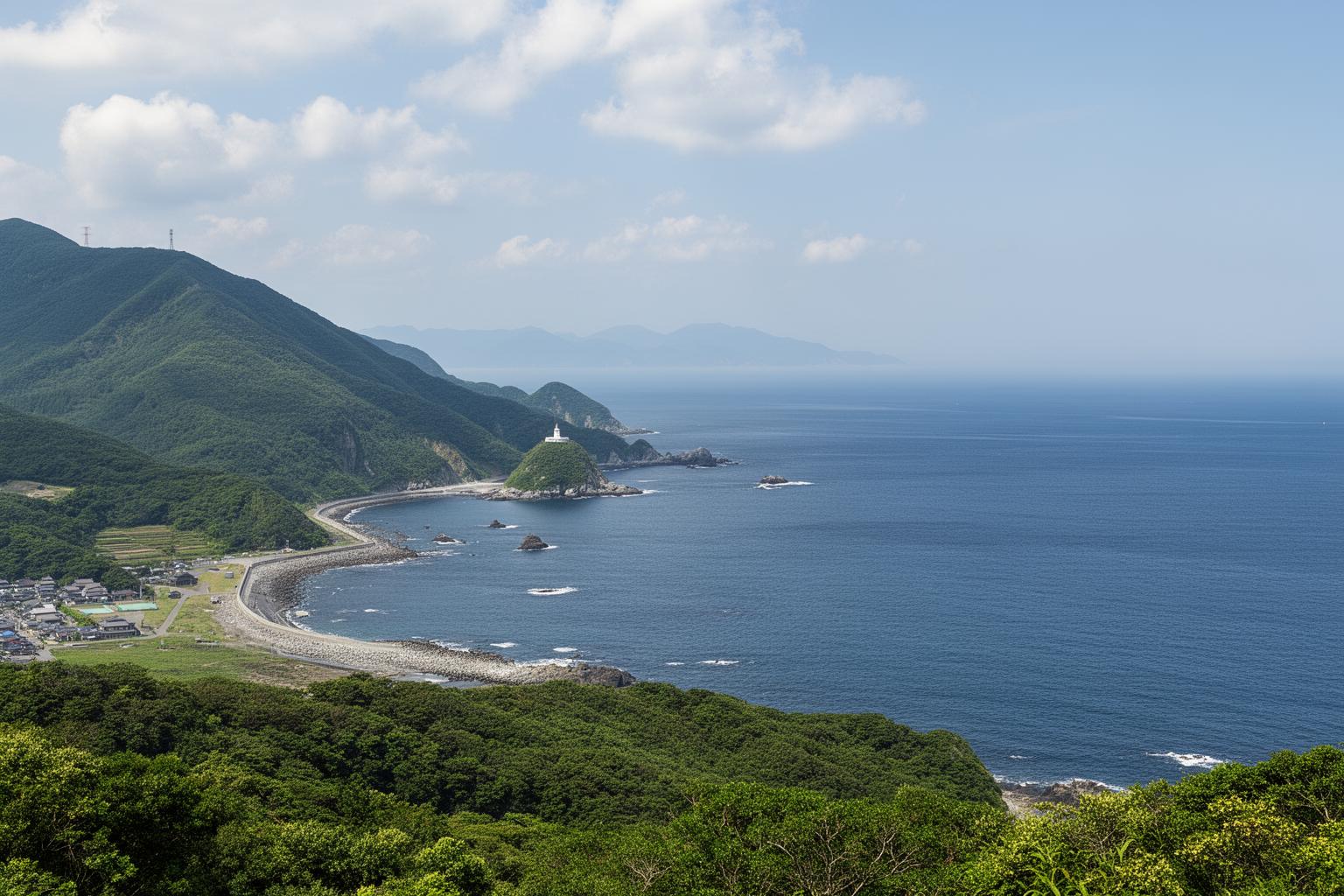
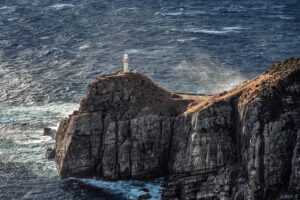
At the very tip of the axe-shaped blade lies Cape Oma, the official northernmost point of Japan’s main island, Honshu. There’s a genuine “end of the road” atmosphere here. When standing by the monument, a stone pillar marking the location, you can gaze out across the Tsugaru Strait and, on a clear day, easily spot the city of Hakodate on Hokkaido’s shores, just 18 kilometers away. It’s a spot for windswept selfies and a pause for reflection on how far you’ve journeyed. However, Cape Oma is renowned for something else, something legendary in the culinary world: its extraordinary bluefin tuna.
The Legend of Oma Tuna
Let’s reveal the story behind this fish. Oma-maguro, or Oma bluefin tuna, isn’t just any fish; it’s a global luxury icon. Known as the “black diamond” of the sea, and with good reason. These are large, powerful fish that swim in the cold, swift currents of the Tsugaru Strait. This tough environment makes them incredibly strong and produces meat luxuriously marbled with rich, flavorful fat. The fishing season hits its peak in autumn and early winter, and the fishermen of Oma are legendary, braving harsh seas to catch these giants using a traditional pole-and-line technique called ippon-zuri. This method is essential; it minimizes stress on the fish, preserving the quality of the meat. One Oma tuna can sell for astronomical sums at the year’s first auction at Tokyo’s Toyosu Fish Market, sometimes fetching millions of dollars. This isn’t just a meal; it’s the zenith of sushi culture.
A Taste of Royalty
What does this mean for you, the traveler? It means you have a once-in-a-lifetime chance to taste this world-class tuna right at its source, for a fraction of what you’d pay at a high-end Tokyo restaurant. The small town of Oma hosts several restaurants dedicated to serving the local catch. Sampling Oma tuna here is a culinary pilgrimage. You simply must try a donburi (rice bowl) or a sashimi plate featuring the different cuts. There’s the akami (lean red meat), offering pure, clean tuna flavor. Then chutoro (medium fatty tuna), perfectly balanced and melting in your mouth. And finally, the king of cuts, otoro (the fattiest part from the belly), richly marbled and practically dissolving on your tongue in a wave of umami bliss. The flavor is complex, buttery, and utterly unforgettable. It’s a bucket-list experience for any foodie, and enjoying it while gazing out at the very waters it came from creates a moment of perfect culinary harmony.
The Practical Playbook: Nailing Your Shimokita Trip
Shimokita is wild and remote, which greatly adds to its charm, but it also means that visiting requires some careful planning. This isn’t a place where you can simply show up and improvise. However, with a bit of preparation, you’ll be ready for an unforgettable adventure.
Getting There is Half the Adventure
Reaching the peninsula is an adventure in itself. The usual route involves taking the Tohoku Shinkansen (bullet train) to either Hachinohe or Shin-Aomori station. From there, you transfer to the local Aoimori Railway line to Noheji, then switch to the JR Ominato Line, which runs along the “handle” of the axe to its terminus at Shimokita Station in Mutsu City. Mutsu, the largest city on the peninsula, serves as the main hub; beyond this point, public transportation options become limited. Local buses serve some main sites, but schedules are infrequent and sometimes confusing. Honestly, the best—and I’d say the only—way to thoroughly explore Shimokita’s remote capes and hidden spots is by renting a car. Having your own vehicle lets you stop whenever you like, capture the best light for photos, and explore at your own pace. Rental cars are available in Hachinohe, Aomori City, or near Shimokita Station.
When to Roll Through
Timing is key for a trip to Shimokita. The best time to visit is from late spring through autumn (May to October). During these months, the weather is mild, all roads and attractions are open, and the landscape is lush and green. Summer (July and August) is lovely but can be foggy along the coast. Autumn (late September to October) is stunning, as the dense interior forests burst into vibrant red, orange, and yellow hues. Winter, from December to March, tells a different story: it is harsh, with heavy snow and freezing temperatures. Many roads—including those to Osorezan, Cape Shiriyazaki, and the hiking trail to Hotokegaura—close for the entire season. While winter has its own stark beauty, visiting then is best suited for the most adventurous and well-prepared travelers.
Where to Crash
Mutsu City offers the widest variety of accommodations, including reliable and convenient standard business hotels. For a more unique experience, consider staying at a traditional Japanese inn, or ryokan. The Yagen Valley, famous for its hot springs, hosts beautiful riverside ryokans where you can relax in a natural onsen after a day of exploring. In smaller coastal villages like Sai and Oma, you’ll find minshuku—family-run guesthouses that provide an intimate local experience, often with delicious home-cooked meals featuring fresh, local seafood. Booking in advance is advisable, especially during peak travel periods.
What to Pack and What to Know
Bring layers! The weather on the peninsula shifts quickly, especially along the coast where it can be windy and cool even under the sun. Pack a waterproof jacket, sturdy and comfortable walking shoes, and sun protection. In summer, bug spray is essential. Keep in mind that Shimokita is a rural area. While Mutsu City has plenty of amenities, smaller villages have fewer stores and restaurants. It’s wise to carry cash, as many small establishments do not accept credit cards. Lastly, before heading out each day, check for any road closures. Nature rules here, and weather or maintenance work can sometimes disrupt your plans.
Beyond the Big Four: Hidden Gems and Local Flavors
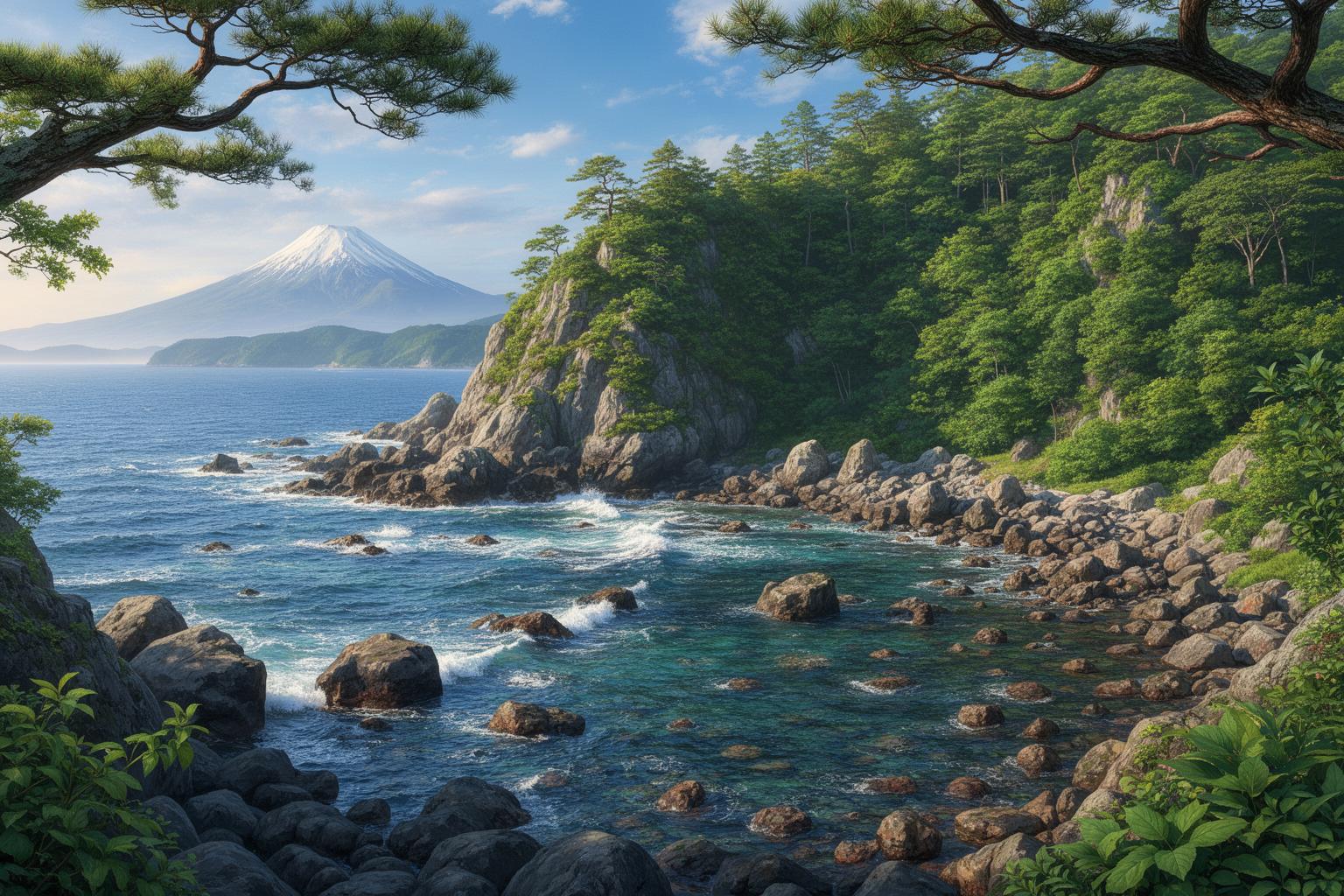
While Osorezan, the Kandachime horses, Hotokegaura, and Oma tuna are the main attractions, Shimokita offers many other charms waiting to be discovered by those willing to explore a bit further.
Yagen Valley’s Hidden Onsen
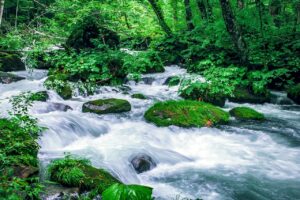
Nestled deep in the forested center of the peninsula lies Yagen Valley, a pristine natural area tracing the Ohata River. It’s a stunning location for a scenic drive, especially in autumn when the foliage is vibrant. Its true appeal, however, is its rustic hot springs. You’ll find elegant ryokans with refined onsen baths, but for a genuinely untamed experience, seek out the free, open-air baths like Kappa no Yu located right by the river. Soaking in the steaming, mineral-rich water while surrounded by the sounds of the forest and flowing river is pure bliss. It’s an ideal way to recharge your energy.
The Sai Village Vibe
Sai Village serves as the departure point for the Hotokegaura boat tours, but it’s worth spending some extra time here. This quintessential northern Japanese fishing village boasts a charming harbor filled with squid boats, narrow streets, and a slow, tranquil lifestyle. It’s a perfect spot to experience the local culture and savor incredibly fresh seafood. The local specialty is uni (sea urchin), and if you visit in season (summer), you can enjoy some of the creamiest and best uni you’ll ever taste.
Local Eats Beyond Tuna
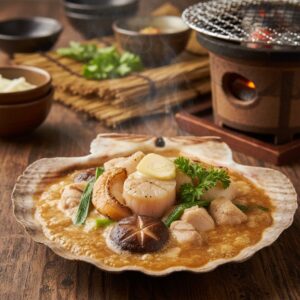
While Oma tuna receives much of the spotlight, Shimokita’s culinary offerings are diverse and rich. Be sure to try Miso Kayaki, a comforting local dish where scallops, eggs, and miso are grilled together in a large scallop shell—it resembles a savory, seafood-infused custard. Iso Ramen is another must-try, a salt-based ramen topped with a generous amount of fresh local seafood and seaweed. And don’t overlook the squid. The waters here are abundant with it, and you’ll find it prepared in every conceivable way, from tender sashimi to crispy tempura.
The Final Word: Why Shimokita Stays With You
Leaving Shimokita feels like awakening from a vivid dream. It’s a place that seeps under your skin and lingers long after you’ve returned to the rush of modern life. It’s more than just a collection of sights; it’s an emotion. It’s the chill of the wind at Cape Shiriyazaki as you watch wild horses grazing. It’s the heavy, spiritual silence of Osorezan as you walk among the offerings left for the departed. It’s the awe inspired by standing beneath the towering rock gods of Hotokegaura. It’s the burst of flavor from a perfectly fatty piece of Oma tuna melting on your tongue. Shimokita is a journey to the edge, both geographically and emotionally. It reminds you of nature’s raw, untamable power and the deep, enduring pull of history and spirit. It’s a place that doesn’t offer easy comforts but instead delivers something far more valuable: a genuine sense of adventure, a connection to something ancient and profound, and a fresh perspective on what Japan—and the world—can be. It’s a wild, beautiful, and deeply moving corner of the planet, waiting for you to come and explore.