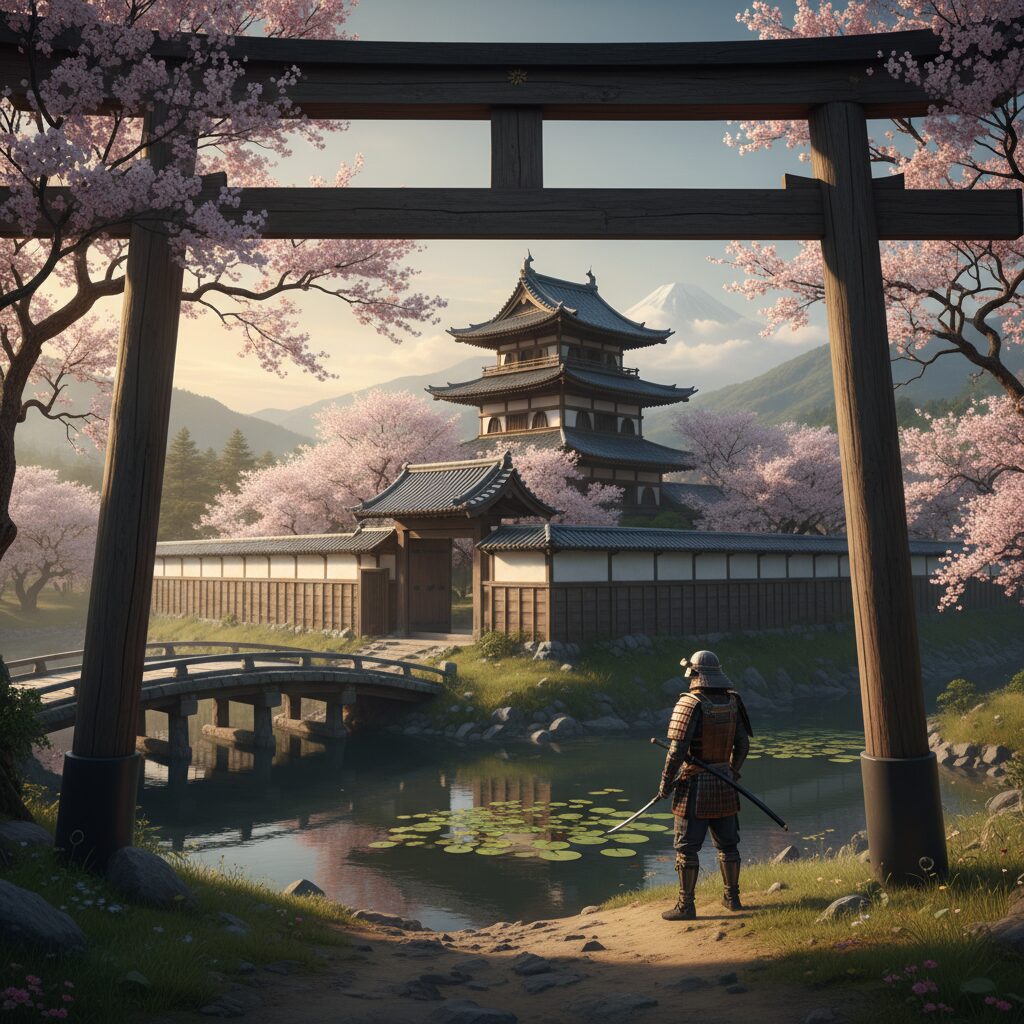
Yo, what’s up, world travelers! Megumi here, coming at you straight from the buzzing heart of Tokyo. As an event planner, I’m all about crafting experiences that hit different, the kind that stick with you long after you’ve scrolled past them on your feed. And let me spill the tea on something that’s low-key one of the most epic Japan travel hacks: skipping the usual city chaos for a hot minute and time-traveling back to the era of the samurai. Forget what you’ve seen in the movies for a sec. We’re not just talking about katana duels and dramatic showdowns. We’re talking about the whole vibe—the philosophy, the art, the cribs. Yep, we’re diving deep into buke yashiki, the samurai residences, where the legends of Japan’s warrior class were born, lived, and breathed. These aren’t just dusty old houses; they’re portals. They’re aesthetic goals. They are the physical embodiment of a code that shaped a nation. Walking through these preserved districts is like stepping onto a perfectly curated film set, only it’s 100% real. You can feel the quiet dignity, the readiness for battle, and the deep appreciation for beauty, all coexisting in a single, breathtaking space. It’s a full-on sensory download of history and culture that’s about to blow your mind. So, grab your comfiest shoes, open your mind, and get ready to explore the world behind the black-painted walls and majestic gates. This is the real Japan story, and you’ve got a front-row seat.
To fully immerse yourself in this historical journey, it’s wise to plan ahead, especially considering the recent surge in Kyoto hotel prices.
What’s the Real Deal with Samurai Cribs?

First, let’s clarify the terminology. A samurai residence is called a buke yashiki in Japanese. ‘Buke’ means military family or samurai, and ‘yashiki’ means residence or estate. However, these were more than just houses—they were statements. A samurai’s home served as his fortress, office, and sanctuary all at once. Its design directly reflected his rank, role in local government, and constant need for defense. It’s a common misconception that all samurai were wealthy lords, or daimyo, living in large castles. In reality, the samurai class was a complex hierarchy. There were high-ranking retainers with expansive estates and lower-ranking foot soldiers, the ashigaru, who lived in much simpler, smaller homes. What connected them all was a design philosophy rooted in practicality, discipline, and a subtle, refined elegance.
The layout of a typical samurai residence is intriguing because it was organized around social protocols and security. You couldn’t simply walk in. The entrance was a significant display. A grand, imposing gate, or mon, often topped with a tiled roof and heavy wooden doors, was the first thing you’d notice. This wasn’t just decorative; it clearly signified the family’s status. After passing through the gate, you wouldn’t enter the house directly. Instead, you’d step into a courtyard leading to the genkan, a formal entryway where shoes were removed. This area was deliberately designed as a buffer between the outside world and the private inner sanctuary of the home. Inside, the house was generally divided into two main sections. The public-facing area, the omote, included reception rooms, or zashiki, for guests. These rooms were where business took place and were more formal, often featuring an alcove called a tokonoma, which displayed a scroll of calligraphy and a flower arrangement to demonstrate the host’s taste and sophistication. Then there was the oku, the private family quarters, off-limits to most visitors and an area of much greater relaxation. The architecture itself embodies pure Japanese aesthetics: dark wooden beams, white plaster walls, sliding paper screens (shoji and fusuma) that could be rearranged to adjust room size and atmosphere, and floors covered with woven tatami mats. The scent of aged wood mixed with the dry straw of tatami is unforgettable, instantly transporting you. Everything was constructed with clear purpose, featuring clean lines and an absence of clutter, reflecting a focused mind always prepared.
Top-Tier Samurai Districts You Gotta See to Believe
Alright, now that you’ve mastered the basics, let’s dive into destinations. Japan offers numerous exceptionally well-preserved samurai districts, known as bukeyashiki-gai, where you can literally stroll the same streets these warriors walked centuries ago. Each district has its own distinct character and story. It’s definitely time to add these to your must-visit list.
Kakunodate, Akita: The Weeping Cherry Blossom Wonderland
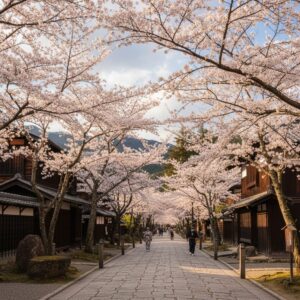
If there’s one place that perfectly embodies the romantic image of the samurai, it’s Kakunodate in Akita Prefecture. Truly, this place is a vibe. Often referred to as the ‘Little Kyoto of Michinoku’ (the old name for the Tohoku region), it completely lives up to the reputation. The main samurai district features a wide street lined with massive, ancient weeping cherry trees, the shidarezakura. In late April and early May, these trees burst into cascades of pink blossoms that hang over the imposing black wooden fences of the samurai estates. Without exaggeration, it’s one of the most beautiful sights in all of Japan. The delicate pink flowers contrasted against the dark, stoic walls is pure poetry.
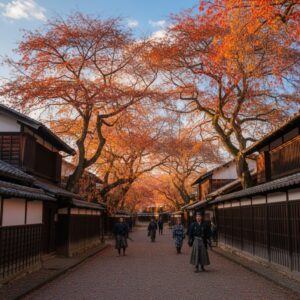
What makes Kakunodate truly special is that many residences remain in the hands of descendants of the original samurai families. Several are open to the public, and you definitely don’t want to miss them. The two most notable are the Aoyagi and Ishiguro houses. The Aoyagi residence resembles a mini-museum. It’s a large compound with multiple buildings, showcasing an incredible collection of samurai artifacts: armor, swords, historical documents, and even everyday items. It offers a deep insight into the family’s long, storied history. You can wander the main house, peek into the armory, and even relax in their teahouse. Just down the street, the Ishiguro house is another essential visit. It’s the only samurai residence in Kakunodate where visitors can enter the main building and its attached storehouse, or kura. The architecture is stunning, with massive wooden beams and impeccably preserved interiors. The guides, who are often direct descendants of the Ishiguro clan, share personal stories that bring history vividly to life—a connection a simple plaque could never achieve. The atmosphere in Kakunodate is magical—quiet, dignified, and seemingly untouched by time. Pro tip: visit on a weekday to avoid large crowds and wear comfortable shoes, as there’s lots of walking. Access is very convenient via the Akita Shinkansen, which stops right at Kakunodate Station. Spring is ideal for a visit, but autumn also offers breathtaking views when maple leaves turn bright red against the black fences.
Chiran, Kagoshima: Gardens of Zen and a Heavy Heart
Down south on the island of Kyushu lies Chiran in Kagoshima Prefecture. This town exudes a different kind of energy—it’s stunningly beautiful but also carries a poignant history. The samurai district here is famed for its collection of small, exquisite gardens. Seven residences along the main street open their gardens to visitors, with a combo ticket available to see them all. These are not expansive park-like gardens but intimate, meticulously designed spaces viewed from the houses’ verandas. Each garden is a masterpiece of landscape design, many employing the principle of shakkei, or “borrowed scenery,” integrating distant mountains into the garden’s backdrop. You’ll find dry landscape gardens, or karesansui, with raked gravel symbolizing water and stones representing islands. They are living works of art, created for meditation and contemplation.
Chiran’s vibe is serene and almost reverent. Strolling down the stone-paved street flanked by perfectly trimmed hedges and stone walls, you sense profound peace. Yet there’s a deeper layer to Chiran’s story. During World War II, the town hosted an airbase from which hundreds of Kamikaze pilots launched their final missions. Nearby, the Chiran Peace Museum for Kamikaze Pilots offers an incredibly moving and heartbreaking experience. It links the samurai code of Bushido—the ideals of loyalty and honorable death—to this tragic chapter of modern history. Visiting both the samurai district and the museum creates a powerful emotional journey, prompting reflection on the enduring legacy of the samurai spirit, both noble and tragic. A trip to Chiran isn’t just a scenic stop; it’s a deeply reflective experience. It’s best reached by bus from Kagoshima City. Take your time here—sit on a veranda, gaze at a garden, and let the stillness settle in.
Hagi, Yamaguchi: The Crucible of a Revolution
Hagi is a bit off the beaten path but a treasure trove for history enthusiasts. This former castle town on the Sea of Japan coast was the capital of the Choshu Domain, one of the most powerful and influential in feudal Japan. The samurai of Choshu played a pivotal role in overthrowing the shogun and sparking the Meiji Restoration of 1868, which propelled Japan into the modern era. Walking through Hagi feels like stepping into the birthplace of modern Japan. The town’s layout remains largely based on the original castle plan, and you can explore multiple preserved samurai quarters like Horiuchi and Jokamachi. These streets are bordered by imposing earthen walls topped with white plaster and roof tiles, imparting a rustic, rugged charm compared to the polished elegance of Kakunodate.
One charming sight in Hagi is the summer orange, or natsu mikan, trees peeking over these old walls. After the samurai class was abolished, many former samurai planted these trees to make a living, symbolizing the town’s resilience and transformation. You can visit the Kikuya Residence, a former merchant home that doubled as an inn for feudal lords, to glimpse the town’s former wealth. Be sure to explore the domains of key revolutionaries like Ito Hirobumi, Japan’s first Prime Minister. Hagi’s atmosphere is one of faded grandeur and immense historical significance—you can almost sense the revolutionary plotting that unfolded behind those walls. Don’t miss Hagi’s renowned pottery, Hagi-yaki, celebrated for its subtle, earthy beauty. The best way to explore is by rental bicycle, allowing you to cover ground easily while enjoying the seaside air. Hagi stands as a testament that the samurai legacy extended beyond swords to ideas, ambition, and transformative power.
Nagamachi, Kanazawa: Urban Warriors and Wintry Charm
For those seeking a samurai experience paired with contemporary art and phenomenal seafood, Kanazawa is the place. This city, once one of the wealthiest castle towns during the Edo Period, escaped bombing in WWII, preserving its historic districts beautifully. The Nagamachi Samurai District lies in the heart of the modern city, a quiet neighborhood of winding lanes, earthen walls, and canals. It feels like a secret world just steps from the downtown hustle. The vibe here is more compact and urban than other districts but no less atmospheric. The standout spot is the Nomura-ke Samurai Residence, a restored home of a high-ranking samurai that is truly jaw-dropping. You’ll admire intricate woodwork, painted fusuma screens, and the star attraction—a stunning inner garden featuring a tiny waterfall, a meandering stream filled with koi, and stone lanterns, all perfectly framed by the house’s rooms. It’s a masterclass in blending nature with living space. In winter, Nagamachi takes on a fresh charm. Heavy snowfall prompts the use of straw mats called komo to protect the fragile earthen walls from moisture, creating a picturesque scene of snow-laden roofs and straw-covered walls that is quintessentially Kanazawa. The district is an easy walk or bus ride from Kanazawa Station and pairs perfectly with visits to nearby Kenrokuen Garden—one of Japan’s top three gardens—and the 21st Century Museum of Contemporary Art. It’s the perfect blend of old and new Japan.
Decoding the Samurai Lifestyle: More Than Just Swords
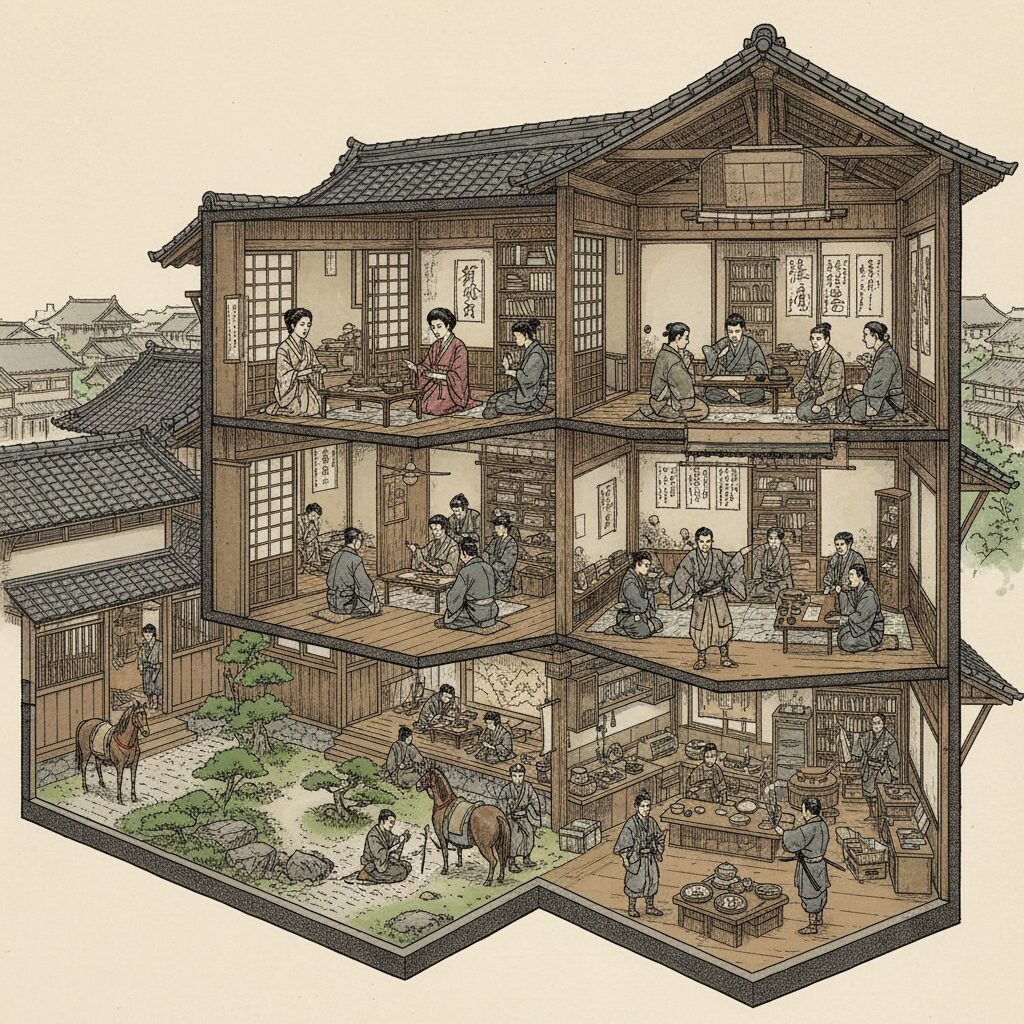
To fully grasp the samurai lifestyle, you need to recognize that it wasn’t solely focused on battle training. It was a holistic way of living, governed by a strict code of ethics and a profound respect for culture and the arts. Their homes served as the stage where this intricate existence was lived out.
Bushido: The Original Hustle Culture
You’ve likely heard of Bushido, the ‘way of the warrior.’ This unwritten ethical code shaped every aspect of a samurai’s life. Think of it as the ultimate philosophy of self-discipline. Key principles included loyalty to one’s lord, courage in the face of death, honor in all actions, and kindness toward the vulnerable. This wasn’t just an abstract concept; it influenced every part of their daily routine—from the way they spoke and dressed to how they arranged their living spaces. The simplicity and practical design of a samurai home—the absence of excessive ornamentation, the emphasis on clean lines and natural materials—embodied the Bushido ideal of stripping away the superfluous to focus on what truly mattered. The garden offered a space for meditation and inner peace. The home’s layout, clearly separating public and private areas, mirrored the samurai’s disciplined social structure. Their residences were crafted to keep them grounded, mindful, and perpetually prepared.
The Art of Everyday Life
Contrary to the stereotype of the unrefined warrior, samurai were expected to excel not only with the sword but also with the pen. Cultural sophistication was viewed as a hallmark of a well-balanced and disciplined mind. They practiced numerous arts, many of which remain central to Japanese culture today. The tea ceremony, or chanoyu, held significant importance. It was a ceremonial process of preparing and serving matcha tea in a serene setting. The renowned tea master Sen no Rikyu, who refined the practice, highlighted the principles of wabi-sabi—appreciating beauty in simplicity, imperfection, and transience. Many samurai homes featured a small, rustic teahouse in the garden, a place meant for quiet reflection away from the demands of duty. Calligraphy, or shodo, was another vital skill. The process of grinding ink and painting characters with a brush was a meditative practice that trained the mind to focus and remain present. The scrolls displayed in the tokonoma alcove were often created by the head of the household. The same applied to ink painting, suibokuga, and flower arranging, ikebana. These were much more than hobbies; they were disciplines central to the samurai way of life, with their homes serving as studios where these arts flourished.
Samurai Style: Armor and Attire
Now, let’s talk about their gear, because samurai armor, or yoroi, is truly remarkable. Seeing a full suit up close in these residences is awe-inspiring. It’s not simply a bulky metal outfit; it’s a complex, flexible, and often stunningly beautiful piece of craftsmanship. Each suit was custom-made, comprising hundreds of lacquered metal or leather plates laced together with vibrant silk cords. The helmet, or kabuto, often boasted elaborate crests called maedate, which helped identify the warrior on the battlefield and intimidate foes. The face mask, or menpo, was frequently shaped into a fearsome snarl. This armor was both a tool of war and a symbol of status and identity. Of course, they didn’t wear armor all day. Their daily clothing included a kimono, wide-legged trousers called hakama, and the iconic pair of swords—the long katana and the short wakizashi—worn tucked into their belts. This pair, known as the daisho, was the exclusive emblem of their class. Their attire was elegant yet practical, allowing for ease of movement. Viewing these outfits in the context of their homes helps you see samurai as real people, not just legendary figures.
Your Ultimate Samurai Vibe Check: A How-To Guide
Ready to book your trip? Let’s get you prepared so you can dive into this historical adventure like an expert. A bit of planning goes a long way in making your samurai exploration a complete success.
Planning Your Trip
Timing is crucial. If you want that iconic shot, spring (late March to early May) is the perfect season for cherry blossoms, especially in places like Kakunodate. However, this is also peak season, so anticipate crowds and make sure to reserve your accommodation well in advance. Autumn (October to November) is another fantastic option, with vibrant fall colors creating a breathtaking backdrop for the old wooden houses. The weather is crisp and comfortable for walking. Don’t overlook winter, either. A town like Kanazawa covered in snow is truly magical and far less crowded. For getting around, the Japan Rail Pass is indispensable if you plan to visit multiple regions. It makes traveling between cities on the Shinkansen both easy and cost-effective. Once you’re in a specific town, most samurai districts are best explored on foot, as they were designed for strolling—so take your time and enjoy the pace.
What to Expect on Site
Here are a few essential tips for when you arrive. First, get ready to remove your shoes often. When entering historical residences, you’ll need to leave your shoes at the genkan and proceed in your socks or the slippers provided. So, rule number one: wear shoes that are easy to slip on and off. You’ll appreciate it later. And yes, maybe wear your nicer socks. Second, remember these are historic buildings—delicate and fragile. The atmosphere is quiet and respectful. Don’t be the loud tourist. Use a low voice, move carefully, and never, ever touch artifacts, screens, or walls unless a sign explicitly permits it. This experience is about absorbing the atmosphere and letting the silence speak to you. Photography is generally allowed, but flash is almost always prohibited as it can damage the delicate materials over time. Just watch for signs and be considerate of other visitors.
Level Up Your Experience
Want to make your trip even more unforgettable? Go beyond just sightseeing. Many of these towns have shops offering kimono or yukata rentals. Dressing up and walking the historic streets is not only a fantastic photo opportunity but also helps you feel more connected to the place. Some locations even offer samurai armor experiences where you can suit up. For a more reflective experience, look for local workshops. You can often find short introductory classes in tea ceremony, calligraphy, or Zen meditation at nearby temples. It’s an excellent way to get hands-on with the cultural practices of the samurai. And finally, eat like a warrior. Each region boasts culinary specialties deeply rooted in its history and climate. In Kagoshima, be sure to try the famous kurobuta (black pork). In Kanazawa, the seafood is exceptional. In Akita, warm up with kiritanpo, pounded rice skewers served in a savory hot pot. Food is a major part of the cultural experience, so dive right in!
The End of an Era, The Start of a Legend
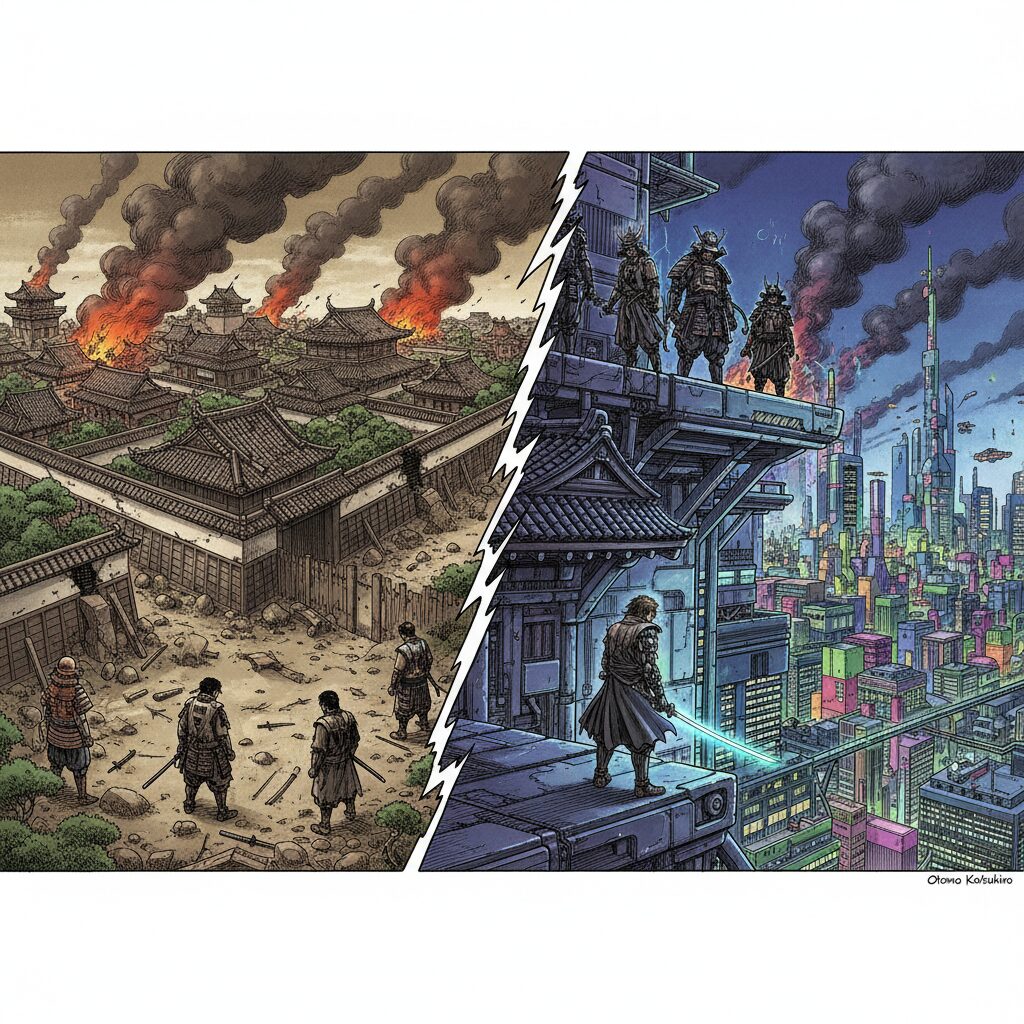
The samurai era officially ended with the Meiji Restoration in 1868. The new government revoked the samurai’s privileges, abolished their class, and created a modern, Western-style conscript army. For many samurai, this change was challenging and disorienting. They had to adapt by becoming administrators, teachers, and businessmen. Yet, the samurai spirit—a powerful blend of discipline, honor, and aesthetic sensitivity—did not disappear. It infused the very foundations of modern Japanese society. This spirit is evident in the dedication to craftsmanship in Japanese manufacturing, the politeness and meticulousness in customer service, and the minimalist design principles influencing everything from architecture to fashion.
And honestly, the legend of the samurai is more vibrant today than ever, thanks to its immense impact on global pop culture. From classic Akira Kurosawa films to contemporary anime like Rurouni Kenshin and Demon Slayer, the noble sword-wielding warrior archetype continues to captivate audiences worldwide. The samurai aesthetic—the clean lines, the use of negative space, the harmony with nature—is a foundation of what we now recognize as ‘Japanese design.’ So, when you visit a buke yashiki, you’re not merely looking at history. You’re witnessing the origin of much of what defines Japan.
Exploring these samurai districts is more than a history lesson. It’s an experience. It’s the crunch of gravel beneath your feet on a quiet lane. It’s the way light filters through a paper shoji screen, casting gentle shadows on tatami mats. It’s the scent of aged wood and the distant sound of a temple bell. It’s a journey connecting you to a deep and powerful part of the human experience—the quest for a life of purpose, discipline, and beauty. So go ahead, step through the gate. Walk the warrior’s path. Discover the quiet strength and timeless elegance that lie just beyond the blade. The story awaits you.