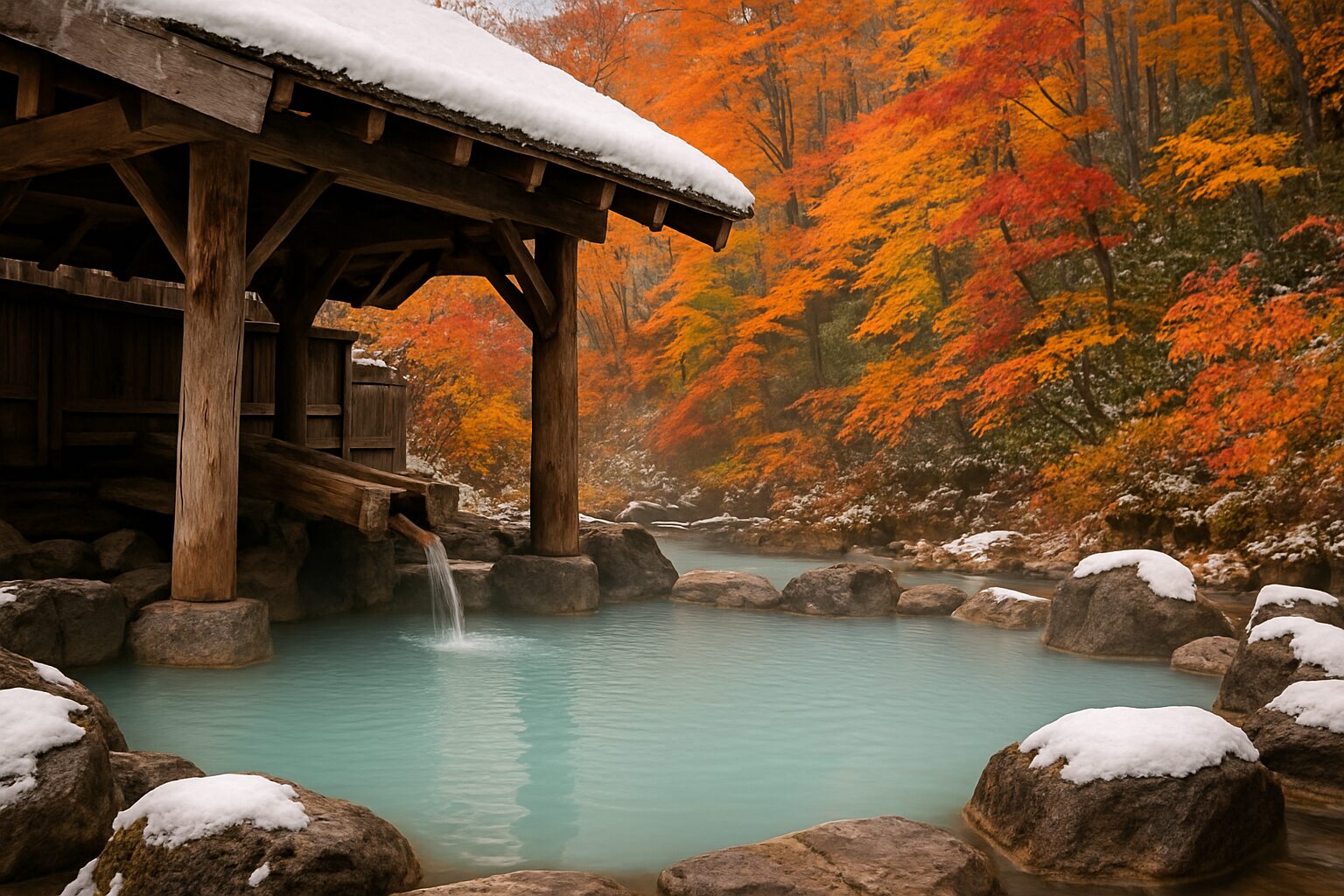
Yo, what’s up, travel fam! Today, we’re diving deep, like, way deep into the mountains of Akita Prefecture in northern Japan. Forget the neon buzz of Tokyo for a sec and picture this: ancient forests, the crisp scent of cedar and sulphur, and the gentle burble of geothermal water. We’re heading to a place that’s straight-up legendary, a spot that feels like it’s been chillin’ outside of time itself. Welcome to Nyuto Onsenkyo, a collection of rustic hot spring inns scattered across the slopes of Mount Nyuto within the epic Towada-Hachimantai National Park. This isn’t your average spa day; this is a full-on cultural immersion, a trip back to a version of Japan that’s all about nature, tranquility, and the healing power of the earth. The name ‘Nyuto’ itself is kinda quirky, translating to ‘nipple,’ a nod to the shape of the nearby mountain peak, but the vibe here is pure, wholesome magic. It’s a place where you can literally soak in history, surrounded by primeval beech forests that have stood for centuries. Each inn, or ‘ryokan,’ has its own unique flavour, its own special water source, and its own story to tell. Getting here is part of the adventure, a journey that peels back the layers of the modern world until you’re left with something raw, real, and totally unforgettable. So, if you’re ready to disconnect and vibe with nature on another level, Nyuto Onsen is calling your name. It’s the ultimate escape, a true ‘hitou’ or ‘secret spring’ that’s been revitalising souls for hundreds of years. Let’s get into it.
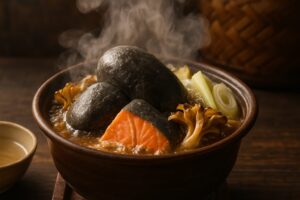
After soaking in the history at Nyuto Onsen, you can continue your journey through Akita’s rich culture by exploring the region’s unique culinary traditions, such as the primal flavors of Ishiyaki Ryori on the Oga Peninsula.
The Vibe of the ‘Hitou’: Unpacking the Secret Springs
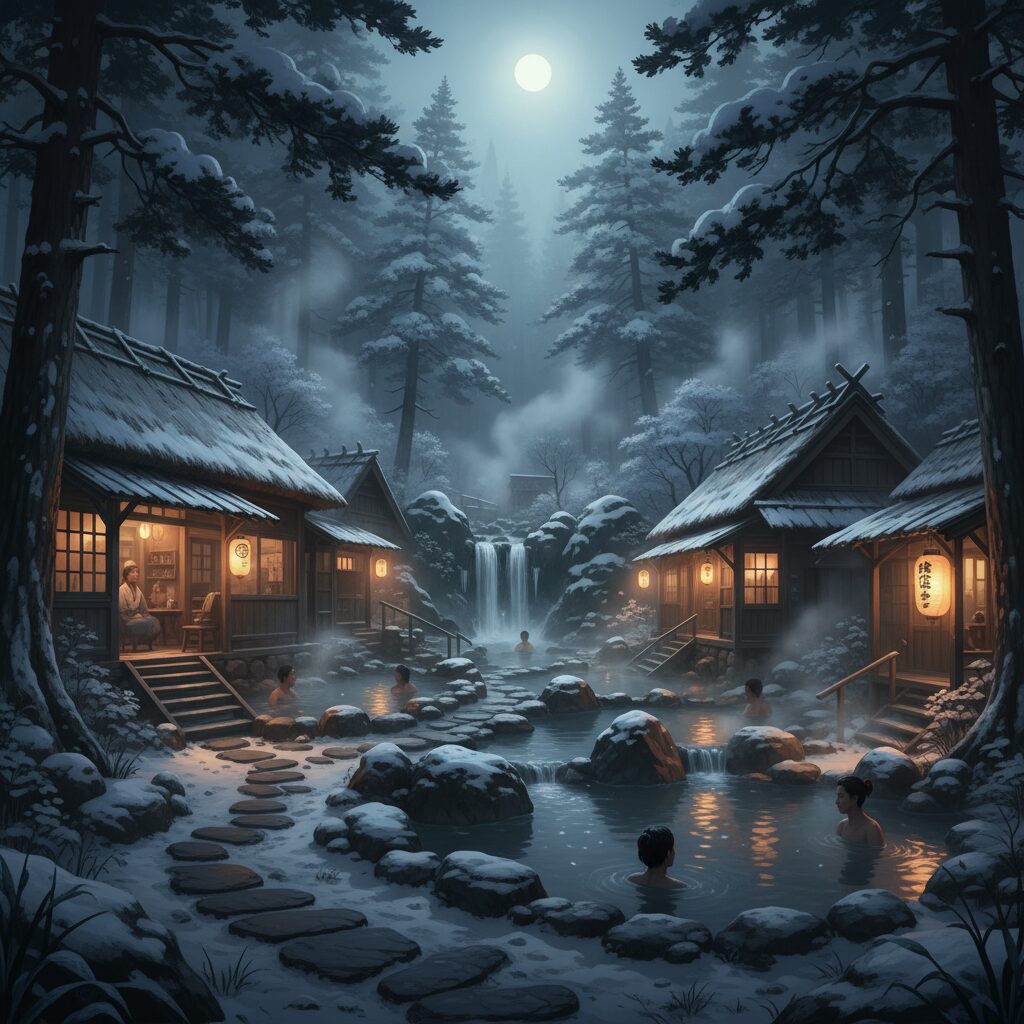
Before diving into the individual spots, you need to grasp the overall vibe of Nyuto Onsenkyo. This isn’t some flashy resort town. It’s a collection of seven unique onsen ryokans, each with its own spring and character, all linked by a winding mountain road and a shared sense of rustic authenticity. The entire area feels like a living museum of onsen culture. The air up here feels different—thinner, cleaner, carrying the subtle earthy scent of volcanic minerals and woodsmoke from the ryokans’ hearths. The real highlight of staying overnight at one of these inns is getting your hands on the ‘Yumeguri-cho,’ an onsen-hopping pass. This little wooden tablet is your golden ticket, allowing you to ride the dedicated shuttle bus, the ‘Yumeguri-go,’ and experience the baths at all the other locations. It’s basically a spa crawl, but a thousand times more epic and culturally rich. Each soak offers a completely new experience. One moment you’re soaking in milky white water that looks like a cloud; the next, you’re in a crystal-clear pool with a golden hue, all while surrounded by scenery that’s breathtaking. Whether it’s the insane blanket of winter snow turning the landscape into a monochrome masterpiece or the vibrant, electric green of summer, the nature here isn’t just a backdrop; it’s the main event. The soundscape is entirely natural too: the rush of the Sendatsu River, birds chirping, leaves rustling in the breeze, and the soothing hiss of steam escaping from the ground. It’s a full sensory reset.
Tsurunoyu Onsen: A Living Snapshot of Old Japan
Alright, let’s begin with the original and undisputed icon of Nyuto Onsen: Tsurunoyu. This place is so legendary, it feels like stepping onto the set of a samurai movie. With a history spanning over 350 years back to the Edo period, Tsurunoyu stands as the oldest and most renowned ryokan in the village. Its name, meaning “Crane’s Hot Spring,” originates from a local legend about a hunter who witnessed a crane healing its wounds in the spring’s waters. The atmosphere perfectly preserves its rich history. The main building, a “honjin” that once hosted samurai lords from the Satake clan, is a labyrinth of dark wooden corridors, creaky floors, and rooms featuring traditional “irori” sunken hearths. Accommodation is divided between these historic main buildings and newer annexes, but the heart of the place lies in its ancient, thatched-roof structures that look utterly magical beneath a blanket of winter snow. But honestly, the real highlight is the water. Tsurunoyu boasts four different spring sources, each with its own unique color and mineral makeup. The most famous is the “Shiroyu,” or white water, which fills the iconic, enormous outdoor mixed-gender bath, the “rotenburo.” This bath is the quintessential image of Nyuto Onsen. The water’s famously milky and opaque quality provides natural modesty, making the mixed bathing experience surprisingly comfortable and welcoming for first-timers. Soaking in these mineral-rich, bluish-white waters, surrounded by forest and fellow bathers in a serene state of bliss, is a quintessential Japanese experience. It’s a place of quiet community, where everyone is equalized through the simple act of bathing. The ryokan also offers separate gender-segregated baths, both indoors and outdoors, providing options for all preferences. The experience is rustic at its core—don’t expect five-star luxury, but what you gain is an invaluable sense of authenticity and a direct link to centuries of Japanese history.
Taenoyu Onsen: Riverside Elegance and Culinary Delights
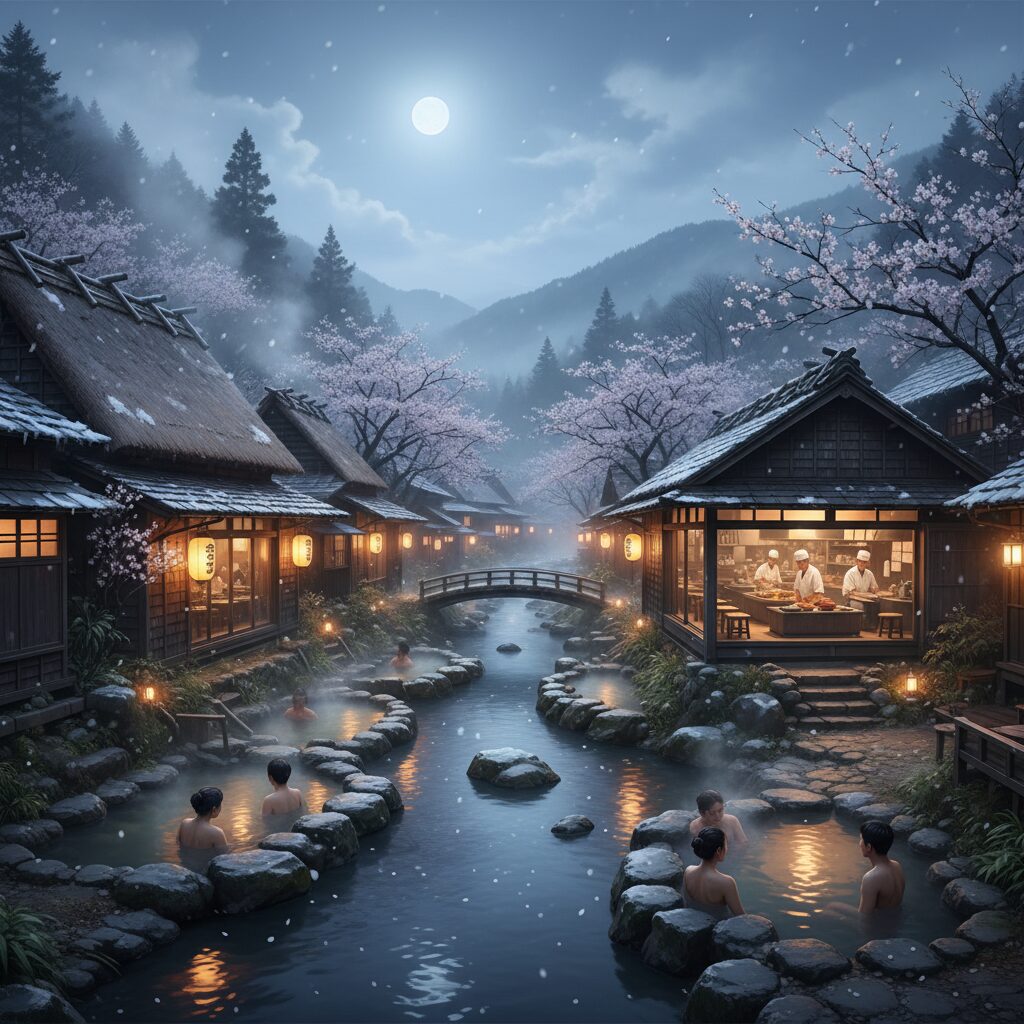
If Tsurunoyu is the rustic historian, Taenoyu serves as its slightly more refined and sophisticated cousin. Nestled right on the banks of the rushing Sendatsu River, this ryokan offers an ideal blend of traditional aesthetics and modern comforts. The constant, soothing sound of the river acts as a natural soundtrack throughout your stay. The architecture is stunning, featuring beautiful wooden structures and large windows that frame the surrounding nature like living works of art. Taenoyu is renowned for its two distinct types of hot spring water. First, there is the ‘Kin-no-yu’ or ‘Golden Spring,’ a reddish-brown, iron-rich water that feels wonderfully revitalizing. Then there’s the ‘Gin-no-yu’ or ‘Silver Spring,’ a clear, gentle water perfect for a long, relaxing soak. The bathing facilities are top-notch, boasting some of the most exquisitely designed riverside rotenburo in all of Japan. A beautiful outdoor bath for women sits beside a small waterfall, while a mixed-gender outdoor bath offers breathtaking views of the river and surrounding forest. For those desiring privacy, some rooms even feature their own private open-air baths. Yet, Taenoyu’s excellence extends beyond its onsen. This ryokan is also famed for its exceptional cuisine. The meals are a masterclass in kaiseki—the traditional multi-course Japanese dinner—highlighting a superb array of local and seasonal ingredients. Expect expertly grilled iwana (river char), foraged mountain vegetables (sansai), and Akita’s renowned Kiritanpo hot pot. Dining in a private room overlooking the illuminated river is a truly special experience that transforms a simple onsen visit into an indulgent luxury retreat. It is the perfect choice for travelers seeking the classic ryokan experience with an added touch of elegance and comfort.
Kuroyu Onsen: The Raw, Volcanic Heart of the Mountains
Venture a bit further up the mountain, and you’ll discover Kuroyu Onsen, a location that feels even more remote and wild. The name ‘Kuroyu’ translates to ‘Black Water,’ and although the water isn’t literally black, the ryokan boasts a beautifully dark, weathered, and rustic charm that feels intimately tied to the volcanic earth beneath it. As you draw near, you’ll notice plumes of geothermal steam rising from the ground alongside a cluster of dark wooden buildings nestled on the mountainside. The air here is thick with the scent of sulphur, a fragrance onsen enthusiasts recognize as a sign of potent, high-quality water. One of Kuroyu’s unique traditions is the making of ‘kurotamago,’ or black eggs. These are regular eggs slow-cooked in the hot spring water, which darkens their shells due to a chemical reaction with the minerals. They are said to add years to your life and serve as a classic onsen treat. The baths at Kuroyu embody rustic simplicity. There are modest wooden huts for indoor bathing and a series of outdoor rotenburo with stunning valley views. A standout feature is the ‘utaseyu,’ or ‘falling water’ baths, where streams of hot water pour from wooden pipes, delivering a natural massage to your shoulders and back. Kuroyu is among the few ryokans in Nyuto that close during the harshest part of winter because of heavy snowfall, which only enhances its wild and untamed allure. Staying here feels like a genuine escape, an opportunity to connect with the raw, powerful energy of the mountains in a setting that is utterly unpretentious and deeply refreshing. It’s an experience for the onsen purist who cherishes their hot springs with a strong touch of untamed nature.
Ganiba Onsen: A Secret Soak in the Forest
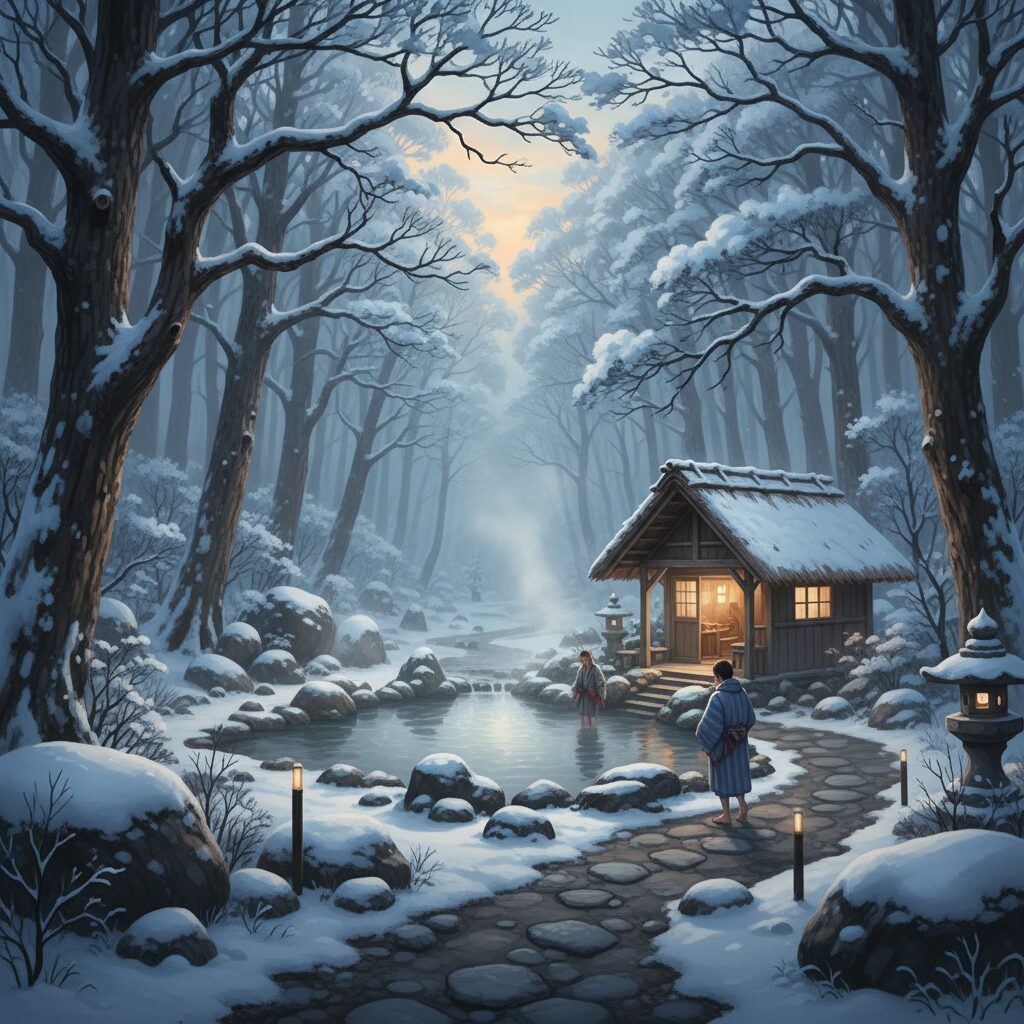
Ganiba Onsen is a hidden treasure even within the secluded realm of Nyuto Onsenkyo. Its name is believed to come from the ‘sawa-gani’ (saw-toothed crabs) found in the nearby mountain streams. This ryokan is truly for nature lovers, as it is literally surrounded by a dense, ancient beech forest. The main building is a modest, unpretentious wooden structure, but the real charm of Ganiba lies just a short walk away. To reach its most famous bath, you follow a winding path about 50 meters from the main building, crossing a small wooden bridge over a stream. Though brief, this journey feels like a mini-adventure, drawing you deeper into the heart of the forest. Then you behold it: a stunningly beautiful, completely natural outdoor rotenburo, encircled by ancient trees and the sounds of the wilderness. This is what ‘hitou’ dreams are made of. Soaking here feels as if you’ve uncovered a secret nature has kept just for you. The water is clear and soft, and the experience is deeply peaceful. In winter, the path is carved through towering walls of snow, making the arrival at the steaming hot bath even more rewarding and enchanting. Ganiba’s indoor baths are equally lovely, with large windows that keep you feeling connected to the outdoors. The atmosphere is quiet, understated, and fully focused on appreciating the pristine natural surroundings. It may lack the historical splendor of Tsurunoyu or the refined elegance of Taenoyu, but for a pure, unfiltered forest bathing experience, Ganiba is truly exceptional.
Magoroku Onsen: The Mountain’s Healing Waters
Tucked away deep in a valley, Magoroku Onsen is well-known for its esteemed reputation. Commonly referred to as ‘Yama no Kusuri Yu,’ meaning ‘Mountain Medicine Bath,’ this onsen has been a hub for ‘toji,’ the Japanese tradition of therapeutic hot spring bathing for health and healing, for centuries. The ryokan exudes a distinctly old-fashioned, medicinal ambiance. Its rustic, weathered buildings emphasize the healing qualities of the water rather than luxury. Magoroku prioritizes recuperation and connection with the earth’s powerful healing forces. The most renowned bath here is the ‘Ishi-no-furo’ (Stone Bath), an indoor bath housed in a traditional wooden structure where water bubbles directly from the ground through pebbles on the floor. This rare style is believed to provide the freshest and most potent onsen water to bathers. Additionally, the ryokan offers several other baths, including a charming outdoor rotenburo by the river. The atmosphere at Magoroku encourages quiet reflection. Visitors often stay for multiple days, adhering to a ritual of soaking, resting, and enjoying simple, nourishing meals. It is a place to slow down, tune in to your body, and allow the mineral-rich waters to work their magic. For those intrigued by the historical and wellness facets of onsen culture, a trip to Magoroku provides a deep and authentic insight into the tradition of ‘toji.’
Ogama Onsen: Quirky History and Geothermal Cooking
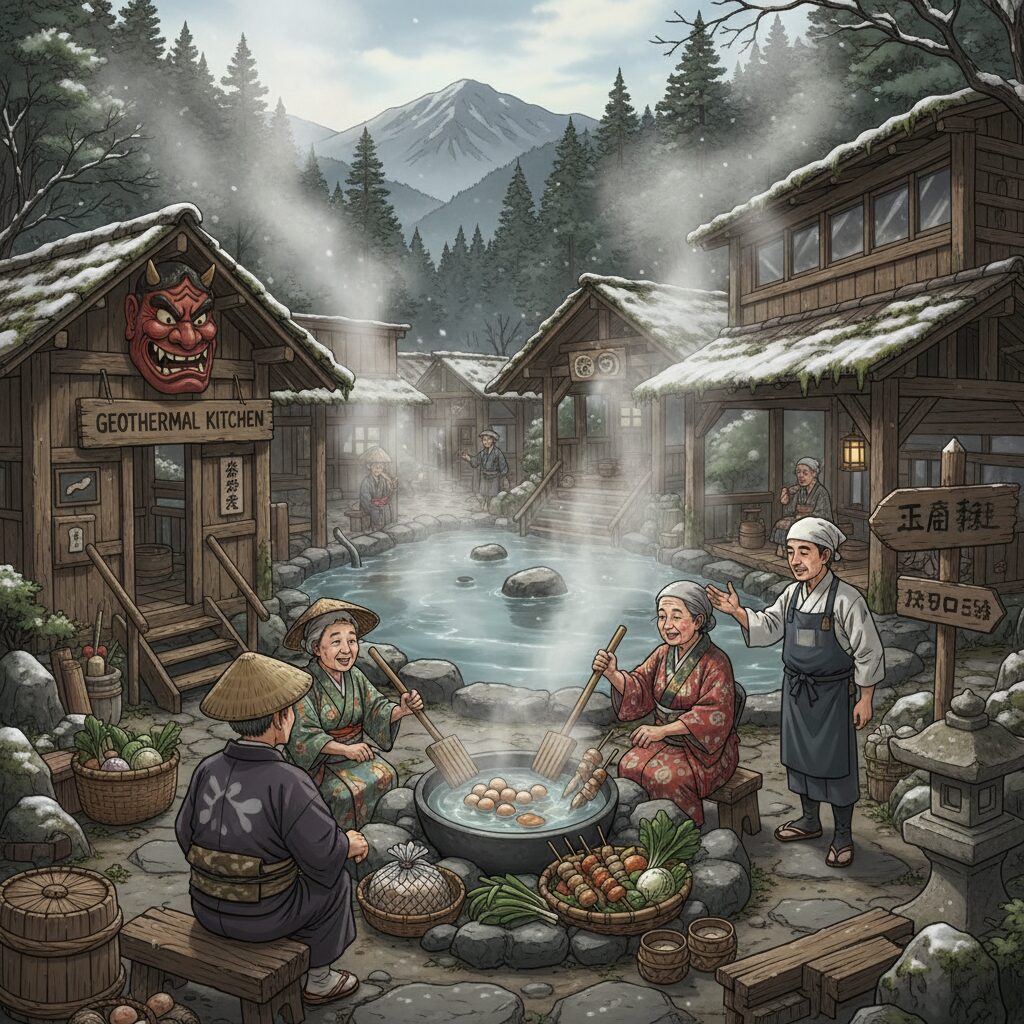
Ogama Onsen adds a distinctive and slightly quirky charm to the Nyuto Onsenkyo family. Its main building is a renovated wooden schoolhouse that was relocated to its present site. This creates a wonderfully nostalgic and communal ambiance, featuring long wooden hallways and simple tatami-mat rooms that feel far removed from a typical hotel. The name ‘Ogama,’ meaning ‘large cauldron,’ refers to the powerful geothermal energy abundant in the area. This energy plays a significant role in life here, with steam rising from vents scattered throughout the property. This volcanic steam is not only a visual spectacle but also powers the ryokan’s ‘ondoru’ heating system and, most famously, is used for cooking. Guests can enjoy ‘jigoku-mushi,’ or ‘hell-steamed’ cuisine, where vegetables, eggs, and fish are steamed in baskets set over natural steam vents. It’s a fun, interactive, and tasty way to engage with the region’s geothermal energy. The baths at Ogama are simple and inviting, offering both indoor and outdoor options that let you relax while enjoying mountain views. Staying at Ogama is less about historical prestige and more about experiencing a charming, slightly quirky, and profoundly local atmosphere. It’s an excellent choice for those seeking a warm, unpretentious vibe with a unique story to share.
Kyukamura Nyuto Onsenkyo: Modern Comforts in a Natural Paradise
Completing the lineup of seven inns is Kyukamura Nyuto Onsenkyo. ‘Kyukamura’ means ‘vacation village,’ and this facility belongs to a national chain of resorts often situated in picturesque national parks. It represents the modern, accessible side of Nyuto Onsen. The building is a contemporary hotel, featuring Western-style beds alongside traditional Japanese tatami rooms, making it an ideal option for families, international guests, or anyone not quite ready for the full rustic ryokan experience. While it may lack the aged, creaky charm of places like Tsurunoyu, it compensates with modern amenities, barrier-free access, and stunning panoramic views of the beech forest through its large windows. The onsen facilities are outstanding, boasting spacious indoor baths and a beautiful outdoor rotenburo. Impressively, Kyukamura has its own two distinct water sources, drawing from both the Nyuto and Tazawako Kogen springs, allowing guests to enjoy two different types of onsen water without leaving the hotel. Kyukamura also serves as an excellent base for exploring the area, featuring a visitor center, guided nature walks and snowshoeing tours, and easy access to hiking trails. It is a key stop on the Yumeguri shuttle bus route, making it a convenient starting point for your onsen-hopping adventures. It effectively bridges the gap between modern comfort and the wild, natural beauty of the national park.
The Art of Onsen Hopping: Mastering the Yumeguri Pass
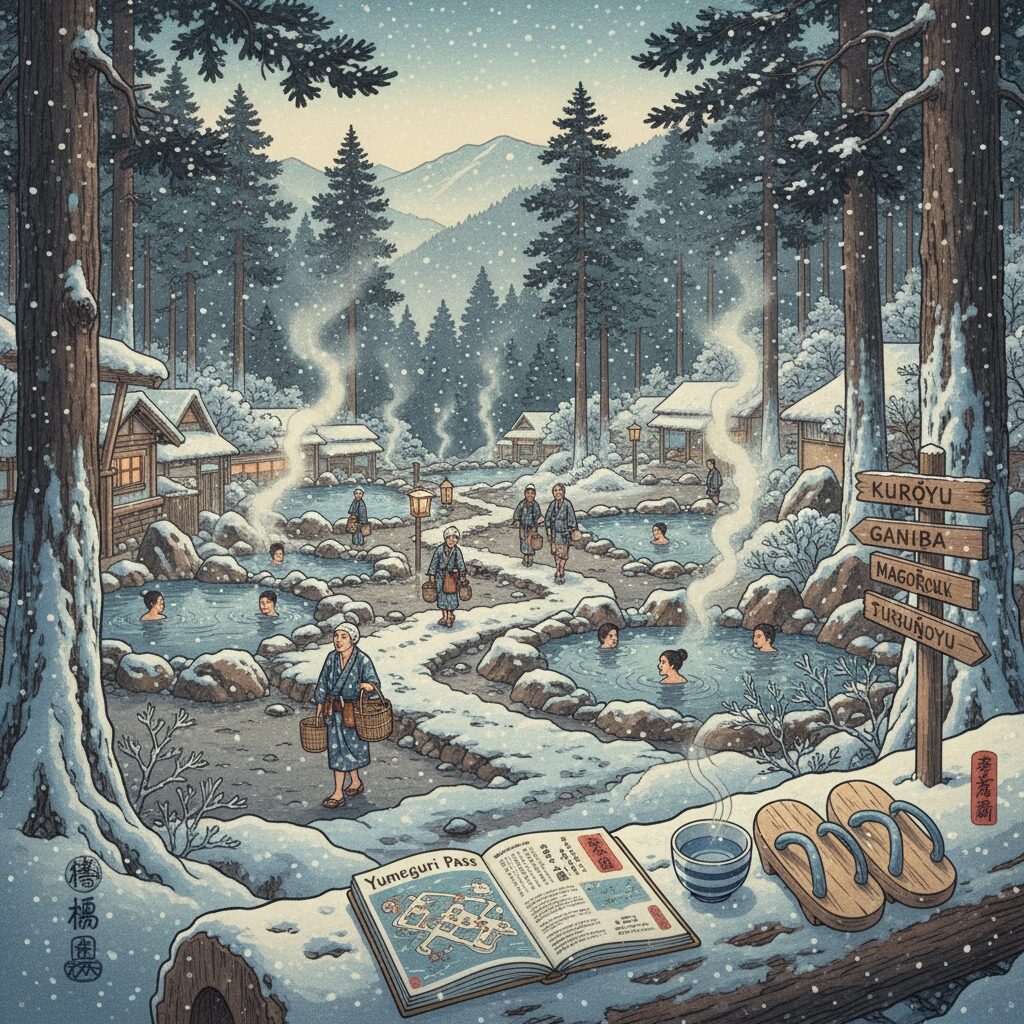
The Yumeguri-cho, or onsen-hopping pass, is an essential experience that makes a stay at Nyuto Onsenkyo truly special. This pass, a delightful booklet of stamps, comes at a modest price and is available only to guests staying overnight at one of the seven member inns. It provides one-time access to the baths at each of the other six locations. Complementing the pass is the Yumeguri-go shuttle bus, a small yet dependable vehicle that travels along the mountain road connecting all the ryokans. The bus isn’t very frequent—typically running about once an hour—so some planning is necessary. Pick up a timetable from your ryokan’s front desk and organize your day. A solid approach is to start at one end of the bus route and make your way back. For instance, you might ride the bus up to Kuroyu or Ganiba, then stop off at Magoroku and Ogama on the way down before returning to your base. Attempting to visit all six in one day is ambitious and can feel hurried. A more leisurely pace, visiting two or three, allows you to fully appreciate each onsen’s unique atmosphere and water type. Each time you arrive at a new onsen, you show your pass at the front desk to receive a distinctive stamp, turning your bathing journey into a fun, collectible adventure. It’s a fantastic way to enjoy the incredible variety of hot springs here and a system that nurtures a strong sense of community among the seven unique inns.
Beyond the Baths: Hachimantai’s Seasonal Spectacles
While the onsen are undoubtedly the main draw, the surrounding Towada-Hachimantai National Park stands as a destination in its own right, offering distinct yet equally breathtaking experiences year-round. Winter is arguably Nyuto’s most iconic season; from late December to early April, the entire region is blanketed by metres of some of Japan’s finest powder snow. The experience of ‘yukimi-buro,’ or snow-viewing bathing, feels surreal. Soaking in a steaming outdoor bath while delicate snowflakes gently fall around you is pure magic. The snow-covered thatched roofs of Tsurunoyu resemble a scene from a fairy tale. Beyond bathing, winter is ideal for snowshoeing through the silent, pristine beech forests.
As the snow melts, spring bursts forth with vibrant life. The forests turn a vivid, almost fluorescent green as new beech leaves emerge. This season also brings ‘sansai,’ or wild mountain vegetables, which local ryokans skillfully incorporate into their menus, offering an authentic taste of the season. Summer offers a cool, lush retreat from the heat and humidity of Japan’s cities, transforming the area into a hiker’s paradise with countless trails weaving through the Hachimantai highlands. A popular outing is a visit to nearby Lake Tazawa, Japan’s deepest lake, renowned for its stunning cobalt-blue waters.
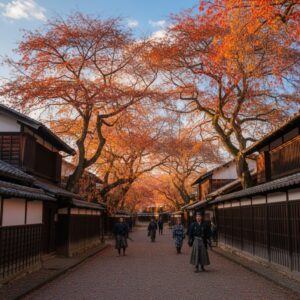
Then autumn arrives, rivaling winter in visual splendor. From early to mid-October, the mountain slopes burst into a fiery display of autumn colours, or ‘koyo.’ The reds of the maples, yellows of the beech trees, and greens of the evergreens blend into a breathtaking natural mosaic. Driving or hiking through the area during peak foliage is an unforgettable experience, and the crisp autumn air creates the perfect backdrop for an invigorating onsen session.
A Historian’s Take: The Cultural Significance of Nyuto
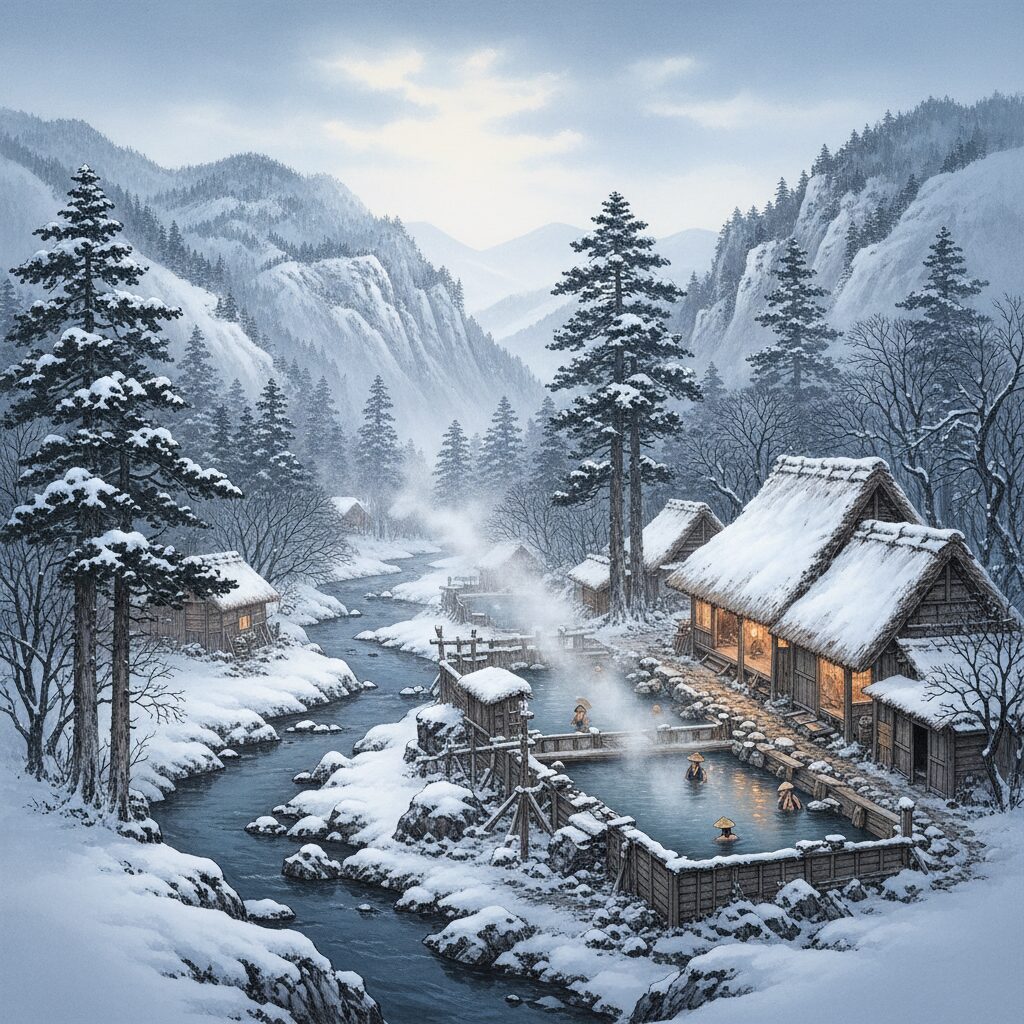
From my viewpoint as a historian, Nyuto Onsen stands as an extraordinary preservation of Japan’s long-standing ‘toji’ (湯治) culture. It goes beyond mere relaxation; historically, onsen served as places for healing and recovery. In feudal Japan, samurai, such as those from the local Satake clan who frequented Tsurunoyu, would visit these mountain springs to treat battle wounds and illnesses. This healing tradition persisted for centuries, with farmers and villagers making annual trips to onsen to rest their bodies after a demanding season of work. Nyuto Onsenkyo has resisted the wave of large-scale commercial development that has altered many other onsen towns in Japan. There are no concrete hotel blocks, pachinko parlors, or souvenir chains. Instead, there are inns managed by the same families for generations. They have preserved traditional architecture, simple, nature-centered cuisine, and, most importantly, a deep respect for the hot spring sources themselves. This makes Nyuto a crucial link to a pre-modern, more sustainable way of life. Soaking in these waters is not just a physical act; it is a communion with history, a participation in a ritual practiced on this very site for hundreds of years. It powerfully reminds us of a time when human life was more closely connected to nature’s rhythms and the land’s geology.
Practical Guidance for Your Journey to the Past
Reaching Nyuto Onsen is a journey, though a straightforward one. The starting point is JR Tazawako Station, conveniently accessible by the Akita Shinkansen from Tokyo (approximately a three-hour trip). From Tazawako Station, you take a local bus heading to ‘Nyuto Onsenkyo.’ This bus ride lasts about 50 minutes and is an essential part of the experience. As the bus ascends into the mountains, leaving the town behind, you can sense the shift into a different world. It’s important to know your final stop, as the bus halts at or near each of the seven inns. Securing accommodation is the most crucial step and should be done well in advance, especially for the famed Tsurunoyu, which can be booked up to a year ahead. Many ryokans have only recently adopted online reservations, and some may still require phone bookings (a challenge if you don’t speak Japanese). Using a booking service or getting help from a Japanese-speaking friend can be very useful. Be sure to carry enough cash. While some places now accept credit cards, rural Japan remains largely cash-based. Lastly, a word on onsen etiquette: the rules are simple but important. You must wash and rinse your body thoroughly at the washing stations before entering the bath. Small towels are used for modesty when walking around but should never be placed in the bathwater. Swimsuits are not permitted. Regarding mixed bathing at Tsurunoyu, the key is quiet confidence. The atmosphere is one of mutual respect, not socializing. The opaque water offers privacy, and most people simply find a spot and quietly relax. Embracing the silence will ensure a wonderful, authentic experience.
A Final Reflection: The Enduring Spirit of Nyuto
A trip to Nyuto Onsen is far more than just a simple vacation. It represents a profound escape from the relentless noise and pace of the 21st century. It offers a chance to realign your senses with the rhythm of nature—the flow of water, the shifting seasons, the stillness of a snow-covered forest. Each ryokan provides a unique glimpse into this timeless world, from the samurai-era splendor of Tsurunoyu to the immersive forest experience of Ganiba. What unites them all is a deep respect for the natural springs that sustain them. When you leave Nyuto Onsen, you feel not only physically refreshed but also spiritually lighter. It’s a place that seeps into your soul and lingers, a reminder of the quiet, enduring beauty that remains when you stray from the beaten path. It’s a taste of authentic Japan, a treasured secret, and an experience that is, in every sense, pure magic.