Yo, what’s the deal? Li Wei here. Let’s get real for a sec. We’re all scrolling, double-tapping, and chasing the next big thing. But what if I told you there’s a place where time didn’t just slow down, it straight-up hit the pause button centuries ago? A spot where the air itself feels different, heavy with history and the ghosts of samurai legends. I’m talking about Kakunodate, a low-key gem in Akita Prefecture, deep in the heart of Japan’s northern Tohoku region. They call it the ‘Little Kyoto of Michinoku,’ and honestly, that’s selling it short. This isn’t just a pretty face with old buildings; it’s a full-on immersive experience, a living, breathing blueprint of the Edo Period. Forget VR, this is the real deal. You’re not just looking at history here; you’re walking through it, feeling the crunch of gravel under your feet where samurai once strode, ducking under eaves that have sheltered generations of warrior families. It’s a vibe that hits different, a tangible connection to a past that feels both epic and deeply personal. This town is a masterclass in preservation, a testament to a community that decided its legacy was worth protecting. So, if you’re down to ditch the neon glow for the quiet dignity of samurai lanes and discover a side of Japan that’s pure, uncut culture, stick with me. We’re about to drop into one of the most legit historical towns in the entire country. It’s a trip, for real.
To truly understand the legacy you’re walking through, you should explore the fascinating history of Japan’s samurai residences.
The Dual Vibe: Samurai Swagger Meets Merchant Hustle
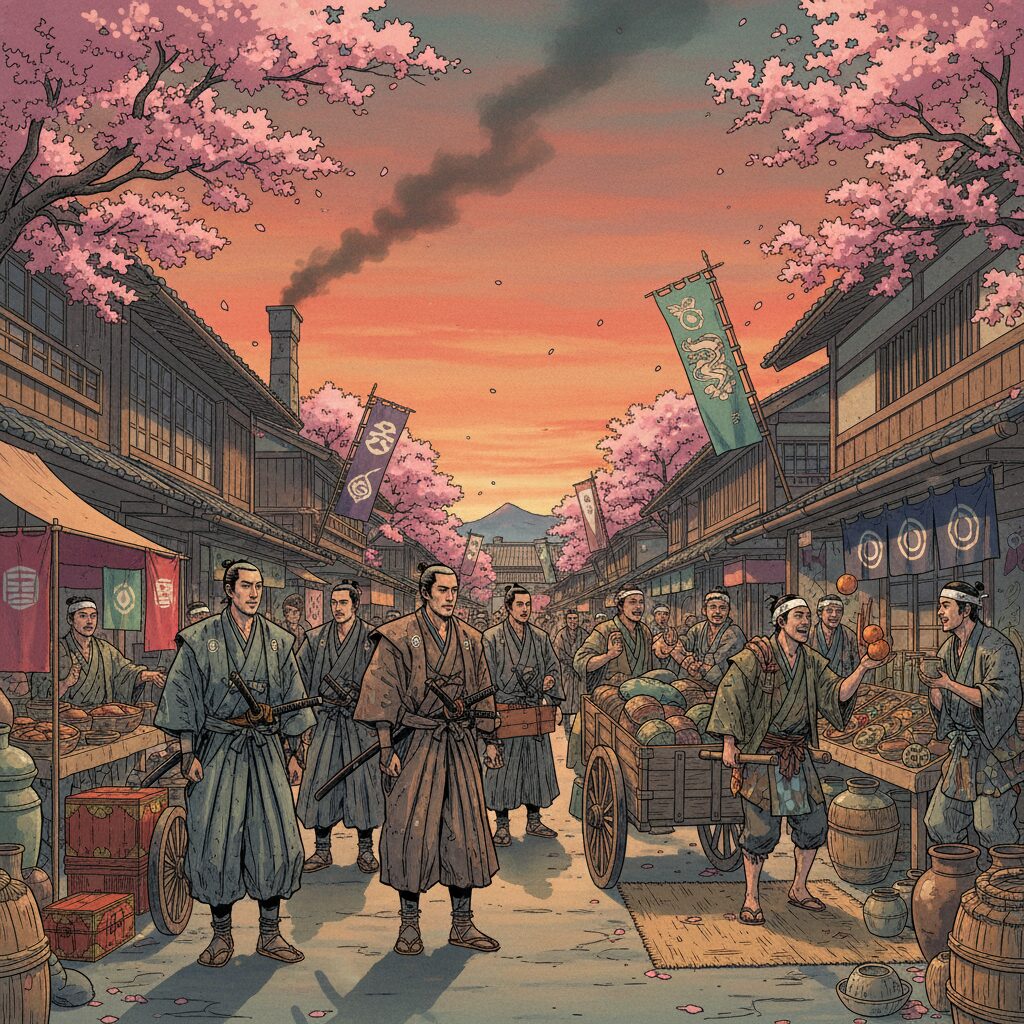
The first thing to understand about Kakunodate is that it’s a town divided into two distinct halves, a genuine reflection of the rigid social structure from the Edo Period. The town was laid out with a clear boundary, the Hiyoke Koji, or firebreak square. On one side lies Uchimachi, the inner town, which was the exclusive territory of the samurai class. On the other side is Tomachi, the outer town, where merchants, artisans, and everyone else lived and worked. The contrast is striking and remains vivid even today. Stepping into Uchimachi feels like entering a movie set, yet it’s completely authentic. The streets are wide, straight, and bordered by imposing dark wooden walls called hei. Behind these walls, you catch glimpses of grand, elegant samurai residences, the bukeyashiki, with their majestic thatched roofs and sprawling ancient gardens. It’s peaceful here—the loudest sounds are often birds, the rustling of leaves on centuries-old trees, and your own footsteps. This was a deliberate urban design strategy, meant to convey authority and an untouchable elegance. You can almost sense the disciplined, stoic spirit of the warriors who once lived here.
Crossing into Tomachi, the whole atmosphere changes. The streets narrow, buildings are closer together, and the air hums with commerce. This was the town’s economic heart. While the samurai concentrated on politics and martial pursuits, the merchants hustled to brew soy sauce, craft goods, and keep the economy thriving. The architecture here is more practical, with shops on the ground floor and living spaces above. You can still visit places like the Ando Jozo Brewery, which has produced miso and soy sauce for over 150 years, filling the air with the rich, savory aroma of fermentation. This duality is what makes Kakunodate so captivating—it’s not just a preserved samurai district, but a living snapshot of a complete feudal society, where every corner tells a story of class, power, and everyday life.
Unlocking the Gates: A Deep Dive into the Bukeyashiki
The primary attraction, the undeniable headline feature of Kakunodate, is its collection of bukeyashiki. These are far more than empty buildings; they serve as time capsules filled with art, artifacts, and stories. A few of these homes are open to visitors, allowing you to spend an entire day wandering through them. Each residence provides a unique perspective on samurai life, from the highest-ranking families to those with more specialized duties. You’re not merely observing history; you’re stepping inside the very rooms where generations of samurai lived, trained, and ruled.
The Aoyagi House: A Samurai Compound Like No Other
If you have time for only one, the Aoyagi House, or Aoyagi-ke, is the must-visit. But calling it a “house” significantly undersells it. This is an entire compound—a sprawling estate that functions as a museum complex devoted to the Aoyagi clan and the samurai lifestyle. The main gate alone is a statement piece, an impressive architectural symbol declaring, “important people live here.” Inside, you can explore multiple buildings linked by winding paths surrounded by immaculate gardens. The main house contains formal reception rooms and private living spaces, offering a genuine sense of the family’s daily rhythms.
Yet the experience continues beyond that. The armory is astounding, showcasing an extensive collection of armor, swords, helmets, and even antique firearms. It serves as a powerful reminder that behind the tranquil gardens and exquisite calligraphy were warrior families, always prepared for combat. You’ll find galleries displaying everything from antique clocks and cameras to Dutch anatomical drawings, illustrating the samurai’s intellectual curiosity and their engagement with Western knowledge, or Rangaku. There’s even a small restaurant serving local cuisine. The experience is richly layered with history, art, martial culture, and everyday life. Leaving the Aoyagi House, you don’t just understand samurai better—you gain a profound appreciation of their world.
The Ishiguro House: Living History in Practice
Just down the street is the Ishiguro House, or Ishiguro-ke, offering a distinctly different yet equally moving experience. This is Kakunodate’s oldest samurai house and once belonged to one of the clan’s most influential financial families. What makes the Ishiguro House truly remarkable is that direct descendants of the original family still live in part of the residence. That fact alone is astonishing. This isn’t a sterile museum; it is a home with an unbroken lineage stretching back centuries.
Guided by knowledgeable staff, some of whom are family members, you see the public parts of the house. They share insights about the architecture with a personal pride that is genuinely touching. You’ll notice the massive exposed ceiling beams, darkened by centuries of hearth smoke. You’ll learn about the genkan, the formal entrance, and how its design reinforced social hierarchies. A fascinating feature is the kame-no-ma, or “turtle room,” a special chamber with a secret escape route concealed behind a scroll—a classic safeguard for a high-ranking samurai family. The garden is a masterpiece of serenity, and glimpsing the private quarters where the family still lives creates a powerful link between past and present. It’s a striking reminder that history isn’t just dates and artifacts; it’s about people and their lasting ties to a place.
More Samurai Stories: Discovering the Other Residences
While Aoyagi and Ishiguro are the standout highlights, part of the joy in Kakunodate is strolling down the lane and exploring the smaller, often free-to-enter homes. Each has its own distinctive charm. For instance, the Odano-ke was home to Odano Naotake, a samurai who became a renowned artist and founder of the Akita Ranga school of painting. His story illustrates that samurai were not only warriors but also scholars, artists, and administrators. The Kawarada-ke offers insight into a middle-ranking samurai family, featuring a beautiful, understated garden that exudes peacefulness. The Iwahashi-ke, another middle-class residence, boasts a massive Japanese chestnut tree in its garden designated as a natural monument. Visiting these quieter homes lets you appreciate subtle differences in status and style, helping you build a fuller picture of the thriving community that once lived here.
Decoding the Architecture: The Samurai Style Guide
What makes Kakunodate so visually captivating is not merely a fortunate coincidence. Every aspect of the architecture in the samurai district was thoughtfully planned, reflecting function, status, and a deeply rooted philosophy. Understanding these details transforms a pleasant stroll into an engaging cultural experience. From my viewpoint as someone who has extensively studied traditional East Asian architecture, Kakunodate exemplifies how design can convey both power and philosophy.
The Iconic Black Fences
The first thing that catches your eye are the fences. The continuous dark wooden fences, or hei, lining the streets are distinctive. They serve a practical role, offering privacy and security, but also function as status symbols. The style and height of a fence could indicate the owner’s rank within the Satake clan. They establish a sense of order and uniformity, while concealing the private lives of the families inside. Their austere appearance aligns closely with the samurai’s Zen and Bushido ideals—strong, simple, and functional. These fences provide a perfect framework for the weeping cherry trees that famously cascade over them in spring.
Gates as Indicators of Status
Notice the gates, or mon. Like the fences, the gates directly represented a samurai’s social standing. The grandest homes, such as the Aoyagi and Ishiguro residences, feature impressive gates with their own roofs and delicate carvings. More modest houses have smaller, simpler gates. This visual language would have been instantly recognizable in its time. It resembles the gate systems in historic Chinese compounds, where the number of courtyards and the elaborateness of the main gate indicated a family’s importance. In Kakunodate, this concept is expressed through a more restrained, Japanese interpretation.
The Heart of the Home: Gardens and Interiors
Behind the formidable fences, each samurai residence contains a garden. These are not merely small lawns; they are carefully crafted landscapes intended to be appreciated from inside the house. Often incorporating shakkei, or “borrowed scenery,” the gardens include distant mountains as part of their design. They transform with the seasons, offering a steady source of natural beauty and a place for reflection. This intimate relationship with nature is fundamental to Japanese aesthetics.
Inside, the design emphasizes flexibility and minimalist elegance. Rooms are divided by fusuma, sliding paper doors that can be removed to open up larger spaces for gatherings. The floors are covered with tatami mats, creating a clean, natural surface. The most significant room usually contains a tokonoma, an elevated alcove where calligraphy or flower arrangements are displayed. This area serves as the spiritual and artistic centerpiece of the home, symbolizing refined taste. The overall atmosphere conveys quiet dignity, where every item has meaning and purpose. It reflects a disciplined way of life alongside a deep appreciation for beauty.
The Seasonal Glow-Up: Kakunodate’s Year-Round Charm
Kakunodate is stunning no matter when you visit, but its character changes dramatically with the seasons. Choosing when to go really depends on the atmosphere you want. Each season delivers a completely different, yet equally spectacular, experience.
Spring: The Cherry Blossom Craze is Real
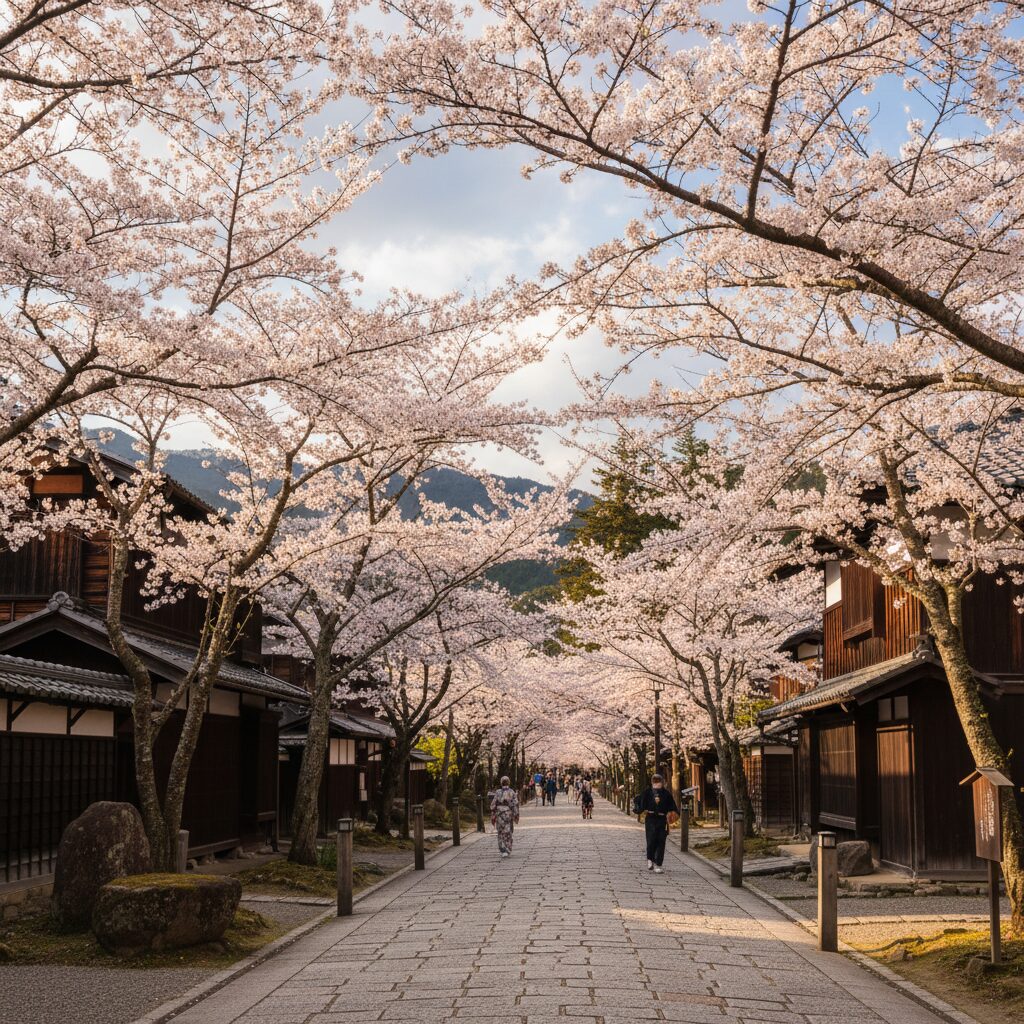
Let’s be honest, spring is Kakunodate’s highlight. The town is internationally renowned for its cherry blossoms, and the excitement is completely warranted. It’s a sakura experience like no other. What makes it unique is that you get two distinct types of cherry blossom viewing within this compact town. In the samurai district, the stars are the shidare-zakura, or weeping cherry trees. There are about 400 of them, many over 300 years old and designated as Natural Monuments of Japan. Their delicate pink blossoms drape over the black samurai fences, creating a contrast that is pure poetry. It’s an elegant, almost melancholic beauty that perfectly matches the historic setting.
Just a short stroll away, you reach the Hinokinai River. The banks here are lined with a two-kilometer tunnel of Somei Yoshino cherry trees. This is a more classic, vibrant hanami scene. The fluffy, pale pink blossoms form a canopy over the pathway, a favorite spot for locals and visitors to spread blue tarps, enjoy a picnic, and celebrate spring’s arrival. The blend of graceful weeping cherries in the samurai district and the spectacular tunnel along the river makes Kakunodate one of Japan’s premier cherry blossom spots. The downside? You’ll be sharing it with many others. Bookings need to be made months, if not a year, in advance, and crowds are guaranteed. But the visual reward is absolutely worth it.
Summer: The Lush Green Retreat
Summer in Kakunodate offers a quietly beautiful escape. The crowds thin, and the town slips into a peaceful rhythm. The cherry trees, now lush and green, provide plenty of shade, while the samurai gardens are at their most vibrant. The rich green moss and maple leaves against the dark wood of the houses create a deeply calming scene. It’s an ideal time for a relaxed bike ride along the river or a leisurely exploration of the town’s museums and craft shops without feeling hurried. The air is warm, the days long, and you get to see the town through the eyes of locals. This season is perfect for enjoying the cool interiors of the old houses and sipping iced matcha in a quiet café. It’s Kakunodate in a mellow, introspective mood.
Autumn: When the Town Glows Gold
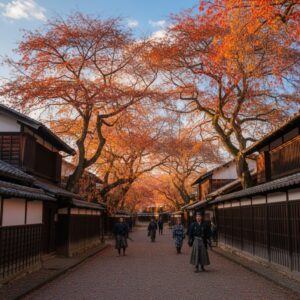
If spring is all about pink, autumn is a riot of red, orange, and gold. The fall foliage, or koyo, in Kakunodate is simply breathtaking. Maple and ginkgo trees in the samurai gardens and lining the streets set the town ablaze with vibrant colors. The bright yellow ginkgo leaves against the dark wooden fences are especially striking. The crisp, cool weather is perfect for strolling. Autumn is arguably just as beautiful as spring but with a more subdued, reflective feel. The fiery colors add a layer of dramatic beauty to the historic townscape. Photographers flock here during this season, and for good reason. It’s a romantic, artistic time to visit—less hectic than cherry blossom season but equally captivating.
Winter: A Monochrome Wonder
Don’t overlook winter in Kakunodate. Tohoku is famous for heavy snowfall, and Kakunodate blanketed in thick snow is magical. The town transforms into a serene, monochrome scene. The black fences and dark rooftops of the samurai houses create a striking contrast with the pristine white snow. It’s incredibly peaceful and beautiful. Visiting the samurai residences in winter, looking out from a warm room onto a snow-covered garden, feels like stepping into a traditional Japanese ink painting. The highlight of winter is the Hiburi Kamakura festival in February. This wild, ancient ritual features locals swinging flaming straw bales around their bodies to purify themselves and pray for health. It’s a dramatic, fiery spectacle against the snowy backdrop—an unforgettable cultural experience far removed from the gentle pastels of spring.
More Than a Museum: Living Culture in Kakunodate
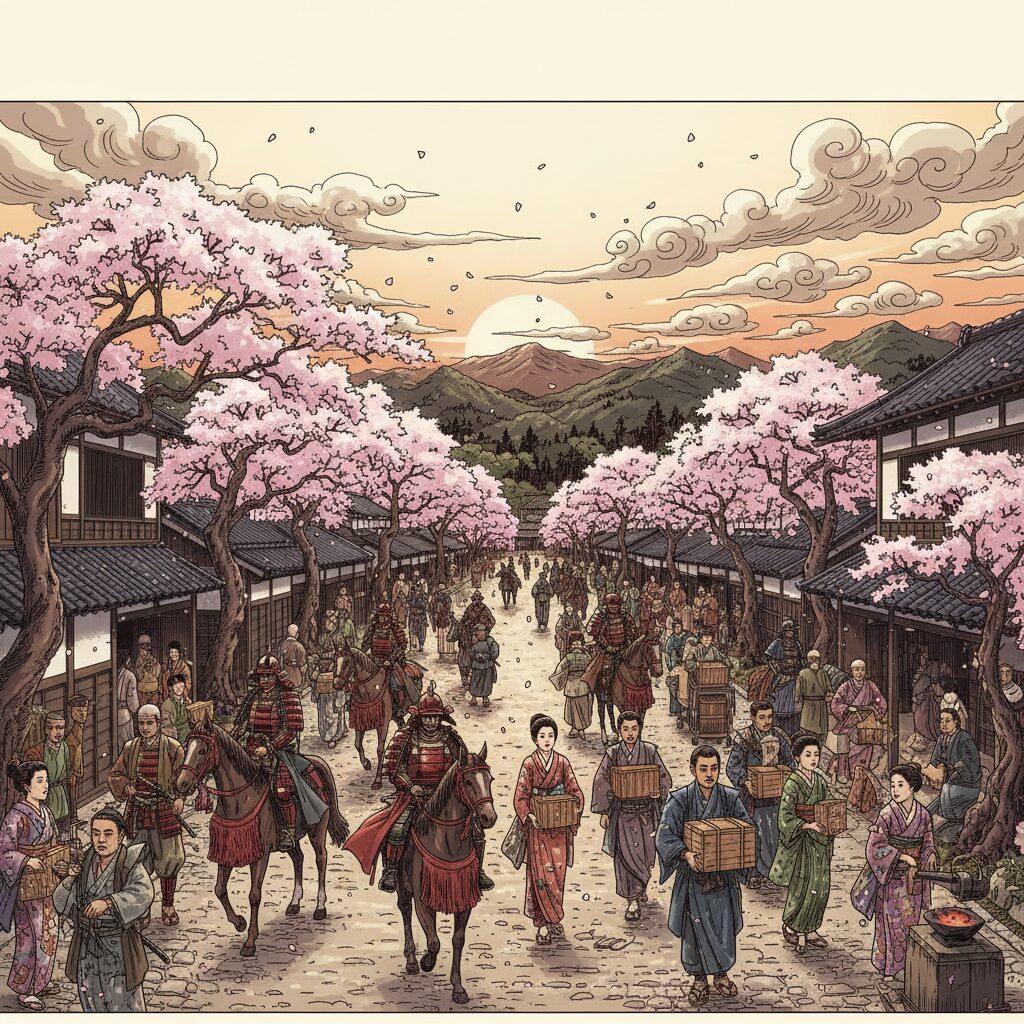
While the samurai heritage forms the core narrative, Kakunodate is far from a mere static exhibit. There’s a vibrant culture thriving here that’s equally rich and well worth discovering, especially in the merchant district of Tomachi.
Ando Jozo Brewery: A Taste of History
Visiting the Ando Jozo Brewery is essential. This is no tourist replica; it’s a functioning brewery that has been producing miso and soy sauce with traditional methods since 1853. The main building is a stunning brick structure from the Meiji period, and the moment you enter, you’re greeted by the remarkable aroma of fermenting soybeans. It’s the scent of pure, unfiltered umami. You can tour parts of the brewery and witness the enormous wooden vats where the process unfolds. They offer tastings of their diverse products, and it’s eye-opening to experience the depth of flavors in high-quality, traditionally crafted soy sauce. The real surprise is their soy sauce soft-serve ice cream. It may sound unusual, but trust me, it’s fantastic. The salty, savory note of the soy sauce beautifully complements the cream’s sweetness, creating a flavor reminiscent of salted caramel that’s truly addictive. It’s a delicious link to the town’s merchant heritage.
Kabazaiku: The Craft of Cherry Bark
Kakunodate is renowned for a unique traditional craft called kabazaiku. This is the art of making objects from the bark of wild cherry trees. It’s an exceptionally detailed and elegant craft passed down for over 200 years. Initially promoted by samurai as a side trade for lower-ranking warriors, today you’ll find small workshops and shops across the town offering everything from tea caddies and trays to larger furniture, all adorned with polished, deep-red cherry bark. The patterns and textures are exquisite, making it an ideal, high-quality souvenir that captures the spirit of the region. Some shops even host workshops where you can try crafting a small piece yourself, deepening your appreciation for the craftsmanship involved.
The Game Plan: How to Do Kakunodate Right
Alright, you’re convinced. You’re ready to time travel. Here’s a practical guide to ensure your trip is smooth and stress-free.
Getting There Is Half the Fun
The best way to reach Kakunodate is by taking the Akita Shinkansen from Tokyo. It’s a scenic 3-hour journey through the Japanese countryside. If you have a Japan Rail Pass, this trip is fully covered, making it an easy choice. The Kakunodate train station is small and conveniently situated within walking distance of both the samurai and merchant districts. It’s a comfortable and straightforward trip.
Your Feet Are Your Best Friend
Kakunodate is a town designed for walking. The historic center is compact, and the best way to experience the atmosphere is on foot. Wear comfortable shoes because you’ll be doing a lot of walking. To cover a bit more ground, renting a bicycle is a great option, especially for riding along the Hinokinai River. There are several rental shops near the station. Cars are not ideal for navigating the narrow streets of the historic districts.
First-Timer Tips and Tricks
If you’re visiting during cherry blossom season, I can’t stress this enough: book your accommodation and train tickets as early as possible. Places sell out up to a year in advance—no joke. Also, consider purchasing a combination ticket for the samurai residences. It’s cheaper than buying individual tickets and grants access to main sites like the Aoyagi and Ishiguro houses. Finally, while the samurai district is the star attraction, don’t miss the merchant district. Try the soy sauce ice cream, explore local crafts, and experience the other side of Edo life. It completes the experience.
The Final Word
A trip to Kakunodate is more than a simple sightseeing visit. It’s an educational experience—a deep immersion into a significant era of Japanese history that feels vividly alive and accessible. You come away with a deeper appreciation of the samurai, not just as legendary warriors, but as individuals—administrators, artists, and families who crafted a community with a unique and lasting aesthetic. The place stimulates all your senses, from the sight of weeping cherry trees against black fences to the scent of aged wood in the samurai residences and the flavor of traditionally brewed soy sauce. It serves as a reminder that the past is never truly gone; it remains a living force that continuously shapes and enriches the present. In a world constantly rushing ahead, Kakunodate provides a powerful, tranquil moment to reflect and connect with something genuinely timeless. That, truly, is a travel experience beyond price.