

Yo, what’s up, fellow travelers! Yuki here, coming at you straight from the heart of Japan. So, you’re kicking it in Nagoya, loving the city’s electric buzz, the futuristic towers, and the killer food scene. But maybe, just maybe, a tiny part of you is craving a vibe shift. You’re scrolling through your feed, seeing those epic pics of old-school Japan—wooden castles, streets straight out of a samurai movie, and people looking flawless in traditional kimono—and you’re thinking, “I need a piece of that.” Well, fam, I’m here to tell you that your ultimate time-travel fantasy is literally just a 30-minute train ride away. Forget complicated itineraries and long-haul trips. We’re talking about Inuyama, the low-key gem that’s about to be the highlight of your Japan journey. It’s not just a place; it’s an entire aesthetic, a full-blown experience that lets you step out of the 21st century and walk straight into a living, breathing historical drama. This is where you trade your sneakers for sandals, your streetwear for silk, and your daily grind for a day of pure, unadulterated Japanese magic. Inuyama is the real deal, a place where history isn’t just in museums; it’s in the air you breathe, the food you taste, and the ancient floorboards you walk on. So, get ready to ditch the concrete jungle for a day and immerse yourself in the authentic, jaw-droppingly beautiful world of old Japan. This is your official invite to the ultimate day trip glow-up.
The Vibe Check: Why Inuyama is a Total Mood
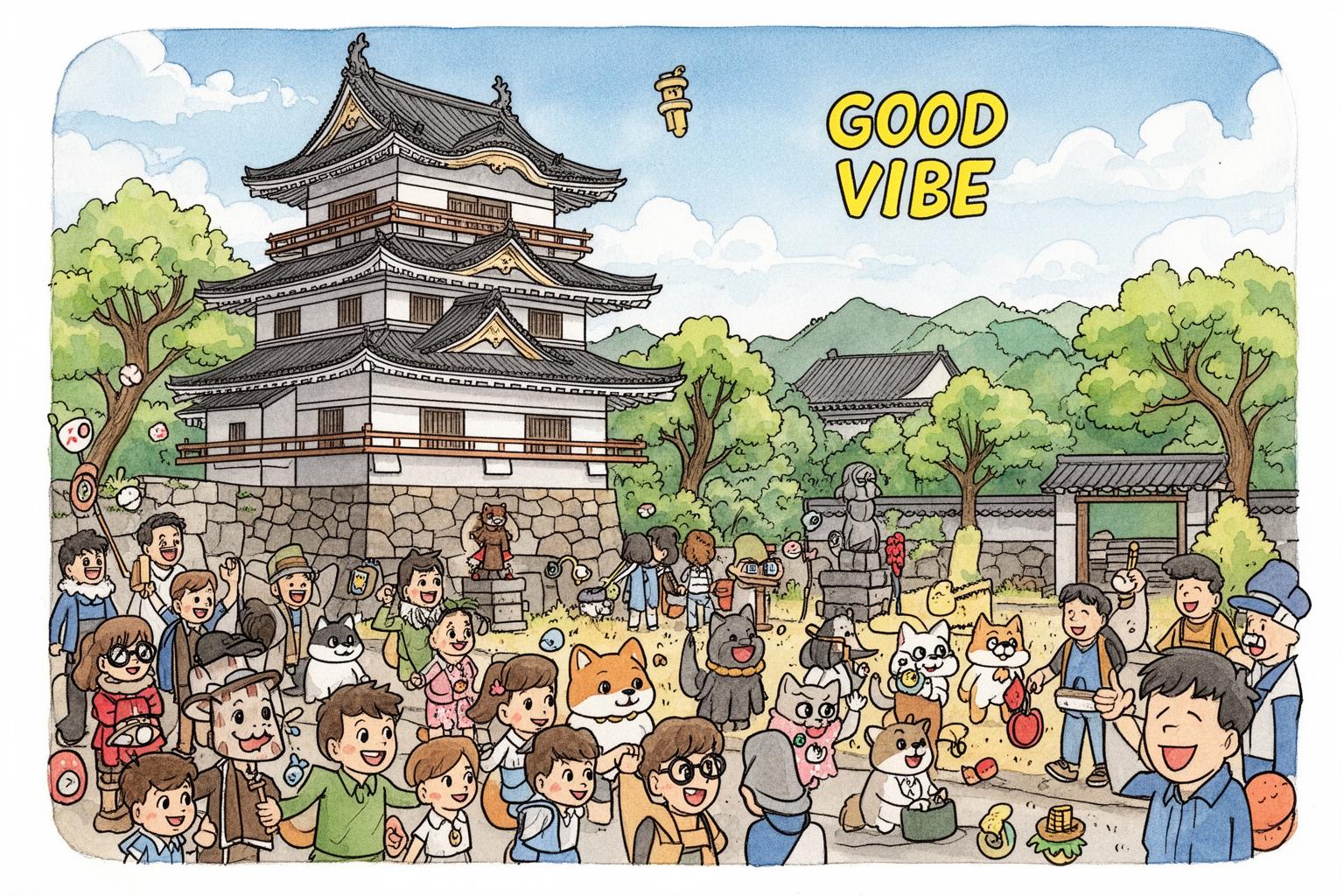
Before diving into the details, let’s talk about the essence of Inuyama. Stepping off the train and heading toward the castle town, or jokamachi, feels like flipping through a history book—but way cooler. The atmosphere shifts. The city’s nonstop rush fades away, replaced by a charming, relaxed pace. Nagoya is fantastic, no question, but it’s a bustling metropolis. Inuyama is its soulful, old-world counterpart. The main reason for this genuine throwback vibe is the town’s crown jewel: Inuyama Castle. This isn’t a concrete replica made for tourists. No, it’s one of Japan’s twelve remaining original castles, meaning its main keep has withstood centuries of earthquakes, typhoons, and wars. We’re talking about a fortress that watched over the samurai era. It’s a designated National Treasure for good reason, and you can feel that profound history the moment you see it, majestically perched on a hill overlooking the pristine Kiso River. The castle isn’t just a building; it’s the town’s core, and its lasting presence sets the mood for everything around it.
Then there’s the castle town itself—a beautifully preserved maze of streets spreading out from the base of the castle hill. This is where the real magic happens. The architecture offers a stunning glimpse into the Edo Period (1603-1868), with dark-wood machiya (traditional townhouses) lining the streets. Their latticed windows, tiled roofs, and colorful noren curtains fluttering at the doorways create a scene so picturesque it almost feels unreal. The vibe here strikes the perfect balance between lively and laid-back. It’s buzzing with happy visitors, the aroma and sizzle of street food stalls fill the air, and the gentle clack of geta (wooden sandals) on the pavement provides a steady, rhythmic soundtrack. It’s a sensory feast in the best way. Unlike overly polished tourist spots, Inuyama feels genuine and lived-in. You’ll see locals dropping into shops, families taking leisurely walks—it’s a community, not just an attraction. This blend of historic grandeur and everyday charm is what makes Inuyama’s atmosphere so unique. It’s a place that invites you to slow down, observe closely, and become part of its timeless story for a day.
Level Up Your Look: The Kimono Rental Experience
Alright, real talk: you can definitely enjoy Inuyama in your everyday clothes. But if you want to take your experience from ‘great’ to ‘truly unforgettable,’ renting a kimono is the way to go. Seriously. It’s not just about dressing up; it’s about fully immersing yourself in the castle town’s atmosphere. When you wear a kimono, you’re no longer merely a visitor—you become part of the stunning, living scenery. It changes how you walk, how you carry yourself, and how you engage with this historic place. And let’s be honest, the photos you’ll capture will be next-level epic. This is your main character moment, and Inuyama is the perfect backdrop.
The Sacred Ritual of Selecting Your Style
The experience begins the moment you step into one of Inuyama’s many kimono rental shops, conveniently located near the station and along the main street of the castle town. You’ll be greeted by rows upon rows of vibrant colors and intricate patterns—a dazzling sea of silk and cotton. The sheer variety can be a bit overwhelming at first, but that’s all part of the fun. The staff are seasoned experts, true artists ready to guide you. They’ll ask about your favorite colors or the mood you want to convey—is it cute and playful with bright pastels and floral designs? Chic and sophisticated with deep, rich hues and geometric shapes? Or perhaps something bold and retro from the Taisho era (1912-1926), known for its romantic, art-deco-inspired motifs? There’s a kimono for every season and personality. In spring, you might gravitate toward patterns of delicate cherry blossoms (sakura) or wisteria. In autumn, maps of maple leaves (momiji) and chrysanthemums dominate. For men, the selection is just as stylish, featuring classic navy, black, brown, and grey shades with subtle patterns that exude a quiet, samurai-inspired confidence.
Once you’ve picked your perfect kimono, the next essential choice is the obi, the wide sash worn around the waist. The obi brings the whole look together and is a statement piece in itself. You can select a hue that either complements your kimono or creates a striking contrast. The staff will then show you different tying styles for the back, ranging from simple, elegant knots to elaborate, bow-like masterpieces that are works of art. Next come the accessories, adding the finishing touches to your transformation. You’ll receive a pair of tabi (split-toe socks), worn with either zori (formal, flat sandals) or geta (elevated wooden clogs). You’ll also get to choose a kinchaku, a traditional drawstring bag perfectly sized for your phone, wallet, and lipstick. It’s far more stylish than your usual purse and maintains the historical vibe intact.
The Transformation: Dressing with the Help of a Pro
This is where the magic truly happens. Putting on a kimono is a detailed, multi-layered art perfected over centuries. You’ll be taken to a dressing area where a skilled dresser will work their magic. It’s a captivating and intimate cultural experience. First, you’ll don the undergarments, including a thin robe called a nagajuban, whose collar peeks out from beneath the main kimono. Then, the dresser expertly wraps the kimono around you, carefully adjusting the length and fit with remarkable precision. They use a series of ties and sashes, all cleverly hidden, to create a smooth, elegant silhouette. The fit is snug and firm, designed to promote graceful posture. Finally, the obi is wrapped and tied with impressive strength and skill—a mesmerizing sight to witness. Don’t be surprised if a sense of calm and poise washes over you as the last knot is secured. Many shops also offer hairstyling services, which I highly recommend. They can sweep your hair into an elegant updo, decorated with kanzashi (ornamental hairpins), delicate flowers, or decorative combs that perfectly complement your kimono. When you peer into the mirror, the transformation is complete. You don’t just see a stunning outfit—you see a version of yourself connected to centuries of Japanese tradition and artistry. It’s a powerful feeling, a unique confidence boost. Now, you’re ready to step out and make the castle town your personal runway.
The Main Quest: Strolling Through Inuyama Castle Town
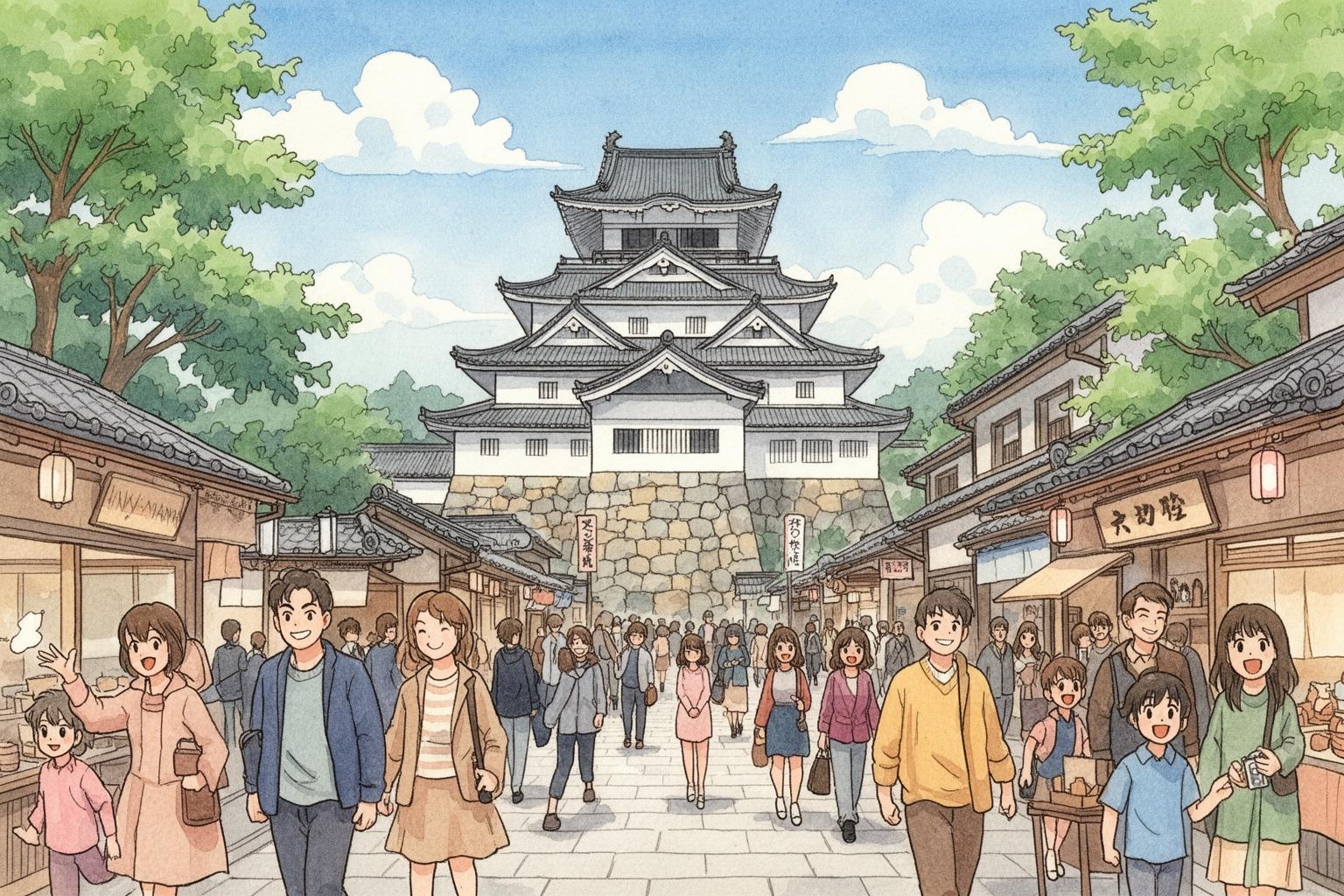
With your transformation complete, it’s time to begin exploring. Stepping onto Honmachi-dori, the main street of the castle town, feels as if you’ve just entered a movie set. The world slows to the gentle, deliberate rhythm set by your geta sandals. This is the essence of the experience: the stroll. Each step uncovers a new delight, a fresh detail that captures the spirit of old Japan.
The street is a visual delight. The dark, weathered wood of the machiya houses, contrasted with their distinctive white plaster walls and intricate latticework called koshi, forms a stunningly cohesive architectural scene. Look up at the heavy, grey-tiled roofs, some decorated with fierce onigawara (ogre tiles) meant to ward off evil spirits. Look down at the smooth, worn flagstones beneath your feet. The entire street tells a story. Many buildings now serve as charming shops, cafes, and restaurants, where modern uses blend seamlessly into the historic structures. You’ll find shops offering local crafts, from delicate pottery to handmade paper fans. Others sell regional delicacies, sake from nearby breweries, and a broad range of souvenirs.
A Pilgrimage for Your Taste Buds
Let’s be honest: a huge part of the joy is the food. Inuyama’s castle town is a street food lover’s paradise, and snacking while strolling is almost a must. The air is filled with tempting aromas that draw you from one stall to the next. You simply must try the local specialties. First up is Dengaku, skewered tofu blocks grilled to perfection and glazed with a rich, sweet-savory miso sauce. It’s simple, rustic, and deeply satisfying. Then comes Goheimochi, another regional favorite. This isn’t your usual soft, round mochi; it’s a flattened cake of pounded rice, skewered and grilled over charcoal until slightly crispy outside yet chewy inside, then coated in a delicious sauce made from walnuts, miso, and soy sauce. The contrast of textures and the sweet-savory taste is addictive.
But the culinary journey doesn’t end there. Depending on the season, you’ll encounter various treats. In spring, look out for sakura mochi (sweet rice cakes wrapped in pickled cherry blossom leaves) or colorful dango sticks in pink, white, and green to celebrate the season. In summer, cool off with a heap of fluffy kakigori (shaved ice) drenched in sweet fruit syrups. For those seeking the ultimate Instagram-worthy snack, don’t miss the shops offering heart-shaped treats, a tribute to the nearby Sanko Inari Shrine. From heart-shaped rice crackers to colorful soft-serve ice cream topped with heart-shaped sprinkles, it’s a fun and tasty way to embrace the romantic vibe of the area. For adults, several historic sake breweries have storefronts in town. Drop in for a tasting and experience the crisp, clean flavors of local rice wine brewed with the pure waters of the Kiso River.
As you wander, snack in hand, take your time. Explore narrow side alleys that often lead to serene courtyards or hidden temples. Notice the small details: an old hand-cranked water pump, a carefully arranged flower display in a window, the intricate design on a shop’s sign. These are the moments that deepen the richness and authenticity of the experience. The castle town is not a place to rush through; it’s a place to savor.
The Final Boss: Conquering Inuyama Castle
At the end of the lively castle town street stands your ultimate destination: the magnificent Inuyama Castle. The approach itself is part of the journey. You’ll ascend a gentle slope, passing through sturdy stone walls and impressive gates that once formed the castle’s outer defenses. Take a moment to admire the strategic brilliance of its location, perched atop a 40-meter-high hill with the Kiso River serving as a natural moat behind it. This fortress was built with purpose.
A Journey Through Time
Before stepping inside, pause to absorb the history. Inuyama Castle’s keep was constructed in 1537, during the turbulent Sengoku period, also known as the Warring States period. That makes it older than the better-known Himeji and Matsumoto castles. It was commissioned by Oda Nobuyasu, the uncle of the legendary Oda Nobunaga, one of Japan’s great unifiers. For centuries, the castle remained the private property of the Naruse clan—a rare example of a privately owned castle in Japan—until it was transferred to the city of Inuyama in 2004. As you stand before it, you gaze upon the very structure that samurai lords and their warriors once admired. The dark, weathered wood, the elegant yet formidable multi-tiered roof, and the stone foundation all testify to resilience and strength. This isn’t a replica; it’s an original survivor.
The Authentic Castle Experience
Entering the castle keep intensifies the feeling of traveling back in time. The interior is nearly all original wood. The air is cool, carrying the scent of ancient timber. Forget elevators and modern comforts; the only way up is via steep, narrow wooden staircases that resemble ladders, requiring you to use your hands as you climb. This design was intentional—to slow down armored attackers. As you ascend through the floors, you’ll appreciate the raw, functional beauty of the construction. Massive wooden beams intersect overhead, held together by intricate joinery rather than nails. You can peer through the sama, narrow slits in the walls used by archers and riflemen to defend the castle. Exhibits of samurai armor and weapons give you a tangible connection to the men who lived and fought here.
The View from the Top
The climb is a challenge, but the reward at the top floor makes it worthwhile. The highest level of the keep features a 360-degree balcony with a breathtaking view. This is the moment you’ve been waiting for. Feeling the wind whip around you, you take in the panorama of the entire region. Below, the castle town spreads out like a miniature model. The majestic Kiso River, often poetically compared to Germany’s Rhine River, winds through the landscape, its clear waters sparkling in the sunlight. On a clear day, your sight extends across the Nobi Plain, even reaching the shimmering skyscrapers of faraway Nagoya on the horizon. It’s a powerful experience, standing where feudal lords once surveyed their lands, planned their strategies, and dreamed of uniting the nation. You feel on top of the world, connected both to the vast landscape and to the deep history beneath your feet. It’s the perfect climax to your Inuyama adventure.
Side Quests and Chill Spots
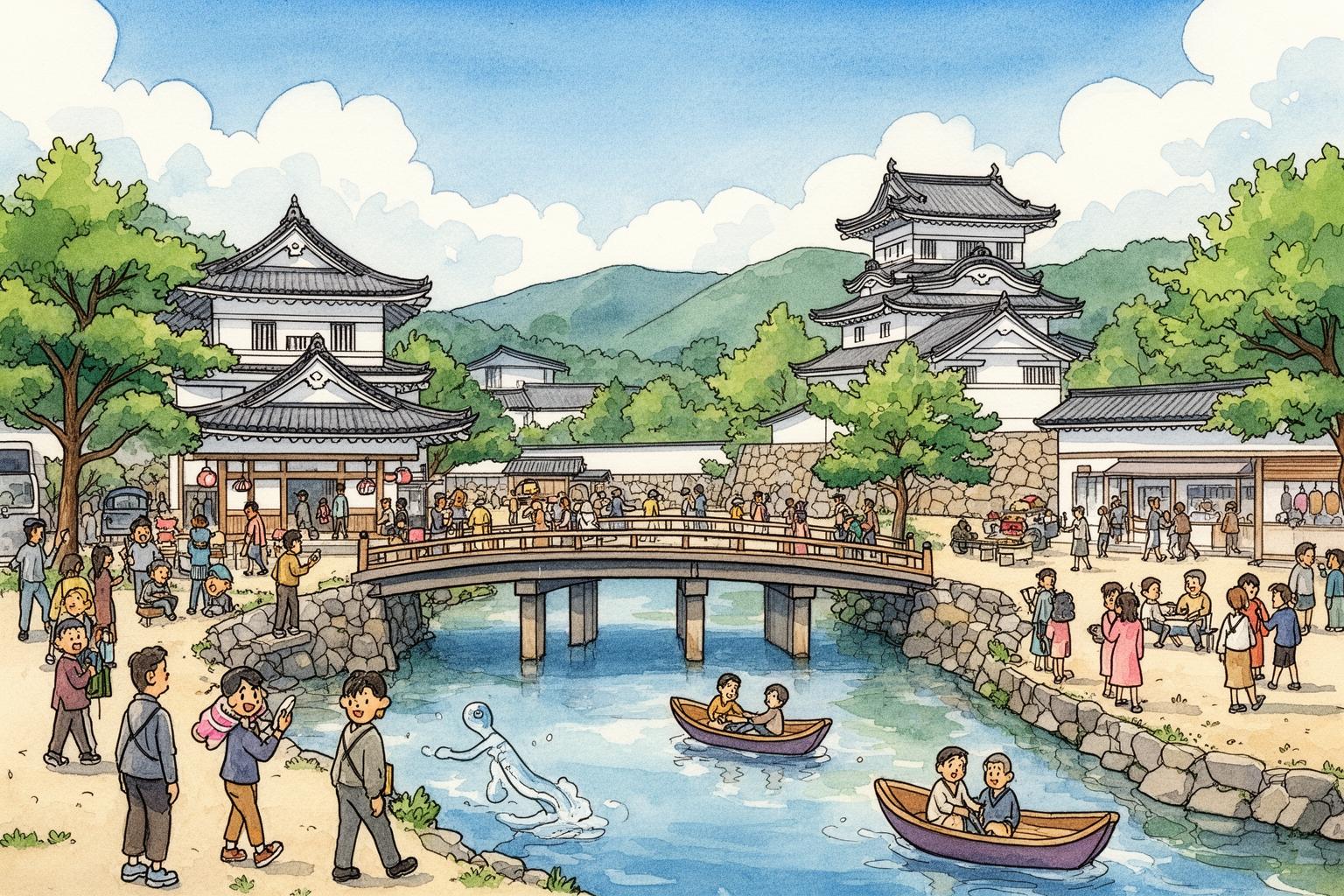
While the castle and its surrounding town are the primary attractions, Inuyama also offers several other wonderful spots that are definitely worth a visit, especially if you’re already dressed in a beautiful kimono. These “side quests” bring even more richness and color to your day trip.
Sanko Inari Shrine: A Tunnel of Good Fortune
Located right at the foot of the castle hill, you’ll discover the charming Sanko Inari Shrine. It’s impossible to miss, thanks to its striking tunnel of vivid crimson torii gates winding up the hillside. Walking through this tunnel is a quintessential Japanese experience, and the striking contrast between the bright red gates, lush greenery, and your colorful kimono creates some of the best photo moments of the day. But this shrine is more than just visually stunning. It’s a place of worship and hope. Inari, the Shinto deity of rice, sake, and prosperity, is especially revered here for blessings related to relationships and love. That’s why countless heart-shaped ema (wooden prayer plaques) decorate the shrine, where visitors write wishes for love, happy marriage, or family harmony on these cute pink plaques, hoping their prayers will be fulfilled. It’s a charming and romantic spot, and even if you’re not seeking love, the uplifting, hopeful atmosphere is contagious. It’s a serene, beautiful place to pause and reflect before or after climbing the castle.
Urakuen Garden & Jo-an Teahouse: A Moment of Zen
If the lively castle town has you longing for a touch of peace, a short walk leads you to Urakuen, a gorgeous traditional Japanese garden. Here is a place to slow down, breathe deeply, and admire the art of Japanese landscape design. The garden is carefully arranged with a central pond, artfully positioned rocks, stone lanterns, and a diverse array of plants and trees that ensure its beauty throughout the seasons. However, the true gem of Urakuen is the Jo-an Teahouse. This isn’t just any teahouse; it’s one of only three in Japan designated as a National Treasure. Originally constructed in Kyoto in 1618 by Oda Urakusai—the younger brother of the famous Oda Nobunaga and a renowned tea ceremony master—the teahouse was later relocated to Inuyama. While entry to the original Jo-an is not permitted, you can admire its rustic, wabi-sabi charm from the outside. More importantly, you can participate in a traditional tea ceremony in an adjacent teahouse within the garden. For a small fee, you can sit on tatami mats, watch a master skillfully prepare a bowl of vibrant green matcha, and enjoy it alongside a delicate traditional sweet. This calming and culturally rich experience is a perfect way to soothe your mind and appreciate the subtle beauty and profound philosophy of the Japanese tea ceremony. It offers a tranquil, serene balance to the day’s more active adventures.
The Logistics Lowdown: Getting to Inuyama and Around
One of the greatest advantages of Inuyama is how incredibly easy it is to reach from Nagoya. There’s no need to worry about complicated transfers or costly bullet trains. It’s the epitome of a hassle-free day trip.
Access from Nagoya
Your journey begins at Meitetsu Nagoya Station, which is conveniently linked to the main JR Nagoya Station. From there, take the Meitetsu Inuyama Line. Look for the Limited Express (特急, tokkyū) trains bound for Shin-Unuma. These are the quickest option, getting you to Inuyama Station in roughly 25-30 minutes. The ride is smooth and comfortable, and before long, you’ll be leaving the cityscape behind and heading into the lush countryside of Aichi. A big plus for international travelers is that this is a private railway line (Meitetsu), so a Japan Rail Pass is not required. You simply purchase a regular ticket at the station, which is very affordable. You can disembark at either Inuyama Station or the following stop, Inuyama-Yuen Station. Inuyama Station is slightly nearer to the main castle town street and kimono rental shops, while Inuyama-Yuen Station is closer to the Kiso River and Urakuen Garden. Honestly, either stop works well since everything is within a pleasant 10-15 minute walk.
Best Times for Your Visit
Inuyama is beautiful year-round, but certain seasons offer distinct experiences.
Spring (late March to early April): This is peak season for good reason. The areas around the castle and along the river burst into soft pink and white cherry blossoms. The scenery is absolutely stunning. This is also when the Inuyama Festival, a UNESCO Intangible Cultural Heritage event, occurs. The festival features thirteen large, three-storied floats, exquisitely carved and decorated, pulled through town by dozens of men. At night, each float is illuminated with hundreds of paper lanterns, creating a magical, ethereal glow. It’s a busy but unforgettable time to visit.
Summer (June to August): The weather is hot and humid, but the landscape is lush and vividly green. The highlight of summer is ukai, or cormorant fishing, on the Kiso River. This ancient traditional fishing method involves masters using trained cormorants to catch fish by torchlight at night. You can watch this captivating spectacle from tour boats, and it feels like stepping into a historical painting. It’s a rare cultural experience in many places.
Autumn (mid to late November): This is arguably the most comfortable and lovely time to visit. The weather is crisp and cool, perfect for strolling in a kimono. The maple trees around the castle and in Urakuen Garden blaze with vibrant shades of red, orange, and gold. The radiant autumn foliage provides a stunning backdrop to the dark wood of the castle and traditional buildings.
Winter (December to February): Winter is the quiet season. The crowds disappear, and a peaceful calm settles over the town. The crisp, clear air often provides fantastic, unobstructed views from the castle keep. If you’re fortunate enough to visit after a light snowfall, the sight of the castle and town dusted in white is truly magical.
Final Thoughts: Your Inuyama Glow Up
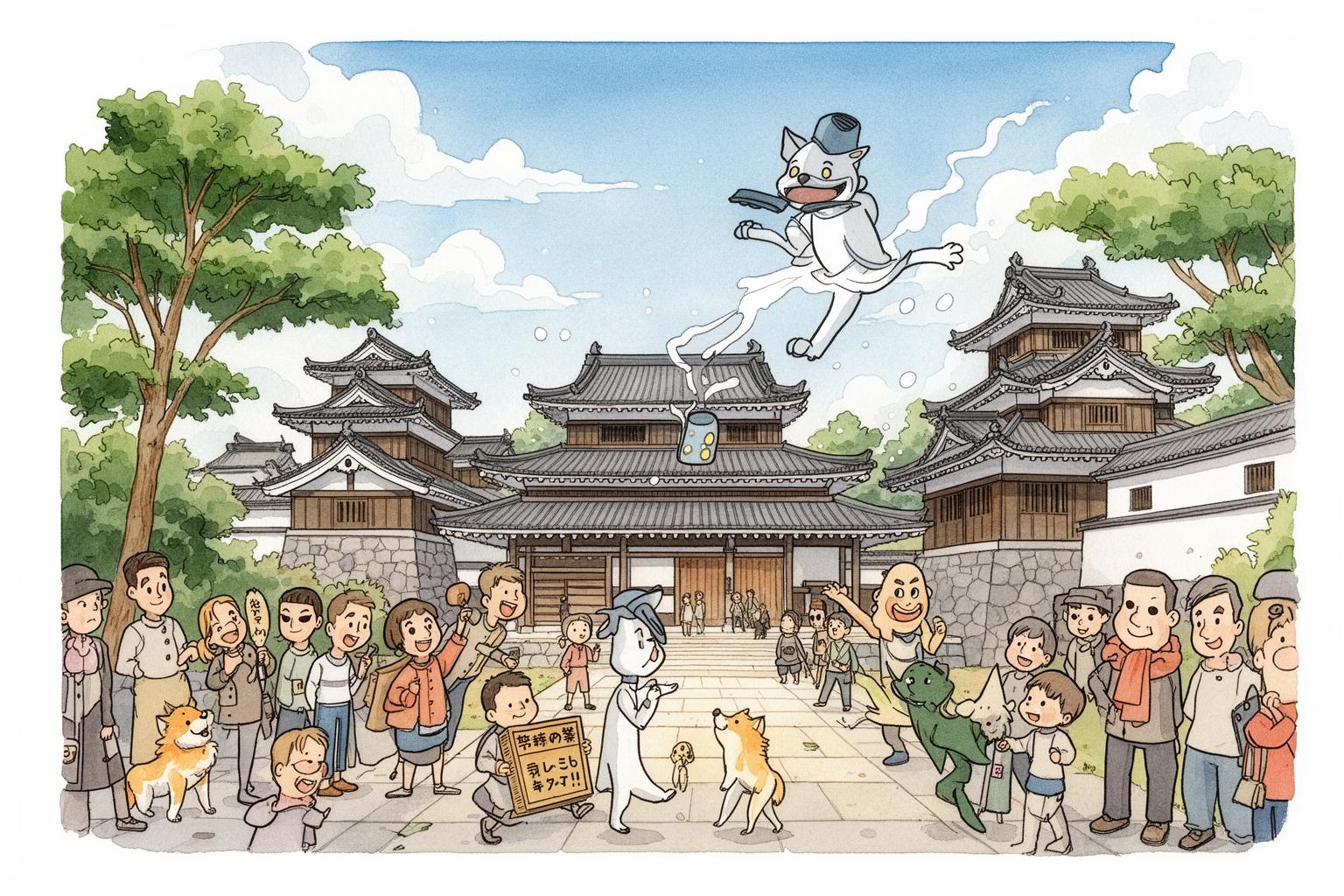
As your day in Inuyama draws to a close and you return your kimono, you’ll experience a joyful tiredness and deep contentment. This is more than just a day trip where you check off a few sights on a list. It’s an immersive journey into the very heart of Japan’s history and culture. You’ve walked the same streets once traveled by samurai, climbed the same stairs as feudal lords, and taken part in the timeless tradition of wearing a kimono. You’ve savored flavors refined over generations and admired a landscape that has inspired poets and artists for centuries.
Inuyama offers a profound connection to the past that feels vibrant and alive today. Its close proximity to Nagoya makes it an essential destination for anyone visiting the area. It’s an opportunity to step away from the modern world, slow down, and create memories that are not only stunning for your camera roll but also deeply enriching for your soul. So, when planning your Japan itinerary, be sure to set aside a day for this remarkable town. Come ready to explore, taste, learn, and allow yourself to be fully captivated by the enduring charm of Inuyama. Believe me, it’s a feeling you’ll long to relive even after you’ve returned home.
