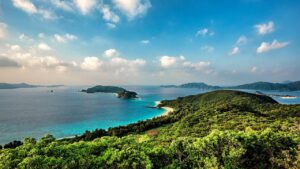
Yo, what’s the move? If you’re chasing that next-level travel high, the kind that completely rewrites your definition of ‘beautiful,’ then you gotta get the Kerama Islands on your radar. Straight up, this ain’t just another beach destination; it’s a whole different dimension. Picture this: a string of emerald-green islands floating in a sea so ridiculously blue it looks like someone cranked the saturation on reality. Located just a quick ferry ride from Okinawa’s main island, this place is a legit national park, a protected sanctuary where nature is the main character, and we’re all just lucky to be guest-starring. For divers, snorkelers, and anyone with a pulse, the Keramas are the GOAT. The main draw? A legendary shade of blue so unique they had to name it “Kerama Blue.” It’s a color that hits different, a visual spectacle that floods your senses and makes you feel some type of way. The vibe here is pure, unadulterated chill. It’s where you trade skyscrapers for starry nights, traffic noise for the sound of gentle waves, and your daily grind for the slow, rhythmic pulse of island time. This is the ultimate escape, a place to disconnect from the chaos and plug directly into the planet’s raw, untamed beauty. So, if you’re ready to drop into a world that’s more vibrant than your feed could ever be, let’s get into it. The Kerama Islands are calling, and trust me, you’re gonna want to answer.
To truly understand what makes this color so legendary, you need to experience the magic of Kerama Blue for yourself.
What’s the Deal with “Kerama Blue”?
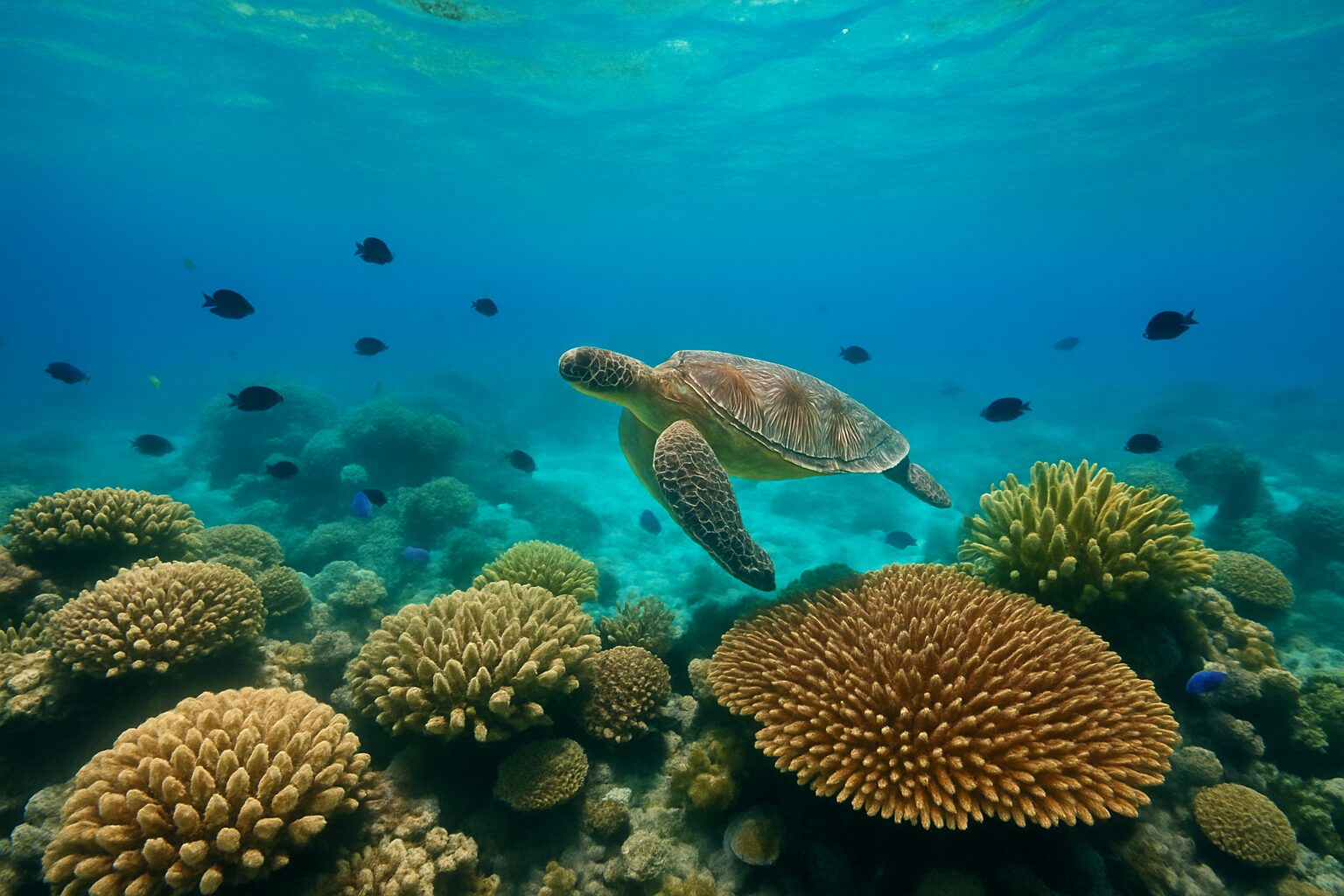
Alright, let’s spill the tea on “Kerama Blue.” When you hear the name, you might assume it’s just a catchy marketing phrase, something made up to promote tours. But no, it’s the genuine article—a stunning natural phenomenon you have to see to believe. This isn’t your typical ocean blue. It’s a high-definition, 4K, mind-blowing shade of blue that seems to radiate from within. So, what’s the secret? It’s a perfect combination of natural factors coming together to create this masterpiece. First, the water clarity is absolutely insane. We’re talking visibility regularly reaching 30, 40, sometimes even 50 meters—a bit like seeing the bottom of a 15-story building from the roof. This incredible clarity is thanks to the Kuroshio Current, one of the planet’s strongest ocean currents, which flows past the islands, bringing in crystal-clear water from the deep ocean and flushing away impurities. There’s almost no runoff from large rivers to muddy things up, so what you get is pure, untouched ocean.
But it doesn’t end there. The seabed around the Keramas is blanketed in pristine, powdery white sand. This acts like a giant mirror, reflecting sunlight back up through the water, boosting the brightness and intensity of the blue. It’s simple physics, but the effect feels downright magical. The moment you drop into that water—whether diving or just jumping off a boat to snorkel—it’s a total sensory reset. You’re weightless, suspended in this endless sea of liquid sapphire. Sunlight filters down in shimmering beams, illuminating everything around you with an ethereal glow. It’s quiet, peaceful, and completely immersive. You feel small, but in a wonderful way, as if you’re part of something vast and timeless. For anyone who’s used to living their life through a screen, this is the ultimate analog escape. Your photos and GoPro footage? They’ll look absolutely fire, no filter needed. The colors are so vivid, so electric, your friends back home will think you photoshopped them. This is nature’s flex—a reminder of how breathtakingly beautiful our planet can be when left untouched. Kerama Blue isn’t just a color; it’s a vibe, an experience, a memory burned into your mind forever.
The Kerama Islands Squad: Meet the Main Players
The Kerama archipelago consists of over 20 islands, but when planning your trip, you’ll concentrate on the main inhabited trio: Tokashiki, Zamami, and Aka. Each island has its own unique character and distinct charm. Think of them as three members of the same super-cool crew, each bringing something different to the experience. Which one you choose as your base depends entirely on the adventure you want to have. Are you after easy access and gorgeous beaches? Or are you a dedicated diver seeking a community of like-minded enthusiasts? Maybe you simply want to disconnect completely and immerse yourself in nature. No worries—the Keramas have you covered. Let’s explore the big three so you can find your perfect fit.
Tokashiki Island: The OG Hotspot
Tokashiki is the eldest sibling in the group. It’s the largest and most populated island in the Keramas, making it an ideal starting point, especially for first-timers. But don’t be fooled—‘most populated’ here still means super relaxed and laid-back, with around 700 residents. It’s a bit more developed, offering more lodging, dining, and amenities, which makes it very convenient. The vibe strikes a perfect balance between accessible and wild. You can easily enjoy a solid meal of Okinawan food and a cold Orion beer, yet a five-minute scooter ride can put you in the middle of nowhere.
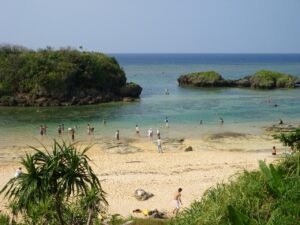
The island is defined mainly by two world-famous beaches. First is Aharen Beach, the island’s primary hub of activity. This beach is a showstopper: a perfect arc of white sand gently sloping into calm, turquoise water. It’s ideal for swimming, snorkeling, and relaxing. Rentals for snorkels, fins, umbrellas, and more are readily available. The atmosphere is lively without ever feeling crowded. You’ll see families playing in shallow water, couples soaking up the sun, and snorkelers exploring nearby coral patches. At one end, an observatory deck offers jaw-dropping panoramic views of the whole bay. The water is so clear that the reefs below look like a secret map stretched out beneath the surface.
Then there is Tokashiku Beach, which is quieter than Aharen and famous for one special reason: sea turtles. This bay serves as a feeding ground for green sea turtles, who come daily to graze on seagrass. Your chances of swimming alongside these gentle giants are very high. It’s a profoundly moving experience to float in the water and watch one of these ancient, graceful creatures glide past. There’s an unspoken rule here: give them space—no touching or chasing. We’re guests in their dining room and must be respectful. The best way to enjoy it is by calmly floating on the surface and simply observing them. It’s a memorable moment in the making.
Beyond the beaches, Tokashiki is a dream to explore by scooter. The island boasts winding, hilly roads that provide some of the most spectacular coastal views you’ll ever see. Several observatories, such as Teruyama Observatory, offer 360-degree views of surrounding islands and the vast ocean. On clear days, you can see all the way to Okinawa’s main island. The island’s interior is lush and green—a wild jungle in stark contrast to the blue sea. Diving here is top-notch, with sites suited to all levels. You can explore vibrant coral gardens, navigate underwater rock formations, and encounter a diverse array of marine life. Tokashiki is the perfect all-rounder, delivering stunning beauty and adventure without excessive effort.
Zamami Island: The Diver’s Paradise
If Tokashiki is the popular big sister, Zamami is the cool, edgier sibling, deeply passionate about one thing: diving. Zamami Village has a real soul, a close-knit community where many residents work in the diving industry. The streets are lined with dive shops, cozy guesthouses (minshuku), and relaxed izakayas where divers from around the world gather at night to swap stories over cold beers. The vibe feels less touristy and more like a shared passion project. Everyone is here for the same reason: to experience some of the best underwater adventures on the planet.
Zamami boasts two legendary beaches. The highlight is Furuzamami Beach, which isn’t just beautiful—it’s officially rated two stars in the Michelin Green Guide. And it truly lives up to that reputation. The water fades through stunning shades of blue, and the beach is pure white coral sand. But the real wonder is just beneath the surface: a spectacular coral reef teeming with life starts just a few feet from shore. You can walk right into the water with mask and snorkel and instantly enter a real-life aquarium. The density and variety of fish are astonishing. It’s a snorkeler’s dream, offering a first-rate experience with hardly any effort. You can spend hours floating and watching the underwater world unfold.
On the island’s opposite side lies Ama Beach, quieter and more rustic than Furuzamami. The water is shallower and exceptionally calm, making it perfect for families or a leisurely afternoon float. Like Tokashiku on Tokashiki, Ama Beach is a prime spot for sea turtle sightings, especially at high tide when they come close to shore to feed. It’s also one of the best places on the island to watch the sunset, with the sky bursting into hues of orange, pink, and purple as the sun dips below the horizon.
For many visitors, however, Zamami’s main attraction is boat diving. The dive sites around the island are renowned worldwide. Spots like “Manza Dream Hole” offer thrilling tunnels dropping into deep blue, guaranteed to get your adrenaline pumping. Other sites feature strong currents that attract large pelagic fish, as well as serene coral gardens home to a wide variety of reef fish and macro critters. The guides here are experts who know these waters intimately and can tailor your dive to match your skill and interests. From dramatic underwater landscapes to delicate rare critters, Zamami’s underwater scene is seriously impressive.
If you visit between January and March, prepare for a life-changing experience: humpback whale watching. The waters around the Keramas serve as a crucial breeding and calving ground for humpbacks migrating from northern seas. Zamami is the epicenter of this spectacle. Taking a whale watching tour is a must. Witnessing a 40-ton giant breach fully out of the water is awe-inspiring and unforgettable. You can even hear their complex songs underwater while diving. Zamami is raw and real, offering an unparalleled connection to the ocean.
Aka Island: The Hidden Gem
Aka Island is the quiet, introverted member of the trio. Connected to Zamami by a short village ferry, Aka feels like a step back in time. It’s the smallest of the three, with a quaint village where life moves at a delightfully slow pace. If your aim is true disconnection, escaping the crowds to find genuine peace and quiet, Aka is your sanctuary. The atmosphere here is profoundly peaceful. The streets are calm, the nights dark, and nature provides the main soundtrack.
Aka’s crown jewel is Nishibama Beach. Many locals and experienced travelers quietly claim this as the most beautiful beach in all of Japan. It’s a bold statement, but once you see it, you’ll understand why. It’s a long, sweeping stretch of the whitest sand you’ve ever seen, meeting water that shifts through every imaginable shade of blue. Because Aka sees fewer visitors than its neighbors, you’ll often have vast stretches of this paradise entirely to yourself. It feels like your own private beach. The snorkeling nearby is phenomenal, with healthy coral and abundant fish. It’s the perfect spot to bring a book and a bottle of water and lose all sense of time.
One of Aka’s most unique and magical features is its population of Kerama deer (Kerama-jika), a subspecies of Japanese sika deer protected as a national natural monument. What makes them especially remarkable is their swimming ability—they regularly swim between the islands! It’s surreal to see these graceful animals casually wandering through the village or relaxing on the beach. They symbolize the island’s wild, untamed spirit.
Aka is also linked by small bridges to the even smaller islands of Geruma and Fukaji, offering excellent opportunities for exploration. Renting a bike in Aka village lets you spend a day cycling across these bridges, hopping from one tiny island to the next. The views from the bridges are stunning, with turquoise waters swirling beneath you. Geruma and Fukaji are mostly uninhabited, where you’ll find secluded coves, old ruins, and a deep sense of solitude—an authentic adventure.
Aka’s diving scene matches the island’s overall vibe: intimate and personal. Dive shops are usually small, family-run businesses, ensuring smaller groups and a more customized experience. The guides have a deep, personal bond with the local reefs and can take you to secret spots that larger operations might miss. Thanks to lower boat traffic and minimal human impact, the reefs around Aka are some of the most pristine in the Keramas. For divers who seek tranquility and a close connection with their guide and environment, Aka is an unbeatable choice. It doesn’t shout for attention; it gently invites you into its quiet, breathtaking world.
Your Underwater Hit List: The Marine Life You’ll Actually See
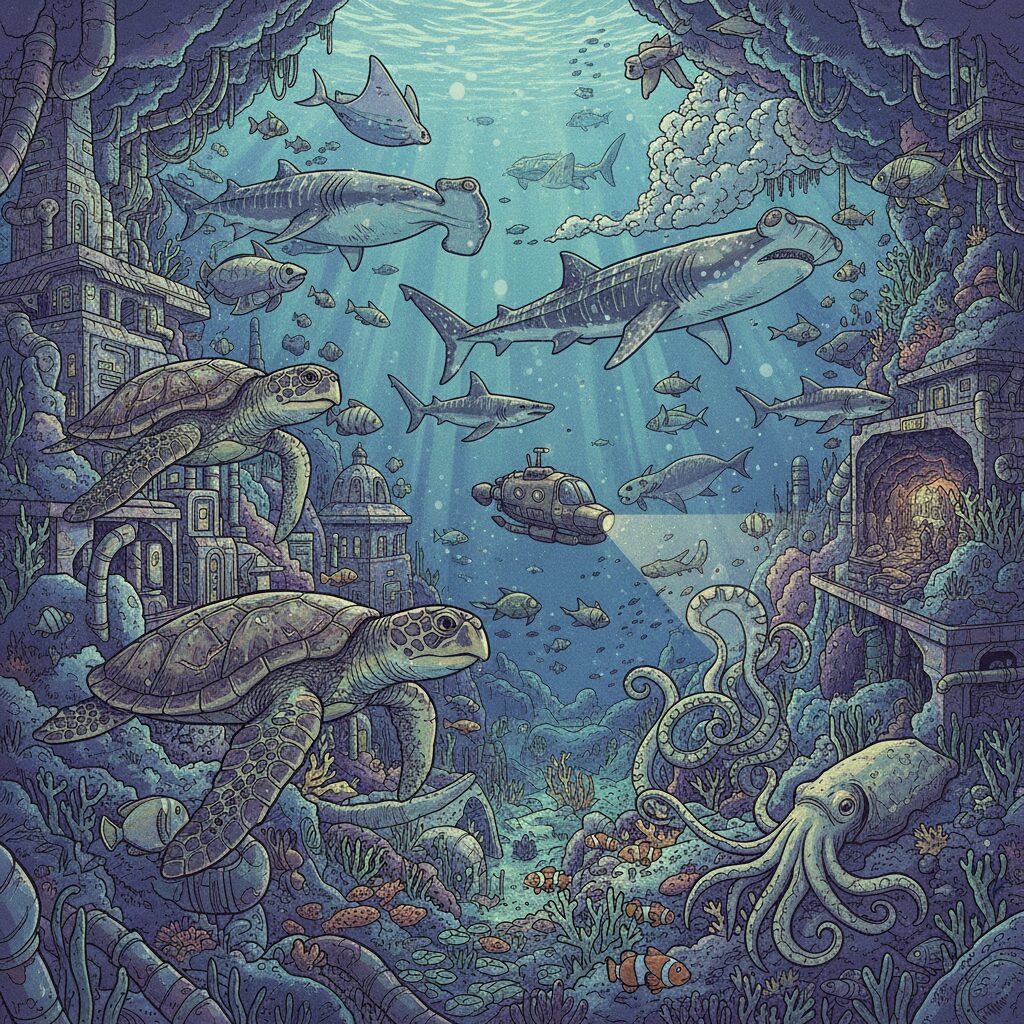
Diving into the waters of the Kerama Islands feels like stepping through a portal into another world. It’s a lively, vibrant metropolis inhabited by some of the most captivating creatures on Earth. The biodiversity here is exceptional, thanks to the healthy coral reefs and the clean, nutrient-rich waters brought by the Kuroshio Current. You won’t just spot a few fish; you’ll witness an entire ecosystem in motion. Here’s an overview of the A-list residents you’re likely to meet on your underwater journey.
The Turtle Crew
Let’s be honest, spotting a sea turtle in the wild is on everyone’s bucket list. In the Keramas, it’s not if but when. These islands are favorite hangouts for two types of sea turtles: the laid-back green sea turtle and the more elusive hawksbill turtle. Green sea turtles, the gentle vegetarians of the ocean, can be reliably seen grazing on seagrass in spots like Tokashiku Beach on Tokashiki and Ama Beach on Zamami. They move through the water with a slow, purposeful grace that’s mesmerizing. Hawksbill turtles, known for their beautifully patterned shells and sharp, beak-like jaws, are more commonly found on coral reefs as they feed on sponges. Swimming alongside these ancient travelers is a deeply moving experience and a powerful reminder of the wild, untamed world beneath the waves. Remember the golden rule: observe, don’t touch. Give them space. Keeping a respectful distance ensures they remain comfortable and continue to grace these waters with their presence.
Nemo & His Squad (Anemonefish)
Since a certain animated movie popularized clownfish, finding one has become a sacred mission for snorkelers and divers alike. The good news? The Keramas are basically a clownfish festival. You’ll see them everywhere, darting among the protective tentacles of their host anemones. These little characters are full of personality. They’re fiercely protective of their homes and will bravely swim out to check out any visitors, regardless of size. What’s great is that there isn’t just one kind of ‘Nemo.’ Multiple species of anemonefish can be spotted here, from the classic orange-and-white clown anemonefish to the tomato anemonefish and the pink skunk anemonefish. Their symbiotic relationship with sea anemones is one of nature’s finest collaborations. The fish gain protection from predators, while the anemone benefits from being cleaned and fed. They’re a photographer’s dream, adding vibrant splashes of color to any reef.
The Big Boys (and Girls)
While turtles and clownfish are reliable crowd-pleasers, the chance of encountering some of the ocean’s larger residents adds an exciting edge to every dive. Exploring the outer reefs and drop-offs might reward divers with thrilling sightings. Manta rays, the ocean’s majestic gliders, are occasionally spotted cruising through channels, their huge wingspans effortlessly carrying them through the water. White-tip reef sharks are also common, often resting on sandy bottoms under ledges during the day. They’re extremely shy and pose no threat to divers, their presence signaling a healthy reef ecosystem. You might also come across large schools of dogtooth tuna, giant trevally, or the magnificent Napoleon wrasse, recognizable by its distinctive humphead and intricate facial patterns. These encounters are never guaranteed, making them even more special when they occur. It’s a thrilling game of chance with Mother Nature.
The Coral Kingdom
Coral reefs form the foundation of this underwater realm, sprawling and complex cities where all this life unfolds. The reefs in the Keramas are generally stunningly healthy and diverse. Don’t think of them as mere rocks; these are living, breathing animal colonies. You’ll find massive table corals, some several meters wide, serving as shelter for countless fish. Intricate branching corals resemble underwater trees, while delicate sea fans wave gently with the current. Soft corals offer varied textures and colors, pulsating with the water’s movement. The incredible variety of shapes, sizes, and hues is breathtaking. A healthy reef is alive and noisy if you take a moment to listen—you might hear the crackle of thousands of tiny shrimp and the crunching of parrotfish nibbling on coral. It’s a fragile world, so using reef-safe sunscreen and practicing perfect buoyancy to avoid touching or damaging the coral is not just recommended; it’s our responsibility as visitors.
Macro Mania
For those who appreciate the small wonders of life, the Keramas offer a unique sort of treasure hunt: macro diving. This is the art of slowing down to spot the tiny, strange, and wonderful critters often overlooked. The reefs are teeming with incredible macro life. Nudibranchs, or sea slugs, are prime targets, boasting an astonishing array of colors and patterns that look like something from a psychedelic dream. You can find tiny, expertly camouflaged pygmy seahorses hiding in sea fans, along with numerous ornate ghost pipefish, cleaner shrimp, and colorful crabs. This challenge trains the eye to appreciate beauty in the details. A skilled dive guide is invaluable here, with an almost supernatural ability to spot these miniature marvels. Macro diving proves that sometimes the most spectacular wonders come in the smallest forms.
Winter Whales
We’ve mentioned them before, but they deserve their own headline. The humpback whales visiting the Keramas in winter are the undisputed monarchs of the marine scene. These gentle giants journey thousands of kilometers from northern feeding grounds to Okinawa’s warm, calm waters to give birth and raise their calves. Whale watching here is profound. It’s not just about seeing them; it’s about sensing their presence. When a 15-meter whale breaches, launching its massive body into the air and crashing down with a thunderous splash, it’s an awe-inspiring display of power and grace. During this season, the entire ocean seems to resonate with their haunting songs—a complex symphony that travels for miles underwater, both melancholic and powerful. It’s a spiritual experience that connects you to the vast, mysterious cycles of the natural world.
Planning Your Kerama Trip: The Lowdown
Alright, you’re convinced. You’re ready to plunge into the stunning Kerama Blue. But before you start packing your fins, let’s dive into the details that will make this dream trip come true. A bit of planning goes a long way, especially when visiting small islands where ferry seats and accommodations are limited. Getting the logistics right is crucial for a hassle-free adventure. Here’s everything you need to know to plan your Kerama escape like a pro.
When to Go: The Seasonal Mood
The Keramas are a year-round destination, but each season brings a unique atmosphere. The best time to visit depends on what you want from your trip.
- Spring (April-June): This is a fantastic window. The weather is warm and sunny but not yet oppressively hot or humid. Water temperatures are rising, creating comfortable diving conditions. The only caveat is Japan’s busy Golden Week (late April to early May). If you can time your visit just after Golden Week, you’ll enjoy ideal weather and fewer crowds.
- Summer (July-September): This is peak season for good reason. The sun is blazing, the water feels like a warm bath, and the island vibe is lively. It’s classic summer beach vibes. The downside? It’s hot, humid, and typhoon season. While most days will be perfect, typhoons can disrupt ferries and travel plans. Booking everything—ferries, lodging, tours—months ahead is essential if you visit in summer.
- Autumn (October-November): Ask any seasoned Kerama traveler, and they’ll likely call this the best season. The summer heat and humidity have eased, leaving warm, sunny days and mild evenings. The water remains warm, and crowds have thinned significantly. Typhoons are much less common, making it a stable and dependable time to visit. It offers the best of summer conditions without the crowds.
- Winter (December-March): The islands take on a quieter, more dramatic character in winter. The air cools down, and you’ll need a wetsuit (probably 5mm) for diving. The payoff is huge: it’s whale watching season, the highlight of the year. The water visibility is often at its best, providing some of the clearest diving conditions you’ll find. It’s a different type of trip, focusing on amazing marine life encounters rather than beach lounging, but no less spectacular.
Getting There: The Journey Counts Too
Your trip to the Kerama Islands kicks off at Tomari Port in Naha, Okinawa’s capital. From there, you’ve got two main choices to reach Tokashiki or Zamami/Aka, each presenting a classic trade-off: speed vs. cost and experience.
- The High-Speed Ferry: Vessels like the Queen Zamami and Marine Liner Tokashiki whisk you across in about 50 to 70 minutes. These sleek catamarans cost more and keep you confined to assigned seats indoors, missing some of the fresh ocean air. But if you’re short on time and want to maximize your island stay, they’re the fastest option.
- The Slow Ferry: The Ferry Zamami and Ferry Tokashiki are larger, traditional car ferries taking 90 to 120 minutes. They’re much more affordable and offer a genuine island vibe. You can grab a beer, relax on the open decks feeling the sea breeze, and watch the islands gradually grow closer. It’s a smoother transition from city hustle to island calm. Passenger lounges even have carpeted floors for naps.
Essential tip: Always book your ferry tickets in advance, especially during peak season. Ferries have limited space and often sell out weeks ahead. You can usually book online about a month before departure on the official village websites (one for Zamami, one for Tokashiki). Don’t just show up hoping for a seat—you risk disappointment.
Where to Stay: Accommodations to Suit Every Mood
Lodging in the Keramas is all about charm and simplicity. Expect intimate, locally embedded stays rather than large all-inclusive resorts.
- Minshuku: The classic Kerama experience. Minshuku are family-run guesthouses with simple rooms and sometimes shared bathrooms, but unbeatable hospitality. Many owners serve amazing home-cooked Okinawan breakfasts and dinners, allowing you to savor local flavors. Staying here feels more like visiting a local family than being a hotel guest.
- Pensions & Small Hotels: A step up from minshuku, these often feature private bathrooms and more modern comforts while maintaining a small, personal feel. Some are operated by dive shops that offer dive-and-stay packages for convenience.
- Camping: For budget-conscious and adventurous travelers, Zamami and Tokashiki both have campgrounds with basic facilities that put you right in nature’s heart. Falling asleep to waves and waking for a morning swim is an experience you won’t find in a hotel.
Like with ferries, booking your accommodation well in advance is crucial, especially from April to November when demand is high and availability limited.
Getting Around the Islands
Once on the islands, you have several ways to get around.
- Rental Scooters: The most popular and fun option. Scooters let you explore every corner at your own pace. Zipping along coastal roads with wind in your hair and stunning views is a core part of the Kerama experience. You’ll need an international driving permit or Japanese license.
- Rental Bicycles: Great for smaller islands like Aka or short trips around villages on Zamami and Tokashiki. It’s a workout on hills but a relaxing way to enjoy the scenery slowly.
- Village Buses: Small buses operate on limited schedules, mainly connecting ports to main beaches and villages. They’re reliable if you prefer not to drive, but you’ll need to plan around their timetable.
- Walking: The villages are compact and perfect for exploring on foot. A sunset stroll through the peaceful streets of Zamami or Aka is simple yet deeply rewarding.
Pro Tips for a Legendary Trip
Alright, you’ve got the big picture—now let’s focus on the finer points. These small details and insider tips can transform your trip from great to truly unforgettable. Paying attention to these pro-tips will make your adventure smoother, safer, and far more respectful of the beautiful environment you’re about to explore.
Pack Smart, Not Hard
Island life is simple, and your packing list should be too. However, there are a few essential items you’ll be glad to have.
- Reef-Safe Sunscreen: This is crucial. Conventional sunscreens often contain chemicals like oxybenzone and octinoxate, which are highly toxic to coral reefs, causing bleaching and damage. Do your part by choosing a mineral-based, reef-safe sunscreen. Protect your skin and the underwater world you’ve come to see. A small choice with a big impact.
- Rash Guard: Skip the T-shirt and go for a proper long-sleeved rash guard instead. It offers superior sun protection (the Okinawan sun is intense) and provides an extra barrier against jellyfish and other irritants you might encounter.
- Waterproof Bag: Whether it’s a small dry bag for your phone and wallet or a larger one for your camera equipment, having a dependable way to keep your valuables dry is essential. You’ll be spending plenty of time on boats and beaches, so better safe than sorry.
- Cash is King: While credit cards are becoming more widely accepted, many smaller guesthouses, cafés, and rental shops on the islands still operate on a cash-only basis. ATMs are scarce and might not accept international cards, so it’s smart to withdraw a good amount of Japanese Yen in Naha before boarding the ferry.
- Your Own Gear (Optional): Island rental gear is generally fine, but if you have a mask that fits perfectly or a snorkel you prefer, bring them along. An ill-fitting, leaky mask can ruin a snorkeling outing. Having your own comfortable gear enhances the experience.
Respect the Ocean, Respect the Culture
You’re a guest here—in the local community and the ocean. Respect is essential.
- Hands-Off Policy: This bears repeating: don’t touch anything underwater. Coral is a delicate living organism that can be killed by contact; fish and sea turtles should not be touched or chased. Observe, appreciate, and let the marine life remain wild. Your presence alone is enough.
- Listen to Your Guide: On boat tours, the captain and dive/snorkel guides are in charge. They know local currents, tides, and weather inside out. Follow their briefings, heed their instructions, and trust their judgment. Your safety is their priority.
- Leave No Trace: The Kerama Islands are incredibly pristine, and it’s up to all of us to keep them that way. Be mindful of your trash—if you carry it in, carry it out. Waste disposal options are limited, so never leave anything behind on the beach or in the water.
- A Little Japanese Goes a Long Way: Fluency isn’t necessary, but learning a few basic phrases shows respect and will be appreciated. Start with “Konnichiwa” (hello), “Arigatou gozaimasu” (thank you very much), and “Sumimasen” (excuse me/sorry). A smile and a polite bow will also go a long way.
Booking Your Dives/Tours
To fully enjoy the underwater experience, you’ll want to go out on a boat. Here’s how to arrange it.
- Book in Advance: If you need an English-speaking guide, it’s important to contact dive shops and book tours before your arrival. The top guides fill up quickly, especially in peak season.
- Understand the Options: Non-certified divers should look for “Taiken Diving” or “Discovery Dive” experiences, where an instructor supervises the entire time. Certified divers book “Fun Dives,” while snorkeling tours are widely available and take you by boat to the best offshore reefs unreachable from the shore.
- Check What’s Included: Most tours include full gear rental, boat fees, and a guide. Some also offer lunch and drinks. Clarify these details when booking to avoid surprises.
The Food Situation
The Kerama Islands’ culinary scene is simple, hearty, and delicious, focusing on fresh, local ingredients.
- Embrace Okinawan Cuisine: Take the opportunity to try authentic Okinawan dishes such as Goya Champuru (stir-fried bitter melon), Okinawa Soba (a unique noodle soup), and Rafute (braised pork belly). Fresh local fish served as sashimi or grilled is always a great choice.
- The Izakaya Vibe: In the evenings, village izakayas (Japanese-style pubs) are the social hub. Cozy and lively, they offer cold Orion beer (the local Okinawan brew) and an array of small plates. It’s the perfect spot to relax after a day in the sun, mingle with fellow travelers, and meet friendly locals.
Beyond the Blue: Island Life Vibes
While the underwater world undeniably takes center stage, the magic of the Kerama Islands extends beyond the water’s edge. The land-based experience, the very rhythm of island life, plays a significant role in the islands’ charm. It’s about embracing a slower pace, reconnecting with nature in its purest form, and savoring the simple, profound moments often overshadowed by modern life. There’s a unique soulfulness to these islands that stays with you.
Stargazing on Another Level
When night falls, a whole new spectacle unfolds. Being part of a National Park, the Kerama Islands have limited development and, crucially, almost no light pollution. On a clear, moonless evening, the sky is truly awe-inspiring. Find a dark spot on a quiet beach, lie back on the sand, and gaze upward. The sheer number of stars visible to the naked eye is astounding. The Milky Way is not just a faint blur; it appears as a bright, thick band of light stretching across the sky. Constellations, shooting stars, and silently gliding satellites are easy to spot. It’s a humbling, deeply moving experience that fosters an incredible sense of connection to the universe. In contrast to the few stars seen from most cities, the Kerama night sky is a rare, unforgettable gift.
The Sunset Ritual
In the Keramas, sunset isn’t just an event—it’s a daily ritual shared by all. As afternoon fades, both locals and visitors head to the west-facing beaches and observatories. Everyone pauses their activities to witness the day’s close together. The atmosphere is calm and appreciative. People sit quietly, watching the sun as it sets below the horizon, igniting the sky and sea with a stunning array of colors. Each island boasts its own favorite sunset spots, from the panoramic observatories on Tokashiki to the peaceful shores of Ama Beach on Zamami. This simple pleasure remains one of the most memorable aspects of island life, a daily invitation to slow down, be present, and cherish the beauty before you.
The Sound of Silence
Perhaps the greatest luxury of the Kerama Islands is the sound of silence. This isn’t an empty or sterile quiet; it’s a rich, natural stillness filled with subtle sounds of life—the gentle waves lapping the shore, the wind rustling through sugarcane fields, distant bird calls, and the nighttime chirping of insects. What’s missing is the persistent, low-level noise of human activity—the traffic, sirens, constant chatter—that we often take for granted. This absence allows your mind to clear and your senses to reset. It’s a true digital detox for the soul. Spending a few days immersed in this tranquil setting is deeply restorative. It offers a chance to unplug from the relentless demands of the digital age and reconnect with something more essential: the rhythm of nature and your own thoughts. You emerge feeling calmer, clearer, and more centered.
Final Thoughts: The Kerama Glow-Up
When all is said and done, a trip to the Kerama Islands is more than simply a vacation. It’s a transformation—an experience that leaves an unforgettable imprint on you. You might arrive for the world-class diving or the picture-perfect beaches, but you’ll depart with something far deeper. You’ll carry the color of Kerama Blue etched into your memory, the sensation of weightlessness in that impossibly clear water, and the echo of whale songs resonating in your soul. You’ll leave with a renewed appreciation for quiet moments, breathtaking sunsets, and nights filled with stars.
This is what we call the Kerama glow-up. It’s that post-trip radiance not from a spa treatment, but from a true connection with nature. It’s a sense of peace you hold onto long after boarding the ferry back to the mainland. The Keramas have a way of reminding you what truly matters. They stand as a testament to the astounding beauty of our planet and a compelling reason to protect these precious places.
So, if you’re seeking an adventure that will excite your senses and calm your soul, look no further. The islands are waiting. Go experience it for yourself. Get lost in the blue, swim with the turtles, and let the slow rhythm of island life reset your pace. Just remember to tread lightly, travel respectfully, and leave this paradise even more beautiful than you found it. The Kerama Islands are a treasure, and experiencing them is a gift. Go claim yours.