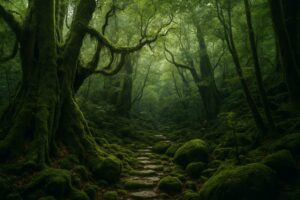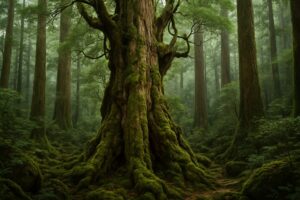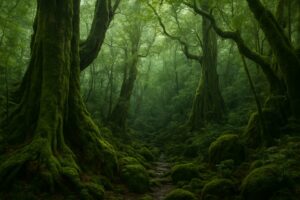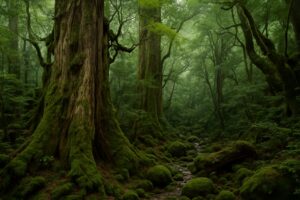
What’s up, wanderers! Sofia here, ready to spill the tea on a place that is, no joke, straight out of a fantasy epic. Imagine a world drenched in a thousand shades of green, where mist hangs in the air like a dreamy filter, and ancient trees, dripping with moss, stand like silent giants. This isn’t a movie set—though it did inspire one of the greatest animated films ever—this is Yakushima Island, a UNESCO World Heritage site floating off the southern coast of Kyushu, Japan. Getting here feels like discovering a lost world, a place where nature is king, and you’re just a humble guest in its ridiculously epic kingdom. This island isn’t just a place you see; it’s a place you feel, deep in your soul. It’s where you go for a serious vibe check from Mother Nature herself, a place to disconnect from the noise and plug into something ancient, powerful, and unbelievably beautiful. So lace up your best waterproof boots, because we’re about to dive deep into the magic of Yakushima’s hiking trails, where every step feels like turning a page in a forgotten storybook. It’s time to find the forest spirit.
To fully immerse yourself in this timeless landscape, consider hiking through Yakushima’s ancient cedar forests for a profound journey back in time.
Welcome to the Mossy Kingdom: Yakushima’s Vibe Check
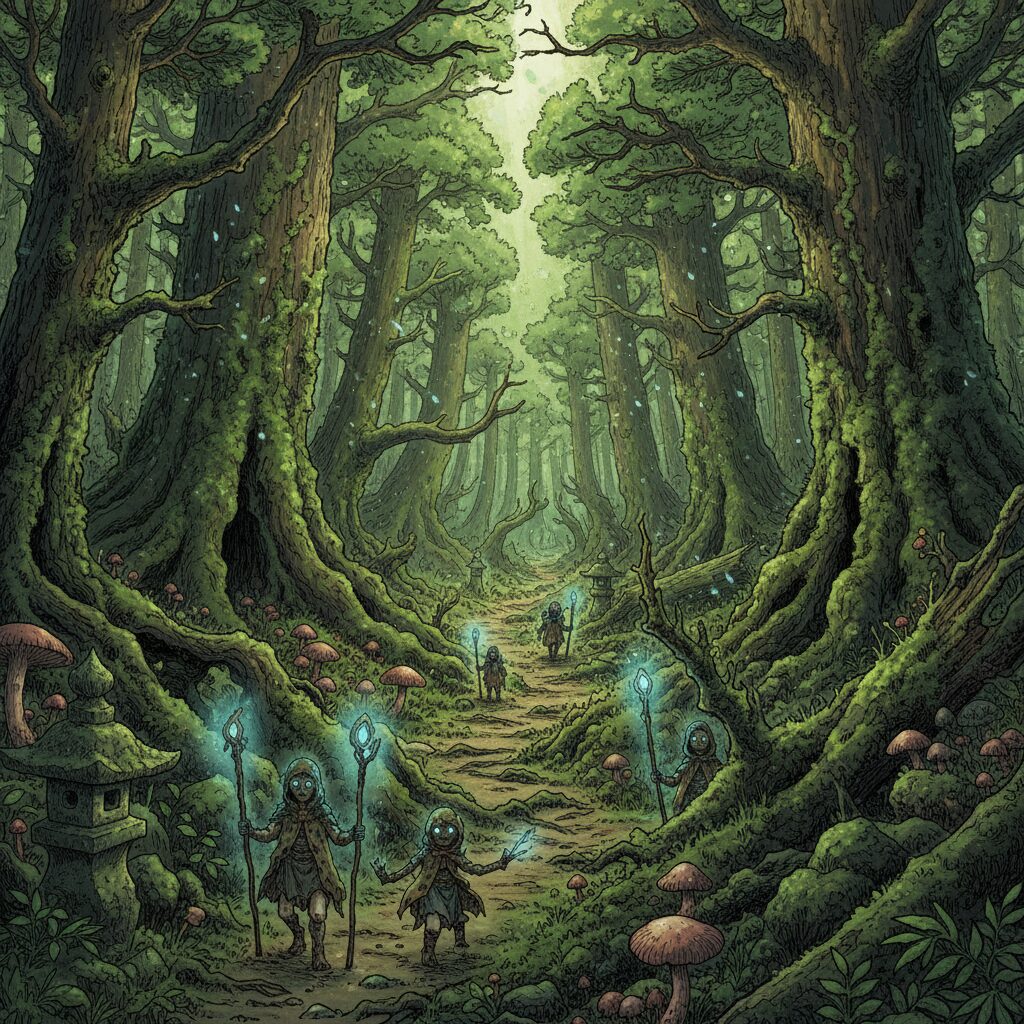
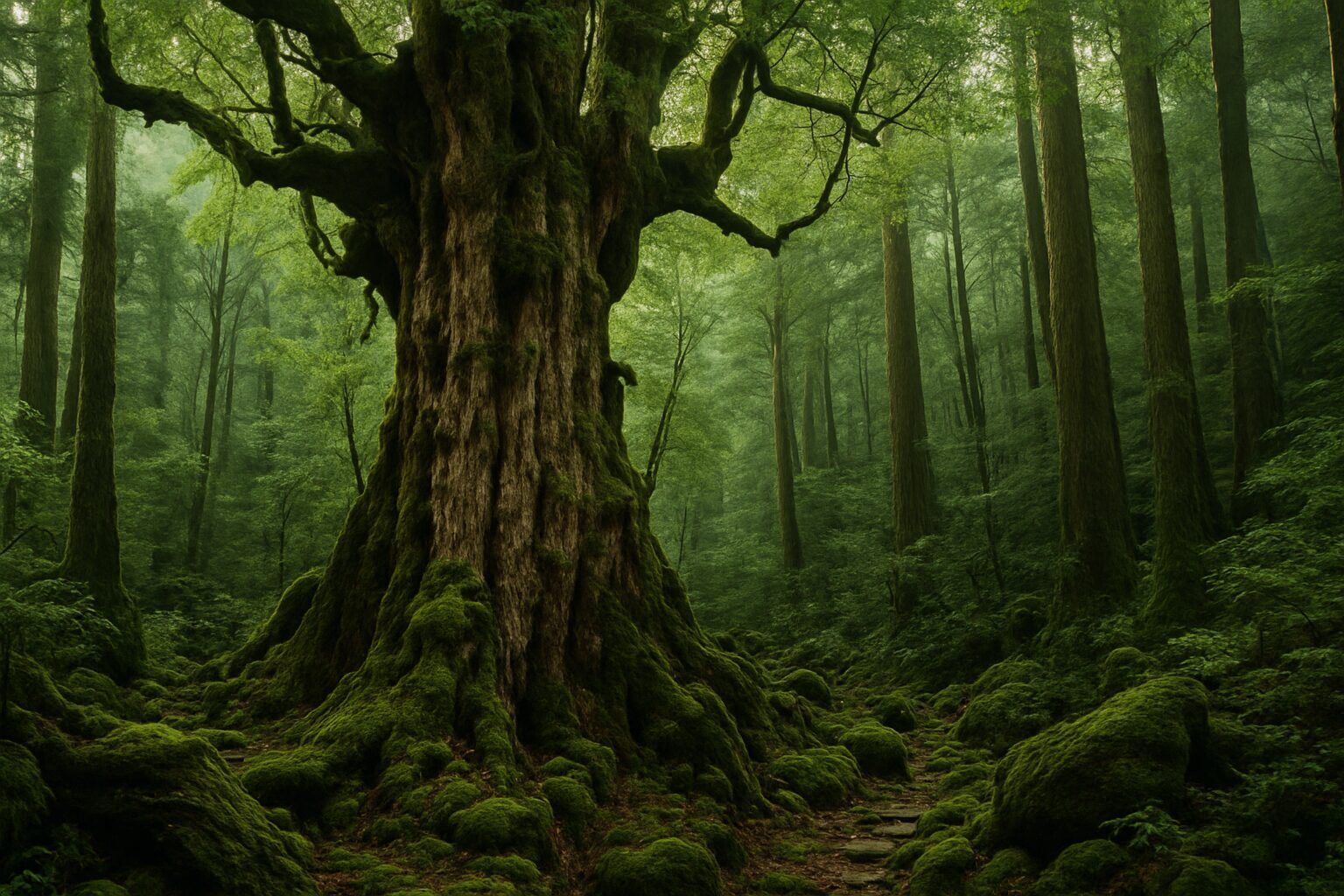
Before we even discuss the trails, let’s focus on the vibe of Yakushima. Because honestly, it’s the true star of this entire story. There’s a saying about the island that it “rains 35 days a month,” and while that might sound discouraging, it’s actually the secret ingredient to its magic. The constant moisture creates a world that is eternally damp, shimmering, and vibrantly alive. It’s a fully immersive sensory experience. The air is thick with the scent of wet earth, cedar wood, and blooming flowers you can’t quite identify. The soundtrack is a continual, gentle symphony of dripping water, leaves rustling beneath the feet of a Yakushima macaque, and the distant roar of a mighty waterfall. When you enter the forest, the outside world simply fades away. The silence isn’t empty; it’s rich. It’s the kind of quiet that carries the weight of ages, where you can almost hear the trees breathing. Sunlight struggles to penetrate the dense canopy, and when it finally does, it casts dramatic, cinematic beams onto the forest floor, illuminating patches of neon-green moss like tiny spotlights. This is the real-life home of the kodama, the tree spirits from Studio Ghibli’s masterpiece Princess Mononoke. Honestly, you start to believe they might actually be hiding behind the twisted roots of a thousand-year-old cedar. The grandeur of everything makes you feel small in the best way imaginable. You’ll crane your neck to see the top of a Yakusugi—a cedar tree over 1,000 years old—and feel an overwhelming sense of awe. These trees aren’t just plants; they are living monuments, survivors that have witnessed centuries of history. It’s a humbling, grounding experience that offers a profound shift in perspective. This entire island is a living, breathing ecosystem that commands respect, and in return, it provides a kind of peace that’s hard to find anywhere else on Earth. It’s a soul-refreshing glow-up, I promise.
The Legendary Trails: Picking Your Adventure
Alright, let’s dive into the main attraction: the hiking. Yakushima is essentially a huge playground for outdoor enthusiasts, with trails ranging from easy, scenic strolls to intense, all-day pilgrimages. You can tailor your adventure based on your fitness, available time, and how deeply you want to explore the island’s lush interior. Each trail reveals a unique aspect of Yakushima’s charm, so you really can’t go wrong. But honestly, some are simply iconic. These are the top three trails that define the Yakushima hiking experience and will undoubtedly fill your camera roll with incredible shots.
Shiratani Unsuikyo Ravine: The Ghibli Dreamscape
If you’re chasing that Ghibli-inspired fantasy, this is the place to be. Shiratani Unsuikyo Ravine is the island’s most famous and accessible trail, and it fully lives up to its reputation. This is where director Hayao Miyazaki spent time sketching, and his influence is visible everywhere. From the moment you step onto the trail, you feel like you’ve entered a film. The forest floor is a rich carpet of various mosses, blanketing every rock, root, and fallen log with a thick, velvety layer. The trees twist into whimsical shapes, their roots weaving intricate ladders over the terrain. Multiple routes allow you to customize your hike. The shortest loop, about an hour long, offers a delightful taste of the forest. But if time permits, keep going. The path takes you past ancient cedars like Nidaiosugi and Kugurisugi—the latter you can literally walk through. The highlight is the Koke no Mori, or Moss Forest, a clearing so vividly green and magical it feels almost sacred. This spot served as the official inspiration for the forest spirit’s home in Princess Mononoke. While it’s often busy, if you get a quiet moment, the experience is truly enchanting. For those feeling energetic, I highly recommend continuing up to Taiko-iwa Rock. The final climb is steep but worth it: you’ll emerge onto a massive granite boulder with breathtaking panoramic views of the island’s mountainous interior. On a clear day, it feels like you’re on top of the world. Pro tip: start early. The trail gets crowded, especially near the Moss Forest. Beginning your hike at sunrise might let you enjoy that Ghibli magic all to yourself. Also, wear shoes with strong grip—those moss-covered rocks and roots are slippery when wet.
The Jomon Sugi Quest: A Pilgrimage to the King
For serious hikers seeking a physically demanding yet spiritually fulfilling challenge, the trek to Jomon Sugi is legendary. This isn’t a casual walk—it’s a strenuous 10 to 12-hour round-trip journey to see the king of all Yakusugi. Jomon Sugi is the island’s oldest and largest cedar tree, with estimates putting its age between 2,000 and a staggering 7,200 years. It is a living monument of nature. Most start before dawn, around 4 or 5 AM, with headlamps, aiming to return before sunset. The first two hours lead you along the Anbo Forest Railway, an old logging train track still in use. Walking between the wooden planks as the forest awakens is an unforgettable experience. After the railway, the real ascent begins—a steep, challenging climb through the dense forest. You’ll be grateful for hiking poles and stamina here. But the trail offers remarkable sights that reward your effort. Passing Wilson’s Stump—the massive remains of a cedar felled centuries ago—you can actually step inside the hollow stump; looking upward reveals a heart-shaped opening framed by sky, a perfect romantic photo-op on a hard hike. You’ll encounter other giant cedars like Daio Sugi, each radiating its own majestic presence. When you finally reach Jomon Sugi, the moment is unforgettable. Conservation efforts mean you view it from a wooden platform a short distance away, but its immense size and ancient, twisted form inspire awe. It doesn’t feel like looking at a tree; it feels like standing before royalty. One piece of advice: don’t take this hike lightly. Many opt to hire local guides—they know the trail, set a good pace, and share fascinating knowledge about the forest’s plants and animals. Bring plenty of high-energy snacks, at least two liters of water (there are fresh mountain spring refill spots), and a portable toilet kit, as facilities are very limited. It’s a demanding hike, but earning a glimpse of Jomon Sugi is a memory you’ll treasure forever.
Yakusugi Land: An Enchanting Forest Playground
If the Jomon Sugi trek seems too intense, or if you’re traveling with family or prefer a gentler experience, Yakusugi Land is an excellent alternative. Don’t be misled by the name—it’s not a theme park. It’s a well-preserved natural park offering the full Yakusugi experience without the strenuous climb. The park features several well-maintained trails with extensive wooden boardwalks that make it accessible for all ages and fitness levels. This allows you to explore the forest of gigantic cedars without scrambling over slippery roots and rocks. Trails range from a brief 30-minute walk to a deeper, 150-minute hike into the primeval landscape. Even the shortest route surrounds you with stunning scenery: moss-covered ground, crystal-clear streams, and towering cedar giants. The trails highlight notable Yakusugi, such as Buddhasugi and the pair of intertwined trees called Futagosugi. It’s a wonderful chance to get close to these ancient trees and learn about the forest’s ecosystem. Yakusugi Land offers the same magical atmosphere as other trails—the mist, the vibrant greens, the sense of age—but in a more curated, less physically demanding way. Situated at a higher elevation, it’s often cooler—a blessing in summer. It’s also an ideal choice on rainy days, when other trails can be slippery, as the boardwalks provide a safe path. This proves you don’t have to endure a ten-hour hike to connect with Yakushima’s ancient spirit. The magic is everywhere, and Yakusugi Land makes it easy for everyone to experience.
Beyond the Trails: Living the Island Life
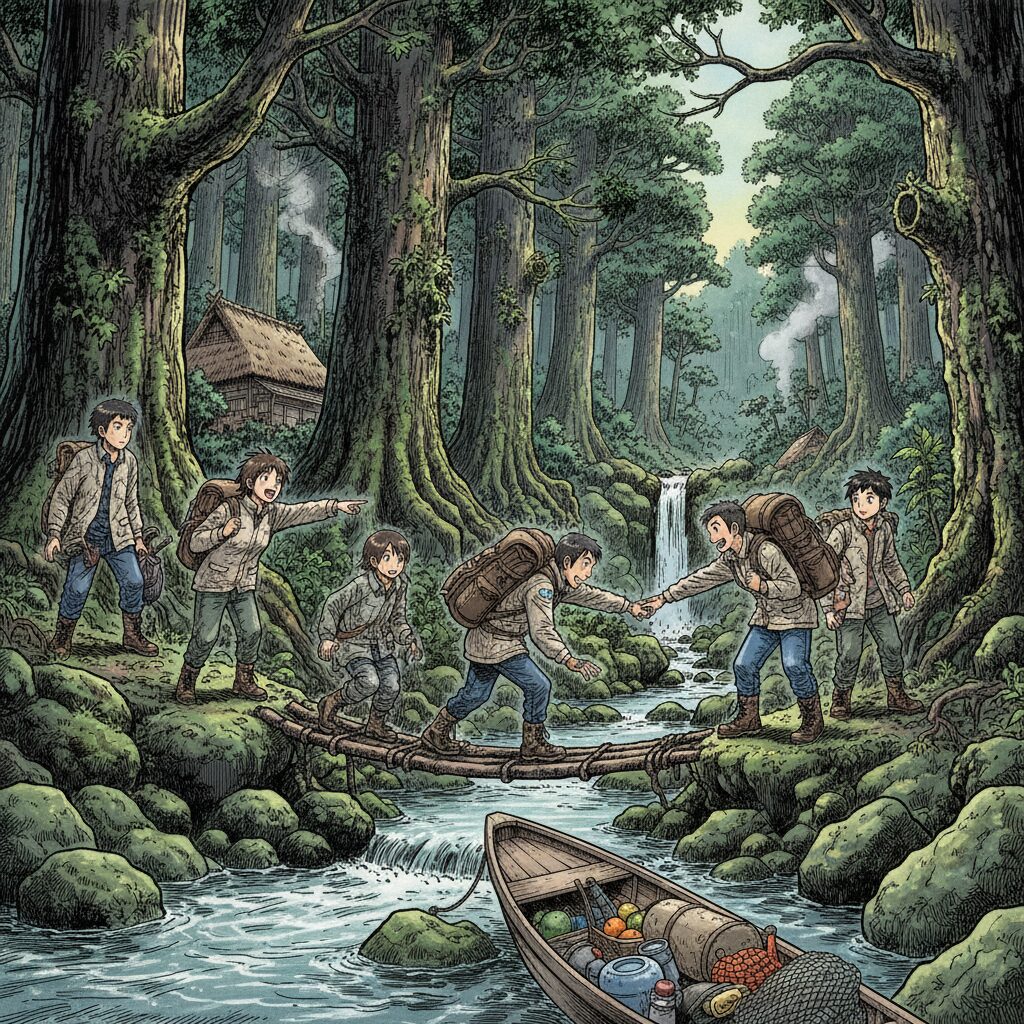
Your Yakushima adventure doesn’t have to conclude once you take off your hiking boots. This island is brimming with other natural wonders that are just as awe-inspiring as its forests. Allowing yourself a few extra days to explore beyond the trails is essential. It’s the way to fully appreciate this unique place, from its rugged coastline to its powerful waterfalls and incredible food. This is when you shift from hiker to island explorer, immersing yourself in the relaxed, nature-centered lifestyle that makes Yakushima so special.
Soaking It All In: Yakushima’s Natural Onsen
After a long day of hiking, there’s truly nothing better than soaking your tired muscles in a hot spring, and Yakushima offers some of Japan’s most remarkable onsen experiences. These aren’t luxurious spas; they’re rustic, natural, and nestled right in the heart of nature. The most famous is Hirauchi Kaichu Onsen, a collection of rock pools located right on the coast. The catch? It’s a seaside onsen, accessible only for a few hours around low tide. At other times, it’s completely submerged by the ocean. Timing your visit becomes part of the adventure. Sitting in the naturally warm water, with waves crashing on the rocks a few feet away under a starry sky, is an unforgettable experience. It’s a mixed-gender bath, and bathing suits are usually not worn, though some people use a small towel for modesty. It’s all about embracing the natural vibe. Another excellent option is Yudomari Onsen, which is similar but has a small rock barrier that shelters it slightly from the ocean. Checking tide times is crucial for these spots, so be sure to grab a local tide chart when you arrive. It’s the ultimate way to unwind and feel deeply connected to the island’s raw, natural energy.
Chasing Waterfalls & Beaches
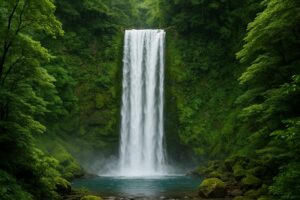
Yakushima’s incredible rainfall has to flow somewhere, and it cascades through some of Japan’s most breathtaking waterfalls. A drive along the island’s coastal road will bring you past several stunning sights. Oko-no-taki Falls in the southwest is one of Japan’s top 100 waterfalls and an impressive spectacle. It’s an 88-meter drop that you can approach closely, feeling the powerful spray on your face. On the opposite side of the island, Senpiro-no-taki Falls is equally striking. Though you can’t get as close, the viewpoint reveals water thundering down a massive granite cliff. Then there’s the coastline. Yakushima boasts beautiful beaches, but they’re famous for more than just sand and sun. Nagata Inakahama Beach is a gorgeous stretch of golden sand and serves as the most important nesting site for loggerhead sea turtles in the North Pacific. From May to July, female turtles come ashore at night to lay eggs. Then, from August to September, the hatchlings make their urgent journey to the sea. Witnessing this is a profoundly moving experience, but it must be done responsibly. To avoid disturbing the turtles, joining a guided tour organized by the local conservation group is highly recommended. This ensures the turtles’ safety and offers a chance to learn about these extraordinary creatures. It’s a powerful reminder of the delicate and amazing cycle of life thriving on this island.
Fueling Your Adventure: What to Eat on the Island
Hiking all day burns serious calories, and fortunately, Yakushima has a delicious and distinctive local food scene to recharge you. The island’s specialty is tobiuo, or flying fish. You’ll find it on menus everywhere, most famously served deep-fried, fins and all, so it looks like it’s leaping right off your plate. It’s crispy, tasty, and an absolute must-try. The island is also renowned for its citrus fruits, especially tankan and ponkan, which are sweet and juicy. These appear as fresh juice, jams, and even flavorings in local desserts. For an authentic taste of the island, sample some local shochu, a Japanese distilled spirit. Mitake is the best-known brand, named after the island’s three highest peaks. It’s strong and smooth, often made from sweet potatoes, making it the perfect way to relax in the evening. For your hikes, many guesthouses and local shops prepare bento lunch boxes to take with you on the trail. These are typically packed with rice, fish, and local vegetables, providing an ideal energy boost midway through a long trek. The island is dotted with charming little cafes and restaurants, many focusing on local, organic ingredients. Finding a cozy spot to enjoy a meal after a day in the wild is all part of the Yakushima experience.
The Practical Playbook: Nailing Your Yakushima Trip
Okay, so you’re convinced by the magic. But a trip to a remote, wild island like Yakushima takes some planning. Getting the logistics right is essential for a smooth, stress-free adventure. Think of this as your cheat sheet for transportation, timing, and packing. Mastering these details means you can focus entirely on soaking in that incredible forest atmosphere.
Getting There: The Journey to a Lost World
Yakushima is an island, so you have two main ways to get there: by sea or by air. Most travelers begin in Kagoshima, the southernmost major city on mainland Kyushu. From there, you can take a high-speed jetfoil ferry, often called the “Toppy” or “Rocket.” This fast and scenic two-to-three-hour ride is a cool experience, skimming across the water. The other option is a slower, much cheaper car ferry, which takes about four hours but lets you bring a vehicle. The main downside to ferries is that they may be canceled due to rough seas, especially during typhoon season. Alternatively, you can fly. Yakushima has a small airport with daily flights from Kagoshima, Fukuoka, and Osaka. Flying is quicker and more reliable in bad weather but usually costs more. The choice depends on your budget, timeline, and how much you trust the weather. Personally, the ferry ride feels like part of the adventure, a proper transition from the modern world to the ancient island.
Getting Around: Your Island Ride
Once on Yakushima, getting around is your next challenge. The island is bigger than it seems, and the main attractions are spread out. There’s public transportation with a bus system, but buses are infrequent, and the schedules can be hard to navigate if you don’t speak Japanese. Some routes don’t run all the way to popular trailheads like Shiratani Unsuikyo, requiring a transfer to an even less frequent mountain bus. Honestly, the best way to have freedom and flexibility is to rent a car. It lets you explore on your own schedule, chase good weather, and discover hidden spots along the way. You can rent a car right at the port or airport. Just be sure to book in advance, especially during peak season, and have an International Driving Permit. Driving on the island is an experience itself, with narrow, winding coastal roads and the occasional monkey or deer crossing.
When to Go: Decoding Yakushima’s Weather
Back to the “35 days of rain a month” fact. It rains a lot, year-round. So the first rule of visiting Yakushima is to be prepared for rain, no matter when you go. That said, some seasons are definitely better for hiking. Spring (March to May) is fantastic—the weather is mild, forests burst with new life, and you might see mountain rhododendrons in bloom. Autumn (October to November) is arguably the best season. Temperatures are cool and comfortable, the weather more stable, and the autumn colors add extra beauty. Summer (June to September) is hot, very humid, and peak typhoon season, which can disrupt plans. However, it’s also sea turtle nesting and hatching season, a major attraction. Winter (December to February) has fewer tourists, which is a plus. It’s cold, and mountain peaks are snow-covered, making high-altitude treks like Jomon Sugi dangerous unless you have specialized gear. But the lower forests remain accessible and have a quiet, stark beauty. Ultimately, the best time depends on your priorities, but for hiking, spring and autumn are top picks.
What to Pack: The Hiker’s Holy Grail
Your packing list can make or break your Yakushima trip. The keyword: waterproof. Not just water-resistant—serious, high-quality rain gear: waterproof jacket, pants, hiking boots, and a backpack cover. This is non-negotiable. Even when it’s not raining, the forest is always dripping. Beyond that, think in layers. Temperatures can shift quickly with altitude, so a fleece or thermal layer you can add or remove is essential. Sturdy hiking boots with great ankle support and grip are your best friends on slippery trails. For the Jomon Sugi hike, a headlamp is a must for the early start. Other essentials include a reusable water bottle, high-energy snacks, insect repellent, sunscreen, and a small first-aid kit. A local tip: you don’t need to own all this gear. Many rental shops in Miyanoura and Anbo offer full sets of high-quality hiking equipment for a reasonable price. This is a game-changer for international travelers who don’t want to haul heavy gear all the way to Japan.
The Spirit of the Forest: A Deeper Connection
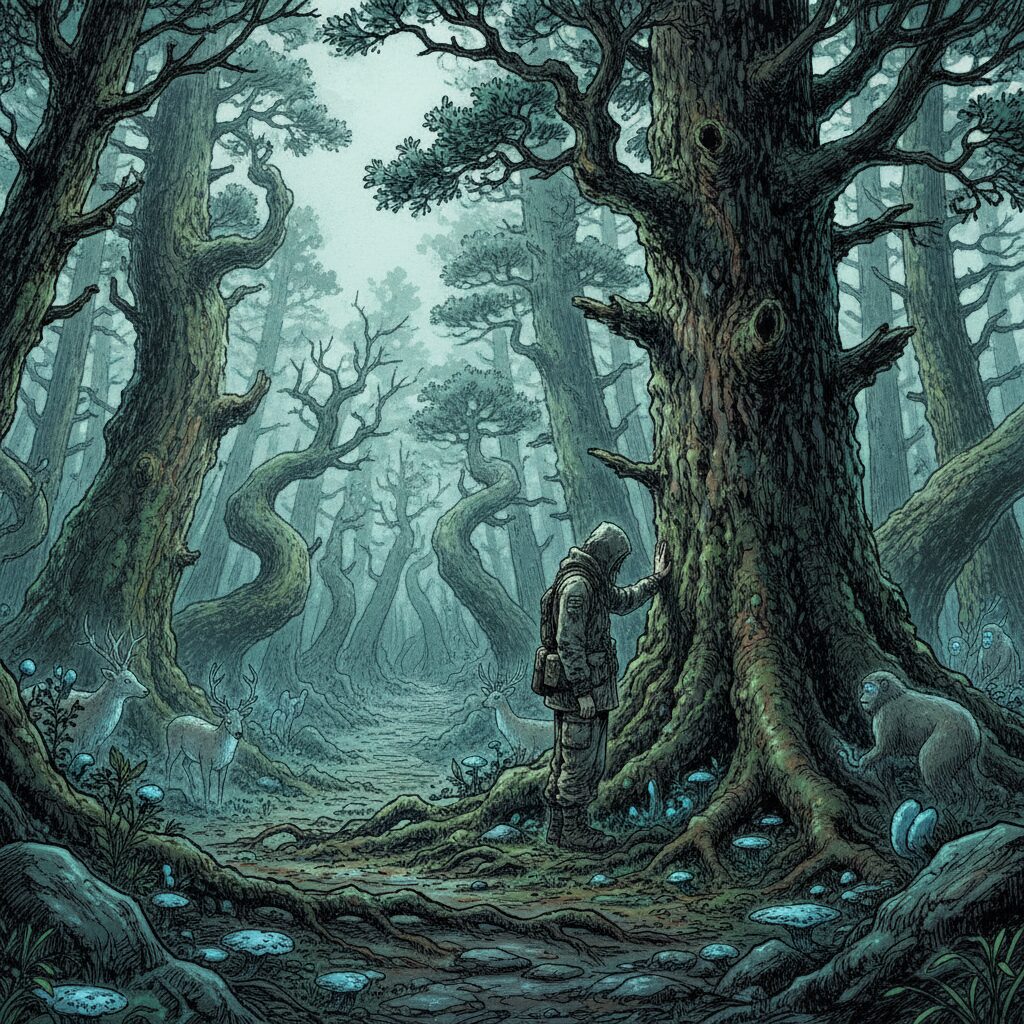
Visiting Yakushima is more than simply a hiking trip; it offers a chance for a much deeper connection. In Japan, there is a concept called shirin-yoku, meaning “forest bathing.” This practice involves immersing yourself in nature, remaining calm and quiet among the trees, and observing the natural world to reduce stress and enhance well-being. Yakushima stands as the ultimate destination for forest bathing. The air is incredibly pure, the greenery exceptionally vibrant, and the atmosphere profoundly serene, making it impossible not to feel its healing effects. This deep respect for nature is deeply rooted in the island’s history. For centuries, the enormous cedar trees were harvested to supply wood for temples and castles all over Japan. However, in the latter half of the 20th century, a strong conservation movement emerged, resulting in the cessation of logging and the island’s recognition as a UNESCO World Heritage site in 1993. This history adds meaningful context to your visit; you are walking through a forest that was saved, a testament to the dedication of people striving to protect their natural heritage. There is also a profound spiritual aspect to the island. According to the native Shinto religion, gods, or kami, inhabit natural objects, especially ancient and remarkable ones like mountains, rivers, and, of course, the giant Yakusugi trees. Standing before a tree that has lived for thousands of years, it is easy to grasp this belief. You sense a presence, an energy, a feeling of something far greater and older than yourself. You are not merely hiking in a forest; you are walking through a living cathedral, a sacred place venerated for generations.
Final Thoughts: Your Own Yakushima Story
Leaving Yakushima feels like emerging from a vivid dream. The brilliance of the greenery, the grandeur of the ancient trees, and the overwhelming force of the island’s natural energy linger with you long after you’ve boarded the ferry back to the mainland. It’s a place that humbles you, reminding you of your small role in a vast, beautiful world. It tests you physically on its steep trails and rewards you with breathtaking views and moments of deep peace that you’ll cherish in your memory for years. Whether you’re standing in the misty Moss Forest, as if stepping into a living fairytale, or gazing up at the staggering age of Jomon Sugi, you’re weaving your own tale on this enchanted island. It’s a story of adventure, awe, and a profound connection with nature in its purest, most powerful form. So, if you seek a journey that goes beyond a typical vacation, one that will genuinely move and inspire you, place Yakushima at the very top of your list. The ancient cedars await, and believe me, their story is one you truly need to hear.