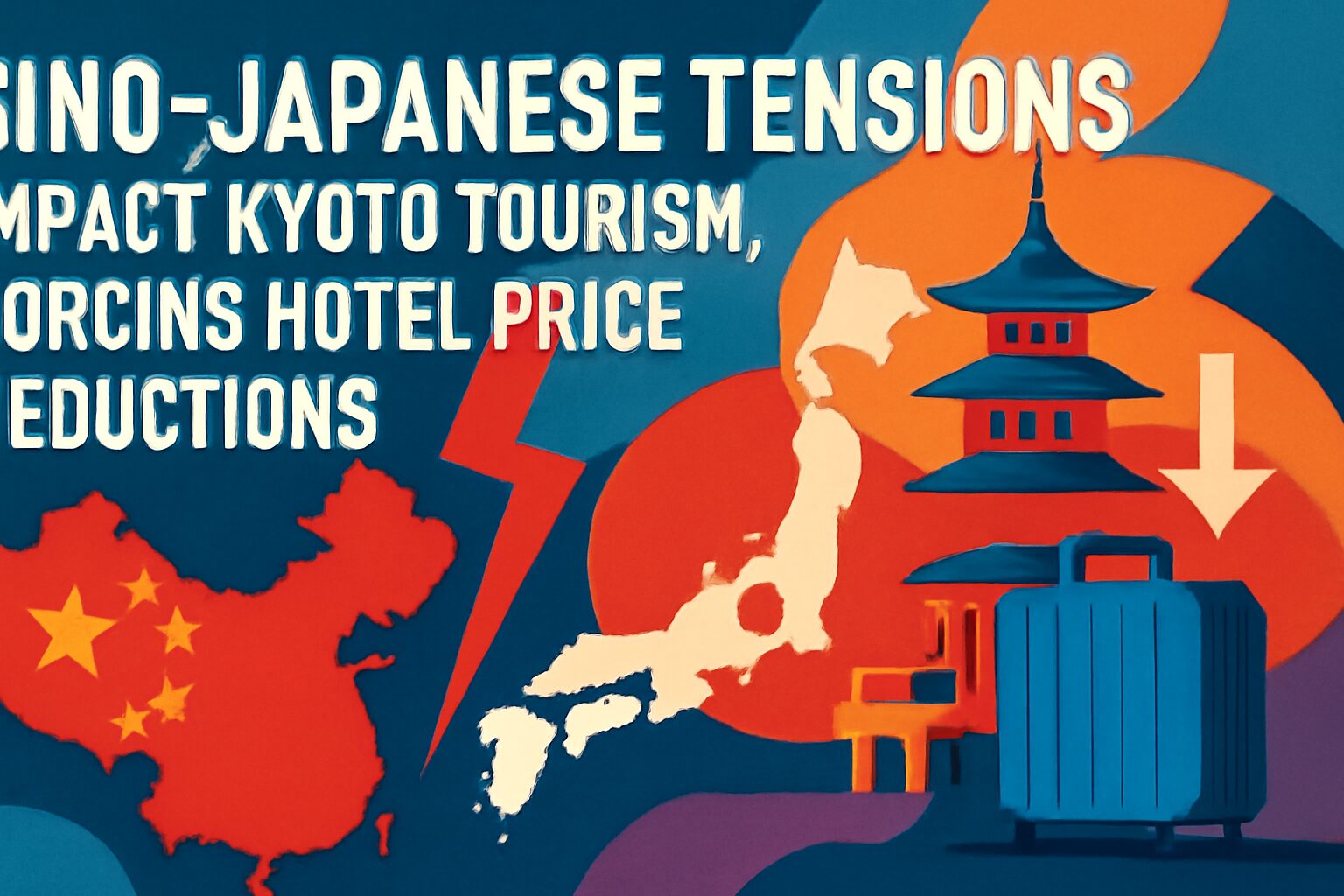
A sharp decline in tourists from China, triggered by ongoing political tensions, is sending ripples through Kyoto’s vibrant tourism industry. The city’s hotels, once bustling with large tour groups, are now reportedly slashing room rates in a bid to attract domestic travelers and maintain occupancy levels, signaling a significant shift in Japan’s post-pandemic travel landscape.
The Political Backdrop and Its Economic Fallout
The primary catalyst for this downturn is the diplomatic friction between Japan and China following Japan’s release of treated water from the Fukushima Daiichi nuclear power plant, which began in August 2023. The move prompted a strong reaction from Beijing, leading to a de facto halt on group tours to Japan and fostering a climate of anti-Japanese sentiment within China.
This has had a direct and measurable impact on Japan’s tourism economy, which had heavily relied on the Chinese market for its recovery.
The Scale of the Chinese Market
To understand the severity of this situation, it’s crucial to look at the numbers from before the COVID-19 pandemic.
In 2019, Japan welcomed approximately 9.59 million visitors from mainland China. This figure represented nearly 30% of all international arrivals, making China the single largest source of inbound tourists. Furthermore, Chinese tourists were the top spenders, contributing a staggering 1.77 trillion yen (approximately $12 billion USD) to the Japanese economy that year.
The absence of these large, high-spending tour groups has left a significant void, particularly in popular “golden route” destinations like Kyoto.
Kyoto’s Hospitality Sector on the Front Line
Hotels in Kyoto, especially larger establishments that catered heavily to organized tour groups, are feeling the pressure most acutely. With tour bus reservations canceled and blocks of rooms sitting empty, many have been forced into a price war to compete for a smaller pool of visitors.
The strategy is twofold:
- Attracting Domestic Travelers: By lowering prices, hotels hope to capture a greater share of the Japanese domestic travel market, encouraging weekend trips and local getaways.
- Appealing to Other Markets: Competitive pricing is also aimed at attracting individual travelers (FITs) from other countries, such as Taiwan, South Korea, Southeast Asia, and Western nations.
However, this price reduction strategy puts a strain on profitability and could impact the quality of service in the long run if sustained.
Future Outlook: A Forced Pivot to Diversification
The current crisis serves as a stark reminder of the risks associated with over-reliance on a single inbound market. While painful in the short term, this challenge may force Kyoto’s—and Japan’s—tourism industry to evolve in a more sustainable direction.
Broader Implications
- Accelerated Diversification: The industry will likely intensify efforts to market Japan to a wider range of countries, focusing on growing markets in Southeast Asia, the Middle East, Europe, and the Americas to build a more resilient tourism portfolio.
- Shift from Quantity to Quality: The decline of large, budget-focused tour groups could accelerate a shift towards attracting high-value, independent travelers. This may encourage tourism providers to develop more unique, experience-based offerings rather than catering to mass-market demand.
- Re-emphasis on Domestic Tourism: The immediate need to fill rooms will lead to a renewed appreciation for the stability and importance of the domestic tourism market.
While the path ahead remains uncertain, the current downturn is a critical juncture. It is compelling Kyoto’s tourism sector to not only weather the current storm but also to fundamentally rethink its strategy for a more balanced and sustainable future.