What’s up, fellow adventurers? Ami here, fresh off my latest deep dive into Japan’s most electric landscapes. When I’m not sketching out new designs for my apparel gig, I’m hitting the pavement—or in this case, the volcanic rock—of some seriously stunning street corners and nature trails across the globe. Today, we’re spilling the tea on a spot that’s been living in my head rent-free: the Jogasaki Coast on the Izu Peninsula. Forget what you think you know about serene Japanese gardens and tranquil temples for a sec. This place is raw, it’s dramatic, and it’s got an origin story that’s straight-up epic. We’re talking about a coastline sculpted not by gentle tides, but by a fiery volcanic eruption thousands of years ago. The result? A nine-kilometer stretch of jagged cliffs, crashing cerulean waves, and a hiking trail that serves up non-stop, jaw-on-the-floor views. It’s a place where the planet shows off its wild side, and trust me, you’re gonna want a front-row seat. This isn’t just a walk in the park; it’s a full-blown conversation with nature at its most powerful and beautiful. It’s the kind of place that recharges your soul and makes your camera roll work overtime. So, if you’re ready for an adventure that’s equal parts thrilling and breathtaking, you’ve come to the right place. Let’s get into the heart of what makes the Jogasaki Coast an absolute must-visit on your Japan itinerary.
For more details on navigating this stunning volcanic landscape, check out our guide to hiking the Jogasaki Coast.
The Vibe Check: Decoding the Jogasaki Aura
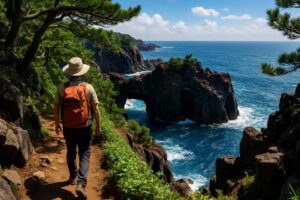
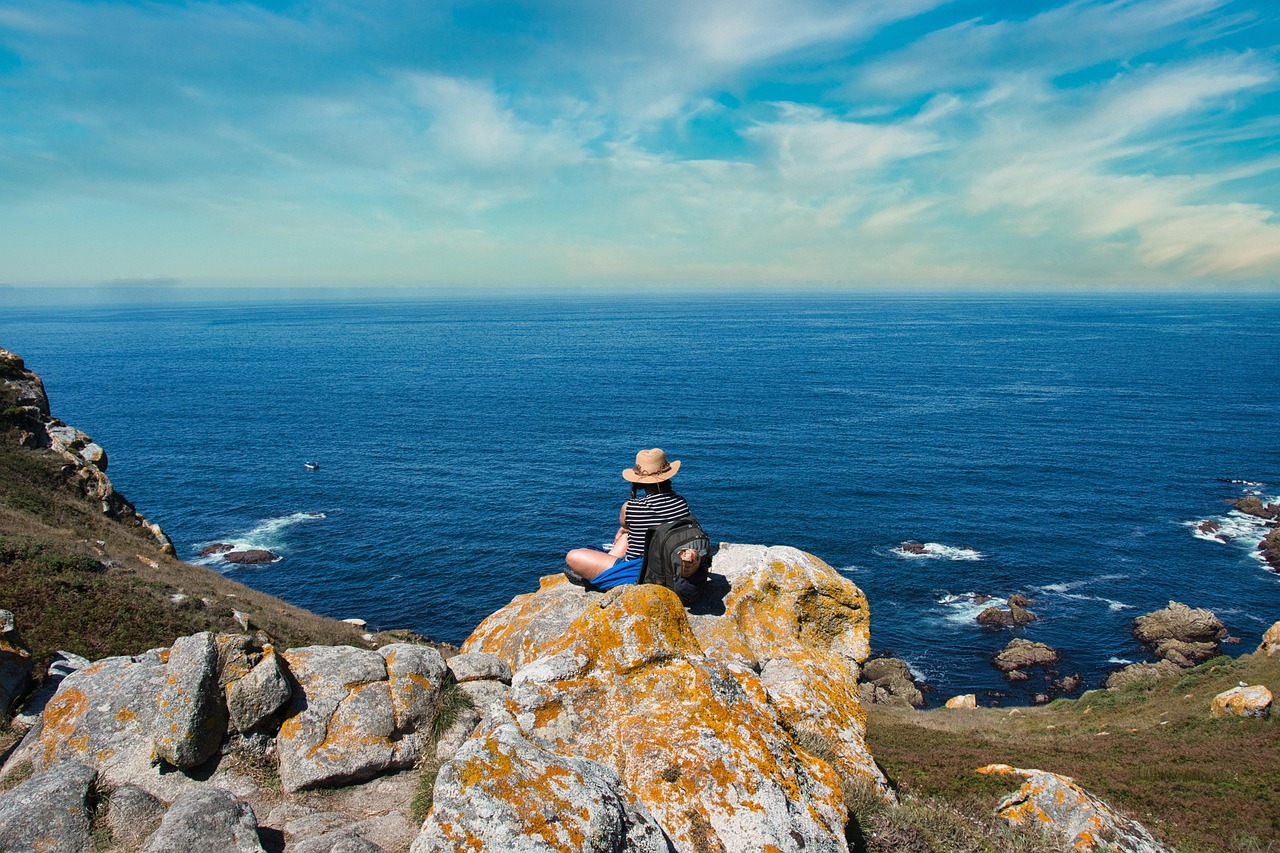
Before we even discuss the hike itself, let’s take a moment to absorb the atmosphere. The moment you step onto the trail, the vibe changes instantly. It’s a direct connection to pure, untamed nature. The air is heavy with the scent of salt and pine, a potent blend that feels both refreshing and grounding. The soundtrack here isn’t a curated lo-fi playlist; it’s the constant, rhythmic crash of the Pacific Ocean against the shore. It’s a sound both chaotic and meditative, a steady reminder of the power simmering just beneath the surface. The coastline itself is a study in contrasts. Jagged, almost aggressive black lava rocks, twisted into dramatic forms, meet the deep, mesmerizing blue of the water. Then, surrounding it all, is an incredibly lush, green forest, with pine trees clinging desperately to the cliffs. It feels ancient, as if you’ve stepped into a prehistoric world. In summer, the chorus of cicadas is nearly deafening, a pulsating energy that fills every corner of the air. In autumn, the air turns crisp and the foliage blushes with color, creating a distinctly different, more melancholic mood. It’s not a quiet place, but the noise is natural and elemental. It’s the kind of place where you can feel the earth’s energy itself. There’s a certain tension in the air—the calm of the forest path contrasted with the drama of the sea cliffs just a few feet away. You’re walking on the edge of the world, and you sense it deep in your bones. This unique energy makes it more than just a beautiful view; it’s an immersive experience that engages all your senses. You’re not just observing the landscape; you’re part of its ongoing story.
Spilling the Tea: 4,000 Years in the Making
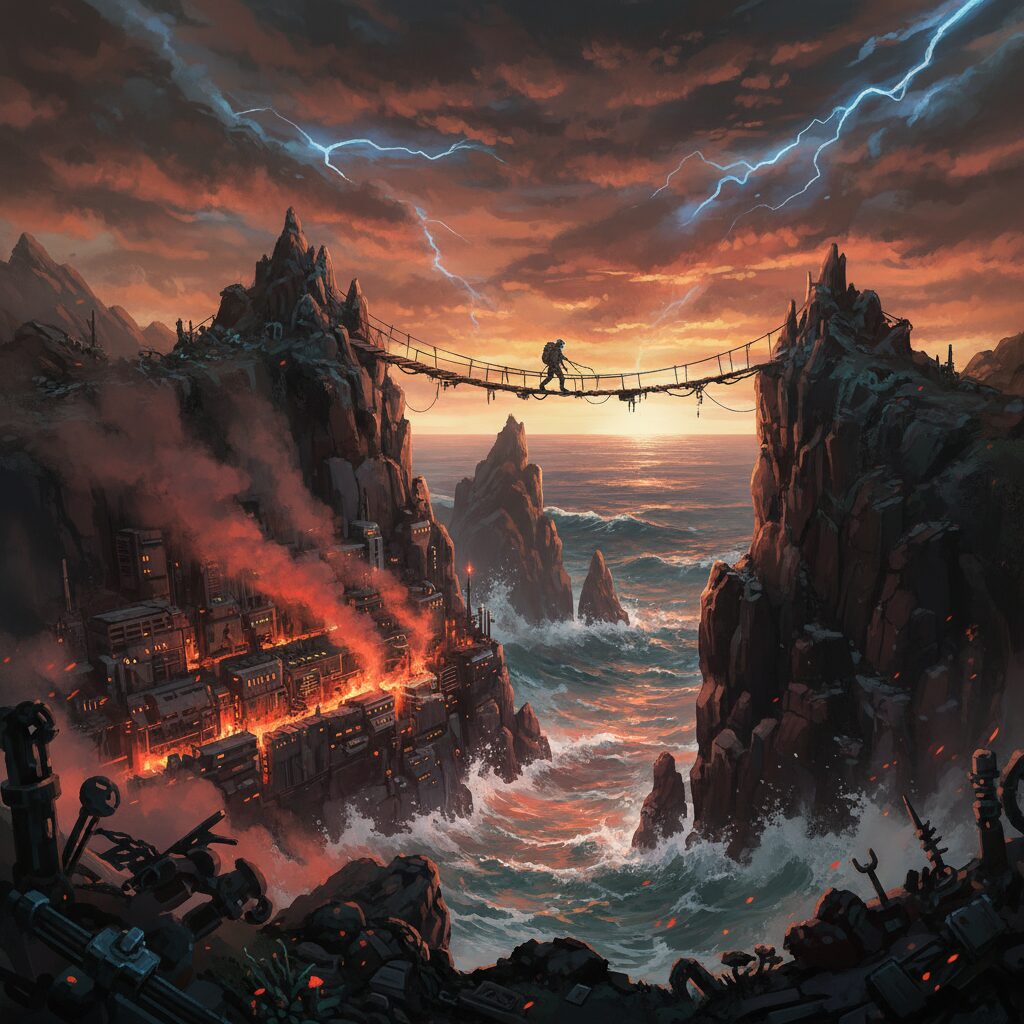
To truly appreciate the Jogasaki Coast, you need to understand its transformation story, and let me tell you, it was a fiery one. Around 4,000 years ago, a nearby volcano—now the beautifully grass-covered Mount Omuro—decided to make a dramatic statement. It erupted, and not mildly. Rivers of molten lava, blazing hot and unstoppable, flowed down its slopes, heading straight for the ocean. This wasn’t a gentle stream; it was a world-altering event. When this superheated river of rock met the cool Pacific waters, the real magic began. The thermal shock caused the lava to crack, shrink, and solidify into the stunning formations you see today. The jagged cliffs, sheer drops, and intricate rock patterns are all fossilized evidence of that cataclysmic event. Walking along the trail, you’re literally treading on the cooled remains of that ancient lava flow. If you look closely at the rocks underfoot, you’ll see the story in patterns, like the columnar joints shaped like hexagonal pillars formed as the lava cooled and contracted. It’s Mother Nature’s art gallery, with free admission. Knowing this backstory transforms how you view the coast. The cliffs are no longer just cliffs; they are monuments to a volcanic past. Mount Omuro, visible from parts of the trail as a perfect green bowl, becomes the star of this epic story. It’s a powerful reminder that the peaceful landscape before you emerged from incredible violence. This adds a profound depth to the experience. You’re not just hiking; you’re time-traveling, witnessing the aftermath of a geological drama that unfolded thousands of years ago.
The Main Quest: Conquering the Jogasaki Coastal Trail
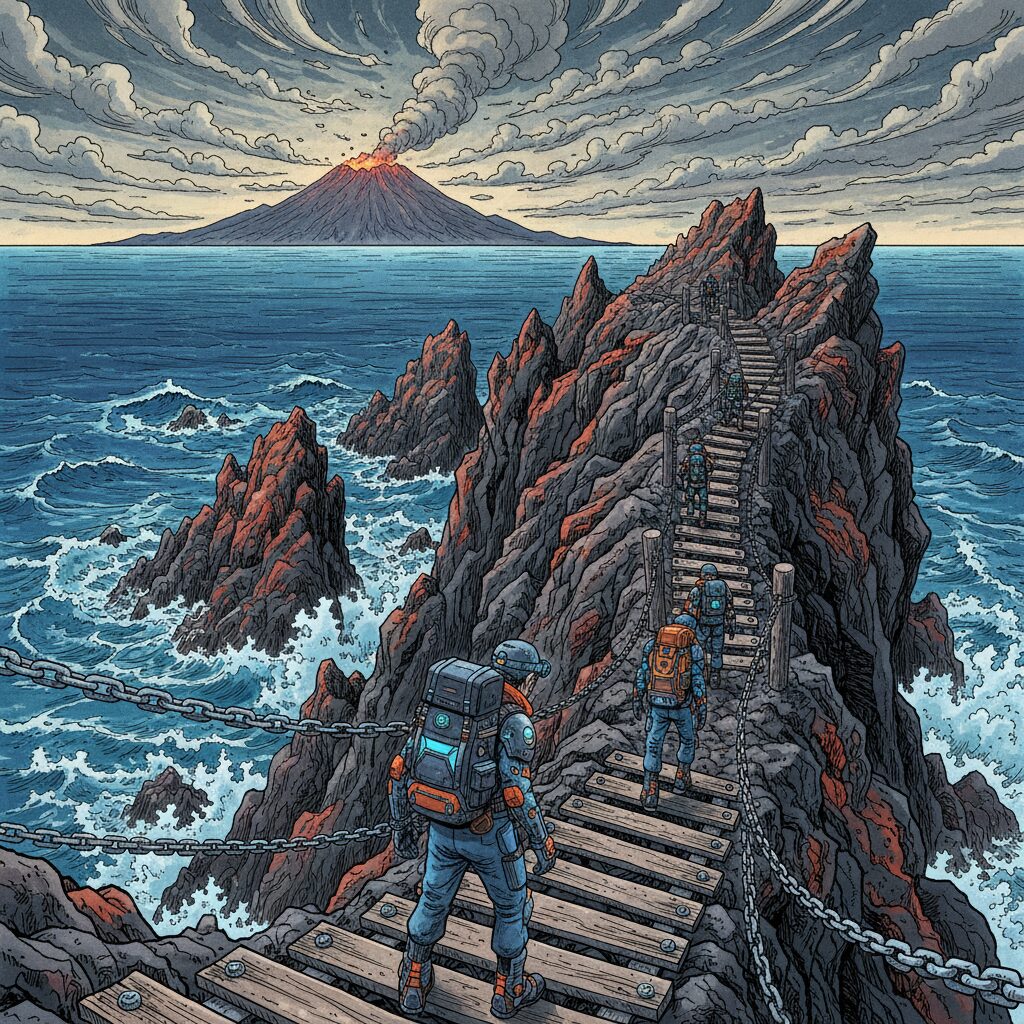
Alright, let’s dive into the main attraction—the trail itself. The centerpiece is the Jogasaki Picnical Course, an approximately 9-kilometer path running along the coastline between Futo in the south and Izu Oceanic Park in the north. But don’t be fooled by the word “picnical” into thinking it’s a leisurely walk. While some stretches are paved and easy, other parts feature rugged terrain with uneven stone steps and dirt trails that require your full focus. This variety is what makes it so awesome; it keeps you alert and gives a genuine sense of adventure.
Pre-Hike Game Plan: Access and Strategy
Getting to Jogasaki from Tokyo is straightforward, making it a popular weekend getaway. The best route is to take the Shinkansen (bullet train) to Atami, then transfer to the scenic Izu Kyuko Line. This local train offers stunning views of the coastline as you head south. Your main stops are Izu-Kogen Station or Jogasaki-Kaigan Station. From Izu-Kogen, you can catch a local bus to Izu Oceanic Park and the Kadowaki Suspension Bridge area, a great place to start. From Jogasaki-Kaigan Station, it’s about a 20-minute walk to the southern trailhead near the Hashidate Suspension Bridge.
Here’s a tip: decide your preferred hiking style. For the full 9km trek, start at one end and finish at the other, then take public transport back. This typically takes 3 to 4 hours, depending on how often you pause for photos (and you’ll definitely stop a lot). If you’re short on time or just want the highlights, begin at Izu Oceanic Park. From there, it’s a beautiful, easy walk to the Kadowaki Suspension Bridge and Lighthouse—the undeniable highlight of the coast. This section takes about an hour, making it a perfect quick dose of stunning nature.
Kicking Off from Izu-Kogen: A Lush Beginning
Starting from the north near Izu-Kogen, you’re greeted not by dramatic cliffs, but by a dense and lovely forest. The trail meanders through pines and broadleaf trees, creating a cool, shaded path that feels like a peaceful escape from urban life. Sunlight filters through the leaves, and the air smells of damp earth and greenery. It’s a gentle introduction, setting a calm tone before the big reveals. But you’re never far from the main spectacle—every so often, the trees part to reveal breathtaking glimpses of the brilliant blue ocean. These sneak peeks build anticipation, and the sound of crashing waves grows louder as you near the edge. This section skillfully heightens suspense, gradually unveiling the coast’s grandeur and making the first full view of the cliffs and sea all the more stunning.
The Icon Itself: The Kadowaki Suspension Bridge
This is what everyone comes to see. The Kadowaki Suspension Bridge, or Kadowakizaki Tsuribashi, is the star of the Jogasaki Coast. At 48 meters long and suspended 23 meters above a jagged inlet, this bridge delivers a thrilling rush. Stepping onto it, you’ll feel a slight sway—a gentle bounce connecting you with the wind and elements. Look down if you dare. Through the gaps in the walkway, the turquoise water swirls and crashes against the dark rocks of Boranaya cliff cove below. The view is breathtaking. To each side, the volcanic coastline stretches in all its rugged beauty. It’s a full sensory experience—the wind whipping your hair, the ocean’s roar filling your ears, and the breathtaking sight of nature’s raw power. It’s the ultimate photo opportunity, where you can capture the scale and drama of Jogasaki. Though it feels wild, the bridge is remarkably sturdy and safe, letting you focus entirely on soaking in the epic scenery. Crossing it is a rite of passage, a memory that will stay with you long after the hike ends.
Level Up: The Kadowaki Lighthouse Panorama
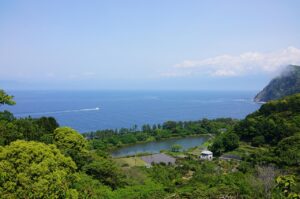
Right beside the suspension bridge stands the Kadowaki Lighthouse, a striking white tower that offers an elevated view of the landscape. Best of all, it’s free to climb. The spiral staircase will get your heart racing, but the payoff at the top is immense. From the observation deck, you’ll enjoy an uninterrupted panoramic vista that’s truly spectacular. The entire coastline arc, the deep blue of Sagami Bay stretching to the horizon, and on a clear day, even the distant silhouette of Izu Oshima Island come into view. This viewpoint highlights the vast scale of the lava flow that shaped the coast, tracing its path from land out to sea. It’s an ideal spot to pause, catch your breath, and fully appreciate the magnificent geography of the Izu Peninsula—a perfect complement to the Kadowaki experience that offers a breathtaking perspective on the whole landscape.
The Low-Key Legend: Hashidate Suspension Bridge
If Kadowaki Bridge is the blockbuster star, then Hashidate Suspension Bridge is its cool, indie counterpart. Located further south on the trail, this bridge appeals to those in the know, seeking a slightly wilder, less crowded adventure. At 60 meters, it’s actually longer than Kadowaki and feels a bit more untamed. The surrounding cliffs are equally dramatic, with the ocean’s roar echoing louder in this secluded spot. With fewer visitors, you might even have the bridge to yourself. It’s an opportunity for a quiet, personal connection with the landscape. The walk here passes through some of the coast’s most dramatic sections, making visiting Hashidate a rewarding side quest for dedicated hikers or those craving a less beaten path. It offers all the thrills of Kadowaki, plus a special sense of discovery and solitude that feels genuinely unique.
Beyond the Trail: More Jogasaki Drops
The hike is the main attraction, but there are other treasures in the area that complete the full Jogasaki experience. These spots provide varied ways to appreciate the unique beauty and culture of this part of Izu.
A Dramatic Wonder: Tajima no Taki Waterfall
This is one of those rare natural marvels you have to see to believe. Nestled in a cove, Tajima no Taki is a waterfall that doesn’t flow into a river or calm pool but plunges directly into the ocean. During the rainy season or after a heavy storm, the water flow becomes powerful and dramatic, a ribbon of fresh water crashing into the salty sea. It’s a stunning and unexpected sight along the rugged coastline—a moment of gentle softness against the harsh volcanic rocks. A hidden gem, witnessing this unique meeting of fresh and saltwater is an unforgettable highlight of the Jogasaki experience.
The Social Center: Izu Oceanic Park
The Izu Kaiyo Koen, or Izu Oceanic Park, often marks the northern gateway to the coastal trail. However, it’s much more than just a trailhead. The park is a destination itself, featuring restaurants where you can enjoy a pre-hike coffee or a post-hike celebratory meal, along with souvenir shops. The true highlight here is the seasonal flora. In early summer, typically around June, the park bursts into one of Japan’s most famous hydrangea displays. Thousands of bushes bloom with massive clusters of blue, purple, and pink flowers, providing a breathtaking contrast against the ocean’s blue backdrop. The park also includes a renowned diving spot, offering opportunities to explore the volcanic coastline beneath the waves. It’s an ideal place to start or finish your day, combining convenient amenities with cultivated beauty that complements the wild coastal nature.
Your Fit and Fuel Guide: What to Rock and Where to Eat

Arriving equipped with the right gear and a solid food plan can make all the difference for your day on the coast. As someone passionate about both fashion and functionality, here’s my advice on preparing for an ideal Jogasaki adventure.
Dress Code: Coastal Explorer Edition
First and foremost: footwear is essential. You need comfortable, durable walking shoes with reliable grip. Sneakers are the minimum, but trail runners or light hiking boots are even better. The trail can be uneven, so you want to feel steady with every step. When it comes to clothing, think layers. Coastal weather can shift quickly. Start with a breathable base layer, add a lightweight long-sleeve for sun protection, and make sure to bring a windbreaker or light jacket, even on warm days, as the sea breeze can be surprisingly cool. Style-wise, go for functional chic. Technical fabrics that wick away sweat are ideal. Combine stylish leggings or hiking pants with your favorite activewear top. Don’t forget accessories: a hat for sun protection and sunglasses are essential. Lastly, a comfortable backpack is crucial for carrying water, snacks, and your jacket.
Refuel Like a Local: Izu’s Culinary Scene
After all that walking, you deserve a satisfying meal. The Izu Peninsula is a culinary haven, renowned for its outstanding seafood. The must-try is Kinmedai, or splendid alfonsino—a striking deep-sea fish with bright red skin and tender, flavorful flesh. It’s served in many ways—simmered in a sweet soy broth (nitsuke), grilled (shioyaki), or featured in a fresh seafood bowl (kaisendon). Near Izu-Kogen Station and the Izu Oceanic Park, you’ll find numerous restaurants offering these local delicacies. Don’t just stick to the popular spots; seek out smaller, family-run eateries for a genuine taste of the region. Beyond seafood, Izu is also celebrated for its wasabi grown in pristine mountain streams and for its tasty citrus fruits like mikan and new summer oranges. Ending your Jogasaki hike with a fresh seafood lunch overlooking the ocean is simply perfect.
Keeping it Real: Safety & Insider Tips
A bit of preparation can make a significant difference, especially when exploring a natural setting. From the perspective of a solo female traveler, the main sections of the Jogasaki trail are quite safe. The area around Kadowaki Bridge is busy, so you’ll encounter plenty of other hikers and tourists. However, on the longer, more isolated parts of the trail, you may find yourself alone at times. It’s always wise to inform someone of your hiking plan and expected finish time. Cell phone service can be unreliable in some of the more rugged coves, so don’t depend on it entirely. Always stay on the marked trail. The cliffs are stunning, but the drops are steep and the rocks can be slippery, especially when wet. My top piece of advice: carry more water than you think you’ll need. Especially during warmer months, the sun and sea breeze can dehydrate you quickly. Vending machines are available at Izu Oceanic Park and near Kadowaki Lighthouse, but there are few options in between. Bring some snacks for extra energy as well. A little planning helps ensure your adventure is memorable for all the right reasons.
The Afterglow: A Jogasaki Send-Off
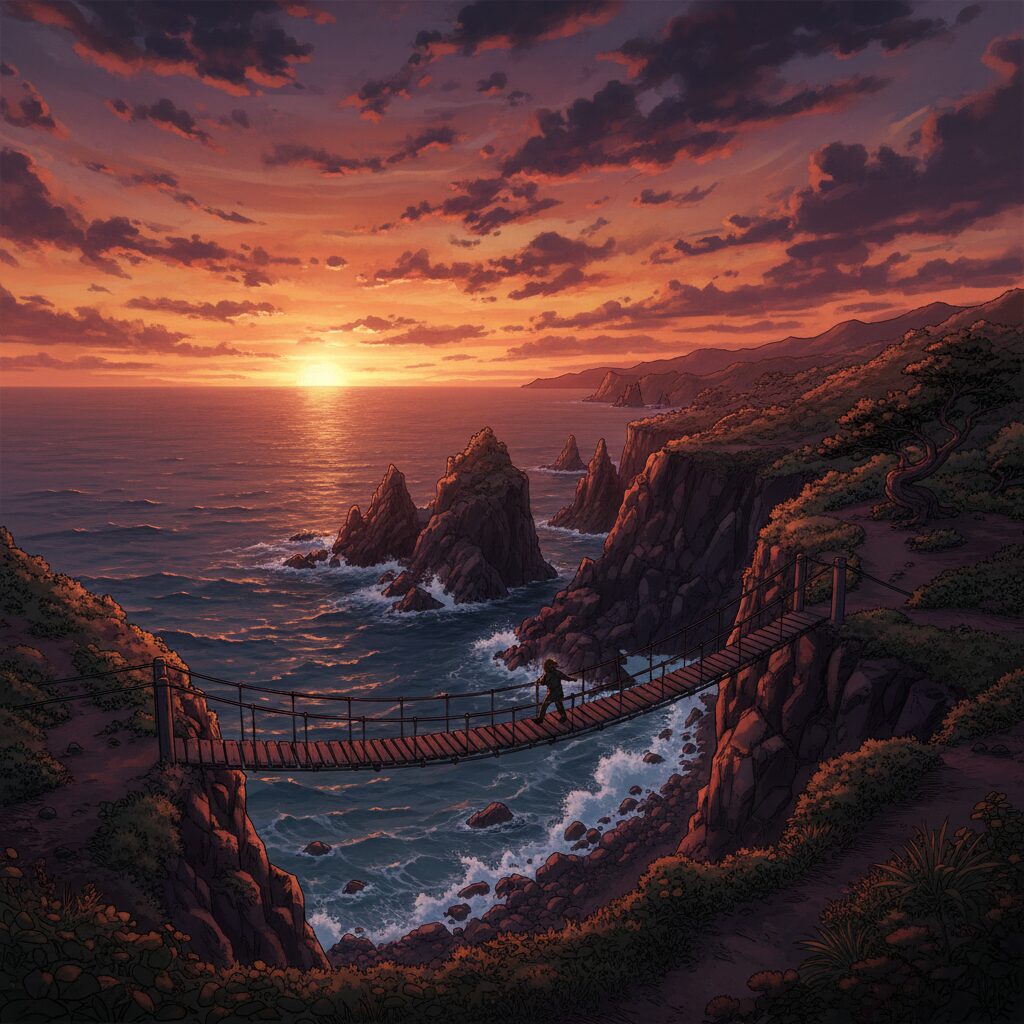
Leaving the Jogasaki Coast feels like emerging from a vivid dream. The sound of the crashing waves lingers, a phantom rhythm that echoes in your mind long after you’ve boarded the train back to the city. This place is far more than just a beautiful hiking trail. It’s a powerful, living chapter of geologic history, a testament to the planet’s fiery creativity and the quiet resilience of the life clinging to its edges. Walking this coastline reminds you to embrace the wild, appreciate the dramatic, and discover beauty in raw, untamed landscapes. It’s a full-body experience that makes you feel small in the face of nature’s grandeur, yet incredibly alive and connected. So, if you’re seeking an adventure that’s perfect for the ‘gram and even better for the soul, put the Jogasaki Coast at the very top of your list. It’s a vibe, a story, and an experience ready to blow you away.