
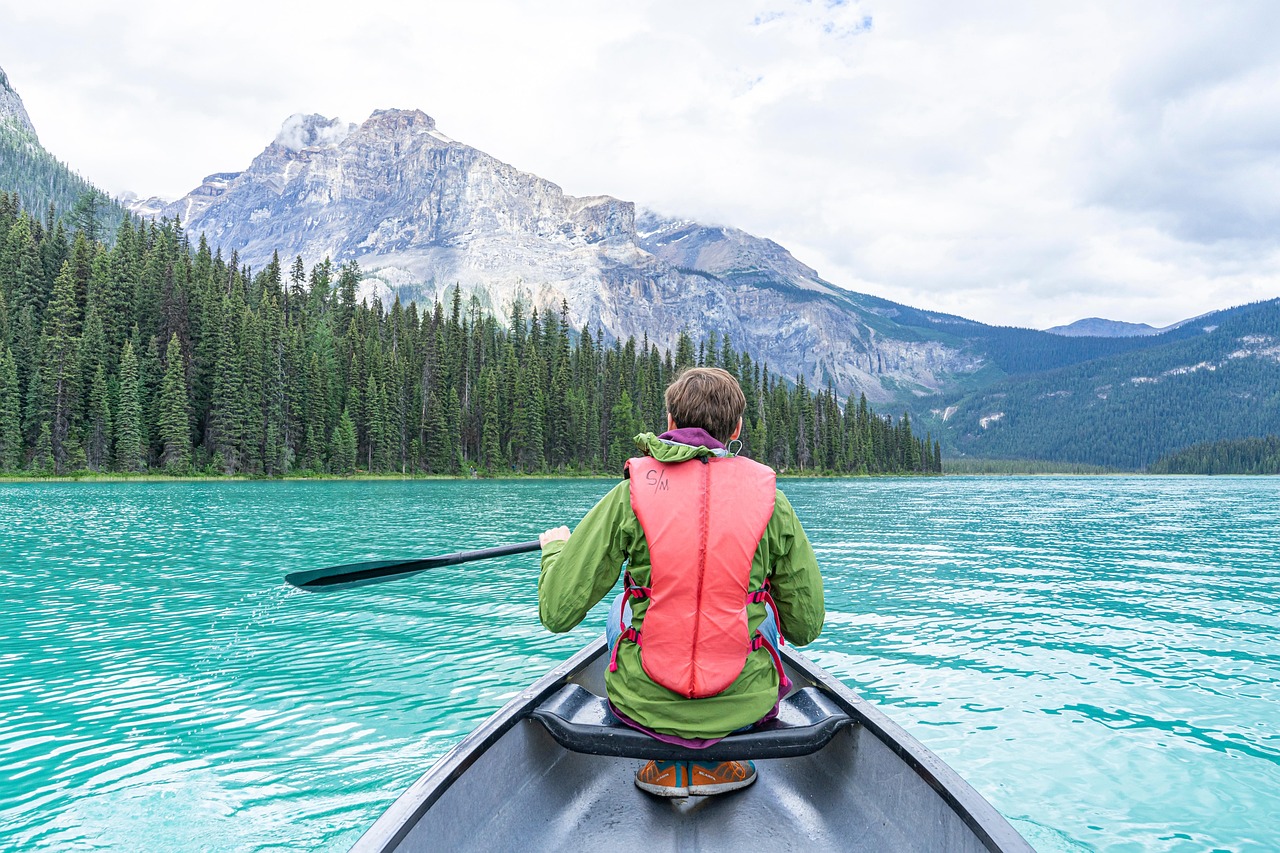
Yo, let’s get real for a sec. When you picture Japan, what hits your brain first? Maybe it’s the neon-drenched chaos of Shibuya Crossing, the serene Torii gates of Kyoto, or a steaming bowl of ramen that’s basically a hug from the inside. All legit, all iconic. But what if I told you there’s a whole other vibe, a side of Japan that’s raw, wild, and whispers stories millions of years old? A place where the main soundtrack isn’t a train announcement, but the rhythmic splash of your own paddle against turquoise water. We’re talking about Wakasa Bay in Fukui Prefecture, a coastline so ridiculously beautiful it feels like a secret level you just unlocked. This isn’t your average tourist trail; this is an adventure with a capital A. It’s about trading crowded streets for wide-open sea, and discovering a coastline carved by nature into something straight out of a fantasy epic. Here, you’re not just a spectator; you’re an explorer, piloting your own tiny vessel into gaping sea caves and under massive stone arches. It’s about feeling small in the best way possible, humbled by the sheer, unfiltered power of the planet. This is the Japan that gets into your soul, the one that leaves salt on your skin and a sense of wonder that you can’t just buy in a souvenir shop. Get ready to slay the sea, because Wakasa Bay is calling.
The Vibe Check: What’s Wakasa Bay Even Like?
Before we even dip a paddle into the water, you need to grasp the mood board for Wakasa Bay. It’s a complete 180 from the high-energy pulse of Japan’s Golden Route. This is the Ura-Nihon, the “back coast” of Japan, and it carries an entirely different character. The air here feels unique—thick with salt and the faint, fresh scent of pine from trees clinging to the cliffs. This place runs on tide time, not train schedules. The prevailing atmosphere is one of immense, profound tranquility, but it’s not a dull or sleepy kind of quiet. It’s a powerful silence, filled with the deep rumble of the Sea of Japan as it crashes and breathes against the shore—a constant reminder of the force that shaped this entire landscape. It’s a vibe that invites you to slow down and truly observe how light filters through the water or the intricate patterns of lichen on rocks. You’ll spot tiny, weathered fishing villages nestled in coves, with colorful boats gently bobbing in the harbor and nets laid out to dry in the sun. It feels like stepping into a postcard from a bygone era. The colors here are incredibly vivid, almost surreal. The water isn’t just blue; it spans a spectrum, shifting from a deep, moody indigo in the depths to a luminous, nearly tropical turquoise in the shallows where sunlight pierces through. The cliffs aren’t just grey stone; they’re a tapestry of charcoal, rust, and vibrant green where resilient plants have taken root. This is nature’s artwork, done with intensity. The place feels ancient—you can sense it in the very bones of the land. These rocks have witnessed millennia of storms and sunshine, and being near them is a truly humbling experience. It’s less a tourist spot and more a pilgrimage for anyone seeking to reconnect with something primal and genuine. It’s an unintentional full-on digital detox. Your phone will feel oddly irrelevant when you stand before a cliff that’s been standing long before history was ever recorded. That’s the Wakasa Bay vibe check: relaxed, powerful, and absolutely epic.
Gearing Up for the Main Event: Your Kayak Quest
Alright, let’s dive into the exciting part: the actual sea kayaking. You might think you need to be some kind of Olympic athlete for this, but that’s definitely not the case. The sea kayaking scene in Wakasa is very welcoming to beginners. The key is to connect with a local guide. They’re the real heroes here. Having spent their lives on these waters, they understand its every mood and secret. They know which caves are safe to explore depending on the tide, can point out wildlife you’d otherwise miss, and share local stories that bring the landscape to life. Booking a tour is definitely the way to go. The process is usually relaxed. You’ll meet your guide at a designated spot, perhaps a small local beach or a community center by the coast. The vibe is always positive and supportive. They’ll outfit you with all the gear: a life vest you’ll fasten securely, a spray skirt to keep you mostly dry, and your tool of choice, the paddle. Don’t worry if you’ve never used one before. They give you a clear, simple briefing on shore, showing you the basic strokes: how to paddle forward, turn, and brace against small waves. It’s surprisingly easy to pick up. Then comes the moment of truth: getting into the kayak. It might feel a bit shaky at first as you settle into the cockpit, but once you push off the sand and feel the boat steady on the water, it’s pure magic. Suddenly, there’s this amazing sense of freedom. The paddle feels light in your hands, like an extension of your body. Your first few strokes may be awkward, splashing cool seawater on your arms, but soon you find a rhythm—left, right, left, right. It turns into a kind of meditation. As you move away from shore, the world shifts dramatically. The cliffs that seemed large from land now appear absolutely massive from your small boat on the water. You start noticing details impossible to see from above—the way waves carve the rock, the layers of stone telling a geologic tale, seabirds nesting in the most unlikely crevices. This is when the adventure truly begins. You’re no longer just observing the scenery; you’re immersed in it, propelled by your own strength across the sea’s surface.
The Star of the Show: The Sotomo Caves and Rock Formations

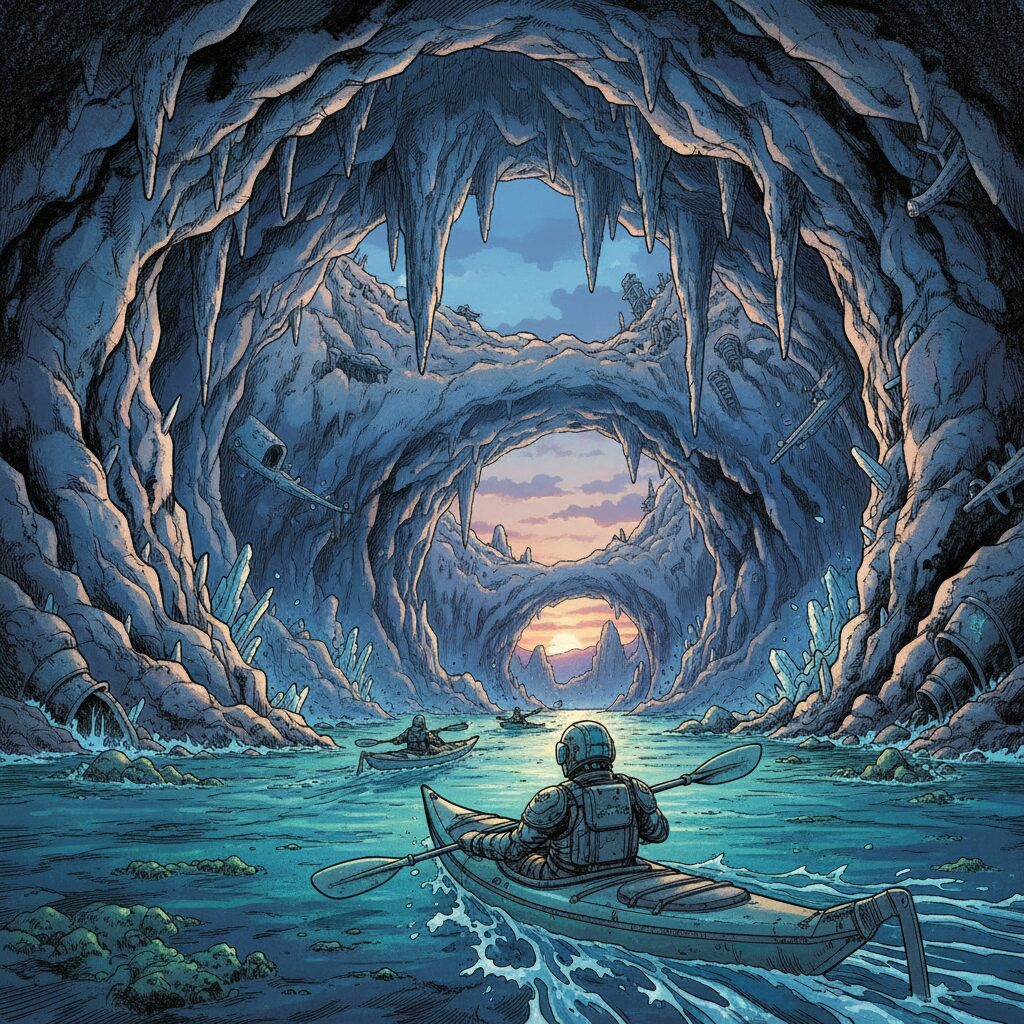
Now we’re paddling toward the highlight, the main reason you came: the Sotomo Caves. This isn’t just a single cave; it’s an entire stretch of coastline that the Sea of Japan has relentlessly sculpted into breathtaking beauty over countless eons. The scale is difficult to convey without sounding exaggerated, but trust me, it’s extraordinary. As you paddle closer, the first formation that truly takes your breath away is the Daimon, the “Great Gate.” It’s a gigantic sea arch, a perfect doorway carved right through a headland. Approaching it, you feel like a mere ant before a cathedral. The immense size is humbling. The water beneath the arch glows with an eerie, ethereal light, reflecting the sky and stone in shimmering patterns. The acoustics inside the arch are remarkable; the sound of your paddle echoes as if you’re in a vast, stony concert hall. Passing through it is a rite of passage. On one side lies the open sea; on the other, a hidden realm of coves and smaller caves. This is when your guide truly excels, leading you through this natural maze. They’ll show you openings in the rock that you might otherwise overlook—dark slits at the waterline that lead to secret chambers. Your first paddle into a sea cave becomes a core memory. The temperature drops instantly. Bright sunlight is replaced by a cool, blue-tinged gloom. The outside sounds fade, replaced by the gentle lap of water against the cave walls and the soft drip, drip, drip of water from the ceiling. It feels sacred, as if you’ve entered a place not meant for human eyes. In some caves, when the light hits just right, the water beneath your kayak glows an impossible cobalt blue, lit from below by sunlight filtering through hidden underwater passages. It’s so stunning it seems like a special effect. You’ll explore several of these incredible spots, each with its own distinct character. There’s Kome-no-gura, or the “Rice Granary,” a wide cave showcasing the fascinating texture of volcanic rock. Then there’s Shishi-iwa, or “Lion Rock,” a formation that, with a bit of imagination, looks exactly like a lion gazing out to sea. Your guide shares the stories and legends tied to each location, adding a layer of folklore to the geological wonders. You’re not just observing rocks; you’re paddling through a landscape rich with myths. This is no passive experience. It demands your full attention, as you navigate narrow passages and time your movements with the gentle swell of the sea. It’s a dance between you, your kayak, and this ancient coastline. And without question, it’s one of the most unforgettable experiences you can have in Japan.
Beyond the Paddle: Soaking in the Wakasa Vibe
After spending a few hours on the water, your arms will have that gratifying, worked-out sensation, and your mind will be alive with the breathtaking sights. But the Wakasa adventure doesn’t conclude when you pull your kayak ashore. The post-paddle experience is equally important. The first priority, of course, is food. You’ve earned it, and fortunately, you’re in a seafood haven. The Wakasa region, particularly the city of Obama, is renowned for its rich culinary heritage. This area was the starting point of the ancient Saba Kaido, the “Mackerel Road,” where preserved mackerel was carried overland to the imperial court in Kyoto. You absolutely must sample the local specialties. Seek out a small, family-owned restaurant and order whatever is fresh. Perhaps it’s grilled squid, so tender it melts in your mouth, or a bowl of kaisendon, a magnificent mound of assorted sashimi over rice that tastes like the sea itself. Be daring and try heshiko, a local delicacy of mackerel fermented in rice bran. It has a strong, salty, umami flavor that is completely unique and pairs perfectly with a cold Japanese beer or a glass of sake. Refueling with food this fresh and so connected to the local culture is an essential part of the experience. Once you’re satisfied and content, take some time to explore the town of Obama. And yes, to address the obvious—the town gained international attention for sharing a name with the 44th US President, and they embraced it in a playful way. But beyond the novelty, Obama is a city with deep historical roots and a beautifully preserved ambiance. Stroll through the Sancho-machi district, where old merchant houses and latticed windows line the streets, giving you a sense of life during the Edo period. It’s quiet, charming, and a world apart from the hectic pace of modern cities. For a touch of spiritual calm, you can also visit Myotsu-ji Temple. It features a stunning three-storied pagoda that has been designated as a National Treasure. The temple grounds are peaceful and lush, an ideal spot for quiet reflection after the exhilarating energy of the sea. It’s this blend of high-energy adventure and slow, soulful culture that makes Wakasa truly special. It’s a place that satisfies both your adrenaline-fueled spirit and your craving for serene contemplation. You can enjoy both the thrill of exploring a sea cave and the tranquility of sitting in an ancient temple garden, all in one day.
The Nitty-Gritty: Your Wakasa Bay Playbook
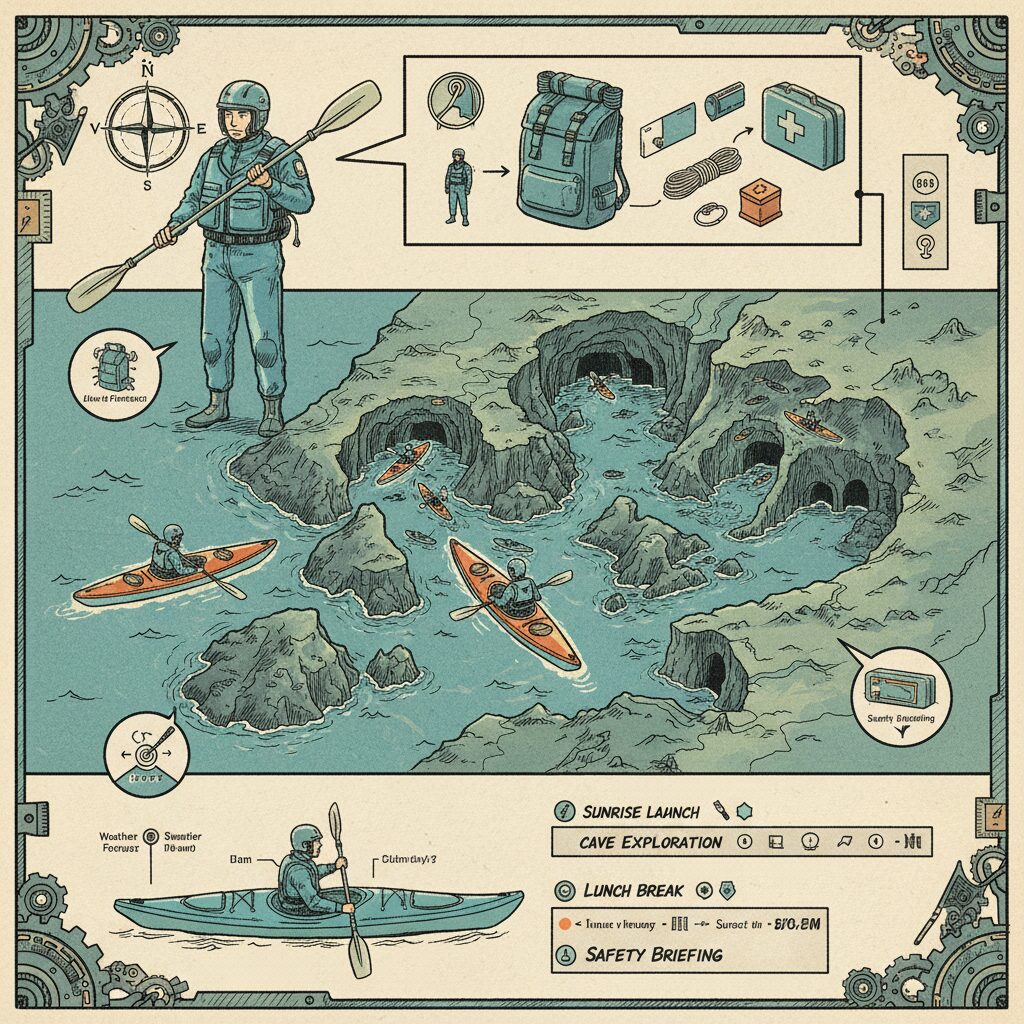
Alright, so you’re sold on the dream. How do you turn it into reality? Let’s break down the logistics—your playbook for reaching Wakasa and making the most of your visit. Getting there is part of the adventure, as it’s a bit off the main tourist path. If you’re coming from Tokyo, the best option is to take the Hokuriku Shinkansen to Kanazawa or Tsuruga, then transfer to local JR lines, like the Obama Line, to reach the city of Obama. From Kyoto or Osaka, you can catch a limited express train (the Thunderbird) to Tsuruga and then make the same connection. The journey takes a few hours, but the views from the train window as you move deeper into the countryside are stunning. For maximum freedom to explore the coastline’s hidden gems, renting a car in a larger city such as Tsuruga or Maizuru is a smart choice. This gives you the flexibility to drive to different kayak launch spots and discover small villages at your own pace. Now, about timing: the prime season for sea kayaking is definitely summer, from July to September. The weather is warm, the sun shines bright, and the Sea of Japan is usually at its calmest. Since this is peak season, it’s wise to book your kayak tour and accommodations in advance. However, the shoulder seasons of late spring (May, June) and early autumn (October) are also wonderful times to visit. The weather remains pleasant, the foliage colors are beautiful, and the waters are far less crowded. Winter is generally not suitable for kayaking, as the Sea of Japan can get notoriously rough. What should be in your adventure kit? Sun protection is essential. The sun reflecting off the water is intense, so bring high-SPF sunscreen, a wide-brimmed hat, and polarized sunglasses. Wear clothes you don’t mind getting wet—quick-dry synthetics work much better than cotton. A pair of water shoes or old sneakers is crucial for walking on rocky beaches. Definitely bring a waterproof bag or case for your phone and camera because you’ll want to capture countless photos. Most tour operators provide a dry bag, but having your own for your phone is a good idea. Also, pack a reusable water bottle to stay hydrated and a change of clothes to slip into after your paddle. For first-timers, the best advice is simply to relax and trust your guide. They do this every day. Don’t worry about being the fastest paddler; this isn’t a race. The goal is to soak in the scenery and enjoy the journey. Pace yourself, take breaks, and don’t hesitate to stop paddling for a moment, float, and absorb the sheer majesty of your surroundings.
A Final Word from the Water
There are trips you take simply for fun, and then there are journeys that change you in a deeper way. A sea kayaking adventure in Wakasa Bay belongs to the latter. It’s more than just an activity; it’s an encounter with the raw power and artistry of nature. It’s the sensation of gliding over water so clear you can see the marine life beneath you. It’s the echo of your voice bouncing off a sea cave that has stood for millennia. It’s the taste of salt on your lips and the warmth of the sun on your skin. This is the side of Japan that rarely appears in glossy brochures, yet it’s the one that stays etched in your memory forever. It’s an experience that shows you some of the most profound beauty on Earth lies not in what’s constructed, but in what’s been carved, shaped, and weathered by time. It’s a lesson in patience and strength, a tribute to what the persistent, steady work of water and wind can create. So, when planning your next trip to Japan, think beyond the city lights. Look at the map and seek out the rugged, intriguing coastlines. Because tucked away in places like Wakasa Bay is an adventure that will connect you to the country in ways you never imagined. So grab a paddle, embrace the vibe, and let the waves of Wakasa Bay share their ancient story. You just have to be there to listen.
