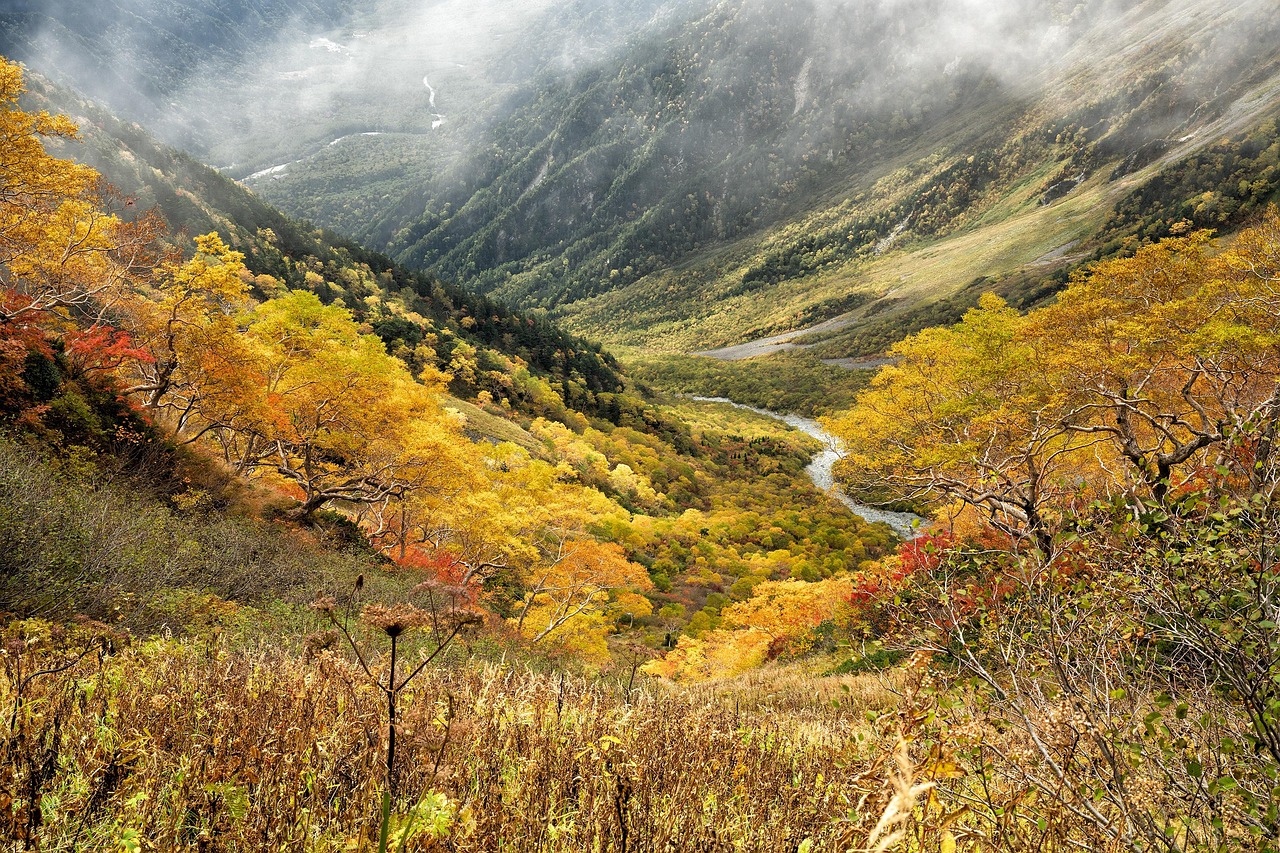
Yo, let’s be real for a sec. The city grind, the endless notifications, the concrete maze—it can be a total vibe killer. There’s a constant buzz, a digital hum that follows you everywhere. But what if I told you there’s a place where that hum fades into the whisper of wind through cedar trees? A place where the loudest sound is a rushing river and time isn’t measured by a clock on a screen, but by the slow, steady arc of the sun over serrated peaks. This is the Japan that exists beyond the shinkansen lines and neon-drenched crossings. It’s a world of secluded mountain hamlets, or satoyama, nestled deep in the folds of the country’s rugged interior. These aren’t just villages; they’re living museums, time capsules of a simpler, more profound way of life, connected by ancient footpaths that snake through primordial forests. Getting there isn’t about hopping on a subway; it’s a pilgrimage. A hike. An adventure that strips away the noise and reconnects you to something raw, authentic, and seriously beautiful. It’s about trading the digital for the divine, one mossy stone step at a time. This is the real deal, the Japan that gets into your soul and stays there long after you’ve returned to the grid. It’s an invitation to get lost, to wander, and to find a piece of yourself in the quiet echoes of the valleys.
To further explore Japan’s profound cultural heritage, consider learning about the fascinating history of Tenmangu shrines.
The Trailhead: A Portal to Another Time
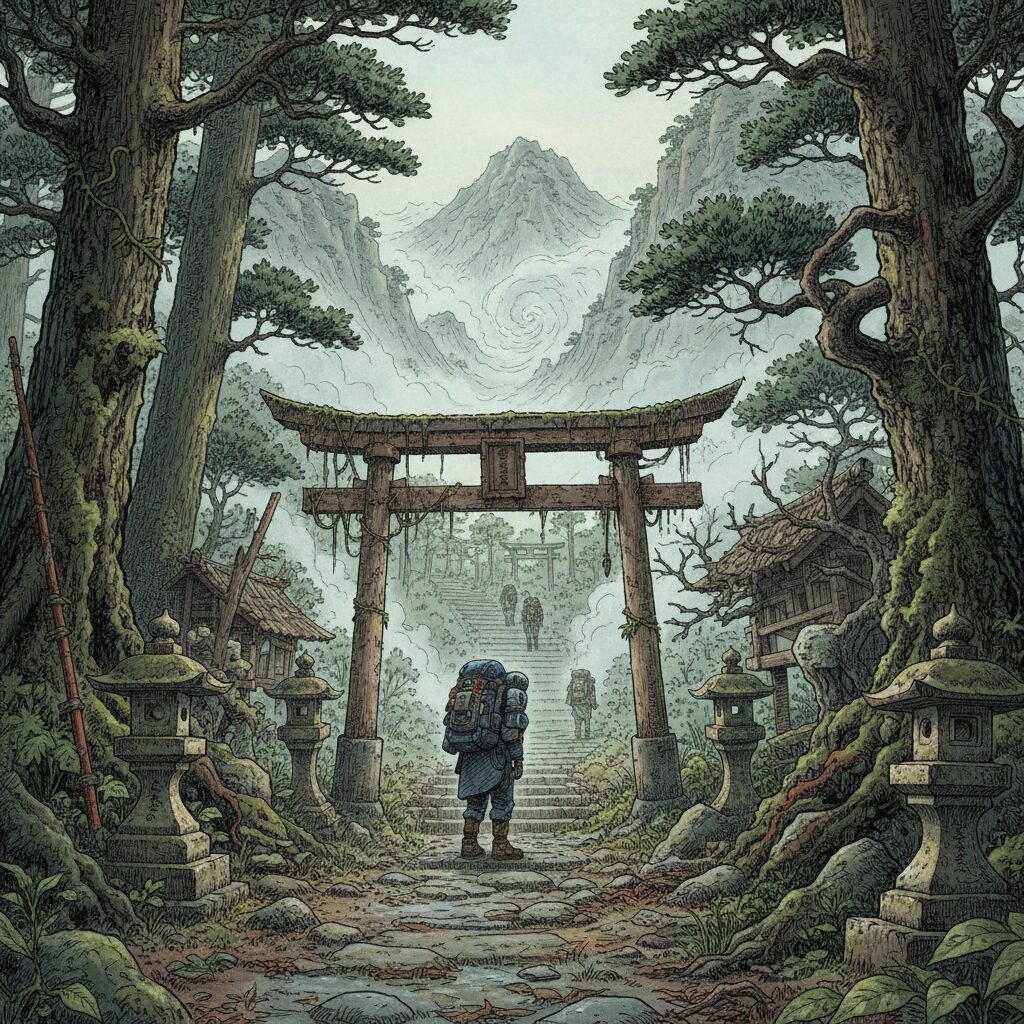
The journey doesn’t start at the base of the mountain, but aboard a rattling local train, the kind with plush single seats and a friendly conductor who still punches your ticket. This is the de-compression chamber. With each tunnel, the skyscrapers and urban sprawl of cities like Tokyo or Osaka fade from memory, feeling more like a dream. The landscape softens into rolling hills, patchwork rice fields, and sleepy towns gathered around quiet stations. Your final transfer might be a local bus, its engine whining as it climbs winding roads, passing farm stands selling daikon radishes as large as your forearm. This is where time slows down. The air drifting through the open bus window sheds the city’s exhaust and takes on the scent of damp earth, woodsmoke, and pine. Stepping off the bus at a deserted stop, surrounded only by the symphony of chirping cicadas and rustling bamboo, is an experience in itself. It’s the moment of commitment. There’s no turning back, no hailing a cab. There is only the path ahead.
Lacing up your boots here feels like a ritual. You’re not just preparing for a walk; you’re shedding a layer. The smartphone, likely without signal, goes deep into your pack. Your focus shifts from the screen in your hand to the ground beneath your feet. The trailhead is often marked by a simple wooden sign, its kanji characters weathered by countless seasons. Sometimes, a small, unassuming shrine stands watch, a silent tribute to the many travelers who have passed this way before. A quick bow to the local deities is always wise. It’s a gesture of humility, an acknowledgment that you are a guest in this ancient, sacred place. This isn’t a gym session; it’s an immersion. And that first step onto the dirt path, beneath the deep shade of towering Japanese cedars, feels like stepping through a portal. The modern world is behind you. The mountain lies ahead.
Into the Woods: A Symphony of Senses
The forest in Japan is far more than just a collection of trees; it is a living entity, a character woven into the story of your hike. The experience overwhelms the senses—in the most wonderful way. It is a realm painted in countless shades of green, a vibrancy that feels almost otherworldly.
The Language of the Trees
Towering sugi (cedar) and hinoki (cypress) trees, planted centuries ago for timber, stand like the pillars of a natural cathedral. Their straight, uniform trunks evoke a sense of order and grandeur, while the canopy above filters sunlight into a dappled, ethereal glow called komorebi. This light, dancing upon the forest floor, is a photographer’s dream—constantly shifting, revealing and hiding the textures of the path. Further in, ancient beech (buna) forests appear, their twisted limbs forming organic, sculptural shapes, with bark pale and ghostly white. In autumn, these woods burst into flames of fiery reds and brilliant yellows, a breathtaking spectacle that stirs the heart. The air is thick with the scent of wood and decaying leaves—a clean, sharp fragrance that feels like it purifies you from within. It’s aromatherapy, elevated to another level.
Guardians of the Path
The trail is rarely just a trail; it is a living historical record. Along the way, signs of human passage blend seamlessly into the landscape, as much a part of it as the trees themselves. Moss-covered stone statues of Jizo, the beloved bodhisattva who protects travelers and children, stand in unexpected places. Often adorned with small, hand-knitted red bibs and caps—offerings from locals to keep the deity warm and express their affection—these figures offer a quietly comforting presence, silent companions on your journey. Small, weathered shrines called hokora may also be found nestled at the base of ancient trees or rock outcroppings. Though humble and simple, they emanate immense spiritual power. These are not tourist attractions but living places of worship, where Shinto and Buddhist beliefs blend flawlessly with the natural world. When you run your hand over the cool, damp stone of an Edo-period trail marker, you feel a tangible connection to the samurai, merchants, and pilgrims who walked this very path centuries ago. You are not merely hiking—you are following the footsteps of history.
The Sound of Silence
What strikes you most is the quality of sound—or rather, the absence of it. The oppressive city hum is replaced by a rich, layered soundscape. The primary rhythm is the crunch of your footsteps on leaves and gravel. Gradually, the finer details emerge: the melodic, intricate song of the Japanese bush warbler (uguisu), iconic to the countryside; the sharp tapping of a woodpecker high in the canopy; the persistent buzz of a hardy mountain bee. Most dominant is often the sound of water—whether the gentle gurgle of a spring flowing from a mossy bank or the thunderous roar of a waterfall, whose mist cools your face as you pass. This constant presence of pure, clear water is deeply life-affirming. In moments when you pause to rest, a profound silence settles—a quiet so deep it feels as though you can hear the earth breathe. It is in these moments of stillness that the mountain truly speaks to you.
First Glimpse: Arrival in a Hamlet Frozen in Time
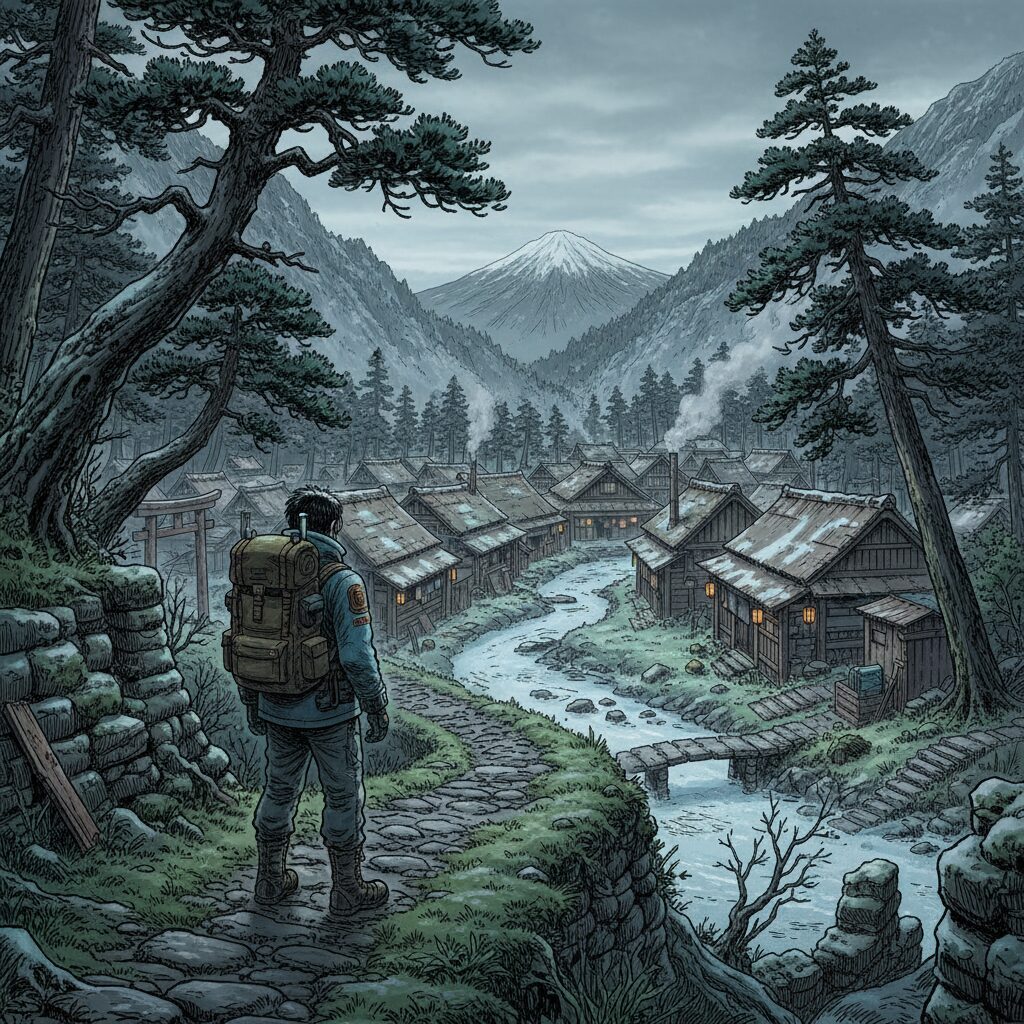
The transition is gradual, then abrupt. The dense forest begins to thin, the komorebi brightening into wider patches of sunlight. You hear a distant dog bark or the faint clang of a blacksmith’s hammer. Then, as you round a bend, the world opens up. Below you, nestled in a valley, lies the hamlet. It’s a sight that halts you in your tracks. There are no concrete high-rises, no convenience stores, no flashing lights. Instead, you see a cluster of magnificent minka, traditional farmhouses with heavy, sloping thatched or dark tiled roofs. Wisps of smoke curl from a chimney, a sign of life, of a hearth being tended. The village is woven into the landscape, not built upon it. Surrounding it and climbing the steep hillsides are terraced rice paddies, the tanada. In spring, they mirror the sky. In summer, they become a sea of vibrant green. In autumn, they transform into fields of gold. These terraces are marvels of engineering and stand as a testament to generations of back-breaking labor—a beautiful, functional sculpture carved into the very earth.
The atmosphere upon entering the village is one of almost sacred tranquility. Narrow, unpaved lanes wind between the houses, bordered by intricate stone walls and canals of fast-flowing mountain water used for everything from washing vegetables to powering a small water wheel. There are no cars, only the occasional small, rugged utility truck. The pace of life is immediately and palpably different. You might see an elderly woman, her back bent from a lifetime of work, meticulously tending her vegetable garden. She’ll look up, her face a beautiful map of wrinkles, and offer a warm, genuine smile and a soft “Konnichiwa.” This is the core reason people seek these places out. It’s an escape, yes, but it’s more than that. It’s a chance to witness a form of human existence deeply in tune with its environment, a quiet, dignified harmony that feels both ancient and urgently necessary in our chaotic modern world.
Life in the Satoyama: Culture and Connection
To truly appreciate these hamlets, one must understand the culture that sustains them. This isn’t a theme park; it is home to people whose families have inhabited this land for hundreds of years. The experience centers on observation, respect, and, if you’re fortunate, a meaningful connection.
The People and Their Welcome
Many of these villages are facing the challenge of aging populations, as younger generations move to cities for work. The residents you encounter are often the guardians of tradition, keepers of the flame. Their welcome is usually warm but reserved. They embody a quiet strength and a deeply rooted hospitality called omotenashi. This is not the polished service of a five-star hotel; it is a sincere, heartfelt desire to make a guest feel at home. Sharing a simple cup of tea with a village elder can be more memorable than visiting any famous tourist attraction. Language may be a barrier, but a smile, a respectful bow, and a few Japanese words go a long way. They value the effort you’ve made to journey to their home and often take pride in sharing its simple beauty.
A Rhythm with Nature
Life here follows the seasons, not the stock market. Spring is for planting rice and gathering wild mountain vegetables, sansai. Delicacies like crunchy bamboo shoots and bitter fukinoto (butterbur buds) are essential to the local diet. Summer brings intense work in the paddies, accompanied by the chorus of frogs and insects. Autumn is the season of harvest, festivals to thank the gods for their bounty, and food preservation for winter. Winter, often harsh and snowy, is a time for rest and reflection, repairing tools, and weaving straw sandals (waraji). This cyclical lifestyle fosters a deep, unsentimental bond with the land. Every mountain, river, and forest has a name and a story. The natural world is not something to be conquered or consumed but a partner, provider, and deity.
The Taste of the Mountains
One of the most profound ways to connect with the culture is through its food. Staying at a minshuku, a family-run guesthouse, offers a meal that expresses the local environment purely. Forget sushi and ramen; this is the soul food of the mountains. A typical dinner might include grilled river fish, perfectly salted; a variety of small dishes featuring foraged sansai and vegetables from the family’s garden; handmade tofu; and a rich, dark miso soup simmered all day. The rice, grown in the terraced paddies you just passed, will be the best you’ve ever tasted—sweet, nutty, and fragrant. Every ingredient tells a story, directly linked to the surrounding soil, water, and air. It is an unpretentious yet deeply flavorful and nourishing feast. This is local, seasonal eating, not as a trend but as a way of life that has endured for centuries.
Making the Most of Your Mountain Stay

Once you arrive, the aim is to slow down and settle into the rhythm of the place. Rushing from one “sight” to another completely misses the essence. The village itself is the main attraction.
Finding Your Shelter
Choosing your accommodation is crucial to the experience. Staying in a minshuku comes highly recommended. You’ll sleep on a comfortable futon laid out on tatami mat floors, with the gentle sound of the river filtering through paper screens. You may share a bathroom, and the evening bath (ofuro) is a communal ritual—a time to soak away the day’s hike in piping hot, often spring-fed, water. Your hosts are more than just innkeepers; they serve as cultural guides. Another option, increasingly popular, is staying in a renovated kominka, a beautifully restored old farmhouse. These provide a bit more privacy while still letting you absorb the incredible atmosphere of traditional Japanese architecture. Both choices offer an authentic immersion that a soulless hotel can never match.
Things to Do: The Art of Doing Nothing
The best activity in a mountain hamlet is often simply being present. Take a walk at dawn when the valley is shrouded in mist and the air is crisp and cool. Find a spot to sit quietly and watch the light shift on the mountainsides. The true magic is found in the small details.
Wander and Discover
Explore every narrow lane. Follow the sound of a stream to its source. Climb the path to the local shrine, often the village’s oldest and most sacred spot, nestled in a grove of ancient trees. You’ll notice details everywhere: a beautifully carved wooden panel on a house, a small water wheel turning slowly in a canal, a stone marker inscribed with faded calligraphy. This is a paradise for photographers and anyone with a curious eye. Every corner holds a new composition, a new story.
Embrace the Seasons
Your experience will vary greatly depending on when you visit. Spring brings cherry and plum blossoms, often later than in the cities, alongside the vibrant green of fresh growth. Summer is lush and teeming with life, perfect for escaping the lowlands’ heat. Autumn is, for many, the peak season, with the koyo (autumn foliage) transforming the mountains into a breathtaking tapestry of colors. Winter offers serene, monochrome beauty. A village cloaked in fresh snow, silent and still, is truly magical, though hiking can be demanding and requires proper preparation.
Look Up at the Night Sky
After dinner, step outside. Far from city lights, the sky bursts with stars. The Milky Way stretches from one horizon to the other like a celestial brushstroke. It’s a humbling, awe-inspiring sight that reconnects you with the vastness of the universe. It costs nothing, requires no special gear, and is one of the most profound experiences you can have.
The Practical Side: Prepping for Your Pilgrimage
A bit of preparation can greatly contribute to making your adventure smooth and enjoyable. These places are remote for a reason, so being self-sufficient is essential.
Access and Navigation
Reaching these hamlets is part of the experience. Research will be your greatest asset. While Japan’s train system is renowned, local bus services in rural areas may run infrequently. Always verify the schedule for both your onward and return journeys. Occasionally, renting a car is the most practical choice, offering the freedom to access trailheads not served by public transport. For trail navigation, do not depend on your phone’s signal. Download offline maps or use a dedicated GPS device. Physical maps, available at local tourist information centers, are also highly valuable.
Gear and Timing
Spring (April–May) and Autumn (October–November) are typically the best seasons for hiking in Japan. The weather tends to be mild, and the natural scenery is at its most stunning. Regardless of the season, mountain weather can change suddenly. Dress in layers. A waterproof and windproof outer layer is essential. Durable, waterproof hiking boots with strong ankle support are a must, as trails can be slippery, rocky, and steep. Also, be mindful of local wildlife. Though encounters are rare, Japan is home to Asiatic black bears (kuma). Making noise while hiking—whether by talking, singing, or attaching a small bear bell to your pack—is a common and effective way to alert bears of your presence so they can avoid you.
Local Etiquette and Tips
Keep in mind that you are a guest in someone’s home. A little cultural sensitivity goes a long way. Greet people you meet on the trail or in the village with a friendly “Konnichiwa.” Adhere strictly to “leave no trace” principles; pack out everything you bring in. Carry sufficient cash, as these small villages operate almost exclusively on cash and lack ATMs. Lastly, be open to the unexpected. A trail closure or a delayed bus isn’t a problem—they’re part of the adventure. Patience and flexibility are your most valuable pieces of gear.
The Journey Back: A Changed Perspective

The hike out of the valley feels different. Your pack feels slightly lighter, but your mind is heavier—in a good way—filled with new sights, sounds, and sensations. The path that once seemed so rugged on the way in now feels familiar, like an old friend. Each Jizo statue you pass feels like a gentle farewell.
Returning to the modern world can be a shock to the system. The first buzz of a phone notification is jarring and intrusive. The noise of the train station feels overwhelmingly loud. Yet, you carry the quiet of the mountains within you. It’s a stillness that settles deep in your bones. You come back with more than just photos; you return with a new perspective. You’ve witnessed a more deliberate, more connected way of living, which makes you question the pace and priorities of your own life.
These secluded hamlets are delicate ecosystems of culture and nature. They serve as reminders that progress doesn’t always mean erasing the past. In an increasingly homogenized world, these pockets of authenticity are true treasures. The journey to reach them is not only a physical challenge but also a balm for the modern soul. It’s a call to slow down, to look more closely, to listen to the echoes in the valley, and to find the extraordinary in the simple act of putting one foot in front of the other.