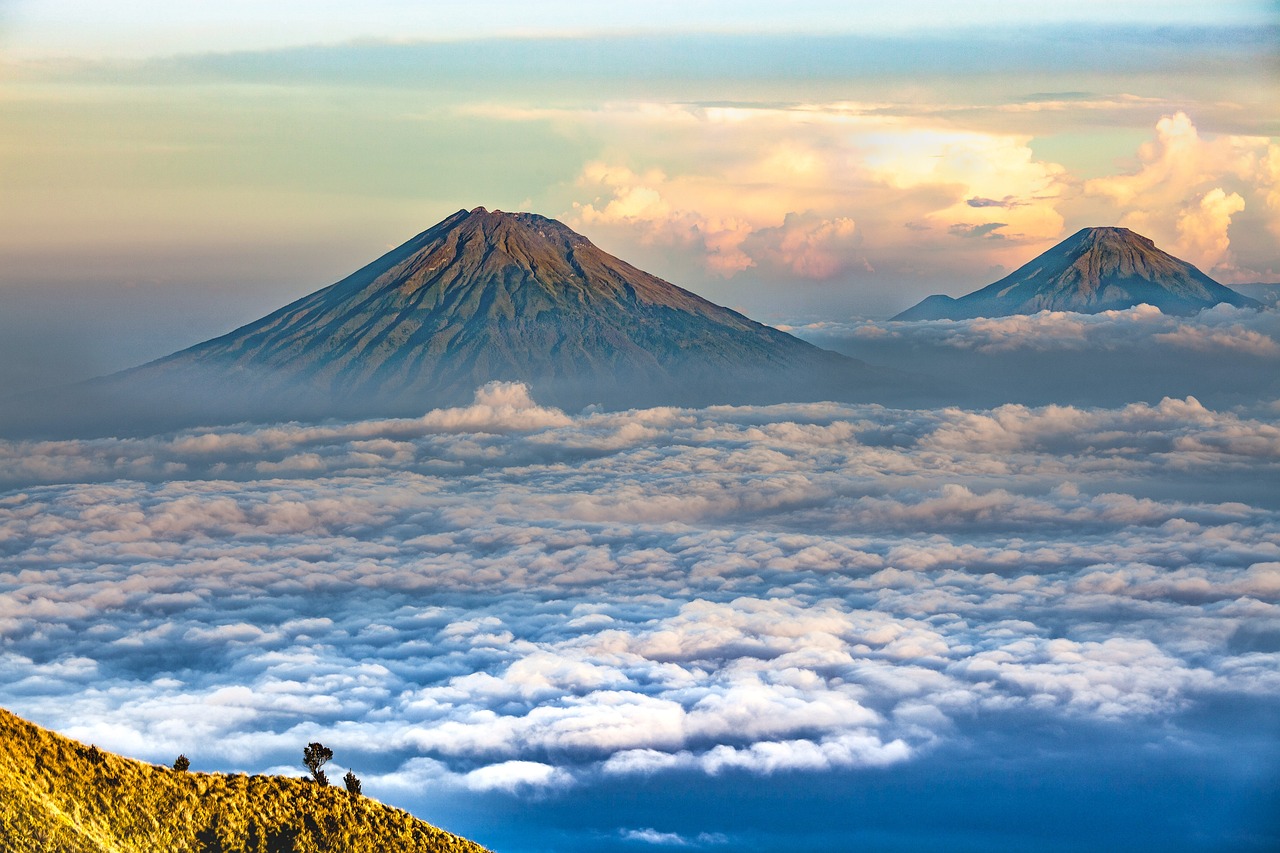
Yo, let’s spill the tea on Japan. When you think of this place, your brain probably jumps to the neon-drenched chaos of Shibuya Crossing, serene Kyoto temples, or maybe that insane powder snow in Hokkaido, right? All legit, all amazing. But what if I told you there’s another Japan? A Japan that’s raw, untamed, and so far off the grid your phone becomes a glorified paperweight. We’re talking about a place where the earth literally breathes fire, where the journey itself is a rite of passage, and where you’ll find a connection to something way more primal than a Wi-Fi signal. I’m talking about the Tokara archipelago, a string of volcanic jewels scattered in the deep blue between Kyushu and Amami Oshima. This isn’t your average weekend getaway; it’s a full-blown expedition to the planet’s pulse. This is the story of how I went to trek a living, breathing volcano on Suwanosejima island, and trust me, it’s a vibe that will change your entire perspective on what Japan is all about. Forget everything you thought you knew. We’re going rogue.
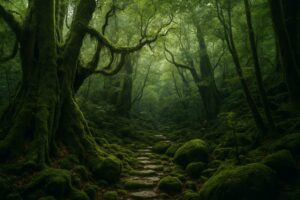
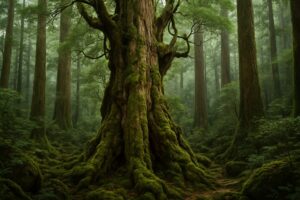
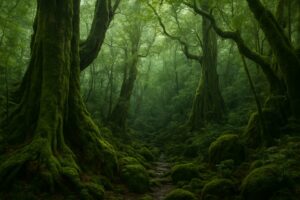
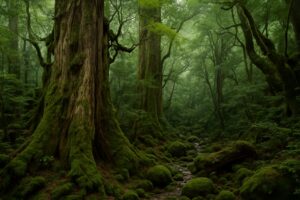
If you’re looking for another epic, soul-stirring adventure in Japan’s wild southern islands, consider a journey to the ancient cedar forests of Yakushima.
The Voyage is the Vibe: Riding the Legendary Ferry Toshima
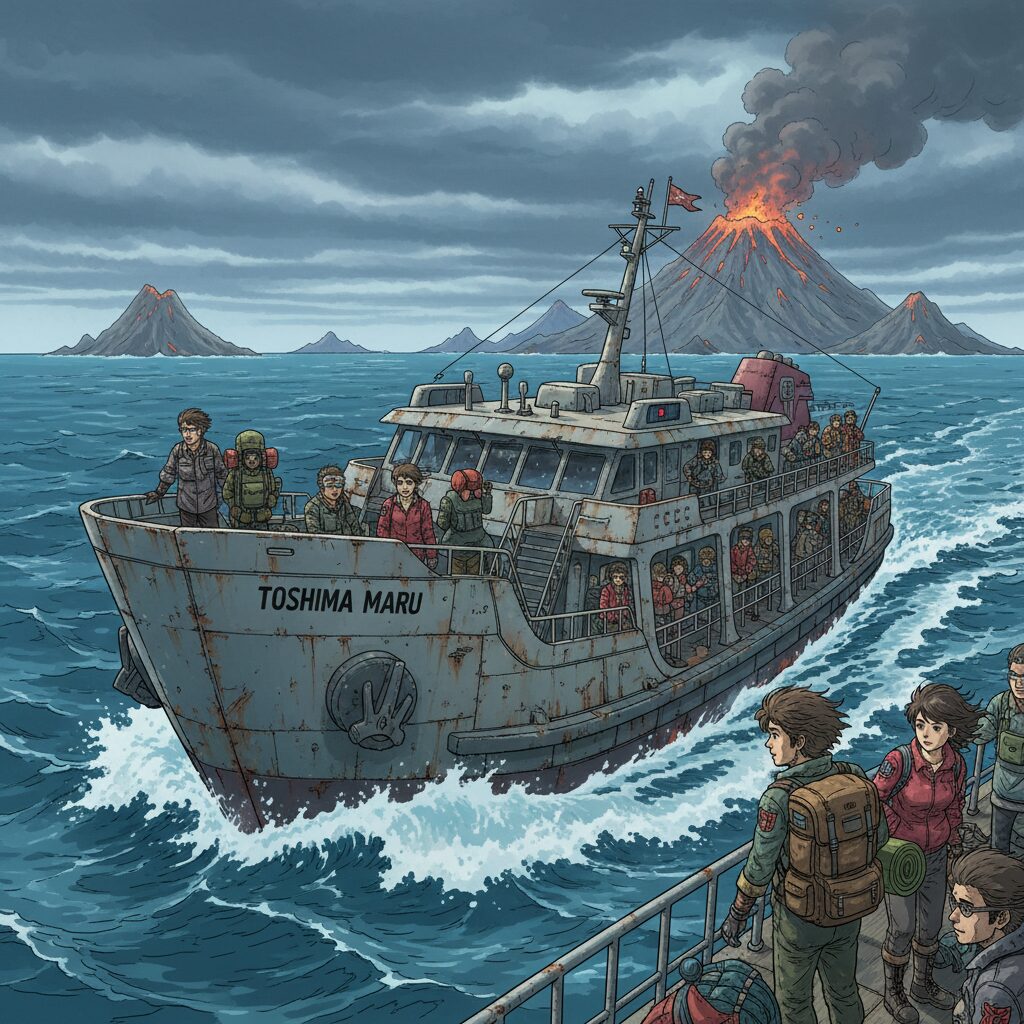
Reaching the Tokara Islands is no simple feat; it’s the opening chapter of an adventure rather than just a routine commute. Your gateway is the Ferry Toshima, a vessel that serves less as a cruise ship and more as a vital lifeline for the island communities. The journey begins at Kagoshima Port, located at the southern tip of mainland Japan. The terminal is unpretentious—a practical space with a hint of salty air, bustling with a diverse crowd: weather-beaten fishermen hauling coolers, island families returning home laden with supplies on carts, a handful of rugged adventurers carrying heavy backpacks, and me, probably looking far too clean for what lay ahead. The atmosphere buzzes with anticipation. You’re not just boarding a boat; you’re making a commitment. The ferry runs only twice weekly, and the full trip to the last island takes over half a day. This is slow travel, reimagined.
Once aboard, the modern world starts to fade away. The first thing you notice is the sound—the deep, steady thrum of the engines, setting the rhythm for your next 12 hours. As the ferry leaves Kagoshima Bay, city lights shrink into a glittering blur on the horizon before fading into darkness. Then, it’s just you, the boat, and a canopy of stars so vivid it feels like you could reach out and touch them. There’s a unique magic in that moment of disconnection. Your phone signal fades, then vanishes. No more endless scrolling. No more emails. It’s an enforced digital detox, and honestly, it’s a refreshing gift. You’re compelled to simply be present. Hours can be spent on deck, watching flying fish dart across the waves or losing yourself in the hypnotic sway of the sea. The sleeping quarters reflect traditional Japanese style: large communal tatami rooms where each guest receives a small mattress and a blanket. You find your spot, lie down beside strangers, and let the gentle motion of the ship lull you into a deep sleep. It’s a shared, humbling experience that removes all pretenses. Waking at dawn to the first sliver of orange light on the horizon, surrounded by nothing but open ocean, feels like a rebirth.
Suwanosejima: Touchdown in the Volcano’s Kingdom
After hours of sailing, the first glimpse of Suwanosejima is truly breathtaking. It emerges from the sea like a prehistoric creature, its jagged black rock silhouette strikingly contrasted by vibrant green. A plume of smoke continuously rises from its summit, a subtle reminder that this place is very much alive. Stepping off the ferry at the tiny port feels like entering another world. The air is different—thick with the scent of salt, damp earth, and a faint, sharp note of sulfur. It’s the planet’s own unique perfume, and it’s intoxicating. There are no taxis, rental car shops, or tourist information centers. Instead, you’re welcomed by the host of your minshuku (a family-run guesthouse), who likely knows everyone on the island. With a population of fewer than 100 people, the island is a close-knit community living in a single village nestled on a small, relatively flat area, all under the watchful gaze of the volcano, Mt. Otake.
The atmosphere here is pure, unfiltered reality. Houses are simple and built to endure typhoons. Children play freely along the one main road, where traffic is limited to the occasional small truck or scooter. Wild Tokara goats, with their impressive horns, lounge by the roadside. This island has a wild history. People have inhabited it since the Jomon period thousands of years ago, but the volcano always dominates life here. Major eruptions have caused evacuations and left the island uninhabited for long periods. The current residents have deep respect for the power of the surrounding nature. They live with it, not against it. This resilience can be felt in the air, a quiet strength that suffuses everything. This is not a place groomed for tourists. It is a working, living community existing within one of the most dynamic landscapes on Earth. It’s raw, it’s real, and utterly captivating.
The Main Event: Trekking the Beast, Mt. Otake
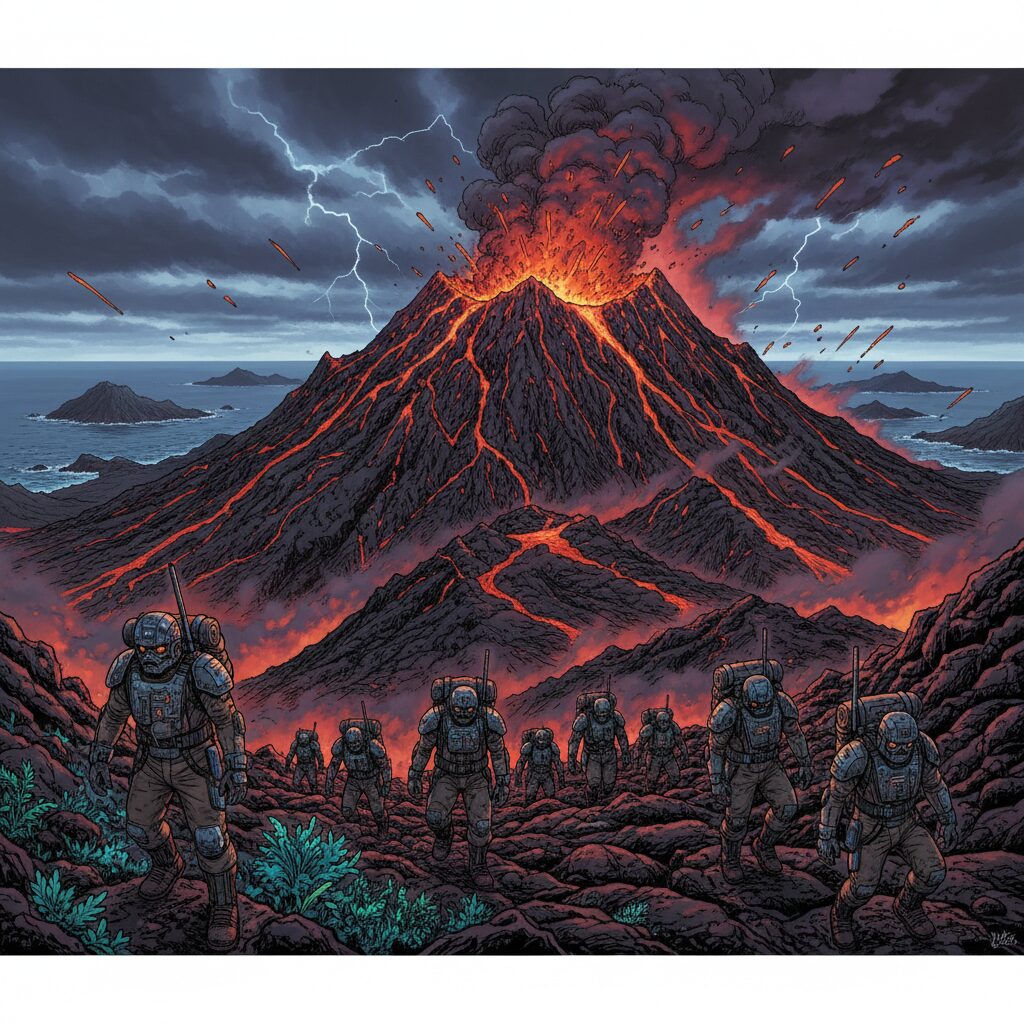
Let’s get one thing clear: hiking Mt. Otake is far from a casual walk. This is a serious expedition on one of Japan’s most active volcanoes. You absolutely must check the volcanic alert levels from the Japan Meteorological Agency before even considering this trek. The alert level determines how close you can safely approach the crater, and safety is paramount. On the day I hiked, the level was low enough to permit access, and my minshuku host gave me the final green light after a brief discussion about the conditions. Game on.
The Subtropical Jungle Approach
The trek begins quite unassumingly, leading you out of the village onto a trail that plunges into a dense, subtropical forest. It feels like stepping onto the set of Jurassic Park. The humidity hits you immediately. Giant ferns hang over the path, and the air buzzes with the calls of insects and birds you’ve never heard before. Sunlight filters through the thick canopy in green-tinged beams. The trail is muddy and tangled with roots, a constant reminder to watch your footing. You’re fully immersed, a tiny figure surrounded by overwhelming greenery. You might spot wild goat tracks or hear rustling in the underbrush. It’s a sensory overload in the best way—a primal immersion in the wild.
The Ascent into the Ash Fields
After about an hour pushing through the jungle, the landscape shifts dramatically. The trees grow smaller and more twisted, then vanish completely. You step out of the forest into a starkly different world. Suddenly, you’re on a barren expanse of black and red volcanic scree. The ground is a mix of fine ash and jagged, porous rocks called scoria that crunch beneath your boots with every step. The sun blazes overhead with no shade to escape to. The trail steepens into a grueling climb up the volcano’s flank. This is where the mental challenge really begins. It’s just you, the relentless slope, and the increasingly stunning views. With every gain in elevation, more of the breathtaking panorama unfolds: the tiny village far below, the endless Pacific Ocean stretching out, and the sheer, dramatic cliffs plunging into the sea. The scale is humbling. You feel incredibly small, and it’s a beautiful feeling.
The Final Push to the Summit Ridge
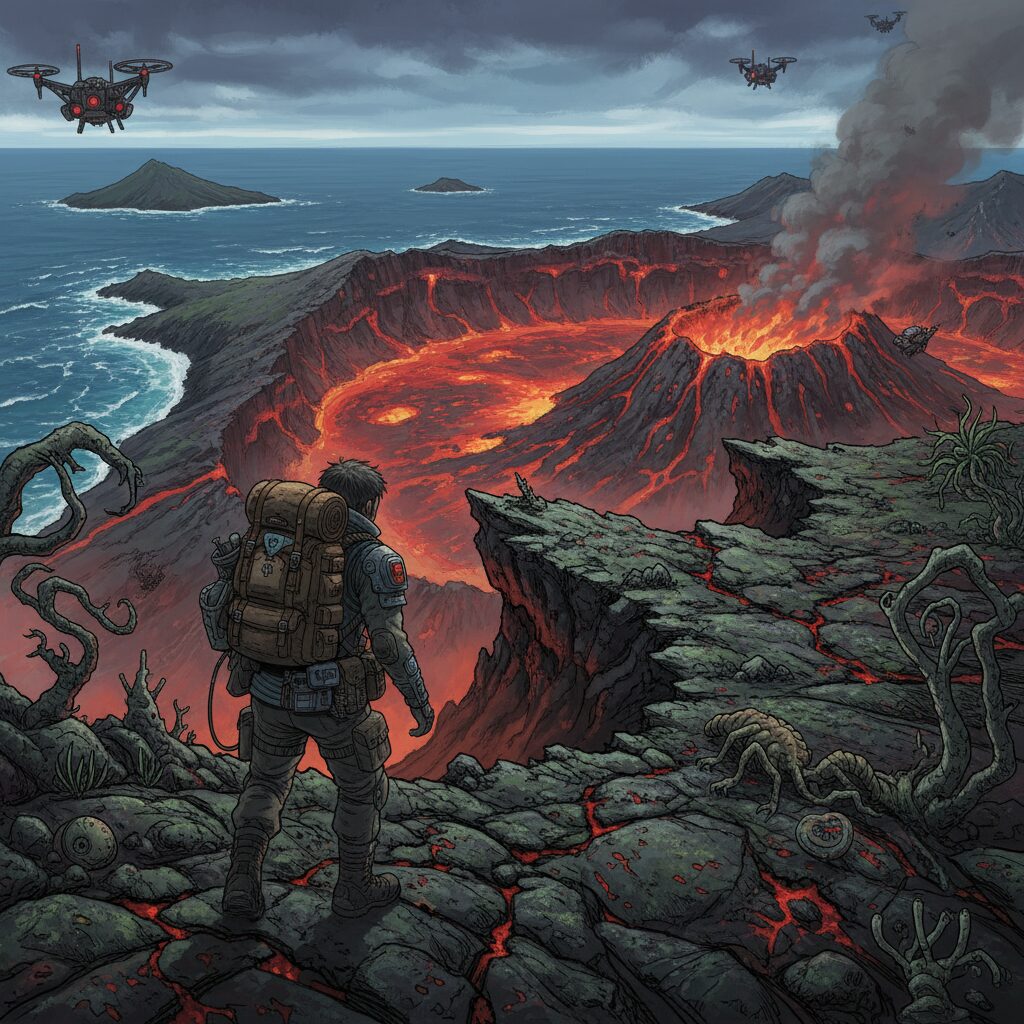
The last part of the trek takes things to another level. You begin noticing steam rising from vents scattered around you. The sulfur smell grows stronger, a sharp, eggy scent signaling you’re nearing the source. In some spots, you can feel heat seeping through the soles of your boots. The ground is a wild mosaic of colors—yellows and oranges from sulfur deposits staining the dark rock. And there’s the sound. It’s far from silent up here. There’s a low, constant rumble, a deep bass note that seems to resonate through your entire body. It’s the sound of the earth’s inner workings, the planet breathing. Arriving at the summit ridge is a moment of pure triumph. You stand on the edge of a massive caldera, gazing down at the active crater steadily releasing a plume of white smoke and gas into the brilliant blue sky. The power is palpable. It’s raw, it’s terrifying, and it’s one of the most magnificent sights you will ever witness. You’re not just taking in a view; you’re witnessing the earth’s creation in real time. That feeling, that moment, is worth every drop of sweat and every aching muscle. No cap.
Island Life and Post-Trek Rewards
Conquering the volcano is just one part of Suwanosejima’s story. Life here moves at a slow pace, intimately tied to the sea and the land. The ideal way to recover from the exhausting climb is to visit one of the island’s natural seaside onsens. These aren’t luxurious spas; they are simple rock pools along the coast, warmed by geothermal waters. Soaking your weary body in the hot, mineral-rich water while watching waves crash against nearby rocks is pure bliss. It’s the world’s finest infinity pool, crafted by nature itself. Watching the sunset from one of these pools, with the sky bursting with colors and the sea breeze on your face, creates a memory to cherish.
The true heart of the island experience, however, lies in staying at a minshuku. This is where you engage with local culture on a personal level. My hosts were an incredibly kind elderly couple who welcomed me like family. The food was extraordinary. Every meal was a celebration of ingredients picked from the island that very day. We enjoyed sashimi from fish caught just hours earlier, crispy tempura made from wild mountain vegetables I had never encountered before, and hearty stews that warmed the soul. In the evenings, we gathered around the table, sharing stories over glasses of local shochu. Despite my awkward Japanese, we communicated with laughter, learning about each other’s lives. This kind of genuine connection simply can’t be found at a hotel. It is the human touch that turns a trip into a truly meaningful journey. At night, the experience continues. With no light pollution, the sky transforms into a breathtaking display. The Milky Way appears so vividly it resembles a cloud of glitter. It’s a profound reminder of our place in the universe — a perfect, peaceful end to an adrenaline-filled day.
The Lowdown: A Tokara Survival Guide for the Intrepid
Thinking about taking the plunge? Absolutely. But you need to come well prepared. This isn’t a place where you can just wing it. Planning is crucial, and having a bit of know-how will make your trip much smoother.
Access & Logistics: The Ferry is Your Best Bet
First things first: the Ferry Toshima. Check its official website for the schedule, which varies depending on the season and weather. Be sure to book your ticket in advance, especially during peak travel periods. You can do this online, but the website can be tricky if you don’t read Japanese, so using a translation tool or asking a Japanese-speaking friend for help is a smart idea. The ferry leaves from the Kagoshima Honko South Pier. Be ready for cancellations. The seas around the Tokaras can get rough, and if there’s a typhoon nearby or high waves, the ferry will be canceled. Build buffer days into your itinerary at both ends. Seriously, don’t book a flight out of Kagoshima on the day you’re supposed to return—you might get stuck on the island for a few extra days, which could be either a blessing or a hassle depending on your schedule.
Where to Stay: Embrace Minshuku Life
Accommodation on Suwanosejima is limited to a few minshuku. You absolutely must book these well in advance, and the only way to do so is by phone. This can feel intimidating since most hosts don’t speak English. You might need help from a Japanese tourist information service or a friend. When you call, be polite, speak slowly, and have your dates handy. Staying in a minshuku is part of the experience, so lean into it! Expect to share bathroom facilities and enjoy communal meals. It’s the best way to fully immerse yourself in the local culture.
Packing List: Style Meets Practicality
As someone who loves fashion, I have to say: on this trip, function rules. Here’s your must-pack list:
- Footwear: Broken-in, waterproof hiking boots with strong ankle support. The volcanic rock is sharp and unforgiving. Also bring sandals or flip-flops for the village and onsen.
- Clothing: Layers, layers, layers. Quick-dry hiking pants, merino wool base layers, a fleece or mid-layer, and a top-quality waterproof and windproof hardshell jacket. Even if the forecast is sunny, mountain weather can change on a dime.
- Gear: A comfortable daypack (20-30 liters) works well. Bring a reusable water bottle or bladder (at least 2 liters for the hike), a headlamp with extra batteries (essential), a portable power bank (electricity can be unreliable), and trekking poles (your knees will thank you on the descent).
- Protection: High-SPF sunscreen, a wide-brimmed hat, and sunglasses are essential. The sun is intense with no shade on the volcano. Also, a small first-aid kit with blister care is highly recommended.
- Money: Cash is king. There are no ATMs on the island. Bring more than you think you’ll need to cover accommodation, food, and any unexpected expenses.
Safety & Etiquette: Respect the Volcano
This is the most important part. Always check official volcanic warnings before and during your trip. Inform your minshuku host of your hiking plans—when you’re leaving and when you expect to return. Never hike alone. If you’re traveling solo, try to coordinate with other travelers or see if a local guide is available. On the trail, stay on the path. The ground can be unstable, especially near steam vents. Lastly, practice ‘Leave No Trace.’ Pack out everything you bring in. Be respectful of the local community—this is their home. Ask permission before taking photos of people, and always greet them with a friendly konnichiwa. A little respect goes a very long way.
The Afterglow: More Than a Trip, It’s a Transformation
Departing Suwanosejima on the Ferry Toshima is a bittersweet experience. As you watch the island with its smoking peak fade into the distance, you realize it has changed you. It’s more than just an impressive trekking tale or some striking photos for your feed. A journey to the Tokara Islands strips away the non-essential, reconnecting you to the raw, untamable power of nature and the simple, profound beauty of human community. You face a physical challenge on the volcano, but you also experience a mental reset. The quiet, the absence of digital noise, and the vastness of nature all serve to recalibrate your perspective.
You return to the mainland feeling transformed—more grounded, more grateful, and with a renewed sense of awe for the world we inhabit. It’s a reminder that the greatest adventures aren’t found in flashy resorts but in places that challenge us, push us beyond our comfort zones, and reveal a side of life—and of Japan—we never knew existed. So if you’re seeking something authentic, something that will stay with you long after you’ve brushed the volcanic ash off your boots, look south. Look toward the wild heart of the Tokara Islands. It’s a vibe, a challenge, a memory etched in volcanic rock, waiting for you to uncover it.