A Robotic Response to a Dual Challenge
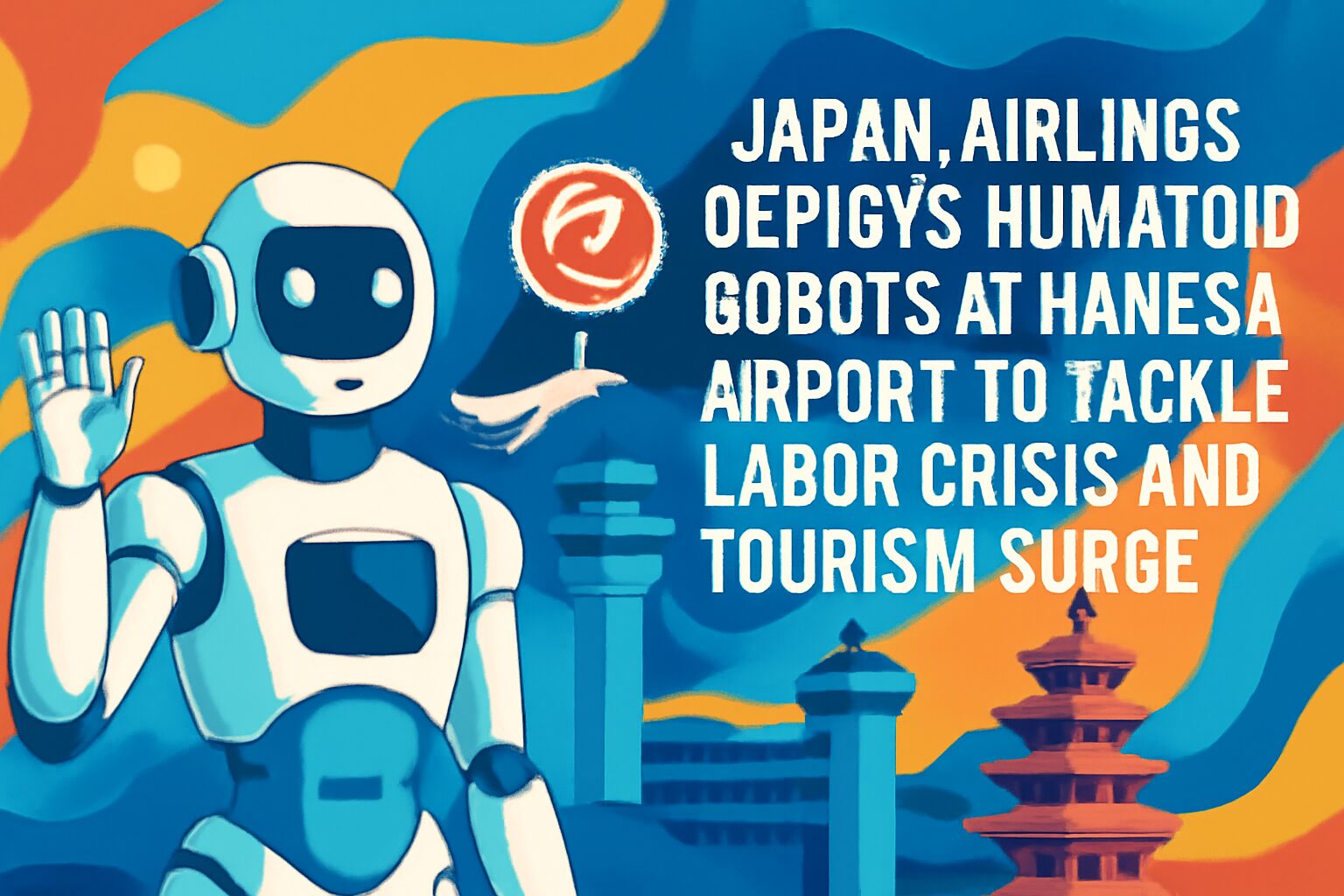
In a pioneering move to address two of Japan’s most pressing challenges—a severe labor shortage and an unprecedented tourism boom—Japan Airlines (JAL) has launched a trial of humanoid robots at Tokyo’s Haneda Airport. This initiative, which began in May 2026, aims to revolutionize ground handling operations and ensure that Japan’s busiest airport can efficiently manage the ever-increasing flow of international travelers. By integrating advanced robotics into its workforce, JAL is not just seeking a temporary fix but is envisioning a new future for airport operations.
The Perfect Storm: Japan’s Shrinking Workforce and Record-Breaking Tourism
The decision to deploy robots stems from a convergence of critical national trends. Japan is currently navigating a demographic shift that presents significant economic hurdles, while simultaneously enjoying a remarkable surge in its popularity as a global travel destination.
An Unprecedented Labor Shortage
Japan’s working-age population is declining at an alarming rate. Projections indicate that the workforce, which stood at around 74 million in 2023, could shrink to below 60 million by 2040. This demographic reality has created intense labor shortages across various sectors, with the transportation and logistics industries being among the hardest hit. The physical demands of jobs like baggage and cargo handling make them particularly difficult to fill, putting immense pressure on existing ground crews.
A Nation Welcoming the World
In stark contrast to its shrinking workforce, Japan’s tourism sector is experiencing explosive growth. Following the full reopening of its borders, the country has seen a massive influx of international visitors. According to the Japan National Tourism Organization (JNTO), Japan welcomed over 3 million foreign visitors per month for three consecutive months in the spring of 2024, consistently surpassing pre-pandemic figures from 2019. With the Japanese government setting an ambitious goal of attracting 60 million international tourists by 2030, the strain on airport infrastructure and personnel is set to intensify dramatically.
Inside the Haneda Trial: Robots on the Tarmac
To confront this challenge head-on, JAL’s two-year trial at Haneda Airport is a calculated step towards automation.
- The Technology: The trial utilizes advanced humanoid robots developed by the Chinese firm Unitree Robotics. These machines are designed to perform physically demanding tasks, specifically assisting with the loading and unloading of baggage and cargo.
- The Goal: The primary objective is to alleviate the physical burden on human ground staff. By automating repetitive and strenuous labor, JAL aims to create a safer and more sustainable working environment. This allows human employees to be redeployed to other critical areas that require human oversight and judgment, such as complex security operations and specialized customer service.
- The Future Scope: If the trial proves successful, JAL is considering expanding the robots’ duties to other labor-intensive tasks, such as aircraft cabin cleaning. This would mark a significant leap towards a highly automated airport environment, capable of handling high passenger volumes with greater efficiency and speed.
What This Means for Travelers and the Future of Air Travel
While the robots will operate primarily behind the scenes, their impact could be significant for the traveler experience.
Potential for Smoother Operations
Automating ground handling could lead to faster and more reliable baggage processing, potentially reducing wait times at carousels and minimizing the risk of lost or delayed luggage. Increased efficiency on the tarmac could also contribute to fewer flight delays, resulting in a smoother journey from check-in to takeoff.
A New Model for Airport Staffing
This initiative represents a shift in the role of human workers in the aviation industry. Rather than replacing humans, the robots are intended to augment their capabilities. Airport staff will likely transition to more skilled roles, focusing on supervision, quality control, and providing the nuanced, personal service that machines cannot replicate.
A Blueprint for Global Airports?
As many developed nations face similar challenges of aging populations and labor shortages, JAL’s trial at Haneda could serve as a blueprint for airports worldwide. A successful implementation would demonstrate that strategic automation is a viable solution for maintaining high service standards in the face of mounting operational pressures. This forward-thinking approach ensures that Japan can continue to be a welcoming and efficient gateway for global travelers for years to come.