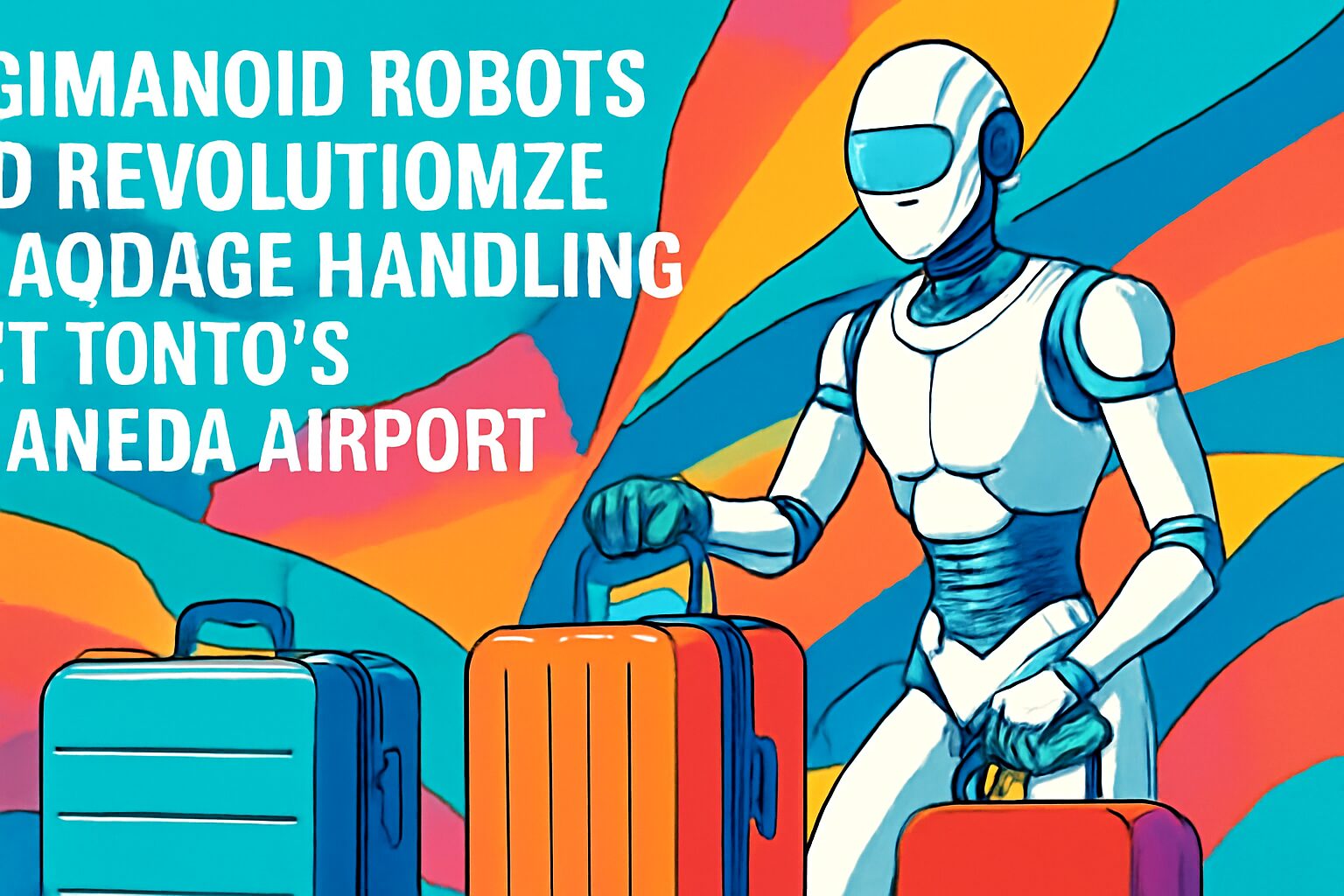
In a groundbreaking move set to redefine airport logistics, Japan Airlines (JAL) has announced it will begin trials of humanoid robots for baggage handling at Tokyo’s Haneda Airport. This initiative is a direct response to two of Japan’s most pressing challenges: a record-breaking surge in tourism and a chronic nationwide labor shortage. The experiment aims to significantly reduce the physical burden on ground staff and boost operational efficiency, offering a glimpse into the future of global travel.
The Driving Forces: Japan’s Tourism Boom and Labor Crisis
Japan is currently experiencing an unprecedented influx of international visitors. According to the Japan National Tourism Organization (JNTO), the country welcomed over 25 million foreign tourists in 2023, a figure that is rapidly approaching pre-pandemic levels. While this resurgence is a boon for the economy, it places immense pressure on the country’s infrastructure, particularly its airports.
This tourism boom coincides with a severe and deepening labor crisis, driven by Japan’s aging and shrinking population. The airport ground handling sector, known for its physically demanding work, has been hit particularly hard. The strenuous task of lifting and moving countless pieces of luggage daily has made it difficult to attract and retain staff, leading to potential delays and service bottlenecks. This trial represents a forward-thinking solution to ensure that the travel experience remains smooth and efficient even as passenger numbers climb.
A Glimpse into the Future: The Haneda Airport Trial
The trial at Haneda Airport, one of the world’s busiest hubs, will deploy advanced humanoid robots to perform tasks traditionally handled by human personnel. These robots will be tasked with autonomously transporting baggage and cargo containers, a crucial part of the complex logistics chain that operates behind the scenes.
By automating these repetitive and physically taxing duties, Japan Airlines aims to achieve several key objectives:
- Alleviate Physical Strain: Protect the health and well-being of ground staff by eliminating heavy lifting, reducing the risk of injuries and improving the work environment.
- Enhance Efficiency: Robots can operate consistently and around the clock, potentially speeding up baggage processing times and ensuring flights depart on schedule.
- Redeploy Human Talent: Freeing human workers from manual labor allows them to be retrained and assigned to more complex, customer-facing, or supervisory roles that require critical thinking and interpersonal skills.
Potential Impacts and the Road Ahead
The successful implementation of this robotic technology could have far-reaching implications for travelers and the aviation industry alike.
For Travelers
For passengers, the benefits could be tangible. More efficient baggage handling could lead to shorter wait times at baggage carousels upon arrival. Furthermore, the precision and consistency of robotic systems may reduce the frequency of mishandled or damaged luggage, leading to a more reliable and stress-free travel experience.
For the Aviation Industry
If the Haneda trial proves successful, it could serve as a blueprint for airports across Japan and around the world. As many developed nations face similar demographic challenges, Japan’s robotic solution could become a global standard for modernizing airport operations. This could trigger a new wave of investment in automation technology throughout the travel industry.
This initiative is more than just a technological showcase; it’s a strategic response to pressing socio-economic realities. By leveraging its strength in robotics, Japan is not only tackling its labor shortage but also pioneering a more sustainable and resilient model for the future of air travel. The world will be watching as Haneda’s robotic baggage handlers get to work.