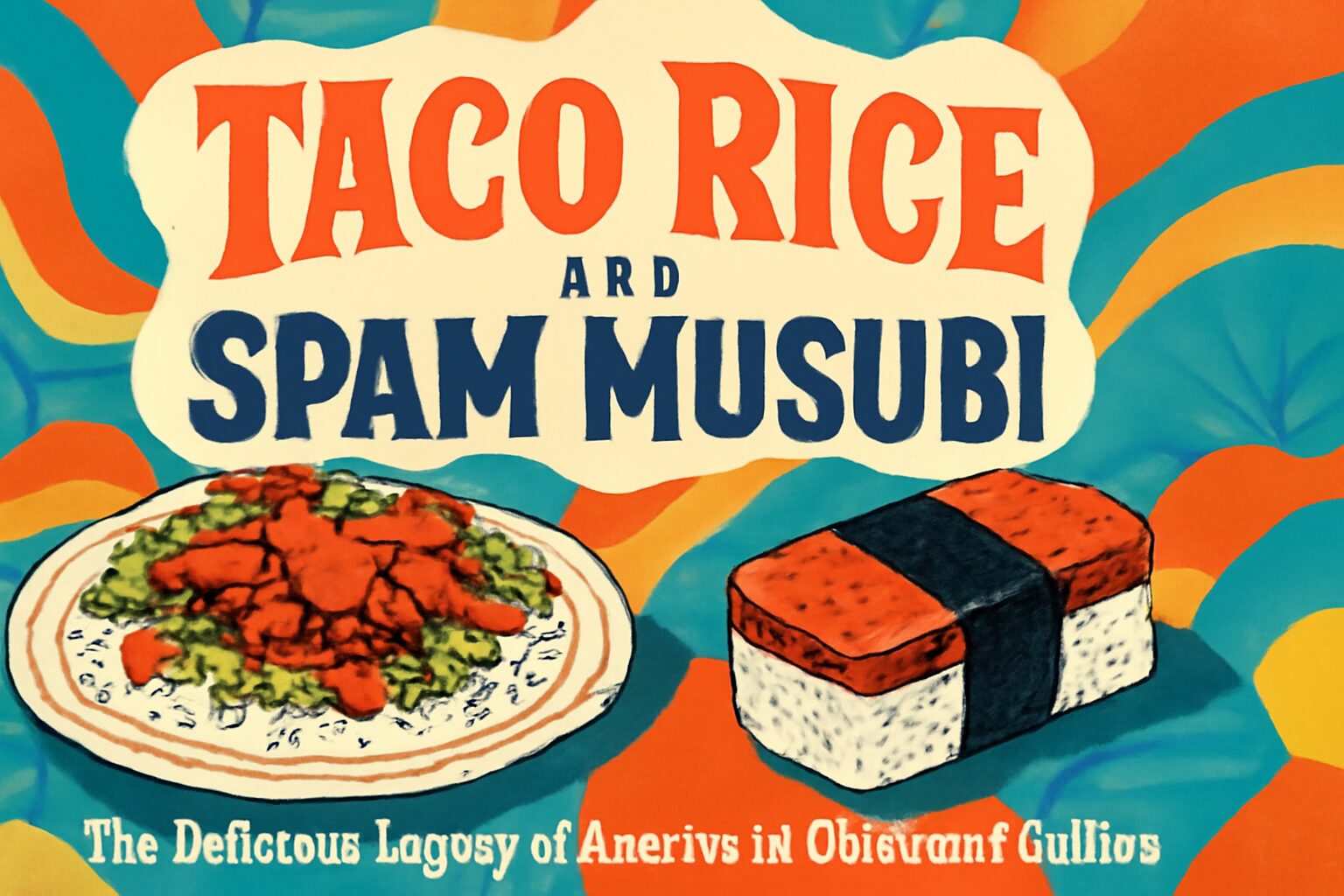
Okinawa, Japan’s southernmost prefecture, is renowned for its stunning beaches, vibrant coral reefs, and a rich cultural heritage distinct from the mainland. But for many travelers, a major draw is its unique food culture, a tantalizing fusion of Japanese tradition and American influence. This culinary blend, born from a complex history, has created iconic dishes like taco rice and Spam musubi, offering a gastronomic experience that is a cornerstone of Okinawa’s tourism economy.
A Taste of History: The Roots of “Champuru” Culture
To understand Okinawan food, one must look back to the post-World War II era. From 1945 to 1972, Okinawa was under American administration. During this 27-year period, American military bases became a significant presence on the island, bringing with them not only a new culture but also new ingredients.
Canned goods, such as SPAM® (a brand of canned cooked pork), corned beef, and cheese, were introduced through the U.S. military’s provisions. In a time of scarcity, these shelf-stable and high-calorie foods became vital resources for the local population. This necessity, however, blossomed into creativity. Okinawans began to incorporate these American staples into their own cooking, a process that perfectly embodies the local concept of “champuru,” meaning “to mix together.” This philosophy of blending different elements is central to Okinawan identity and is most deliciously expressed on the plate.
Iconic Fusion Dishes You Must Try
This historical backdrop gave rise to a host of unique dishes that are now beloved local staples.
Taco Rice: An Okinawan Original
Perhaps the most famous example of this culinary fusion is taco rice. It was invented in 1984 in the town of Kin, near a large U.S. military base. The creator, wanting to offer a hearty and affordable meal to American soldiers, ingeniously served Tex-Mex-style taco fillings—spiced ground beef, shredded lettuce, cheese, and tomatoes—over a bed of Japanese white rice. The dish was an instant hit, and its popularity has since spread across Okinawa and even to mainland Japan. It’s a perfect symbol of how an foreign flavor was adapted to local tastes, creating something entirely new.
Spam Musubi and Pork Tamago Onigiri
While Spam musubi is often associated with Hawaii, it holds a special place in Okinawan hearts and convenience stores. A simple yet satisfying snack of a grilled slice of Spam atop a block of rice, all wrapped in nori (seaweed), it’s a testament to the enduring legacy of the canned meat.
Another ubiquitous favorite is the “pork tamago onigiri.” This Okinawan-style rice ball features a slice of Spam (referred to locally simply as “pork”) and a folded fried egg, sandwiched with rice. It’s a go-to breakfast and lunch item for locals and a must-try for any visitor.
The Future of Okinawan Cuisine and its Impact on Tourism
This unique food culture is more than just a historical footnote; it is a powerful driver of Okinawa’s tourism industry. According to the Okinawa Prefectural Government, the region welcomed over 6.5 million tourists in fiscal year 2022, a significant recovery demonstrating the enduring appeal of the islands. For many of these visitors, “gastronomy tourism” is a primary motivation. The chance to taste dishes that cannot be found anywhere else in Japan provides a compelling reason to visit.
Looking ahead, the future of Okinawan cuisine appears bright. A new generation of chefs is reinterpreting these classic fusion dishes, using high-quality local ingredients and innovative techniques. This evolution ensures that Okinawa’s food scene remains dynamic and exciting.
The “champuru” spirit continues to thrive, not just by mixing Japanese and American elements, but by absorbing global trends while staying true to its local roots. This delicious blend of history, culture, and flavor ensures that Okinawa will remain a top destination for food-loving travelers from around the world, eager to taste the unique story served on every plate.