Yo, what’s up, global travelers and adventure addicts! Yuki here, your go-to planner for all things Japan. Let’s talk about something truly epic, a phenomenon that kicks off one of Japan’s most iconic seasons. We’re talking about autumn, or koyo as we call it, the season of fiery maples and golden ginkgos. But here’s the thing: while the rest of Japan is still soaking up the last bits of summer, one place is already throwing the most insane, colorful party you’ve ever seen. I’m talking about Daisetsuzan National Park in Hokkaido, the wild, untamed heart of Japan’s northern island. This ain’t your grandma’s quiet stroll through a park. This is ground zero for autumn. It’s where the season is born, and it happens way earlier than you think. Forget November in Kyoto; we’re talking late August and September. Daisetsuzan is the first place in the entire country to see the leaves change, making it a legendary spot for anyone trying to get ahead of the curve and witness something truly unique. The name itself, given by the indigenous Ainu people, is Kamuy Mintar, which translates to the “Playground of the Gods.” And honestly? They weren’t kidding. This place is on another level—a vast expanse of volcanic peaks, alpine meadows, and pristine forests that feels like it belongs to a different world. It’s raw, powerful, and when it decides to put on its autumn ‘fit, it’s a spectacle that will live in your head rent-free forever. So, if you’re ready to ditch the mainstream and experience the real, untamed beauty of Japan, buckle up. We’re about to dive deep into how you can catch the first wave of autumn in the Playground of the Gods.
If you’re looking for another legendary Hokkaido experience after chasing autumn colors, you’ve gotta check out the incredible fresh seafood and sushi along Otaru’s canal.
The Vibe: What’s Daisetsuzan Actually Like?
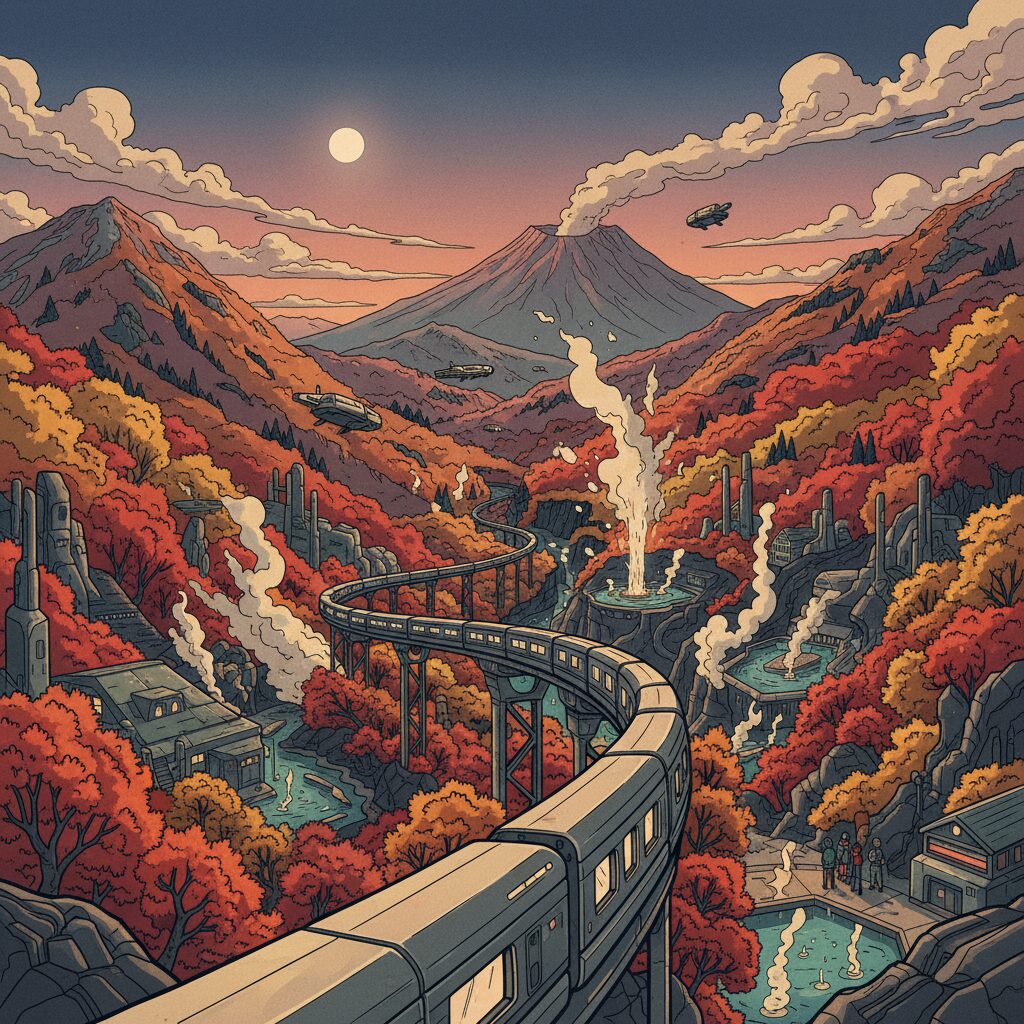
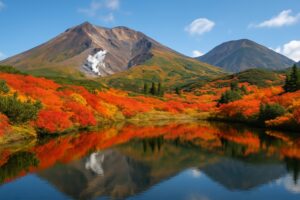
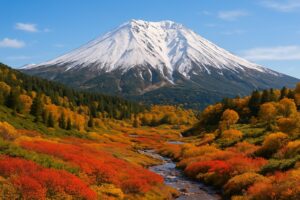
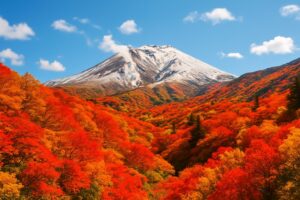
Before diving into the logistics, let’s first discuss the vibe. Because Daisetsuzan truly stands apart. This isn’t Tokyo, nor is it even Sapporo. This is wilderness defined. The air feels cleaner, crisper, carrying the scents of damp earth and pine. As soon as you step out of your car, the silence hits you—a deep, profound quiet, broken only by the wind rustling through Siberian dwarf pines or the distant call of a bird. It’s a humbling place. You’re standing on active volcanoes, surrounded by peaks that have stood for millennia. The vastness is staggering. The park covers a sprawling 2,267 square kilometers, larger than some countries, of pure, raw nature. The Ainu people regarded this land as sacred, home to deities, and you can sense that spiritual energy. It’s a place that demands respect. There are no convenience stores along the trails, no gaudy tourist traps. Just you and the sheer power of the landscape. The vibrant colors here don’t just come from towering maple trees. Much of the most striking hues come from alpine flora—low shrubs and bushes blanketing the mountainsides. Picture a vast valley floor covered in a blazing carpet of crimson, fiery orange, and electric yellow. It’s a different kind of koyo—wilder, more rugged. It feels ancient, even primordial. This is nature in its purest form, and experiencing it during autumn’s peak feels like being let in on a powerful, beautiful secret.
When to Catch the First Colors – The Ultimate Timing Guide
Alright, let’s dive into the details, because timing is crucial at Daisetsuzan. Being the first in Japan, the viewing period is precise and highly coveted. Mistime it, and you could end up with lingering summer greens or, worse yet, the first dustings of snow. The magic unfolds in a cascading sequence, beginning at the highest elevations and gradually descending into the valleys. This progression is essential for planning the ideal trip. Think of it as a wave of color you can follow.
The Peak Party: Mount Asahidake
This is where everything kicks off. Mount Asahidake, Hokkaido’s tallest peak, is a majestic, steaming volcano that serves as the grand stage for autumn’s opening act. The colors here, at the highest altitudes, start to emerge as early as late August. Amazing, right? By mid-September, it usually reaches its full peak—a vibrant festival of color. The highlight here isn’t a tree, but the nanakamado, a type of mountain ash. Its leaves turn a fiery red that makes the mountain seem ablaze. These low-lying shrubs, alongside other alpine plants like chinguruma, which turns a deep wine-red, form a breathtaking tapestry against the grey volcanic rock and white steam billowing from fumaroles. The best way to experience this is via the Asahidake Ropeway. This cable car whisks you into the alpine zone in about ten minutes, with the scenic ascent serving as a preview for what’s to come. Once at the top station, you’re immersed in this otherworldly landscape. It’s an absolute must.
The Color Explosion: Ginsendai & Kogen Onsen
If Asahidake is the opening act, Ginsendai is the headliner. Situated on the slopes of Mount Akadake, this area is arguably one of Japan’s most renowned spots for early autumn colors. The slopes are densely covered with nanakamado and maple bushes, so when they peak—usually mid to late September—the mountainside looks as if it’s been painted with blazing reds, oranges, and yellows. It truly is one of the most breathtaking sights you’ll ever witness. The road to Ginsendai becomes an attraction itself. Due to its immense popularity, private car access is often limited during peak season to avoid traffic congestion. Instead, you’ll park further down and take a shuttle bus. It’s a bit inconvenient, but believe me, it’s absolutely worth it. Nearby, Kogen Onsen is famous for its “Numa Meguri” or pond-circling hiking trail. Here, the fiery mountain colors are perfectly mirrored in numerous ponds and marshes, doubling the beauty. It’s a photographer’s paradise.
The Grand Finale: Sounkyo Gorge
As the color wave descends, it finally reaches Sounkyo Gorge in late September, peaking in early to mid-October. This spot offers a completely different atmosphere. Sounkyo is a dramatic, 24-kilometer-long gorge with sheer, 100-meter-high basalt cliffs. It’s stunning year-round, but in autumn, it’s truly spectacular. The cliffs are draped with a mix of evergreen pines and deciduous trees like maples and mountain ash, which blaze with reds and yellows. The contrast between the dark, geometric rock formations and the soft, fiery foliage is simply striking. Two main attractions here are Ginga no Taki (Milky Way Falls) and Ryusei no Taki (Shooting Star Falls), a pair of stunning waterfalls that tumble down the cliffs. In autumn, they’re framed by a riot of colors, making for an iconic scene. You can take the Kurodake Ropeway from Sounkyo Onsen village for another perspective, offering a bird’s-eye view of the gorge and the surrounding colorful peaks.
Your Daisetsuzan Playbook: How to Do It Right

Alright, so you’re excited and ready to go. But how do you actually make a trip to this wild paradise happen? Daisetsuzan is vast and demands careful planning. It’s not the kind of place where you can just show up and wing it, especially during the busy autumn season. Here’s the essential info to help you navigate it smoothly.
Getting There and Getting Around
The primary gateway to the Daisetsuzan area is the city of Asahikawa, Hokkaido’s second-largest city. It has its own airport (AKJ) with flights from Tokyo and other major Japanese cities. You can also take a JR train to Asahikawa Station. From there, it’s about a 1.5 to 2-hour drive to the park’s main entrances like Asahidake Onsen or Sounkyo Onsen. Honestly, renting a car is your best bet. Public transportation is limited, and having your own vehicle gives you the freedom to explore the park at your own pace, chase the best lighting for photos, and stop whenever a stunning view catches your eye—which will be often. Be sure to book your rental car well in advance, especially if you need an automatic, as they sell out quickly from September to October. As for your base, Asahidake Onsen is a small, quiet village right at the foot of the ropeway, ideal for serious hikers and those seeking peace. Sounkyo Onsen is a larger, more developed resort town with more hotel options, restaurants, and a visitor center, making it a great choice for a more varied itinerary.
Hiking is the Main Attraction
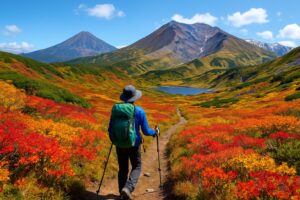
You don’t come to Daisetsuzan to stay in the car. The true magic lies on the trails. The good news is there’s something for every fitness level. You don’t need to be an expert mountaineer to take in the breathtaking scenery. For a super accessible yet incredibly rewarding hike, the Sugatami Pond Loop at the top of the Asahidake Ropeway is perfect. It’s a relatively flat, well-maintained trail that takes around 60-90 minutes. The loop takes you past a series of pristine ponds reflecting the steaming peak of Mount Asahidake. You’ll pass active volcanic steam vents and be surrounded by stunning alpine tundra foliage. It delivers a huge payoff for minimal effort. For those seeking something a bit more demanding but still doable for most, the Kogen Onsen “Numa Meguri” Trail is an excellent choice. It’s a longer loop, around 3-4 hours, but the views of colorful slopes mirrored in numerous ponds are well worth the effort. For the hardcore adventurers, there’s the option to summit Asahidake or tackle a multi-day traverse along the park’s volcanic spine. Whatever you pick, be prepared—this is serious mountain terrain.
Beyond the Leaves: Level Up Your Trip
A trip to Daisetsuzan offers much more than just leaf-peeping. It’s a full sensory experience, and to truly enjoy it, you need to immerse yourself in the local culture. After a long day hiking in the crisp mountain air, there’s nothing better than soaking your tired muscles in a natural hot spring, or onsen.
The Onsen Experience
Hokkaido is a geothermal treasure, and the Daisetsuzan region boasts numerous incredible onsens. This is an essential part of the journey. Picture yourself reclining in a steaming, mineral-rich outdoor bath (rotenburo), while a cool autumn breeze rustles the golden leaves around you. It’s absolute bliss. The water, often rich in minerals like sulfur, feels wonderful on your skin and is believed to have healing properties. Both Asahidake Onsen and Sounkyo Onsen are centered around these hot springs. Many hotels (ryokan) have their own fantastic onsen facilities, some of which welcome day visitors for a small fee. Don’t hesitate! Embracing onsen culture is fundamental to experiencing Japan. It’s a space for relaxation, reflection, and peaceful contemplation. Though sharing a communal bath while stripped might feel awkward at first, you’ll soon realize it’s no big deal, and the sensation of pure relaxation is universal.
Fueling Your Adventure
Hokkaido is a culinary delight, renowned for its fresh produce, seafood, and rich dairy. Hiking burns a lot of calories, giving you the perfect reason to indulge. In Asahikawa, you have to try the local specialty, Asahikawa Ramen. Typically featuring a shoyu (soy sauce) based broth with an oily layer on top to keep it warm during the cold Hokkaido winters, it’s rich, savory, and deeply satisfying. Another must-try in Hokkaido is Jingisukan, or Genghis Khan, a dish where you grill lamb and vegetables yourself on a special dome-shaped skillet at your table. It’s a fun, interactive meal and an excellent way to recharge. And you can’t leave Hokkaido without sampling the dairy. The soft-serve ice cream here is famous for being incredibly creamy and rich. Grabbing a cone from a local farm or a roadside station (michi-no-eki) is a simple, yet deeply enjoyable pleasure.
Pro Tips from a Planner: The Lowdown
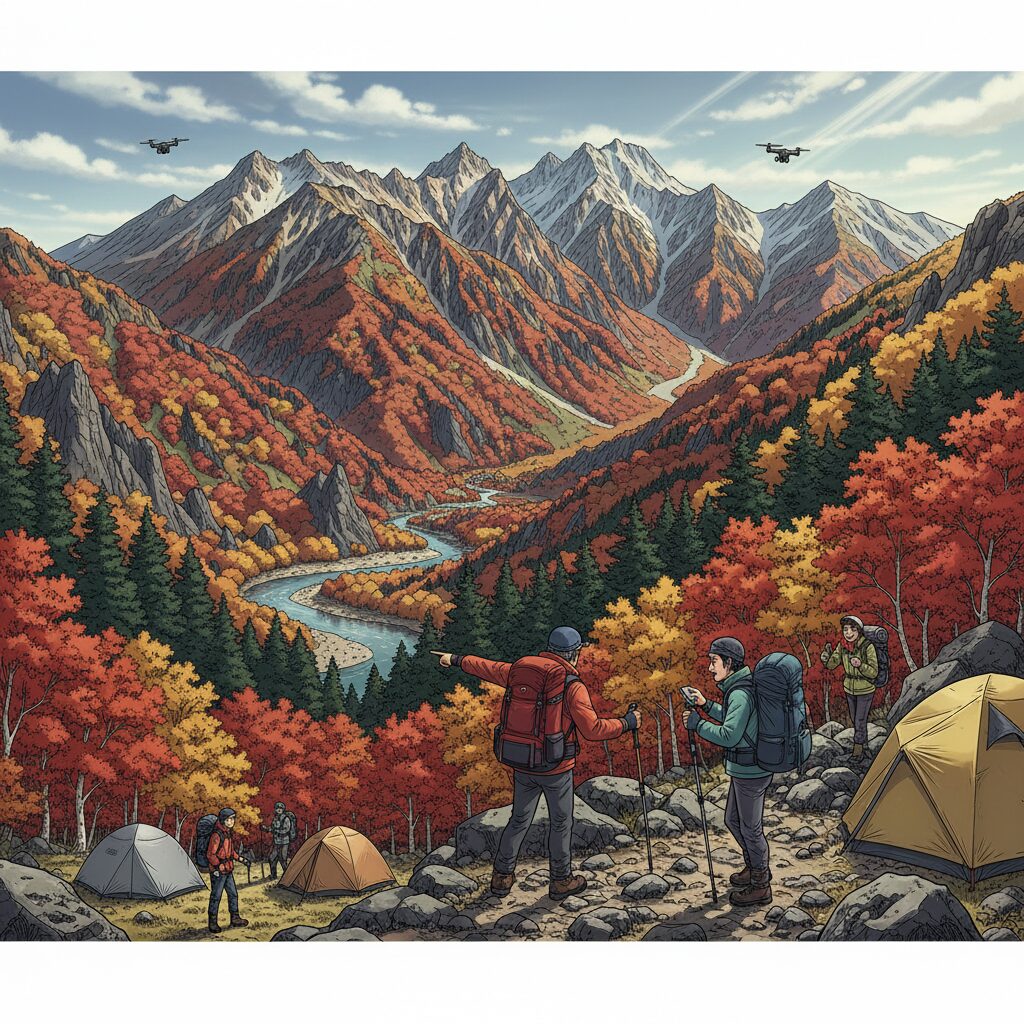
I’ve planned countless trips to this region and witnessed people repeatedly making the same mistakes. Here are some insider tips to ensure your trip goes smoothly and stress-free.
Book EVERYTHING Early
I can’t emphasize this enough. The secret about Daisetsuzan’s early autumn has spread widely. It’s an incredibly popular spot for domestic travelers in Japan. Accommodations in Asahidake Onsen and Sounkyo Onsen for mid-to-late September often get fully booked six months or more in advance. Rental cars follow the same pattern. If you’re even considering going, start booking your hotels and car as early as possible. Don’t wait—last-minute plans are nearly impossible during peak season.
Respect the Wildlife (Especially the Bears)
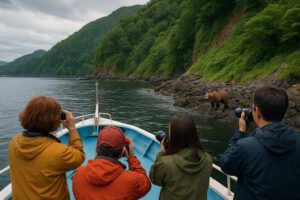
This isn’t a city park; it’s deep wilderness inhabited by a significant population of Ussuri brown bears, the largest land animals in Japan. Although encounters are rare, they can happen. Locals advise making your presence known: talk loudly, clap occasionally, and most importantly, carry a bear bell. These small bells jingle as you walk, alerting bears so you don’t startle them. It’s a simple, inexpensive precaution and standard practice for hiking in Hokkaido. Also, never leave food or garbage behind. Respect the environment, including its furry residents.
Dress in Layers, Seriously
Mountain weather is notoriously unpredictable and can change instantly, especially in Daisetsuzan. You might start your hike at the base in a t-shirt under a sunny sky, but by the time you reach the upper ropeway station, it could be windy, rainy, or even snowing. Yes, snow in September at these altitudes is real. The key is layering: bring a moisture-wicking base layer, a fleece or insulated mid-layer, and a waterproof/windproof outer shell. A hat and gloves are also a smart choice. It’s far better to have extra layers to remove than to be caught cold and uncomfortable. Proper hiking shoes with good grip are essential.
Check Road and Trail Conditions
Before heading out each day, check the latest updates. Roads like the one to Ginsendai may have temporary closures or restrictions. Trails can be closed due to bear activity or weather damage. The best sources for current information are local visitor centers (such as the one in Sounkyo) or the official Daisetsuzan National Park website. A quick morning check can save you time and frustration.
There you have it—a complete guide to experiencing Japan’s earliest and arguably wildest autumn colors. Daisetsuzan is more than a place to see; it’s a place to feel. It’s the crisp air, the vast landscape, the intensity of the colors, and the humbling sense of being a small part of something so ancient and immense. It’s an adventure that calls for some planning, respect for nature, and a spirit ready to embrace the wild. But the reward is an experience that’s absolutely worth the hype—a memory etched deep like the blazing nanakamado bush under the September sun. If you want to get ahead of the crowd and witness nature’s most fiery display of the year, Daisetsuzan is calling your name. Go for it.