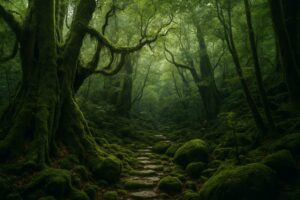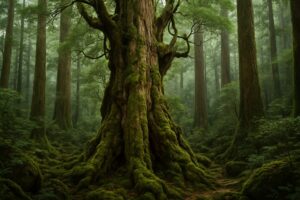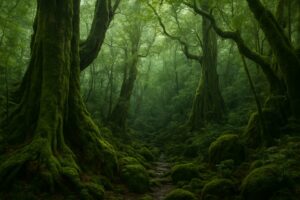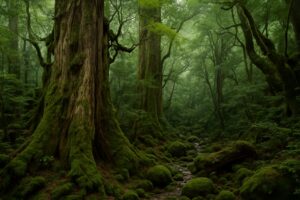
Yo, what’s the move? Mia Kim here, and I’m about to drop some serious intel on a place that literally changed my life. We’re not talking about just another pretty spot in Japan. We’re talking about a whole other dimension. A place where the air hits different, the trees are ancient gods, and every single surface is drippin’ with a thousand shades of green. Get ready to plug into the mainframe of Mother Nature, because we’re deep-diving into Yakushima Island. This isn’t just a trip; it’s a full-on system reboot for your soul. Tucked away south of Japan’s main islands, this chunk of rock is a designated UNESCO World Heritage site, but honestly, that title doesn’t even do it justice. Think of it as the real-world render of Hayao Miyazaki’s masterpiece, Princess Mononoke. He literally came here, took one look around, and based his entire enchanted forest on this living, breathing ecosystem. So yeah, if you’ve ever wanted to be the main character in your own epic anime adventure, this is your stage. It’s a place of raw, untamed power, where ancient cedar trees called Yaku-sugi have been standing watch for thousands of years, their bark twisted like ancient scrolls telling stories we can only begin to guess at. Forget your doomscrolling and your daily grind. Here, the only algorithm that matters is the rhythm of the rain, the whisper of the wind through thousand-year-old branches, and the steady beat of your own heart as you climb toward something truly sacred. This is Yakushima, and it’s about to blow your mind.
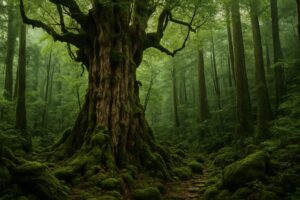
To truly connect with the island’s ancient spirit, you must walk among the Yakushima’s ancient cedar trees that have witnessed millennia.
The Vibe Check: What It Feels Like to Walk Through Yakushima
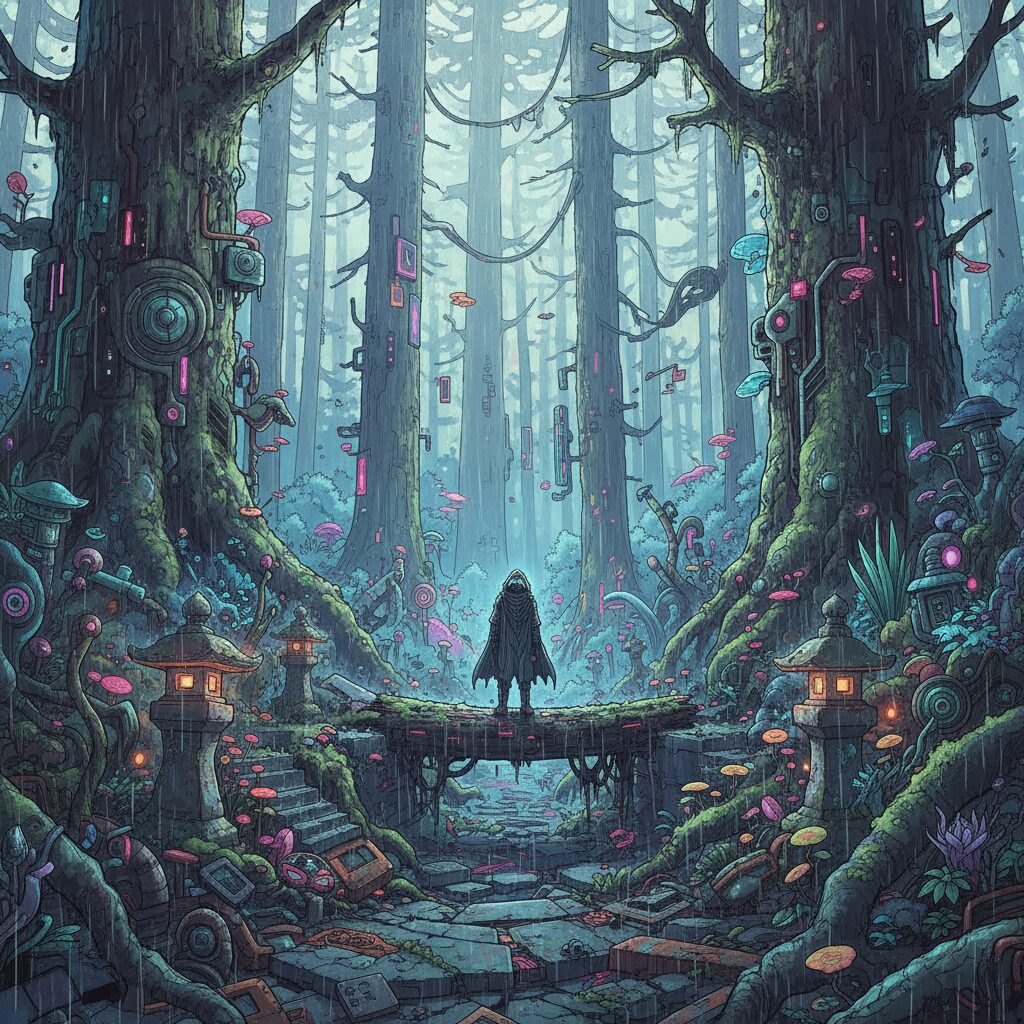
Before diving into trails and transportation details, you need to grasp the vibe. Yakushima is an entire atmosphere. The moment you step off the ferry or plane, the air shifts—thick, heavy with moisture, filled with the scent of damp earth, decaying leaves, and the sharp, fresh aroma of cedar. It feels as if the planet itself is exhaling all around you. This island is known for its rain—locals joke it rains “35 days a month”—but you come to see it not as a drawback, but as the island’s lifeblood. The rain is what makes everything so unbelievably green, nourishes the mossy carpets, and creates the constant, soothing rhythm of dripping water. It’s sensory overload in the most wonderful way. Your eyes strain to take in the endless shades of green, from deep emerald to electric lime. When sunlight breaks through, it doesn’t just light the forest; it pierces the canopy in stunning, almost divine rays that make you feel like you’ve wandered into a sacred scene. The silence here has its own sound. It’s a deep, profound quiet, interrupted only by the chirping of hidden birds, the rustle of a Yakushika deer in the underbrush, or the distant call of a Yakuzaru monkey. You begin to notice the small wonders: the intricate veins on a fern, the way water droplets cling to a moss-covered branch, the vast scale of a fallen log serving as a cradle for new life. It’s an enforced digital detox. Service is patchy in the forests, and honestly, you won’t miss it. Your mind gradually quiets down. The constant chatter of your inner voice fades beneath the overwhelming presence of nature. It’s humbling. You’re walking among beings that were ancient when the Roman Empire thrived. It quickly puts your own worries into perspective. This isn’t a manicured park. It’s wild, raw, and unapologetically authentic. You’re not a mere spectator here; you’re part of an ecosystem that has operated on its own wild terms for millennia.
The Main Quests: Yakushima’s Legendary Trails
Alright, adventurer, it’s time to select your quest. Yakushima is threaded with trails that feel less like hikes and more like pilgrimages. Each path offers a unique essence of the island’s magic, a varying degree of challenge, and a distinct kind of reward. You can’t conquer them all, so you need to choose the journey that resonates with your spirit. These aren’t simple strolls through the forest; they are legendary routes that lead you deep into the core of what makes this island a world treasure. Whether you’re seeking that perfect Ghibli atmosphere or pushing your limits against the mountain, a trail awaits you. So lace up your boots, because we’re about to dive into the island’s most iconic areas.
Shiratani Unsuikyo Ravine: Your Ghibli Protagonist Moment
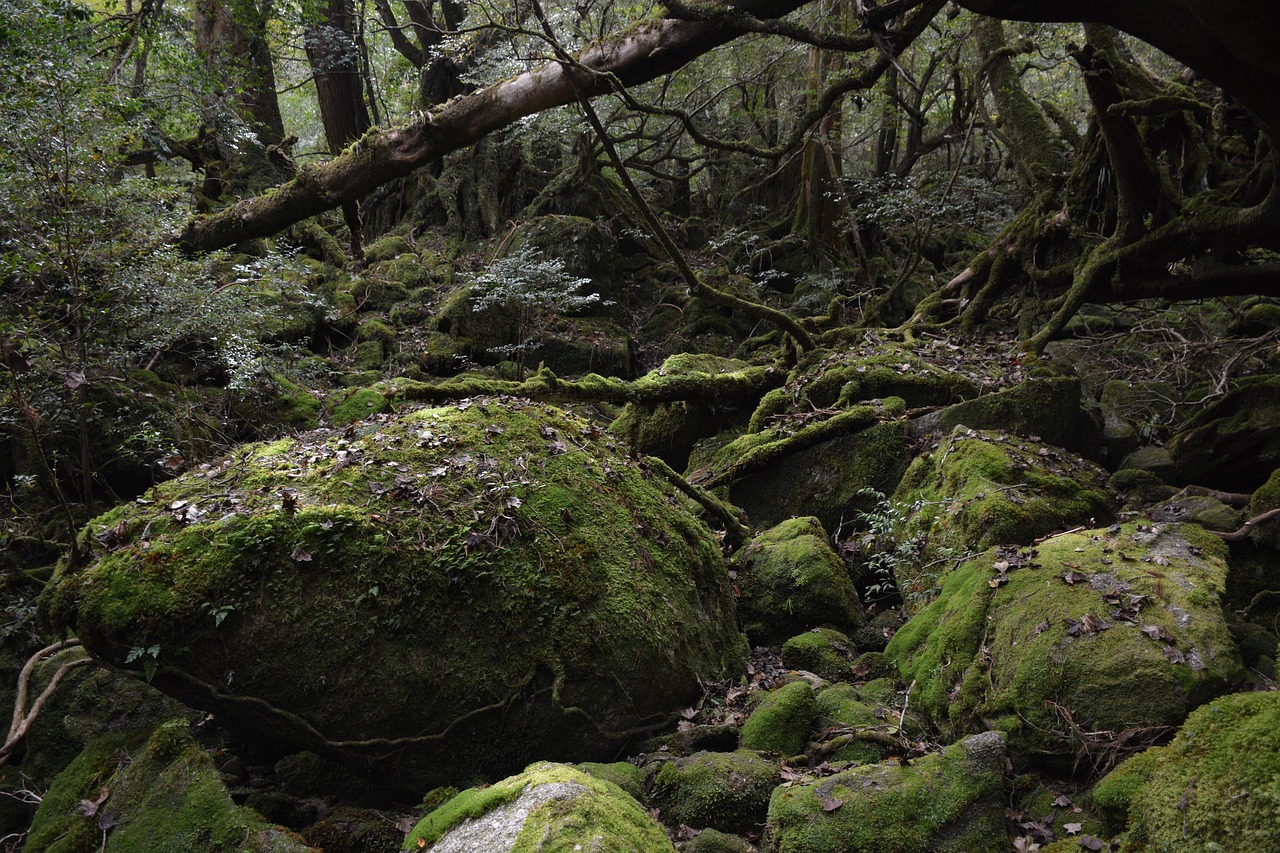
If there’s a single place on Yakushima that is undoubtedly the spiritual home of Princess Mononoke, it’s Shiratani Unsuikyo. This is the spot. The moment you step onto the trail, you’re fully immersed. The forest floor, tree trunks, and ancient stone lanterns are all blanketed in a thick, velvety carpet of moss. It’s so vivid it appears to glow from within. The air is cool and misty, and the entire ravine feels like a vast, natural terrarium. You can almost hear the Kodama tree spirits rattling their heads. This is where you come to seize your main character moment, to feel like you’ve stepped through a portal into an animated realm.
The trail system here is exceptionally well-maintained and offers several loops, so you can tailor your adventure to your available time and energy. There’s a short one-hour loop for a quick sample, but you’d be shortchanging yourself. Aim for the full experience—the trail that leads up to Taikoiwa Rock. Along the way, you’ll cross moss-covered wooden bridges spanning crystal-clear streams, duck beneath the gnarled roots of ancient trees, and pass through the famous “Kokemusu-no-Mori” or “Moss Forest.” This particular stretch of forest ignited Miyazaki’s inspiration, and you’ll see why. It’s a wild, beautiful explosion of green life, showcasing nature’s overwhelming power to reclaim and envelop everything. Higher up, you’ll climb through groves of giant cedars, each with its own unique character and story. The final ascent to Taikoiwa Rock is a bit of a scramble, requiring ropes to haul yourself up a steep granite face, but the reward is extraordinary. You emerge from the dense forest onto a huge, exposed boulder with a breathtaking, 180-degree panoramic view of the island’s rugged interior. It feels like the climax of a film, that epic vista where the hero gazes out over the world they’ve just saved. It’s a spiritual peak, a moment of pure, unfiltered awe. For this quest, your gear is crucial: waterproof everything is essential. A top-tier rain jacket, rain pants, and a cover for your pack. And most importantly, sturdy, waterproof hiking boots with excellent grip. The mossy rocks and wooden paths can get slippery, so proper footwear is a must. This trail is more accessible than the Jomon Sugi trek, making it an ideal introduction to the island’s deeper magic.
The Jomon Sugi Pilgrimage: Meet the Island’s Elder God
If Shiratani Unsuikyo is the enchanted fantasy level, the trek to Jomon Sugi is the ultimate boss battle. This is no casual hike—it’s a full-day, 10 to 12-hour commitment. It’s a tough, demanding, and profoundly transformative pilgrimage to encounter the island’s eldest inhabitant, a living deity in the form of a Yakusugi cedar tree. The Jomon Sugi is estimated to be anywhere between 2,170 and an astonishing 7,200 years old. It was already mature before the pyramids were built. It has endured typhoons, logging, and the relentless passage of time. Standing before it is an immensely humbling experience.
The journey begins in darkness. Most hikers start between 4 and 5 AM, using headlamps to illuminate the initial part of the trail. The first section follows the Anbo Trail, which is mostly a long, straight path along an old logging railway line cutting through the forest. It might sound monotonous, but walking on these tracks, surrounded by the awakening forest, has a strangely meditative rhythm. You are literally following in the footsteps of those who came before, both loggers and pilgrims. This stretch is relatively flat but long, serving as a warm-up for what lies ahead. After a few hours, you reach the end of the tracks and the start of the real climb, the Okabu Trail. Here, the trail becomes steep, technical, and stunningly beautiful. You’ll climb over massive tree roots that resemble giant wooden staircases, navigate muddy patches, and ascend steep wooden steps built into the mountainside. Along the way, you’ll encounter other colossal Yakusugi, like the Meoto Sugi (a pair of “married” cedars) and the Daiosugi (the “Great King Cedar”). These giants are awe-inspiring on their own and serve as a prelude to the main attraction. A highlight on this route is Wilson’s Stump, or “Wilson’s Kabu.” It’s the enormous, hollowed-out remains of a cedar felled centuries ago. You can actually walk inside the stump, which is large enough to hold several people. If you look up from the right spot, the opening at the top forms a perfect heart shape. It’s a magical, slightly surreal experience. Finally, after hours of relentless ascent, you arrive. You don’t see Jomon Sugi immediately. You climb a last set of stairs to a special viewing platform designed to protect the tree’s fragile root system. Then, there it is. Words and images fail to capture its presence. It’s not just its immense size, but its aura. The gnarled, weathered bark resembles the wizened face of an ancient god. Its branches stretch out like crooked arms. You feel a tangible sense of age, resilience, and wisdom. You don’t just see Jomon Sugi; you feel it. This trek demands good physical fitness and strong determination. You need to carry plenty of water, high-energy food, a headlamp, and a portable toilet kit, as facilities are extremely limited. Hiring a local guide is highly recommended. They manage logistics and pacing and greatly enrich the experience with their knowledge of the forest’s flora, fauna, and history. It’s a huge undertaking, but the reward is a memory etched permanently into your soul.
Side Quests and Hidden Levels: Beyond the Main Trails
While Shiratani and Jomon Sugi are the main attractions, Yakushima’s collection is packed with fantastic B-sides. Exploring other parts of the island reveals various aspects of its character, from easily reachable wonderlands to rugged, untouched wilderness. These are the places where you can avoid the largest crowds, claim your own slice of paradise, and experience a side of Yakushima that many visitors overlook. Think of these as optional side quests that often become the most memorable parts of the adventure.
Yakusugi Land: The Relaxed, Accessible Cedar Forest
Don’t be misled by the slightly theme-park-like name; Yakusugi Land is authentic. Consider it the “easy mode” for experiencing the island’s ancient cedar magic. It’s a great choice if you’re short on time, hiking with family, or simply want a less demanding day after a big trek. The park offers a network of well-maintained trails, including long wooden boardwalks that make walking effortless. This allows you to immerse yourself in a primordial forest without needing to be an experienced mountaineer. There are several route options, from a quick 30-minute walk to a more challenging 150-minute trail that ventures deeper into the park’s wilder areas. Even on the shortest path, you’ll encounter majestic Yakusugi trees, including the remarkable Buddhasugi. The longer routes provide a more genuine forest experience, guiding you past streams and further into the moss-covered landscape. It’s a concentrated dose of Yakushima’s essence that delivers impressive rewards for relatively little effort. It’s the ideal spot to admire the grandeur of the cedars without committing to a 12-hour trek.
The Western Forest (Seibu Rindo): Where Monkeys Rule
To witness the truly wild, untamed side of Yakushima, rent a car and explore the Seibu Rindo forest road by driving or walking. This narrow, winding route runs along the island’s western coast, part of the core UNESCO World Heritage zone, and is mostly free of human habitation. This terrain is home to the Yakuzaru monkeys and Yakushika deer — and they are everywhere. Driving this road feels like a slow-motion safari. You’ll often pause for troops of monkeys grooming each other in the middle of the road or deer casually grazing on the roadside. They are the true locals here, while you are just a temporary visitor in their realm. The road itself is an engineering feat, clinging to steep mountainsides that plunge directly into the ocean. The views are stunning. Keep in mind that the full stretch is frequently closed to through traffic due to landslides, but you can still drive partway from either end. For the truly adventurous, parking at one of the gates and hiking a segment of the road offers an unforgettable experience. It provides a sense of isolation and connection to raw nature that’s rare anywhere else on the island.
Waterfalls That Hit Different: Oko-no-taki and Senpiro-no-taki
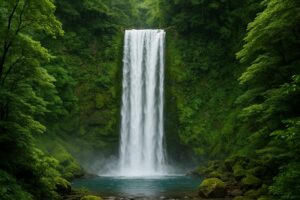
Yakushima’s heavy rainfall feeds some of Japan’s most spectacular waterfalls, which are fantastic to visit by car, offering a refreshing change of scenery from hiking. Oko-no-taki Falls, in the southwest, is an absolute powerhouse. It ranks among Japan’s top 100 waterfalls, and it’s easy to see why. The 88-meter cascade plunges down a sheer cliff into a deep pool below. What sets it apart is that you can walk right up to the base, feeling the powerful spray on your face and hearing the thunderous roar of the water — a raw display of nature’s force. On the opposite side of the island, near the town of Anbo, is Senpiro-no-taki Falls. This waterfall provides a completely different experience. You observe it from a dedicated viewing platform that reveals its impressive scale. The water doesn’t simply fall — it slides down and through a massive, V-shaped granite monolith that it has carved over millennia. The immense size of the surrounding rock formation is breathtaking. It’s a geological wonder and a testament to the persistent, patient power of water.
Leveling Up Your Gear and Logistics: The Nitty-Gritty
Alright, so you’re excited and ready to book your ticket. But hold on, adventurer. A successful journey demands planning and the right equipment. Yakushima isn’t a place you can just show up to with sneakers and hope for the best. Getting there and navigating the island requires some logistical know-how. Think of this as your pre-mission briefing. Pay close attention, because this information is what turns a legendary trip into a frustrating ordeal.
Getting to the Island: Your Gateway to a Different World
Yakushima is an island, so you have two main ways to arrive: by air or by sea. Flying is the quickest and easiest option. Direct flights are available from Kagoshima, Fukuoka, and Osaka. The flight from Kagoshima takes just 30 minutes, offering stunning aerial views of the island as you descend. It’s pricier but saves you lots of time. The more popular and budget-friendly choice is traveling by sea from Kagoshima. You’ve got two options here: the high-speed jetfoil, known as the “Toppy” or “Rocket,” takes about 2-3 hours and generally provides a smooth ride, though it can be rough in choppy waters. Pro tip: book your tickets early, especially during busy times like Golden Week or summer, as they sell out quickly. The other choice is the slow car ferry, the Ferry Yakushima 2, which takes around 4 hours. It’s cheaper, allows you to bring a car onboard, and you can walk around on the deck. If you’re prone to seasickness, this slower ferry might be more comfortable. Whichever method you pick, crossing the water feels like a true transition, leaving the mainland behind as you head toward a magical destination.
Getting Around the Island: Transportation IRL
Once you arrive, you’ll need a way to get around. Let’s be honest: renting a car is the undisputed best option. Public transport exists, but buses are infrequent and don’t reach all the spots you’ll want to visit. Having your own vehicle gives you ultimate freedom to explore at your own pace, chase waterfalls, stop for spontaneous scenic views, and keep to your own schedule. Book your rental car well in advance, as they go fast. Driving on the island is an adventure in itself—the roads are narrow and winding, and you’ll share them with deer and monkeys, so drive carefully and stay alert. If renting a car isn’t feasible, the bus system is your next best bet. Yakushima Kotsu runs routes connecting main towns and trailheads. You can buy a multi-day bus pass (the “Free Pass”), which is a good deal if you plan to use the bus frequently. Just be sure to grab a timetable and plan your days carefully, since missing a bus could mean a long wait. For major hikes like Jomon Sugi, consider joining a guided tour. Many local companies provide packages including transport to the trailhead, rental gear, a bento lunch, and a knowledgeable guide. This greatly reduces stress and lets you focus on the experience.
What to Pack: Your Essential Gear List
Your gear can make or break your Yakushima trip, so don’t cut corners on quality. The absolute must-have is top-notch rain gear— a waterproof and breathable (think Gore-Tex) jacket AND pants. Cheap plastic ponchos won’t suffice. The rain here can be heavy and relentless, and being wet and cold in the mountains is not only miserable but dangerous. A waterproof cover for your backpack is also crucial to keep your belongings dry. Footwear is just as important: bring sturdy, well-broken-in hiking boots with solid ankle support and excellent traction. The trails are rugged, uneven, and often slippery with water and moss. Leave your trail runners and sneakers for city use. After that, dress in layers. The weather can change quickly, and temperatures at sea level vary greatly from those high up on the mountain trails. A fleece or synthetic insulated jacket works well under your rain shell. Other essentials include a headlamp (important for early starts on the Jomon Sugi hike), a reusable water bottle or hydration system, high-energy snacks, a small first-aid kit, and sunscreen. And don’t forget a key yet often overlooked item for long hikes: a portable toilet kit. With very few toilets in the forest, you’ll need to carry out everything you bring in, including human waste, to help preserve the pristine environment.
The Culture and Lore of Yakushima
To truly appreciate Yakushima, you need to recognize that it is more than simply a beautiful forest. This is a profoundly sacred place, rich in history, spirituality, and a distinctive island culture. The island’s identity is deeply intertwined with its mountains and trees, which have served as both a source of life and reverence for centuries. Exploring this lore adds a new dimension to your hikes, turning them from mere physical activity into a spiritual journey.
More Than Just a Forest: A Sacred Space
For centuries, the people of Yakushima have practiced a form of Shinto-Buddhist mountain worship called sangaku shinko. The towering inland mountains are believed to be the home of the kami, or gods. The ancient Yaku-sugi trees are more than just plants; they are regarded as sacred beings, vessels of spiritual energy, and physical embodiments of the divine. Walking through these forests feels like passing through a natural cathedral. This reverence permeates the island’s atmosphere. You’ll find small shrines hidden along the trails, and you’ll experience a shared sense of respect and calm among fellow hikers. This sacredness also has a complicated history with industry. During the Edo Period, Yakushima’s cedar was heavily logged to make roof shingles for temples in Kyoto and Osaka. Yet the loggers showed deep respect for the forest, selectively harvesting trees and performing rituals to honor the mountain gods. This history of both exploitation and reverence has forged the island’s conservationist spirit. The effort to protect the remaining ancient forests led to its National Park status and eventual recognition as a UNESCO World Heritage site. Knowing this history makes the sight of a 3,000-year-old tree even more awe-inspiring—it is truly a survivor.
Island Life: The Local Vibe
Life on Yakushima follows a different rhythm. The main centers of civilization are the port towns of Miyanoura in the north and Anbo in the south. These are where most accommodations, restaurants, and rental shops are located. Don’t expect a bustling city atmosphere; these communities are quiet and laid-back, with lives centered on the sea and the mountains. The locals take great pride in their island and are generally warm and welcoming, though their lifestyle remains refreshingly simple and unpretentious. Be sure to explore the local food scene. Yakushima offers some distinctive culinary treats. You must try tobiuo (flying fish), often served fried whole, fins and all, creating a dramatic and tasty dish. The island is also renowned for its citrus fruits, especially the sweet, juicy tankan and ponkan oranges. For those who enjoy spirits, the local shochu, Mitake, is a must. Engaging with the local culture, even briefly through dining at a family-run restaurant or shopping in a local store, deepens your appreciation of Yakushima as a vibrant, living community rather than just a tourist spot.
Chill Out and Recharge: Your Post-Hike Recovery
After pushing your body to its limits on the trails, you’ve definitely earned some serious rest and relaxation. Yakushima offers truly remarkable ways to ease your aching muscles and recharge your energy. The recovery phase is just as vital as the journey itself, and on this island, it can be equally magical. From natural hot springs bubbling up along the shoreline to tranquil beaches ideal for a leisurely afternoon, the island provides the perfect cooldown after your adventure.
Onsen by the Ocean: The Ultimate Cooldown
Yakushima boasts some of the most unique onsen (hot spring) experiences across Japan. The highlight is the Hirauchi Kaichu Onsen, a natural hot spring located literally in the ocean. These rock pools are accessible only for a few hours each day during low tide, when hot spring water rises from beneath the seabed and blends with seawater to form a perfect bath. Soaking in these rustic pools with waves crashing on nearby rocks is an absolutely surreal and unforgettable experience. A heads-up: these are wild, natural onsen with no changing rooms, and they are mixed-gender. While some wear a towel, traditional etiquette calls for bathing nude. It’s a very back-to-nature experience. If that’s too rustic for you, the Onoaida Onsen is another excellent option. This is a more conventional public bathhouse with indoor pools known for their high alkalinity and sulfur content. The water feels incredibly smooth and is reputed to have strong healing properties. Sinking into the steaming water after a long day of hiking is pure bliss—your muscles will thank you.
Beach Hopping and River Play
While the forests often steal the spotlight, Yakushima’s coastline is stunning and well worth exploring. Nagata Inakahama Beach on the northwest coast is a beautiful stretch of golden sand and one of the most important nesting sites for loggerhead sea turtles in the North Pacific. During nesting season (May to July), you can join guided nighttime tours to respectfully watch the turtles come ashore to lay their eggs. It’s a powerful and moving sight. By day, it’s a lovely beach for walking or swimming in the turquoise waters. For a different type of water activity, try exploring the island’s rivers. The Anbo and Miyanoura rivers feature incredibly clear, calm water, perfect for kayaking, stand-up paddleboarding, or simply finding a quiet spot for a refreshing swim. Paddling upriver offers a unique view of the forest, allowing you to glide silently through the lush greenery, far from the hiking trails. It’s a peaceful, meditative way to connect with the island’s aquatic spirit.
Final Boss Tips for Your Yakushima Quest
You have the information and know the quests. Before setting off, here are a few final, essential tips to ensure your adventure is a resounding success. These small details make a big difference—wisdom passed down from adventurers who have walked this path before you. Follow this advice, and you’ll be prepared for whatever the island throws your way.
When to Go
Choosing the right time to visit Yakushima can greatly influence your experience. Spring (March to May) and Autumn (October to November) are generally regarded as the best seasons. The weather is milder, humidity is lower, and crowds are somewhat smaller than in peak summer. Spring offers blooming cherry blossoms and fresh greenery, while Autumn brings clear, crisp air and stable weather. Summer (June to September) is the busiest time. It’s hot and extremely humid, and also typhoon season, which can disrupt travel plans. However, the forest is at its most vibrant and lush then. Winter (December to February) is the quietest period. The lowlands remain mild, but the high mountains will be snow-covered, making trails like Jomon Sugi inaccessible without serious mountaineering gear. It’s an excellent time to avoid crowds and stick to lower-elevation activities.
Stay Hydrated & Fueled
This may seem obvious, but it’s especially important on Yakushima. The humidity means you’ll sweat a lot, even if it doesn’t feel like it. You’ll lose fluids and electrolytes quickly. Bring more water than you think you’ll need. The mountain water is famously pure, and many guides say it’s safe to drink from streams, but it’s always best to treat it or use a filter. Equally vital is keeping your energy up. Hiking here burns a huge number of calories. Pack plenty of high-energy snacks like nuts, energy bars, and chocolate. For the Jomon Sugi trek, ordering a special hiker’s bento (lunch box) from your hotel or a local shop is a classic move. It’s a delicious and culturally authentic way to refuel mid-quest.
Respect the ‘Aina
This island is a World Heritage site for good reason. It’s a fragile and precious ecosystem. As visitors, it’s our responsibility to leave it as we found it—or better. Follow Leave No Trace principles meticulously. Carry out everything you bring in, including all food wrappers, tissues, and even fruit peels. Stay on designated trails to avoid damaging the delicate moss and soil. Never feed the wildlife; it harms their health and makes them reliant on humans. Be considerate with your noise level. People come here seeking peace and tranquility. Keep your voice down and listen to the forest’s sounds. We are guests in a sacred place; behave accordingly.
How Long to Stay
Don’t rush Yakushima. It’s not a destination for a quick weekend trip. To truly appreciate it, allocate at least three full days. This lets you tackle one major hike (like Shiratani Unsuikyo), explore waterfalls and other sights by car, and have some downtime. Ideally, spend four or five days. This provides a buffer day in case of bad weather (which is quite likely), enables you to complete both a major and a minor hike without exhaustion, and allows time to fully absorb the island’s relaxed pace. Rushing through is the wrong approach; Yakushima’s magic unfolds when you slow down.
The Adventure Never Really Ends
You don’t simply leave Yakushima; you carry it with you. The memory of the lush green, the sensation of misty air on your skin, the awe-inspiring scale of a tree that has stood for thousands of years—it remains with you. It shifts your perception of time and your place in the world. It’s more than just a collection of photos for your feed; it’s a feeling etched into your soul. You return to the so-called “real world” with a renewed outlook, a deeper respect for the wild, untamed parts of our planet and the need to protect them. It’s undoubtedly a challenging place. It will test your body and spirit. It will soak you in rain and make your muscles ache. But the reward is something pure and profound. It’s the sensation of connecting with something ancient, powerful, and genuinely alive. So, if you want more than just a vacation, if you’re ready for a journey that will truly transform you, then start planning. The spirit of the forest awaits.