Yo, what’s the scene? Let me drop you into a world painted in monochrome, a place where the sky unloads pillows of the lightest, driest snow you’ll ever lay an edge on. We’re talking about Japan, the land of the rising sun and, more importantly for us, the land of the falling powder. They call it “Japow,” a term whispered with reverence in lift lines from Whistler to Chamonix. It’s not just hype; it’s a meteorological miracle, a cultural phenomenon, a full-body sensory experience that redefines what you think you know about snowboarding and skiing. Forget everything you’ve been told about a “deep day.” Japan operates on a different scale. Here, deep is the baseline. It’s a place where you need a snorkel for your snowboard, where you vanish into a white room of pure bliss on every single turn. This isn’t just about the epic shredding, though. It’s about the entire vibe. It’s the contrast of charging through silent, snow-caked birch trees all day and then soaking your soul in a steaming, ancient onsen at night. It’s about refueling with a bowl of ramen so good it feels like a hug from the inside. It’s a journey into a different kind of winter, one that gets into your bones and stays there long after the snow has melted off your boots. This is a guide to that feeling, to chasing the storm and finding the soul of winter in the heart of Japan.
To fully immerse yourself in this winter wonderland, it’s helpful to understand the broader context of Japan’s tourism boom.
The Legend of the White Gold: What’s the Deal with Japow?
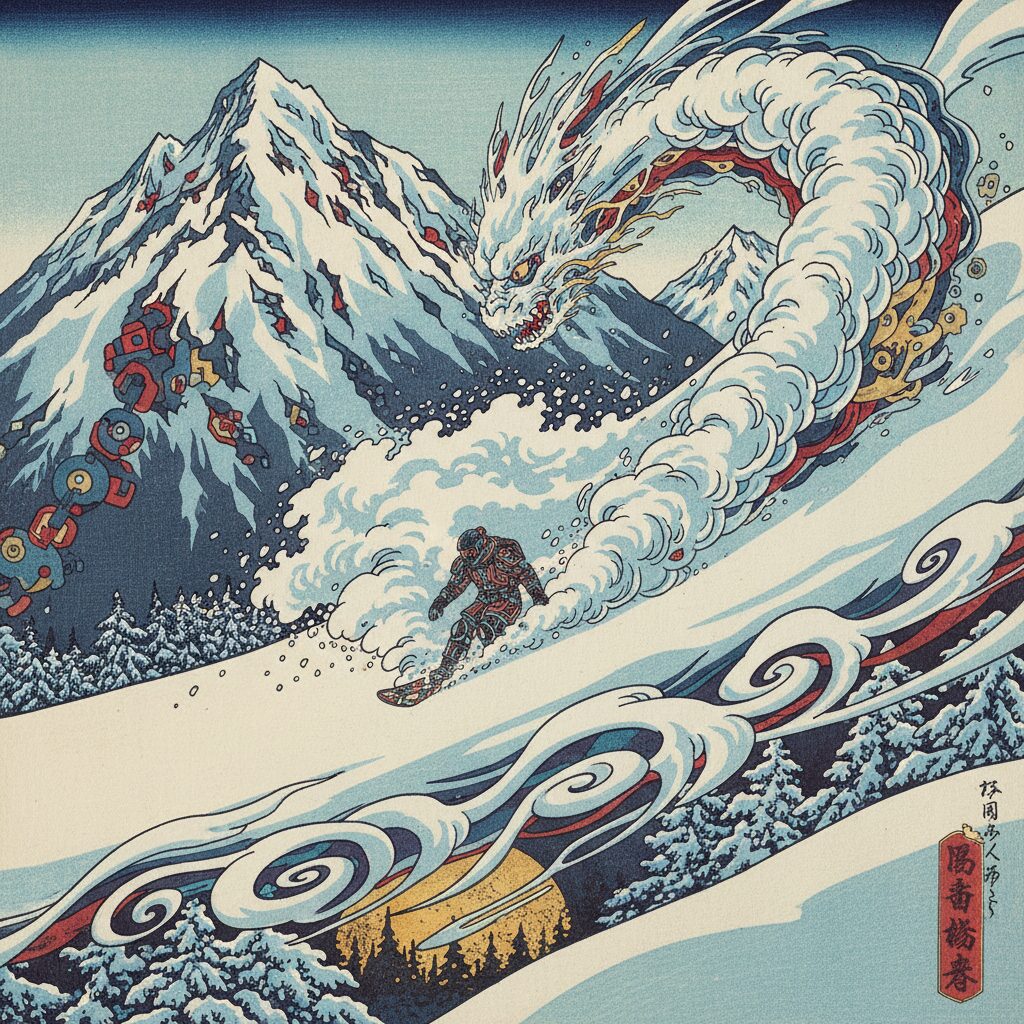
So, why is the snow here unbelievably good? It’s not magic, it’s meteorology, but it sure feels magical. It all comes down to a perfect storm, quite literally. Bitterly cold, arctic air blasts across Siberia, forming an ultra-cold, super-dry mass of pure winter. As this air moves over the relatively warm Sea of Japan, it becomes greedy, absorbing a massive amount of moisture like a sponge. Then, when this moisture-heavy air reaches the mountain range running along Japan’s islands—from northern Hokkaido down to the central peaks of Honshu—it’s forced to rise. As it rises, the air rapidly cools and releases all that moisture. Because the air is so cold, the snowflakes that form are incredibly light and dry. This isn’t the heavy, wet concrete snow you might find elsewhere. This is sea-effect snow, famed for its low water content. It’s effortless. It’s bottomless. It’s the kind of snow that flies up and over your head, engulfing you in a silent, weightless burst with every turn. It feels like floating, like surfing on a cloud. The storms are relentless, especially in January and February, with resorts often hit by over a meter of fresh snow within 24 hours. The snow keeps piling up, wiping the slate clean every single night. You don’t go to Japan hoping for a powder day; you go expecting a powder week.
Hokkaido: The Powder Kingdom
When people think of Japow, their minds typically jump straight to Hokkaido, Japan’s northernmost island. This region is the epicenter, the main stage, and the undisputed king of deep snow. The sheer volume of snowfall here is astonishing, and the quality is consistently world-class. It’s a genuine winter wonderland, a paradise for anyone who loves gliding on snow.
Niseko United: The International Pow-Star
Niseko is the big name you see in all the ski films. It’s a massive resort complex comprising four interconnected areas: Grand Hirafu, Hanazono, Niseko Village, and Annupuri. All can be accessed with a single pass, offering a ridiculously vast playground to explore. The atmosphere in Hirafu, the main town, is electric. It’s a bustling hub full of Aussies, Kiwis, and Europeans, making it easy to find a flat white coffee or a craft beer. It’s the most westernized of Japan’s resorts, making it super friendly for first-timers.
Now, about the riding: the terrain is diverse, ranging from gentle groomed runs to steep bowls. The real highlight is the gate-accessed backcountry. Niseko has a progressive policy of opening gates along the resort boundary, giving access to insane off-piste terrain when conditions are safe. Dropping into Strawberry Fields or Mizuno no Sawa on a powder day is a near-religious experience. The tree skiing is legendary – perfectly spaced white birch trees create a natural slalom course. Then there’s night skiing, or “naitaa.” Riding under massive stadium lights while huge, fluffy flakes fall is surreal and unforgettable. Niseko is absolutely buried in snow, averaging about 15 meters each season. It’s a snow machine.
Rusutsu: The Tree-Skiing Funhouse
Just beyond the mountain from Niseko is Rusutsu. If Niseko is the international rockstar, Rusutsu is the cool underground artist beloved by insiders. It receives as much snow as Niseko, if not more, but with far fewer crowds. The resort spans three mountains: West Mountain, East Mountain, and Mt. Isola. The atmosphere is somewhat quirky; it’s attached to an amusement park, complete with a roller coaster that quietly rests under the winter snow. It’s wonderfully odd.
The terrain is where Rusutsu really excels. Its tree skiing might be the best in the world. The woods are perfectly gladed, with rolling gullies, natural half-pipes, and endless pillow lines transforming the entire mountain into a giant, natural terrain park. You can spend all day exploring countless tree lines without ever getting bored. Backcountry access is also excellent, with epic runs off Mt. Isola’s back. It’s pure, unfiltered fun.
Furano: The Bluebird Pow Day Specialist
Deeper into the heart of Hokkaido lies Furano. This resort has a much more traditional Japanese vibe. It’s a real working town, not just a resort village, giving it a more authentic feel. Furano sits within Hokkaido’s ‘powder belt,’ but because it’s further inland, the weather tends to be clearer. That means better chances of scoring one of snowboarding’s holy grails: a bluebird powder day, with deep, fresh snow beneath a brilliant blue sky.
Furano has two primary zones, Furano and Kitanomine, connected at the top. It’s famous for long, immaculately groomed runs perfect for high-speed carves. But powder lovers will find plenty of hidden gems. The resort has recently opened more off-piste terrain, and its sidecountry is first-rate, featuring steep, challenging lines and deep powder stashes that hold snow for days after a storm. Furano offers an ideal blend of Japanese culture and world-class riding.
Asahidake: The Raw Soul of the Mountain
This one isn’t for the faint-hearted. Asahidake isn’t really a resort; it’s a ropeway taking you up the side of an active volcano, the highest peak in Hokkaido. There are no groomed runs, no traditional ski patrol, and no fancy lodges. There are just two marked routes serving as guides. The rest is pure, untamed backcountry. This is the real deal. You ride the ropeway alongside serious mountaineers and backcountry skiers, all equipped with full avalanche gear. The summit is an alpine zone, often wind-swept, with steam rising from volcanic vents beneath your feet. You drop in here, navigating wide-open bowls and then some of the most beautiful, pristine tree runs imaginable. The snow is the lightest, coldest smoke you’ll ever ride. A day at Asahidake is a true adventure. It demands respect, skill, and careful preparation (hiring a local guide is strongly advised), but the reward is a snowboarding experience that feels elemental and profound.
Honshu’s Powder Highway: The Alps and Beyond
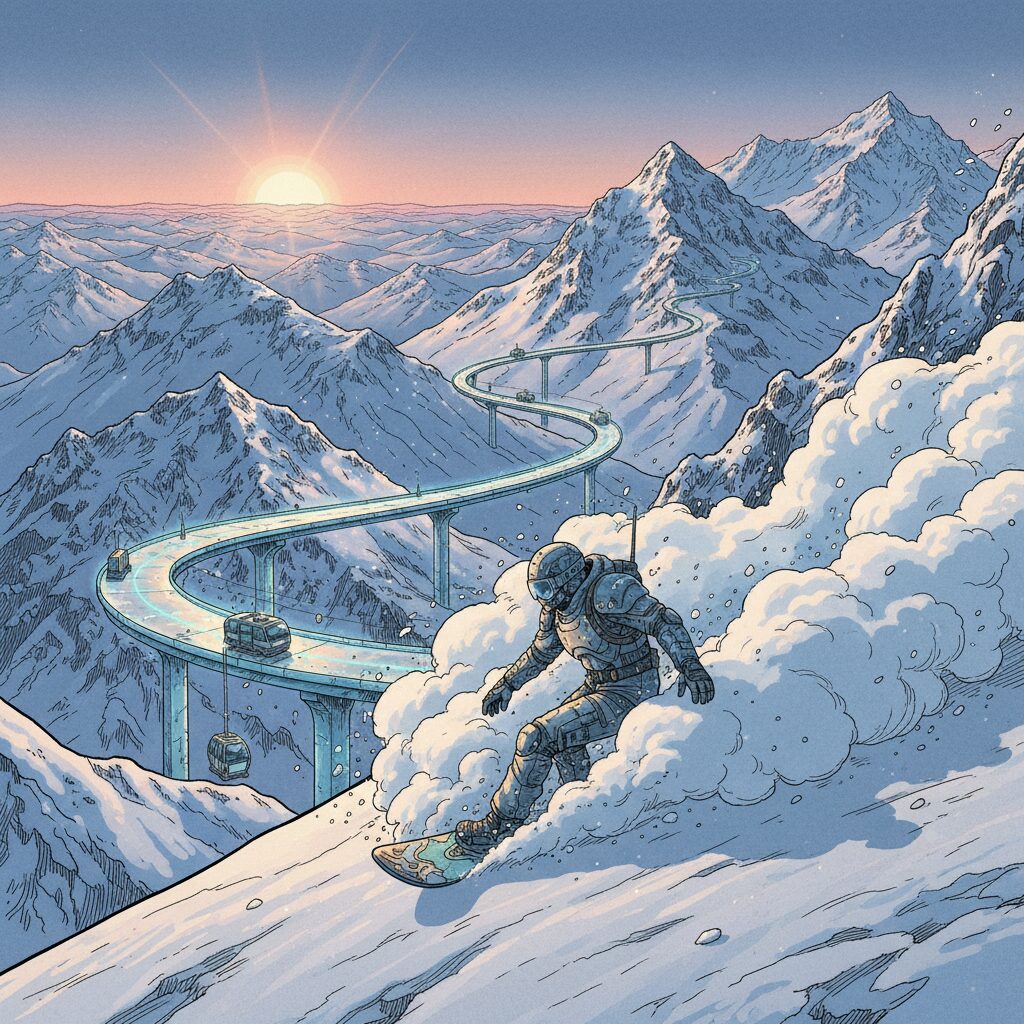
Hokkaido may receive most of the hype, but the main island of Honshu truly holds the heart and soul of Japanese ski culture. The mountains here, known as the Japan Alps, are steeper and more dramatic, with an experience deeply connected to history and tradition. The snow remains incredibly deep, often denser than Hokkaido’s but just as abundant.
Hakuba Valley: The Olympic Stage
Situated in the Northern Alps of Nagano Prefecture, the site of the 1998 Winter Olympics, Hakuba is not a single resort but a valley comprising ten distinct ski areas. Its scale is vast, and the terrain ranks among the most challenging and spectacular in Japan. The main town has a lively, international atmosphere, similar to Niseko but with a more rugged, mountain-town vibe. The backdrop is stunning, with jagged peaks rising over 3,000 meters.
Happo-one (pronounced Happo-on-eh) is the largest and most well-known resort, home to the Olympic Downhill course. Its upper slopes provide steep, open alpine terrain rarely found in Japan. At the far end of the valley, Cortina is a powder hunter’s legend, receiving the most snowfall due to its location and boasting a famously relaxed tree skiing policy. A storm day at Cortina, carving through the incredibly deep trees, is a dream come true. Other resorts such as Hakuba 47 and Goryu feature excellent parks and diverse terrain, while Tsugaike is ideal for beginners and offers fantastic, mellow backcountry access. Hakuba delivers endless variety and some of the most challenging big-mountain terrain in the country.
Nozawa Onsen: Ride, Soak, Repeat
This place is pure magic. Nozawa Onsen offers a quintessential Japanese experience, perfectly blending incredible skiing with traditional culture. The resort features a single large mountain with diverse terrain, ranging from the 10km-long Skyline run to the intensely steep Challenge 39° wall. Powder is plentiful, and pockets of exceptional tree skiing can be found throughout. But the true highlight is the village itself. It’s a charming, historic onsen town with narrow cobblestone streets lit by lanterns, steam rising from canals, and public hot spring houses scattered about. There are 13 free public onsen (soto-yu) throughout the village. The tradition is to ski hard all day, then go onsen-hopping in the evening, soaking tired muscles in the restorative, mineral-rich volcanic waters. It’s an unbeatable daily ritual. The town is also renowned for the Dosojin Fire Festival, held every January 15th, a wild and fiery event that must be seen to be believed.
Myoko Kogen: The Undisputed Deep End
If you’re solely after the deepest snow imaginable, Myoko Kogen in Niigata Prefecture is the place to go. This area is a snow magnet, regularly recording some of the highest snowfall totals worldwide. We’re talking base depths of five, six, even seven meters – it’s extraordinary. Myoko consists of several resorts, with the main ones being Akakura Onsen, Akakura Kanko, Suginohara, and Ikenotaira. The atmosphere is more old-school and authentically Japanese. Akakura Onsen village is a fantastic, down-to-earth base. The snow here is often called “Myoko Heavy,” a bit denser than Hokkaido’s powder but still incredibly fun and surf-like. The tree skiing is exceptional, especially at Suginohara and the sidecountry at Seki Onsen, a small, cult-favorite resort nearby. Myoko is for purists—those willing to trade a bit of polish for an authentic experience and unimaginably deep powder.
The Après-Ski Revolution: Onsen, Izakayas, and Umami
In Japan, what you do after unstrapping your skis is just as important as the skiing itself. The après-ski culture here isn’t about loud Euro-pop or dancing on tables in ski boots. Instead, it offers a deeper, more restorative, and infinitely more delicious experience.
Onsen Culture: The Art of Soaking
Though I’ve mentioned them before, the onsen deserves a dedicated exploration. These natural hot springs are a vital aspect of Japanese culture. Bathing in an onsen isn’t just about cleanliness; it’s about healing, relaxation, and connecting with nature. The ultimate experience is soaking in a rotenburo—an outdoor bath—while thick, fluffy snowflakes drift down, melting on your face as the volcanically heated water eases your sore muscles. It’s a moment of pure zen.
There is some etiquette to follow. First, modesty is left at the door; bathing suits are prohibited. You’ll receive a small towel used for washing and can place it on your head while soaking, but it must never touch the onsen water. Before entering the main bath, you are required to thoroughly wash your entire body at the washing stations provided. The onsen is meant for soaking, not cleaning. Although it might feel intimidating at first, once you embrace it, you’ll find it to be the ultimate post-skiing activity.
Fueling the Fire: The Food Scene is Alive
The food you enjoy on a Japanese ski trip alone justifies the plane ticket. It’s the perfect comfort food, ideal for refueling after a long day in the cold. Forget overpriced chili and fries at a mountain cafeteria; here, you get world-class cuisine at a fraction of the cost.
Ramen, the King of Comfort
A steaming, complex, soul-warming bowl of ramen is the official fuel of Japow. Each region boasts its specialty. In Hokkaido, you must try the rich Miso Ramen from Sapporo, often topped with sweet corn and a pat of butter. On Honshu, you might find a savory Shoyu (soy sauce) base or a porky Tonkotsu broth. Visiting a tiny, family-run ramen-ya, pulling up a stool at the counter, and slurping noodles is an essential part of the experience.
Izakaya Vibes
The izakaya is Japan’s answer to a pub or tavern. It’s a lively, informal spot for drinks and a wide range of small dishes. This is the place to gather with friends after a big day. The atmosphere is buzzing, the beer cold (try a Sapporo Classic in Hokkaido), and the sake flowing. Order a variety of plates to share: yakitori (grilled chicken skewers), karaage (Japanese fried chicken), agedashi tofu (fried tofu in savory broth), and fresh edamame. It’s social, delicious, and the perfect way to spend an evening swapping stories from the mountain.
Don’t Overlook the Curry
Japanese curry, or katsu kare, is another mountain staple. It’s a thick, savory, slightly sweet curry sauce served over rice, often topped with a crispy breaded pork cutlet. This hearty, satisfying meal will fuel you for another long day.
Dialing in the Details: Your Japow Playbook
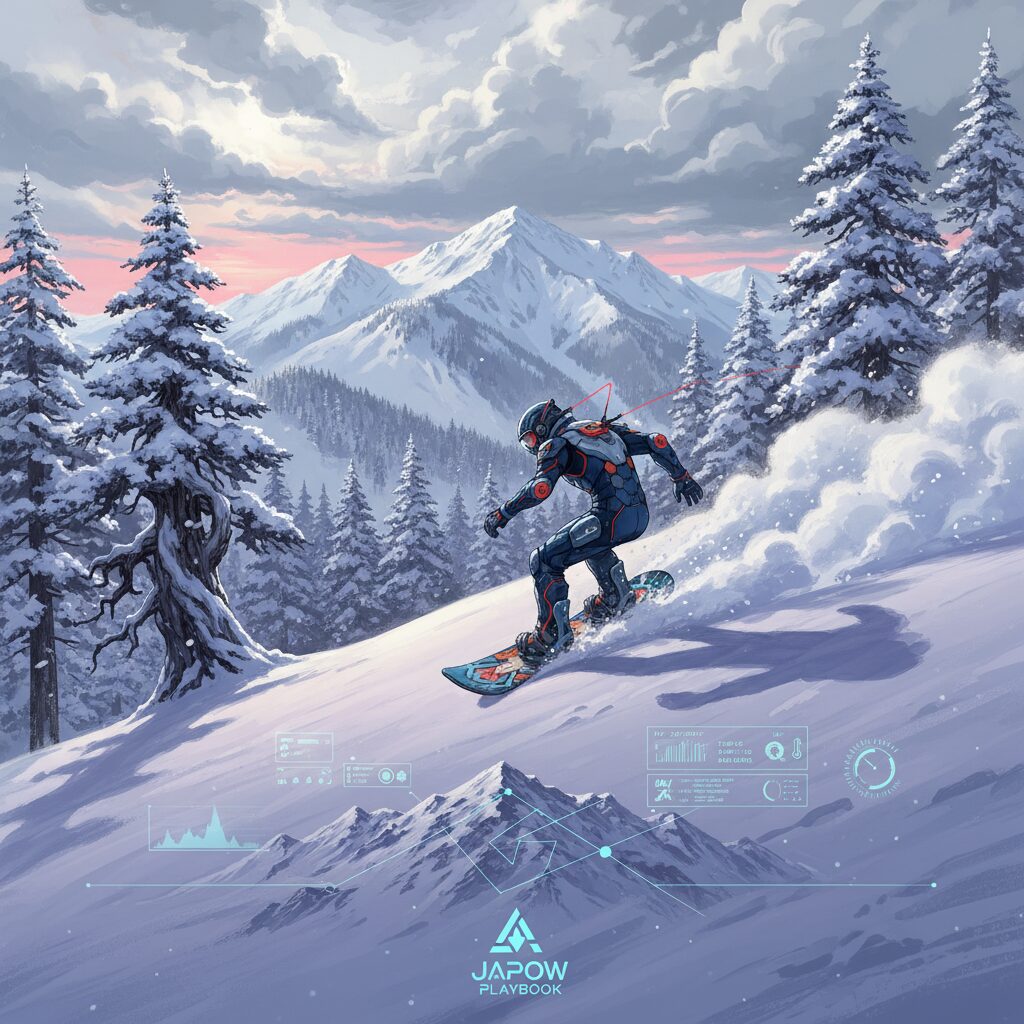
Alright, you’re pumped and ready to roll. Here’s the practical beta you need to turn your dream into reality.
Timing is Everything
For the deepest and most consistent powder, the peak season runs from late December through the end of February. January is the prime month, known for relentless storm cycles and the coldest temperatures, keeping the snow quality pristine. February remains an excellent time as well. March can be great for what’s called “spring pow,” offering a mix of powder days and sunny, bluebird skies. It’s also quieter since the peak season crowds have thinned.
Getting There and Getting Around
Japan’s public transportation system is, without exaggeration, among the best in the world—clean, efficient, and always punctual.
To Honshu
Fly into Tokyo’s Narita (NRT) or Haneda (HND) airports. From there, the Shinkansen (bullet train) is your best ally. To reach Hakuba or Nozawa Onsen, take the Hokuriku Shinkansen to Nagano. For Myoko, it’s the same line to Joetsu-Myoko station. From the train station, resort shuttle buses will transport you directly to the village. The journey itself is part of the adventure, as you watch Tokyo’s urban sprawl give way to rice paddies and then snow-covered mountains.
To Hokkaido
Fly into New Chitose Airport (CTS) near Sapporo. From there, several direct bus services will take you to Niseko, Rusutsu, or Furano. The trip takes a few hours but is comfortable and straightforward. Renting a 4WD vehicle is also a great option for those wanting the freedom to explore multiple resorts, but be prepared for snowy and icy road conditions.
Gear Up
Should you bring your own gear or rent? If you have a dedicated powder board or fat skis, definitely bring them—you won’t regret it. The snow is so deep that a standard all-mountain board will feel like a butter knife in a bathtub. Look for something with a wide nose, a setback stance, and preferably a rocker or swallowtail profile to maximize float. If you don’t own powder-specific gear, don’t worry—the rental shops at main resorts carry excellent, up-to-date equipment from top brands. It’s also crucial to have good goggles with low-light lenses since visibility can be poor during Japanese snowstorms, and the right lenses make a huge difference.
Local Tips for the Win
- Cash is King: Although Japan is high-tech, many smaller, family-run restaurants and bars in mountain towns still operate on a cash-only basis. Always carry a sufficient amount of yen.
- Konbini Life: Japanese convenience stores (konbini) like 7-Eleven, Lawson, and FamilyMart are exceptional. They’re your go-to for affordable and surprisingly tasty food like onigiri (rice balls), sandwiches, hot coffee, and beer. They also have international ATMs, which can be a lifesaver.
- Backcountry Safety: Japan’s backcountry terrain is serious business. If you plan to leave resort boundaries, you must have an avalanche beacon, shovel, and probe—and know how to use them. The snowpack can be complex. The safest and best way to experience Japan’s backcountry is by hiring a certified local guide who knows the terrain, understands conditions, and will take you to the best, safest snow.
- Learn a Little Lingo: You don’t need to be fluent, but learning a few basic phrases goes a long way and shows respect. Say Ohayou gozaimasu (Good morning), Konnichiwa (Hello), Arigatou gozaimasu (Thank you very much), Sumimasen (Excuse me / Sorry), and Oishii (Delicious!) to make your interactions smoother and more enjoyable.
The White Silence
A trip to snowboard or ski in Japan is more than just a holiday. It’s a complete cultural immersion centered around some of the best snow on the planet. It’s a journey of contrasts: the hustle of a Tokyo train station versus the profound silence of a snow-covered birch forest; the thrill of descending a steep, blind rollover and the serene calm of an outdoor onsen; the lively atmosphere of an izakaya and the quiet reverence of a mountain shrine. You arrive for the snow, but you leave with so much more. You depart with memories of the unique sensation of weightlessness, the sound of your board cutting through chest-deep powder, the taste of hot sake, and the warmth of sincere hospitality. It’s a vibe, a feeling, a rhythm that seeps into your soul. The Siberian dream is real, and it’s waiting for you. Come out and ride it.