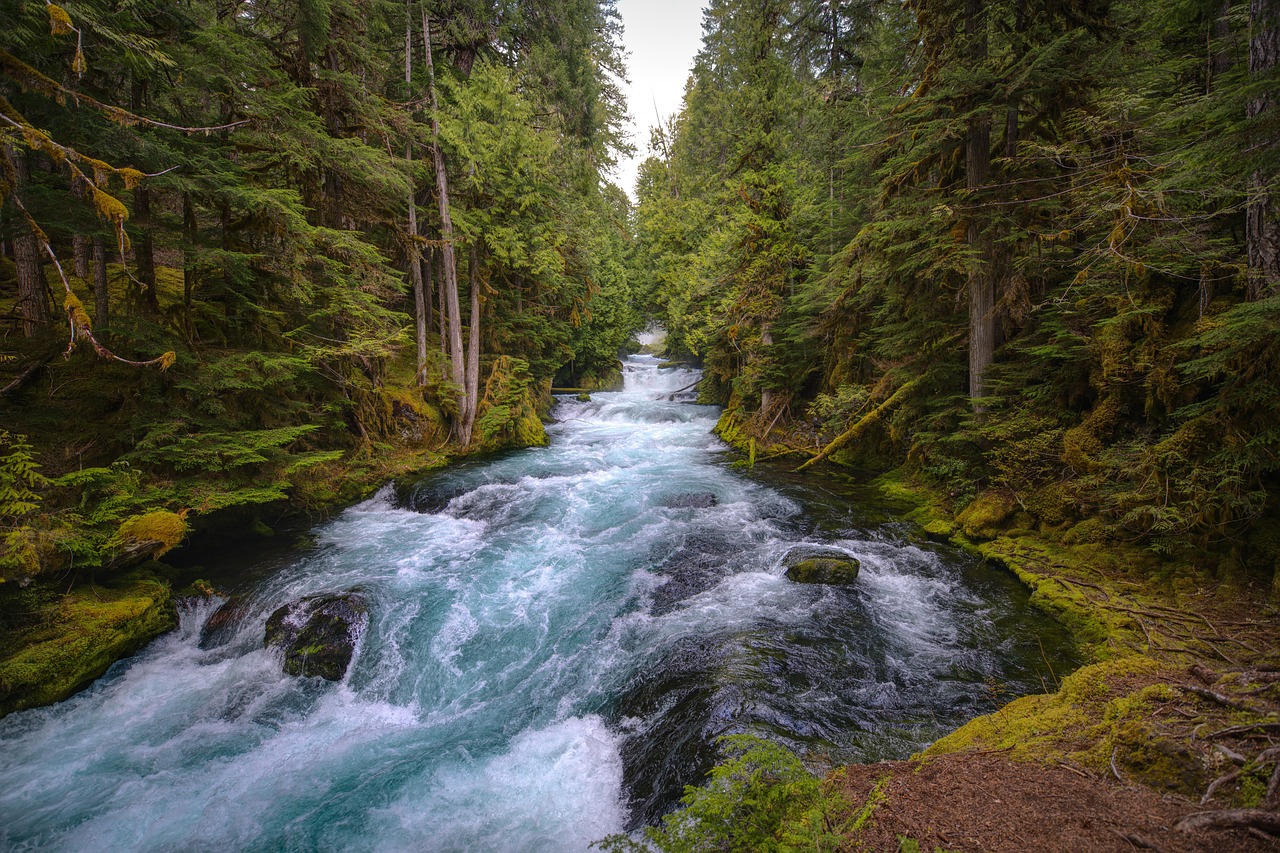
Yo, what’s up, adventure squad! Taro Kobayashi here, and I’m about to drop some serious knowledge on a place that’s straight-up magical. Forget the neon-drenched streets of Tokyo for a hot minute. We’re going off the grid, deep into the heart of Shikoku island, to a spot that’s pure, uncut Japan. I’m talking about the Shimanto River in Kochi Prefecture. This isn’t just any river; they call it “Japan’s Last Clear Stream.” Why? Because this absolute beast of a river, stretching nearly 200 kilometers, flows all the way to the Pacific without a single major dam on its main course. That’s rare. Like, unicorn-level rare in modern Japan. It means the river’s vibe is原始, its ecosystem is thriving, and the whole culture around it is on another level of real. This is where you trade your subway pass for a paddle, your high-rise view for a mountain panorama, and your frantic pace for the gentle, rhythmic flow of the water. It’s a full-on system reset. We’re talking about an escape that hits different, a journey that’s all about gliding on crystal-clear water and pedaling through emerald-green valleys. It’s about gettin’ in tune with nature’s own beat. If you’re looking for an adventure that’s both low-key chill and high-key epic, you’ve found your next destination. This is the Shimanto story, and trust me, you’re gonna want to be a part of it.
The Vibe of the Shimanto River: It’s a Whole Mood
Before you even dip a paddle into the water, you need to grasp the atmosphere here. The Shimanto region isn’t about flashy attractions. Its entire mood is subtle, immersive, and deeply soothing. The moment you step off the train and breathe in that fresh, green air, your shoulders relax. The energy is something else—slower, more intentional. The river is undoubtedly the main character of this story. It’s not a raging torrent; mostly, it’s a wide, gentle giant, winding lazily through mountains painted in a thousand shades of green. The water clarity is, no joke, incredible. On a sunny day, you can see all the way down to the riverbed, watching little fish dart among smooth, multicolored stones. It’s like peering into an aquarium, but stretched across a 196-kilometer natural masterpiece.
What truly defines the landscape, though, are the chinkabashi. These submersible bridges are iconic to Shimanto. At first glance, they look a bit bare—low, concrete bridges with no railings. It might seem a little sketchy, right? But there’s clever design at work. When the river floods during typhoon season, a regular bridge would act like a dam, trapping debris and eventually being destroyed by the immense pressure. Chinkabashi, however, are built to let the river flow right over them. They sink beneath the floodwaters and emerge unscathed when the water goes down. There are 47 of these structures along the main river, each offering a unique view, a perfect photo opportunity, and a small thrill as you cycle or walk across, with water flowing just inches beneath your feet. They embody the local philosophy: don’t fight nature, work with it. Live in harmony with its flow. That’s the heart of the Shimanto experience. It’s in the quiet mornings when mist clings low over the water, in the buzz of cicadas on a hot summer afternoon, and in the profound silence of a star-filled night, far from any city lights. It’s a sensory journey that lingers long after you’re gone.
Gettin’ on the Water: Kayak Life is the Best Life
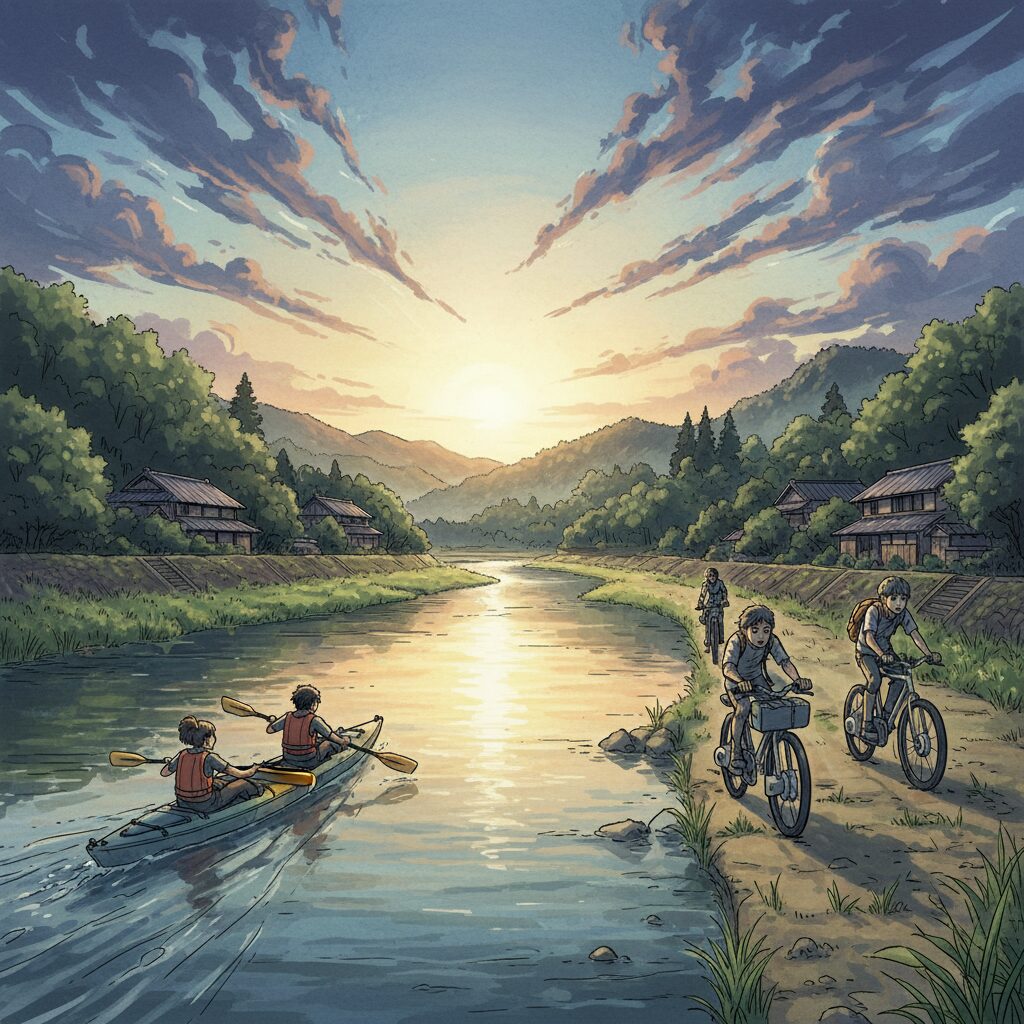
Alright, let’s dive into the main event: kayaking the Shimanto River. This is, without a doubt, the best way to truly connect with its spirit. There’s something deeply calming about being at water level, powering yourself forward, moving in harmony with the current. The river offers stretches suitable for everyone—from complete beginners who’ve never held a paddle to experienced adventurers seeking a multi-day expedition. The lower and middle sections, especially around Shimanto City (formerly Nakamura), are wide, gentle, and perfect for a relaxing afternoon paddle. You can glide for hours, simply taking it all in.
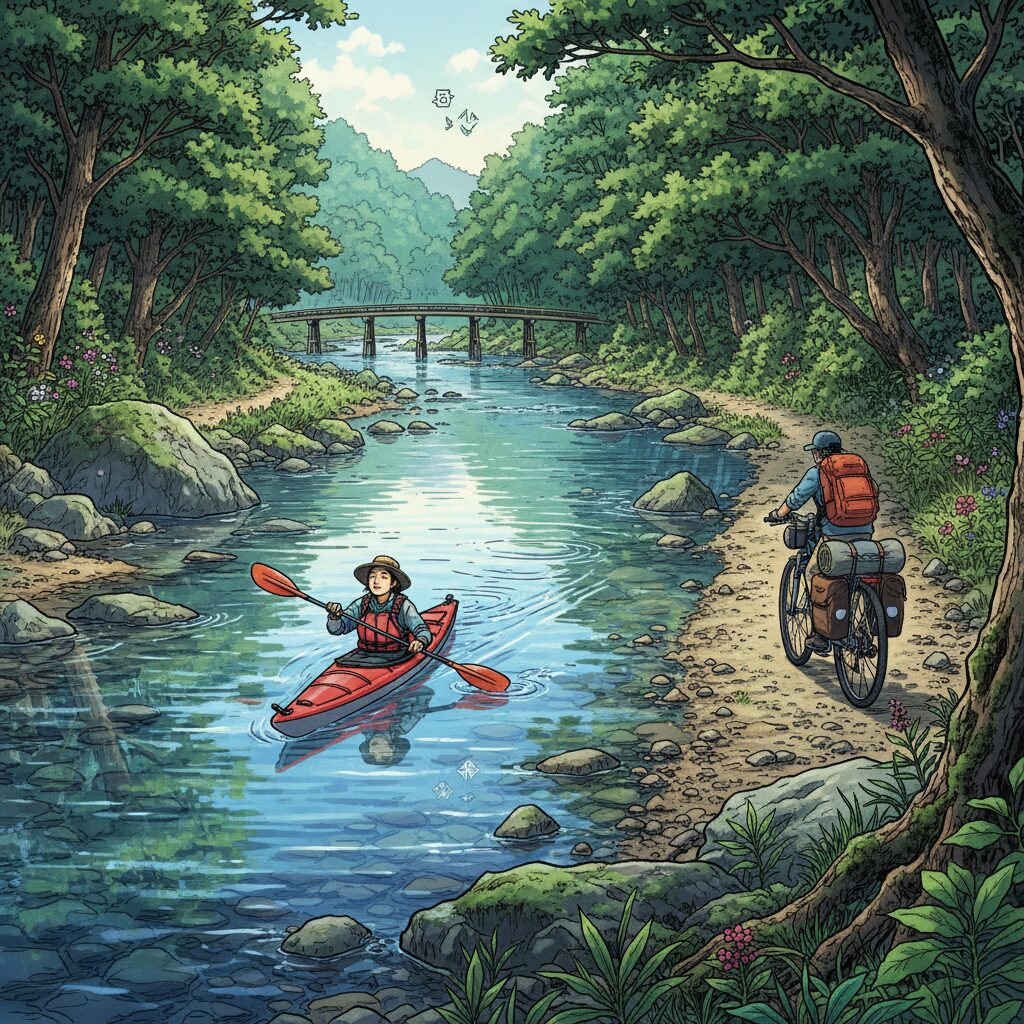
Picture this: you launch from a grassy bank, your kayak wobbling momentarily before steadying. The only sounds are the soft splash of your paddle cutting the water, a hawk’s call soaring overhead, and the faint buzz of life from a riverside village. As you drift along, you blend into the landscape. You’ll glimpse local fishermen on the banks, patiently waiting for a catch, their reflections mirrored perfectly in the water. Passing beneath the famed chinkabashi, you get a rare, low-angle perspective that makes these bridges look even more impressive. In the shallow areas, you can peer over the side and spot schools of ayu (sweetfish) shimmering beneath the surface. You’ll find a small, pebbly beach where you can pull ashore, relax, grab a snack, or even take a refreshing dip on a hot day. It’s pure freedom.
For those seeking more adventure, the river’s upper reaches offer a narrower valley and a slightly faster current. It’s wilder, more remote, and the sensation of being deep in the mountains is incredible. You can embark on multi-day camping trips, paddling from one campsite to another and sleeping beneath the stars. It’s the ultimate escape.
So, how do you make it happen? It’s surprisingly simple. Along the river, especially in hubs like Ekawasaki and Shimanto City, you’ll find tour operators and rental shops. For beginners, I highly recommend a guided tour. The local guides are incredible—they know the river intimately, every current, every secret spot, every perfect place to swim. They’ll provide all the gear (kayak, paddle, life jacket) and a quick lesson before you hit the water. If you’re more confident, you can rent gear and go solo, but always check river conditions first. The best seasons are spring and autumn for ideal weather and breathtaking scenery—cherry blossoms or vibrant fall leaves. Summer is prime for that paddle-and-swim combo, which is unbeatable. Just remember the essentials: sunscreen, a hat, plenty of water, and a waterproof bag for your phone and snacks. Get ready to find your flow.
Two-Wheel Freedom: Cycling the Riverbanks
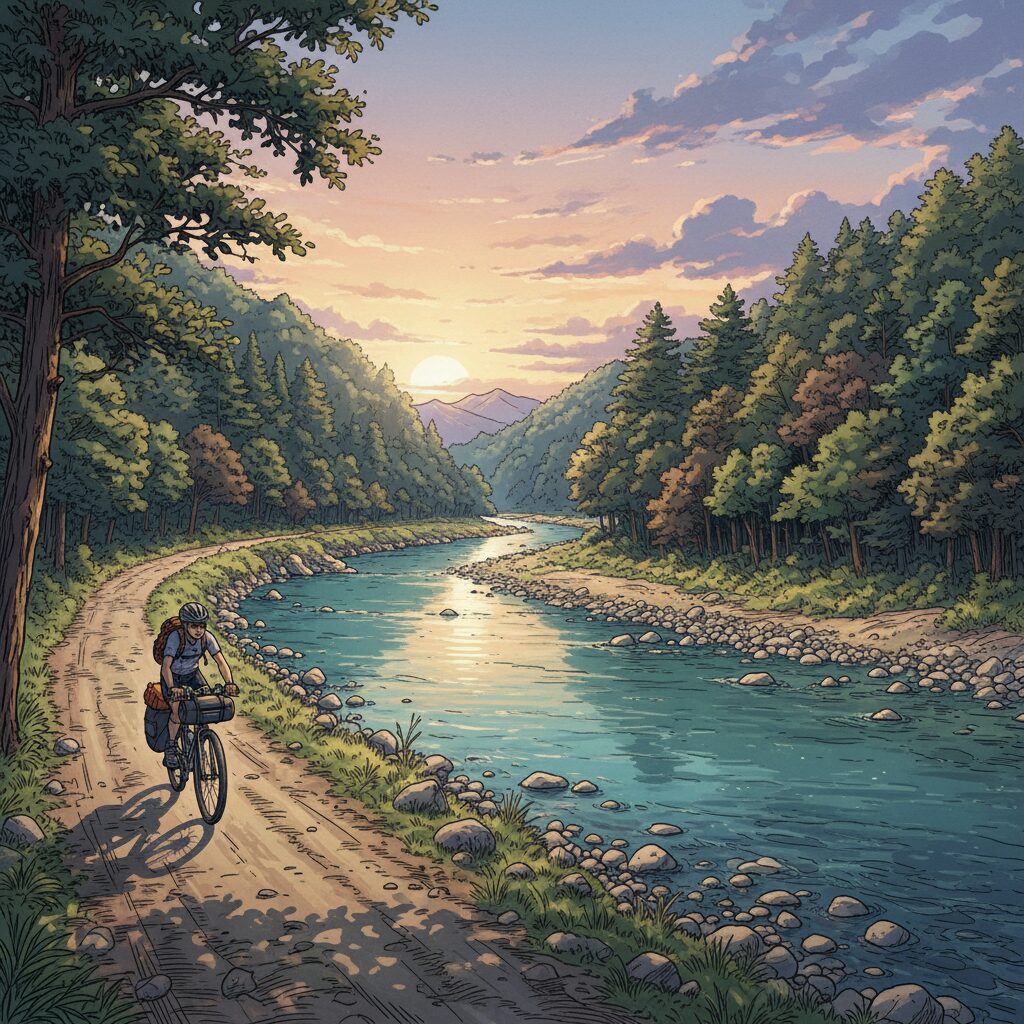
If kayaking means becoming one with the river’s flow, then cycling is about discovering its world. The Shimanto area is a cyclist’s paradise. The terrain along the riverbanks is fairly flat, with well-maintained roads and dedicated cycling paths, often called “Shimanto Greenways,” tracing the river’s winding course for miles. This isn’t an intense, mountain-conquering Tour de France challenge. It’s leisurely, scenic cycling at its finest—feeling the breeze, smelling wildflowers, and enjoying the freedom to stop whenever and wherever you please.
Cycling here offers a completely different perspective. You can cover much more ground than on foot, allowing you to witness the transition from the wide, open lower reaches near the Pacific coast to the more intimate, valley-surrounded middle reaches. The highlight of cycling in Shimanto is, of course, crossing the chinkabashi. Riding over these rail-less bridges is exhilarating. You feel fully exposed to the elements, with the river flowing right beside you. It’s a fantastic photo opportunity and a perfect moment that embodies the spirit of this place.
Your cycling adventure can be whatever you want it to be. You might choose a short, two-hour ride to nearby bridges and a local café, or turn it into a full-day excursion with a packed bento box aimed at a distant viewpoint. The route is sprinkled with charming discoveries—terraced rice paddies climbing the hillsides, tiny Shinto shrines nestled in groves of trees, and sleepy villages where time seems frozen. You’ll wave to friendly locals tending their gardens and stop at roadside stalls to pick up fresh, local citrus. These small, unscripted moments are what make the trip truly memorable.
Getting started is easy. Rental shops are abundant, especially near main access points like Nakamura Station. Here’s a pro tip: opt for an e-bike. While riverside paths are mostly flat, roads leading away from the river can have gentle hills. An e-bike, or denki-jitensha, makes the whole experience effortless and far more enjoyable, letting you focus on the scenery instead of struggling uphill. With a good battery range, you can explore all day without worrying about power. Just grab a map from the tourist information center, plan a loose route, and let the river be your guide. It’s an unforgettable way to connect with the land and its people.
Digging Deeper: The Culture and the Flow
To truly appreciate the Shimanto River, you need to recognize that it’s more than just a beautiful spot for recreation. For generations, it has been the lifeline of the communities along its shores. The culture here is deeply intertwined with the river’s rhythms, its floods, and its abundance. This bond gives the area an authentic, vibrant spirit. The fact that the river flows freely, unimpeded by any massive dam, has preserved not only an ecosystem but an entire way of life.
This living culture is visible everywhere. If you look closely along the riverbanks, you might witness traditional fishing methods in practice. Fishermen continue to use techniques passed down through centuries. There’s hiburi-ryo, a striking nighttime fishing method where flaming torches are used to startle ayu (sweetfish) into nets. Another is shibazuke, where bundles of branches are submerged in the water to create habitats that attract river eels (unagi) and prawns, which are then harvested. This isn’t a tourist show; this is how locals sustain themselves.
And speaking of the food, the local cuisine is exceptional. The Shimanto’s bounty is a paradise for food lovers. You simply must try the local unagi. Grilled over charcoal and brushed with a sweet and savory glaze, it’s tender, flavorful, and incredibly delicious. The ayu, or sweetfish, is another essential tasting—often salted and grilled whole on a skewer, its delicate flavor is said to evoke watermelon. Then there’s the truly local delicacies like aonori, a type of green seaweed growing on riverbed rocks. It’s harvested, dried, and used as a topping that delivers an amazing burst of oceanic umami to dishes ranging from tempura to soup. Even the vegetables grown in the fertile river basin soil taste richer. Dining here isn’t just about nourishment; it’s a direct connection to the local environment. You realize that the clear water you just kayaked on is the same water that nurtures the ingredients in your meal. This profound, cyclical relationship between people, food, and the river is the Shimanto’s real magic. It stands as a powerful reminder of how nature, when honored and respected, provides for us in the most meaningful ways.
Practical Deets: How to Get There & Where to Crash
Alright, so you’re convinced about the epic adventure. But how do you actually reach this remote paradise? Shikoku might feel a bit off the beaten path, but it’s definitely accessible. The main gateway to the Shimanto area is Shimanto City, home to Nakamura Station. If you’re traveling from Tokyo or Osaka, the smoothest route is taking the Shinkansen (bullet train) to Okayama. From there, transfer to a Limited Express train, the JR Nanpu, which offers a breathtaking scenic journey through Shikoku’s mountains to Kochi City, where you can catch another train to Nakamura. The entire trip is part of the adventure. Alternatively, you can fly into Kochi Ryoma Airport (KCZ), which connects to major Japanese cities. From the airport, it’s a bus or train ride to Nakamura Station.
Once you arrive in the region, getting around is your next hurdle. The Shimanto River valley is vast. While the trains take you to main hubs, renting a car gives you full freedom to explore every hidden corner, chase sunsets at remote chinkabashi bridges, or uncover secluded trailheads. If driving isn’t your thing, no worries. Combining local trains, buses, and especially a rental bicycle is a fantastic way to discover the area. You can base yourself in Shimanto City and make day trips from there.
When it comes to overnight stays, there are options to suit every mood and budget. For a rich cultural experience, stay at a ryokan (traditional Japanese inn), where you sleep on a futon laid out on tatami mats, soak in a hot bath (onsen or sento), and enjoy an elaborate multi-course dinner (kaiseki) made with local ingredients. It’s truly unforgettable. For a more casual and budget-friendly option, consider a minshuku, family-run guesthouses similar to Japanese bed and breakfasts that offer an authentic look into local life and usually serve delicious home-cooked meals. There are also standard business hotels in Shimanto City if you just need a comfortable bed and Wi-Fi. For outdoor enthusiasts, several beautiful campsites lie right along the riverbanks. Waking up, unzipping your tent, and seeing the morning mist over the Shimanto is a perfect experience. A couple of quick tips for your trip: while credit cards are becoming more widely accepted, many smaller shops, restaurants, and rental places in this rural region still operate on a cash-only basis, so be sure to carry enough yen. Also, embrace the slower pace here. Life follows what locals affectionately call “Shikoku time.” Don’t rush—just go with the flow. Literally.
Beyond the Mainstream: Pro Tips & Hidden Gems
So you’ve kayaked and cycled—what’s next? The Shimanto region is full of hidden gems and unique experiences beyond the usual. Here are some pro tips to elevate your adventure. First, try a wild swim. On a hot summer day, nothing beats it. The water is incredibly clean and refreshing. Ask a local or your guide about safe, current-free spots. Jumping into the cool, clear water of Japan’s last pristine stream will become a cherished memory, trust me.
Second, look up. After sunset, the experience continues. With minimal urban development, light pollution is scarce. On a clear night, the sky bursts with stars. Find a dark spot—maybe on a chinkabashi or a quiet riverbank—lie back, and get lost in the Milky Way. It’s an astronomical experience rarely found elsewhere in Japan.
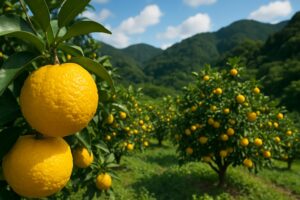
Third, savor local flavors beyond just the river fish. Kochi Prefecture is renowned for its sake. The mix of pure water and high-quality rice produces crisp, dry, and delicious sake that pairs wonderfully with local dishes. Many towns have small, local breweries (sakagura) offering tours or tastings, a great way to appreciate regional craftsmanship. Also, watch for yuzu, the fantastic citrus fruit Kochi is famous for. You’ll find yuzu-flavored drinks, desserts, and savory sauces—a true taste of the region’s sun and soil.
Another tip is to explore the river’s various personalities. Don’t stay in just one spot. The lower reaches near the river’s mouth are wide and open, with a salty breeze from the Pacific Ocean. The middle reaches show the classic Shimanto seen in pictures, with broad, gentle curves and many chinkabashi. The upper reaches near the source feel like a different world—wilder, more rugged, with deep gorges and untouched forests. If you have a car, driving into the mountains to see where this mighty river begins is a humbling experience.
For the photographers in your group, the golden hours are your best friend. The soft light at sunrise and sunset transforms the landscape. The way the low sun hits the morning mist rising from the water is pure magic. Capturing the long shadows of a chinkabashi as the sun sets behind the mountains? That’s the shot you’ll proudly display at home. Be patient, find your perfect spot, and let the natural beauty of the Shimanto do the rest.
So there you have it. The Shimanto River isn’t just a destination; it’s a feeling. It’s a chance to unplug from the chaotic matrix of modern life and plug into something more real, more fundamental. It’s the sound of water flowing over ancient stones, the sight of a perfect reflection in a glass-still surface, the taste of food that comes from the earth and water right in front of you. Paddling down its course and cycling its banks is more than just a vacation activity; it’s a moving meditation. It’s a journey that reminds you of the simple, profound beauty that exists when nature is allowed to run its course, wild and free. This isn’t a trip you’ll forget. It’s an experience that will seep into your bones and flow through your memories long after you’ve returned home. So pack your bags, leave the hustle behind, and come find your rhythm on Japan’s last clear stream. The river is waiting.
Please make slight modifications to the entire sentence if possible.