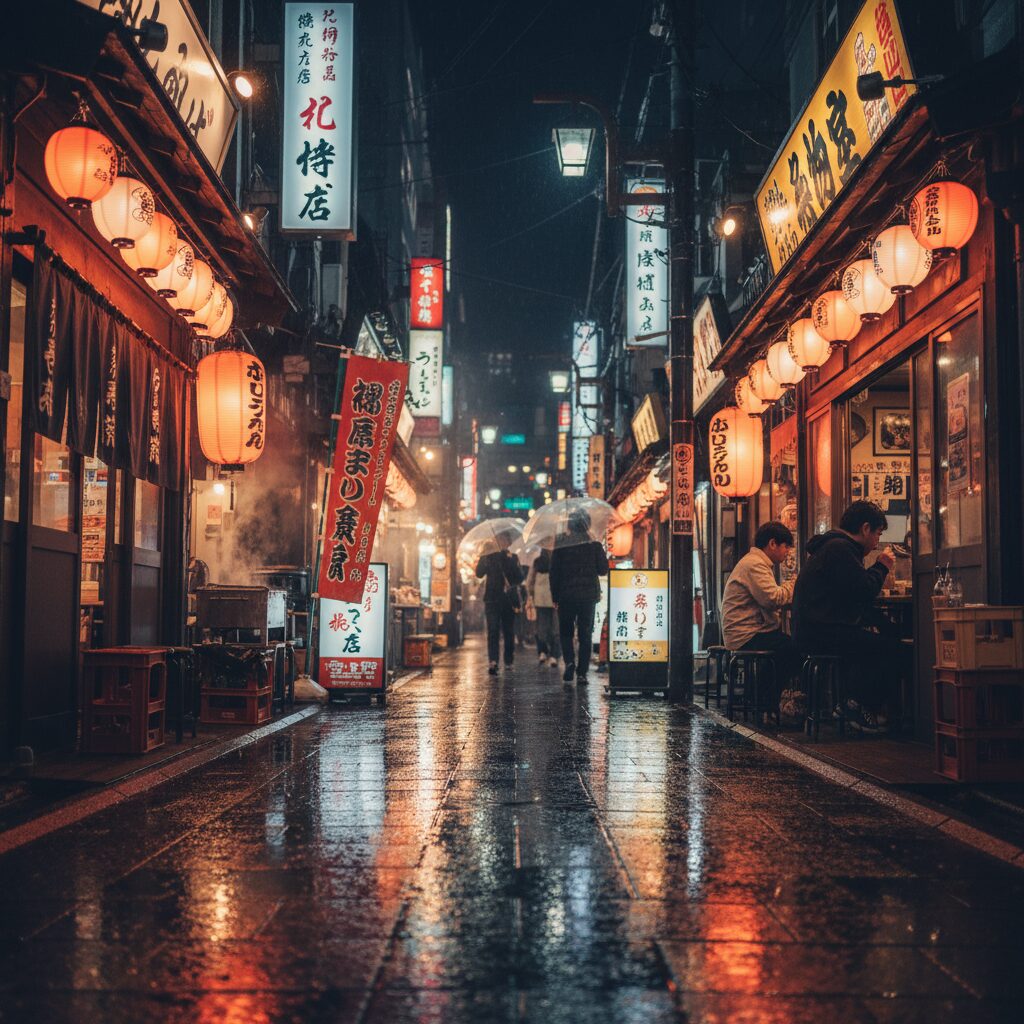
Yo, let’s get one thing straight. When the sun dips below the horizon in Sapporo and the mercury plummets, the city doesn’t just go to sleep. Nah, it gets a full-on glow-up. The real heart of Hokkaido’s capital starts beating in Susukino, a sprawling, luminous labyrinth of an entertainment district that’s basically Japan’s northern nightlife GOAT. Forget what you thought you knew about quiet, snowy towns. Susukino is a whole different beast—a neon-drenched spectacle where steam rises from sewer grates, rivers of people flow under dazzling billboards, and the promise of warmth and flavor beckons from behind every sliding door. This ain’t just a place; it’s a vibe, a mood, a core memory waiting to happen. It’s where salarymen, students, lovers, and travelers all converge with a single, unspoken mission: to conquer the cold and dive headfirst into the legendary world of izakayas and late-night ramen. This is the insider’s drop on how to navigate the heat. Bet.
The Izakaya Quest: More Than Just a Bar
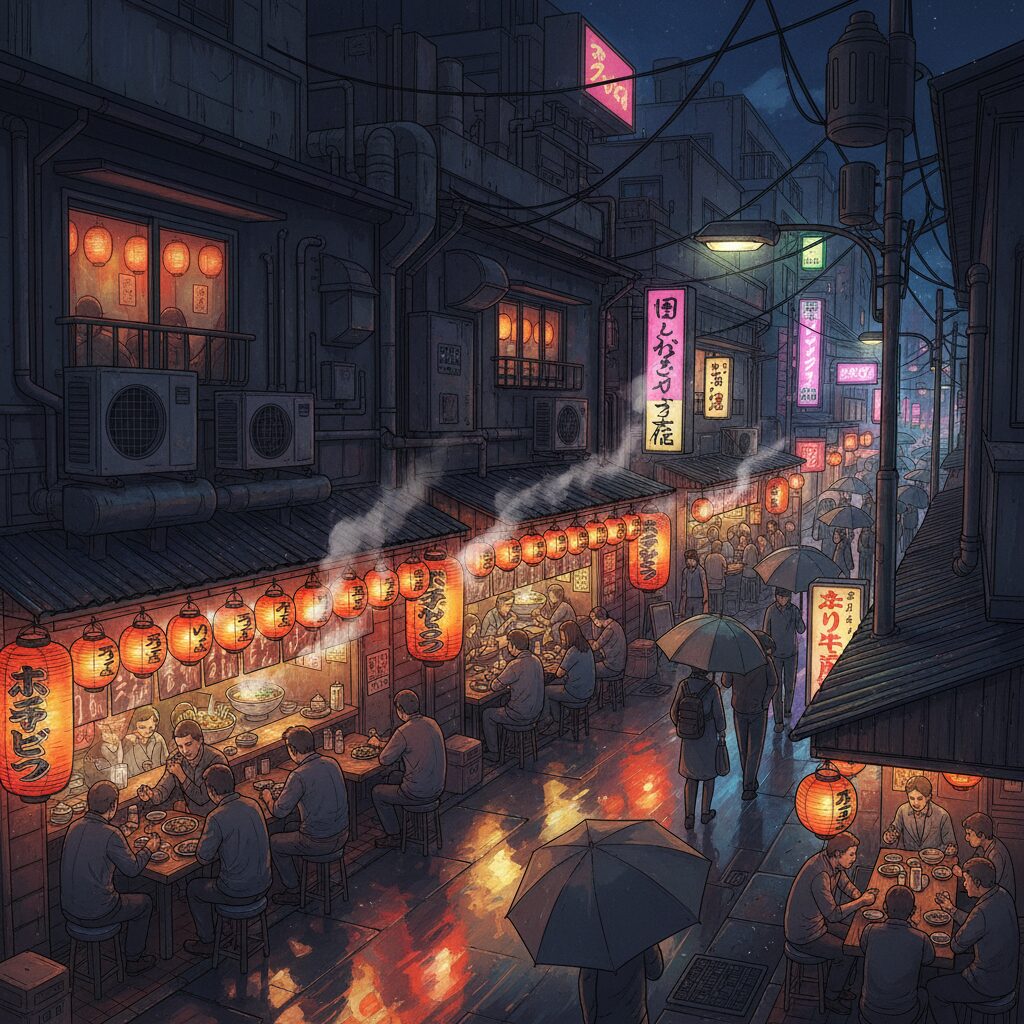
First, let’s unravel the izakaya. If you think it’s just a Japanese pub, you’re underselling it. An izakaya is the city’s living room, the heart of the community’s culinary spirit. It exists in the space between a restaurant and a bar, offering incredible food that far surpasses typical ‘bar snacks,’ alongside a vast range of drinks. But the true star is the atmosphere. It’s loud yet intimate, chaotic yet calm, all at once. Susukino’s izakayas exemplify this perfectly, each one a gateway to a new experience.
Finding Your Style: From Showa Grit to Modern Elegance
You’ll wander down a narrow side street, a ‘yokocho,’ barely wide enough for two, and spot a single red lantern—an aka-chochin—gently swaying in the cold air. You push open a creaky wooden door, and a wave of warm, savory scents welcomes you. Inside, it’s cozy. About a dozen people are packed along a worn wooden counter, laughing, clinking glasses, and calling orders to the grill master. The walls are plastered with handwritten menus and vintage posters. This is the classic Showa-era vibe, a spot serving skewers and sake since your grandparents’ time. The atmosphere is flawless—a nostalgic time capsule that hits differently.
But just a block away, the scene shifts. A sleek, minimalist spot with soft jazz playing, specializing in upscale sake pairings and what you could call bougie bar food. Think uni toast or crab cream croquettes so good they’re downright addictive. These places attract a younger, hipper crowd, but the essence remains: great food, drinks, and company. Susukino covers this whole spectrum. You’re not just picking a place to eat; you’re choosing your vibe for the night.
What’s Fire: Hokkaido’s Bounty in Bite-Sized Form
Here’s the truth: Hokkaido is Japan’s food basket, and Susukino’s izakayas are where the harvest celebrations go down every night. Forget generic menus—this is all about local pride. The seafood is next level. Think fresh scallops grilled in their shells with butter and soy sauce. The sizzle and aroma are sensory overload—in the best way. Platters of glossy sashimi showcase fatty salmon, sweet shrimp (amaebi), and the king of them all, sea urchin (uni), creamy like ocean butter. And the crab. Whether it’s hairy crab (kegani), king crab (tarabagani), or snow crab (zuwaigani), you’ll find it steamed, grilled, or in a hot pot (nabe). An absolute must.
But it’s not just about seafood. Hokkaido’s farming is strong too. Look out for local potato dishes like jaga bata, a simple but heavenly baked potato topped with a thick slab of Hokkaido butter that will change your life. Sweet corn, grilled and brushed with soy sauce, is a juicy summer staple. Then there’s the meat. While the yakitori (grilled chicken skewers) are incredible, you can’t miss jingisukan. Named after Genghis Khan, it’s a DIY grilled lamb and vegetable dish cooked on a dome-shaped skillet. The meat sizzles, the marinade aroma fills the air, and grilling with friends is peak izakaya culture.
Insider Tips for Izakaya Newcomers
Walking into a genuine izakaya can be a bit daunting, but it’s totally relaxed. Here’s what you need to know. When you sit down, you’ll likely receive a small appetizer you didn’t order. This is otoshi, a table charge snack—don’t resist, it’s part of the tradition. Order your first drink right away—a draft beer (nama biru), like Sapporo Classic, is the go-to opener. Food orders come in waves, not all at once. Start with a few dishes, see how you feel, then order more. Sharing is key. To catch the staff’s attention, a cheerful “Sumimasen!” (Excuse me!) works every time. Many top spots are cash-only, so have some yen ready. Don’t hesitate to point at menu items or your neighbor’s food if you can’t read Japanese—a smile and gesture go a long way.
The Shime-Ramen Ritual: Susukino’s Late-Night Hug in a Bowl
After several hours of engaging conversation, a few too many highballs, and a belly full of exceptional small plates, the night is far from over. Not even close. This is when the second act begins: the pursuit of shime-ramen. Shime means “to close” or “to finish,” and it’s the cherished Japanese tradition of ending a night of drinking with a soul-satisfying bowl of ramen. In a city as cold as Sapporo, this is more than just a custom; it’s a survival tactic. It’s the ultimate comfort food, the perfect, savory finale to a lively night out. And in Susukino, you’re right at the heart of Japan’s ramen universe.
The Gospel of Sapporo Miso Ramen
Let’s be clear: Sapporo ramen is not just any ramen. It’s a genre, a philosophy, a rich, hearty, and complex creation meant to withstand the harsh Hokkaido winter. The undisputed star is miso ramen. Its origins trace back to the post-war era, a period when a nourishing, affordable meal was desperately needed. The outcome was a culinary masterpiece. The broth is usually pork-based, rich and opaque, but the magic comes from the miso paste, which is often stir-fried in a blazing hot wok with garlic, ginger, and sometimes ground pork before the broth is added. This technique, inspired by Chinese cooking, imparts incredible depth and a smoky, aromatic quality called wok hei that is truly unique. It’s a flavor explosion that’s both deeply savory and subtly sweet.
The noodles are also a hallmark. They are medium-thick, wavy, and yellow, with a firm, chewy texture (shikoshiko) designed to hold up to the powerful broth. And the toppings are iconic. You’ll find slices of tender chashu pork, bamboo shoots (menma), and a heap of stir-fried bean sprouts and onions. But the quintessential Sapporo toppings are a spoonful of sweet corn and a pat of rich Hokkaido butter that slowly melts into the broth, creating shimmering pools of golden goodness. That first sip of broth—a blend of porky umami, smoky miso, and creamy butter—is a transcendent experience. It’s a hug from the inside out. It’s bussin’.
Navigating the Ramen Alleys
Susukino is home to not one but two famous ramen alleys, or Ramen Yokocho. There’s the original Ganso Sapporo Ramen Yokocho and the newer Shin Ramen Yokocho. Stepping into these narrow lanes is a full-sensory experience. Steam billows from tiny kitchens, the air thick with the scent of simmering broth and frying garlic, and the sound of enthusiastic slurping echoes off the walls. Each shop is a tiny universe, often with fewer than ten seats, run by a ramen master who has devoted their life to perfecting their craft. The rivalry is real, but so is the camaraderie.
These alleys are a fantastic starting point for any ramen pilgrim. They’re a tourist hotspot, sure, but many shops are genuine and have been serving locals for decades. A little tip: if a shop is packed with Japanese office workers at 1 AM, that’s a good sign. But don’t limit yourself to the alleys. Some of Sapporo’s most legendary ramen spots are hidden on side streets or tucked away in basements of unassuming buildings. Ask a local bartender for their favorite shime-ramen place, and you might just uncover a hidden gem that will blow your mind. IYKYK.
Beyond the Miso
While miso reigns supreme, Sapporo’s ramen scene is far from a one-trick pony. The city’s chefs also craft incredible shio (salt) and shoyu (soy sauce) ramen. Sapporo-style shio ramen is often a thing of beauty—a crystal-clear broth that seems delicate but delivers an intense punch of flavor, usually drawn from chicken, pork, and seafood elements like kelp and dried fish. The shoyu ramen tends to be darker and richer, with a robust soy sauce flavor that perfectly complements the hearty noodles. You’ll also find spicy varieties, curry ramen, and modern takes that push ramen’s boundaries. Exploring these variations is part of the adventure. You could spend a week in Susukino and enjoy a different, life-changing bowl of ramen each night.
Your Susukino Game Plan
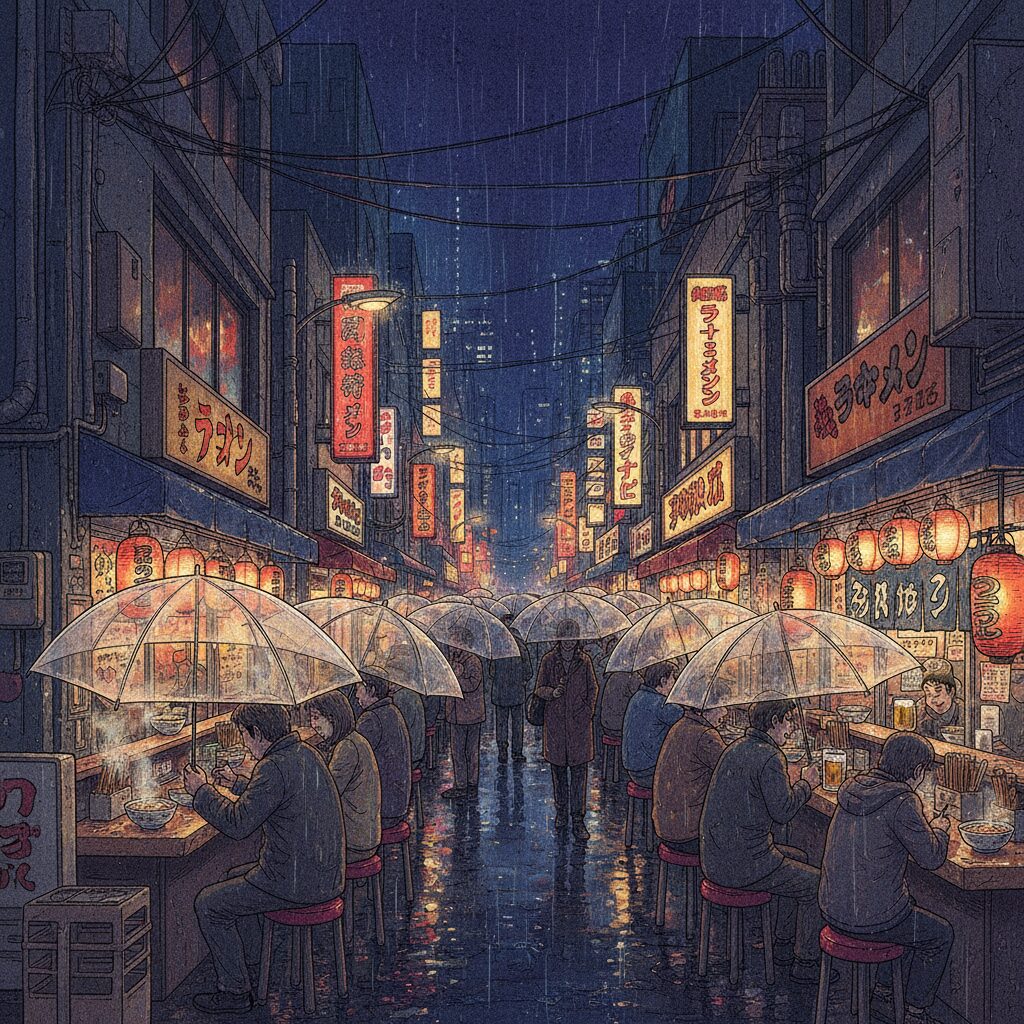
So, how do you take on this vibrant scene? Susukino is conveniently reachable via the Susukino subway station on the Namboku Line. The excitement really ramps up after 8 PM and continues until the first trains start running again around 5 AM. In winter, the district is especially enchanting, with snow covering the neon signs and the Sapporo Snow Festival adding an extra layer of excitement. The contrast between the chilly air and the warmth flowing from every izakaya and ramen shop is an experience you can’t miss. During summer, the atmosphere is more open and festive, with outdoor beer gardens popping up and a more relaxed energy in the air.
For first-timers, my advice is to embrace the chaos. Don’t overplan. Begin by simply wandering. Let your senses lead the way. Follow a scent, peek into a doorway, see where the crowds are heading. Kick off your night at an izakaya. Choose one that looks inviting, whether it’s a lively yakitori spot or a quiet place specializing in seafood. Enjoy a few drinks, sample a variety of dishes, and soak up the vibe. When the time feels right, move on to a ramen shop for your shime. Look for the ticket machines (kenbaiki) at the entrance of many ramen places. Insert your money, press the button for your chosen ramen, and hand the ticket to the chef. Don’t hesitate to slurp your noodles; in Japan, it shows you’re enjoying your meal.
Susukino is more than just a spot to eat and drink. It’s a living, breathing cultural phenomenon. It embodies the Japanese art of finding joy and community in the simple pleasures of a shared meal and a warm drink. It’s where stories unfold, friendships are made, and the cold northern night is kept at bay by the power of human connection and culinary brilliance. So go ahead, dive in. Let the neon lights guide you through snowy streets. Discover that hidden izakaya, order something you can’t pronounce, and end your night with the perfect bowl of ramen. Trust me, you’ll leave with a full belly and a warm heart, already dreaming of your next visit.