Yo, what’s up, fellow travelers and foodies! Ryo Kimura here, comin’ at you from the heart of Japan. Today, we’re ditching the neon glow of Tokyo and the ancient temples of Kyoto for something different. We’re heading deep into the mountains, to a place where time seems to slow down, and the food scene is absolutely, unequivocally fire. I’m talking about Gifu Prefecture, a legit treasure trove of culture and nature, and our main destination is the knockout city of Takayama. Forget everything you thought you knew about a ‘small town’ vibe. Takayama is a whole mood. Picture this: streets lined with dark, wooden merchant houses straight out of the Edo period, crystal-clear water flowing in canals beside you, and the distant chime of a temple bell cutting through the crisp mountain air. But the real reason we’re here, the main event, the headliner of this whole epic journey, is a culinary legend whispered in reverent tones across Japan: Hida Beef. This isn’t just a meal; it’s a pilgrimage. In the historic old town of Takayama, you’re not just eating some of the best beef on the planet; you’re experiencing it at its source, in a setting that’s pure magic. Get ready to level up your food game, because we’re about to dive into a world of flavor that will straight-up change your life. This is the real Japan, unplugged and unbelievably delicious.
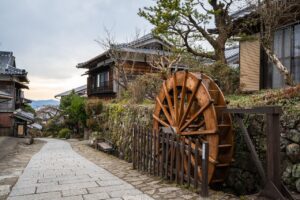
While you’re exploring the region’s rich history, consider taking a day trip to experience the famous Nakasendo Trail hike between Magome and Tsumago.
The Takayama Vibe: A Trip Back to the Edo Era
Arriving in Takayama feels like stepping into a time machine. Nestled beneath the towering peaks of the Hida Mountains, the city exudes an energy that is both relaxed and vibrant. The heart of this journey back in time is the Sanmachi Suji district, Takayama’s impeccably preserved old town. This isn’t some theme park replica; it’s an authentic, living neighborhood where generations of merchants and craftsmen have lived and worked. It’s the kind of place that compels you to put your phone aside and simply be present. The atmosphere is flawless—a perfect mix of historic grandeur and the easygoing charm of a mountain town.
Walking Through Sanmachi Suji: A Sensory Feast
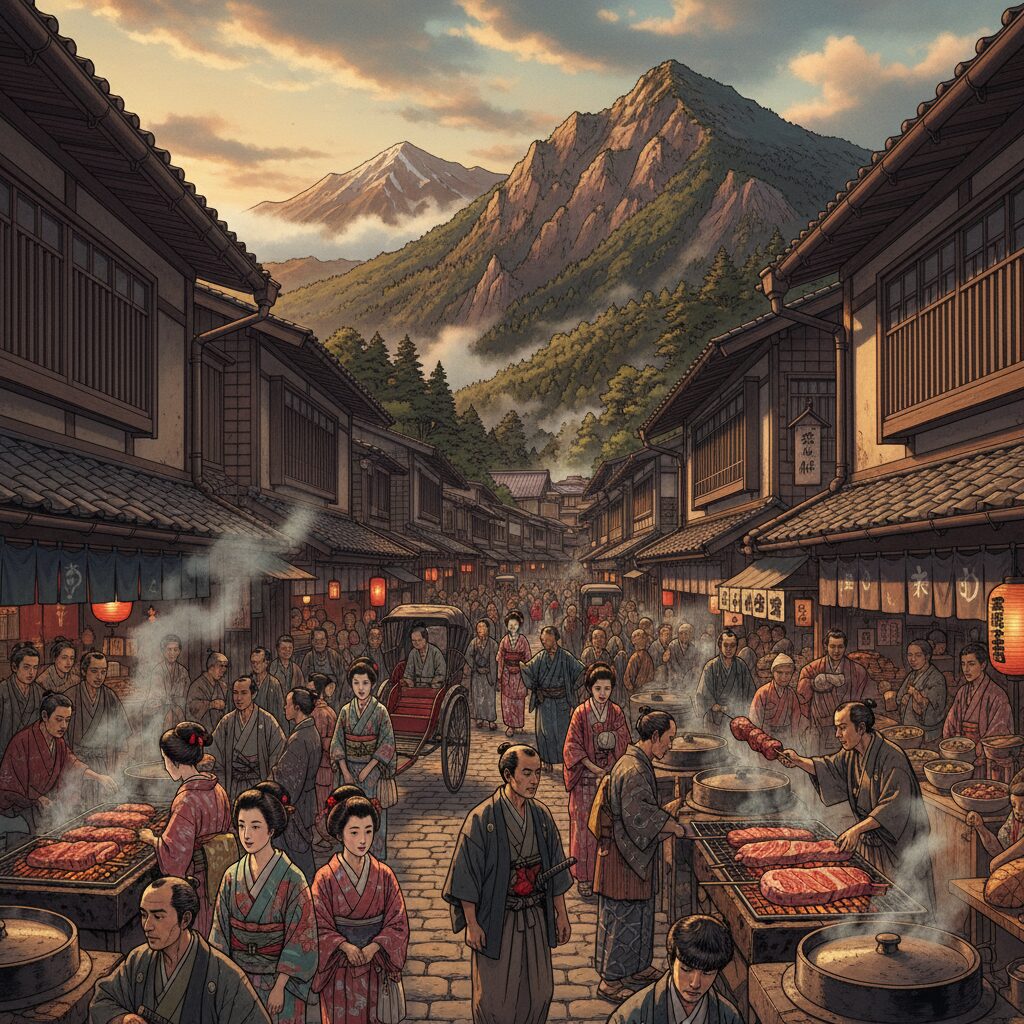
Stepping into Sanmachi Suji is an immersive sensory adventure. Your eyes are immediately drawn to the architecture. The buildings, made from dark-stained cedar, feature intricate latticework called koshi on their facades. These aren’t merely decorative; they provided both privacy and ventilation to the merchants who lived here centuries ago. The consistency of the dark wood and tiled roofs creates a remarkably cohesive and picturesque streetscape. As you stroll, you’ll spot narrow canals of crystal-clear water running alongside the streets. This mountain-fed water was once vital for daily life and fire prevention. Look closely, and you might see large, colorful koi carp swimming leisurely, adding vibrant hues to the tranquil scene. The streets are filled with a diverse mix of shops. You’ll pass traditional candy stores showcasing beautifully handcrafted sweets, artisan workshops selling the famous sarubobo dolls (red, faceless charms believed to bring good luck), and centuries-old shops specializing in miso paste and soy sauce, their earthy fragrances wafting into the street. It’s a photographer’s delight, but more than that, it’s a walker’s heaven. Every corner reveals new details, stories, and reasons to slow down and soak everything in.
The Sounds and Smells of History
Beyond the sights, it’s the sounds and scents that truly capture the essence of Takayama’s old town. Arrive early in the morning, before the crowds, and you’ll hear the town waking up: the gentle sweep of a shopkeeper’s broom, the clatter of wooden shutters opening, the distant, deep toll of a temple bell calling monks to prayer. As the day unfolds, these sounds mingle with the cheerful, multilingual chatter of visitors from around the world and the soft rattle of a traditional rickshaw carrying smiling couples down the lane. But the real star—the scent that will hijack your senses and lead you on an involuntary quest—is the irresistible aroma of grilling Hida beef. It’s everywhere—wafting from street food stalls, escaping from the doorways of elegant restaurants, lingering in the air like a delicious promise. This signature fragrance mingles with others: the sweet, smoky scent of grilling mitarashi dango (savory soy-glazed rice dumplings), the sharp, fruity aroma of fermenting rice from local sake breweries, and the rich, savory smell of bubbling miso. It’s a complex, unforgettable perfume that tells the story of Takayama’s vibrant culinary heritage.
Hida Beef: Unpacking the Legend of Japan’s GOAT Wagyu
Alright, let’s dive into the topic at hand: Hida Beef, or Hida-gyu. While names like Kobe and Matsusaka often steal the global spotlight in the realm of Japanese Wagyu, true connoisseurs will insist that Hida beef stands proudly among the very best. It’s rightly considered the GOAT (Greatest Of All Time), a genuine masterpiece of Japanese farming and culinary craftsmanship. Sourced exclusively from a particular breed of Japanese Black cattle raised in Gifu Prefecture for a minimum of 14 months, Hida beef is distinguished by its exceptional quality, flavor, and astonishing texture. This isn’t just steak; it’s an experience bordering on the sublime.
What Makes It Special? The Science and Art Behind the Marbling
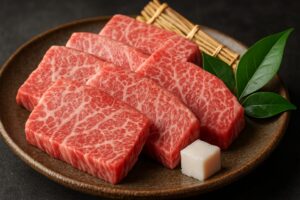
The key to Hida beef’s legendary reputation lies in its marbling, or shimofuri. This isn’t about a few random streaks of fat—it’s an intricate, delicate, web-like pattern of intramuscular fat woven throughout the muscle. It resembles an abstract artwork, a captivating mesh of pink and white. Marbling is graded on a scale with A5 as the highest mark. To earn this prestigious grade, the beef must meet extremely rigorous criteria for color, texture, and especially marbling quality. What sets this fat apart is its remarkably low melting point; it begins to melt at human body temperature. So, the instant a slice of Hida beef touches your tongue, that delicate lattice of flavor begins to dissolve, flooding your palate with a wave of rich, buttery, umami goodness. The meat itself is so tender that it requires almost no chewing. It’s a melt-in-your-mouth sensation that, frankly, is unforgettable.
The Hida Edge: Terroir Expressed in Every Bite
Much like fine wine, the concept of terroir—the influence of environment on the final product—is vital to Hida beef. These cattle are nurtured in the pristine natural surroundings of Gifu Prefecture, breathing fresh mountain air and drinking pure water from the Japanese Alps. This serene, stress-free environment is crucial for producing top-tier meat. The result is beef with a uniquely elegant and refined flavor profile. While some Wagyu varieties can be overwhelmingly rich, Hida beef strikes a perfect balance. It boasts incredible buttery richness alongside a clean, subtle sweetness that lingers on the palate. You’re not merely tasting beef; you’re savoring the very essence of the Hida region—its pure water, fresh air, and long-standing tradition of agricultural excellence. This deep connection to its origin is why enjoying it here, in Takayama, feels so authentic.
Your Ultimate Hida Beef Itinerary: A Street-by-Street Food Tour
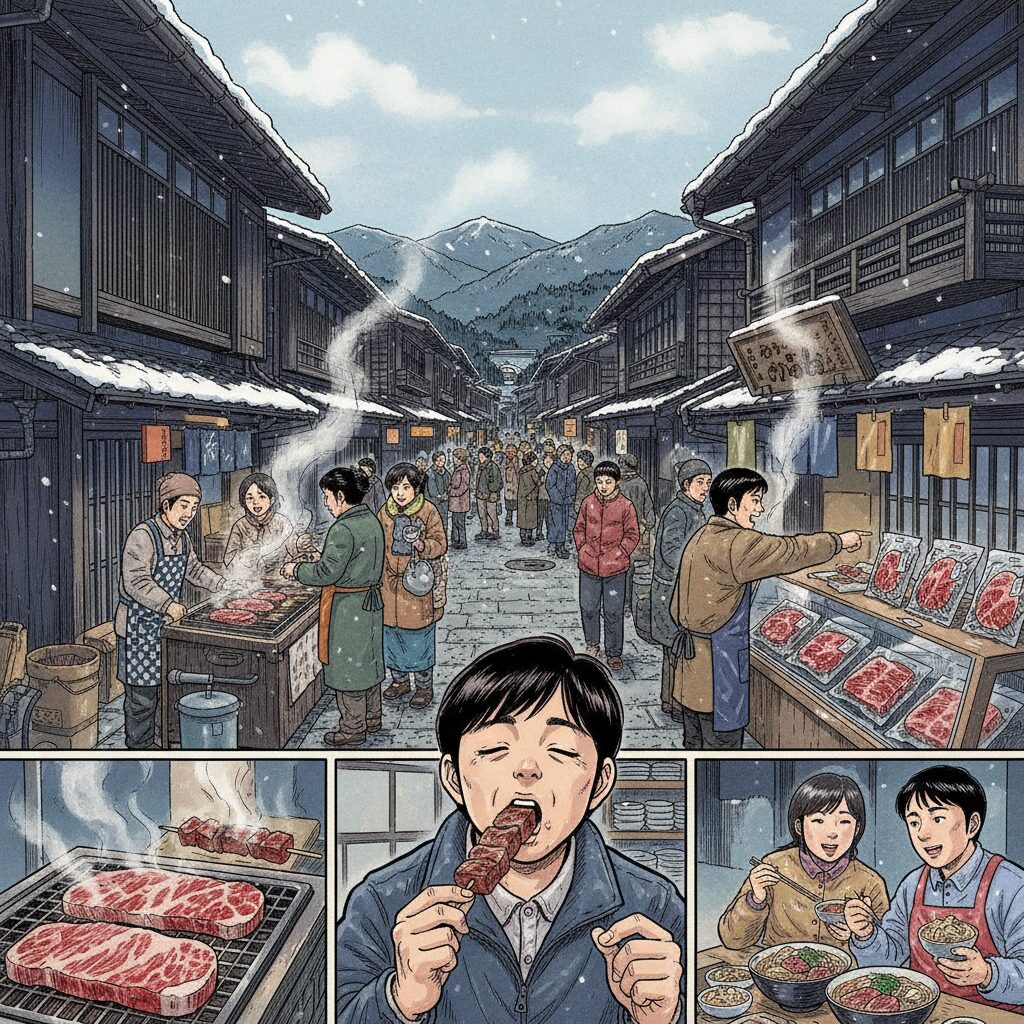
Enjoying Hida beef in Takayama is far from a one-size-fits-all experience. There’s a wide range of ways to savor this delicacy, from quick, budget-friendly street food bites to luxurious, multi-course restaurant feasts. The best approach is to sample a bit of everything. Think of it as a culinary treasure hunt where every stop is a big win. You could easily spend an entire day grazing through the old town, and honestly, that’s time well spent.
The Street Food Scene: Quick Bites, Big Flavor
Sanmachi Suji’s streets are a food lover’s playground, and the Hida beef street food offerings are next-level. It’s the perfect way to get a taste of the prime stuff without committing to a full meal or spending a fortune.
The Famous Hida Beef Nigiri
This is the undisputed star of Takayama street food. Numerous stalls are dedicated to it, often with long but fast-moving lines. The concept is brilliantly simple: a small hand-pressed ball of vinegared rice topped with a slice of premium raw Hida beef. The chef lightly sears the top of the beef with a blowtorch, just enough to warm it and release its amazing aroma. It’s typically served with a dab of ginger, a touch of soy sauce, and sometimes a sprinkle of salt. The whole creation sits on a small, crisp senbei (rice cracker) that acts as an edible plate to catch any delicious juices. That first bite is a revelation—the warmth of the seared beef, the cool rice, the tender texture, and the burst of rich, beefy flavor—it’s a one-bite marvel that perfectly captures what makes Hida beef special.
Must-Try Hida Beef Skewers (Kushi)
For a more straightforward, primal beef fix, Hida-gyu kushi (grilled beef skewers) are a can’t-miss. These are staples at stalls throughout the old town and morning markets. Cubes of incredibly tender Hida beef are skewered and grilled over hot coals until caramelized on the outside and juicy inside. Usually seasoned simply with salt and pepper to let the beef’s natural flavor shine, or brushed with a sweet and savory tare sauce. Grabbing a hot, sizzling skewer with a cold local beer to enjoy while strolling is one of Takayama’s quintessential experiences. It’s simple, satisfying, and utterly delicious.
Hida Beef Buns (Man)
Ideal for a cooler day, the Hida-gyu man is Takayama’s version of the steamed bun. A fluffy, pillowy white bun is filled with savory shredded or minced Hida beef cooked in a rich, slightly sweet soy-based sauce with onions or bamboo shoots. It’s like a Japanese sloppy joe, elevated to a thousand times the elegance. The soft bun paired with the intensely flavorful filling makes an incredible comfort food duo. It’s a hearty snack that will keep you fueled for further exploring.
The Sit-Down Experiences: Immersive Culinary Delights
When you’re ready to move beyond street snacks to a full culinary affair, Takayama’s restaurants provide unique and unforgettable Hida beef experiences.
Hoba Miso: The Heart of Hida Region Cuisine
This is a dish you simply must try before leaving Takayama. Hoba Miso is more than just food—it embodies local culture. Historically a humble meal enjoyed by regional farmers, today it’s a treasured specialty. The presentation is striking: a large dried magnolia leaf (hoba) placed over a small charcoal grill at your table. A generous smear of local miso paste, often mixed with green onions, mushrooms, and mountain vegetables, is spread on the leaf. Thin slices of Hida beef are arranged atop the miso. As the leaf heats, the miso caramelizes and bubbles, filling the air with an amazing aroma. Using chopsticks, you mix the melting beef fat with the sweet-savory miso and cook the beef to your liking. The smoky char from the leaf infuses everything with extra flavor. Enjoyed with a bowl of white rice, it’s a rustic, interactive, and deeply satisfying meal that tastes of the mountains.
Yakiniku & Steak: The Ultimate Indulgence
For purists wanting to experience Hida beef in its purest form, a dedicated yakiniku (Japanese BBQ) or steakhouse is the way to go. Here, you can geek out on various cuts of beef. Menus often include prime sirloin (rosu), tenderloin (hire), flavorful short ribs (karubi), and other rare cuts. At a yakiniku restaurant, you grill beautifully marbled raw beef yourself on a tabletop grill. The key is a quick sear on each side to unlock maximum flavor without overcooking. High-end steakhouses will prepare and serve flawless slabs of beef that cut like butter. It’s definitely a splurge, but for true beef lovers, it’s worth every yen.
Takayama’s Supporting Cast: Fueling Your Adventures Beyond the Beef
While Hida beef is clearly the highlight, Takayama’s food scene boasts a rich array of other remarkable flavors and experiences. You could spend several days here simply eating and never tire of it. The city celebrates the abundance of the Hida mountains, from fresh local produce to world-class sake.
The Morning Markets (Asa-ichi): A Glimpse into Local Life
Starting your day at one of Takayama’s morning markets is essential. Two main markets stand out: the Miyagawa Market, stretching along the scenic Miyagawa River, and the Jinya-mae Market, located in the square before the historic Takayama Jinya. These markets have been woven into daily life for centuries. They buzz with energy, but in a relaxed, authentic way. Friendly vendors—many of them older farmers from nearby areas—sell their seasonal goods. You can find everything from freshly gathered mountain vegetables (sansai) and crisp apples to jars of homemade tsukemono (pickles) and local honey. It’s also an ideal spot for a quick breakfast, with stalls offering freshly made mitarashi dango, warm snacks, and coffee. Engaging with vendors, even through smiles and gestures, and tasting local produce offers a genuine connection to Takayama’s spirit.
Immersing Yourself in Sake Culture
Thanks to its cold climate and access to exceptionally pure mountain water, Takayama is one of Japan’s top sake-producing regions. The old town hosts several historic breweries, some in operation for centuries. These are easily identifiable by the large, distinctive cedar balls called sugidama hanging above their entrances. A freshly hung, green sugidama signals a new batch of pressed sake is ready. Over time, as the ball turns brown, it reflects the sake’s aging process. Many breweries offer tastings, allowing visitors to sample various types for a small fee. It’s a wonderful chance to explore sake’s subtleties, from dry and crisp junmai to fragrant and elegant daiginjo, and to select a favorite bottle as the perfect souvenir.
Planning Your Perfect Trip: The Nitty-Gritty Details
Reaching Takayama and navigating your stay is surprisingly simple, making it an easily accessible destination for an unforgettable journey into the heart of Japan.
Access & Navigation: Reaching Japan’s Mountain Heart
Takayama is well-served by Japan’s highly efficient public transportation network. The most scenic and popular way to arrive is aboard the JR Hida Wide View Express train. From Nagoya, the trip takes about 2.5 hours and offers a memorable experience. The train boasts large panoramic windows and travels through breathtaking gorges, following the emerald-green Hida River into the mountains. You can also reach Takayama from Toyama on the northern coast or by bus from places such as Matsumoto or Kanazawa. Once in Takayama, the city center—including the old town and train station—is compact and easily explored on foot. For attractions further afield, the Sarubobo Bus provides a convenient loop around the city’s main sights.
When to Go: A Story of Four Seasons
Takayama is stunning year-round, with each season offering a distinctly different atmosphere.
- Spring (March-May): Known for the Takayama Spring Festival (Sanno Matsuri) in April, one of Japan’s most beautiful festivals featuring exquisite, ornate floats. The weather is mild, and cherry blossoms add extra charm to the historic townscape. Note: this is peak season, so booking well in advance is recommended.
- Summer (June-August): The mountains become lush and vividly green, and the cooler mountain air offers a refreshing escape from the heat and humidity of Japan’s larger cities. It’s an excellent season for hiking and enjoying the natural splendor of the surrounding Japanese Alps.
- Autumn (September-November): Many regard this as the ideal time to visit. The weather is crisp and clear, and the mountains burst into vibrant reds, oranges, and yellows. The Takayama Autumn Festival (Hachiman Matsuri) in October is as spectacular as the spring festival.
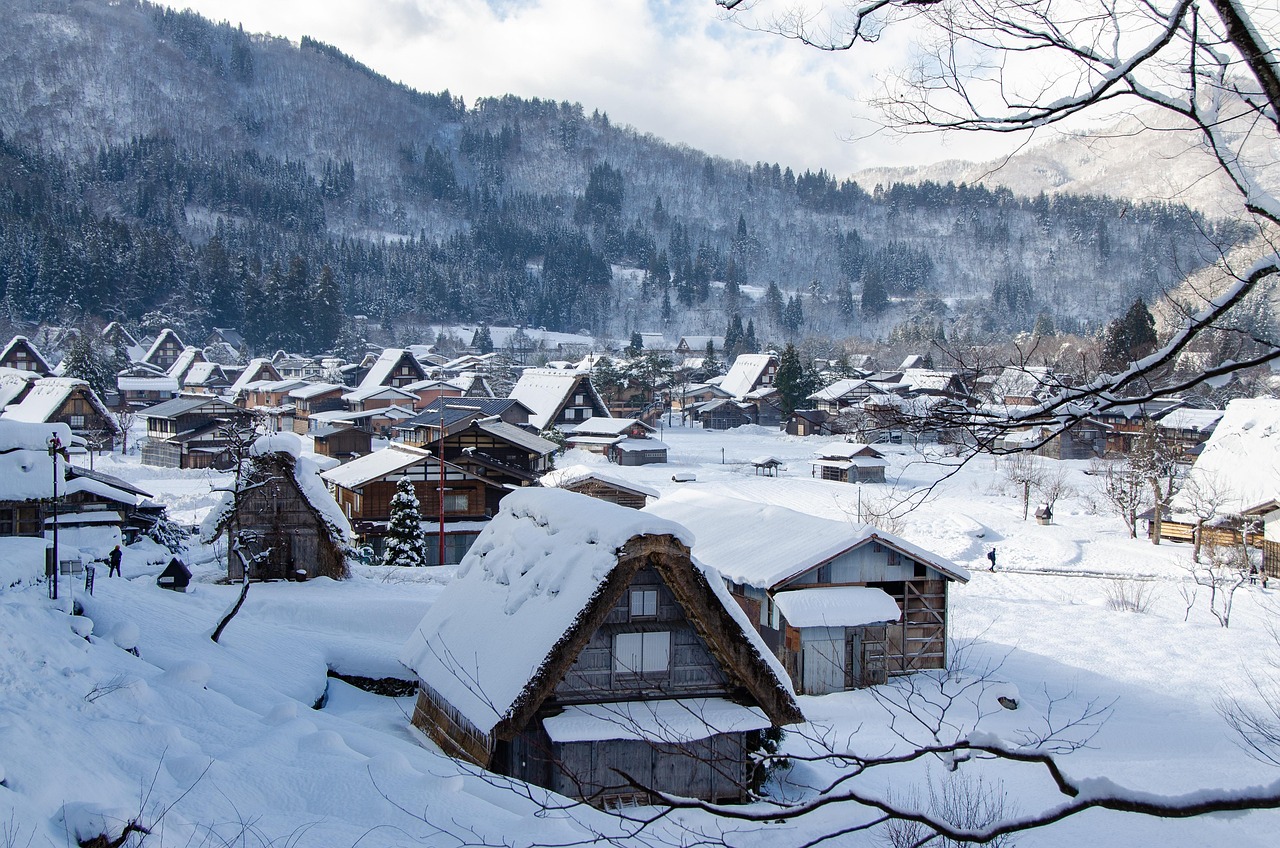
- Winter (December-February): Takayama transforms into a magical winter wonderland. The traditional wooden buildings blanketed in thick snow create a breathtaking scene. It’s colder and quieter, perfect for those seeking to avoid crowds. There’s nothing better than warming up with hot sake or a bubbling pot of Hoba Miso after a snowy stroll.
A Final Word: Don’t Just Eat, Experience
Here it is: a journey to Takayama is far more than just a foodie trip. It’s a full-body immersion into a side of Japan that feels both timeless and authentic. It’s about the rhythm of the mountains, the echoes of history embedded in wooden streets, and the warmth of the local people. The Hida beef is undeniably a life-changing culinary highlight, a taste of perfection you’ll be dreaming about long after you’ve gone. Yet the beef is only the gateway, the centerpiece of a far larger, richer experience. It’s about savoring a beef skewer while leaning against a centuries-old building, pairing a perfect steak with sake brewed from the same mountain water, and realizing that the food here is inseparable from the place itself. Takayama doesn’t just nourish you; it connects you. So pack your bags, bring your appetite, and prepare for an adventure. The mountains are calling, and believe me, you’ll want to answer.