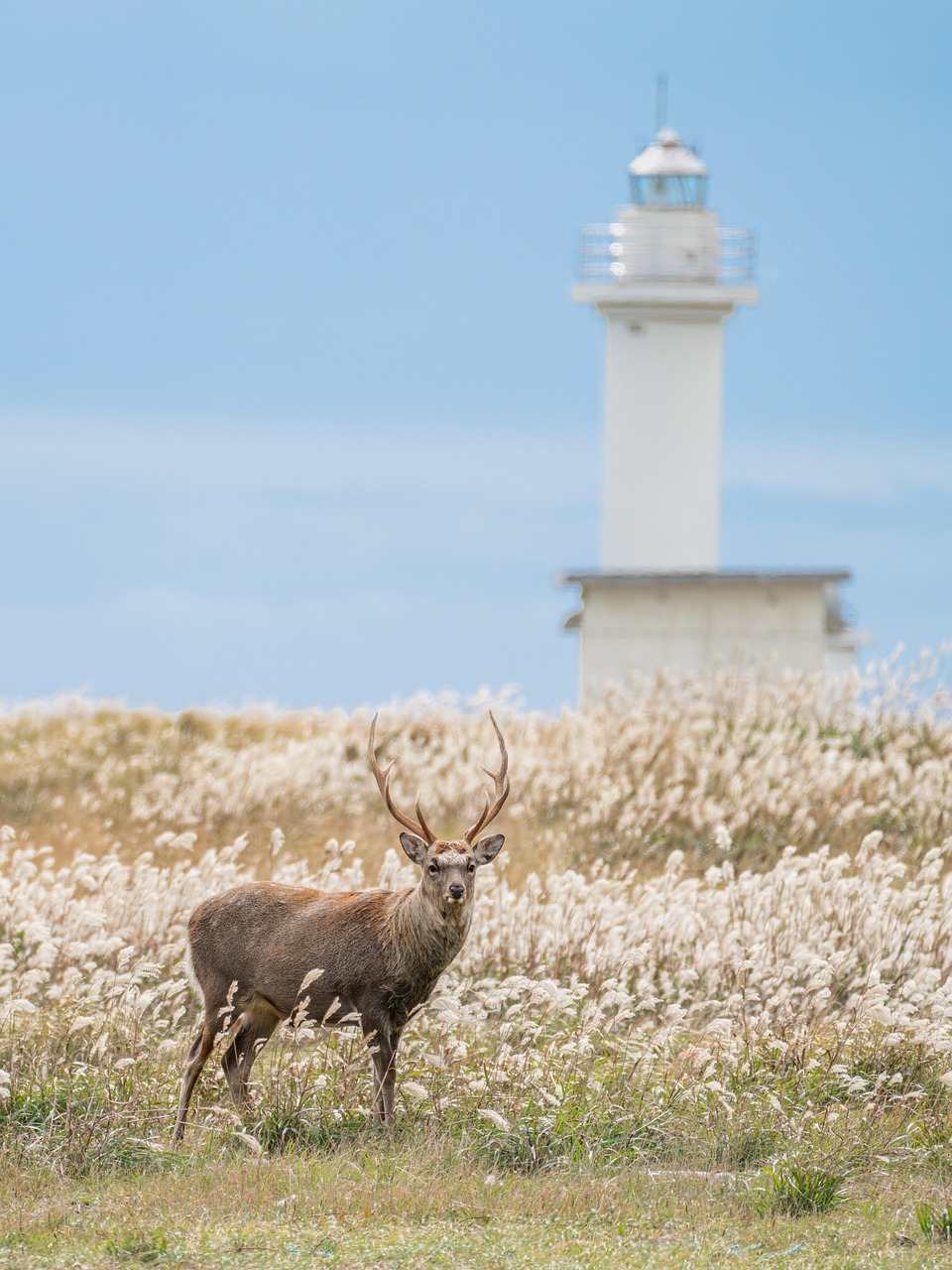
Yo, let’s get real for a sec. There are hikes, and then there are journeys. We’re talking about those multi-day epics that completely rewire your brain, push your body to its absolute limit, and leave you with a sense of awe so profound it feels like you’ve touched another world. If that’s the vibe you’re chasing, then listen up. We need to talk about Hokkaido, Japan’s wild northern frontier, and its undisputed crown jewel: the Daisetsuzan Grand Traverse. This isn’t your average weekend ramble. This is the big one. A legendary trek across the volcanic spine of Japan’s largest national park, a place the indigenous Ainu people call “Kamui Mintara”—the Playground of the Gods. And trust me, once you’re up there, surrounded by steaming fumaroles, carpets of impossible-to-believe wildflowers, and landscapes so vast they swallow you whole, you’ll get why. This is a place of raw, untamed, primordial power. It’s a challenge, a meditation, and an adventure that will stick with you forever. So, lace up your boots, pack your sense of wonder, and get ready to drop into the heart of wild Japan. This is the Daisetsuzan Sōjū, and it’s about to be the most epic thing you do all year, no cap.
If you’re looking for another epic Hokkaido adventure after your trek, you absolutely have to experience the legendary Sapporo Snow Festival.
What’s the Hype? The Vibe of the ‘Roof of Hokkaido’

So why does Daisetsuzan feel so unique? Forget everything you think you know about Japan. This isn’t the neon-lit streets of Tokyo or the peaceful temples of Kyoto. This is the untouched, pulsating heart of the wild. The moment you set foot on the trail, the sheer vastness of the place overwhelms you. It’s known as the ‘Roof of Hokkaido’ for a reason. You’re traversing a vast, elevated volcanic plateau—a world above the ordinary world. The air is thinner, sharper. Silence takes on a tangible presence, only interrupted by the whistle of the wind, the call of a Siberian rubythroat, or the squeak of a pika hidden among the rocks. It feels timeless, as if you’ve stepped back to when the earth was still being shaped. The landscape bears witness to that fiery volcanic power. You’ll hike past Mount Asahi, Hokkaido’s tallest peak at 2,291 meters, its slopes marked by vents known as jigokudani, or ‘hell valleys,’ which release billowing sulfuric steam into the sky. It’s a humbling—and honestly, awe-inspiring—sight. You feel incredibly small standing before such mighty geological forces, a sensation both terrifying and exhilarating.
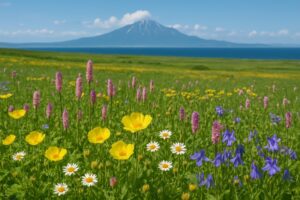
The atmosphere here is completely immersive. You’re not just watching nature; you are a part of it. For days, your world shrinks to the trail ahead, the shifting weather, and the steady rhythm of your breath and footsteps. It’s a kind of mindfulness modern life seldom grants. This is what people mean when they speak of the park’s spiritual power. The Ainu believed these peaks were the realm of powerful kamuy, or gods and spirits. You don’t have to be spiritual to sense it, though. There’s a tangible energy in the dramatic ridges, the tranquil alpine ponds mirroring an endless sky, and the vast fields of wildflowers that seem to hum with color. In July, these high-altitude meadows burst into a riot of purples, yellows, and whites. It’s a wild sensory overload in the best way. This isn’t a carefully groomed nature experience—it’s raw, unpredictable, and demands your reverence. That unfiltered authenticity is at the heart of its magic. You’re not a tourist here; you’re a pilgrim in the Playground of the Gods.
Prepping for the Epic: Gearing Up and Getting There
Alright, let’s dive into the details. You can’t just show up at the Grand Traverse on a whim. This journey demands serious preparation, but getting it right is half the adventure and absolutely essential for a safe and memorable experience. The primary entry points to the park are the small onsen towns scattered around its edge. The most popular place to start the traverse is Asahidake Onsen, a quaint hot spring village nestled at the base of Mount Asahi. The easiest way to get there is by flying into Asahikawa Airport (AKJ), which is closest, or New Chitose Airport (CTS) in Sapporo, which offers more international flights. From Asahikawa, it’s about a 90-minute bus ride directly to the Asahidake Ropeway station. Simple enough. If you’re coming from Sapporo, you can take a train to Asahikawa, then catch the bus. Pro tip: these buses don’t run often, so check the schedule online ahead of time and plan your flight accordingly. You don’t want to get stranded. Booking your transport and a night’s stay in Asahidake Onsen before your hike is a smart move to help you acclimate and get an early start.
Timing Is Key
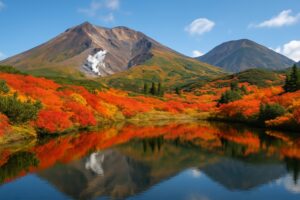
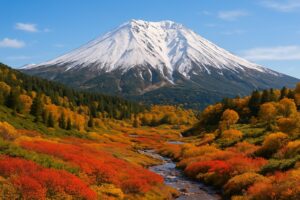
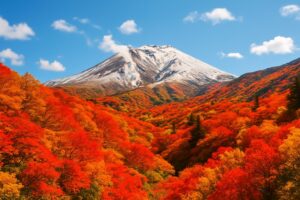
The hiking season in Daisetsuzan is very short, so timing is crucial. You’re looking at a narrow window from late June to mid-September. Go too early, and you’ll face significant—and potentially dangerous—snowpacks on the higher passes. Trails usually open around late June, but expect to cross some snowfields even then. For a full wildflower display, July is peak season. The alpine meadows truly burst with color. August is great too, offering generally stable weather and long daylight hours. But for photographers like me, the real highlight is late August to early September. That’s when the koyo, or autumn foliage, begins. Daisetsuzan boasts Japan’s earliest autumn colors, and watching the mountain blueberry bushes and rowan trees turn vibrant reds, oranges, and yellows against volcanic rock is a breathtaking experience that will set a new standard for all your autumns. Seriously. Be warned, though: by mid-to-late September, weather conditions can worsen rapidly. The first snow often dusts the peaks, and temperatures can drop sharply. The season closes fast, so plan wisely.
Gear Checklist: Don’t Cut Corners
This is a self-supported, multi-day alpine trek. Your gear isn’t just about comfort—it’s your lifeline. Let’s break it down. Your feet are your base, so invest in top-quality, waterproof hiking boots that are fully broken in. The terrain is rocky, muddy, and harsh. Next, your clothing system. Layers will be your best friend. Start with a moisture-wicking base layer, add an insulating mid-layer like fleece or down, and top it off with a durable waterproof and windproof shell jacket and pants. Hokkaido’s weather is notoriously unpredictable—it’s possible to experience all four seasons in a single day. Be ready for sun, rain, wind, and sleet. Never wear cotton; it’s a guaranteed path to hypothermia when wet.
For shelter, a strong, lightweight tent capable of withstanding high winds is essential. While there are emergency huts, they’re basic, unstaffed shelters and often have limited space—you can’t rely on them. Camping is the way to go. Your sleep setup should include an insulated sleeping pad and a sleeping bag rated for about 0°C (32°F), even in summer, as nights get cold up there. Bring a reliable stove, fuel, and enough food for your entire itinerary plus an extra day in case of emergencies. Now for the serious stuff: bear safety. Daisetsuzan is home to a healthy population of Ussuri brown bears, or higuma. Carrying bear spray and knowing how to use it is non-negotiable. A bear bell to make noise while hiking is also standard practice. This isn’t meant to scare you—just to keep you prepared. Respect for the wildlife is crucial. Finally, navigation tools are a must. Carry a physical map of the traverse, a compass, and a GPS device or a reliable phone app with downloaded maps (plus a power bank to keep it charged). When the fog rolls in—and it will—visibility can drop to near zero in minutes. You need to be able to navigate even without visual landmarks.
The Legendary Route: A Day-by-Day Flow
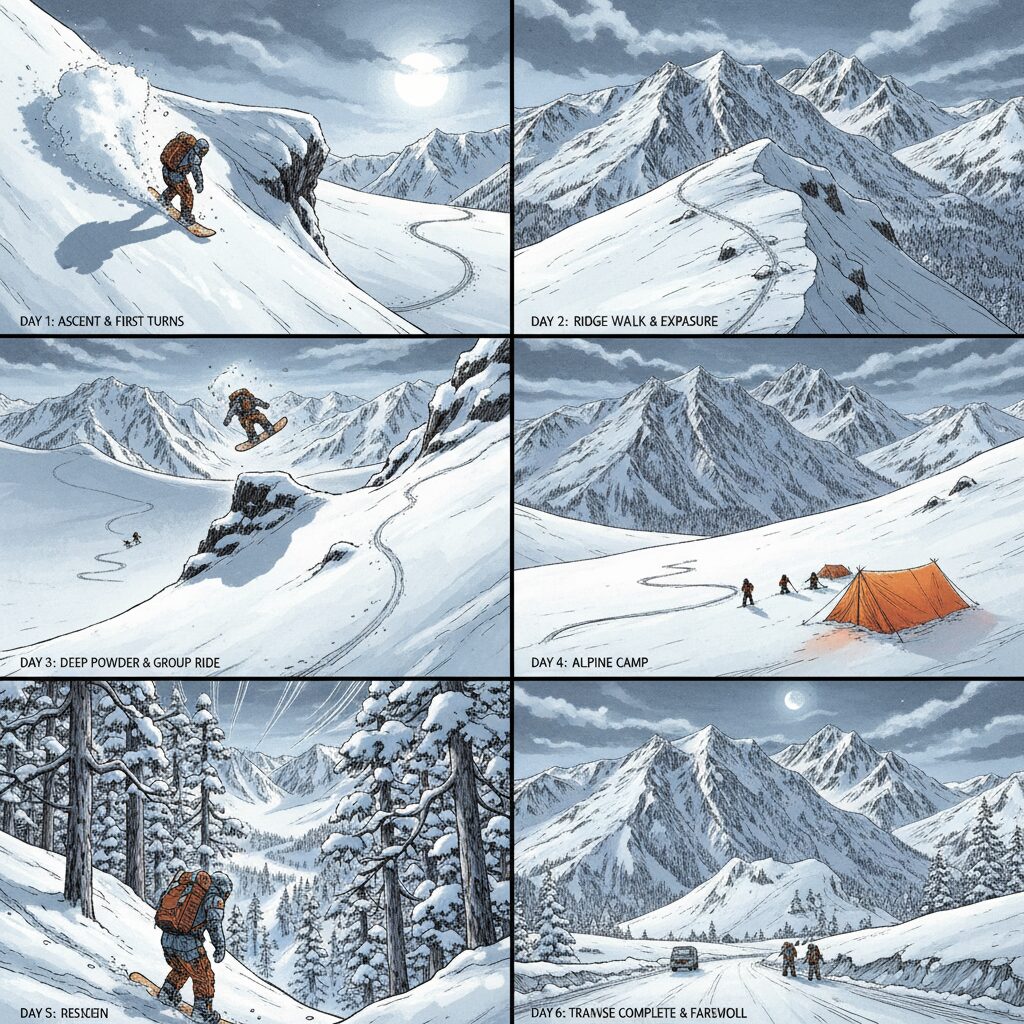
One of the coolest things about the Grand Traverse is that it’s not a cookie-cutter experience. The classic route from Asahidake Onsen to Tokachidake Onsen can take anywhere from 4 to 7 days, depending on your pace and which side trails you choose to explore. Let’s break down the general flow of this challenge, focusing on the atmosphere and the stunning views you’ll be taking in.
Starting Strong: The Climb to the Alpine Playground
The adventure kicks off at Asahidake Onsen. The clever move is to take the Asahidake Ropeway up to Sugatami Station, sitting at about 1,600 meters. Some purists might call it cheating, but believe me, it’s a smart strategy. It spares you a tough, viewless trek through the forest and drops you right into the alpine zone from the start. Getting off the ropeway feels like stepping onto a different planet. You’re immediately met with the sight of Mount Asahi towering above, its volcanic cone releasing clouds of steam. The area around Sugatami Pond is crisscrossed with boardwalks leading past bubbling mud pots and hissing fumaroles. The sulfur scent lingers in the air, a constant reminder of the geothermal energy simmering just beneath your feet. The initial climb to the summit of Asahidake is tough—a steep, scree-covered ascent—but with every step, the views become more breathtaking, stretching over the vast plateau you’ll be crossing the next few days. Reaching the summit, the highest point in all of Hokkaido, is a truly special moment. You feel on top of the world with a full 360-degree panorama of rolling peaks and distant valleys. This is your gateway—you’ve officially entered Kamui Mintara.
The Core of the Traverse: Trekking the Roof of Hokkaido
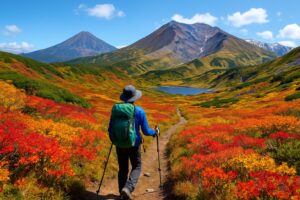
Heading down the far side of Asahidake, the real traverse begins. This is where the landscape opens up dramatically. You’ll spend days walking along exposed high ridges and across massive, sweeping plateaus that feel more like the Scottish Highlands or Iceland than Japan. The vastness is awe-inspiring. The trail winds past iconic peaks like Hakuun-dake (White Cloud Peak) and the uniquely shaped Tomuraushi. The path itself is varied: well-worn routes through alpine tundra, technical rocky sections demanding careful footing, and occasionally muddy crossings over snowmelt streams. The magic of this section lies in its remoteness. You are truly out there. Your companions are the wind, the ever-shifting clouds, and the occasional fellow hiker, with whom you’ll share a knowing nod—a mutual recognition of the experience.
The days settle into a peaceful, simple rhythm. Wake with the sun, brew coffee as morning mist lifts from the valleys, pack your tent, and walk. You walk for hours, lost in thought—a moving meditation interrupted by moments of sheer wonder. A break in the clouds unveils a striking new ridge. A family of pika darts among the rocks, their high-pitched calls the only sound. A dense field of Aleutian avens (`chinguruma`) blooms like a carpet of white and gold. These moments sum up the traverse—simple, profound, and unforgettable. You’ll pass pristine alpine lakes like Hisago-numa, its turquoise waters inviting you to stop, rest your weary feet, and simply be.
Tent Life vs. Mountain Huts: Your Alpine Basecamp
On the traverse, your tent will be your home. The designated campsites, or shiteichi, serve as your nightly sanctuaries. Spots like the Hakuun-dake Hut campsite or the one near Hisago-numa are nestled in stunningly scenic locations, often close to reliable water sources. Setting up your tent as the sun dips, casting the sky in hues of orange and pink, is a ritual that connects you deeply with the environment. The camaraderie at these campsites is unique. You’ll meet Japanese hikers, often older and highly experienced, who are always eager to share a smile, some trail tips, or even a splash of whiskey. It’s a community bonded by shared effort and a passion for the mountains.
It’s important to grasp the nature of the mountain huts (`yamagoya`) in Daisetsuzan. Unlike the cozy, fully staffed huts in the Japan Alps of Honshu, these are mainly unmanned emergency shelters—basic and often just a single room with a wooden platform for sleeping. There’s no food, no bedding, no staff. You must be fully self-sufficient. While you can use them if space allows, they tend to fill up, especially on weekends or if the weather turns bad. That’s why carrying a tent is standard and recommended for this traverse—it offers freedom, flexibility, and guaranteed shelter. Honestly, nothing beats unzipping your tent at dawn to find a mountain valley bathed in golden light. That’s a five-star experience no hotel can match. Always follow Leave No Trace principles. Carry out everything you bring in, including all trash. This place is pristine, and it’s up to all of us to keep it that way.
Beyond the Trail: The Culture and Spirit of Daisetsuzan
To truly understand the Grand Traverse, you need to look beyond the physical challenge and connect with the deeper cultural and spiritual essence of the park. This land holds a story, and it’s a powerful one. The name Kamui Mintara is not just an intriguing title; it offers insight into the worldview of the Ainu, the indigenous people of Hokkaido. For them, nature was not something to dominate. It was a living force, inhabited by powerful spirits, or kamuy. The mountains, bears, rivers, and fire were all divine beings worthy of profound respect and reverence. The higuma, or brown bear, was particularly honored as kimun kamuy, the god of the mountains. Exploring Daisetsuzan with this perspective transforms the experience. You’re not merely visiting a national park; you’re stepping into a sacred domain. This Ainu heritage fosters an attitude of humility and reverence, the ideal mindset for entering such a majestic and unforgiving wilderness.
Then there’s the onsen culture, which beautifully complements the raw spirituality of the Ainu. Japan’s passion for volcanic hot springs is legendary, and nowhere is it more vivid than in Hokkaido. The gateway towns to Daisetsuzan—Asahidake Onsen, Sounkyo Onsen, Tokachidake Onsen—have grown around these geothermal treasures. Nothing on earth compares to finishing a long, strenuous multi-day trek and immersing your tired body in a steaming, mineral-rich onsen. It’s pure bliss. The heat penetrates your muscles, easing the knots and soreness from days of carrying a heavy pack. Sitting in an outdoor bath, or rotenburo, surrounded by steam and crisp mountain air, allows you to reflect on your journey. It’s a ritual of purification, relaxation, and reward. This post-hike indulgence is an essential part of the Daisetsuzan experience, linking the wildness of the mountains with the comforting, refined warmth that Japanese culture so masterfully provides.
Real Talk: Tips for Your First Daisetsuzan Grand Traverse
Knowledge is power, especially when venturing into the backcountry. So here’s some straightforward advice—extra nuggets of wisdom to help make your traverse unforgettable for all the right reasons.
Water and Fuel
Water is typically abundant along the main traverse route, coming from snowmelt streams and springs. However, it absolutely must be treated. Even if it appears clean, you can never be sure what’s upstream. A reliable water filter or purification tablets are essential gear. Plan your water stops carefully—your map should show trustworthy water sources near huts and campsites. Also, accurately calculate your stove fuel needs. You’ll be boiling water not only for drinking but for rehydrating all your meals. Running out of fuel would be a major disappointment, so bring a bit more than you expect to need.
Navigation is Non-Negotiable
As I mentioned earlier, but it bears repeating: the weather in Daisetsuzan can change incredibly fast. A clear morning can turn into a dense fog and heavy rain whiteout by afternoon. Trails are marked with paint on rocks or poles, but in zero visibility, they can be impossible to follow. This is where your map-and-compass skills become vital. A GPS is a fantastic tool, but you can’t rely solely on electronics. Batteries die, devices fail. Knowing how to read a topographic map and take a bearing is a fundamental backcountry skill that could save your life here. Practice beforehand and be ready to navigate in the harshest conditions imaginable.
The Bear Facts
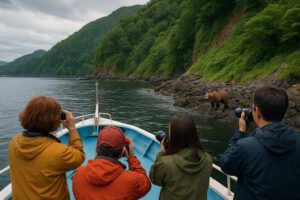
Let’s discuss the higuma bear. Encounters are uncommon but do occur. The key is to avoid surprising them. Make noise as you hike—talk, sing, or wear a bear bell. This alerts them to your presence and gives them a chance to move away. Store your food and any scented items (such as toothpaste) in a bear-resistant container or tightly sealed dry bag, and keep it in your tent vestibule—not inside with you. Never leave food unattended. If you do come across a bear, don’t run. Stand your ground, make yourself appear large, and back away slowly while speaking calmly and firmly. Know how to use your bear spray—it’s your last line of defense. This isn’t about fear; it’s about respect and safely coexisting in their territory.
Logistics, Logistics, Logistics
Don’t underestimate the importance of planning. Once you’ve chosen your dates, book everything. Reserve your spot on the bus to Asahidake Onsen. Arrange your accommodations before and after the hike. If you need to rent gear or buy specialty items like bear spray, figure out where to get them. Asahikawa is the last major city where you can stock up on supplies, with excellent outdoor shops available. Also, plan your exit strategy. For example, if you finish the traverse at Tokachidake Onsen, know the bus schedule to return to civilization. Public transport in these remote areas can be infrequent. Having a solid plan reduces stress and lets you focus on the hike itself.
This journey will challenge you, no doubt. There will be moments of doubt when you’re soaked, your muscles ache, and you question why you thought this was a good idea. But then the clouds will part to reveal a view so breathtaking it brings tears to your eyes. You’ll share laughter with a fellow hiker over a hot cup of soup at camp. You’ll watch stars emerge in a sky so clear and dark you feel you could reach out and touch the Milky Way. This is the magic of the traverse—finding strength you didn’t know you had and connecting deeply with a truly divine landscape. It’s an experience that touches your soul. So, if you hear the call of the wild north and crave an adventure that’s raw and profound, look no further. The Playground of the Gods awaits.