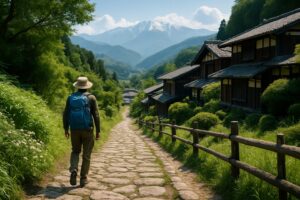
Hey wanderlusters! Sofia here, ready to spill the tea on one of the most soul-stirring, jaw-droppingly beautiful experiences I’ve had in Japan. Forget the neon glow of Tokyo for a sec and picture this: ancient stone paths winding through mystical forests, charming wooden villages that look like they’ve been lifted straight out of a samurai movie, and the sound of nothing but your own footsteps and the whisper of the wind in giant cedar trees. I’m talking about hiking the Nakasendo Trail in the heart of the Kiso Valley, Nagano Prefecture. This isn’t just a hike; it’s a full-on time-travel mission back to feudal Japan, and honestly, it’s a total vibe. This legendary highway once connected Kyoto and Edo (modern-day Tokyo), and walking even a small section of it feels like you’re literally stepping into the pages of a history book. We’re about to trade crowded trains for quiet trails, skyscrapers for towering cypress, and fast food for slow-grilled mountain snacks. Get your best walking shoes ready, because we’re about to get lost in a world where time has stood still. This is the Japan of your dreams, low-key one of the most photogenic and authentic adventures you can find. Ready to hit the trail?
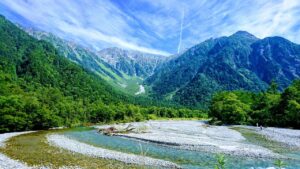
If you’re looking for another incredible hiking experience in Nagano, be sure to check out our epic guide to Kamikochi’s alpine paradise.
The Vibe: Whispers of the Edo Period
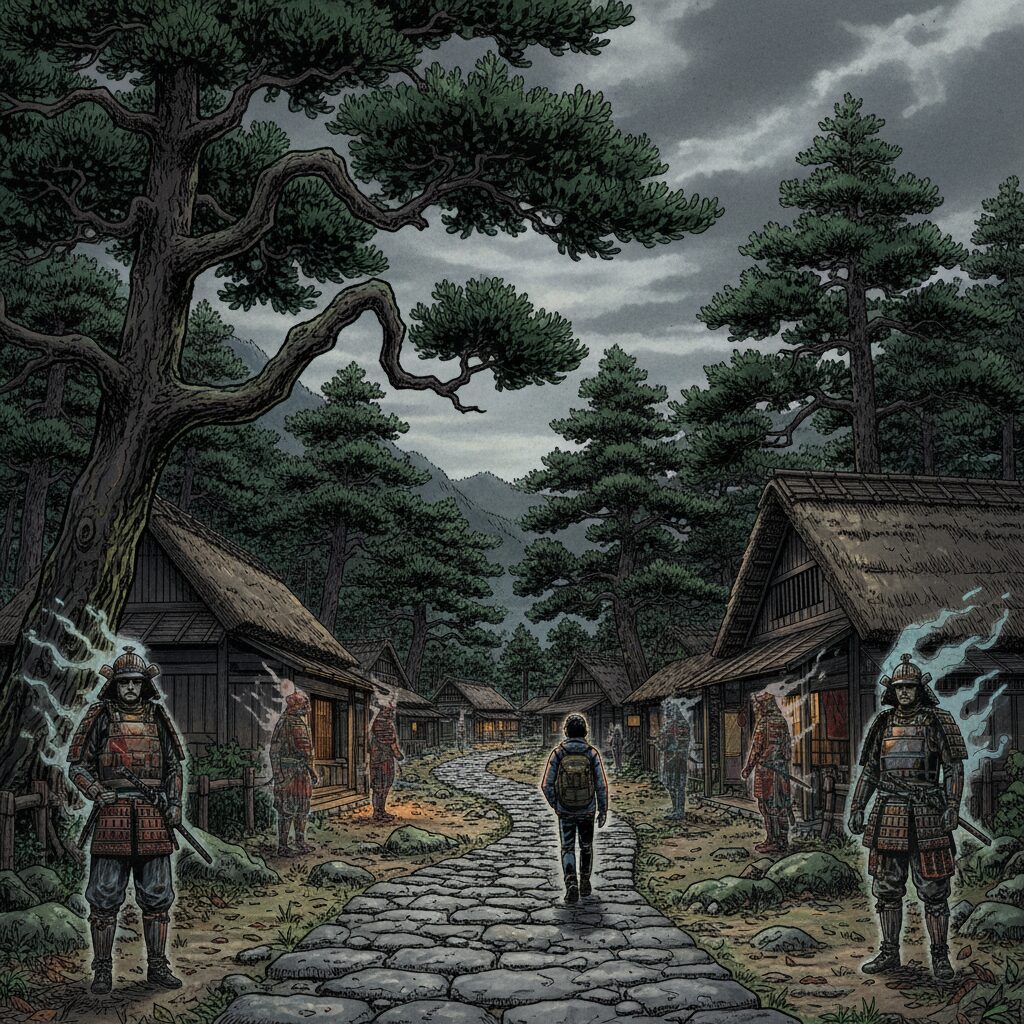
Before we even discuss the hike itself, let’s focus on the feeling of the Kiso Valley. It’s something you can’t fully capture in a photo, but I’ll do my best to describe it. The moment you step off the train into this region, it’s as if the noise of the modern world suddenly fades away. The air feels different—crisper, cleaner, and fragrant with pine and damp earth. The Kiso Valley is nestled within the majestic Japan Alps, and their presence is felt everywhere. They form the dramatic backdrop to your journey, their peaks often cloaked in a mystical mist.
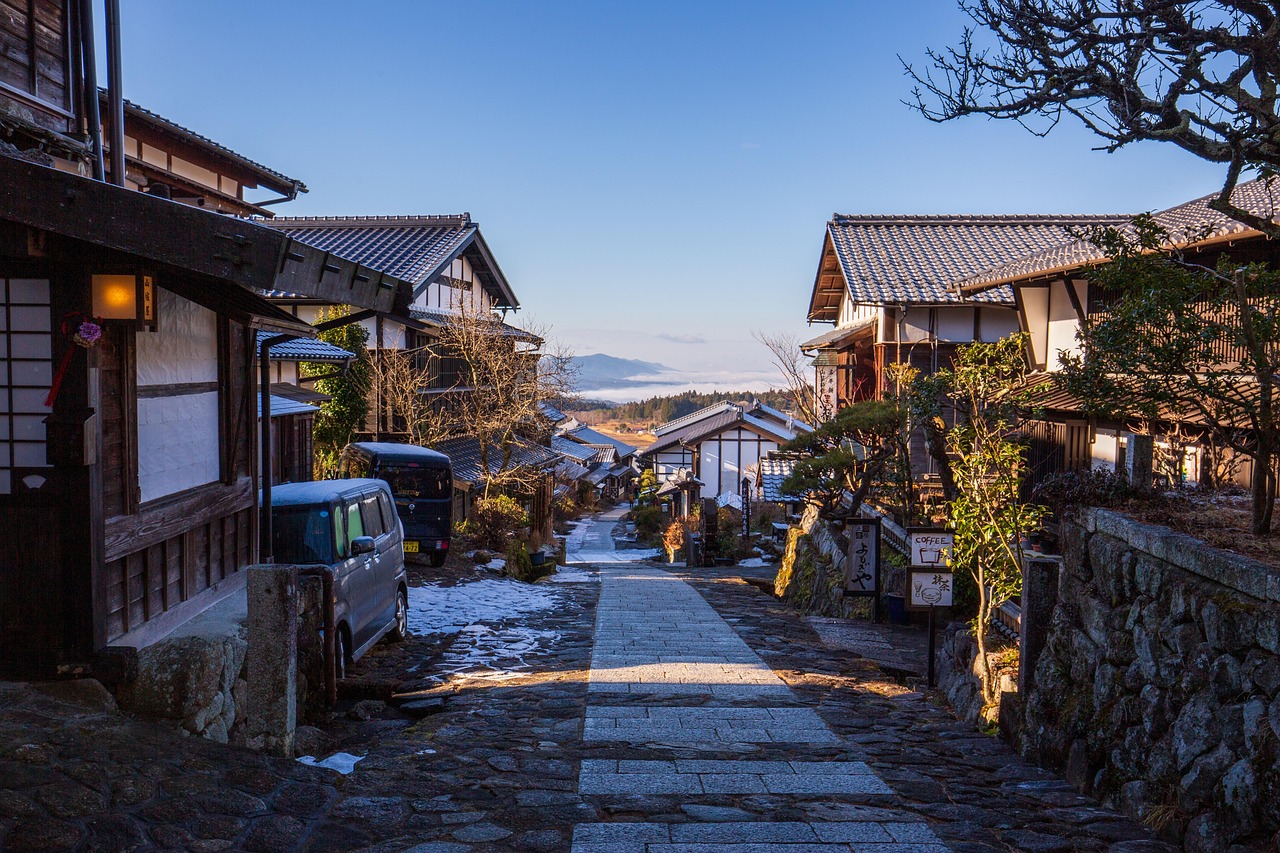
The real magic unfolds when you enter one of the post towns, or juku. These villages were established centuries ago to serve travelers along the Nakasendo. We’re talking about samurai lords on official duties, merchants transporting goods, and even princesses in ornate palanquins. Magome-juku and Tsumago-juku, the highlights of the most popular section of the trail, have been preserved with astonishing care. There are no visible power lines, no modern signage, no concrete eyesores. Instead, it’s all dark, weathered wood, delicate lattice screens, and softly glowing paper lanterns. It feels less like a tourist spot and more like a living museum where you’ve accidentally wandered onto the set of a historical drama. In the early morning or late evening, after the day-trippers have left, these towns become hauntingly quiet. You can hear the gentle rush of water through the small canals lining the streets and imagine the clatter of wooden sandals on the stone pavement from centuries ago. It’s cinematic, atmospheric, and a full-body experience that grounds you in a way few places can.
Kicking Off the Journey: Magome-juku
The most popular—and, let’s be honest, most Instagram-worthy—section of the trail stretches about 8 kilometers between Magome-juku and Tsumago-juku. Most people suggest starting in Magome and walking toward Tsumago since the route is generally a bit downhill. And believe me, once you see Magome, you’ll understand why it makes the ideal starting point. The town is uniquely perched on a steep hill, with its main street beautifully restored as a stone-paved slope lined by traditional wooden houses. It’s quite the workout just reaching the top!
I recommend arriving in Magome with plenty of time to explore before you even set out on the hike. The street is full of charming shops selling local crafts like intricate woodworks and indigo-dyed fabrics. You’ll find cozy teahouses to recharge with matcha and sweets, plus small eateries grilling the region’s famous snack: gohei mochi. You absolutely must try it. This pounded rice cake is skewered, coated in a sweet and savory sauce made of miso, walnuts, and sesame, then grilled over an open flame. The aroma alone is irresistible, making it the perfect carb-load for the walk ahead. Peek inside the small museums, watch the large wooden water wheels slowly turn, and simply soak up the atmosphere. The view from the hilltop, looking back down the street and out over the surrounding mountains, is truly spectacular. It’s the perfect appetizer before the main course—the trail itself.
Hitting the Ancient Path: Forest Bathing on a Whole New Level
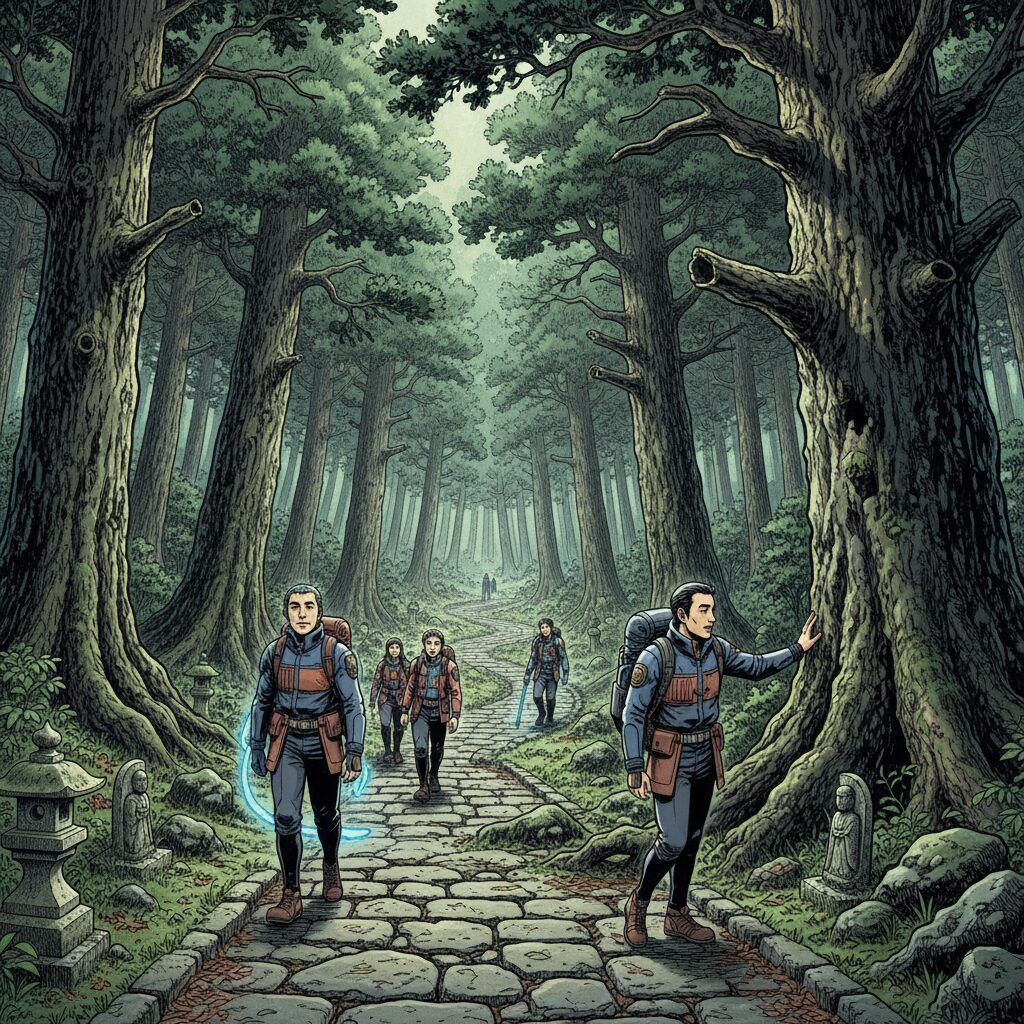
Ready with hiking boots laced up? Gohei mochi in hand? Let’s go. Leaving Magome, the shift from town to trail feels effortless. The stone path stretches ahead, leading you smoothly out of the village and straight into the welcoming arms of the forest. Here, the real enchantment begins. The Kiso Valley is renowned for its cypress trees, especially the Kiso hinoki, a prized variety so valued that during the Edo period, felling them was punishable by death! This means you’re walking through an ancient, protected forest. The towering trees rise high, forming a dense canopy that filters sunlight into a soft, ethereal glow. The Japanese call this experience shinrin-yoku, or “forest bathing,” and this trail exemplifies it perfectly. You’re not merely walking; you’re fully absorbing the forest’s healing energy.
The trail is exceptionally well-maintained and clearly marked, so even if you’re not an expert hiker, it’s manageable. The path shifts between the original ishidatami—large moss-covered cobblestones that can be slippery when wet—packed earth trails, and quiet country lanes. Along the way, small details narrate the road’s history. Little Jizo statues, often adorned with red bibs, act as protectors of travelers. You’ll also find replicas of old official notice boards called kosatsu, where shogunal edicts were publicly displayed. These small touches help keep you connected to the rich history of the place.
Bear Bells and Teahouse Breaks
One of the most distinctive sounds on the trail is the gentle, rhythmic jingling of bells. The Kiso Valley is home to Asiatic black bears. Though sightings are rare, hikers traditionally carry bear bells (kuma-yoke-suzu) to announce their presence to wildlife. Bells hang at various points along the trail for hikers to ring as they pass. This adds a hint of excitement and enhances the forest’s wild, untamed atmosphere. The ringing becomes part of the trail’s soundscape, a charmingly unique element of the Japanese hiking experience.
About halfway through the trek, just when fatigue might start to set in, you’ll find a true haven: the Ichikokutochi Tateba Tea House. This isn’t a commercial cafe but a traditional rest stop operated by local volunteers. Step inside the rustic wooden building, sit by the crackling fire pit (irori), and enjoy a free cup of hot tea served along with pickles or candy by a welcoming local elder. This wonderful act of hospitality, or omotenashi, has been part of the trail’s tradition for centuries. It’s the perfect spot to rest your feet, chat with fellow hikers from around the world, and experience genuine warmth and connection amid the vast forest. Moments like these make the Nakasendo far more than just a walk.
Waterfalls and Whispering Woods
Continuing past the teahouse, the trail leads you deeper into Nagano’s wilderness. You’ll hear rushing water well before spotting its source. The path guides you to the breathtaking Odaki and Medaki waterfalls—the “Male” and “Female” falls. They tumble over moss-covered rocks into crystal-clear pools, surrounded by cool, misty air. It’s an ideal place to pause, breathe deeply, and capture stunning photos. The waterfalls’ raw power and beauty remind you of the natural world enveloping you. Onward to Tsumago, the trail winds through enchanting forest, past small farmhouses and rice paddies seemingly carved into the mountainside. The scenery changes constantly, keeping you engaged with every step. You feel miles away from modern life’s hustle and bustle. It’s just you, the ancient path, and the whispers of history.
Arrival in Paradise: Tsumago-juku
After about three hours of walking, the forest starts to thin, and you catch your first view of Tsumago-juku. If you found Magome impressive, prepare yourself for Tsumago. This town is often regarded as one of the best-preserved post towns in Japan. It was among the first towns to initiate historical preservation efforts in the 1970s, establishing a citizen’s charter that declared no part of the town should be “sold, rented out, or destroyed.” The result is a place that feels completely authentic. It is a bit flatter and more spread out than Magome, which lends it a quieter, more serene atmosphere. The dark wood of the inns and houses, many centuries old, absorbs the light, creating a beautifully moody and atmospheric scene.
Take your time wandering through Tsumago. The main street is a pedestrian’s haven, with no cars allowed during the day. You can visit the Wakihonjin Okuya, a former inn for high-status travelers, now a fascinating museum featuring a stunning cypress-wood bath and meticulously restored rooms. The attention to detail is astonishing. Tsumago feels less like a cluster of souvenir shops and more like a living, breathing historical community. As evening falls and paper lanterns begin to glow, casting long shadows along the empty street, the town’s magical quality intensifies. This is the moment to put your camera away and simply be present. The feeling is truly unforgettable.
Staying the Night: A Minshuku Experience

To fully experience the Nakasendo, staying overnight in one of the traditional inns is essential. You have two main choices: a ryokan (a more upscale traditional inn) or a minshuku (a family-run guesthouse). I chose a minshuku in Tsumago, and it became one of the most memorable parts of my entire trip to Japan. It offers a much more intimate and personal experience. You’re welcomed into a family home, sleep on comfortable futons spread out on fragrant tatami mats, and share communal areas. It gives you a genuine glimpse into life in these small mountain villages.
The best aspect? The food. Dinner and breakfast are almost always included, featuring a home-cooked feast of local, seasonal dishes. This is far from typical restaurant cuisine. We’re talking about mountain vegetables foraged from nearby forests, grilled river fish caught that very day, handmade soba noodles, and an array of pickles and side dishes you likely haven’t encountered before. This meal style is called kaiseki, a traditional multi-course meal with a rustic, homey twist. Sitting around a table with your hosts and fellow travelers, sharing stories over an incredible meal, creates an experience that stays with you forever. This kind of immersive travel truly connects you to the place and its people.
The Practical Stuff: Nailing the Logistics
Alright, let’s dive into the details. Planning a trip to the Kiso Valley is surprisingly straightforward, but a few tips will help make your journey completely smooth.
Getting There
The Kiso Valley is tucked away in the mountains between Tokyo, Kyoto, and Nagoya. The easiest access point is Nagoya. From there, you can hop on the JR Shinano Limited Express train, covered by the Japan Rail Pass, to either Nakatsugawa Station (for Magome) or Nagiso Station (for Tsumago). The ride is incredibly scenic! From Nakatsugawa, it’s a 30-minute bus trip up to Magome. From Nagiso, Tsumago is a short bus ride or a pleasant 40-minute walk.
Luggage Forwarding: The Ultimate Travel Hack
Here’s the best advice I can give: use the luggage forwarding service! You definitely don’t want to lug a bulky suitcase on this historic hike. At the tourist information centers in Magome and Tsumago (and many inns), you can arrange to have your main luggage sent ahead to your next destination for a small fee. Drop it off in the morning before you start hiking, and it will be waiting for you at your inn when you arrive. This way, you only carry a small daypack with water, snacks, and a camera. It’s a total game-changer that makes the whole experience much more enjoyable.
When to Go and What to Pack
The Nakasendo is stunning all year round, with each season offering a unique atmosphere.
- Spring (April-May): This is prime season. The weather is ideal for hiking, and you’ll enjoy iconic cherry blossoms and other blooming flowers. It’s peak time, so be sure to book your accommodation well in advance.
- Summer (June-August): The forest is lush and vibrant, but it can get hot and humid, with a rainy season in June and July. If you hike in summer, start early to avoid the midday heat and prepare for possible rain.
- Autumn (October-November): Perhaps the most breathtaking season. The mountains burst into fiery reds, oranges, and yellows. The crisp autumn air is perfect for hiking, and the scenery is spectacular. Like spring, it’s popular, so book ahead.
- Winter (December-February): For the adventurous, winter offers a very different experience. The trail may be covered in snow, transforming the landscape into a serene, monochrome wonderland. It’s beautiful but requires proper gear (waterproof boots, warm layers) and caution, as some parts can be icy and challenging.
No matter when you visit, sturdy and comfortable walking shoes are essential. The cobblestones can be uneven and slippery. Pack layers since mountain weather can change quickly. And most importantly, bring cash! Many small shops, eateries, and inns in these tiny villages don’t accept credit cards. It’s a cash-based world out here.
Beyond the Trail: More Kiso Valley Gems

If you have extra time, don’t limit yourself to just Magome and Tsumago. The Kiso Valley offers other stunning post towns worth exploring. Narai-juku is another beautifully preserved town, even longer than Tsumago, famous for its lacquerware. Kiso-Fukushima was a larger, more significant checkpoint along the trail and features a well-preserved checkpoint gatehouse open to visitors. Renting a car to explore the more remote areas of the valley can be an excellent way to discover more of this remarkable region. You can also immerse yourself further in the local culture by taking a woodworking class or visiting a local sake brewery. The Kiso Valley is a treasure trove, and the Magome-Tsumago hike is just the key that unlocks it.
A Path to the Heart
Walking the Nakasendo Trail is more than a physical journey; it’s a pilgrimage into the heart of Japan’s history and natural beauty. It offers a chance to disconnect from the noise and reconnect with something more essential—the rhythm of your footsteps on an ancient path. It’s the smoky flavor of gohei mochi, the distant chime of a bear bell, the kindness of a stranger offering tea, and the breathtaking sight of a forest that has stood for centuries.
This isn’t just a trip for your Instagram feed, though you’ll capture some truly stunning shots. It’s a journey for your soul. It reminds you that sometimes the best way to move forward is to step back into the past. So if you’re seeking an adventure that is equally beautiful, historical, and profoundly moving, make the Kiso Valley your top priority. You won’t just be walking a trail; you’ll be walking through time. And that’s a journey you’ll never forget.