Yo, what’s good, travel fam? Lemme drop a pin on your world map for a sec. Picture this: you’re not in a bustling, neon-soaked city. You’re not hiking up a volcano or meditating in a temple, though Japan’s got all that good stuff too. Nah, you’re chilling, literally gliding on water, with weeping willows tickling the surface and a grizzled boatman humming a tune that’s older than your grandpa’s favorite vinyl. The air smells like history, fresh water, and something else… something savory, sweet, and smoky. That, my friends, is the scent of unagi, and you’re in Yanagawa, the undisputed capital of this next-level eel dish. Tucked away in Fukuoka Prefecture on the southern island of Kyushu, Yanagawa isn’t just a town; it’s a whole mood. Dubbed the ‘Venice of Japan,’ this place is a labyrinth of canals, a time capsule from the age of samurai, and home to one of the most soul-satisfying dishes you’ll ever bless your taste buds with: Unagi no Seiro-mushi. Forget everything you think you know about grilled eel. We’re talking about a culinary tradition so deeply woven into the fabric of this town that to visit Yanagawa and not eat it is like going to Paris and skipping the Eiffel Tower. It’s the reason, the season, the main event. It’s a journey into flavor that mirrors the slow, winding journey you take through its ancient waterways. This ain’t just a day trip; it’s an experience that hits different, a deep dive into a side of Japan that’s peaceful, poetic, and ridiculously delicious. So buckle up, ’cause we’re about to float into the heart of Kyushu’s culinary soul and uncover the magic of steamed eel in a box.
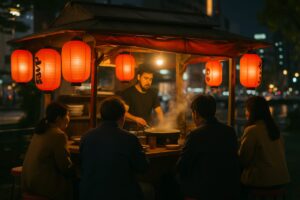
If you’re craving more of Fukuoka’s incredible local flavors after your unagi feast, be sure to check out our guide to the city’s legendary yatai street food stalls.
The Vibe: Cruisin’ the Canals, Slow-Mo Style

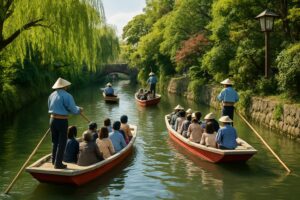
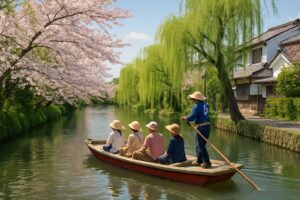
First things first, you need to get a feel for the place, and in Yanagawa, that means taking to the water. The entire town is interwoven with roughly 470 kilometers of canals, or horiwari, originally dug centuries ago for irrigation and defense around the old castle. Nowadays, they serve as the town’s main thoroughfares, and the best way to explore them is aboard a donko-bune, a low, flat-bottomed boat skillfully guided by a boatman, or sendo, using only a single long bamboo pole. This is no high-speed thrill ride; quite the opposite. The moment you step onto the boat and it pushes off from the dock, time appears to slow down. You’re on canal time now. The noise of the modern world fades to a distant murmur, replaced by the gentle splash of the pole in the water, the rustling leaves, and the songs of birds. The journey, typically lasting around 70 minutes, offers a complete sensory experience. You’ll Glide beneath dozens of low-hanging bridges, some so low you have to duck your head, which is all part of the charm. The sendo, often a seasoned local with a face full of character and a soulful voice, becomes your guide and storyteller. They don’t just pole the boat; they put on a performance. They’ll point out historic landmarks, such as the old castle walls or the gates of samurai residences, spinning tales that bring to life what life was like during the Edo period. Then comes the magical moment. In a quiet stretch of the canal, shaded by ancient camphor trees, your sendo might start singing. It’s a traditional boatman’s song, a haunting, beautiful melody that reverberates off the water and stone walls. You may not understand the words, but you’ll feel the history, pride, and melancholy in their voice. It’s a moment that stays with you, a genuine, unfiltered piece of local culture you can’t find anywhere else. As you glide along, the town’s backyard unfolds before you. You’ll see locals tending waterside gardens, massive koi carp swimming lazily alongside the boat, and white herons perched regally on the banks. In spring, the canals are framed by blossoming cherry trees and irises, turning the scene into a living watercolor painting. In autumn, the changing leaves cast a warm, golden light over everything. This boat ride isn’t just a tour; it’s a meditation. It invites you to let go of your schedule and simply be present, allowing the slow current of Yanagawa to carry you along. It resets your pace and primes you perfectly for the culinary masterpiece that awaits.
The Main Event: Decoding the Legendary Unagi no Seiro-mushi
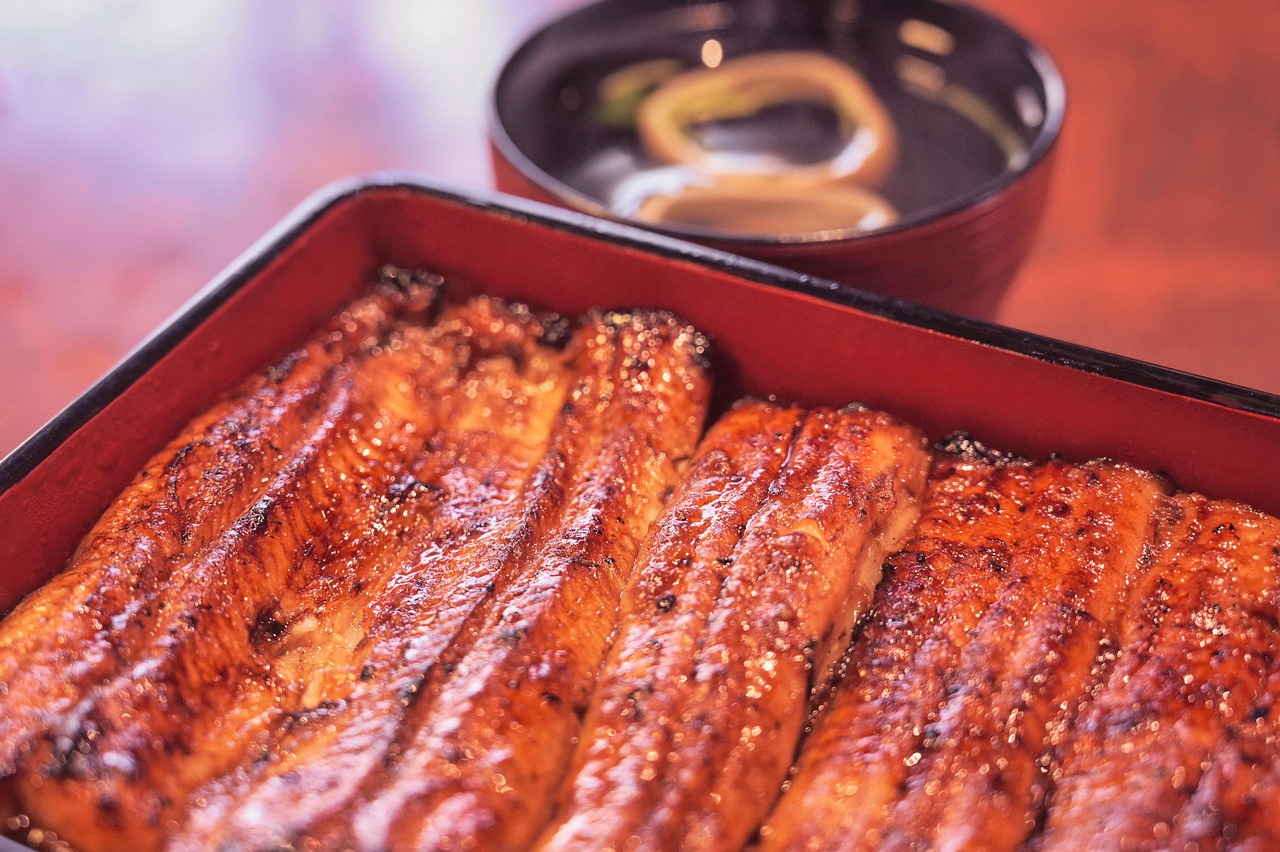
Alright, let’s get down to business—the reason we’re all here: the G.O.A.T. of eel dishes, Unagi no Seiro-mushi. After your peaceful canal cruise, you’ll be dropped off near a cluster of restaurants, where the air will be thick with the intoxicating aroma of grilled eel and sweet soy sauce. This isn’t just a meal; it’s a ceremony, a tradition locals say dates back over 300 years. So what makes it so special? It’s all in the name. Unagi means eel, seiro is a rectangular bamboo or cypress steamer box, and mushi means steamed. Unlike your typical unadon or unaju, where grilled eel is simply laid atop plain rice, Yanagawa’s version is a whole different experience. It’s a two-part symphony of flavor and texture. First, the eel fillets are grilled to perfection over charcoal, just like in other styles, basted repeatedly in a secret tare sauce—a sweet and savory glaze made from soy sauce, mirin, sake, and sugar, refined across generations at each restaurant. This step gives the eel its beautiful char and smoky flavor. But here’s where Yanagawa changes the game: the real magic is in the steaming. The chefs start with a bed of rice that’s already been tossed and cooked with that same treasured tare sauce, infusing every grain with flavor. They lay the grilled eel fillets atop this seasoned rice, place it all inside the seiro steamer, and then steam the entire dish together. This final steaming step is a game-changer, doing two remarkable things. First, it makes the eel unbelievably tender and fluffy, its flesh so soft it practically melts in your mouth—a stark contrast to the slightly chewier texture of simply grilled eel. Second, it allows the rich flavors of the eel and glaze to deeply permeate the rice below, creating a perfect marriage of tastes. When the lacquered lid of your seiro box is lifted at your table, a fragrant cloud rises, unveiling glistening, perfectly arranged eel on a bed of jewel-toned rice, often topped with finely shredded egg crepe (kinshi tamago). The first bite is a revelation—an explosion of sweet, savory, and smoky notes, layered with an intense umami depth. The rice isn’t just a sidekick; it’s a co-star, every grain bursting with the essence of eel and sauce. The eel itself is delicate, rich, and entirely boneless. This dish is both comforting and luxurious. Often served with a small bowl of kimosui, a clear, delicate soup made from eel liver that acts as the perfect palate cleanser, this is more than food; it’s edible history. It’s a technique born from a desire to create the ultimate eel experience, perfected into an art by the people of Yanagawa. You haven’t truly experienced Yanagawa until you’ve sat down, lifted that lid, and let the magic of Seiro-mushi take hold.
The Deep Dive: Craft, Culture, and Culinary Genius
To really appreciate the hype, you need to understand the incredible level of detail that goes into every single box of Seiro-mushi. This craft is passed down from master to apprentice, with the top shops in Yanagawa guarding their recipes like state secrets. It begins with the eel itself—high-quality Japanese eel (Anguilla japonica), prized for its rich, fatty meat. The preparation is an art form. Deboning and filleting an eel require skill honed over years, a precise knife work that resembles a martial art. Next comes the grilling—not just any grill. Most legendary shops use binchotan, a premium white charcoal that burns at an extremely high temperature with minimal smoke or flame. This intense, clean heat instantly sears the eel’s surface, locking in juices and creating the perfect canvas for the tare sauce to cling to. The tare itself is the soul of each restaurant. Many of the oldest eel establishments maintain a master pot of sauce that’s been continuously used, sometimes for decades or even centuries. Rather than emptying it, they keep adding fresh ingredients to the old base, creating an impossible depth of flavor that a new batch could never replicate. It’s a living ingredient carrying the history of the shop in every drop. The rice is chosen with equal care—a specific type of Japanese rice that absorbs the rich sauce without becoming mushy during steaming. The seiro box is also essential; typically made from cypress wood, it imparts a subtle, fresh aroma to the dish as it steams, adding another layer of complexity. Eating Unagi no Seiro-mushi is not just tasting eel and rice. You’re tasting the quality of the charcoal, the history embedded in the sauce, the skill of the chef’s hands, and the fragrance of the cypress steamer. It’s a holistic culinary experience where every element has been meticulously considered and perfected over generations. This dish is deeply connected to Japanese culture, especially the concept of stamina. Eel is traditionally consumed on the hottest summer days, specifically the Day of the Ox (Doyo no Ushi no Hi), believed to provide energy and nutrients to combat heat and fatigue. In Yanagawa, however, it’s not just a seasonal treat; it’s a year-round staple, a source of local pride, and the go-to dish for celebrations and special occasions. It’s the town’s undisputed soul food.
Beyond the Boat and the Box: Soaking Up Yanagawa’s History

Once you’ve enjoyed that extraordinary eel, it’s time to stretch your legs and discover the rest of what this historic town has to offer. Yanagawa is much more than its canals and cuisine; it serves as a living museum of the samurai era. The town was once the castle town of the Tachibana clan, who governed the domain for over 250 years during the Edo period. Their influence is evident everywhere, with the grandest example being the Ohana Residence. This is more than just a house; it is an expansive complex that functioned as the villa for the Tachibana family. The property is breathtaking, featuring both Japanese and Western-style buildings that provide a captivating glimpse into the Meiji era, a time when Japan was rapidly modernizing. The highlight is the Shoto-en, a magnificent Japanese garden recognized as a National Site of Scenic Beauty. Designed to be viewed from the residence’s grand hall, the garden contains a large pond surrounded by dozens of carefully placed pine trees meant to evoke the scenic Matsushima Bay archipelago. It is a masterpiece of landscape design, where you can spend hours sitting on tatami mats, gazing at the tranquil scene. Walking through the Ohana estate feels like stepping onto a movie set. You can explore the grand Western-style ballroom, adorned with chandeliers and luxurious furniture, then turn a corner to find yourself in a traditional Japanese hall with sliding paper doors and intricate woodwork. It’s a striking contrast between two worlds. Yet, Yanagawa’s charm also lies in simply strolling through its quiet streets. Off the beaten path, you’ll discover beautifully preserved old buildings, small Shinto shrines nestled between houses, and local shops selling traditional crafts and sweets. The pace of life here is slow and deliberate — you don’t rush in Yanagawa; you meander. It’s the perfect place to lose yourself and see what unfolds. For a truly unique cultural experience, if you visit between February and early April, you may witness the Yanagawa Sagemon Meguri. This festival celebrates Girls’ Day (Hina Matsuri), during which families with newborn daughters hang intricate, handmade decorations called sagemon. These are beautiful mobiles featuring dozens of small symbolic trinkets, like cranes for long life, rabbits for strength, and peaches for protection against evil. Throughout the festival, the entire town bursts with color as shops and homes display their stunning sagemon for all to admire. It’s a visual delight and a heartwarming tradition that highlights the town’s deep sense of community spirit.
The Practical Deets: How to Get Your Yanagawa Fix
Getting to Yanagawa is actually very easy, especially if you’re starting from Fukuoka City. The simplest and most scenic route is to take the Nishitetsu train line from Nishitetsu Fukuoka (Tenjin) Station. It’s a direct trip, and the limited express train will get you to Nishitetsu-Yanagawa Station in less than an hour. The journey itself is quite enjoyable, transitioning from the bustling cityscape of Fukuoka to the flat, green plains of the Chikugo region. Once you arrive at the station, the signs for the canal boat tours are easy to spot. Many travelers choose a combo ticket, which can often be purchased right at the train station in Fukuoka. These packages are a great value, usually including a round-trip train ticket, a one-way boat tour, and sometimes even a discount voucher for an eel lunch. It’s very convenient and removes all the hassle from planning. For first-timers, a smart plan is to take the shuttle bus (or a short taxi ride) from the train station to the boat pier to begin your canal cruise. The 70-minute boat ride is one-way, ending conveniently in the heart of town near the Ohana Residence and the most famous unagi restaurants. This sequence works perfectly: relax on the boat, enjoy your meal, explore the historic sites on foot, and then either walk back to the station (about 20-30 minutes) or catch a quick taxi. You’ll want to dedicate most of the day to Yanagawa; rushing through would miss the whole point. Plan to arrive in the morning, take the boat tour, have a long, leisurely eel lunch, spend the afternoon visiting the Ohana Residence and town, then return to Fukuoka in the early evening. A couple of tips for the trip: wear comfortable shoes since, despite the relaxing boat ride, you’ll be walking quite a bit afterward. Also, while major restaurants and ticket counters accept cards, it’s wise to carry some cash for smaller shops, snacks, or taxi rides. Finally, embrace the slow pace. Yanagawa’s charm lies in its ability to make you slow down and savor the little details—the reflection of a willow in the water, the delicate patterns on a sagemon doll, the melt-in-your-mouth texture of perfectly steamed eel. Let the town work its magic on you.
Yanagawa’s Lasting Echo

Some destinations you visit focus on the major sights and ticking off attractions from a list. Yanagawa is not one of them. While the canals are stunning and the history deep, the true essence of this town is a feeling. It’s the sensation of time easing into a gentle, flowing rhythm. It’s the flavor of a culinary tradition so perfected and so entwined with the place that one can’t imagine them separately. It’s the sound of a boatman’s song drifting over the water—a melody linking you to generations gone by. A visit to Yanagawa is an immersion into a more intentional, richer way of living. It reminds you that the best adventures aren’t about hurrying forward but about drifting slowly, savoring every moment, and appreciating the craft and culture that make a place uniquely special. You leave Yanagawa with a satisfied appetite and a serene heart. The memory of fragrant steam rising from the seiro box, the gentle sway of the donko-bune, and the warm hospitality of its people—all of it lingers, a lasting echo of a day spent in Japan’s quiet, beautiful core. So as you plan your Japan journey, be sure to set aside a day for this Kyushu treasure. Glide through Yanagawa. Let the canals carry your worries away and let the unagi completely transform your idea of delicious. It’s a vibe, it’s a flavor, it’s a memory you’ll cherish for a long, long time. Peace.