Yo, let’s talk about getting off the beaten path in Japan. For real. Forget the endless streams of people in Shibuya for a minute and picture this: a rugged coastline where the deep blue of the Pacific crashes against ancient cliffs, where sacred forests hide the heart of a nation, and where the seafood is so fresh it feels like a spiritual awakening. This ain’t some fantasy island. This is Ise-Shima, a peninsula in Mie Prefecture that’s basically the undisputed holy land for anyone who worships at the altar of fresh seafood. This is where the ocean doesn’t just provide food; it provides offerings fit for gods. And for us, it offers a culinary pilgrimage centered around two absolute legends: the Ise-ebi, a spiny lobster that puts all other lobsters to shame, and the awabi, the mystical abalone hunted by the legendary female divers known as Ama. This is a journey into the heart of Japan’s relationship with the sea, a full-sensory deep dive into flavor, tradition, and straight-up coastal beauty. It’s more than a meal; it’s a whole mood. So, strap in, get hungry, and let’s explore the epicurean paradise that is Ise-Shima. It’s time to taste what real freshness feels like, to connect with a culture that has revered these waters for thousands of years, and to understand why this place is a treasure not just for Japan, but for anyone on this planet who truly loves to eat. The rhythm of the waves sets the pace here, and the bounty of the ocean dictates the menu. Welcome to a place where every bite tells a story.
The Ise-Shima Vibe: More Than Just a Snack
Before we even begin discussing menus, you need to grasp the unique vibe of Ise-Shima. It feels different. This isn’t merely a tourist destination; it’s the spiritual heartland of the Japanese people. The very air seems charged, cleaner, almost sacred. This is because the area is home to Ise Grand Shrine, or Ise Jingu, the most important Shinto shrine in all of Japan. For more than two thousand years, it has been a pilgrimage site dedicated to the sun goddess Amaterasu Omikami. This spiritual energy permeates everything, especially the food. The idea of offering the finest from land and sea to the gods is deeply embedded in the local culture. The seafood isn’t simply caught; it is harvested with gratitude and respect. This reverence for nature elevates dining from a mere meal to a profound connection with the environment. You sense it as you drive along the coast, past numerous inlets and pearl rafts in Ago Bay. You sense it in the quiet dignity of fishing villages, where life still turns with the tides. The landscape is a wild blend of tranquil bays dotted with small islands and rugged, wave-beaten cliffs. It’s a place that feels both timeless and alive, where ancient traditions aren’t preserved in museums—they are practiced daily by the fishermen and Ama divers who call these shores home. The atmosphere is relaxed yet deeply purposeful. It’s a place to slow down, breathe the salty air, and appreciate the purity of your surroundings. This context is the secret ingredient, the invisible seasoning that makes every bite of seafood in Ise-Shima taste that much more extraordinary. You’re not just eating a lobster; you’re partaking in a sacred tradition of bounty and gratitude that has defined this land for millennia.
The Main Event: Ise-Ebi, The Crimson King
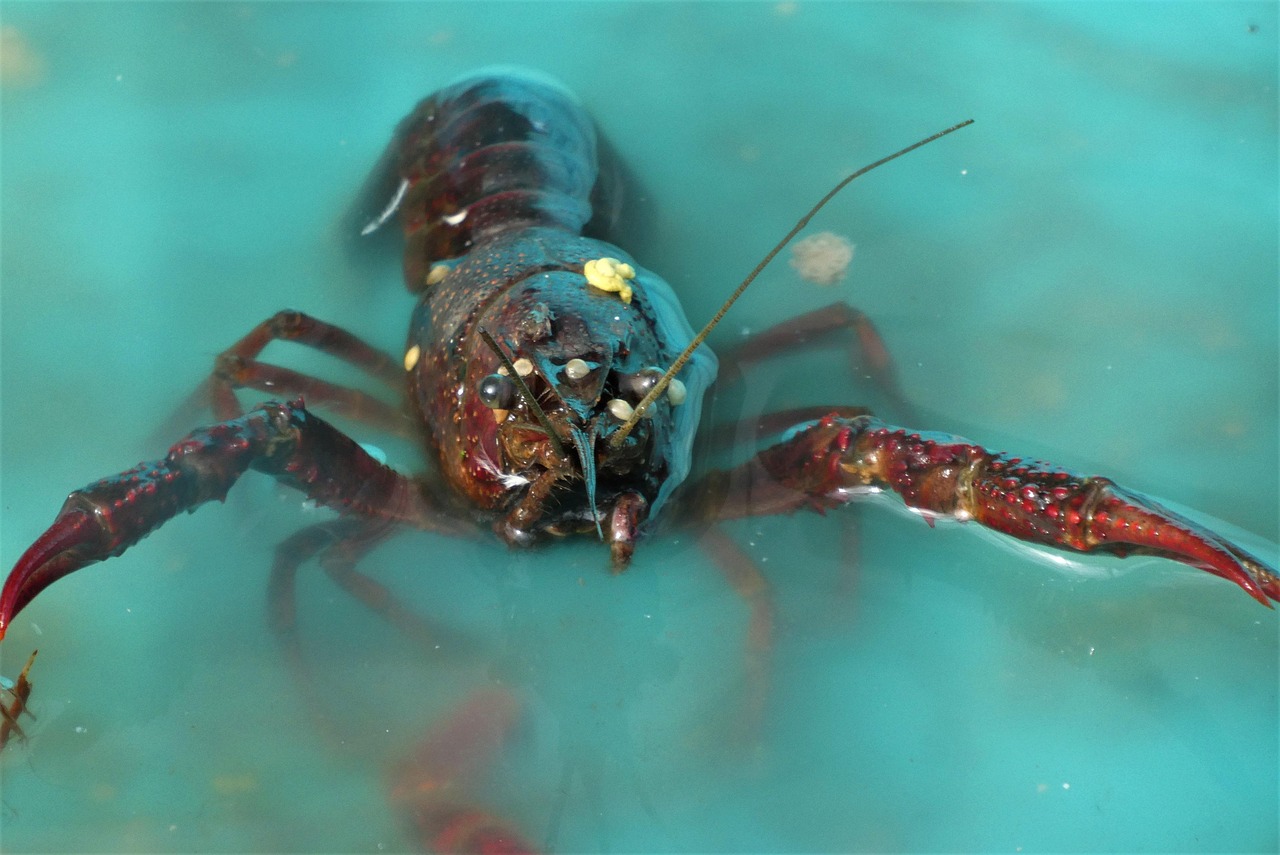
Alright, let’s dive in. The star of the show, the undeniable heavyweight champion of the Ise-Shima seafood world: the Ise-ebi. Forget everything you think you know about lobster. This is far from the usual boiled-in-a-pot routine served with melted butter. The Ise-ebi, or Japanese spiny lobster, is a completely different creature—a crimson-armored monarch from the deep, nutrient-rich currents of the Pacific. Its meat is exceptionally firm, with a bouncy, almost crunchy texture that bursts in your mouth, followed by a wave of pure, clean sweetness unlike anything else. It’s the kind of intense, unfiltered flavor that makes you close your eyes and simply savor the moment. Locals hold it in genuine reverence, and once you try it, you’ll understand why. It’s more than just a meal; it’s a celebration on a plate, a symbol of freshness that boldly proclaims, “you’ve arrived.” When cooked, its vivid red color and long antennae—resembling an elongated beard—have made it a symbol of longevity and good fortune, securing its place at celebratory meals, especially during New Year’s and other special events. The lobster’s curved body is even said to resemble an elderly figure, reinforcing its ties to a long, healthy life.
Meeting the King: How It’s Prepared
When Ise-ebi appears on your plate, it’s a masterpiece, a tribute to the Japanese ideal of minimalist perfection. The ultimate display of freshness is to have it served as ikizukuri or sashimi—that’s live preparation. For the uninitiated, it can be quite intense, but it represents the peak of seafood appreciation. A skilled chef dispatches the lobster with lightning speed and accuracy, a craft honed over years, ensuring no stress to the animal and preserving the finest texture and flavor. The translucent, pearly meat is carefully arranged on its own ornate shell, with the head and antennae posed as if it were still crawling on the ocean floor. Occasionally, the tail may twitch slightly. This is as fresh as it gets—a direct connection to the ocean’s essence. The texture is incredible—a satisfying crunch that melts into a tender, delicate richness. You dip a piece into a hint of premium soy sauce, perhaps with a touch of freshly grated wasabi, and let the pure umami speak for itself. It’s a moment of culinary enlightenment.
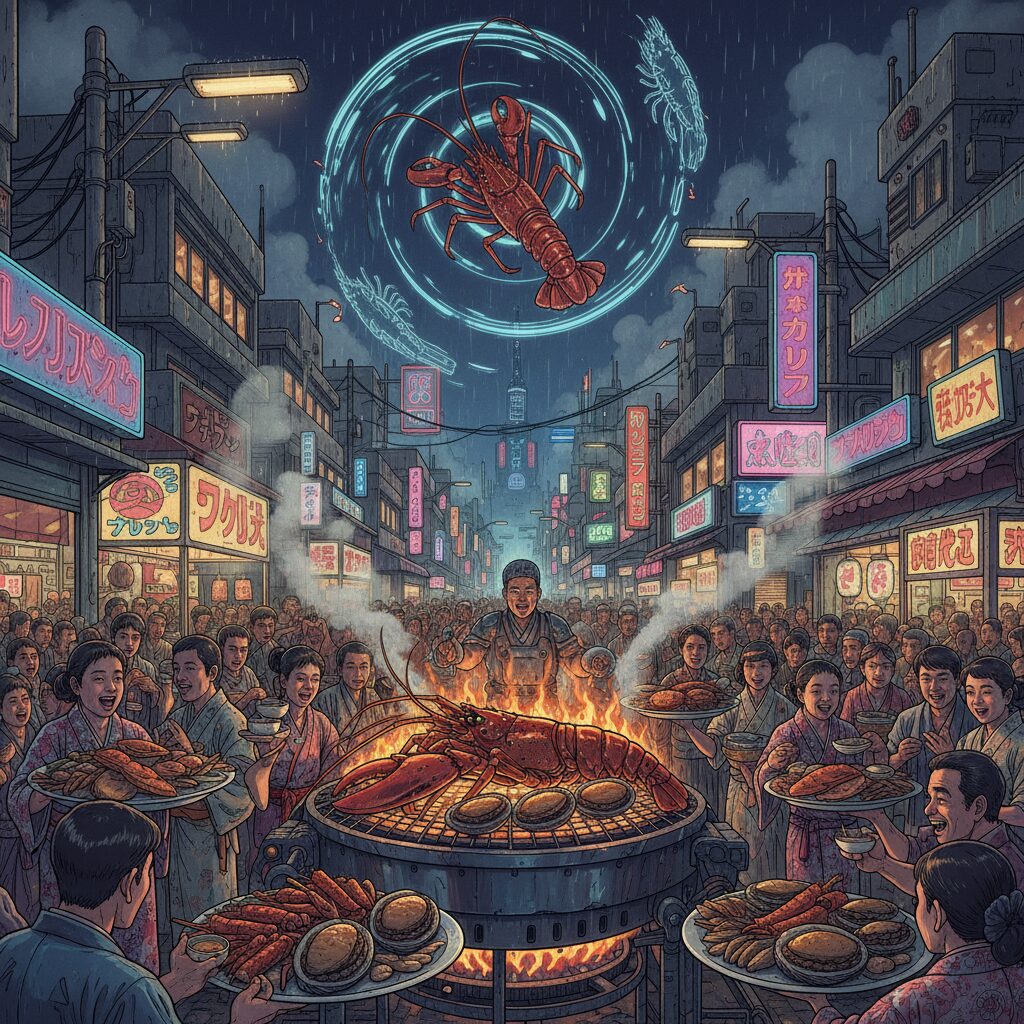
But the experience doesn’t end there. If raw isn’t your thing, or if you want to discover the lobster’s versatility, you must try onigara-yaki. This method delivers pure, primal pleasure. The lobster is split lengthwise, coated with a savory miso paste, rich soy-based sauce, or sometimes just a pinch of salt to highlight its natural flavor, then grilled over charcoal inside its fierce-looking ‘onigara’ (ogre shell). The searing heat intensifies the inherent sweetness, caramelizing the sugars in the meat and charring the edges just right to add a smoky, irresistible depth. The sizzling sound and the aroma of the savory glaze mingling with the sweet lobster fill the air—a full sensory knockout. Pulling the juicy meat from the shell with chopsticks offers a totally different sensation from sashimi—warmer, richer, and deeply comforting.
And for the grand finale, never, ever miss the miso soup. Any reputable restaurant will take your lobster’s head—packed with intense, savory flavor and tomalley (the ‘miso’)—and simmer it into a broth. The resulting Ise-ebi jiru is a rich, briny, complex liquid gold that will forever change your idea of what soup can be. It’s the ultimate zero-waste, full-flavor showcase—a warm embrace that soothes your soul after an extravagant feast. It’s a tribute to honoring every part of this precious gift from the sea.
Timing is Key: The Ise-Ebi Season
A vital insider tip is knowing when to visit. Ise-ebi is a protected species, with a strict fishing ban during its summer spawning season to safeguard the population for future generations. The fishing season generally starts in October and continues until around April. This is the prime time—the golden window when you’ll find the freshest, most vibrant Ise-ebi on every menu. Visiting during these months guarantees you’re getting the very best. The lobster is at its peak, with firm, sweet meat, and the whole region celebrates its return. While it can sometimes be found at other times of the year, often from specialized tanks, nothing compares to tasting it fresh from the net during peak season.
Awabi, The Ocean’s Jewel
Now, let’s shift our focus to another star of the Ise-Shima coast: the awabi, or abalone. If the Ise-ebi is the flamboyant king, then the awabi is the mysterious, revered queen of the deep. This is far from just any shellfish. For centuries, awabi from this area has been so prized that it became one of the most sacred offerings presented to the gods at Ise Grand Shrine. This historical and cultural significance lends it an aura of mystique that you can sense even before tasting it. Abalone boasts a unique texture unlike any other—a perfect, satisfying chewiness that is firm yet tender, never rubbery when prepared properly. Its flavor is subtle, complex, and deeply oceanic, offering a clean taste of the sea with hints of sweetness and a rich, lingering umami. It’s a delicacy that commands respect, and in Ise-Shima, it is deeply intertwined with one of Japan’s most captivating cultural traditions: the Ama divers.
The Guardians of the Sea: The Legendary Ama
You can’t discuss abalone in Ise-Shima without mentioning the Ama. These legendary female divers form a sisterhood of the sea whose free-diving tradition to harvest shellfish dates back at least 2,000 years. Wearing their traditional white磯着 (isogi) outfits and simple bandanas, or modern wetsuits, they plunge into the cold Pacific waters with no scuba gear, holding their breath for a minute or longer as they expertly navigate the rocky seabed in search of abalone, sea urchins, and turban snails. The Ama are true icons of Japan, embodying strength, resilience, and a profound, sustainable bond with the ocean. They possess encyclopedic knowledge of the underwater landscape, currents, and prime harvesting locations. Their conservation practices are deeply ingrained, with self-imposed limits on diving times and catch sizes to ensure the ocean’s resources remain plentiful. Watching them surface, their distinctive high-pitched whistle (the isobue) piercing the air as they exhale, is to witness a living piece of history. Their culture stands as a powerful testament to a time when humanity lived in closer harmony with nature.
The Amagoya Experience: A Feast with the Ama
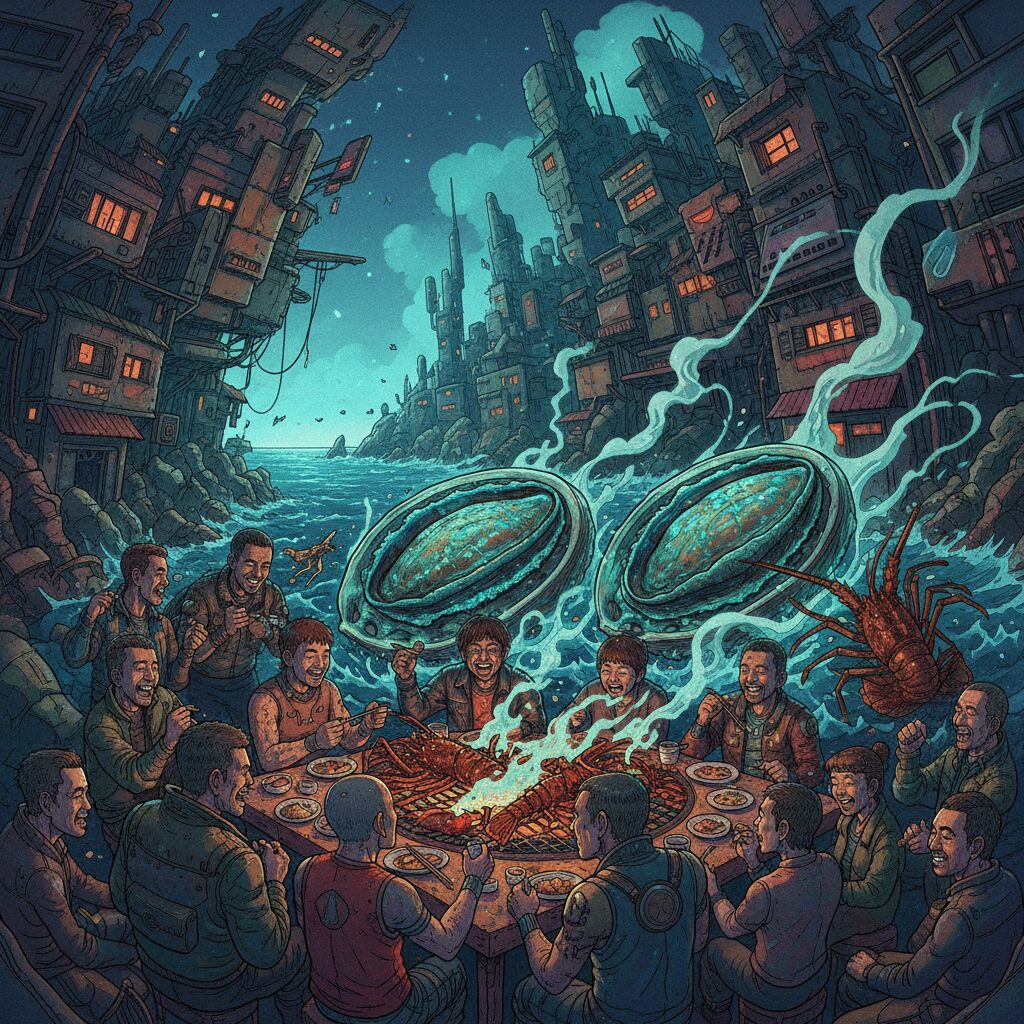
For an unforgettable, authentic culinary experience, you absolutely must visit an Amagoya, or Ama hut. These rustic, cozy shacks historically served as places for the Ama to rest, warm up, and eat between dives. Today, many of these huts welcome visitors, offering the freshest seafood imaginable, grilled right before your eyes by the Ama divers themselves. The atmosphere is warm, smoky, and incredibly inviting. You gather around a hearth as the veteran Ama, with sun-kissed faces and infectious laughter, place live abalone, turban snails, clams, and freshly caught fish on the grill. They share stories of the sea, their lives, and their traditions, all while expertly preparing your meal. Eating a piece of awabi that was in the ocean just hours earlier, grilled to perfection with a touch of butter and soy sauce by the very woman who harvested it, is a profoundly moving experience. The abalone steak sizzles on the grill, its meat tightening before relaxing into tender perfection. The flavor is sublime—savory, buttery, with that signature oceanic sweetness. This isn’t just a meal; it’s a cultural exchange, a direct connection to the origin of your food and the incredible people who bring it to your table. It’s the raw, authentic heart of Ise-Shima, and a memory that will linger forever.
Where to Get Your Seafood Fix: A Real Talk Guide
So, you’re convinced—you need this seafood in your life. But where should you go? Ise-Shima offers a wide variety of options, from luxurious ryokans to humble seaside shacks, and finding the ideal spot is part of the adventure.
Go High-End: The Ryokan Kaiseki Experience
If you want to indulge and experience Japanese hospitality at its finest, booking a night at a traditional ryokan (Japanese inn) known for its seafood is the way to go. In places like Toba or the islands of Ago Bay, you’ll discover stunning ryokans, many featuring private onsen (hot springs), offering elaborate kaiseki dinners. A kaiseki meal is a multi-course masterpiece, a carefully crafted journey through seasonal flavors. Here, Ise-ebi and awabi shine as the stars, presented in an impressive variety of preparations: pristine sashimi, delicate clear soup, grilled, steamed, light tempura-fried, and more. It’s definitely a splurge, but it’s a complete experience combining luxurious lodging, soothing hot springs, and a culinary performance you won’t forget. It’s perfect for celebrating a special occasion or fully immersing yourself in the refined culture of Japanese dining.
Keep it Real: Local Seaside Restaurants
For a more casual yet equally delicious experience, head to the fishing port areas. The towns of Toba, Ugata, and Kashikojima are dotted with local, often family-run restaurants focusing on freshness. The atmosphere is unpretentious and lively. A useful tip is to seek out restaurants with large, bubbling water tanks at the front, filled with live lobsters, abalone, and fish. There’s no better freshness guarantee than choosing your dinner straight from the tank. These places may lack the elegant presentation of a ryokan, but they deliver pure, unfiltered flavor. Here, you can order à la carte, whether a simple plate of grilled awabi or a whole Ise-ebi prepared to your liking. It’s honest, soulful cooking that lets the ingredients’ quality shine. Don’t hesitate to ask for the day’s recommendation (osusume); the staff will guide you to what’s best and freshest.
The Ultimate Authenticity: Amagoya Huts
As mentioned earlier, for the most authentic and memorable meal, nothing beats an Amagoya. Several operate in the Shima area, especially around Osatsu, a town famed for its large Ama diving community. Spots like ‘Amagoya Osatsu Kamado’ or ‘Satoumian’ offer this unique experience. Booking in advance is essential, as they’re extremely popular and seating is limited. This is less a restaurant and more a cultural immersion. It’s rustic, genuine, and connects you to the food in a way no other dining experience can. You’ll leave satisfied and with a deep appreciation for the incredible women of the sea.
Beyond the Plate: Soaking Up the Ise-Shima Scenery
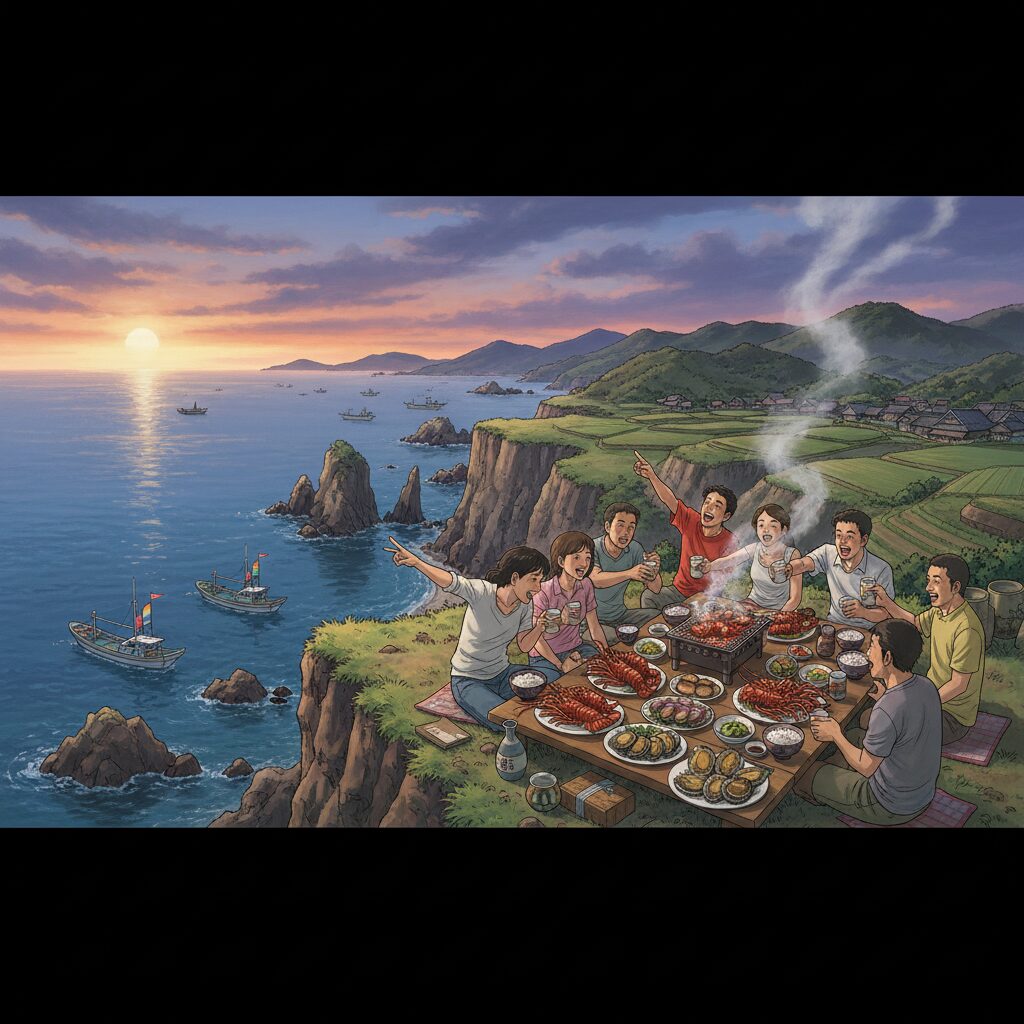
While the food is undoubtedly a major attraction for many, visiting Ise-Shima without exploring its breathtaking natural and spiritual surroundings would be a missed opportunity. Dining here is just one aspect of the overall experience.
The Spiritual Heart: Ise Grand Shrine
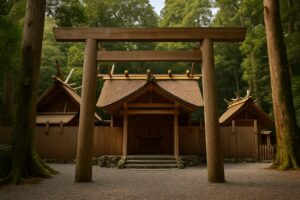
A visit to Ise Jingu is essential. It serves as the spiritual center of both the region and Japan as a whole. The complex consists of two primary shrines, the Naiku (Inner Shrine) and Geku (Outer Shrine), along with over a hundred smaller shrines, all nestled within ancient, towering cedar forests. Walking along the gravel paths beneath these giant trees offers a meditative experience. The architecture exemplifies minimalist Shinto design—simple, elegant, and seamlessly harmonized with nature. The shrines are reconstructed every 20 years, a tradition continuing for more than 1,300 years, symbolizing renewal and the impermanence of life. Visiting the shrine before enjoying a seafood meal feels fitting, setting a tone of gratitude and respect that enhances your appreciation of the food. Be sure to explore the charming Oharai-machi street and the incredibly photogenic Okage-yokocho near the Naiku entrance, where you can wander through recreated Edo-period streets, sample local snacks, and purchase crafts.
Iconic Views and Coastal Drives
Ise-Shima is a paradise for drivers. Rent a car and explore some of Japan’s most stunning coastal landscapes. The Ise-Shima Skyline is a scenic toll road weaving through the mountains from Ise to Toba, offering sweeping views of Ise Bay. At the summit, an observation deck presents a spectacular panorama, especially captivating at sunset. Another scenic route is the Pearl Road, which runs along the coast from Toba down to the Shima peninsula. Numerous lookout points allow you to pull over and marvel at the rugged coastline and the Pacific Ocean stretching to the horizon. For an iconic photo opportunity, visit Futami Okitama Shrine to see the Meoto Iwa, the “Wedded Rocks.” These two sacred rocks, connected by a thick ceremonial rope (shimenawa), symbolize the union of the creator deities and serve as a beautiful emblem of marriage. The sight of the sun rising between them is considered particularly auspicious.
The Rias Coast: Ago Bay
Further along the peninsula, the landscape transforms into the gentle, jagged coastline of Ago Bay. Known for its calm waters and numerous small islands, this bay is also the birthplace of the cultured pearl industry, pioneered by Kokichi Mikimoto. Visit Mikimoto Pearl Island in Toba to learn about this history and watch demonstrations by Ama divers, who were originally the workforce of the pearl industry. A wonderful way to appreciate Ago Bay is by taking a sightseeing cruise. The ‘Esperanza’ cruise, departing from Kashikojima Port, offers a leisurely journey around the bay, navigating through the labyrinth of islands and pearl rafts, providing a perspective of the coastline that can’t be experienced from land. It’s both relaxing and beautiful, giving you a true sense of the region’s geography.
The Deets: How to Roll Through Ise-Shima
Ready to book your trip? Here’s the essential information to help you make it go smoothly.
Access: Getting There
The easiest way to reach the Ise-Shima region is by train. From major cities like Osaka, Kyoto, or Nagoya, the Kintetsu Railway is your best option. It offers direct and frequent services to key stations including Iseshi, Uji-Yamada (for Ise Grand Shrine), Toba, and Kashikojima. If you want to travel in style, I highly recommend splurging on the Kintetsu Premium Express Shimakaze. It feels like a futuristic luxury liner on rails, with expansive windows, ultra-comfortable seats resembling first-class airline pods, and even an onboard cafe car with breathtaking views. It transforms the journey into a memorable part of your trip.
Getting Around: Your Wheels
While trains are great for reaching the region, Ise-Shima’s attractions are quite spread out. Renting a car is by far the best way to enjoy complete freedom and explore hidden coves, scenic drives, and off-the-beaten-path restaurants. The roads are well-maintained, and driving along the coast is a true pleasure. If you’re not comfortable driving, don’t worry. The CAN Bus is a tourist-friendly service that loops around major sights in the Ise, Futami, and Toba areas, making it easy to hop on and off. Local buses connect main towns on the Shima peninsula, but having a car gives you much greater flexibility.
Timing Your Visit
As noted, if Ise-ebi (spiny lobster) is your focus, plan to visit in autumn and winter, from October through April. For abalone enthusiasts, the summer months are ideal. That said, Ise-Shima offers outstanding seafood year-round. Oysters shine in winter, and there are dozens of varieties of delicious fish available no matter when you come. The weather is generally pleasant, though summers can be hot and humid. Spring and autumn provide comfortable temperatures and beautiful scenery, making them perfect times to visit for a balance of great food and enjoyable exploration.
Pro-Tips for a Smooth Trip
A little advice for first-timers: book early. This is especially important for popular ryokans, sought-after restaurants, and the Amagoya experiences, which often fill up quickly on weekends and holidays. Also, while Japan is becoming more card-friendly, many small, family-run places in rural Ise-Shima still accept cash only. It’s a good idea to carry a sufficient amount of yen with you. Finally, take your time. Don’t rush through everything. Ise-Shima’s charm lies in its unhurried pace. Allow yourself to slow down, linger over meals, watch the waves, and simply soak in the sacred, salty air.
A Taste That Lingers
Ise-Shima is more than just a destination; it’s an experience. It’s a journey that ties you to the heart of Japan—its profound respect for nature, its deep-rooted traditions, and its relentless pursuit of perfection, particularly in its cuisine. Savoring an Ise-ebi, freshly caught from the Pacific, is to taste the ocean’s power and purity. Sharing a meal with an Ama diver connects you to a heritage of strength and resilience that stretches across millennia. This is a place that nourishes not only your body but also your soul. You’ll depart with more than just photographs and a satisfied appetite. You’ll carry with you a lasting taste of the sea, a richer appreciation of Japanese culture, and a deep sense of having encountered something truly extraordinary, truly authentic. So go, explore, and above all, indulge. The crimson king and the ocean’s jewel await.