Yo, what’s up, world-class travelers and thrill-seekers! Ryo Kimura here, coming at you straight from the land of epic contrasts. We’re talking ancient temples next to neon-drenched skyscrapers, serene gardens a train ride away from chaotic crossings. But today, we’re ditching the usual Tokyo-Kyoto run. We’re going deep. We’re heading south to the island of Kyushu, to a city that literally breathes steam. Welcome to Beppu, the undisputed onsen capital of Japan. You’ve probably seen pics of monkeys chilling in hot springs, right? Cute. Classic. But we’re here to level up. We’re trading that basic hot water soak for something way more extra, something primal. We’re talking about getting willingly buried up to your neck in geothermally heated, volcanic black sand. Yeah, you heard me. It’s called a sunayu, or sand bath, and it’s a wellness experience so wild, so uniquely Japanese, it’s gonna reset your entire system and give you a story that’ll make all your friends’ spa days sound like a nap. Forget your five-star hotel infinity pool. This is the real deal—a full-body immersion into the raw, volcanic power simmering just beneath Japan’s surface. It’s an adventure, a detox, and a low-key surreal trip all rolled into one. Ready to get your mind blown and your body rejuvenated? Bet. Let’s dig in.
The Vibe Check: What’s It Actually Like?
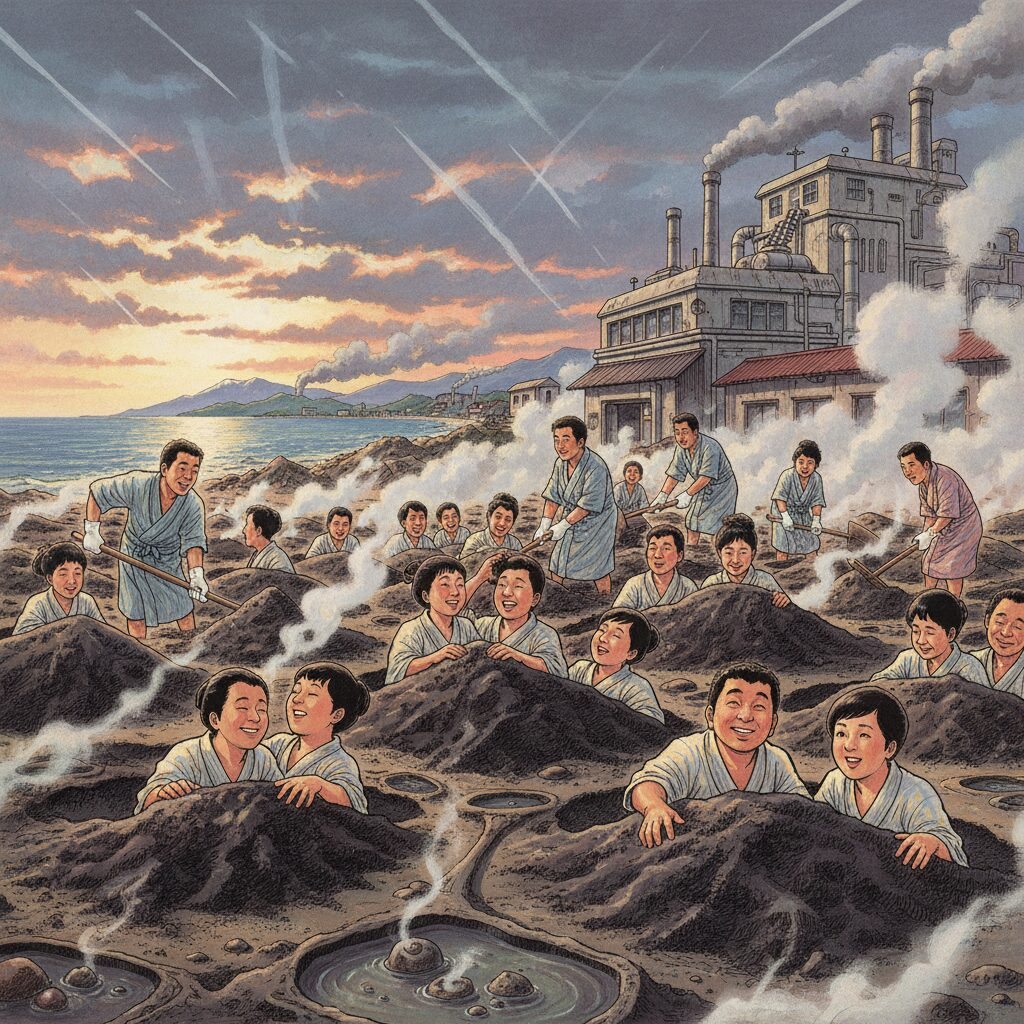
To begin, let’s set the scene. Imagine yourself standing on a beach, but not the usual white-sand kind. The sand beneath your feet is a rich, charcoal gray, and in the distance, soft plumes of steam rise from the shoreline, blending the boundary between sea and sky. The air carries the sharp, salty scent of the ocean mixed with a subtle, earthy sulfur aroma that signals you are in volcanic lands. This is the Beppu Kaihin Sunayu, the Beppu Beach Sand Bath, where the entire ambiance creates a distinctive mood. It’s not a quiet, whisper-only spa setting. Instead, it’s an open-air, public experience set against the peaceful backdrop of the Seto Inland Sea. Locals, tourists, and groups of friends all line up, eager for their chance to become temporary sand mermaids. There’s a lively murmur of excited conversation, the steady scrape of shovels, and the soothing sound of waves gently hitting the shore just a few meters away. The attendants, mostly experienced aunties and uncles with sun-kissed faces and remarkably strong arms, move with practiced efficiency. They are the sand experts, the creators of your snug, temporary cocoon. The vibe leans less toward luxury and more toward a raw, earthy connection to nature. It feels both ancient and modern simultaneously. You’re taking part in a centuries-old tradition, but also doing it for that perfect Instagram moment and an extraordinary wellness boost. It’s a bit eccentric, completely unique, and distinctly Beppu. Here, you’re not just witnessing nature’s power—you’re about to be enveloped by it, quite literally. It’s a deeply sensory experience even before the first grain of hot sand touches your skin. The anticipation is palpable, and the energy invites you to surrender to an entirely new kind of relaxation.
The Blow-by-Blow: How It All Goes Down
So, you’ve psyched yourself up, arrived on site, and are ready to take the plunge. What’s the protocol? The process is surprisingly straightforward, a well-organized routine designed for maximum geothermal enjoyment. Your adventure starts at the reception building, a simple, no-frills Japanese facility. You’ll purchase your ticket from either a vending machine or a counter, and for around 1,500 yen, you get the complete experience. This isn’t just the sand bath; it typically includes access to a regular onsen afterward for washing off and soaking. You’ll receive a special yukata, a lightweight cotton robe that serves as your uniform for this sandy journey. This isn’t one of the fancy, decorative yukatas seen at festivals; it’s purely practical. Head to the changing rooms, strip down completely (yes, you go commando for this), and slip into the yukata. You’ll also be given a small hand towel to wrap around your head to keep sand out of your hair and absorb the sweat that’s about to pour from your face. Once you’re properly outfitted, you’ll walk toward the sand pits. The staff will guide you to a freshly dug, human-sized shallow grave. It looks much more intimidating than it actually feels, trust me. They’ll instruct you to lie down, resting your head on a small wooden block serving as a pillow. This is the moment of truth. You take a deep breath, gaze up at the sky or the colorful umbrellas shading the pits, and give them the nod. Then, it begins. With quick, expert movements, the staff start piling warm, heavy sand onto your body. Shovel after shovel, they cover you from feet to shoulders, tucking you in like a human burrito. The first thing you feel is the weight. It’s a comforting, firm pressure, like a heavy blanket that instantly soothes your nervous system. Then the heat sets in. It’s not a scorching, uncomfortable warmth, but a deep, penetrating heat that seems to seep right into your bones. The sand is naturally warmed by the hot spring water flowing beneath the beach, keeping a steady temperature of about 50°C (122°F). The staff will check if the temperature is comfortable and can adjust it by adding cooler or hotter sand. Once fully buried, it’s just you, the heat, and the sound of your own heartbeat, now thumping steadily against the pressure of the sand. They recommend staying in for about 10 to 15 minutes. At first, it feels like forever, but soon you drift into a meditative state. The sweat begins—serious sweating. You’re detoxing on a whole new level. When your time is up, you wiggle your hands and feet to signal you’re ready, then slowly and carefully sit up, emerging from your sandy cocoon like a phoenix. The feeling of release is incredible. You’ll feel light, a bit dizzy, and totally refreshed. From there, you head straight to the showers to rinse off every last grain of volcanic sand. Pro tip: it gets everywhere. After you’re clean, you make your way to the indoor onsen for a final soak in the hot spring water, completing the ultimate Beppu thermal circuit.
The Science Drip: Why This is a Next-Level Glow Up
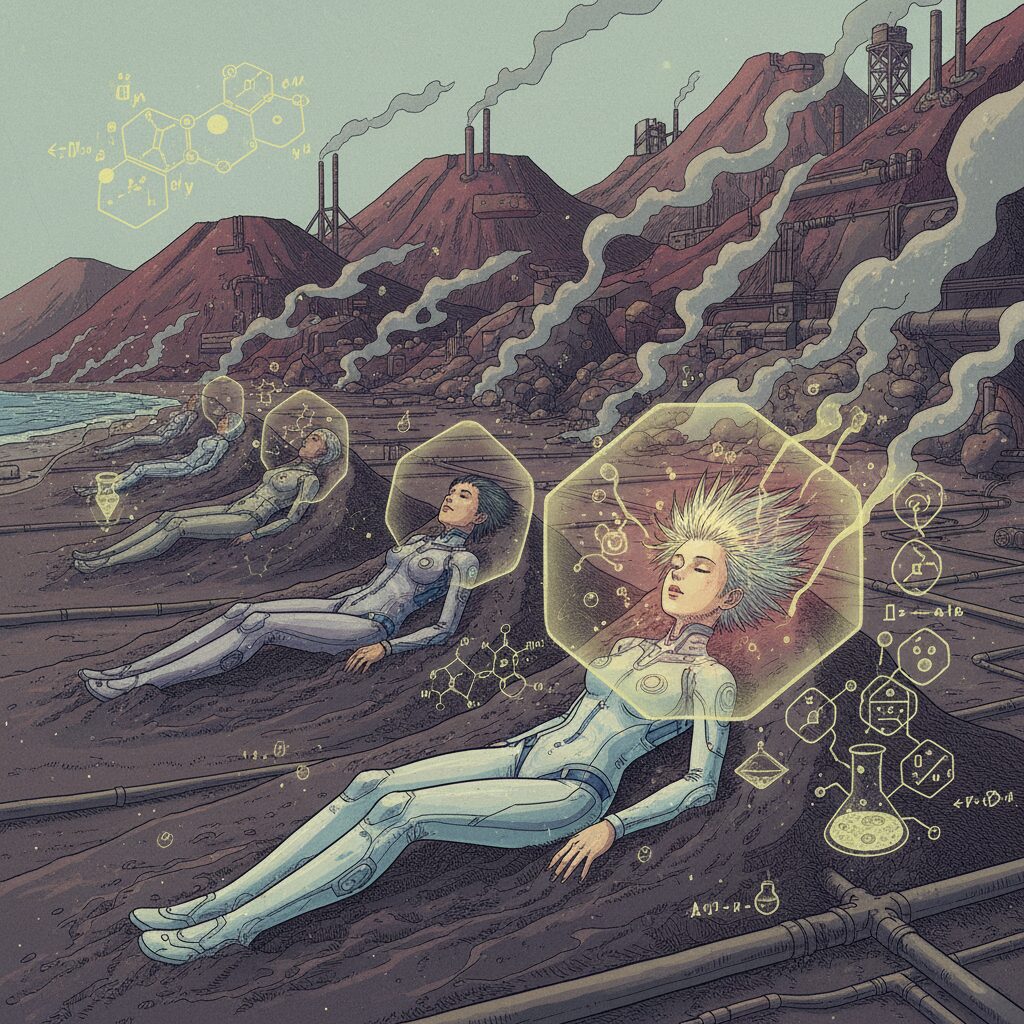
Getting buried in hot sand might sound wild, but does it actually benefit you? The answer is an emphatic yes. This is not merely a tourist gimmick; it’s a genuine therapeutic practice grounded in science. The effectiveness of the sand bath comes from a blend of heat and pressure—think of it as an enhanced sauna experience. Let’s start with the heat: the sand is warmed by steam from the onsen water beneath, which contains the same minerals found in the hot spring. As you are buried, your body temperature gradually increases, stimulating your circulation. Your heart pumps faster to distribute blood and cool you down, essentially giving you a passive cardiovascular workout. This boost in blood flow helps supply oxygen and nutrients to your muscles and organs while flushing out metabolic wastes like lactic acid, which is why you feel so relaxed and limber afterward. It’s a blessing for sore muscles, stiff joints, and overall fatigue. However, the real difference-maker is the pressure. The sand’s weight exerts gentle, steady pressure across your body, soothing the nervous system, much like a weighted blanket. More importantly, this pressure, combined with heat, reportedly makes the therapeutic effects three to four times stronger than those of a standard hot spring bath. The pressure helps heat penetrate deeper into your body, enhancing circulation and detoxification benefits. On the note of detox, you’ll sweat profusely. This isn’t just superficial sweat; it’s a deep, purifying process that expels toxins from your body. You’ll come away feeling lighter, cleaner, and with radiantly glowing skin. Many people say it alleviates everything from rheumatism and neuralgia to digestion problems and skin conditions. While it’s not a miracle cure, the sand bath is an effective tool for a full-body reset. By tapping into the natural geothermal energy of Beppu, you give your body a thorough cleanse and powerful reboot. It’s ancient wellness wisdom supported by modern results, and your body will appreciate it.
Beppu Beyond the Sand: What’s the Move?
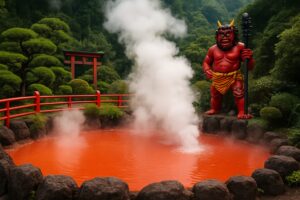
As impressive as the sand bath is, it’s merely the opening act for the complete Beppu experience. This city is a geothermal marvel, and exploring it is essential. The absolute must-see is the Jigoku Meguri, or the “Hells of Beppu” tour. These aren’t onsen you bathe in; rather, they are spectacular, superheated ponds meant only for viewing, each boasting its own unique color and character. There are seven main hells, each genuinely otherworldly. First, there’s Umi Jigoku, the “Sea Hell,” a stunning, steaming pond of cobalt blue water that looks deceptively cool and inviting—but it’s a scorching 98°C. Then comes Chinoike Jigoku, the “Blood Pond Hell,” as intense as it sounds. It’s a vast pond of boiling, blood-red water, colored by iron oxide in the clay, and is probably the most visually striking of all the hells. Don’t miss Tatsumaki Jigoku, the “Spout Hell,” a geyser that erupts dramatically every 30-40 minutes, sending hot water high into the air. It’s a powerful display of the pressure building beneath your feet. After touring the hells, be sure to try jigoku mushi, or “hell-steamed” cuisine. In the Kannawa district, you’ll find restaurants where you can rent a steam chamber, purchase a basket of fresh local ingredients—seafood, pork, eggs, sweet potatoes, mushrooms—and cook it yourself using natural volcanic steam. The steam cooks the food rapidly, sealing in natural flavors and nutrients while imparting a subtle, savory mineral essence. It’s healthy, delicious, and a direct taste of Beppu’s volcanic spirit. Speaking of Kannawa, simply walking through this neighborhood is an experience. Steam rises from vents, pipes, and drains along narrow, winding streets, enveloping the area in a mystical fog. It feels like stepping onto another planet. For a more traditional onsen experience to contrast with the sand bath, visit Takegawara Onsen near Beppu Station. Built in 1879, this historic bathhouse features remarkable old-world architecture with a massive bamboo roof. It offers both a regular bath and its own indoor sand bath, providing a different, more enclosed experience. Beppu is a city experienced with all your senses—the sight of steam, the smell of sulfur, the taste of hell-steamed food, and the sensation of volcanic heat on your skin.
Diving Deeper: The Cultural Heartbeat of Beppu
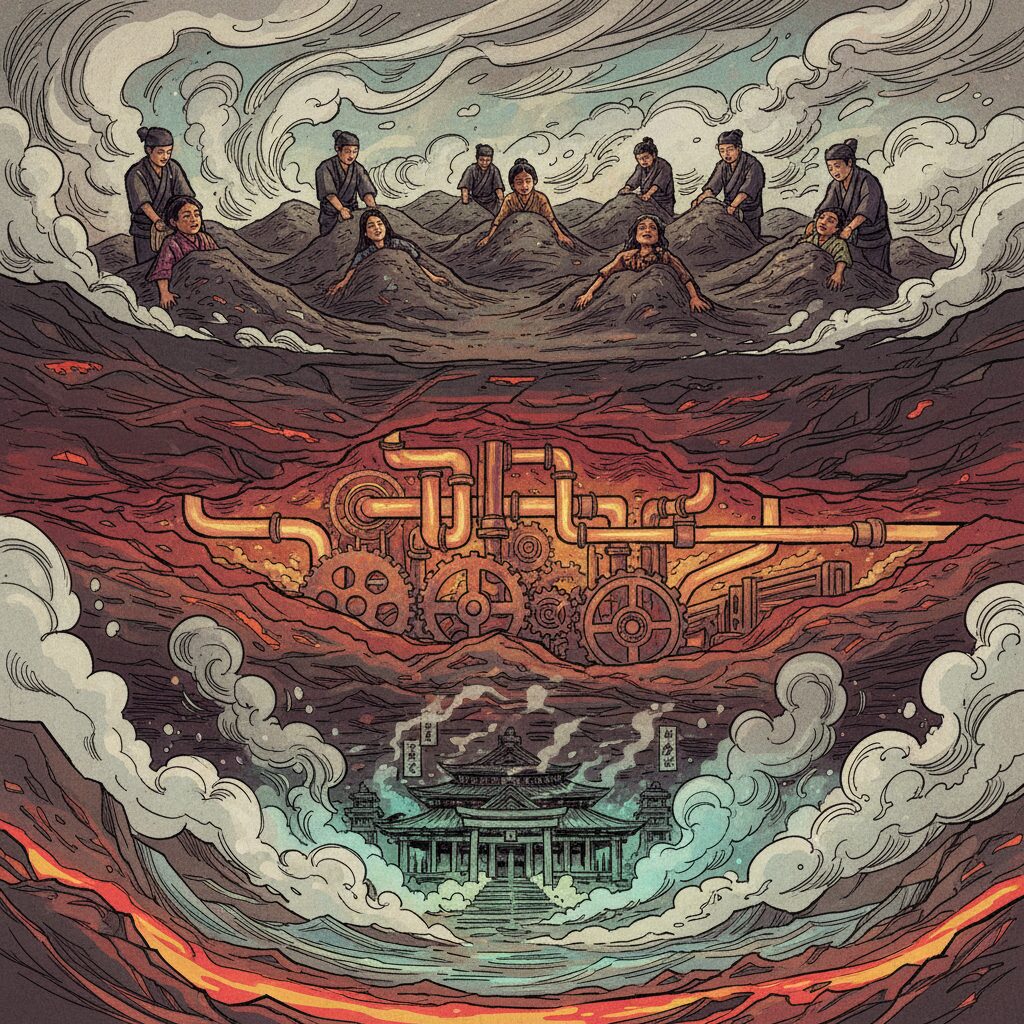
To truly grasp the full picture, you need to understand that Beppu isn’t merely a tourist spot; it’s a city shaped and defined by its connection to water and steam. This is the essence of Japanese toji culture—the tradition of visiting onsen areas for extended stays aimed at healing. For centuries, people have journeyed to Beppu to treat ailments, rest their bodies, and engage with nature’s healing powers. This tradition remains very much alive today. Locals can often be seen casually dropping into their neighborhood onsen as part of their daily routine, a practice deeply embedded in the city’s social fabric. Beppu is also a hub for serious academic research into balneotherapy—the treatment of disease through bathing. Ritsumeikan Asia Pacific University, located on a hill with views over the city, injects an international, youthful energy, while research institutes focus on studying the chemical properties of the springs and their effects on the human body. This blend of ancient tradition and modern science gives Beppu a distinct depth. The city’s emergence as a major resort destination began in the Meiji Period (1868-1912), when infrastructure improvements made it more accessible. A key figure in this was Kumahachi Aburaya, a visionary entrepreneur who promoted Beppu creatively, even placing a sign on Mount Fuji declaring, “For mountains, Fuji; for seas, the Seto Inland Sea; for hot springs, Beppu.” His efforts were successful, establishing Beppu as one of Japan’s most renowned onsen towns. This history is evident in the city’s architecture, from grand Showa-era hotels to quaintly retro bathhouses. Exploring the side streets reveals layers of time. You’ll find small, community-run jimo-sen (local hot springs) costing as little as 100 yen to enter, where you can soak alongside residents and experience a true slice of local life. This cultural background elevates the sand bath from a simple activity to part of a much larger, living tradition. You’re not just warming up; you’re tapping into a centuries-old current of wellness, community, and reverence for the earth’s remarkable power.
The Lowdown: Practical Deets for Your Mission
Alright, let’s dive into the details so you can make this happen smoothly. Getting to Beppu is fairly simple. The closest airport is Oita Airport (OIT), from where you can catch an airport bus directly to Beppu in about 40 minutes. If you’re traveling by train, which is ideal if you have a JR Pass, you’ll probably go to Kokura Station from major cities like Tokyo or Osaka via Shinkansen, then transfer to the JR Nippo Main Line for a scenic coastal ride to Beppu Station. Fukuoka’s Hakata Station is another key hub with direct limited express trains to Beppu, taking roughly two hours. Once in Beppu, the main sand bath attraction for that classic beach experience is the Beppu Beach Sand Bath (Beppu Kaihin Sunayu), just a short bus or taxi ride from Beppu Station. Another well-known option is the sand bath inside Takegawara Onsen, which offers an indoor experience within walking distance of the station. Both are unique, so if you have time, why not try them both? As for timing, Beppu is a year-round destination. The sand bath feels amazing in winter, with the cold air on your face contrasting sharply with the intense heat on your body. In summer, it’s a serious sweat session, but the sea breeze at the beach location keeps it quite bearable. Weekends and national holidays can get crowded, so if you prefer a more relaxed atmosphere, aim for a weekday morning. The entire experience—from changing, to sand bathing, to showering and soaking—takes about 60 to 90 minutes, so plan accordingly. What to bring? Honestly, almost nothing. They provide the yukata and towels can be rented. It’s a good idea to bring a small towel for your head or face, though. And as always in Japan, carrying some cash is wise, even though most places accept cards now. For first-timers, here’s some important advice: hydrate, hydrate, hydrate. Drink plenty of water before and after, as you’ll lose a lot of fluids. Avoid wearing makeup or jewelry—they’ll just melt off or get damaged. Listen to your body; the 15-minute maximum recommended time is for a reason. If you feel dizzy or overwhelmed, get out. It’s more intense than it looks. And if you want that iconic photo of yourself buried in the sand, bring your phone in a waterproof pouch and politely ask one of the staff before they start burying you. They’re used to it and usually happy to snap a few pictures for you.
The Final Word: Beppu is a Whole Different Energy

You can travel all across Japan and have an incredible time, but some places simply feel different. Beppu is one of those special spots. It’s a city that won’t settle for being just another quiet, scenic onsen town. It has a personality that’s raw, intense, and a little unusual. Here, the earth’s energy is visible and tangible, steaming through the streets and warming the very ground beneath your feet. The hot sand bath perfectly captures this vibrant energy. It’s an experience that is both physically invigorating and profoundly meditative. It challenges your limits, connects you to the earth in a way you’ve never experienced before, and leaves you feeling completely renewed. This is a story not only etched in your memory but felt in every relaxed muscle and purified pore of your body. So when planning your epic Japan journey, dare to stray from the usual routes. Head south to Oita and discover the city where steam never ceases. Let Beppu melt away your stress, fatigue, and any ideas you have about what a spa day should be. Dig deep, sweat it out, and come away with a fresh appreciation for the wild, wonderful, volcanic spirit of Japan. It’s absolutely worth the trip—you won’t regret it. Peace out.