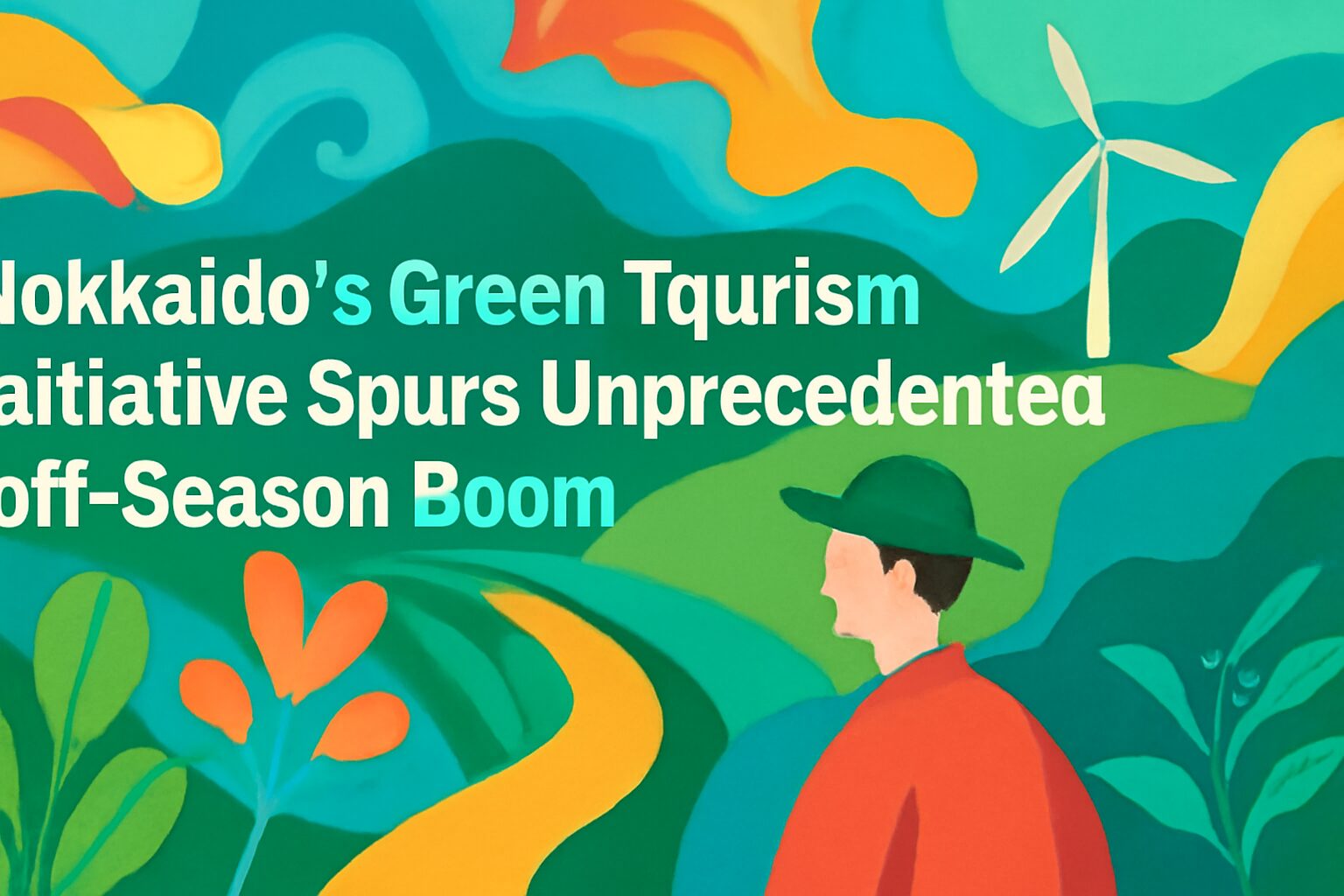
Hokkaido, Japan’s northern island renowned for its pristine powder snow and winter festivals, is successfully rewriting its tourism narrative. A strategic new “Green Tourism” initiative is driving a record-breaking surge in visitors during the traditionally quiet off-seasons, proving that the region’s appeal extends far beyond its winter wonderland reputation. This forward-thinking approach, centered on sustainability and authentic local experiences, is not only boosting the regional economy but also setting a new standard for tourism across Japan.
A Strategic Shift from a Winter Wonderland
For decades, Hokkaido’s tourism industry has been heavily reliant on the winter months. Destinations like Niseko and Sapporo have become global hotspots for skiing, snowboarding, and the iconic Sapporo Snow Festival, drawing massive crowds from December to February. While highly successful, this model created a significant challenge: a pronounced off-season during the spring and autumn months, leading to economic instability for many local businesses.
In the wake of the global pandemic, travel trends have shifted dramatically. A growing number of international visitors are now seeking more than just sightseeing; they crave authentic connections, meaningful experiences, and sustainable travel options. Hokkaido’s government and local tourism operators astutely identified this trend, launching the Green Tourism initiative to showcase the island’s vibrant life outside of winter.
What is Green Tourism in Hokkaido?
The initiative moves the focus from crowded resorts to the heart of Hokkaido’s vast and fertile landscapes. It encompasses a wide range of activities designed to connect visitors with the region’s nature, agriculture, and culture.
Key Experiences Include:
- Agricultural Immersion: Travelers can participate in hands-on experiences at local farms, from harvesting fresh asparagus and melons in the spring and summer to potato digging in the autumn. Farm-to-table restaurants and stays at farm inns (known as ‘Noka Minshuku’) offer a deep dive into the local food culture.
- Artisanal Workshops: The initiative highlights Hokkaido’s thriving artisanal scene. Visitors can join cheese-making workshops in the Tokachi region, visit award-winning wineries in Yoichi, or tour craft whisky distilleries.
- Eco-Conscious Exploration: Guided tours through Hokkaido’s magnificent national parks, such as Daisetsuzan and Shiretoko (a UNESCO World Heritage site), are a cornerstone of the program. These tours focus on responsible wildlife viewing, nature conservation, and hiking, attracting a new demographic of eco-conscious adventurers.
- Cultural Engagement: The program also promotes deeper engagement with the indigenous Ainu culture, offering respectful and educational experiences that share their traditions, crafts, and relationship with the natural world.
Tangible Results and Economic Impact
The results of this strategic pivot have been remarkable. While official, comprehensive statistics for the latest season are still being compiled, preliminary reports from local business associations point to a significant uptick. Small-town inns and rural restaurants in areas promoting green tourism have reported revenue increases of 20-35% during the shoulder seasons compared to pre-pandemic levels.
This new wave of travelers tends to stay longer and spend more on local goods and experiences, distributing tourism revenue more evenly across the prefecture instead of concentrating it in a few major winter resorts. This diversification is creating a more resilient and sustainable year-round economy for communities across Hokkaido.
A Blueprint for the Future
Hokkaido’s success offers a powerful blueprint for other regions in Japan facing similar challenges of seasonality and rural depopulation. By leveraging its unique natural and agricultural assets, Hokkaido is demonstrating how to successfully manage the pressures of over-tourism while creating a more sustainable and profitable industry.
The long-term vision is to establish Hokkaido as a premier year-round destination. This initiative is expected to not only flatten the seasonal tourism curve but also attract new investment in rural infrastructure and encourage younger generations to remain in or return to these communities. As the world of travel continues to evolve, Hokkaido’s green revolution positions it firmly at the forefront of sustainable and meaningful tourism.