You’ve probably seen it scrolling through your feed. A friend who just got back from Japan posts a pic, looking serene under a massive, ancient tree with a rope tied around it. Or maybe they’re standing in a moss-covered forest that looks straight out of a Ghibli movie. The caption? Almost always something like, “Recharging my soul ✨ #PowerSpot #JapanTravel #SpiritualJourney.” And you’re left wondering, what’s the deal? Is this some ancient religious thing, a new-age wellness trend, or just an aesthetic for the ‘gram? TBH, it’s a little bit of all three, and the story of how Japan’s sacred natural places became modern-day “energy” dispensers is a wild ride that tells you a lot about the culture here. It’s a mashup of ancient beliefs, modern anxieties, and some seriously savvy branding. We’re going to get into the weeds of it—not just what a “power spot” (or pawāsupotto, as we say it) is, but why it’s become such a thing. It’s a vibe that’s way deeper than just a pretty picture, and it’s low-key one of the most interesting ways to understand the Japanese mindset towards nature, spirituality, and, well, life itself. Forget the basic travel guides; we’re diving into the cultural background that makes these places resonate so deeply with people today. Before we get going, here’s a map pointing to Ise Jingu, arguably the OG power spot and one of the most sacred places in the entire country, just to give you a sense of the scale we’re talking about.
This modern quest for a recharge is part of a broader cultural embrace of finding focus and flow in unexpected places, much like the surprising Zen state found in a noisy pachinko parlor.
The OG Vibe: Shinto and the Sanctity of Nature
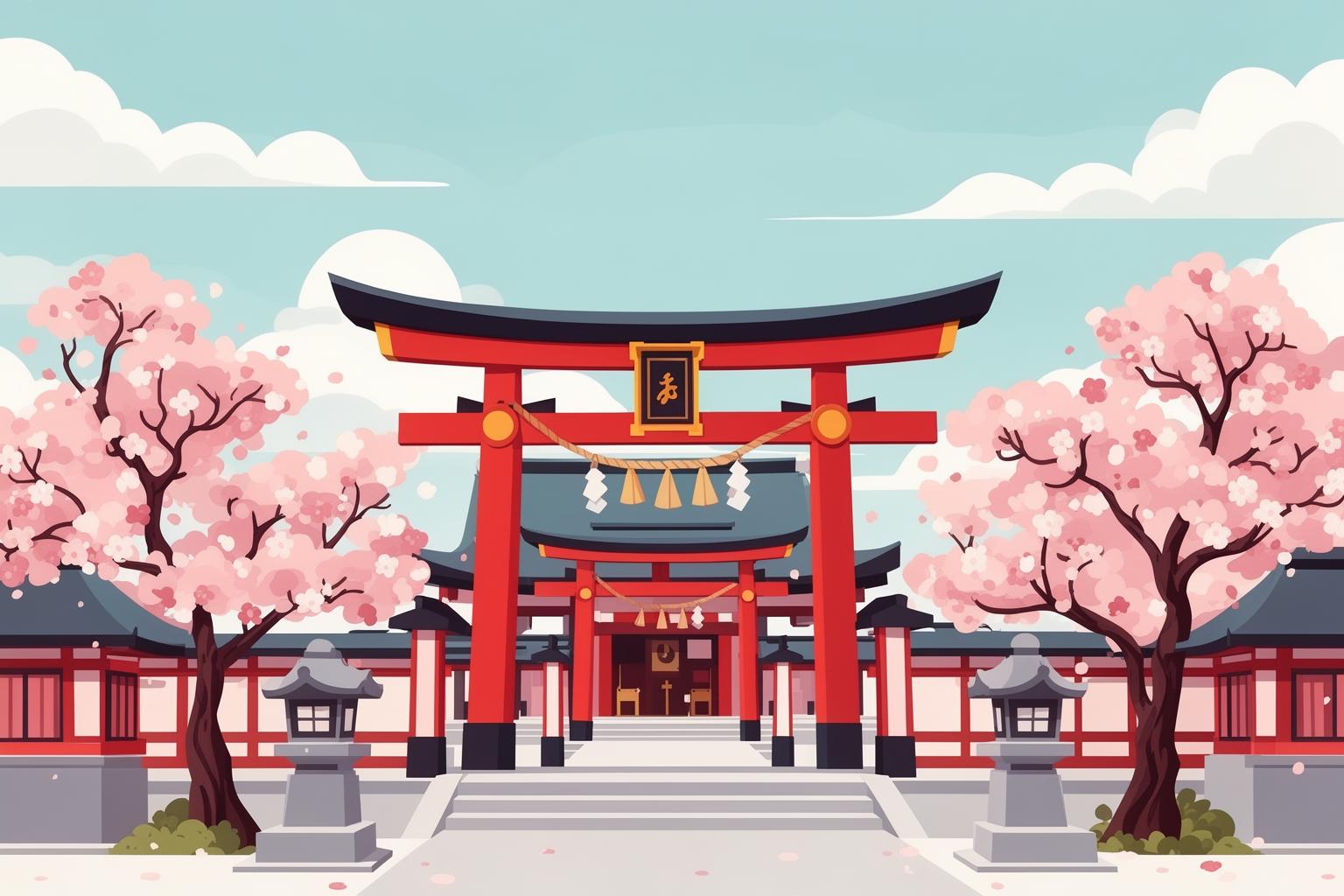
Long before the term “power spot” was ever coined, there was Shinto. To truly understand what’s happening, you need to recognize that Japan’s native religion isn’t centered on a single god in the sky. It’s an animistic belief system, which essentially means divinity isn’t just up there—it’s right here. It exists in everything. Shinto teaches that gods, or kami, inhabit natural objects and phenomena. We’re talking about a pantheon of literally eight million kami, a figure meant to symbolize infinity. A majestic mountain, a uniquely shaped rock, a waterfall that has carved its way through a cliff for millennia, or a gnarled, thousand-year-old camphor tree—these are not merely elements of the landscape. They are the kami themselves, or at least their sacred abodes. This forms the very foundation of Japanese spirituality. Long before grand shrines with ornate wooden halls and towering torii gates were built, people worshipped nature directly. These places were called kannabi—sites believed to be inhabited by a kami. A particularly striking rock was an iwakura, a sacred seat for a deity. A giant tree was a shinboku, a sacred tree, often marked with a thick, zigzag-paper-adorned rope called a shimenawa to denote its holy status. Such markers are still common, from small local shrines to massive sacred trees in major religious complexes. This was not about abstract faith; it was about a tangible, visible connection to the divine. You didn’t just believe in the god of the mountain; you could see the mountain. You could feel the spray from the waterfall kami. The air around that ancient tree felt different—quieter, more powerful. This profound reverence for nature as a sacred presence is the foundation of the entire power spot phenomenon. It is the cultural DNA that enables the modern concept to exist. The idea that certain places in nature hold a special, palpable energy is not new here; it’s ancient. The only thing that has changed is the language we use to describe it.
From Sacred Ground to “Spiritual Energy”
So, if this connection to nature is so ancient, where did the trendy term “power spot” originate? The leap from ancient Shinto sites to a term that sounds like it belongs in a video game is a very contemporary story. It really began in the 1990s and surged in popularity throughout the 2000s, a time when Japan was experiencing a spiritual renaissance. The term was popularized by a spiritualist author named Kiyotaka Ehara, who started discussing places filled with positive “energy” on television. It spread rapidly. But why? A large part of it was due to the introduction and popularization of concepts like ki (気). Ki, often translated as life force or spiritual energy, is a concept borrowed from Chinese philosophy (think qi or chi), but it resonated perfectly with existing Japanese sensibilities. It provided people with a secular, spiritual-but-not-religious way to describe that timeless feeling. That sense of awe and tranquility you experience in a deep forest? That’s good ki. The refreshing sensation near a powerful waterfall? That’s the ki of the place cleansing you. “Power spot” became the ultimate buzzword because it neatly encapsulated this idea. It was less daunting than discussing specific kami or intricate Shinto rituals. It was approachable. You didn’t need to be a devout follower to want to visit a place with good energy. You just needed to feel somewhat stressed, a little worn down by city life, and open to the possibility that a place could help you “recharge.” The media embraced it. Magazines began publishing lists like “Top 10 Power Spots for Finding Love” or “Best Power Spots for Career Success.” TV shows sent celebrities to these sites to share their spiritual experiences. Suddenly, ancient shrines, temples, and natural wonders were rebranded. They remained sacred, of course, but now had an added, marketable identity. They became spiritual recharging stations for the modern soul, ideally suited to an era of rising urban burnout and a growing hunger for mindfulness and wellness. It was a brilliant, if unintended, marketing strategy that bridged the gap between the ancient sacred and the modern secular.
What Are People Actually Doing at Power Spots?
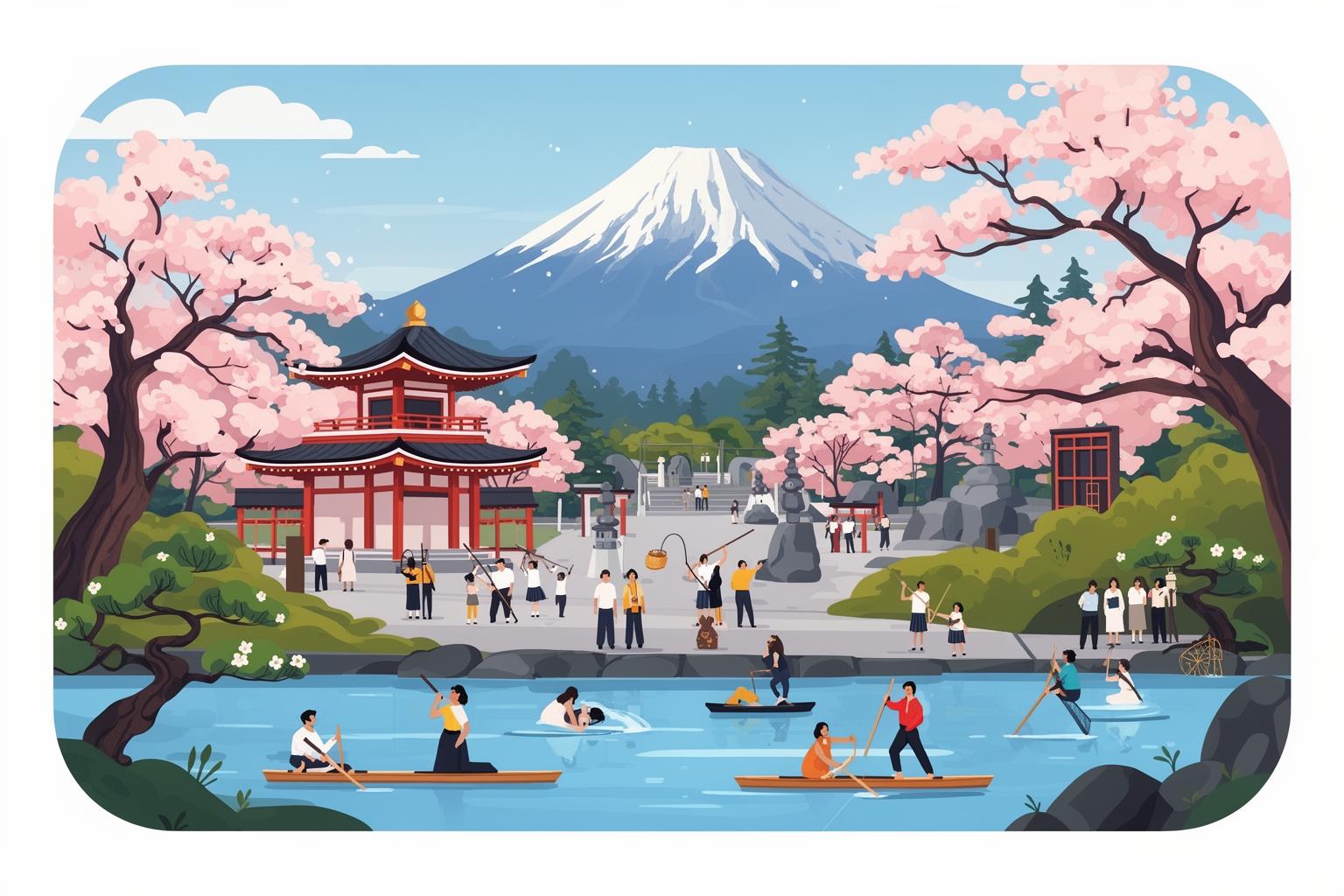
So, you arrive at a renowned power spot, such as Meiji Jingu Shrine in Tokyo or the tranquil Arashiyama Bamboo Grove in Kyoto. What do you observe? It’s an intriguing blend of human intentions, which can honestly feel a bit bewildering. You’ll notice people engaging in various ways, often side by side. This spectrum of belief and behavior is essential to understanding the overall scene. Let’s explore the main archetypes you’re likely to encounter.
The Traditionalist
This individual is here for goryaku—the specific blessings or divine favors tied to the shrine or temple. They come with a clear purpose, not just seeking vague energy. Perhaps a student prays for success in university entrance exams at a shrine dedicated to the god of scholarship, or a couple hopes for a healthy child at a site famous for fertility blessings. Maybe a business owner claps their hands at Fushimi Inari Shrine in Kyoto, dedicated to the god of rice and commerce. Their actions tend to be ritualistic and exact. They’ll perform the temizu purification at the water basin, approach the main hall, toss a coin into the offering box, bow twice, clap twice, say their prayer, and bow once more. They might purchase a specific omamori (amulet) for protection or an ema (wooden plaque) on which they write a wish to hang for the kami’s attention. For them, the spot’s “power” is tied directly to the resident deity’s ability to grant specific, tangible requests. This practice is deeply rooted in centuries of religious tradition.
The Spiritual Seeker
This is the archetype most associated with “power spot” visitors. These people may not belong to any organized religion but have a spiritual inclination. They come seeking to feel something. You might see them pressing their palms against the trunk of a massive shinboku tree, eyes closed, trying to absorb its ancient energy. They could be collecting water from a sacred spring, believing it holds healing or purifying qualities. Their aim is more internal and experiential. They speak of “cleansing their aura,” “aligning their chakras,” or simply “getting good vibes.” For them, ritual is less important than personal connection. They seek relief from the stress and noise of modern life. Their focus is less on requesting favors from gods and more on using the place’s atmosphere for personal wellness and mindfulness. The location acts as a catalyst for introspection and a sense of connection to something greater than themselves, whether it’s called nature, the universe, or just “good energy.”
The Tourist and the Influencer
Then there are the sightseers. Their main motivation is often aesthetic or cultural. The site is famous, beautiful, and a key part of their Japan itinerary. They come to experience the history, admire the architecture, and increasingly, to capture the perfect photo. This is the realm of the #PowerSpot hashtag. They might engage in some rituals, like ringing a bell or washing their hands at the chozuya, but usually out of curiosity or for the experience, rather than deep belief. The boundary between tourist and spiritual seeker can be blurry, as many arrive as tourists but become genuinely moved by the atmosphere. However, for serious influencers, the purpose is clear: to get the shot. They seek the perfect angle of the thousand red torii gates at Fushimi Inari or the ethereal light filtering through Arashiyama’s bamboo. Here, the “power” lies in the visual impact and its appeal for social media. Importantly, these categories aren’t exclusive. One person can embody all three simultaneously. A Japanese office worker might visit a shrine to pray traditionally for a promotion, stop to touch a sacred rock to “recharge,” and then take a beautiful selfie for Instagram. This mix of the sacred, spiritual, and social defines the uniquely Japanese modern power spot experience.
The Anatomy of a Modern Power Spot
While each power spot has its distinct character, many—especially those situated within shrine or temple complexes—share a common design. This design aims to lead you, both physically and mentally, from the ordinary, everyday world to the sacred, potent center. It’s a journey where every step holds meaning. Recognizing these elements allows you to interpret the landscape and enriches your experience profoundly.
The Approach: The Sandō (参道)
The journey doesn’t start at the main building; it begins the moment you step onto the sandō, the formal path to the shrine. This is the transitional space, a threshold. Often, you’ll pass through a large torii gate, symbolically dividing the mundane realm from the sacred domain of the kami. The path itself is usually not straight; it often curves gently, encouraging you to slow down and preventing an immediate view of the final destination. This intentional design fosters mindfulness. The route is often bordered by towering trees, stone lanterns, or other natural features that create a serene, hushed environment. The crunch of gravel underfoot is often the only sound. This marks your first step in leaving the outside world behind. You’re being prepared, cleansed, and calmed before nearing the heart of the power spot. It’s an ingenious piece of spiritual architecture.
Water for Purification: The Chōzuya (手水舎)
Before approaching the kami, you must be purified both physically and spiritually. Near the entrance to the main shrine area, you’ll almost always find a chōzuya or temizuya, a water pavilion equipped with stone basins and bamboo ladles. Here, visitors perform a cleansing ritual. The correct procedure is to take a ladle in your right hand, scoop water, and pour some over your left hand. Then switch hands and wash your right hand. Next, with the ladle back in your right hand, cup your left hand and rinse your mouth (without touching the ladle directly to your lips). Finally, wash your left hand again and tip the ladle upright so leftover water cleans the handle for the next person. This is more than hygiene; it symbolically washes away physical and spiritual impurities brought from the outside world. It prepares you to stand pure and present before the divine.
The Main Attraction: The Source of Power
At last, you reach the core of the power spot. This “source” can appear in many forms, shaping the place’s character. In a typical shrine, it’s the honden, the main hall where the spirit of the kami is believed to reside. This building is often cordoned off and deemed so sacred that only priests may enter. Visitors pray from the haiden, the worship hall in front of it. However, in many power spots, the focus is on a natural element—perhaps a specific shinboku (sacred tree), like the giant camphor trees at Atsuta Shrine in Nagoya, thought to emanate life energy; or a waterfall, sacred rock formation, or spring. The idea is that ki, spiritual power, is most concentrated at this precise location. Here, people often linger, meditate, or engage in personal rituals to absorb the place’s energy.
A Case Study: Kiyomizu-dera’s Otowa Waterfall
An illustrative example is the Otowa Waterfall at Kiyomizu-dera Temple in Kyoto. Below the renowned wooden stage, three separate water streams fall into a pond. This waterfall was the very reason the temple was established here. It’s a classic power spot, where visitors line up with long-handled ladles to drink from the streams. Each stream is believed to confer a different blessing: the left grants academic success, the middle longevity, and the right a fortunate love life. But there’s a caveat—you are meant to choose only one. Drinking from all three is considered greedy and is said to lessen the blessings. This perfectly illustrates a power spot with a highly specific, gamified form of goryaku. The natural feature (water) carries distinct powers, and a clear ritual governs access. It creates an interactive spiritual experience.
Another Vibe: The Mossy Forests of Yakushima
In contrast, consider Yakushima Island, a UNESCO World Heritage site famed for its ancient cedar forests. The whole island is regarded as a vast power spot, with the most famous area being Shiratani Unsuikyo, a moss-covered forest that inspired the film Princess Mononoke. There’s no main hall, offering box, or specific deity to whom one prays for particular blessings. The power here lies in the overwhelming, raw life force of nature itself—the sheer age of the yakusugi cedars, some thousands of years old; the quiet, damp, endlessly green mossy environment. Visitors come not to ask for favors but to be humbled. The experience involves sensing your own smallness and mortality before something so ancient and enduring. The recharge here isn’t about divine blessing; it’s about a profound reconnection to nature on a primal level. This is a different kind of power—quieter, deeper, and all-encompassing.
So, Is It Real? The Skeptic’s Guide to Power Spots
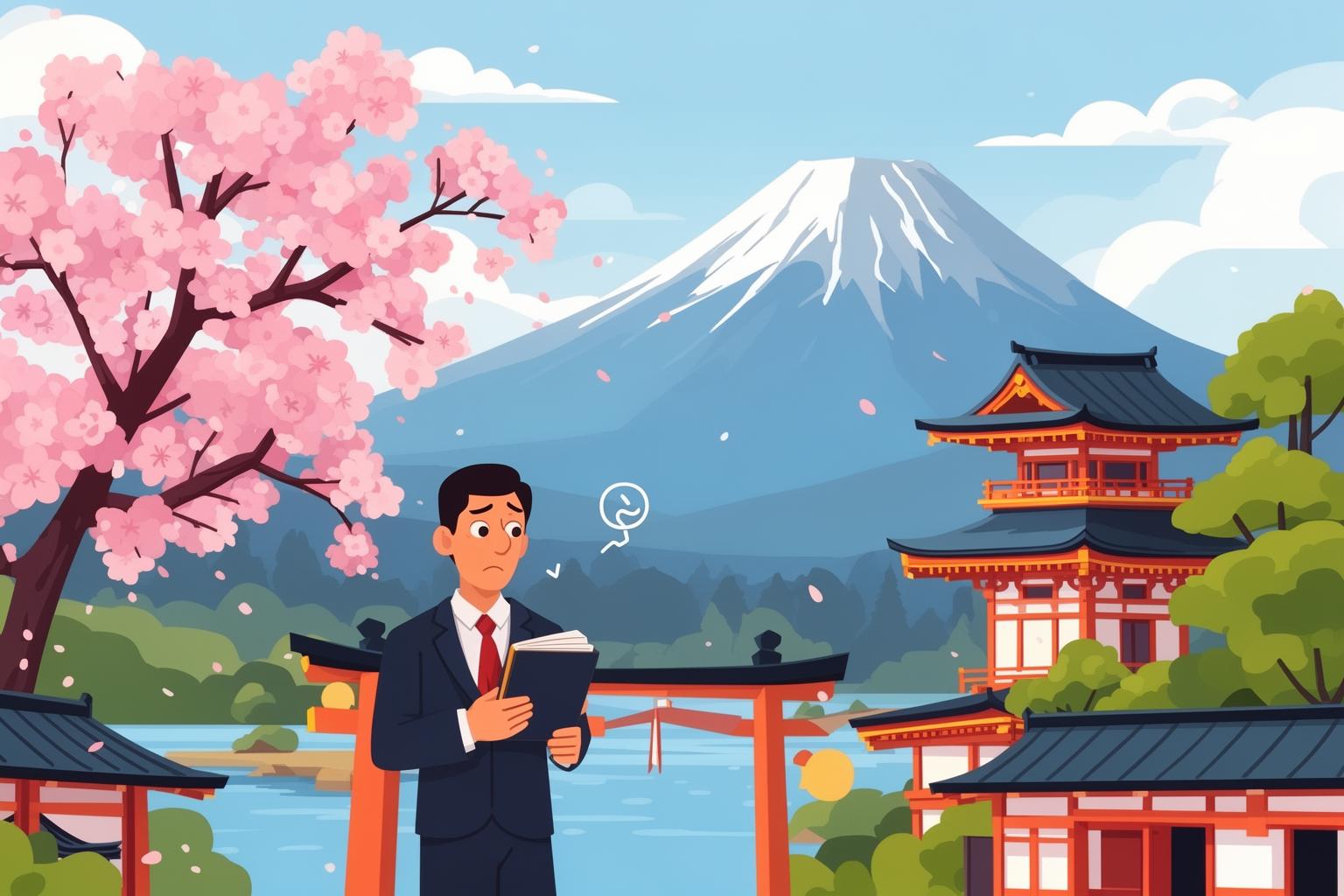
This is the big question, isn’t it? After all the discussion about ki, auras, and energy, a skeptical mind wants to ask: is any of this genuine? Is there some measurable force radiating from these places? Honestly, questioning if it’s “real” in a scientific sense probably misses the point. The more insightful question is, “Why does this concept resonate so deeply with so many people in modern Japan?” The answer is a complex mix of culture, psychology, and social need.
First, you can’t overlook the cultural DNA. Generations of Japanese have been raised with a Shinto-Buddhist worldview in which the natural world is inherently sacred and spiritually potent. This isn’t a new idea they need to be convinced of; it’s an inherited sensibility. The notion that a forest feels alive and a mountain has a spirit is embedded in the cultural subconscious. The term “power spot” is simply a modern frame for a very old concept.
Second, and this factor is huge, is the reality of urban burnout. A large portion of Japan’s population lives in densely populated, high-stress urban environments. The daily grind of long work hours, crowded commutes, and constant pressure in a hyper-competitive society takes its toll. For many, a trip to a power spot is a form of self-care, an escape. Whether or not you believe a tree is giving you mystical energy, the act of traveling to a beautiful, quiet place, walking in nature, breathing clean air, and disconnecting from your phone is undeniably therapeutic. The “energy recharge” is a very real psychological and physiological benefit, regardless of its metaphysical source. It’s mindfulness and forest bathing (shinrin-yoku) wrapped in a spiritually appealing package.
Third is the power of story. These places are not just geographically important; they hold narrative significance. They are steeped in thousands of years of myths, legends, and historical events. When you visit Izumo Taisha, you’re not just at a large shrine; you’re at the place where all the gods of Japan are said to gather once a year to decide the fate of human relationships. When you stand at the base of Nachi Waterfall, you’re facing a kami that has been worshipped far longer than the nearby temple has existed. Visiting these places is like stepping into a living story. This narrative power is profoundly moving and creates an emotional resonance that goes beyond mere sightseeing.
Ultimately, the term “power spot” succeeded because it provided a modern, accessible, and non-denominational language for these ancient feelings. It allowed people to connect with the sacredness of nature without needing to adhere to the formal doctrines of Shinto or Buddhism. It democratized the sacred, making it available to anyone seeking peace, connection, or simply a beautiful day outdoors. So, is the power real? Well, the peace people feel is real. The stress relief is real. The sense of awe is real. And in a world that often feels chaotic and disconnected, that’s a power well worth seeking.
Beyond the Hype: Finding Your Own Vibe
When you distill it all, the phenomenon of Japan’s power spots is a beautifully chaotic and uniquely modern fusion of ancient tradition and contemporary needs. It’s a living cultural practice that embodies a deep reverence for nature, interpreted through the lens of modern wellness culture and amplified by social media. It illustrates how a society can adapt its oldest beliefs to meet new purposes—finding moments of calm and connection in a fast-paced world.
My advice for anyone visiting Japan is not to get too caught up in labels or debates over authenticity. Don’t worry about whether you’re a “Traditionalist” or a “Spiritual Seeker.” Don’t stress over whether the ki can be scientifically proven. Instead, just go. Visit one of these sites, whether it’s a grand shrine like Ise or a quiet, moss-covered temple deep in the mountains. Walk the sandō, feel the cool water of the chōzuya on your hands, and stand before an ancient tree or a roaring waterfall. Notice how it feels. You might experience a deep spiritual connection, or you might simply appreciate the peace, the history, and the breathtaking natural beauty. There’s no right or wrong way to experience it. Maybe the true “power” isn’t some mystical energy you absorb from the earth. Maybe it’s the simple act of being present in a place deemed sacred for centuries—a place that invites you to slow down, breathe, and listen. And honestly, if you happen to get a fire pic for the ‘gram while you’re at it? That’s just a nice bonus. Iykyk.