So, you’ve seen them. Scrolling through your feed, splashed across travel blogs, or maybe you even walked past one in the glittering back-alleys of Shinjuku. These buildings that look like a Disney castle designed by a cyberpunk artist, or a UFO that decided to retire and settle down in the city. They’re Japan’s love hotels, or ‘rabuho’ as the locals call them. And let’s be real, the immediate question that pops into your head is probably something like, “What is even happening here?” In a country known for its public politeness, serene temples, and minimalist aesthetics, these flamboyant, neon-drenched sanctuaries of secrecy seem like a total glitch in the matrix. Are they just kinky theme parks for adults? Or is there a deeper story behind the velvet curtains and mirrored ceilings? Bet. There totally is. This isn’t just about a place to crash for a few hours. We’re about to do a deep dive into a uniquely Japanese solution to a universal human need: privacy. It’s a story about architecture, social norms, economic bubbles, and the art of creating a temporary escape from a world full of rules. This is your ultimate guide to understanding why love hotels are one of the most misunderstood and genuinely fascinating parts of modern Japanese culture. Forget the stereotypes for a sec, and let’s get into the real vibe of these places. It’s a whole world of its own, hidden in plain sight.
For a different take on uniquely Japanese short-stay accommodations, you might also be interested in exploring the world of themed capsule hotels.
The “Why” Files: Decoding the Need for Love Hotels
Understanding the love hotel scene in Japan requires grasping the country’s living conditions. This culture thrives on closeness, but when it comes to romance, it can sometimes feel a bit too close for comfort. The demand for these establishments stems not from some societal quirk but from a very practical issue of limited space and social boundaries.
The Privacy Paradox in Japan
Let’s start with physical space. You’ve likely heard that Japanese homes are small, especially in big cities like Tokyo or Osaka, and that’s often true. But it’s not just about size. Traditional Japanese homes, even larger ones, emphasize communal living. Walls are sometimes just paper-thin sliding screens called ‘fusuma’ and ‘shoji’. While beautiful and excellent for airflow, they offer virtually no soundproofing. You can hear everything—a cough, a whisper, the drop of a pin. Imagine trying to share intimate moments in such an environment—it’s a definite mood killer. This isn’t just an issue with older houses. Modern apartments, or ‘manshon’, are built for efficiency, often sacrificing acoustic privacy. Adding family into the equation complicates things further. Multi-generational living is still common, with young adults staying with parents until marriage, sometimes even beyond, and grandparents close by. In this setting, bringing a date home is not a casual matter as it might be in Western cultures; it’s a significant statement. The cultural concept of ‘uchi-soto’—meaning ‘inside-outside’—defines this: family and home are the ‘uchi’, a sacred inner circle. Inviting an ‘outsider’ (‘soto’), especially an unmarried romantic partner, crosses a meaningful social boundary, implying a level of seriousness usually reserved for later stages of a relationship. So, where do couples turn? Regular hotels are costly and feel too formal, almost businesslike. Cars offer some privacy but are hardly comfortable. This squeeze—socially and architecturally—created a gap, a need for a third space: a neutral zone apart from family, work, and social demands. A place designed solely to give couples a few hours of complete, uninterrupted privacy. This is the essence of a love hotel.
A Quick History Sesh: From “Tsurenokoyado” to Bubble-Era Palaces
The need for discreet meeting places isn’t new. Its roots stretch far back. During the Edo Period (1603-1868), inns called ‘tsurenokoyado’—literally “accommodations for taking a companion”—served a similar purpose, providing private rooms away from societal scrutiny. The modern love hotel, however, began to take shape after World War II. As Japan’s economy recovered and car ownership soared, the 1960s saw the rise of ‘drive-in’ or ‘motel’ culture, inspired by America. These roadside motels offered couples newfound freedom and anonymity: they could drive in, park in a private garage, and check in discreetly. The golden era, defining the wild, theatrical love hotel image, came with Japan’s Bubble Economy in the late 1980s. With abundant wealth, extravagance reigned—from fashion to architecture. Love hotels became playgrounds for extravagance, where developers invested heavily to create the most fantastical, outrageous, and luxurious experiences imaginable. Hence, the fairy tale castles, spinning beds, and spaceship-themed rooms emerged. These weren’t just hotels; they were fantasy palaces symbolizing the era’s boundless optimism and conspicuous consumption. Staying at a high-end love hotel was a status symbol. After the bubble burst in the early 90s, the scene shifted. The lavish spending stopped, and many lavish hotels fell into disrepair. The industry adapted. Recently, there’s been a major shift. While some kitschy bubble-era relics remain, the trend now favors sophisticated, stylish, and clean designs akin to boutique hotels. Rooms might resemble a Balinese villa, a chic New York loft, or a minimalist Scandinavian cabin. The focus has moved from sheer novelty to comfort, luxury, and premium amenities. These hotels are evolving—becoming less about secretive, slightly seedy encounters and more about private, luxurious escapes for everyone.
Inside the System: How it Actually Works (and Why It’s Not as Sketchy as You Think)
For first-timers, the love hotel experience can feel intimidating. The exteriors are often windowless, the entrances hidden, and the overall vibe exudes secrecy. But once you get familiar with the system, you realize it’s all designed for maximum comfort and efficiency. It’s a masterclass in frictionless customer service, and honestly, it’s much less sketchy than you might imagine.
The Art of Discretion: Checking In Without Saying a Word
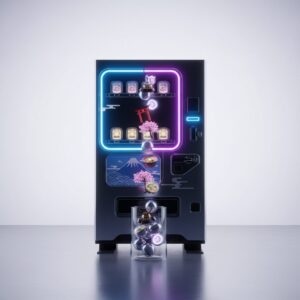
The check-in process is where the brilliance of the love hotel system really stands out. The goal is to eliminate any chance of awkwardness or judgment by minimizing or completely removing human interaction. When you enter the lobby of most love hotels, you won’t find a receptionist greeting you. Instead, a large, illuminated panel on the wall welcomes you. This panel functions like a futuristic vending machine for hotel rooms, displaying photos of all available rooms, often with details about their themes and features. A lit photo means the room is free, while a dark one indicates it’s occupied. You simply choose whether you want the ‘Jungle Safari’ room or the ‘Gothic Romance’ suite, then press the corresponding button. A key might pop out, or a receipt will print with your room number. That’s it—you’ve checked in without speaking to anyone. This automated, anonymous system is central to the experience. It’s not about shame; it’s about enabling a seamless, private transaction. The hotel’s architecture reinforces this: entrances are discreetly tucked away on side streets; parking garages often feature private bays with curtains pulling down to fully conceal your vehicle and license plate. From the garage, a private elevator frequently takes you directly to your floor. The windows are usually small, frosted, or absent to ensure privacy. Even payment is discreet—older hotels might use pneumatic tube systems to send cash to hidden cashiers, while modern ones have small machines near the room door for checkout payments. The entire process is designed to make you feel as though you’re the only two people in the world.
“Rest” vs. “Stay”: Understanding the Pricing Menu
Love hotels operate on a pricing model completely different from regular hotels. You don’t book overnight in the usual sense. Instead, you select from a menu primarily divided into two categories: ‘Rest’ and ‘Stay.’ ‘Rest’, or ‘kyuukei’ (休憩) in Japanese, is the most common option. This is a short-term rental, typically for two to four hours. The rates for ‘rest’ are significantly lower than an overnight stay, and this is the core of the love hotel business model. It’s designed for couples seeking a few hours of privacy during the day or evening. Prices and time slots are usually displayed clearly in the lobby. For example, a 3-hour ‘rest’ between 12 PM and 5 PM might have one rate, while the same duration in the evening could be pricier. ‘Stay’, or ‘shukuhaku’ (宿泊), is the overnight option. This works more like a traditional hotel stay, but with later check-in times. An overnight ‘stay’ typically begins around 9 PM or 10 PM and lasts until 9 AM or 10 AM the following morning. It’s ideal if you missed the last train home or want to turn your visit into a mini-getaway. Beyond these two main options, many hotels also offer a ‘Free Time’ service—a fantastic deal. ‘Free Time’ (`フリータイム`) lets you stay for a long block of hours during off-peak times at a flat rate. For instance, you might check in anytime between 6 AM and 4 PM and stay until 7 PM for one price. This option is especially popular with students or couples who have a day off and want extended relaxation without committing to an overnight stay. It essentially turns the hotel room into your private lounge for the day.
Is it Safe? A Safety Check for Solo Travelers and Groups of Women
Let’s address the big concern, especially from a woman’s viewpoint: are these places safe? The windowless exteriors and discreet nature can feel a bit unsettling if you’re unfamiliar. But the answer is a clear yes. Japanese love hotels are, by and large, incredibly safe, clean, and professional. They’re legitimate, licensed businesses that comply with strict health and safety standards. The very anonymity that seems mysterious also serves as a safety feature. The environment is private and self-contained. Staff are discreet and professional, with the focus completely on providing a comfortable experience for guests. Love hotels have become so safe and well-equipped that their clientele has expanded beyond just couples. A growing trend is the ‘joshikai’, or girls’ party. Groups of friends book lavishly themed rooms for overnight celebrations. Why? For the price of a cramped business hotel room, you get a huge suite with a jacuzzi, large movie screen, karaoke machine, and many fun amenities. It’s perfect for birthdays or bachelorette parties. Cosplayers also enjoy using themed rooms for photoshoots, taking advantage of unique backdrops without needing to build sets. Increasingly, savvy tourists are discovering that love hotels offer a budget-friendly and far more interesting alternative to standard accommodations. They provide more space, better amenities, and a genuinely unique Japanese experience. So whether you’re a solo female traveler seeking a safe and quirky place to stay or a group of friends looking for an unforgettable night, a love hotel can be a surprisingly secure and appealing option.
The Main Event: A Deep Dive into Themed Rooms and Next-Level Amenities
Alright, let’s dive into the part you’ve been eagerly awaiting: the rooms. This is where love hotels move beyond their practical purpose and transform into playgrounds of fantasy and fun. The creativity and the sheer range of amenities packed into a single room can be astonishing. The experience combines elements of a luxury spa, a private nightclub, and a movie set.
From Kitsch to Couture: A Wide Range of Room Designs
Love hotel room designs span the full spectrum—from delightfully kitschy to incredibly elegant. The style largely depends on the hotel’s age, concept, and target clientele. You can encounter the whole range, often all within the same city block. The classic themed rooms are the legends of the industry, born from the Bubble Era’s wild imagination. These are the ones featured in documentaries and viral photo essays. Imagine a room designed like a high school classroom, complete with desks, a chalkboard, and school uniforms available for rent. Or a doctor’s examination room, outfitted with a clinical bed and medical props. Some rooms mimic the interior of a subway car, a spaceship cockpit with flashing lights and control panels, or a pirate ship equipped with a treasure chest and ship’s wheel. One now-defunct but famous hotel even had a full-sized, working carousel in the center of a room. Another popular motif is the traditional Japanese fantasy, such as an ‘oiran’ (high-ranking courtesan) room decorated with lavish red and gold silks and ornate details. These rooms are pure kitsch—playful, theatrical, and a complete escape from reality. They’re not meant to be serious; they invite you to play a role and enjoy yourself. However, the current love hotel scene often tells a different story. While the whimsical theme rooms remain and are fun to visit, the industry has largely shifted towards a more refined aesthetic. The newer generation of love hotels—often labeled as ‘boutique’ or ‘leisure’ hotels—offer designs that can rival luxury hotels worldwide. Their themes are subtler and more luxurious. You might find rooms with a ‘Balinese Resort’ atmosphere, boasting dark wood furniture, a canopy bed, and an open-air style bathroom with a stone jacuzzi. Or a ‘Moroccan Riad’ room, featuring colorful tiles, intricate lanterns, and plush floor cushions. Other popular styles include sleek minimalist modernism with concrete walls and designer furnishings, or a rustic ‘mountain cabin’ vibe with a fireplace and wood-paneled walls. These hotels emphasize comfort and luxury, providing high-quality linens, premium mattresses, and cultivating an ambiance of serene indulgence. The fantasy remains, though it’s less about cosplay and more about immersing yourself in a different lifestyle—pretending you’re on an elegant vacation, even if you’re only a few subway stops from home.
Beyond the Bed: Amenities That Impress
If room design is the main course, the amenities serve as the rich, multi-course dessert. This is where love hotels truly outshine conventional hotels. The volume and quality of free amenities in your room are remarkable. It’s an all-out sensory indulgence designed to make you never want to leave. Let’s begin with the bathroom, often the room’s centerpiece. This isn’t your typical tub-and-shower combo—we’re talking massive, two-person jacuzzis often equipped with underwater mood lighting, built-in waterproof TVs, and powerful jets. Many rooms also include private saunas or steam rooms. The showers are frequently elaborate rainfall systems with multiple heads. The highlight is the amenity tray. Forget tiny, generic shampoo bottles; love hotels offer an astonishing variety of high-end and popular brand bath products. You’ll usually find a basket containing ten to twenty different shampoos, conditioners, body soaps, and bath salts to choose from—like a beauty store sampler aisle. On the vanity, there’s an equally impressive selection of skincare products: makeup remover, face wash, toner, lotion, face masks, and more. And it doesn’t stop there. Standard features include professional-grade hair dryers, hair straighteners, and curling irons. Some upscale rooms even provide advanced beauty gadgets like facial steamers or massage devices. Entertainment options are just as extensive. A massive flat-screen TV—typically 60 inches or larger—is standard, and many rooms have a ceiling-mounted projector for a full home cinema experience. The sound systems are usually top-tier, with surround sound speakers. Karaoke machines with huge song libraries are almost always included, allowing you to stage your own private concert. Modern love hotels also offer the latest video game consoles like the PlayStation 5 or Nintendo Switch, complete with a selection of games. And naturally, there’s free, high-speed Wi-Fi. Beyond that, there’s another layer of convenience. In-room vending machines are a classic feature, stocked not only with drinks and snacks but also lingerie and adult toys, all purchasable with the push of a button. Room service menus tend to be surprisingly diverse and delicious, offering everything from ramen and curry to pizza and pasta, delivered discreetly through a small door so you never have to interact with staff. Many hotels also provide costume rental services, where you can browse a catalog and have outfits—whether nurse, maid, or superhero—delivered straight to your room. It’s a self-contained ecosystem of entertainment and convenience, all within your private haven.
The Cultural Impact: Love Hotels in Japanese Society and Pop Culture
Love hotels are more than just places to visit; they represent a cultural phenomenon. They occupy a distinctive and complex role in the Japanese psyche, serving as a mirror that reflects the country’s hidden desires, social pressures, and shifting norms. Their presence is intricately woven into the fabric of urban life and frequently appears as a motif in Japan’s creative expressions.
A Reflection of Society’s Desires and Taboos
In a society that prioritizes harmony, conformity, and public restraint, the love hotel acts as an essential release valve. It is a space where the strict rules of the outside world are temporarily lifted. Within its walls, people can shed their public roles—the diligent student, the polite office worker, the dutiful parent—and embrace fantasy and intimacy without fear of judgment. The very existence of these hotels quietly acknowledges human needs that don’t fit neatly into the prescribed social order. They stand as evidence that even in a highly structured society, there is a profound yearning for spontaneity, passion, and escape. For many couples, especially those in long-term relationships or marriages, visiting a love hotel is less about secrecy and more about dedicating precious time to each other. In a culture known for notoriously long work hours, maintaining intimacy at home can be challenging, as work, chores, and family responsibilities intrude. A few hours at a love hotel serve as a brief vacation—a deliberate effort to set aside the outside world and focus solely on one another. It is a way to reconnect and introduce some novelty and excitement into the everyday routine. Additionally, these hotels cater to a broader clientele than one might assume. Recently, some establishments have begun targeting older, married couples by offering a quiet, luxurious retreat. For these guests, the appeal lies not in a lack of space at home but in the pleasure of a change of scenery and indulgence in high-end amenities.
Love Hotels in Film and Art
Because they hold such a unique cultural position, love hotels have become a powerful and versatile setting in Japanese popular culture. They frequently appear in movies, manga, anime, and literature, serving a variety of narrative functions. In films and TV dramas, a love hotel can be the scene for a heartfelt romantic confession, a secret rendezvous, a tense confrontation, or a moment of dark humor. They act as a narrative shortcut to signal a particular type of relationship or situation. The American film Lost in Translation includes a notable scene where the main characters visit a friend at a love hotel, capturing the foreigner’s mixture of bewilderment and fascination with the concept. In Japanese cinema, love hotels are a more common and nuanced setting, understood implicitly by the audience. In manga and anime, they often provide the backdrop for romantic and comedic storylines, frequently emphasizing the awkwardness or excitement of a couple’s first visit. Beyond storytelling media, love hotels have also inspired artists and photographers. The rundown, bubble-era hotels—with their faded fairy tale facades and flickering neon signs—have become a popular subject. Photographers are drawn to their strange, melancholic beauty, which embodies a distinctly Japanese aesthetic of mono no aware—a tender awareness of the transience of things. These remnants of fantasy worlds evoke nostalgia, or natsukashii, for a more extravagant and optimistic period in Japan’s recent history. They are documented not as disreputable places but as significant pieces of architectural and social history, preserving the dreams and desires of a bygone era.
The Future of Fantasy: Evolution and a New Generation
The love hotel industry is anything but stagnant. It continuously evolves, adapting to new economic conditions, shifting social norms, and the significant impact of technology. While the love hotel of the future may differ greatly from its bubble-era predecessor, its fundamental purpose—offering a private retreat—remains unchanged.
The “Leisure Hotel” Rebrand
Over the past decade, the industry has made a deliberate and strategic effort to distance itself from the slightly seedy reputation linked to the term “love hotel.” Many owners and chains have rebranded their venues, moving away from ‘rabuho’ and adopting more neutral names like “leisure hotel” (`レジャーホテル`), “couples hotel,” or simply “boutique hotel.” This change goes beyond just the name; it reflects a shift in marketing and identity. The aim is to expand the customer base and make the hotels more inviting to a broader audience. By presenting themselves as destinations for leisure and entertainment, they attract not only couples but also groups of friends, tourists, and even business travelers seeking more spacious, amenity-packed rooms. This rebranding has been further propelled by the rise of online booking platforms. Websites such as Booking.com, Agoda, and Expedia now feature many of these hotels, often without explicitly identifying them as “love hotels.” An unsuspecting tourist might reserve a room simply because it appears stylish, has excellent reviews, and is more affordable than nearby chain hotels. This has led to some amusing culture shock moments, as guests check in expecting a conventional hotel and find themselves in rooms with karaoke machines, mirrored ceilings, and vending machines for costumes. For the most part, however, this mainstream integration has been highly successful, demystifying the hotels and introducing them to a global audience.
Instagrammable Escapes and the Social Media Effect
The greatest force driving change in the contemporary love hotel industry is social media. The idea of ‘insta-bae’ (`インスタ映え`), or being “Instagram-worthy,” now plays a crucial role in room design and marketing. For a new generation, the allure of a themed room is not solely about the private experience; it’s about publicly showcasing that experience. It’s about capturing the perfect photo. This has established a new feedback loop. Hotels now design rooms specifically with social media in mind, creating visually striking, unique, and highly photogenic interiors. Imagine rooms filled with ball pits, walls adorned with flowers, neon art installations, or swings suspended from the ceiling. The more eccentric and aesthetic, the better. Young people, especially groups of girls, often book a room for a ‘Free Time’ session primarily to stage a photoshoot for their Instagram feeds. The hotel transforms into a content creation studio. This trend has pushed the industry to become even more imaginative and to invest heavily in design, turning what was once a hidden, private space into a platform for public self-expression. The cycle of fantasy and reality persists, now shared with a much wider audience.
A Final Word: So, Is It Worth It?
After this thorough exploration, let’s return to the original question: Is a visit to a love hotel worth it? The answer is unquestionably yes. It is an experience that goes far beyond its name. It’s about more than just sex; it’s about privacy, freedom, design, and a distinct form of Japanese hospitality that anticipates your needs before you are even aware of them. Visiting a love hotel offers a unique cultural insight into the hidden desires and pressures of Japanese society. It reveals how a culture creatively addresses the challenge of personal space in a crowded environment. Whether you visit with a partner for a romantic getaway, with friends for an outrageously fun party, or solo to enjoy a large jacuzzi and a private movie screening in peace, there is something for everyone. It provides an opportunity to escape the everyday and enter a world crafted entirely for pleasure and retreat. Amid the buzz of some of the world’s most bustling and orderly cities, love hotels stand as resilient and intriguing little islands of fantasy. They prove that sometimes the most fascinating aspects of a culture lie hidden, just off the main road, behind a discreet curtain.