The Sudden Chill in Travel Plans
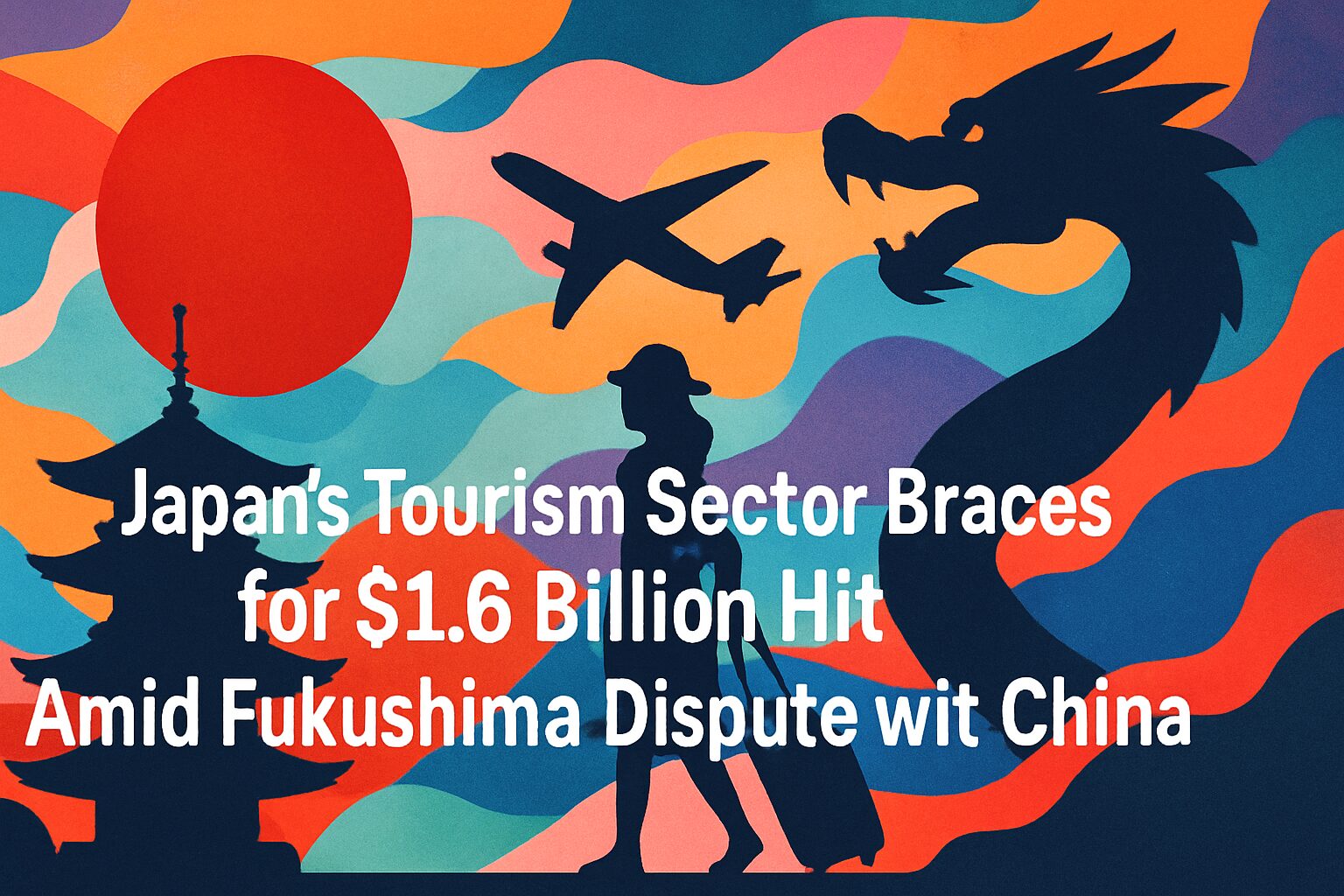
Japan’s tourism industry, which was celebrating a robust post-pandemic recovery, is now facing a significant economic threat. A deepening political rift with China over the release of treated radioactive water from the Fukushima Daiichi nuclear power plant has led to a wave of travel cancellations from Chinese tourists. This backlash is projected to cost the Japanese economy an estimated $1.6 billion, casting a shadow over one of the country’s key growth sectors.
Background: A Political Dispute Spills into Tourism
The controversy began on August 24, 2023, when Japan started the planned, gradual release of treated and diluted water from the Fukushima plant. While the International Atomic Energy Agency (IAEA) has deemed the process safe and in line with international standards, the Chinese government responded with fierce opposition. Beijing immediately implemented a blanket ban on all Japanese seafood imports and state-controlled media launched a campaign criticizing the decision.
This has fueled anti-Japanese sentiment within China, leading to harassment calls to Japanese businesses and public institutions. Consequently, Chinese travel agencies have reportedly halted sales of Japan tour packages, and individual travelers are canceling their trips in large numbers. The timing is particularly damaging, as it came just weeks after China lifted its ban on group tours to Japan on August 10, a move that had been eagerly anticipated by Japanese hotels, retailers, and airlines.
The Economic Impact in Numbers
To understand the scale of the potential loss, it’s crucial to look at the numbers.
- Pre-Pandemic Powerhouse: In 2019, before the global travel shutdown, Chinese visitors were the largest contingent of foreign tourists to Japan. Approximately 9.6 million Chinese tourists visited that year, accounting for about 30% of all international visitors.
- Top Spenders: More importantly, Chinese tourists were the biggest spenders, contributing over one-third of the total tourism consumption, amounting to roughly 1.77 trillion yen (about $12 billion).
- Projected Loss: The current wave of cancellations is expected to erase billions in potential revenue, with the $1.6 billion figure representing a severe blow, especially ahead of China’s Golden Week holiday in October, traditionally a peak travel season.
Shifting Destinations: Singapore and South Korea Benefit
As Chinese travelers reconsider their plans, neighboring countries are emerging as popular alternatives. Travel booking platforms have reported a significant surge in interest and bookings for destinations like Singapore and South Korea. This shift indicates that while the desire for international travel remains strong among Chinese citizens, political tensions are now a major factor in their choice of destination. This trend could see Japan’s regional competitors gaining a significant, albeit unexpected, tourism boost.
Future Outlook: A Test for Japan’s Tourism Strategy
The immediate future looks challenging. The upcoming Golden Week holiday is likely to see a fraction of the expected Chinese arrivals, impacting everything from luxury retailers in Ginza to hot spring resorts in Hokkaido.
This situation forces Japan to confront the risks of its heavy reliance on a single market. In the long term, the Japanese government and tourism industry will likely accelerate efforts to diversify their inbound market portfolio. This means strengthening promotional campaigns in North America, Europe, Southeast Asia, and the Middle East to mitigate the impact of the downturn from China.
The dispute serves as a stark reminder of how quickly geopolitical tensions can disrupt the travel industry. For Japan, rebuilding trust and diversifying its appeal will be critical to ensuring the long-term resilience and stability of its vital tourism sector.