Yo, what’s the deal? You’re scrolling through the gram, you see these sick-looking bottles of Japanese gin. They look like something out of an art museum, all minimalist with washi paper labels and dope calligraphy. You finally get your hands on one, maybe at some boujee bar or you splash out online. You take a sip. And… whoa. Hold up. This ain’t your grandpa’s London Dry. It’s not a juniper bomb. It’s… quiet. It’s clean. It tastes like a forest smells after it rains, or like a citrus fruit you’ve never met before. It’s got this weird tingle at the end. It feels less like a party starter and more like a meditation session. You’re sitting there thinking, “This is fire, but like… why is it like this? Why does it feel so profoundly… Japanese?”
For real, that’s the question. Because Japanese craft gin isn’t just about taking a British spirit and chucking in some local flavors for a cool marketing angle. Nah, that’s not the vibe. It’s a full-on cultural download in a glass. It’s the result of applying centuries-old philosophies of craftsmanship, nature, and harmony to a spirit that’s totally foreign. It’s about a deep, almost spiritual connection to the ingredients, the process, and the final experience. To get why Japanese gin hits different, you gotta get the cultural software running in the background. We’re talking about the soul of the shokunin (the master artisan), the religion of shun (peak seasonality), and the art of wa (harmony). It’s a whole worldview. The yuzu, the sansho pepper, the gyokuro tea—they’re not just ingredients; they’re the main characters in a story about what it means to make something, and make it perfectly, in Japan. So let’s get into it. Let’s decode the vibe, because once you get it, you’ll never taste gin the same way again. It’s a legit rabbit hole, and trust me, it’s deep.
To fully appreciate how Japanese gin fits into the broader landscape of crafted spirits, it’s worth exploring the cultural significance of other drinks, such as the story behind Japan’s iconic whisky highball culture.
The Shokunin Spirit: It’s Not a Job, It’s a Calling
First and foremost, you need to grasp the concept of the shokunin. You’ve likely heard the term before, perhaps even seen the documentary “Jiro Dreams of Sushi.” A shokunin is an artisan or craftsman, but that definition hardly scratches the surface. It doesn’t capture the essence. Being a shokunin isn’t just holding a job; it’s a spiritual journey. It means dedicating your entire life to mastering a single skill, whether it’s sushi making, sword forging, piano tuning, or, in this case, spirit distilling. It’s a profound belief that your work reflects your character, and striving for perfection helps you grow as a person. It’s intense. It’s exceptional. And it’s the very foundation of why Japanese products are often astonishingly detailed and high-quality.
A shokunin never seeks shortcuts. They embrace the most challenging and time-consuming methods if it leads to a superior result, even if that improvement is only noticeable to another expert. They obsess over details you’d hardly think of noticing. This mindset is deeply embedded in the culture. It’s why a department store gift wrapper can turn wrapping a simple box into an art performance, or why a barista at a kissaten (a traditional coffee shop) will spend five minutes carefully pouring hot water over coffee grounds. It’s total devotion to the craft.
So, how does this spirit apply to gin? It means everything. Western gin-making typically uses the traditional “one-shot” method: all botanicals—juniper, coriander, angelica, citrus peel—are put into the still with a neutral spirit and distilled together. It’s efficient, effective, and has produced excellent gins for centuries. Japanese distillers looked at this and thought, “We can do this, but make it more… uniquely ours.”
Consider The Kyoto Distillery, creators of Ki No Bi gin. They completely abandoned the one-shot approach. Looking at their botanicals—like yuzu, hinoki wood chips, gyokuro tea, and sansho pepper—they realized each releases its best flavors and aromas at different temperatures and conditions. Combining them all would mean compromise. The bold citrus could overpower the delicate tea. The woody notes might not come through properly. For a shokunin, compromise means failure. So they developed an incredibly complex method, sorting their eleven botanicals into six aromatic groups: Base (juniper, orris, akamatsu), Citrus (yuzu, lemon), Tea (gyokuro), Herbal (sansho, kinome), Spice (ginger), and Floral (red shiso, bamboo leaves). Each of these six groups is distilled separately. Let that sink in—they run the still six times to create six different spirits. Then, like a master blender making perfume, they meticulously combine these individual distillates to form the final, balanced gin. This process is wildly inefficient, costly, and a production nightmare. But it’s the only way to ensure every botanical shines perfectly, each voice in the chorus hitting the right note. That’s the shokunin spirit in motion. It’s not about choosing the easiest path; it’s about choosing the best path, no matter how demanding. This obsessive attention to detail is why Japanese gin often boasts such incredible clarity and layering of flavors. You can distinctly taste the separate elements, yet they blend beautifully in harmony.
Shun (旬): The Religion of Peak Season
If shokunin represents the “how,” then shun signifies the “when.” Shun is a concept deeply embedded in Japanese culture, especially regarding food and drink. While it directly translates to “season,” it more accurately refers to “the peak of seasonality.” It reflects the belief that every natural ingredient—a fish, a vegetable, a fruit—has a specific, fleeting moment in the year when it is at its absolute freshest, most flavorful, and most nutritious. This isn’t merely a culinary trend; it embodies a profound cultural respect for nature’s cycles. Living in harmony with shun is considered a way of life. In spring, people eagerly enjoy bamboo shoots (takenoko) and sakura-themed goods. Summer highlights sweet corn and ayu (sweetfish). Autumn brings chestnuts (kuri) and Pacific saury (sanma), while winter favors daikon radish and fatty yellowtail (buri).
This fascination with shun sharpens the Japanese palate to freshness and the subtle seasonal variations in flavor. A tomato in August is distinctly different from one in May, and everyone recognizes this. This philosophy strongly influences the selection of botanicals for gin. The ingredients aren’t just generic flavors taken from a list; distillers carefully source their botanicals with the same seasonal precision as a top sushi chef selecting fish. The yuzu used is not simply “yuzu” but winter-harvested yuzu from a particular farm in Kochi prefecture, picked at the moment its aromatic oils are most intense. The sansho peppers are green, unripe berries (mi-sansho) gathered in early summer in Wakayama prefecture, famed for its most vibrant and fragrant varieties. Sakura blossoms used in limited-edition spring gins are hand-picked during a brief period in April.
This commitment to shun explains the abundance of limited-edition seasonal releases from Japanese distilleries. Ki No Bi offers Ki No Tou, an Old Tom style gin infused with gyokuro from the season’s first harvest. Suntory’s Roku Gin, whose name means “six,” features a hexagonal bottle with each side representing one of six uniquely Japanese botanicals harvested at peak season: sakura flower and leaf in spring, sencha and gyokuro teas in summer, sansho pepper in autumn, and yuzu peel in winter. The gin itself serves as a liquid calendar, a journey through the Japanese year, bottling a precise moment in time. When you sip a gin made with shun botanicals, you’re not just tasting a flavor; you’re experiencing the essence of a season, connecting with nature’s rhythm. This is why these gins often evoke a sense of nostalgia and vivid imagery. That clean, crisp sensation might be the essence of a cool autumn afternoon captured by sansho. That bright, sunny burst? It’s the height of yuzu season in the depths of winter. This level of intention goes far beyond merely crafting a pleasing taste.
The Botanical Breakdown: It’s Not Random, It’s a Narrative
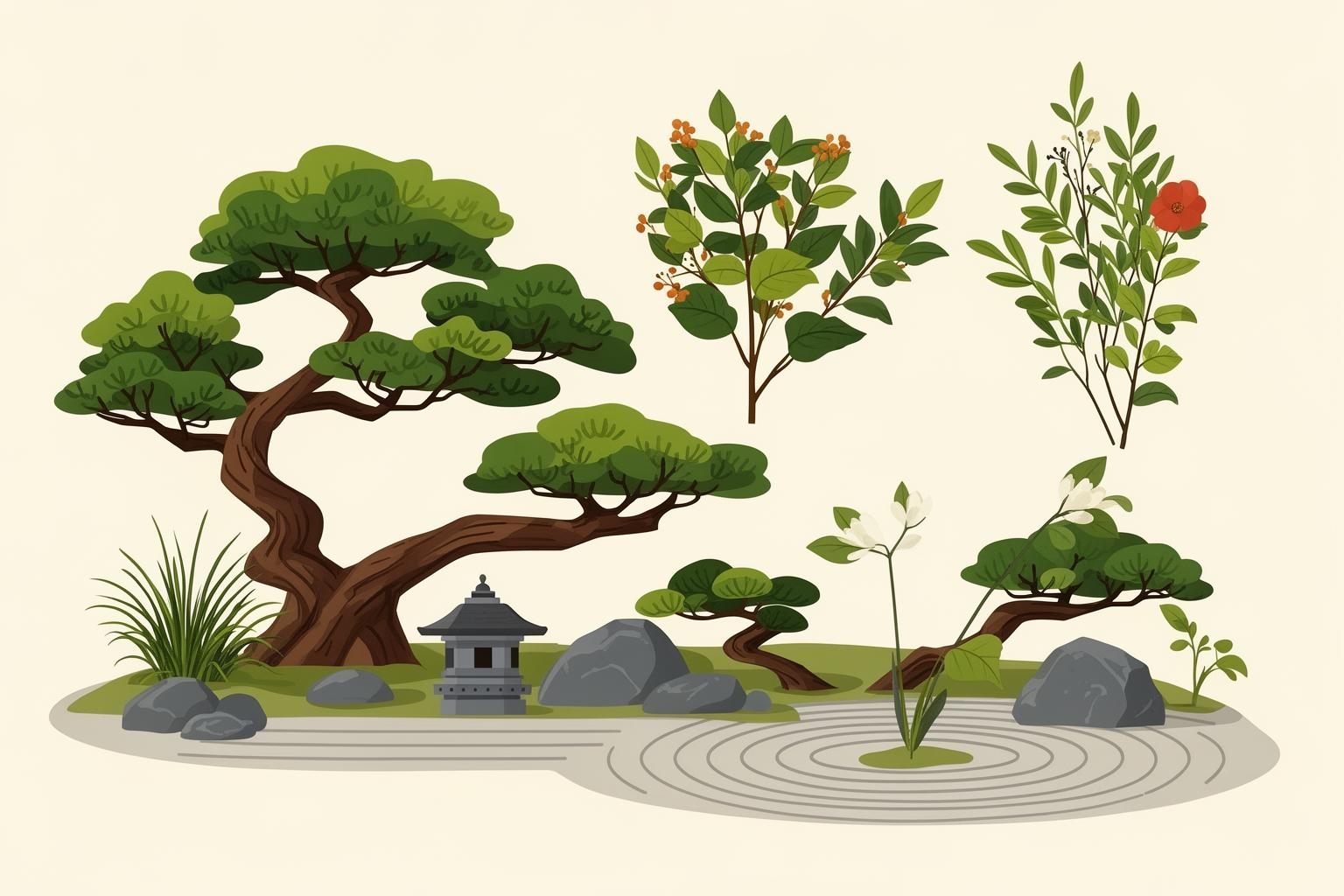
Alright, we have the artisan mindset and the seasonal fixation established. Now, let’s dive into the actual ingredients, as this is where the cultural narrative truly comes to life. The selection of botanicals in Japanese gin is never arbitrary. It’s a carefully curated array meant to tell a story, evoke emotion, and craft a flavor profile distinctly Japanese. They start with a familiar base—gin—but use a palette of local hues to paint an entirely different picture. It’s a masterful lesson in terroir and cultural identity.
Yuzu (柚子) – The Refined Sunshine
You’ve likely encountered yuzu on upscale restaurant menus. It’s frequently described as a cross between lemon and grapefruit, but honestly, that’s a gross simplification. Yuzu represents a unique world of flavor and aroma. Externally, it resembles a small, bumpy grapefruit. But once sliced open, its scent is mesmerizing. It’s intensely floral, like a bouquet of blossoms combined with mandarin orange and a subtle hint of green, almost pine-like notes. It’s far more complex and aromatic than any Western citrus. The taste is tart, certainly, but carries a depth and a sophisticated bitterness that lemon simply can’t match. It’s less of a sharp jolt and more of an elegant, enveloping brightness.
In Japanese culture, yuzu is a winter staple. It symbolizes warmth, health, and purification. On the winter solstice (tōji), it’s customary to float whole yuzus in hot baths (yuzuyu). The steam releases aromatic oils believed to ward off colds and soothe the skin. Its scent evokes nostalgia among Japanese people, linked to memories of cozy winter evenings. In cooking, its zest and juice elevate everything from ponzu sauce to delicate custards with a fragrant lift.
When incorporated into gin, yuzu carries this entire cultural legacy. It delivers the high note—the first burst of fragrance when you lift the glass to your nose. Due to its complex aroma, it’s not a simple, one-dimensional citrus hit. It has many layers, setting a tone of elegance and refinement right from the outset. It’s a gentle, sophisticated sunshine that cuts through the earthier and spicier notes—more subtle than a blazing summer sun. It embodies the Japanese aesthetic of shibui—a quiet, understated beauty. It doesn’t demand attention; it invites you in gracefully. It’s the perfect gateway into the world of Japanese gin.
Sansho Pepper (山椒) – The Electric Buzz
Now for the surprise twist. After yuzu’s elegant welcome, you often encounter the electrifying jolt of sansho pepper. If you’ve never tried it, prepare yourself. This isn’t black pepper or chili pepper—it’s something else entirely. Sansho is the tiny berry from the Japanese prickly ash tree, part of the citrus family. Eating it is a two-step experience. First, you detect a bright, citrusy, and herbal flavor—fresh and green. Then, moments later, the magic unfolds: a unique, effervescent, numbing tingle spreads across your tongue and lips. It’s not painful heat; it’s a physical sensation—a pleasurable buzzing that enlivens your mouth. This effect comes from a compound called sanshool, which interacts with nerve receptors similarly to carbonation, creating a fizzy, tingling sensation.
In Japan, sansho is a treasured classic spice. Its most famous pairing is grilled freshwater eel (unagi no kabayaki). The rich, fatty, sweet-savory eel is dusted with powdered sansho, whose citrus notes and numbing tingle cut through the richness, cleanse the palate, and ready you for the next bite. It’s a perfect example of culinary harmony and is regarded as a very mature, complex flavor.
In gin, sansho is a game-changer. It’s usually added to give the gin its finish, its final statement. After tasting the juniper backbone and the citrusy yuzu mid-palate, sansho arrives at the end, leaving that signature tingle on your tongue. It contributes an incredible layer of complexity and adds texture you simply don’t find in Western gins. It’s what makes the finish linger memorably. It’s a bold choice, yet employed with exceptional precision. Too much would overwhelm; too little, and it goes unnoticed. The shokunin distiller calibrates it perfectly so it acts as a surprising, delightful punctuation mark at the end of the flavor sentence. It’s the element that makes you say, “Whoa, what was that?” and immediately reach for another sip to unravel the mystery.
The Supporting Cast: The Spirit of the Landscape
Beyond the headliners of yuzu and sansho, the supporting botanicals reveal the deepest layers of Japanese culture and landscape. Here, distillers showcase their extensive knowledge of local flora and their skill in extracting subtle, evocative aromas and flavors.
Green Tea (Gyokuro & Sencha)
Japanese distillers avoid generic “green tea.” They choose their teas with exceptional specificity, often selecting premium varieties like gyokuro and sencha. Sencha is the most common Japanese green tea, sun-grown, offering a fresh, grassy, slightly astringent flavor. Gyokuro, by contrast, is a high-grade, shade-grown tea. For about three weeks before harvest, the plants are shaded, prompting them to produce more chlorophyll and L-theanine. The result is a deep green, incredibly sweet tea bursting with savory umami. It’s less bitter and possesses a thick, almost broth-like mouthfeel. Using gyokuro in gin is a power move—adding a savory depth and roundness entirely unique. It imparts a lingering, umami-rich character that grounds the brighter citrus and spice notes. This flavor is deeply Japanese, linking the gin to the ancient tea ceremony traditions.
Hinoki (檜) & Sugi (杉) – The Fragrance of Sacred Forests
This is where things get truly astonishing to a non-Japanese palate. Distillers use wood chips as botanicals—not aging the gin in barrels, but infusing it with the wood’s essence. Hinoki is Japanese cypress; sugi is Japanese cedar. Anyone who has stepped into a Buddhist temple, Shinto shrine, or traditional hot spring bath (onsen) knows this scent. It’s the aroma of sacred Japanese spaces. Hinoki offers a clean, lemony-pine, slightly minty fragrance—both calming and uplifting. It’s the wood used to build ancient temples and high-end soaking tubs. Sugi has a deeper, sweeter, more robust woody aroma. Using these woods imparts a dry, resinous, meditative quality. It’s not a heavy, oaky flavor like barrel aging imparts; rather, it’s a light, aromatic essence. Its purpose is to evoke shinrin-yoku, or “forest bathing”—the Japanese practice of mindfully walking through woods to de-stress and connect with nature. Tasting hinoki in gin is like savoring the serene atmosphere of a Kyoto temple. It’s an aromatic shortcut to Zen.
Shiso (紫蘇) and Kuromoji (黒文字)
Shiso belongs to the mint family but tastes like a complex mix of mint, basil, anise, and cinnamon. It’s a fresh, green, slightly enigmatic herb widely used in Japanese cuisine, often served with sushi or salads. In gin, it adds a vibrant, cooling herbal note that is both familiar and exotic. Kuromoji is another intriguing choice, a type of spicebush with twigs long used to make high-end toothpicks served with traditional sweets (wagashi) because of their wonderfully aromatic, woody, and floral scent. Employing such a subtle and refined element as kuromoji highlights the distillers’ remarkable botanical expertise. It adds a delicate, spicy-floral layer that reflects a culture of quiet elegance and meticulous attention to detail.
Water is Everything: The Unseen Soul
Here’s a secret that isn’t much of a secret in Japan: the most crucial ingredient in any world-class Japanese food or drink is water. Ask any sake brewer, tofu maker, or soba noodle artisan, and they will tell you that their craft both begins and ends with the quality of their water. Japan, a mountainous and volcanic archipelago, is fortunate to have an abundance of exceptionally pure, soft water flowing from its mountains. This water is low in minerals, giving it a clean, neutral, and subtly sweet taste.
This focus on water is absolutely essential to gin making. A neutral spirit consists of about 60% water before it even goes into the still, and the final gin is diluted with more water to reach bottling proof. The nature of that water significantly influences the final product. Hard, mineral-rich water can clash with delicate botanicals, resulting in harsh or off-flavors. In contrast, Japan’s soft water serves as a perfect, invisible canvas. Its purity and gentleness allow the subtle, nuanced aromas and flavors of the botanicals to shine through without interference. This results in a gin with an exceptionally smooth, round, and clean mouthfeel.
Distilleries take immense pride in their water source. The Kyoto Distillery selected its site in Fushimi, Kyoto, not only for the city’s cultural prestige but because Fushimi has been renowned for its water, making it a premier sake-brewing region for centuries. Other distilleries, such as the Fuji Gotemba Distillery at the base of Mt. Fuji, proudly claim to use snowmelt from the sacred mountain, filtered for years through volcanic rock. To outsiders, this may seem like mere marketing hype. However, to a Japanese artisan, water is the spirit’s soul. It’s the invisible ingredient that forms the foundation for everything else and a key reason why Japanese gin feels so pristine and perfectly integrated.
The Aesthetics of the Bottle: A Vibe for the Eyes
You can’t discuss Japanese gin without mentioning the bottles. They are, almost without exception, true works of art. This is no coincidence. In Japan, presentation is viewed as an essential part of the experience. The way something looks sets your expectations for how it will taste and feel. The bottle design serves as the opening chapter of the story.
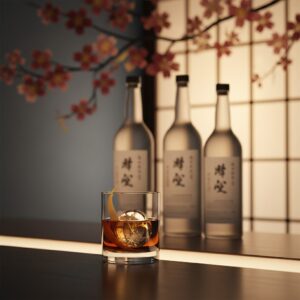
Many bottles, like Ki No Bi’s, are screen-printed and adorned with labels made from high-quality washi (Japanese paper), often crafted by local artisans. Roku Gin’s hexagonal bottle features its six key botanicals embossed directly into the glass. The calligraphy on the label is more than just a font; it is frequently created by a master calligrapher, with each stroke imbued with meaning and purpose. This commitment to aesthetics is grounded in fundamental Japanese design principles. There’s a sense of shibui, that quiet elegance we mentioned earlier. The designs tend to be minimalist, confident enough not to demand attention. There is also an aspect of wabi-sabi, the appreciation of natural textures, subtle imperfections, and the beauty of handcrafted materials. The feel of the textured washi paper in your hand, the weight of the heavy glass base, and the simple wooden stopper—all contribute to a tactile ritual.
This stands in sharp contrast to many Western spirits that depend on loud branding and flashy colors. The Japanese approach emphasizes creating a beautiful object that you’d want to keep on your shelf long after the gin is finished. The process of unboxing, pouring, and serving the gin is intended to be a moment of quiet appreciation. It’s a sensory experience that engages your sight and touch before the gin even touches your lips. It sets a mood. It encourages you to slow down, to pay attention, and to honor the liquid inside. It’s a vital part of the overall experience, preparing your mind for the refined and complex journey ahead.
How to Vibe With It: The Drinking Ritual
So you have this beautiful bottle of complex, nuanced gin. The big question is: how should you drink it? Just drown it in tonic water and lime? You can, and it will likely make a great G&T. But to truly capture the distiller’s intention, it’s worth exploring some Japanese drinking methods designed to emphasize subtlety and aroma rather than conceal them.
The Highball (ハイボール)
In Japan, the highball reigns supreme. It’s the most popular way to enjoy whisky and is an excellent method for gin as well. However, a Japanese highball is a matter of precision, not casual mixing. It’s all about the details. It begins with the ice: large, crystal-clear blocks that melt slowly to avoid diluting the drink too quickly. The glass is chilled. The ratio of gin to super-fizzy, high-quality sparkling water is exact, usually about 1 part gin to 3 or 4 parts soda. The mix is barely stirred—just a gentle lift with a bar spoon—to preserve the carbonation. The garnish is selected to complement, not overpower, the gin’s unique botanicals. For a yuzu-forward gin, a long, elegant peel of yuzu zest, expressed over the glass to release its oils, is ideal. This approach creates a drink that is refreshingly light and aromatic, with bubbles carrying the gin’s delicate aromas to your nose, letting you savor all the subtle layers of tea, wood, and herbs.
Mizuwari (水割り) & Oyuwari (お湯割り)
Now we delve into more nuanced territory. To a Westerner, mixing gin with plain cold water (mizuwari) or even hot water (oyuwari) might seem strange. But in Japan, this is a common and respected way to enjoy spirits like shochu and whisky. The reasoning is simple: it enhances appreciation. Adding a splash of high-quality cold water can open up the gin’s aromas, soften the alcohol burn, and allow the more delicate floral and tea notes to emerge. It’s a way to truly “listen” to the spirit in its purest form.
Oyuwari is even more revealing. You gently combine gin with hot (not boiling) water, usually served in a ceramic cup. The warmth volatilizes aromatic compounds in the gin, creating a fragrant cloud you can enjoy even before the first sip. This method is especially wonderful for gins featuring hinoki, ginger, or tea notes, as it brings out warm, comforting aromas beautifully. It transforms the gin into a soothing, contemplative drink, perfect for a quiet evening. This is a completely different perspective on gin—not a sharp, cold refresher, but a warm, aromatic comfort.
Neat or on the Rocks
For the true purist, the best way to honor the distiller’s craft is to sip it neat or over a single, large, hand-carved ice sphere. This is the ultimate tribute to the shokunin’s skill. It lets you experience the full journey of the gin on your palate—from the aromatic opening to the complex mid-palate and the long, lingering finish. It’s not about drinking to get drunk; it’s about savoring and reflecting. It’s a meditative experience. You’re tasting the balance, harmony, and story that the distiller meticulously crafted.
So, next time you pour yourself a glass of Japanese gin and notice how clean, complex, and distinct it feels, now you’ll understand why. You’re not simply tasting a spirit flavored with intriguing Japanese ingredients. You’re tasting a philosophy. You’re experiencing the obsessive pursuit of perfection from a shokunin, the deep respect for nature’s rhythms in shun, the quest for perfect balance in wa, and the pure essence of mountain water. You’re savoring an entire culture, an aesthetic, a vibe, all distilled into one sublime glass. And that, my friend, is the real deal. Kanpai to that.