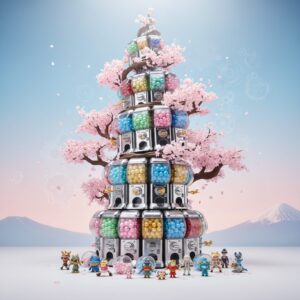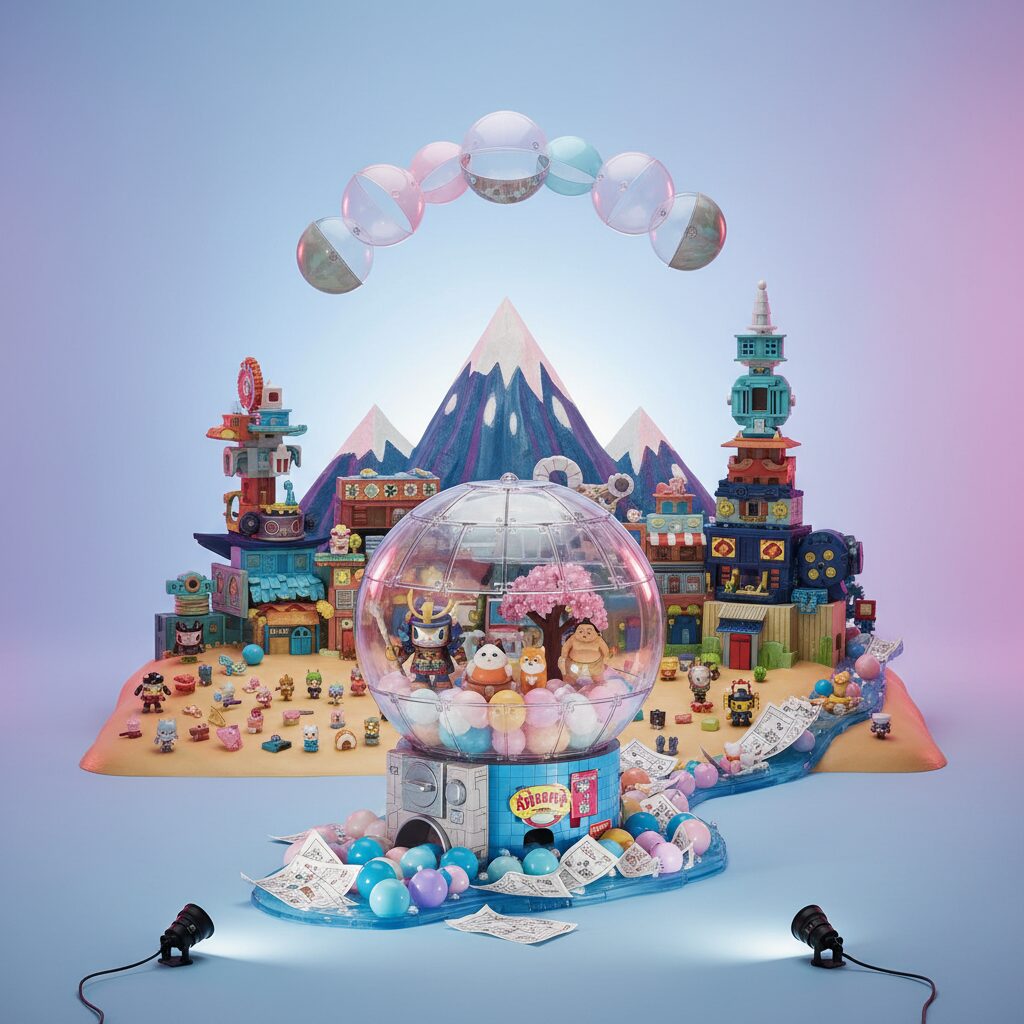
Yo, what’s the deal with Gachapon? For real. If you’re on your second trip to Japan, you’ve definitely clocked them. Walls on walls of these machines, stacked up in Akihabara, tucked away in a random train station corner, even chilling at the airport. You see everyone—from kids with their parents to serious-looking office workers in full suits—religiously feeding coins into these things, cranking a knob with intense focus, and then inspecting the little plastic bubble that pops out with a level of scrutiny usually reserved for diamonds. Your first time here, maybe you thought it was just a kid thing. Cute, quirky, whatever. But now you’re seeing the matrix. This isn’t just a toy dispenser. It’s a whole mood. A cultural phenomenon. A low-key national obsession that’s kinda confusing when you think about it for more than five seconds. Why are grown adults spending their hard-earned yen on tiny, seemingly random plastic trinkets? What’s the hype? Is it just consumerism on overdrive, or is there something deeper going on? Let’s be real, from the outside, it looks like a low-stakes gambling addiction with a kawaii filter slapped on top. And you’re not entirely wrong, but you’re also not entirely right. Gachapon, or Gashapon as Bandai trademarked it (named for the “gacha” cranking sound and the “pon” of the capsule dropping), is a legit microcosm of Japanese culture. It’s a wild mash-up of history, psychology, art, and economics, all packed into a plastic sphere. It’s about the thrill of the hunt, the love for the miniature, the need for a small, affordable escape, and the celebration of the hyper-niche. So, before you write it off as just another weird Japan thing, let’s peel back the plastic and get into the guts of why Gachapon is, no cap, one of the realest ways to understand the modern Japanese psyche. It’s a vibe check on the entire country, one ¥500 coin at a time.
This deep dive into the Gachapon phenomenon reveals it’s part of a broader ecosystem of niche, collectible obsessions, much like the world of digital avatars and VTubers.
Cranking Back Time: The Not-So-Japanese Origins of a Japanese Icon

You might assume Gachapon is an entirely Japanese creation, emerging from the same culture that gave us anime and Tamagotchi. Plot twist: it isn’t. The concept of a toy-vending machine actually began in the U.S. in the late 19th century, dispensing items like gumballs and small trinkets. The classic Gachapon machine we recognize today is a direct descendant of those American vending machines, which started being imported into Japan in the 1960s. But this is where the story gains its uniquely Japanese twist. While in the West these machines remained a minor novelty—a way to get a cheap, low-quality toy or some candy—in Japan, they took on a life of their own. It was the toy company Bandai that truly recognized their potential in the ’70s and transformed them into a cultural phenomenon. They trademarked the name Gashapon and, importantly, shifted the focus to the quality and collectibility of the toys inside. It was no longer just a brief distraction for kids; it became about creating desirable, well-crafted miniatures tied to popular media franchises. The first major hit was Kinnikuman, a manga and anime series about superhero wrestlers. Bandai produced tiny, detailed rubber figures of these characters, called Kinkeshi, and distributed them through Gachapon machines. It became an absolute craze. Kids weren’t just buying one; they were trying to collect them all. This move from a one-off novelty to a collectible series laid the foundation that set Japanese Gachapon apart from their Western counterparts. It tapped into a collector’s mentality that was already a huge part of Japanese otaku (geek) culture.
The Economic Backdrop: How a Stagnant Economy Fueled a Plastic Boom
To truly understand why Gachapon culture exploded and still thrives, it’s important to consider Japan’s economic situation over recent decades. The ’80s represented the bubble era—a period of extraordinary economic prosperity and extravagant spending. But when the bubble burst in the early ’90s, it ushered in what is known as the “Lost Decades.” The economy stalled, lifetime employment became less certain, and financial anxiety spread. People, especially younger generations, found themselves with less disposable income for big-ticket items like cars or luxury fashion. In this new reality, they sought smaller, affordable ways to find joy and satisfaction. They turned to hobbies and collections that wouldn’t empty their wallets. Enter Gachapon. For just a few hundred yen, you could experience a moment of excitement and obtain a high-quality, tangible object to add to your collection. It was the perfect affordable luxury, offering a hit of consumer pleasure without financial guilt. This environment enabled Gachapon to evolve from children’s toys into a legitimate hobby for adults. The companies behind them responded by producing increasingly sophisticated and niche products for these adult consumers who had grown up with the first wave of Gachapon and now had their own (albeit limited) disposable income. This economic context is crucial. Gachapon isn’t just popular because it’s cute; it’s popular because it fits seamlessly into the economic and psychological landscape of modern Japan. It offers a small indulgence in a world where larger ones have become increasingly unattainable for many.
The Psychology of the Crank: Why We’re All Hooked
So, what exactly is happening in your brain when you stand before a Gacha wall? It’s not merely a desire for a tiny plastic cat. Instead, it’s a powerful blend of psychological triggers that are nearly universally irresistible. The companies behind these experiences are experts in behavioral psychology, whether they acknowledge it or not. The entire process is designed to be addictive, satisfying, and deeply engaging. It taps into fundamental human cravings for surprise, completion, and control—all for the cost of a coffee.
The Dopamine Rush: A Low-Stakes Gamble
At its heart, every spin of a Gachapon crank is a gamble. You can see the set of possible items on the poster, but the exact item you receive remains unknown. This uncertainty is crucial. Neuroscientists explain that the brain’s reward system, which relies on dopamine, is most activated not when getting a reward, but in the anticipation of one. The peak excitement occurs in that brief moment after turning the handle and hearing the capsule drop, yet before opening it. It’s the potential, the possibility, that delivers the rush. Unlike slot machines or lotteries, the stakes are very low. If you don’t get your desired item, you only lose a few hundred yen. The financial risk is minimal, but the psychological thrill—the excitement of the unknown—is very real. This creates a form of “controlled” or “safe” gambling, offering the high without the crushing low. It’s a perfectly calibrated burst of excitement in an otherwise predictable, structured everyday life. For many, it’s a small, harmless rebellion against monotony, a guaranteed moment of surprise in an often dull world.
Gotta Get ‘Em All: The Completionist’s Curse
This is where Gachapon hooks you for the long haul. Many Gachapon series come as a set, typically of five or six different items. Once you have one, your brain’s natural urge for completion kicks in. This effect, known as the Zeigarnik effect, is a psychological tendency to recall unfinished tasks more vividly than completed ones. An incomplete collection feels like an unresolved task, nagging at your mind. It creates tension that can only be relieved by finding the missing pieces. This principle drives people to binge-watch TV shows or collect every stamp in a series. Gachapon companies expertly leverage this, often including one or two “rare” items per series, making the quest to complete the set harder and thus more compelling. This system encourages repeat plays, transforming a single purchase into an ongoing hobby or, for some, a full-blown obsession. It also builds a community since people with duplicate items often trade with friends or strangers online to complete their collections. The social aspect of trading and displaying a completed set adds another layer of satisfaction, reinforcing the collecting habit.
The Dark Side: Kompu Gacha and Its Lessons
This completionist drive was pushed to extremes in Japanese mobile games through a system called “kompu gacha” (complete gacha). In this model, players had to gather a specific set of common items from a loot box system to unlock a super-rare reward. This proved so effective and addictive that Japan’s Consumer Affairs Agency banned it in 2012 as an illegal form of gambling. The system preyed on the compulsion to complete sets in a far more exploitative way than physical Gachapon, as players could spend thousands chasing digital items. While physical Gachapon is far less financially damaging, the underlying psychology is identical. Understanding the controversy around kompu gacha sheds light on how powerful the drive to “complete the set” can be and exposes the carefully crafted mechanisms at work in every Gachapon machine.
The Cult of the Miniature: Why Small is a Big Deal
Beyond gambling and collecting mechanics, there’s a deep-rooted Japanese aesthetic principle at play: an appreciation for the small and detailed. This isn’t new; it reaches back through centuries of Japanese art and craftsmanship. Consider netsuke, tiny, intricately carved sculptures used to fasten pouches to kimono sashes, or bonsai, the art of miniature tree cultivation. There is a cultural reverence for objects that are compact, carefully made, and require skill to both create and appreciate. Gachapon toys represent the modern, mass-produced evolution of this aesthetic. The finest ones boast miniature engineering marvels—tiny moving parts, intricate paintwork, and remarkable detail given their size and price. This appeals to a cultural love for craftsmanship and precision. Furthermore, there’s a practical side. Japan’s high population density means many live in small apartments. Large collectibles are often impractical due to limited space. Miniature figures like Gachapon allow fans to indulge their passion without cluttering their homes. Dozens of tiny figures can be displayed on a single shelf. This blend of aesthetic appreciation and urban practicality makes Gachapon ideally suited to Japanese lifestyles—a way to own something beautiful and detailed that fits seamlessly, both literally and figuratively, into one’s life.
Reading the Plastic: What the Toys Themselves Tell Us
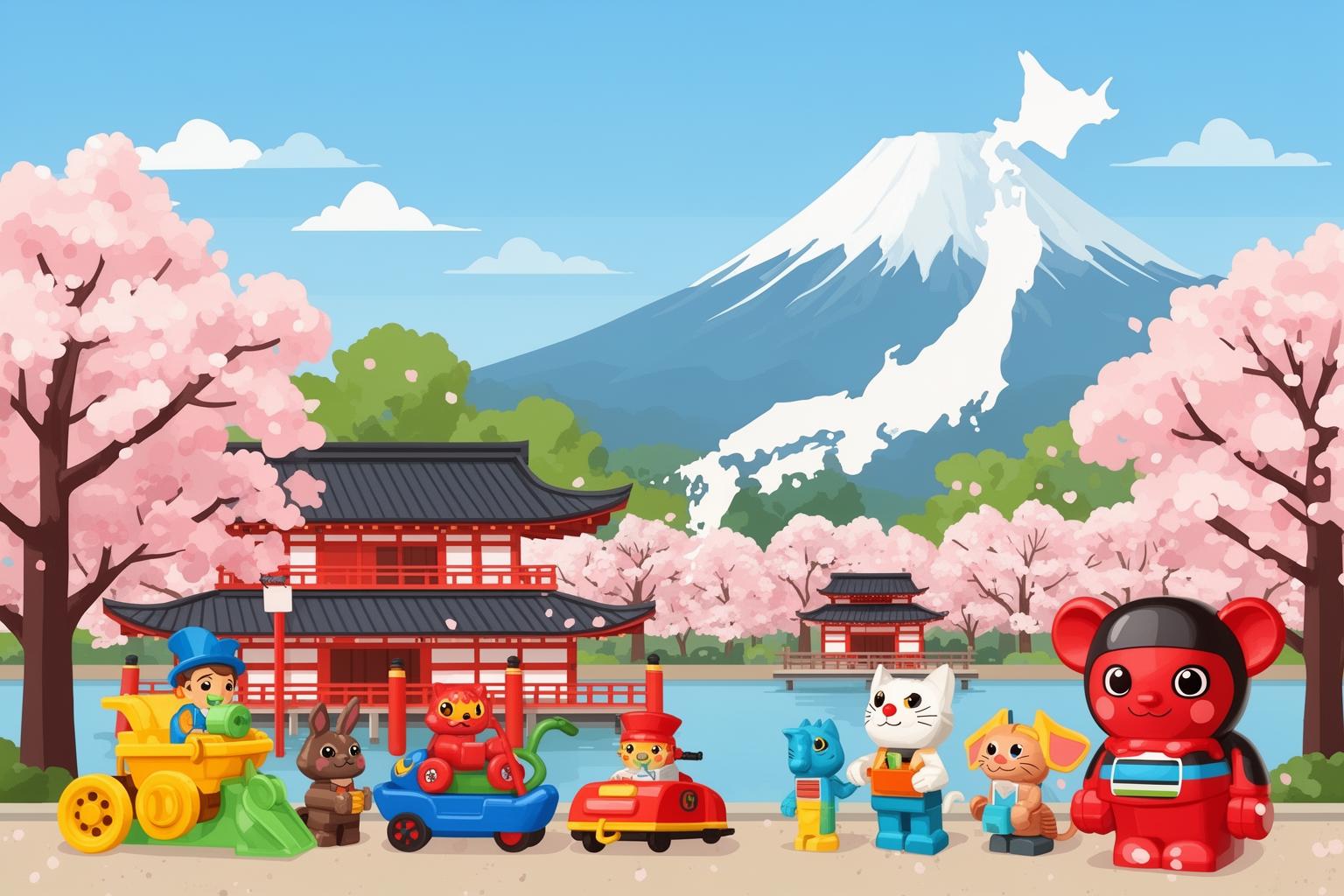
The actual items inside the capsules offer a chaotic, hilarious, and surprisingly insightful reflection of Japanese culture. From a Gacha wall, you can learn more about the nation’s obsessions, humor, and subcultures than many textbooks provide. The immense variety is astonishing, spanning from the universally familiar to the bewilderingly niche. It’s a tangible representation of the internet’s long-tail theory: if you can imagine it, there’s probably a Gachapon of it.
Kawaii, Cool, and Corporate: The Mainstream Hits
Naturally, a significant portion of the Gachapon market is dominated by well-known intellectual properties. You’ll encounter countless series based on globally famous anime and manga such as Pokémon, Dragon Ball, Sailor Moon, and One Piece. Sanrio characters like Hello Kitty and Gudetama are also consistent favorites. These form the backbone of the industry, reliable sellers that attract a huge audience of both local fans and tourists. What’s fascinating here is the level of detail and creativity within these familiar franchises. You won’t just find a simple Pikachu figure; you might discover a collection featuring Pikachu in various seasonal outfits, or Pikachu combined with iconic Japanese landmarks, or a set of “Pikachu is tired on a Monday” figures. These imaginative variations keep the well-known franchises fresh and motivate even devoted fans to keep collecting. This category also includes collaborations with major brands, ranging from food companies like Nissin Cup Noodle (miniature ramen packets) to electronics brands like Sony (highly accurate miniature Walkmans). These partnerships act as a form of pop art, transforming everyday consumer products into coveted collectibles and blurring the boundaries between advertising and art.
Kimo-Kawaii and The Power of the Absurd
Here is where things become truly intriguing and, to many non-Japanese, genuinely bizarre. Beyond the mainstream cute and cool items lies a vast realm of strange, surreal, and occasionally borderline-gross Gachapon. This is the territory of kimo-kawaii (creepy-cute) and pure absurdity. Picture series like “Shakurel Planet,” featuring animals with exaggerated, jutting chins, or the notorious “Too-Free Goddess,” a tiny Statue of Liberty replica striking dramatic poses or taking naps. You’ll find cats donning fruit hats, Shiba Inu dogs refusing walks, figures of people dogeza-ing (bowing in formal apology on the ground), and hyper-realistic models of insects or obscure deep-sea fish. What does this reveal? It reflects a distinctive type of Japanese humor that appreciates surrealism, non-sequiturs, and discovering cuteness in the grotesque or ordinary. It also highlights the influence of subcultures. These eccentric Gachapon are created by artists and small companies deeply attuned to internet meme culture and niche hobbies. They are IYKYK (“if you know, you know”) items that let people express their unique, quirky tastes. Owning a tiny bowing hamster Gachapon becomes a subtle way of signaling that you’re in on a particular joke, that you enjoy the weird side of life. It’s a rebellion against the pressure to conform and be serious, a small plastic symbol of individuality.
The Celebration of the Mundane: Functional and Pointless
Another captivating category celebrates the utterly mundane. You can find intricately detailed miniature replicas of public restroom signs, construction site equipment, office furniture, or various types of garbage bins. At first, this might seem absurd. Who would want a tiny plastic replica of a traffic cone? But it ties back to the otaku mindset of intensely focused interest in any given subject. Some people are genuine enthusiasts of construction machinery or urban infrastructure; for them, these Gachapon celebrate their niche passions. On another level, it’s about finding beauty and fascination in the everyday—a nearly Zen appreciation for the often overlooked details of life. Some of these mundane items even serve practical purposes. Tiny Gachapon are designed as cable holders, smartphone stands, or charms to hang on drinks for identification. These “practical” Gachapon perfectly blend the playful world of toys with the Japanese love for clever, space-saving life hacks. This duality—from the purely artistic and absurd to the surprisingly practical—is a hallmark of Japanese design culture, perfectly encapsulated in the Gachapon universe.
The Social Life of a Plastic Bubble
Though turning the crank is a solitary action, the life of a Gachapon toy is often very social. These small plastic figures serve as conversation starters, social connectors, and even a form of personal expression. They rarely end up simply tucked away in a drawer. The culture that has developed around Gachapon is as meaningful as the toys themselves.
Ittan-Momen: The Ritual of Public Unboxing
Visit any Gachapon hub like Akihabara Gachapon Hall or the Gashapon Department Store in Ikebukuro, and you’ll witness a fascinating ritual unfold. After receiving their capsule, many people immediately seek out a designated corner or table, often called the ittan-momen (a pun on a cloth-like yokai meaning “a bit of cotton,” but here referring to a place to open and trade), to reveal their prize. This is where the magic happens. The initial excitement of discovery is often shared with friends or friendly strangers alike. You’ll hear joyful exclamations (“Yatta!” – I did it!) when someone lands a rare figure, or groans of disappointment (“Mata kore ka…” – This one again…) when they get a duplicate. This shared emotional experience transforms a simple purchase into a communal event. These spaces usually have bins for recycling empty capsules and sometimes surfaces where unwanted duplicates can be displayed for trading. This quickly creates a micro-community. Trading duplicates serves as a classic icebreaker, a simple, low-pressure social interaction focused on a shared goal: completing the set. It offers an opportunity for those who might be shy to connect with others who share their specific passion, no matter how niche.
#Gachagram: The Digital Afterlife
The social life of a Gachapon doesn’t end at the trading table. In the age of social media, these tiny figures have become popular subjects for photography. People take their Gachapon figures out into the world, creating elaborate photoshoots often tagged with hashtags like #ガチャ活 (gacha-katsu, meaning gacha activity) or #オモ写 (omo-sha, a portmanteau of omocha/toy and shashin/photo). A tiny shiba inu figure might be posed in front of a real bowl of ramen, or a miniature anime character photographed “visiting” a famous temple. This creative play adds another dimension to the hobby. It’s not just about passively collecting; it’s about actively using the toys to make art, tell stories, and express a unique perspective. It’s a way to engage with and reinterpret the world through these miniature characters. For many, their Instagram feed becomes a gallery displaying their Gachapon collection in imaginative and humorous ways, attracting likes and comments and further deepening their connection to the hobby and its community.
Office Desk Tribes and Personal Totems
Step into many Japanese offices, and you’ll find desks quietly personalized with an array of Gachapon figures. In a work culture that often values conformity and uniformity, these small trinkets offer a subtle, acceptable form of self-expression. A programmer might display a collection of miniature retro computers on their monitor, while an accountant might have a series of cats bowing apologetically. These collections act as quiet signals of personality, hobbies, and humor. They serve as personal totems, small sources of comfort or amusement during a stressful workday. They also function as conversation starters among colleagues. Spotting a shared Gachapon series on a coworker’s desk can ignite a new friendship, providing a way to bond over a shared interest beyond work. Though small, they play an unexpectedly important role in navigating the social landscape of the Japanese workplace.
The Gacha Economy: More Than Just Pocket Change
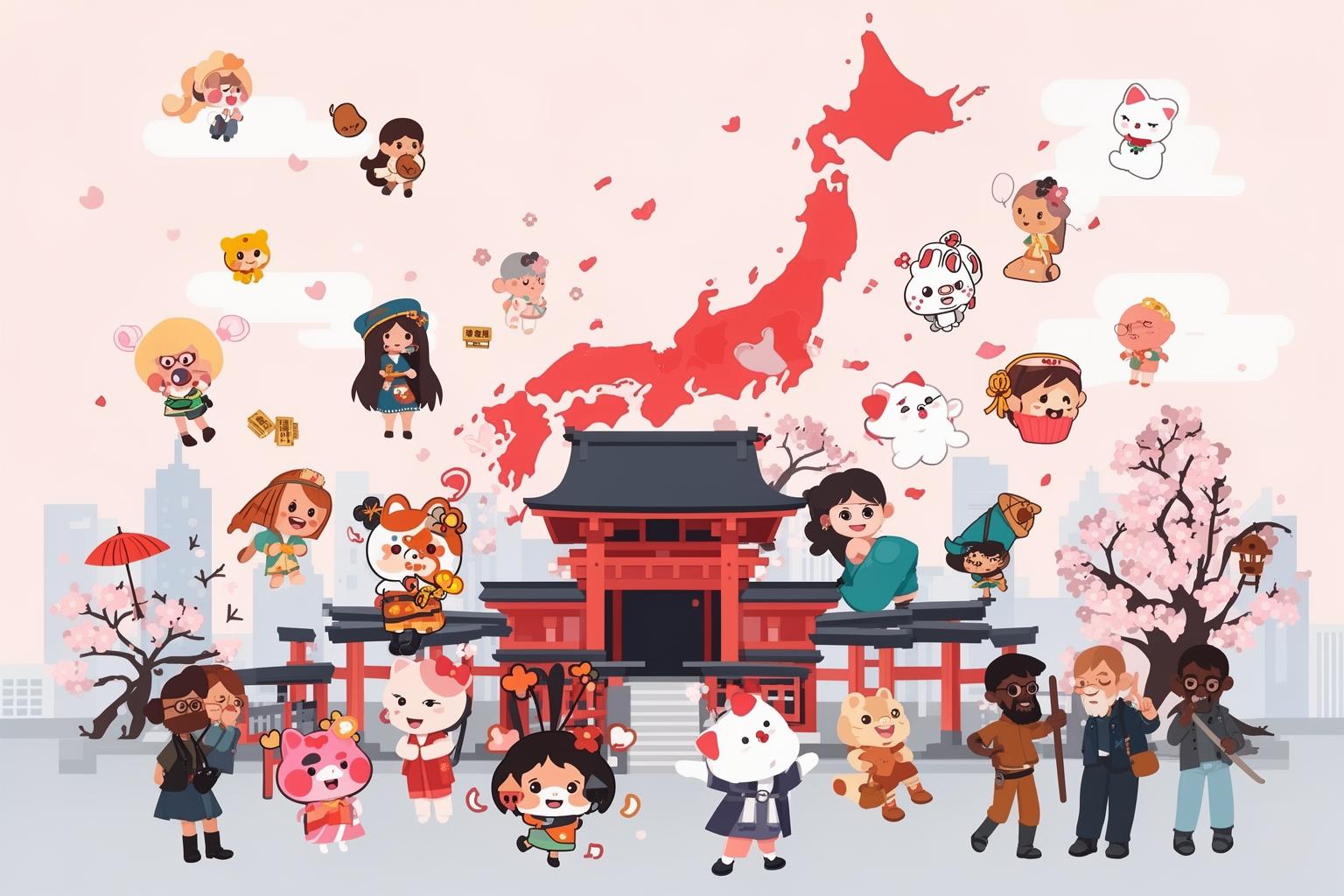
Don’t be deceived by the small price tag. The Gachapon industry is a serious business in Japan, with a market size estimated at over 40 billion yen (around $300 million) annually. It is a highly competitive and innovative sector that significantly influences everything from retail trends to the global gaming industry. This is not just a quirky niche; it is a cornerstone of Japan’s pop culture economy.
The Ubiquity Strategy: Gacha is Everywhere
A major factor behind Gachapon’s success is its widespread presence. The companies behind these machines have brilliantly implemented a strategy of placing them literally everywhere. While you expect to find them in arcades and hobby shops, their reach goes much further. They are commonly seen in electronics retailers like Yodobashi Camera and Bic Camera, often occupying large areas with hundreds of machines. They are installed in major train stations and airports, strategically positioned to attract impulse purchases from commuters and travelers with spare time and coins to spend. You can even find them in unexpected places such as chain restaurants, supermarkets, and bookstores. This saturation keeps Gachapon constantly in consumers’ minds. It acts as a continuous, low-level temptation. By situating the machines in everyday settings, buying a Gachapon has become as casual and routine as purchasing a drink from a vending machine. This approach has successfully expanded the market from dedicated collectors to the general public, turning nearly everyone into a potential Gachapon customer.
The Rise of Premium Gacha: Leveling Up the Game
As the original Gachapon generation has matured, their preferences—and budgets—have evolved. The industry has responded by introducing “Premium Gachapon.” While the usual price for a Gachapon has long ranged from ¥200 to ¥500, these premium versions can cost anywhere from ¥800 to ¥2,000 or more. What does the extra cost offer? Significantly higher quality. These premium capsules might contain larger, more detailed figures with greater articulation, intricate dioramas, or even electronic components such as LED lights. They may be crafted from superior materials or feature collaborations with high-end artists and designers. This shift toward premium products demonstrates the industry’s confidence in its adult consumer base, recognizing a segment willing to pay more for outstanding quality and craftsmanship. It has elevated the perception of Gachapon from inexpensive toys to legitimate, high-quality collectibles comparable to designer vinyl toys or scale model figures.
Global Influence: The Gacha Mechanic Goes Digital
Perhaps the most notable and contentious impact of the Gachapon economy has been its influence on the global video game industry. The core psychological loop of Gachapon—paying a small amount of real money for a randomized virtual item—is the foundation for “loot box” and “gacha game” mechanics now common in mobile and online gaming worldwide. Titles like Genshin Impact, Fate/Grand Order, and Fire Emblem Heroes have achieved massive financial success using this model. They have digitized the excitement of turning a crank, allowing players to spend endlessly chasing rare characters or items. This has ignited major international debates about whether these mechanics constitute gambling and should be regulated, echoing the “kompu gacha” controversy in Japan years ago. It is a fascinating and somewhat alarming example of how a simple, physical toy mechanism from Japan has been transformed by digital technology into a multi-billion-dollar global industry with complex ethical concerns. Understanding the physical Gachapon machine on a Tokyo street corner is key to grasping the business model behind some of the biggest games on your phone, no matter where you are in the world.