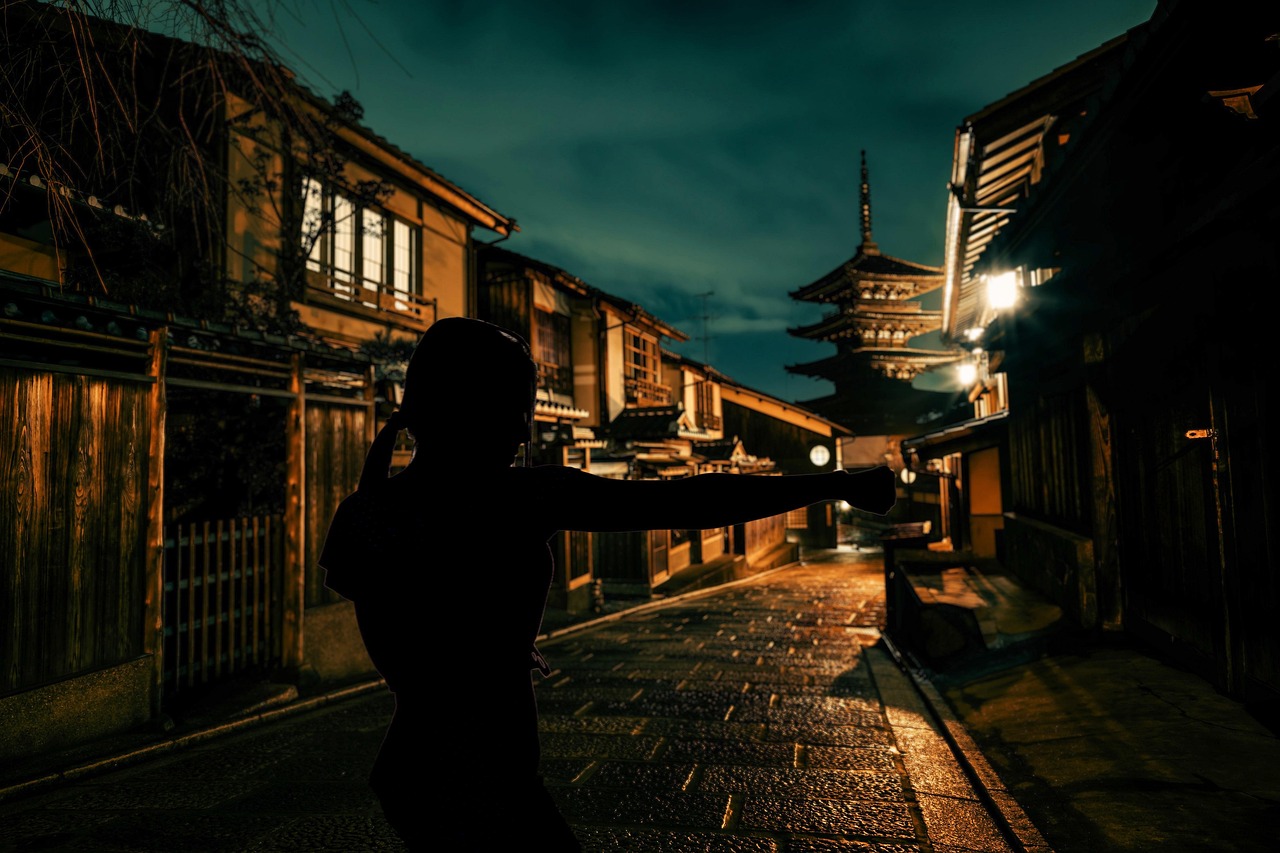
Yo, what’s up, world travelers? Emily here, and I’m about to drop some serious knowledge on you. Forget what you think you know about Japan from neon-drenched anime scenes or hyper-modern cityscapes for a hot minute. We’re about to take a deep dive, a full-on temporal slide into a version of Japan that’s still breathing, still got a pulse, and is legit one of the most soul-stirring experiences you can have. I’m talking about Japan’s samurai towns. These aren’t just movie sets or sterile museums behind velvet ropes; they are living, breathing neighborhoods where the ghosts of warriors, poets, and artisans still wander the stone-paved lanes. This is where the stoic, elegant, and sometimes brutal spirit of the samurai era isn’t just a plaque on a wall—it’s in the very grain of the dark wooden houses, the whisper of the wind through meticulously pruned pine trees, and the silent, imposing gates that guard secrets centuries old. Stepping into a place like Kakunodate in Akita or Hagi in Yamaguchi feels like you’ve hacked the mainframe of time itself. The air hits different. It’s thick with history, with stories of loyalty, rebellion, art, and daily life. You can almost hear the soft swish of a silk kimono or the clatter of wooden sandals on the pavement. This is your chance to unplug from the 21st century and plug directly into the heart of feudal Japan. It’s a vibe that’ll stick with you, no cap. It’s the real deal, an authentic slice of history that’s just waiting for you to come and feel it. So, grab your sense of adventure, because we’re about to explore the living culture of these warrior enclaves. Prepare to have your mind blown.
If you’re inspired to plan your own journey, you can find excellent accommodation options through Rakuten Travel’s extensive global hotel network.
The Samurai Town Aesthetic: What’s the Real Vibe?

So, first things first, let’s discuss the feel of these places. It’s not just about what meets the eye; it’s about what resonates deep within you. Stepping into a samurai district, or bukeyashiki as they’re called in Japanese, is like turning down the volume on the modern world. The hectic noise of a train station fades away, replaced by an almost sacred stillness. The streets are often wider than you’d expect, originally meant for processions and perhaps the occasional skirmish, but now they are calm and contemplative. The most striking feature is the walls—long, unbroken stretches of dark wooden fences, often topped with elegant tiles, or thick earthen walls coated in pristine white plaster. These aren’t merely decorative; they served as symbols of status and practical defenses. They evoke privacy and mystery, inviting you to wonder about the lives hidden behind them. Peering over these walls, you don’t see manicured lawns but rather meticulously designed gardens, where every rock, lantern, and branch serves a purpose. These gardens aren’t for playing but for reflection, for finding clarity and peace before facing a world of conflict and duty. It’s a masterclass in controlled nature, a fundamental concept in Japanese aesthetics. The houses themselves are stunning in their simplicity and strength: heavy, dark-tiled roofs that seem to root the buildings to the earth, dark-stained wooden beams, and walls of striking white shikkui plaster. The gates, or mon, are especially impressive. A family’s gate directly reflected their rank—some were massive, imposing structures that seemed capable of repelling an army, while others were more modest but still exuded undeniable elegance. It’s a visual language of power, subtlety, and refinement. This entire aesthetic is worlds apart from the gilded opulence of European castles. Samurai culture embraced the concept of wabi-sabi—finding beauty in imperfection, transience, and simplicity. It’s a quiet confidence, a strength that doesn’t need to shout. That’s the atmosphere that fills every corner of these towns—a profound calm, grounded in a history that feels both epic and deeply personal.
Kakunodate: The Crown Jewel of Samurai Splendor
If you plan to visit only one samurai town, make sure it’s Kakunodate in Akita Prefecture. This town is, without exaggeration, absolutely breathtaking. Known as the ‘Little Kyoto of Michinoku’ (the old name for the Tohoku region), it stands as one of the best-preserved samurai towns in the entire country. The town’s layout, established in 1620, remains largely unchanged. It is split into two distinct areas: the samurai district to the north and the merchant district to the south, separated by the Hinokinai River. This division clearly reflected the rigid class structure of the Edo period, and walking between the two districts today feels like crossing an invisible historical boundary. The samurai district, Uchimachi, is the main attraction. The streets are wide and straight, lined with dozens of historic samurai residences. What truly makes Kakunodate stunning, however, are the trees.
Weeping Cherries and Warrior Homes
In spring, Kakunodate bursts into a riot of color. It is famous for its hundreds of shidarezakura, or weeping cherry trees. According to legend, these trees were brought from Kyoto centuries ago as part of a bride’s dowry. Now, their delicate, cascading pink blossoms spill over the somber, dark fences of the samurai houses. The contrast is simply… chef’s kiss. It’s the perfect visual metaphor: the fragile, fleeting beauty of the blossoms against the enduring, stoic strength of the warrior class. The scene is so incredibly beautiful, it almost feels unreal—as if you’ve stepped into a painting. The photo opportunities are incredible, but honestly, sometimes it’s best to put your camera down and just take it all in. Even beyond sakura season, the deep greens of summer, the fiery reds and oranges of autumn, and the pure white snow of winter each give the town a distinct yet equally enchanting character. The atmosphere is exceptional year-round.
A Glimpse Inside the Gates
What’s remarkable about Kakunodate is that several samurai houses are open to visitors, allowing you to see how these warrior families lived. Among the most famous are the Aoyagi and Ishiguro residences. The Aoyagi House functions almost like a mini-museum complex. It’s a large property that belonged to a prominent family in the area. Visitors can explore the main house and view collections of samurai armor, swords, historical documents, and even antique cameras. This offers a real sense of the family’s wealth, influence, and cultured way of life. The Ishiguro House is unique because descendants of the original samurai family still live in part of the residence. This fact adds a special dimension, turning the house from a static museum into a living, breathing piece of family history. An English-speaking guide can show you around, highlighting features such as hidden chambers once used by bodyguards and specific architectural details that indicated the family’s high rank. You’ll see beautiful tatami rooms, intricate woodwork, and serene inner gardens. It’s a powerful reminder that these were once homes, filled with the everyday dramas, joys, and sorrows of real people.
It’s a Lifestyle: The Living, Breathing Culture
This is the aspect that so many overlook. These towns are more than just preserved buildings; they are vibrant centers of living culture. The samurai legacy extended beyond warfare to include their support of the arts, crafts, and a distinctive lifestyle that has been handed down through generations. The skills and aesthetics refined during the Edo period remain alive and thriving, and you can experience them directly.
Crafts That Shine: The Essence of the Artisan
In numerous samurai towns, traditional crafts have been maintained for centuries. In Kakunodate, the hallmark craft is kaba-zaiku, the art of making items from the bark of wild cherry trees. This is far from simply attaching bark to a box; it’s an exquisitely precise and elegant craft. The bark is carefully harvested, treated, and applied with great skill to create tea caddies, boxes, and other small objects. The final products possess a deep, rich, almost polished-leather appearance with a distinctive texture. The samurai admired this craft for its rustic yet sophisticated beauty. You can visit workshops in Kakunodate to watch artisans at work, their hands moving with a practiced elegance passed down from master to apprentice over generations. Purchasing a piece of kaba-zaiku is more than just buying a souvenir; it’s taking home a piece of the town’s spirit. It offers a tangible link to the samurai ideal of discovering profound beauty in natural, humble materials.
Samurai-Era Flavors: Beyond Mere Food
Now, let’s talk about the food, because I’m all about that. The local cuisine in these areas is deeply connected to the land and the seasons, a philosophy the samurai themselves would have valued. In Akita, you must try kiritanpo. It’s freshly cooked rice pounded into a paste, wrapped around a cedar skewer, and toasted over an open hearth. It’s often served in a savory hot pot with chicken, mushrooms, and local vegetables. This dish is the ultimate comfort food—hearty and deeply satisfying, perfect after a long day of cold-weather exploring. Another regional specialty is inaniwa udon, a thin, smooth udon noodle with a delicate texture unlike any other. It has been made in the region for centuries and was once regarded as a luxury item presented to feudal lords. Eating these dishes where they originated means you’re not just satisfying your hunger—you’re tasting history. You’re engaging in a culinary tradition that has nourished the people of this land for generations. Many restaurants in these towns are situated in historic buildings, allowing you to savor these incredible flavors while surrounded by traditional ambiance. It’s a complete sensory experience.
The Samurai Town Tour: Beyond the Obvious
While Kakunodate is undoubtedly a standout, Japan boasts a whole lineup of remarkable samurai towns, each offering its own distinct story and character. If you have the opportunity, traveling by road or train between several of them will provide a much deeper insight into the samurai world.
Hagi, Yamaguchi: The Cradle of Revolution
Hagi is quietly one of the most significant towns in modern Japanese history. Situated on the coast of Yamaguchi Prefecture, this beautifully preserved castle town was home to many young, ambitious samurai who played pivotal roles in toppling the shogunate and leading the Meiji Restoration in 1868. It’s where revolutionary plans were made and the fire for change was ignited. Strolling through Hagi’s historic samurai neighborhoods, characterized by their distinctive white and black namako patterned walls, you can sense the simmering energy of that period. The town offers a mood somewhat different from Kakunodate—edgier and more rebellious. You can visit the birthplaces and schools of prominent figures like Ito Hirobumi, Japan’s first Prime Minister. Hagi is also renowned for its pottery, Hagi-yaki, famous for its understated, earthy tones and how its appearance evolves and deepens with use—a trait highly valued in the tea ceremony. Visiting a kiln and chatting with a potter is a wonderful way to engage with the town’s artistic spirit.
Chiran, Kagoshima: A Blend of Beauty and Solemnity
Far to the south, in Kagoshima Prefecture, lies Chiran. This town is famed for its seven stunningly beautiful samurai gardens, each a tiny perfect world visible from the main residences. These gardens are masterpieces of landscape design, employing the technique of borrowed scenery (shakkei) from the surrounding mountains to create a sense of endless space within a confined area. Walking through these gardens offers a deeply meditative experience. However, Chiran also carries a somber history. During World War II, it was the site of an airbase from which hundreds of kamikaze pilots embarked on their final missions. The Chiran Peace Museum for Kamikaze Pilots stands as a powerful and poignant tribute to their sacrifice. The contrast between the serene, life-affirming beauty of the samurai gardens and the profound grief of the town’s recent past is deeply moving, adding a complex and emotional dimension to your visit that lingers long after.
Kanazawa’s Nagamachi District: The Urban Samurai Quarter
For a different vibe, explore the Nagamachi district in Kanazawa, Ishikawa Prefecture. Unlike the more remote towns, Nagamachi is a samurai neighborhood nestled within a lively, modern city. It’s well-known for its ochre-colored earthen walls (tsuchi-kabe), which are shielded from winter snow by straw coverings called komo. Narrow canals, once integral to the city’s defense and water supply, still run alongside cobblestone streets, enhancing the historic ambiance. You can visit the Nomura-ke, a restored samurai residence featuring an exquisite garden with a 400-year-old Japanese bayberry tree and a stream teeming with colorful koi. What makes Nagamachi special is its fusion of old and new. One moment you can be exploring an ancient samurai home, and the next, stepping onto a street dotted with trendy cafes and modern shops. It exemplifies how Japan masterfully weaves its heritage into the fabric of contemporary life.
Your Game Plan for Conquering Samurai Japan

Alright, so you’re convinced. You’re ready to embark on a time-travel adventure. Here are some expert tips to make your journey into the world of the samurai as seamless and unforgettable as possible.
Getting There and Getting Around
Access to these towns varies. For destinations like Kakunodate and Kanazawa, the Shinkansen (bullet train) is your best option. It’s fast, efficient, and an experience on its own. You can travel from Tokyo to Kakunodate in roughly three hours. For more remote towns such as Hagi or Chiran, you’ll likely need to combine a train trip with a local bus ride. Don’t let this discourage you—it’s all part of the adventure, and the Japanese countryside is truly beautiful. Once you arrive, skip the taxi. These towns are made for exploring on foot. The best way to discover them is by wandering the narrow lanes and allowing yourself to get a little lost. Renting a bicycle is also an excellent choice, especially in slightly larger areas, enabling you to cover more distance while still enjoying the atmosphere at a relaxed pace.
When to Hit It: Timing is Key
As mentioned, seasonality in Japan plays a huge role and significantly influences the character of these towns. Spring (late April to early May in Tohoku) is prime cherry blossom season and popular for good reason. The scenery is breathtaking, but prepare for crowds. Autumn (October to November) is my personal favorite. The crisp air and vibrant colors of maple and ginkgo trees contrasting with the dark wood of old houses create a magical scene, usually with fewer visitors than spring. Summer is lush and green but can be hot and humid. Winter presents a completely different view. A samurai town covered in snow is peaceful and poetic. It’s quiet, serene, and incredibly beautiful. Just be sure to pack warm clothing!
Level Up Your Immersion
To get the most out of your trip, try to immerse yourself fully. Consider staying in a ryokan, a traditional Japanese inn. Sleeping on a futon atop tatami mats, savoring a multi-course kaiseki dinner, and relaxing in an onsen (hot spring) is the perfect way to end a day spent exploring a historic town. Many towns also offer kimono or yukata rentals. It might feel a bit touristy, but honestly, walking through ancient streets dressed in traditional attire helps you connect deeply with the vibe of the place. Plus, your photos will look amazing. Also, watch for small, independent shops and cafes housed in old samurai or merchant residences. Grabbing coffee or a local sweet in a beautifully preserved building is far more memorable than visiting a generic chain. Finally, my top tip: rise early. Explore the streets at dawn, before the crowds arrive. The soft morning light, the stillness, the mist rising from the canals—that’s when you’ll truly feel the magic of the place. That’s when you’ll feel like you own the whole town and a piece of history as well.
More Than Just a History Lesson
Ultimately, visiting a Japanese samurai town is far more than simply ticking off a historical site on your itinerary. It’s an experience that resonates deeply within you. It’s about slowing down, noticing the finer details, and valuing a different set of principles—discipline, beauty in simplicity, profound respect for nature, and the weight of history. You leave with a deep appreciation of the cultural essence that has shaped modern Japan. You begin to understand the origins of the politeness, meticulousness, and quiet resilience found throughout the country. This journey connects you not only to the past but also to a more reflective and contemplative aspect of yourself. So when planning your trip to Japan, dare to explore beyond the bustling cities. Seek out one of these timeless towns, walk the very paths once trodden by warriors, and simply listen. The stories remain there, waiting in the silence. And believe me, it’s a conversation you’ll never forget.