
So, you’ve seen the pics. That insane, electric-green moss carpeting everything, ancient trees that look like they’ve seen the dawn of time, and misty forests that scream Studio Ghibli. The algorithm has clocked you as a Japan-head, and now your feed is an endless scroll of Yakushima Island, tagged #PrincessMononokeForest. The hype is real. It’s pitched as the ultimate pilgrimage for anime fans and nature lovers, a place where the barrier between our world and the spirit world feels paper-thin. But let’s get real for a sec. We’ve all been burned by the ‘Instagram vs. Reality’ trap. You see a magical, empty paradise online, and you show up to find a queue, a gift shop, and a vague sense of disappointment. Is Yakushima another one of those? Is it a genuine, soul-stirring slice of ancient Japan, or has the Ghibli glow-up turned it into a crowded, overhyped tourist destination? You’re wondering if it’s actually worth the trek—the multiple flights, the ferry, the serious hit to your travel budget. The core question isn’t just ‘Is it pretty?’—we know it is. The question is, ‘What’s the actual vibe?’ When you’re deep in that forest, drenched in rain and nursing sore muscles, does it actually feel like the movie? Or is the magic just something we project onto it because we so desperately want it to be real? Before we dive deep into the cultural currents that make this island tick, let’s get you grounded. This is where the adventure begins.
The Ghibli Glow-Up: Why Yakushima Became That Island
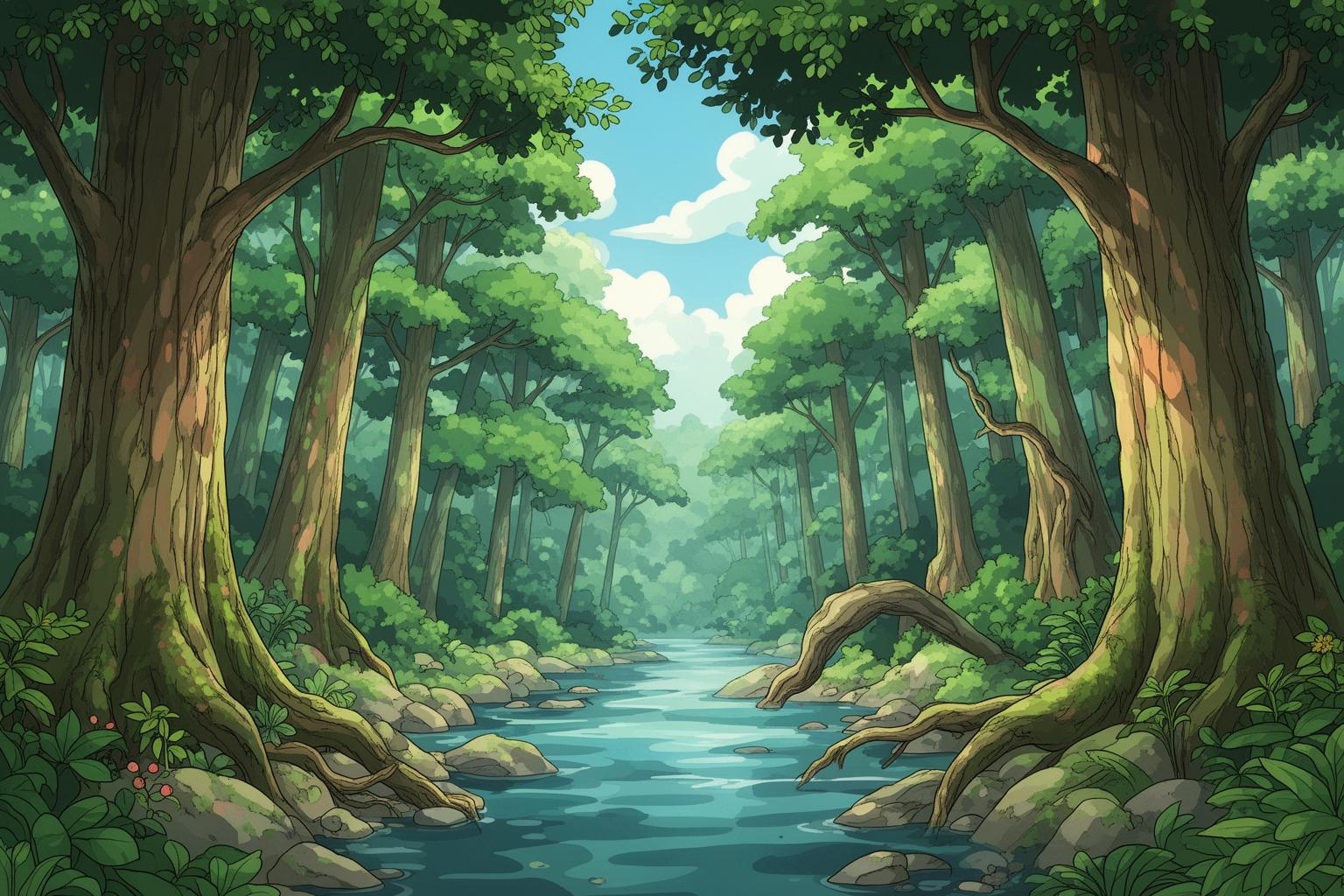
Alright, let’s address the elephant in the room—or rather, the Forest Spirit in the woods. The link between Yakushima and Hayao Miyazaki’s iconic film, Princess Mononoke, is no gimmick cooked up by the local tourism board. It’s genuine. Miyazaki and his team of artists spent considerable time on the island, sketching, soaking in the atmosphere, and trying to capture that elusive magic. But here’s the vital difference most guides overlook: they weren’t merely scouting locations. They were immersing themselves in the island’s spiritual essence. To grasp why Yakushima had such a distinct impact on Miyazaki, you need to understand a core concept in Japanese culture: the profound, unwavering belief that nature is sacred. This isn’t just poetic imagery; it’s the foundation of Shinto, Japan’s indigenous faith. Shinto is animistic, meaning it holds that everything—from a towering tree to a simple rock or waterfall—is inhabited by a spirit, or kami. This worldview precedes Buddhism in Japan by centuries and has never truly disappeared. Even in the ultra-modern Tokyo, these beliefs quietly persist in the small shrines nestled among skyscrapers or in the reverence for changing seasons.
So when Miyazaki created the world of Princess Mononoke, he was tapping into this ancient, collective consciousness. The tiny white tree spirits, the Kodama, with their rattling heads? They are a playful, cinematic portrayal of the very real belief that forests are alive with countless spirits. The Great Forest Spirit, the Shishigami, is not just a fantastical creature; it is the ultimate kami, the embodiment of the forest’s cycle of life and death. Its pool isn’t just a beautiful scene; it’s a shiniki, a sacred precinct, the sort of place in the real world surrounded by a shimenawa (a sacred rope) to mark it as the home of a god. The film’s central conflict—the clash between the industrializing Irontown and the raw, untamed forest—is a powerful allegory for Japan’s own hectic, often destructive march toward modernization. This story struck a deep chord with a Japanese audience grappling with the loss of its natural landscapes and, by extension, its spiritual heritage. In this light, Yakushima became more than just a stunning island. It turned into a symbol of this lost, sacred world. It’s one of the few places in Japan where you can step into an environment that feels untouched by human ego, a place where nature, not humanity, reigns supreme. The Ghibli spotlight wasn’t just about making the island famous; it was about reminding a nation of a fundamental part of its identity that was at risk of being forgotten. For international visitors, this is crucial. You’re not just visiting a film location. You’re entering the living, breathing source code of the Japanese spiritual imagination. The awe you feel isn’t merely for the towering trees; it’s the subconscious recognition of a place that feels sacred—a cathedral not built by human hands but shaped over millennia by rain, sun, and life itself.
Real Talk: What the Hype Doesn’t Tell You
Now for a reality check. Because I’m your friend, I have to tell you this: Yakushima will challenge you. It might even try to break you. And honestly, that’s the whole point. The glossy photos and dreamy Ghibli edits often leave out the part where you’re trudging through a vertical river of rain, your clothes soaked through, and muscles you didn’t know you had screaming in protest. Let’s begin with the rain. There’s a local saying that it rains “35 days a month” in Yakushima. This isn’t just a cute exaggeration. The island is one of the wettest places in Japan—a giant green sponge absorbing moisture from the ocean currents. The rain here isn’t a gentle drizzle; it’s a torrential, world-ending downpour that can start and stop without warning. This constant wetness is the island’s lifeblood—it’s what makes the moss so vivid it looks like it’s plugged into a power source—but it also means you will get wet. Your gear will be tested. Your mood will be tested. This is unavoidable.
Then there are the trails. If you’re imagining manicured gravel paths with quaint wooden handrails, you need to reset your expectations immediately. The most famous trails, like the one to the ancient Jōmon Sugi cedar, are not “walks in the park.” They are grueling, physically demanding hikes. The path is a chaotic tangle of gnarled tree roots slick with moisture, moss-covered boulders that require scrambling on all fours, and rickety-looking wooden walkways over steep drops. A significant part of the Jōmon Sugi trail follows an old logging railway line, which sounds charming until you’re ten hours in, and the repetitive motion of stepping from plank to plank becomes a form of psychological warfare. This difficulty is not a flaw. It’s a filter. It separates casual sightseers from true pilgrims. In Western hiking culture, there’s often a story about “conquering” the mountain. In Japan, the approach is different. It’s about endurance, respect, and humility. The mountain isn’t something to be defeated; it’s a powerful presence you are privileged to visit. The physical challenge is part of the experience. It’s a form of purification, a misogi, stripping away the distractions and noise of everyday life. The intense focus needed just to stay upright forces you into mindfulness. You can’t worry about work emails when you’re calculating your next step to avoid a twisted ankle. By the time you reach your destination—whether the ethereal Shiratani Unsuikyo ravine or the monolithic Jōmon Sugi—the sense of achievement is profound. The awe you feel is magnified tenfold because you earned it. The forest made you work for its secrets, and that exchange—your effort for its beauty—feels ancient and deeply meaningful. The hype doesn’t mention the pain, the exhaustion, or the moments when you’ll question your life choices. But it’s precisely in those moments that Yakushima’s true magic emerges.
Decoding the Vibe: More Than Just Moss and Big Trees
So we’ve confirmed that it’s beautiful and challenging. But what about that elusive vibe? What’s the feeling that seeps into your very bones when you’re there, lingering long after you’ve left? It’s not just one element; it’s a blend of deeply rooted Japanese cultural and aesthetic ideas that reach their fullest expression on this island. Understanding them is like unlocking a secret door, allowing you to experience Yakushima on an entirely new level.
‘Shizen Sūhai’: Elevating Your Connection to Nature
We mentioned Shinto, but let’s delve deeper into the specific concept of Shizen Sūhai, meaning ‘nature worship.’ This isn’t an abstract theological notion; it’s a felt experience. In Yakushima, the Yakusugi—ancient cedar trees over 1,000 years old—serve as the high priests of this belief. They aren’t just large plants; they are regarded as yorishiro, objects especially suited to attracting and housing kami. The most famous, the Jōmon Sugi, estimated to be between 2,000 and 7,200 years old, is essentially a living deity. When you finally stand on the viewing platform (you can’t get too close to protect its ancient roots), a hush falls over the crowd. People speak in whispers. Many Japanese visitors bow—a simple yet profound gesture of respect. This isn’t a performance; it’s an instinctive response to being in the presence of something ancient, powerful, and sacred. Consider this: for a moment, you are standing before a living being that was already mature when the Roman Empire was at its height. It has silently witnessed millennia of human history. This shift in perspective is deeply humbling. Personifying nature is common here. You’ll find trees named Meoto Sugi (the Married Couple Cedars, two trees fused together) or Daio Sugi (the Great King Cedar). This isn’t just a charming naming tradition; it acknowledges their presence, spirit, and ‘being-ness.’ The forest isn’t an ‘it’; it’s a ‘they.’ This viewpoint transforms everything. You’re no longer a mere viewer of scenery; you are a guest in a very ancient and sacred home.
‘Ikigai’ on the Trail: Embracing the Philosophy of the Hike
The physical demands of the hikes connect to another profound Japanese notion: that meaningful struggle leads to self-discovery. While ikigai (a reason for being, or what motivates you to get up in the morning) has been popularized in the West as a kind of Venn diagram for finding a rewarding career, its origins are much deeper, often tied to dedication and the process itself. For many, undertaking a tough hike in a place like Yakushima is a method to find clarity and strengthen their sense of purpose. It becomes a physical representation of overcoming life’s challenges. The journey itself is a form of shugyō, a term rooted in Buddhism and samurai culture meaning ‘ascetic training’ or ‘austere practice.’ The aim of shugyō is to develop discipline, endurance, and spiritual insight through hardship. The steady rhythm of hiking for hours, the singular focus on the trail, the breathing, and pushing through pain and exhaustion all form a moving meditation. Your usually cluttered mind is forced into quiet focus on the present moment. This is why you’ll see Japanese hikers of all ages—from university students to retirees in their 70s—tackling these trails with serene determination. They aren’t just there for a social media snapshot. They are on a personal pilgrimage, engaged in a dialogue with the mountain and with themselves. The trail is a dojo, and the obstacles—the rain, roots, fatigue—are their teachers. The ultimate reward isn’t just the summit view but the stronger, clearer, more resilient self that emerges at the end.
The Art of ‘Komorebi’: Pursuing That Pure, Filter-Free Light
Finally, there’s an aesthetic principle essential to grasping Yakushima’s beauty: komorebi. This word has no direct English counterpart but refers to the gentle, dappled sunlight filtering through tree leaves. It may sound simple, but this concept is fundamental to the Japanese sense of beauty. It’s not about harsh, direct sunlight but the soft, shifting interplay of light and shadow. It reflects an appreciation for transience, subtlety, and the beauty found in fleeting moments. Yakushima is the world capital of komorebi. The forest canopy is so dense that direct sunlight rarely reaches the ground. Instead, light filters through countless layers of leaves and mist, creating an ethereal, ever-changing pattern on the mossy floor. Beams of light pierce the gloom like cathedral spotlights, illuminating a patch of ferns here, a single droplet of water on a spiderweb there. These moments are pure magic. They are what Hayao Miyazaki excels at capturing in his films—those quiet scenes where light and nature do all the talking. In Yakushima, you get to live inside one of those scenes. Chasing komorebi moments becomes a kind of game, a way to appreciate the forest’s subtle artistry. It teaches you to slow down and truly see. To notice how the light catches the mist, making it glow. To observe dozens of shades of green in a single square foot of moss, all revealed by a fleeting sunbeam. This appreciation for ephemeral beauty is linked to the Buddhist concept of mono no aware, a gentle awareness of the impermanence of all things. Komorebi is beautiful precisely because it doesn’t last—it shifts, fades, and disappears. Experiencing it teaches you to be present and cherish the beauty of the now, knowing it will never be the same again.
A Practical Guide for the Savvy Traveler: Yakushima Edition
Understanding the philosophy is one thing, but you still need to handle the practicalities of getting around. This isn’t a trip you can simply improvise. Preparation and the right mindset are crucial. Here’s how to approach the practical side of your Yakushima journey—not as a tourist, but as a respectful and knowledgeable visitor.
Packing for the Experience, Not Just the ‘Gram
Let’s be frank: your stylish city raincoat and trendy sneakers won’t suffice here. In Japan, having the appropriate equipment (dōgu) for any activity, whether a tea ceremony or a mountain hike, signifies respect. It shows you grasp the demands of the situation and are taking them seriously. On Yakushima, your gear is both your lifeline and your declaration of intent. Investing in top-quality, fully waterproof gear—jacket, pants, hiking boots, and even a rain cover for your backpack—is essential. It’s the most important step you can take to ensure safety and enjoyment. Arriving unprepared is not only risky for you, but also disrespectful to the mountain and those who might have to assist you if trouble arises. Think of it as a dress code for entering a sacred space. You wouldn’t wear shorts to a formal cathedral; you don’t wear canvas shoes to hike Yakushima. This mindset of preparation, or junbi, is deeply rooted in Japanese culture. Additionally, pack a headlamp (as hikes to Jōmon Sugi begin well before dawn), energy-dense snacks, and importantly, a portable toilet kit. The trails have limited facilities to protect the environment, and ‘leaving no trace’ is a rule taken very seriously. Being thoroughly prepared isn’t about materialism; it’s about self-reliance and demonstrating that you are a responsible guest in nature’s home.
Getting Around: Embrace the Slow Life
Don’t expect Tokyo-level public transportation efficiency. Yakushima runs on ‘island time.’ The bus system is limited, with only a few routes operating a handful of times daily. For genuine flexibility, renting a car is nearly indispensable. But even then, you can’t speed around. The roads are narrow, winding, and often shared with deer and monkeys (seriously, drive cautiously). This apparent inconvenience is actually one of the island’s greatest assets. It encourages you to slow down. It requires you to plan your days thoughtfully, rather than trying to pack in numerous sights. You must align yourself with the island’s rhythm, not the reverse. This is a practical lesson in the Japanese aesthetic of ma, often translated as ‘negative space’ or ‘the pause.’ It expresses that the empty spaces—the moments between events—are as meaningful as the events themselves. Time spent waiting for a bus or driving slowly along the coast isn’t wasted; it’s a chance to absorb, observe, and simply be. The island’s infrastructure curbs the frantic pace of modern tourism, preserving its wild, untamed character and ensuring your experience is deeper and more intentional.
Beyond the Forest: Experience Island Life Straightforwardly
While the forests are the main attraction, remember that Yakushima isn’t a national park enclosed by fences. It’s a living community of about 13,000 people who have crafted their lives in a delicate, sometimes challenging balance with one of Japan’s most powerful natural environments. Take time to visit the coastal villages of Miyanoura and Anbo. Engage with locals, who are often warm and proud of their island. Dine at small family-run restaurants and savor local specialties. The seafood is exceptional, especially tobiuo (flying fish), frequently served deep-fried and considered a local delicacy. Sample the local shochu, a strong distilled spirit, particularly the brand Mitake, renowned throughout Japan. Observing islanders’ daily life provides essential context for the spiritual experience of the forest. You’ll see how their lives are shaped by the weather, tides, and seasons. You’ll understand that the harmony between humanity and nature, a central theme in Princess Mononoke, isn’t merely fantasy. It’s a complex, ongoing negotiation the people of Yakushima navigate every day. This adds a human dimension to the mystical landscape, enriching and deepening the overall experience.
The Verdict: Is Yakushima Worth the Hype?
So, after everything, what’s the final verdict? Is Yakushima worth the journey, the expense, and the rain? Absolutely. Without a doubt. But—and this is a significant but—it’s only worth it if you go in with the right expectations. If you expect a literal, exact replica of the Princess Mononoke movie set where you can take a few perfect photos for your feed, you’ll probably be let down. The trails will be tougher than you imagine, the weather wetter than you anticipate, and the Jōmon Sugi will be a bit farther away than you’d hope. However, if you seek the essence of the movie, the spirit that inspired it, then you’ll find it in overwhelming abundance. Yakushima doesn’t just show you a stunning forest; it immerses you in the fundamental philosophies that define the Japanese connection to nature. It teaches you about reverence (Shizen Sūhai), the beauty of perseverance (shugyō), and the art of viewing the world through a patient, appreciative lens (komorebi). The island doesn’t owe you a magical experience. It offers a challenge, and if you face that challenge with respect, preparation, and an open heart, you might discover something even better than a movie set. You might uncover a small, quiet part of yourself you never realized was missing. So yes, the hype is real. But the forest demands effort. And believe me, the transformation you get from earning that view surpasses any filter. No cap.
