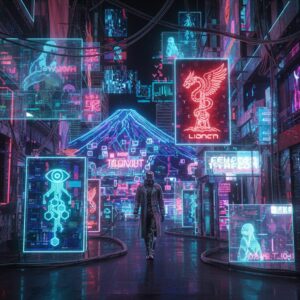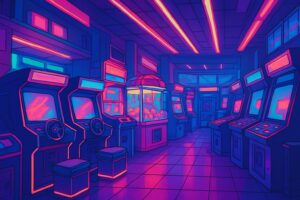
You’ve seen it, for sure. The TikToks, the travel vlogs, the reels. A cascade of chaotic light and sound, a symphony of digital explosions and frenetic J-pop. Rows of people, their faces illuminated by the glow of a screen, hands moving in a blur over buttons and joysticks. It looks less like a place to play video games and more like a scene ripped straight from a sci-fi movie—Blade Runner‘s rainy streets, Akira‘s Neo-Tokyo, a cyberpunk fever dream made real. And you’re probably thinking, is it actually like that? Does it really feel that intense? The short answer? Bet. But the real question, the one that gets to the heart of it all, is why? Why are Japanese arcades, or “game centers” (ge-sen for short), these overwhelming, sensory-overload palaces? This isn’t just about nostalgia or a love for old-school gaming. The neon-drenched arcade is a living, breathing, and screaming cultural institution, a uniquely Japanese answer to the pressures and peculiarities of modern urban life. It’s a space that’s been meticulously designed to be an escape, a sanctuary, and a stage all at once. Before we dive deep into the matrix of flashing lights and clattering tokens, let’s get our bearings. This is the heart of the machine, a map to where the magic happens.
For another uniquely Japanese, neon-soaked form of escapism, consider the chaotic world of pachinko parlors.
The Evolution from “Game Center” to Sci-Fi Sanctuary
To understand the modern ge-sen, you need to look back. It wasn’t always this high-tech playground. The whole scene has undergone a massive makeover, evolving from sketchy back-alley spots into the multi-story entertainment complexes we see today. This transformation was intentional, aimed at changing public perception and carving out a unique role in Japanese society. The shift in atmosphere was genuine and laid the groundwork for the entire culture.
A Brief History: Not Your Grandpa’s Pinball Hall
The story really begins in the late 1970s with the arrival of a global sensation: Space Invaders. The game became so popular it famously triggered a nationwide shortage of 100-yen coins. To keep up with demand, businesses sprang up everywhere, converting old cafes and storefronts into “Invader Houses.” These spots were often dark, cramped, and clouded with cigarette smoke. They were seen as hangouts for delinquents and truant students—not exactly family-friendly. The public image was pretty questionable. This negative stigma lingered for a while and posed a major challenge for the industry.
Then came the 80s and 90s, the golden era. This was when major companies like Sega, Taito, and Namco (now Bandai Namco) stepped in. They realized that to survive and flourish, they needed to completely reinvent the arcade’s image. Their aim was to create spaces that were bright, clean, safe, and welcoming to a broader audience, including women, couples on dates, and families. They began constructing huge, multi-story buildings, branding them as “Game Centers.” The focus shifted from merely housing machines to offering a full entertainment experience. The first floors were carefully filled with crane games, or “UFO Catchers,” stocked with cute plush toys from Sanrio, Disney, and popular anime. The bright lights, charming prizes, and easy accessibility served as an inviting introduction, making the venue feel less intimidating. The message was clear: “This isn’t a place just for hardcore gamers; it’s a fun outing for everyone.” This well-planned rebranding was hugely successful, turning ge-sen into a staple of Japanese urban life and a popular social destination.
The “Third Place” Theory in a Concrete Jungle
So why did this new arcade model catch on so spectacularly in Japan? A big part of the answer lies in the concept of the “third place.” This sociological term describes social environments separate from the two primary ones: home (the first place) and work or school (the second place). Think cafes, parks, or community centers. In Japan’s densely packed cities, where apartments tend to be small and public spaces limited, the need for these third places is intensified. It’s tough to host friends at home when your living room doubles as your bedroom.
The game center filled this gap perfectly, especially for young people. It became the go-to hangout spot after school. For a few hundred yen, you could spend hours with friends in a warm, dry, and stimulating space. It’s a controlled and relatively safe environment where you can be yourself without the demands of home or the pressures of school. The sensory overload is a feature, not a flaw. The constant barrage of lights, music, and game sounds forms a psychological bubble. It’s so loud and visually intense that the outside world, with its rules and responsibilities, simply fades away. You’re not in Tokyo anymore; you’re piloting a giant mech, drumming in a rock band, or racing through neon-lit streets. The arcade offers an immersive escape, a temporary gateway to another reality—an invaluable experience in a society that often values conformity and order. It’s a place to be loud and expressive in a world that frequently asks for quiet and restraint. It serves as a release valve for the city.
Decoding the Neon Chaos: Why is Everything So… Extra?
Entering a major Japanese arcade for the first time is an all-encompassing experience. It overwhelms you instantly: the barrage of sound, the flickering lights, the dense crowd of machines and people. It can come across as pure, unfiltered chaos. Yet, there is a method behind the madness. Every aspect of the arcade’s design, from the sound environment to the visual style, is meticulously crafted to evoke a specific psychological response. This space is engineered to foster immersion and competition.
The Soundscape: A Chorus of Digital Chaos
The initial sensation is the noise—an absolute din. There’s the deep bass of rhythm games, the celebratory chimes from a UFO Catcher dispensing prizes, explosive sound effects from fighting games, and digitized announcer voices all vying for attention. It’s not a random medley of sounds; it’s an auditory arms race. Each game cabinet aims to be louder and more eye-catching than its neighbor, creating an ongoing assault on your ears—and consequently, your wallet.
However, this intense soundscape has a deeper function. Paradoxically, the overwhelming collective noise fosters a deeply personal experience. When all is loud, a unique kind of focus emerges. The wall of sound acts like noise-canceling headphones for the whole room, enclosing you in your own bubble. Your attention sharpens on the screen before you, the controls in your hands, and your game’s unique sounds. The rest of the world fades to a background hum, enabling a state of deep concentration—a flow state essential for high-level rhythm or fighting gameplay. Despite being in a crowded public venue, you feel utterly alone with the machine. This interplay of public space nurturing private experience is a recurring theme in Japanese urban culture, seen in settings like ramen shops with individual booths or capsule hotels. The arcade is simply the most extreme, high-decibel form.
The Visual Language: Light as Sensory Immersion
Visually, the arcade is equally intense. Its aesthetic embodies cyberpunk maximalism. Rows of glowing screens, pulsating LEDs on cabinets, neon signs hanging overhead, and reflective surfaces scattering light in all directions create a world without shadows. This is not mere decoration; it’s a fundamental part of the immersive design. The relentless visual stimulation is intended to energize you, keep adrenaline flowing, and make the experience feel larger than life.
This visual theme closely connects to the broader nighttime aesthetic of Japanese cities. Think of iconic scenes like Shibuya Crossing or the alleys of Shinjuku’s Golden Gai—a landscape defined by neon signs, giant video billboards, and glowing lanterns. The arcade acts as a microcosm of this urban environment, a distilled dose of the city’s electric soul. The dark interior, punctuated by brilliant machine lights, creates a sense of being in a futuristic, otherworldly realm. It detaches you from normal day-night rhythms, making it easy to lose track of time. Step inside, and for a few hours, you inhabit the sci-fi worlds Japan frequently depicts in its anime and video games.
The Role of “UFO Catchers” (Crane Games)
No discussion of the ge-sen aesthetic is complete without acknowledging the UFO Catcher. In nearly every multi-level arcade, the entire ground floor is a brightly lit haven of crane games. This represents a crucial business and design decision. Crane games are the arcade’s public face. They are visually captivating and stocked with colorful, highly desirable prizes—ranging from giant plush characters from the latest popular anime to limited-edition figurines and even practical items like snacks or electronics. Their appeal is immediate and universal.
Their location on the ground floor is a stroke of strategic genius. They serve as a visual lure, drawing pedestrians in from the street. Those who might feel hesitant to explore the more intense upper gaming floors find it easy to try their luck at snagging a cute prize. They function as a gateway drug to the arcade world. This broadens the demographic significantly, attracting couples, groups of friends, and tourists seeking a fun, lighthearted activity and a one-of-a-kind souvenir. The constant flow of prize winners, accompanied by celebratory music and staff rearranging items, generates an atmosphere charged with excitement and opportunity. It makes the arcade feel welcoming rather than an exclusive, hardcore space. The UFO Catcher area sets the tone: this is above all a place for fun.
The Modern Arcade Player: Not Just a Stereotype
So who are the people you encounter inside these neon-lit temples? The image of the solitary, nerdy teenager belongs to the past. The contemporary Japanese arcade is a surprisingly diverse ecosystem—a crossroads where various subcultures and demographics converge. Each group visits for its own reasons, seeking something unique from the experience. Watching the players offers a quick insight into modern Japanese society.
The “Rhythm Game” Experts
Head to the floor devoted to music and rhythm games—often the loudest area in the building—and you’ll witness something truly remarkable. Here, you’ll find the rhythm game experts. They are easy to identify. They may wear gloves to protect their hands and enhance their grip. They move with an impossible, practiced elegance, their hands a blur over the buttons on maimai or their feet stomping with flawless precision on a Dance Dance Revolution pad. Frequently, a small crowd gathers to watch them tackle a high-level song on the hardest setting. It’s mesmerizing.
This is more than just playing a game; it’s a performance and a form of profound personal expression. It connects with the Japanese cultural value of shokunin (artisan) spirit—the dedication to perfecting a craft. For these players, the game is their instrument, and they are virtuosos. They devote countless hours refining their timing and movements, aiming for a perfect score. The arcade offers them a stage to display their well-earned skills. In a society that can be quite reserved, this is a rare, accepted outlet for theatrical, public performance. The respect they receive from spectators is genuine. They are the athletes of the arcade realm.
The “Salaryman” Retreat
Drop by an arcade in a business district like Shinjuku or Shinbashi around 7 PM on a weekday, and you’ll notice a completely different crowd: the salaryman. These office workers, still clad in their suits, stop by on their way home from a long day at work. They might play a quick round of a classic fighting game like Street Fighter, an adrenaline-fueled racing game, or even a nostalgic shoot-’em-up from their youth. For them, the arcade serves as a vital transitional space, a decompression zone between the high-pressure world of work and the demands of home life.
This is their version of stress-kaisan, or stress relief. For 100 yen, they get a few minutes of pure, immersive escapism. The intense, competitive gameplay lets them release workday frustrations in a safe, controlled way. It’s a ritual—a fast and effective method to reset their minds before the long train ride home. They’re not necessarily there to socialize or master a game; they’re there for a moment of solitary release, a brief return to the simpler pleasures of youth before they resume their roles as husband or father.
The Social Hub for the Digital Generation
While salarymen may seek solitude, for many younger players the arcade is a highly social environment. In an era when most multiplayer gaming happens online from the comfort of one’s room, the arcade offers something different: a physical venue for a digital community. You come with friends, challenge each other in fighting games, cheer one another on while clearing tough songs in rhythm games, or team up in cooperative play.
Many modern arcade machines are networked, not just locally but across the country. When you play titles like Tekken or Gundam Extreme Vs., you might face someone ten feet away or an opponent from a different city. This fosters a vibrant, competitive scene. Yet, despite this online connectivity, the physical space remains crucial—you can see your rival’s reactions, discuss strategies with friends between matches, and share the energy of the room. It’s a collective experience, a vibe you just can’t replicate behind a headset at home. It’s about belonging to a scene—a physical tribe united by a passion for gaming.
So, What’s the Real Vibe? A Guide to Stepping Inside
Grasping the culture is one thing, but truly experiencing it is another. Each arcade district, and even each individual arcade, boasts its own unique character and ecosystem. To fully understand the scene, you need to know where to explore. Here’s a guide to the essential pilgrimage sites—the places that embody the modern Japanese arcade experience.
Akihabara: The Mecca of Electric Town
Akihabara stands as the unquestioned holy ground for all things otaku, including arcades. This is the epicenter of the most concentrated and intense arcade scene in the world. The main street, Chuo Dori, is flanked by towering, multi-story game centers, each representing a vertical slice of gaming history and culture. The atmosphere here is electric, a continuous buzz of electronics and excitement.
GiGO Akihabara Building 3
This is one of Akihabara’s most iconic landmarks. Once a legendary Sega arcade, it was rebranded yet has retained its spirit. Each floor embraces a different theme. The ground level is a chaotic ocean of UFO catchers. As you ascend the narrow escalators, you move through various worlds. Some floors are dedicated solely to rhythm games, with sound so intense it reverberates through your body. Another level hosts the latest fighting games, where rows of players engage in quiet, focused competition. Higher floors might feature retro games or card-based arcade games—a uniquely Japanese genre. This building is not just an arcade; it’s a museum, a community hub, and a battleground all in one.
Taito Station Akihabara
Nearby stands the massive Taito Station, easily identifiable by its giant Space Invaders logo. Taito Stations are known for being exceptionally clean, bright, and well-maintained, epitomizing the “family-friendly” corporate arcade model. The variety of games here is staggering, offering everything from the latest high-tech cabinets with massive, immersive screens to entire sections dedicated to Purikura—photo booths where you can decorate pictures with cute frames and filters. Taito Station perfectly showcases the arcade as a comprehensive entertainment facility designed to appeal to every preference and keep visitors engaged for hours.
Shinjuku & Shibuya: Where Nightlife Meets High Scores
While Akihabara caters to dedicated enthusiasts, the arcades in Shinjuku and Shibuya are meant for the general public. These arcades are seamlessly integrated into two of Tokyo’s largest entertainment and nightlife districts. Here, the ge-sen is just one stop on a typical night out, alongside dining, drinks, shopping, or karaoke. The atmosphere is more relaxed, more spontaneous.
Taito Station Shinjuku South Exit Game World
This enormous venue is a maze of games spanning multiple floors. Situated adjacent to Shinjuku Station—the busiest train station in the world—it attracts an incredibly diverse crowd. You’ll find students, tourists, couples on dates, and office workers all sharing the space. It’s a fantastic spot for people-watching and observing how different groups interact with the environment. Catering to such a broad audience, it offers a vast selection of games, particularly large-scale, immersive games that are ideal for groups.
GiGO Shibuya
Located in the heart of Tokyo’s youth culture hub, GiGO Shibuya serves as a trend indicator. The prizes available in the UFO Catchers always reflect what’s currently popular among teenagers, whether it’s a new anime character or a trendy mascot. The music game lineup is top-notch, featuring the latest J-pop and anime theme songs. Playing here feels like being directly connected to the city’s pop culture zeitgeist. It’s less about hardcore gaming history and more about what’s new, cool, and trending on social media.
Beyond the Big Names: The Retro Hideouts
While giant corporate arcades dominate the scene, there is another equally important side: small, independent retro arcades. Often nestled on side streets, these places exude a low-key, old-school vibe. They function as preservation societies, keeping the spirit of classic gaming alive.
Mikado Takadanobaba
Arguably the world’s most famous retro arcade, Mikado is located in the student neighborhood of Takadanobaba. It serves as a sanctuary for classic fighting games, shoot-’em-ups (‘shmups’), and other arcade titles from the 80s and 90s. The atmosphere here is completely unlike the flashy giants in Akihabara. It’s darker, more cramped, and feels more like a clubhouse than a corporate entertainment center. Visitors are true devotees, drawn by the pure gameplay and the community that has grown around these classic games. Mikado frequently hosts tournaments streamed online, attracting a global audience. It’s a living museum where arcade history is not just preserved but actively celebrated and played every single day. The vibe is pure IYKYK (if you know, you know).
Is the Sci-Fi Dream Fading? The Future of Japanese Arcades
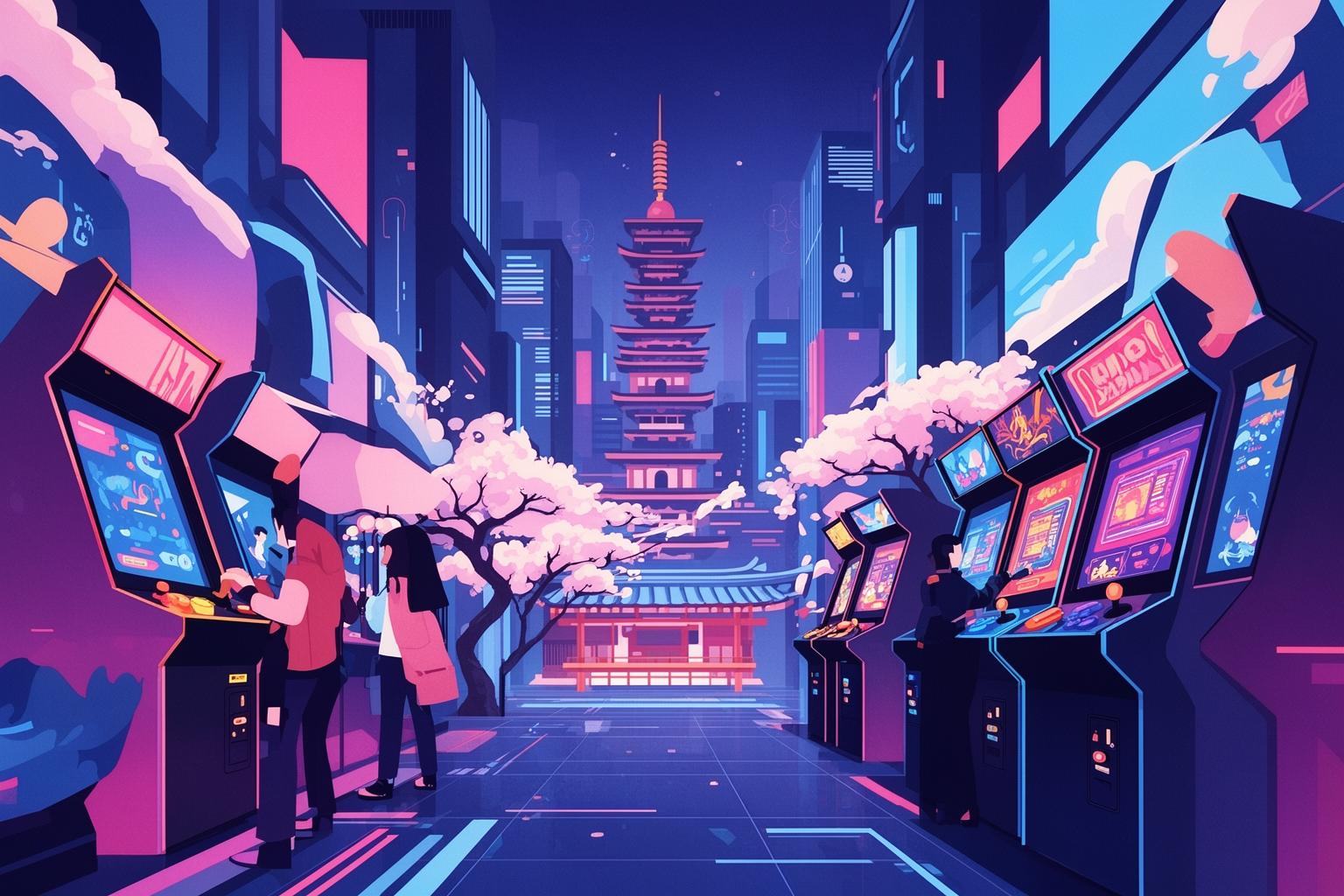
The writing on the wall is impossible to ignore. The Japanese arcade industry has been facing significant challenges. The rapid rise of high-quality mobile and home console gaming means people no longer need to visit an arcade for a cutting-edge gaming experience. On top of that, the COVID-19 pandemic dealt a harsh blow, forcing temporary closures and accelerating a decline that was already underway. We’ve witnessed the heartbreaking closures of iconic venues like Sega Ikebukuro GiGO, making it easy to feel like this neon-lit world is slipping away.
However, to dismiss the Japanese arcade would be a mistake. This isn’t a tale of extinction but one of evolution. The industry is adapting by emphasizing what can’t be replicated at home. The focus is shifting from simply offering games to delivering unique experiences. This involves larger, immersive cabinets with motion seats, wind effects, and dome screens. There’s also a stronger push towards VR, with dedicated VR zones providing experiences far beyond what home headsets offer. Additionally, the social and competitive elements are becoming more important. Rhythm and fighting games, with their passionate communities and public displays of skill, are now the heart of the modern arcade.
Moreover, the economy of the UFO Catcher serves as a powerful anchor. Prizes are increasingly exclusive, featuring limited-edition merchandise unavailable in stores. This appeals to collectors and the thrill of the chase, effectively turning the crane game into a physical gacha system—a widely popular monetization method in mobile games. This aspect of the business is a major revenue driver and continues to attract a broad, casual audience.
The Japanese arcade of the future may be smaller in scale and more niche in focus. The golden age of a ge-sen on every corner might be behind us. Yet the core concept remains as strong as ever. It’s a physical space for digital worlds, a haven of controlled chaos in a meticulously ordered society, and a stage for a unique form of self-expression. The neon will keep glowing because it represents more than just light; it embodies the essence of the arcade’s identity—a beacon promising an escape from the ordinary, a gateway to a world that feels just a bit more electric. It’s not game over; it’s simply inserting another coin.