
Yo, what’s the real on Japan’s cityscapes? You’ve scrolled the feeds, seen the neon glow of Shibuya and the tranquil bamboo groves of Arashiyama. But then you see them. Endless stacks of concrete apartment blocks, stretching across the suburbs like geometric mountain ranges. They’re called danchi, and let’s be real, your first thought probably wasn’t “magical.” It was probably more like, “Damn, that looks kinda bleak.” It’s giving Eastern Bloc, it’s giving brutalist, it’s giving… a whole lot of concrete. And you’re wondering, why are there so many? And how in the world could anyone connect these severe, uniform structures to the whimsical, nostalgic worlds of Studio Ghibli? It’s a total vibe mismatch, right? On one hand, you have the hand-painted, sun-drenched landscapes of My Neighbor Totoro, and on the other, you have these monuments to mass-produced housing. But that’s the plot twist. You’re looking at the same thing. Those danchi aren’t just housing; they were, and in many ways still are, the sprawling, real-life backdrops for the exact kind of childhood adventures that Ghibli films immortalize. They are microcosms of a specific Japanese dream, packed with secret paths, forgotten playgrounds, and the echoes of a million small stories. It’s time to ditch the surface-level take and do a deep dive. We’re about to unpack the history, the design, and the hidden soul of the danchi to show you why these concrete jungles are, low-key, some of the most nostalgic and spiritually Ghibli-esque places in all of Japan. This ain’t your standard travel guide; this is the cultural decode you’ve been searching for. Let’s get it.
To further explore the nostalgic landscapes that inspire Ghibli’s worlds, consider visiting the real-life satoyama countryside that served as the backdrop for My Neighbor Totoro.
The Blueprint of a New Japan: Why These Concrete Jungles Even Sprouted
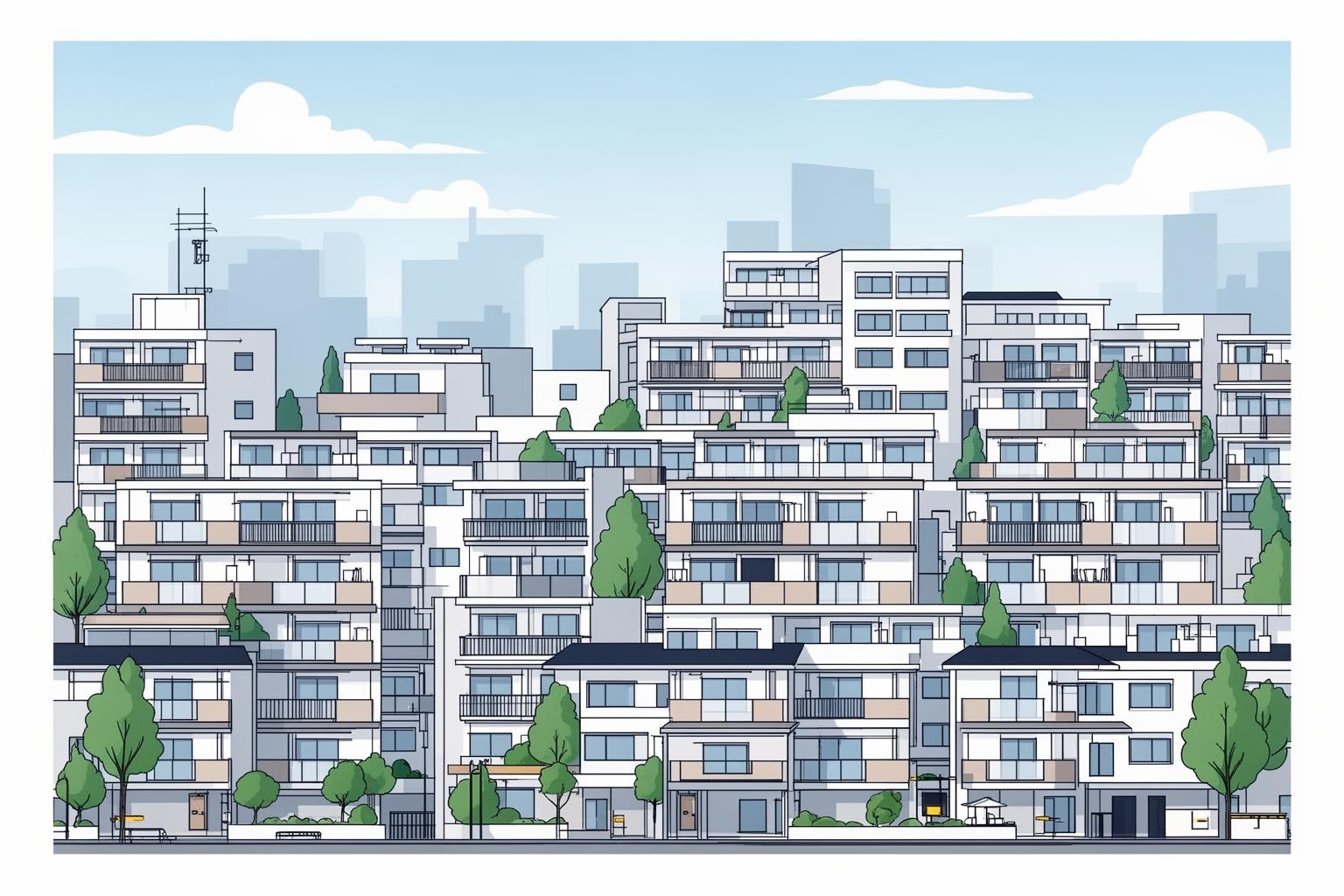
To understand why danchi became such a phenomenon, you have to rewind history. Imagine Japan right after World War II—major cities reduced to rubble. On top of that, a huge influx of soldiers and civilians returned from overseas, coinciding with a significant baby boom. The outcome? An enormous housing crisis. People were squeezed into makeshift shacks, families sharing single rooms. It was a dire situation demanding a bold solution. The traditional model of wooden, single-family homes was no longer sufficient. Japan needed housing that could be built quickly, affordably, and on a vast scale.
This is where the government took action. In 1955, they created the Japan Housing Corporation, or JHC (now known as UR, the Urban Renaissance Agency). Its goal was straightforward: build a new Japan. Their material of choice was reinforced concrete—durable, fireproof (crucial after the firebombings), and ideal for standardization. The JHC became the mastermind behind the modern Japanese suburb, constructing these massive housing complexes, or danchi, one after another. But here’s the key point often overlooked: these places weren’t viewed as bleak or oppressive at the time. They represented the height of aspiration. They symbolized the future.
The Danchi Dream: More Than Just Shelter
For a generation accustomed to communal toilets and cooking over open fires, the danchi was a dream come true. We’re talking about private apartments with your own kitchen, bathroom, and front door. It may sound ordinary now, but in the 1950s and ’60s, this was groundbreaking. The classic danchi design followed the “nDK” model—’n’ for the number of bedrooms, ‘D’ for dining area, and ‘K’ for kitchen. The dining-kitchen, a concept borrowed from the West, was revolutionary. It combined cooking and eating spaces, fostering a modern family lifestyle where the mother wasn’t isolated in a separate kitchen. Owning the “Three Sacred Treasures” of the post-war era—a refrigerator, washing machine, and black-and-white TV—and placing them in your shiny new danchi apartment was the ultimate status symbol. It indicated you had “made it.” It was the tangible embodiment of Japan’s economic miracle. Families entered lotteries just for the chance to secure a spot, and winning was genuinely like striking the lottery. So when you see these old danchi, don’t just see concrete—see the concentrated hopes and dreams of a nation lifting itself up.
A Standardized Vision of Middle-Class Life
The uniformity of the buildings was intentional and reflected a democratic ideal. The JHC was shaping a new middle class, and the danchi was its emblem. Everyone received similarly sized apartments with identical layouts. This wasn’t about dull conformity; it was about establishing an egalitarian foundation for a new society. Your neighbors were just like you: young families, typically with a “salaryman” husband working for a large city corporation and a wife who stayed home full-time. They were all starting their lives together, on equal footing, in these brand-new, modern homes. This social engineering—the concentrated gathering of people at the same life stage—is key to understanding the danchi’s cultural significance. It created a distinctive social environment, a bubble of post-war optimism that nurtured an entire generation of Japanese children.
The Anatomy of Adventure: A Universe Between the Buildings
A danchi is much more than just a group of apartment buildings. The larger ones, known as daikibo danchi, were planned as self-sufficient towns. The architects, influenced by Western urban planning ideas like the “neighborhood unit,” didn’t simply place buildings randomly. They carefully designed an entire ecosystem around them. This comprehensive design is the key to understanding the Ghibli connection, because the magic lies not within the apartments themselves, but in the spaces between them. It’s in the expansive, car-free areas created as a paradise for children.
The Playground Kingdom: Where Concrete Monsters Roamed
Let’s discuss the playgrounds. Before the era of plastic safety and strict risk assessments, danchi playgrounds were vibrant and lively. They were imaginative landscapes of concrete and steel, crafted by architects and artists with a taste for the abstract. You wouldn’t just find basic slides and swings. Instead, there were giant, climbable concrete spheres resembling planets, abstract geometric mountains to scale, and those iconic, somewhat intimidating animal sculptures—pandas, elephants, and octopuses with slide-tentacles. These were more than play structures; they were monuments. They served as landmarks in a child’s world, gathering spots, tag bases, and places where friends dared each other to climb higher. They were the friendly, climbable monsters in the epic tales of childhood. The physical nature of these playgrounds—the scraped knees from rough concrete, the sun-heated metal slides that burned thighs—built resilience and a shared sense of experience. This raw, unfiltered, slightly risky freedom is pure Showa-era spirit, a place where children were encouraged to explore and push their limits, a motif that resonates in many Ghibli heroes.
The Green Labyrinth: Secret Trails and Untamed Woods
The planners of the JHC were passionate about green space. They viewed trees and parks as vital elements of healthy, modern living. Thus, they integrated vast green corridors, parks, and tree-lined walkways into the complexes. Over the decades, these planned greenspaces have grown into something wilder and more enchanting. What once were rows of young trees have transformed into dense, shaded canopies creating mysterious pathways. Untended patches have turned into overgrown thickets—perfect for secret forts or imaginary adventures into the wild. For children growing up in a danchi, this was their forest. There was no need to travel to the countryside for nature; it was just outside their door, a maze of trails and hiding places waiting to be discovered. Think of Mei in Totoro chasing the smaller Totoros through the camphor tree thicket. That feeling of uncovering a hidden natural world beyond the ordinary was a daily part of life for danchi kids. The water tower, a typical feature in every large danchi, wasn’t just infrastructure; it was a watchtower, the highest point in their realm, a silent giant watching over their exploits.
The Heart of the Community: The Shotengai and Central Plaza
Every large danchi had its commercial center: a small shopping street, or shotengai, and a central plaza. This was the social gathering place. It housed the butcher, fishmonger, greengrocer, stationery store, and the candy shop (dagashi-ya) that was a kid’s universe hub. Here, mothers would come together to chat while shopping, and children pooled their pocket money to buy affordable snacks and toys. These shotengai, many now preserved in a charmingly retro state, serve as time capsules of the Showa era. The faded plastic awnings, vintage signage, and friendly shopkeepers who knew everyone’s name create an atmosphere straight from nostalgic films like From Up on Poppy Hill. The central plaza hosted summer festivals (matsuri), flea markets, and morning radio calisthenics. It was the community living room, the stage for collective life. These spaces reinforced the idea that the danchi wasn’t merely a place to live but a whole world, a village in miniature.
A Symphony of Sounds and Rules
Life in a danchi had its own distinctive rhythm and soundscape. The day was marked by familiar noises etched into the memories of a generation. There was the distant piano practice from an open window—a common middle-class dream. The steady thwack-thwack of a futon being beaten clean on balcony rails. The musical calls of the tofu vendor on his rounds, or the winter’s roasted sweet potato truck. Most iconic was the 5 PM chime. Played over the danchi’s public address system, a melodic tune signaled to all children that playtime was over and it was time to return home for dinner. This sound, known as the gohou no chaimu, is the quintessential audio emblem of Showa childhood nostalgia. It was a rule—a gentle but clear boundary that shaped the day’s freedom. This mix of expansive freedom within a framework of communal order defines the danchi experience. You could roam every corner of this vast kingdom, but when the chime sounded, the adventure ended. The day was done.
The Ghibli Code: Decrypting the Magic in the Mundane
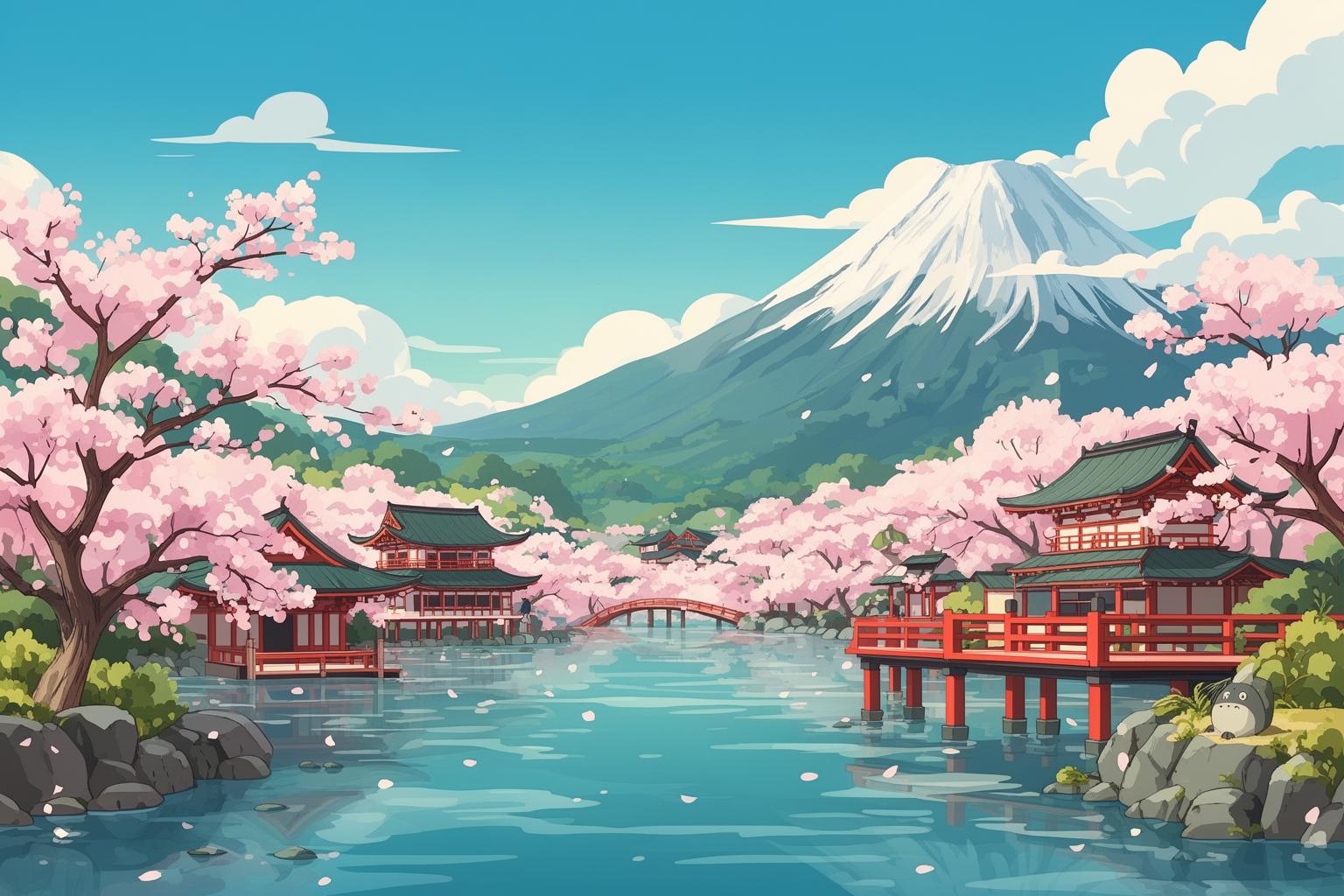
Alright, so we’ve established that danchi were self-contained worlds perfect for children. But how does that connect to the distinct, almost spiritual atmosphere of a Studio Ghibli film? The link goes beyond kids simply playing outside. It’s about a particular way of perceiving the world. Ghibli films excel at uncovering breathtaking beauty and deep meaning in the ordinary, the everyday, and the slightly outdated. They romanticize the mundane, and the danchi serves as the ultimate backdrop for this kind of romanticism.
The World as a Playground: Childhood Sovereignty
Many films by Hayao Miyazaki and Isao Takahata are told from a child’s viewpoint. The world is vast, filled with wonder and mystery, while adults often remain peripheral. Consider Satsuki and Mei in Totoro, who explore a whole new world around their country home and the nearby forest. Or Shizuku in Whisper of the Heart, whose journey of self-discovery unfolds as she roams the hills and stairways of her suburban Tama New Town neighborhood—a vast development prominently featuring danchi. The danchi environment perfectly mirrors this. It was a realm designed for and dominated by children. The vast scale of the complexes, endless corridors, identical stairwells that could easily confuse, and the rooftops (often unofficially accessible back then) that felt like the top of the world—all contributed to a sense of adventure and scale. A simple trip to the danchi’s small supermarket for your mom could turn into an epic quest, with shortcuts to find and rival kids’ gangs to avoid. This was a child’s sovereign domain, a place where their own rules and legends took shape, removed from direct adult oversight. The concrete was no limitation; it was the terrain of their imagination.
The Power of “Natsukashii”: Nostalgia for a Vanishing World
The Japanese have a word, natsukashii, which means more than just “nostalgic.” It conveys a tender, bittersweet longing for the past, a warm ache for something lost. Ghibli’s films are soaked in this feeling. They often portray a slightly idealized version of a bygone era, usually the Showa period (1926-1989), celebrating its simpler technologies, close-knit communities, and visual style. Today, danchi evoke strong natsukashii. They are living museums of the Showa era. The architecture, once futuristic, now appears distinctly retro. The textures—the weathered concrete, rust stains trailing down walls, the slightly yellowed plexiglass balcony dividers, old-school tile work in public spaces—have become a recognized aesthetic. It’s known as “Showa Retro,” and it carries its own vibe. Photographers and artists are drawn to danchi precisely because of this aged, textured character. They feel real, lived-in, and authentic in ways modern, sterile buildings do not. Exploring a danchi is like stepping back in time. It’s not just about observing old structures; it’s about sensing the presence of the past, hearing the echoes of lives once lived there. It’s the same feeling you get watching Only Yesterday, a film that beautifully captures the interplay between present life and the compelling pull of childhood memories.
Bittersweet Beauty: The “Setsunai” of Progress
Another quintessential Ghibli emotion is setsunai. It’s a poignant sadness, a fleeting sorrow linked to the beauty of impermanence. It’s the sensation you experience at summer’s end or the melancholy of witnessing something beautiful fade away. This emotion is woven into the very story of danchi. These complexes were born from post-war optimism, symbols of a bright and hopeful future. But now, they represent a past that is fading. The generation who first moved in has aged. The buildings themselves are aging. The lively communities of young families have often given way to quiet, elderly populations. This evokes a strong sense of mono no aware, another key Japanese concept about the pathos of things, the awareness of their transience. Walking through a quiet danchi on a weekday afternoon, seeing empty playgrounds and shuttered shops in the shotengai, can stir this profound feeling of setsunai. It’s both beautiful and sad simultaneously. This emotional complexity is something Ghibli depicts so well. The danchi reminds us that the future inevitably becomes the past, and within that cycle lies a unique, heartrending beauty.
The Danchi Today: A Faded Dream or a Canvas for the Future?
So, what’s the status of danchi in the 21st century? Are they merely decaying relics, or do these concrete giants still hold life? The truth is nuanced, and that’s where the story becomes truly compelling. It’s no longer the 1960s, and danchi now face significant challenges of the modern era. Japan’s demographic crisis—characterized by an aging population and low birthrate—is deeply impacting danchi. Many have become homes predominantly for elderly residents, leading to issues like isolation and kodokushi, or “lonely deaths.” The buildings themselves demand extensive maintenance. For a time, it seemed danchi were destined to fade into obscurity within Japan’s urban history.
The MUJI-fication of Concrete: The UR Renaissance
However, that’s only part of the story. The UR Agency, the contemporary successor to JHC, is actively working to reinvent danchi for today’s generation. They recognize that the sturdy structure of these buildings and their spacious, green layouts are major strengths. As a result, they’ve launched extensive renovation projects, often partnering with prominent collaborators. The most well-known effort is the collaboration with MUJI, the brand famous for minimalist Japanese design. MUJI has transformed old danchi units by stripping them down and redesigning them with clean lines, natural materials, and flexible layouts appealing to young creatives, couples, and small families. They’ve converted outdated, cramped apartments into stylish, light-filled homes now in high demand. This “Danchi Renaissance” breathes new life into the aging concrete, preserving the communal spirit while modernizing the infrastructure. It highlights the lasting appeal of the danchi’s fundamental concept: simple, community-centered living.
The Brutalist Backdrop: Danchi as a Creative Muse
Beyond these formal renovations, danchi have gained a new role as cultural icons. For those raised amid sleek, uniform contemporary architecture, the raw, striking aesthetic of danchi is captivating. Their brutalist honesty and nostalgic details attract photographers, filmmakers, and artists alike. Instagram is filled with accounts showcasing the geometric beauty and melancholic mood of these complexes. They serve as popular locations for music videos, fashion shoots, and indie films seeking to capture that authentic, nostalgic feel. Some danchi are famed for distinctive architectural features, such as the star-shaped “Star House” at Akabanedai Danchi or the enormous scale of Takashimadaira Danchi in Tokyo. This rising appreciation has turned the narrative on its head: what was once dismissed as dull and uniform is now embraced as unique and iconic. Danchi have evolved beyond mere housing—they’ve become an aesthetic statement.
How to Explore a Danchi Without Being a Jerk
So, you’re curious and want to experience this Ghibli-like world yourself. How should you proceed? First and foremost, remember: these are people’s homes. They are neither tourist attractions nor abandoned ruins for exploration. The golden rule is to be respectful—keep noise to a minimum, avoid lingering in stairwells or hallways, and absolutely do not photograph residents or their private balconies. Don’t be intrusive. The best way to enjoy a danchi is to focus on the public and semi-public spaces. Stroll along the green paths between buildings. Sit on a bench in the central park and quietly observe the rhythm of daily life. Visit the shotengai if it’s still open—grab a drink from a vending machine or a snack from a local shop. Some larger danchi, especially those being renovated, might even offer a small museum, community café, or showroom (like the MUJI ones) for visitors. Do your homework before you go. The aim is to be a quiet, unobtrusive observer who soaks in the atmosphere without disturbing the residents who call this concrete castle home. It’s about feeling the vibe, not just capturing the photo.
The Final Take: It’s All About How You Look at It
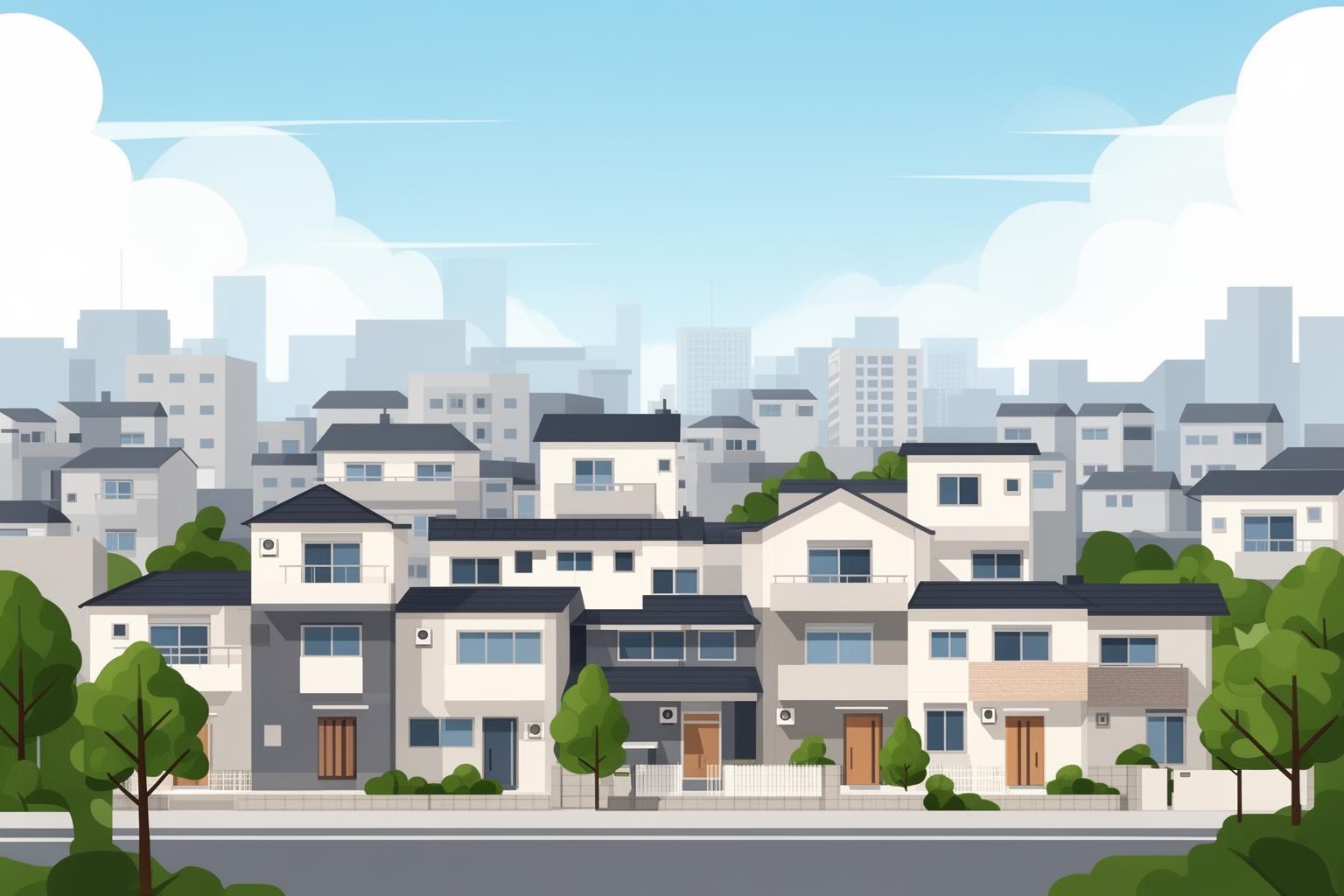
So, we return to the original question: why do these massive concrete housing projects feel so deeply intertwined with the whimsical, nostalgic worlds of Studio Ghibli? It’s because the magic was never in the concrete itself. It lived in the life that filled the spaces between. It was in the freedom afforded to a generation of children to create their own worlds, adventures, and rules within these sprawling, self-contained communities. It was in the shared experience of millions of families building a new, modern, middle-class Japan from the ground up. The danchi became the physical vessel for a nation’s dreams, and like any dream, it has faded and transformed over time, leaving behind a powerful, bittersweet nostalgia.
Seeing a danchi as merely grim, monotonous concrete is like watching My Neighbor Totoro and perceiving only a story about two kids waiting for their mother to leave the hospital. You’re missing the essence. The essence is the magic hidden within the mundane. The essence is the adventure waiting right in your own backyard. The essence is the profound beauty that time and memory can bestow upon even the most ordinary places. The danchi doesn’t serve its magic on a silver platter. It invites you to look closer, to imagine the laughter of children from a now-empty playground, to see the forest in a row of overgrown trees, and to feel the quiet dignity of a place that has held a million small, beautiful, ordinary lives. That, truly, is the most Ghibli-esque feeling of all.