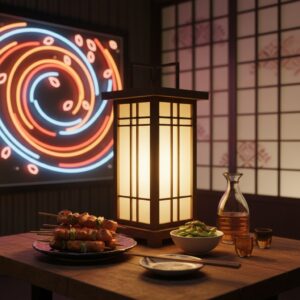
Yo, what’s the deal? Keiko here. Let’s spill the tea on something you might think you know, but you probably don’t. You’ve been to Japan, right? Or at least you’ve scrolled through a million pics. You saw the temples, you ate the sushi, maybe you even braved a classic, smoke-filled izakaya under some train tracks, clinking glasses with salarymen and yelling “Toriaezu, nama!” for that first round of beer. It’s a vibe, for sure. A classic. But let me tell you, that’s just the opening cinematic. The real game, the next level, is happening behind unmarked doors, down alleys you’d normally just walk past. We’re talking about the neo-izakaya, the modern, low-key spots where contemporary Japan really unfolds. This isn’t your dad’s izakaya. This is the Japan that doesn’t scream for your attention. It whispers. It’s a world that operates on an IYKYK basis—if you know, you know. And if you don’t? You walk right by, completely oblivious to the magic happening just a few feet away. You’ve probably seen the aesthetic online: minimalist interiors, a single perfect flower in a vase, artfully plated dishes that look like they belong in a gallery. You might wonder, “Is this even an izakaya? Where’s all the noise and chaos?” That’s the mismatch of expectations right there. The assumption is that Japanese taverns are all one thing, frozen in a post-war time capsule. But Japan, fam, is always evolving, always iterating on itself. These hidden gems are the ultimate expression of that evolution. They’re like modern-day ninja lairs—discreet, stylish, and serving up killer experiences. They’re the physical manifestation of a cultural shift away from the loud, collective groupthink of the past towards a more individual, curated, and design-conscious present. So, why are the coolest spots so damn hard to find? Why the secrecy? It’s not about being exclusive for the sake of it. It’s about a deeper cultural logic, a philosophy of space and experience that’s uniquely Japanese. It’s about creating a sanctuary, a bubble where the vibe is just right, protected from the chaos of the city outside. Getting into one of these places isn’t just about having a meal; it’s about understanding the code. It’s about learning to see the city not as a map of tourist spots, but as a texture of subtle clues. Ready to level up your Japan game? Let’s crack the code. Forget the tourist map; we’re going off-grid.
To truly understand this shift, you should also learn about the silent language of sake that governs traditional Japanese drinking culture.
The Izakaya Glow-Up: From Salaryman Pit Stop to Vibe Central
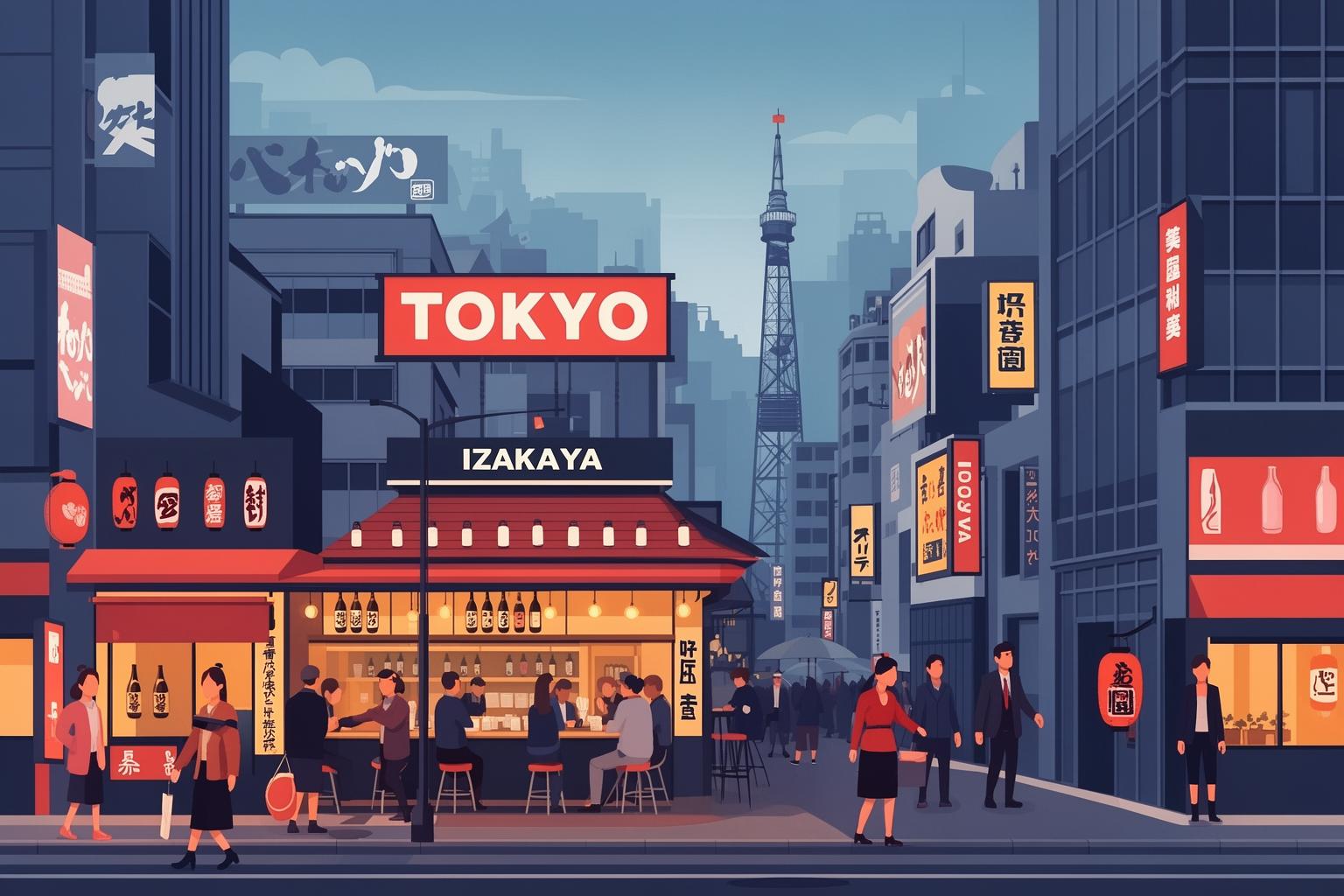
To truly understand why the modern izakaya has become such a phenomenon, you need to take a step back and look at its history. The izakaya as you think you know it—the loud, smoky, no-frills spot with red lanterns swinging outside—is a direct result of Japan’s post-war economic boom. It served as an unofficial second office, a sacred third space for the countless salarymen, the corporate warriors who built modern Japan. Consider this: these men were grinding away, working insane hours within a highly hierarchical corporate system. The izakaya was their release valve. It was somewhere the strict social rules of the office could be temporarily set aside, loosened by cheap beer and sake. It was loud by necessity, a place to vent frustrations and form bonds with colleagues over grilled skewers and endless refills. The food was quick, inexpensive, and hearty—fuel for the working man. The décor was utilitarian, not ornamental. No one was there to snap photos; they were there to unwind. This is the classic aka-chochin (red lantern) izakaya, a cultural institution born from a particular time and need. For decades, this image dominated the izakaya both inside Japan and abroad. It was a masculine domain, a pillar of corporate culture.
The Bubble Bursts and a New Atmosphere Emerges
Then, things began to shift. The late-80s economic bubble burst in the early 90s, ushering in what is now called the “Lost Decade.” The promise of lifetime employment started to fall apart. The old corporate model came to feel less like a secure career and more like a gilded cage. A new generation—my generation—grew up watching our parents devote their entire lives to their companies, and we began to question, “Is that all there is?” This skepticism toward the old lifestyle planted the seeds for a massive cultural transformation. The strict boundaries between work and life started to blur differently. People began valuing personal time, hobbies, and individual expression over blind corporate loyalty. Accompanying this was a shift in how people wanted to eat, drink, and socialize. The noisy, smoky sanctuary for salarymen began to feel… well, outdated. It wasn’t a vibe that appealed to younger people, women, creatives, or anyone outside the old corporate mold. People sought something different—spaces that were more comfortable, more design-driven, and in tune with their individual preferences. They wanted places where real conversations could happen without shouting, where food was thoughtfully prepared rather than merely functional, and where drinks were intriguing, not just intoxicating.
The Rise of ‘Sosaku’ and the Instagram Effect
This opened up a huge market opportunity. Enter the modern izakaya. Young chefs and entrepreneurs, often trained in various culinary traditions from French to Italian, began launching their own establishments. They took the izakaya’s basic idea—a casual spot for drinks and small plates—and gave it a major makeover. They called it sosaku ryori, or creative cuisine. They tossed out the old rulebook. Instead of sticking to standard yakitori and karaage, they started crafting innovative dishes blending Japanese techniques with global flavors. The emphasis shifted to high-quality, seasonal ingredients. The drinks menu evolved as well. Cheap beer and generic sake gave way to craft brews, a new wave of artisanal sake from small producers, natural wines, and bespoke cocktails made with Japanese spirits like gin and vodka. And then, of course, social media came into play. Instagram, especially, transformed everything. Suddenly, the aesthetic of a place mattered as much as the food. A restaurant was no longer just somewhere to eat; it was a backdrop. It was content. The minimalist, stylish interiors of these new izakayas were perfect for the Instagram grid. The artfully plated dishes practically begged to be photographed. This created a feedback loop: trendy people would discover a spot, post about it, and their followers would get major FOMO, fueling buzz and a sense of exclusivity. It transformed the izakaya from a purely utilitarian space into a destination for cultural consumption. It became a statement of taste, a way to signal you were in the know. The salaryman’s pit stop had officially evolved into vibe central.
Reading the Air: The Unspoken Rules of the Neo-Izakaya
Alright, so you’ve decided to explore the world of the modern izakaya. You’re eager for the exquisite food, exceptional drinks, and perfect atmosphere. But before you slide open that subtle, unmarked door, it’s important to understand the social dynamics behind the entire experience. In Japan, there’s a crucial concept called kuuki wo yomu, which literally means “reading the air.” This invisible social intuition guides nearly everything. It involves being sensitive to the situation, the mood in the room, the unspoken needs and feelings of those around you, and adjusting your own behavior accordingly. It’s like a social sixth sense. In a classic, lively izakaya, the “air” is dense with noise and chaotic energy, so the guidelines are fairly relaxed. However, in a smaller, more intimate modern izakaya, the atmosphere is far more subtle and delicate. Reading it accurately is essential to enjoying your visit and, importantly, not spoiling the experience for others. These establishments are often tiny, sometimes just a counter with eight or ten seats. The chef or owner is right there, just a few feet away. Your conversation becomes part of the room’s ambient sound. Your energy directly influences the overall vibe. This is not the place to be loud, take a business call, or engage in a heated argument. It’s a space for quiet conversation, savoring food and drink, and appreciating the atmosphere thoughtfully crafted by the owner.
Omotenashi 2.0: The Art of Modern Hospitality
This notion of reading the air works both ways. It also shapes the hospitality style you’ll experience—a contemporary take on omotenashi. Traditional omotenashi can sometimes feel formal, almost ritualistic. At these newer spots, hospitality is more relaxed and personal yet no less meaningful. The owner, often also the chef, has meticulously designed every detail of the experience, from the playlist to the lighting to the shape of the glassware. They are reading your air, too. They’ll notice if you particularly enjoy a certain sake and might suggest another from a similar brewery. If you appear unsure about the menu, they’ll offer gentle advice. They’re not simply serving you; they’re hosting you in their space. The best way to respond is with appreciation. Engage with them if they seem open to it. Ask about a dish, compliment the sake, show sincere interest. This isn’t just about being a polite customer; it’s about participating in creating a harmonious atmosphere. It’s a quiet, collaborative dance. That’s why the best seats are often at the counter. It’s more than just a place to eat; it’s front-row seating for the show. You watch the chef work, witness the care behind each plate, and form a closer connection to the heart of the establishment.
The Otoshi Ritual: Not a Scam, But a Welcome
Now, let’s address something that often puzzles first-timers: the otoshi, or tsukidashi. Shortly after you sit and order your first drink, a small dish will arrive that you didn’t order. Moments later, you’ll see a small cover charge on your bill, usually a few hundred yen. Many foreign visitors may feel this is a scam. “Why am I being charged for something I didn’t order?” But it isn’t a scam at all. The otoshi is a deeply embedded part of izakaya culture, serving several purposes. First, it’s a welcoming gesture—a small snack to enjoy while waiting for your main orders. Second, it acts as a table charge, which is common in many countries. Most importantly, it’s a showcase. In a good modern izakaya, the otoshi is the chef’s opening statement. It’s often a small, exquisite dish crafted from the finest seasonal ingredients available. It offers a glimpse into their culinary philosophy, a taste of their essence. So rather than seeing it as an unwelcome fee, view it as the opening note of a symphony, a hint at the kind of experience ahead. Paying it without complaint is itself a way to show you understand and respect the local custom. It’s a small act of reading the air.
Ordering and Pacing: The Izakaya Flow
Unlike many Western restaurants, there isn’t a strict sequence of appetizers, mains, and desserts. An izakaya meal is fluid and free-flowing. The idea is to order a few dishes at a time, share them, and keep ordering throughout the evening. In a modern izakaya, this pacing is even more crucial. The kitchen is usually tiny, often run by just one or two people. Overwhelming them with an order of ten dishes all at once disrupts the vibe and flow. It throws off the rhythm of both the kitchen and the dining room. The smart approach is to start with drinks, then order two or three dishes. See how you feel. Enjoy the conversation. When you’re ready, order another round. A practical strategy is to begin with lighter, cold dishes like sashimi or vegetable appetizers, then move on to warmer, fried, or grilled items, finishing with a small rice or noodle dish to complete the meal. This gradual pace lets you fully savor each dish and allows the chef to serve at a manageable rhythm, ensuring top quality for every plate. It transforms the meal from a mere transaction into a leisurely, evolving experience. It becomes another form of communication—a non-verbal dialogue between you and the chef. This is the true rhythm of the neo-izakaya.
The Art of Hiding: Why the Best Spots are Basically Invisible
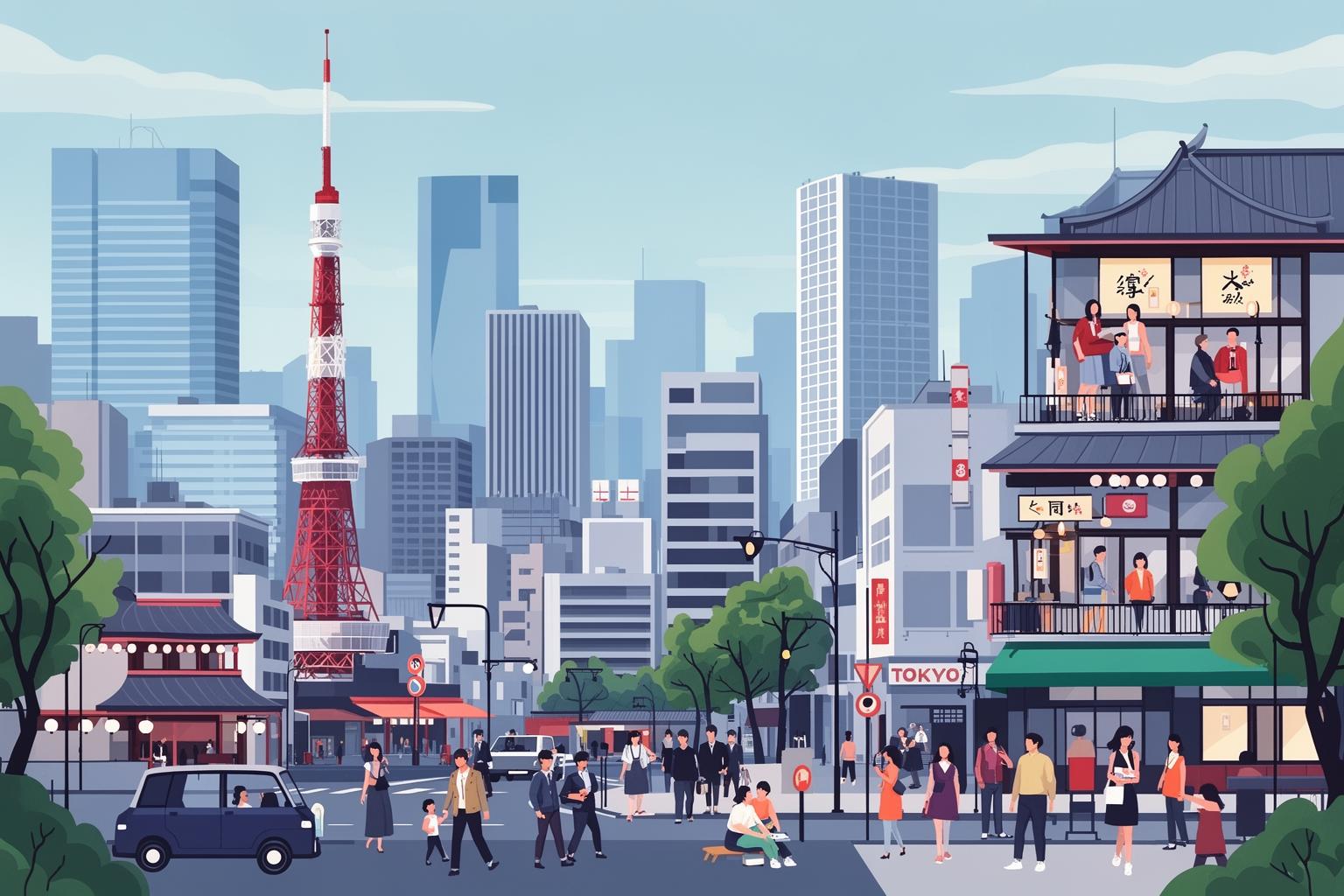
So we arrive at the central question, the enduring mystery: Why are these incredible places so difficult to locate? Why do they have unmarked doors, basement settings, and completely absent signs? To outsiders, this can come across as purposely exclusive, even arrogant. However, it isn’t about snobbery. Instead, it’s a design decision deeply rooted in Japanese aesthetic and social values. The first point to grasp is the importance placed on the inside versus the outside. In many Western cultures, there is a strong focus on curb appeal—a grand entrance, large windows, and flashy signs aimed at attracting passersby. In Japan, traditionally, the opposite is often the case. The exterior of a building, especially a private one, tends to be understated and plain. The true beauty and investment are reserved for the interior. This is embodied in the concept of uchi-soto, meaning inside/outside. Soto represents the public world, while uchi is the private, inner realm of the home or a trusted group. These hidden izakayas essentially create an uchi space within a very public, soto environment. By having a subtle entrance, they form a deliberate boundary, a transition point. When you pass through that door, you leave behind the chaotic, anonymous city and enter a carefully curated, intimate space. It acts as a psychological reset. The absence of a sign isn’t meant to block you; rather, it enhances the experience inside, making it feel more special and protected. It becomes a sanctuary.
Wabi-Sabi and the Charm of the Unseen
This ties into fundamental Japanese aesthetics, especially the concept of wabi-sabi. Although complex, it revolves around appreciating beauty in imperfection, impermanence, and simplicity. It favors the subtle over the obvious, and the modest over the ostentatious. A large, flashing neon sign contradicts wabi-sabi, whereas a simple, weathered wooden door adorned with a single, small, beautifully calligraphed character on a fabric (noren) exemplifies it. Another aesthetic principle, yugen, refers to profound, subtle grace—a cosmic awareness that evokes deep emotional responses. It’s about what is left unsaid and unseen. A hidden entrance evokes a sense of yugen. It ignites curiosity and suggests a hidden world of beauty, making discovery part of the experience. The process of finding the place and interpreting subtle hints becomes an essential part of the evening. It turns you into an active participant rather than a passive visitor. You didn’t merely stumble upon it; you found it. That sense of discovery is far more impactful than simply following a prominent sign. It establishes a stronger emotional bond with the place even before your first bite.
The Social Logic of the ‘Jouren-san’
There is also a significant social dynamic involved. These small, intimate venues depend on a core group of loyal regulars called jouren-san. To the owner, these regulars are more than just customers; they are the keepers of the atmosphere. They understand the rules, respect the space, and contribute to the vibe the owner intends to cultivate. By avoiding broad advertising, the owner can nurture their clientele more naturally. New visitors arrive primarily through word-of-mouth referrals from existing jouren, ensuring these newcomers “get it.” They come with the right mindset and expectations, making it a self-selecting community. This system also builds a strong sense of belonging. When you become a regular, you’re no longer just a patron—you become part of the place’s fabric. The owner knows your name, your favorite drink, and genuine relationships develop. It becomes your spot, your neighborhood’s third place. In today’s hyper-globalized, anonymous world, this is increasingly rare and deeply desired. The hidden nature of these izakayas protects this delicate social ecosystem from the randomness of tourist crowds.
The Modern Twist: Social Media and the Secret Spot
Here lies the paradox. In the era of social media, how can a secret remain secret? The truth is, it rarely does. Yet the way the secret is shared has evolved. Discovering a hidden gem now functions as social currency. Posting a photo from a cool, unmarked location is a subtle boast. It signals, “I’m not a tourist—I’m in the know.” But an unspoken code of ethics often accompanies this. People who share posts from these spots frequently avoid geotagging the exact location. They may tag only the neighborhood or the place’s name, leaving it to their followers to play detective. This preserves the thrill of the hunt and maintains a barrier to entry, ensuring that genuine seekers must put in some effort. This digital word-of-mouth forms a new kind of city map, built on curated taste and shared aesthetics rather than commercial promotion. It affirms that even in our hyper-connected age, the allure of the hidden and the joy of personal discovery remain more compelling than ever. The secrecy isn’t a flaw—it’s the defining feature.
Deconstructing the Menu: It’s Not Just Yakitori Anymore
You’ve explored the backstreets, discovered the unmarked door, and mastered the subtle art of reading the atmosphere. Now comes the main attraction: the food and drink. This, my friends, is where the modern izakaya truly departs from tradition and steps into an entirely new realm of excellence. The menu embodies the soul of the establishment, directly reflecting the chef’s philosophy. Forget about the laminated, picture-heavy menus of chain izakayas listing countless items. Here, the menu is often brief, focused, and changes frequently—sometimes daily—based on what’s fresh and in season. It might be handwritten on a single sheet of paper or elegantly displayed on a chalkboard. This is not a limitation; it’s a mark of quality, signaling that everything is fresh and every dish is thoughtfully crafted.
‘Sosaku Ryori’: The Creative Playground
The culinary style you’ll most often experience is sosaku ryori, or creative cuisine. This is not fusion in the chaotic, everything-and-the-kitchen-sink sense. Rather, it’s a deliberate, thoughtful blending of techniques and ingredients. Japanese cuisine serves as the base, rooted in respect for seasonality and natural flavors, but with the freedom to borrow from other culinary traditions. You might encounter a classic Japanese dish with an unexpected twist. Picture a chawanmushi (savory egg custard) infused with truffle oil and topped with a slice of foie gras, or sashimi lightly cured Italian-style with olive oil, salt, and herbs instead of soy sauce and wasabi. It’s playful, inventive, and absolutely delicious. The chefs are culinary artists using the izakaya format as their canvas—a place where risks are taken and often rewarded with mind-blowing results. A modern izakaya staple that perfectly captures this ethos is the potato salad. Yes, potato salad. In a traditional izakaya, it’s a simple and comforting mayonnaise-heavy dish. But in a modern venue, it’s elevated to an art form—topped with smoked half-boiled eggs, crispy bacon bits, black truffles, or even uni (sea urchin). It’s familiar yet utterly novel, a perfect symbol of the neo-izakaya.
The Gospel of Seasonality
At the heart of this creativity is a deep, almost spiritual commitment to seasonality. This is, of course, fundamental to all Japanese cuisine, but in these smaller, chef-driven izakayas, it reaches an extreme level. The menu acts as a living document reflecting the time of year. In spring, dishes highlight sansai (wild mountain vegetables), bamboo shoots, and firefly squid. Summer celebrates sweet corn, ayu (sweetfish), and perfectly ripe tomatoes. Autumn brings mushrooms, chestnuts, and sanma (Pacific saury), while winter features rich fish like buri (yellowtail), hearty root vegetables, and delicate snow crab. This focus on seasonality enhances flavor—the sweetness and intensity of a spring asparagus spear simply cannot be replicated in a winter greenhouse. Eating seasonal ingredients means savoring them at their absolute peak, while also connecting the diner to the natural rhythms of the country—something easily overlooked amid the bustle of a megacity like Tokyo. The chef is more than a cook; they are a conduit, translating the finest seasonal offerings onto your plate.
The Beverage Revolution: Sake, Wine, and Beyond
What do you pair with this extraordinary food? The beverage menu has seen an equally impressive transformation. Gone are the days when your choices were limited to “beer” or “sake.” Let’s start with sake. For a long time, sake carried an outdated image in Japan, seen as the drink of older men. But a new generation of brewers, or toji, has revitalized the industry, producing nuanced, complex, and exciting sakes far removed from the hot, harsh varieties of the past. Modern izakayas are the temples of this sake renaissance, often run by passionate sake enthusiasts who curate thoughtful selections of artisanal sakes from small, independent breweries across Japan. Don’t worry if you can’t tell your junmai from your daiginjo—this is your opportunity to learn. Describe your preferred flavors—dry, sweet, fruity, earthy—and let the owner guide you to the perfect sake to complement your meal and palate. It’s a game-changer. But the revolution extends beyond sake. Natural wine has become hugely popular in Japan, and many modern izakayas offer outstanding selections from France, Italy, and even Japan itself. The funky, vibrant, and sometimes challenging flavors of natural wine pair surprisingly well with the umami-rich taste of Japanese cuisine. Then there are cocktails. Bartenders craft unique drinks with Japanese craft spirits—gin distilled with yuzu and sansho pepper, or vodka filtered through bamboo charcoal—to produce clean, balanced, and distinctly Japanese cocktails. The drink menu is no longer an afterthought; it’s a vital partner in the culinary journey.
Finding Your Ninja Lair: A Mindset, Not a Map

Alright, you’re convinced. This experience is something you need in your life. So, how do you actually find these places? I’m not about to hand you a list of names and addresses. Seriously. That would ruin the whole point. The joy lies in the discovery, remember? Plus, these spots are small. If a place gets splashed all over a major travel blog, it quickly becomes overcrowded. The atmosphere is spoiled, the regulars can’t get a seat, and the magic disappears. The owner might even grow annoyed and become less welcoming to foreigners in the future. It’s a delicate balance. So instead of giving you a map, I’ll offer you a mindset. I’ll teach you how to look, how to interpret the city’s subtle cues. This is a skill that, once developed, will help you find great spots not only in Tokyo but anywhere in Japan.
Step 1: Pick Your Hunting Ground
First, you need to know where to begin your search. These izakayas usually aren’t located in major tourist hubs like central Shibuya or Shinjuku. Those areas are dominated by high rents and chain establishments. You want to explore neighborhoods where locals actually live — the hipper, more residential districts. In Tokyo, consider places like Sangenjaya, Gakugei-daigaku, or Yoyogi-Uehara on the west side. Or venture into neighborhoods such as Tomigaya, Hatagaya, or the quieter backstreets of Ebisu and Nakameguro. On the east side, check out areas like Kiyosumi-Shirakawa or Kuramae. These neighborhoods have a strong local vibe, filled with independent shops, cafes, and eateries. Simply walking around, you’ll start sensing the local rhythm. Step off the main shopping street and explore the yokocho — those narrow alleyways and hidden side streets. That’s where the real treasures lie.
Step 2: Train Your Eyes
Once you’re in the right neighborhood, you have to change how you look at things. You’re not searching for big signs or flashy entrances. You want the opposite. You’re looking for subtraction, not addition. Scan the ground floors of modest residential buildings and small mixed-use properties. Notice signs of life that are deliberately subtle. What does that mean?
- The Minimalist Entrance: Look for a single, elegant wooden door that seems too refined for a typical apartment. Maybe it’s a sliding door with frosted glass, offering just a glimpse of warm light from inside.
- The Single Light Source: Often, the only external sign of a restaurant is a single, beautifully designed lamp or sconce beside the door. It serves as a subtle beacon.
- The Lack or Covering of Windows: Many of these spots have no street-facing windows, or they’re covered with a noren (short fabric curtain) or bamboo blinds. This helps create a separate, uchi interior world.
- The Discreet Sign: If there is a sign, it’s tiny. It might be a small, weathered plaque, a simple character carved into wood, or a tiny logo etched in glass. It’s not meant to be spotted from across the street but found by those who are already searching.
- The Well-Tended Plant: This may sound strange, but trust me. Look for a single, perfectly shaped plant or a beautiful flower arrangement in a pot by the door. It’s a sign of care and intention. It says, “Someone here has great taste.”
Step 3: Engage Your Other Senses and Use Digital Tools
Your eyes are your main tool, but don’t overlook your other senses. As you stroll down a quiet alley, listen carefully. Can you catch the faint clinking of dishes, soft conversation, or some cool jazz music drifting from behind a closed door? Take a deep breath. Can you smell something delicious, like grilling fish or dashi broth? These are all clues. While I won’t give you a list, you can wisely use digital tools. The go-to food app in Japan is Tabelog. Though it’s mostly in Japanese, you can use your browser’s auto-translate feature. Don’t just seek the highest-rated spots. Instead, use the map to explore neighborhoods mentioned earlier. Look for places with good ratings but few reviews, especially in English. Check out the photos. Do they show a minimalist interior, a handwritten menu, or artful plating? That’s promising. Another tip is to follow Tokyo-based food enthusiasts, chefs, and creatives on Instagram. Notice where they eat. They often don’t tag locations, but you can do some detective work based on photos and neighborhoods. It’s like a digital treasure hunt. The most important final step, though, is to be bold. If you find a spot that seems promising, just go for it. Slide open the door, peek inside, and politely ask in your best Japanese, “Aitemasuka?” (Are you open?). The worst that can happen is they say they’re full. But if there’s a seat, you may have just found your new favorite place—and the victory will taste even sweeter because you found it yourself.
The Vibe Check: Is This Your Scene?
We’ve ventured deep into the realm of the modern Japanese izakaya—a world that’s visually sophisticated, creatively culinary, and rich in cultural nuance. In my opinion, it’s one of the most exciting developments happening in Japan right now. But let’s be honest for a moment: is this experience suited for everyone? Probably not—and that’s perfectly fine. This isn’t about exclusivity; it’s about setting expectations and helping you find the Japan experience that fits you. If your ideal night involves a lively, noisy party with a large group of friends, a small, quiet eight-seat counter izakaya where you need to whisper will likely disappoint. If you prefer a vast menu filled with familiar comfort foods, a place with a brief, challenging handwritten menu featuring seasonal specialties might feel restrictive. If you’re budget-conscious, these venues, while not exorbitantly priced, are certainly a step above the typical salaryman hangout. You’re paying for top-quality ingredients, the chef’s skill, and a carefully crafted atmosphere. The modern izakaya experience caters to a particular type of traveler—someone who has visited Japan before, seen the main sights, and now seeks deeper connection. It’s for the culturally curious, design enthusiasts, and food lovers who appreciate provenance and technique. It’s ideal for solo travelers or couples craving an intimate, memorable meal. It’s for those who delight in the details: the weight of a ceramic cup in hand, the perfect knife cut on sashimi, the subtle shift in music as the night unfolds. It demands patience, keen observation, and a willingness to step beyond your comfort zone. You might need a translation app to understand the menu or endure a brief awkward silence. But the reward is immense—a chance to experience contemporary Japanese culture not as an outsider, but as a participant. It offers a glimpse into the uchi, the inner world where real Japan lives, breathes, and evolves. So before you begin searching for that unmarked door, take a moment to check in with yourself. What kind of evening are you seeking? If your answer is a quiet, beautiful, and delicious immersion into the heart of modern Japan, then you know what to do. Get out there, explore those hidden backstreets, and prepare for your mind—and palate—to be thoroughly amazed. The secret society awaits.