Yo, let’s be real. You’ve seen the shots. That impossibly long bridge, a ribbon of asphalt stretching over a turquoise sea, a tiny cyclist silhouetted against a backdrop of green islands. It’s the Shimanami Kaido, and your feed is probably blowing up with it. It looks epic, for sure. Another bucket-list bike ride, right? A stunning physical challenge with a killer photo op at the end. But here’s the thing that the pictures don’t tell you, the part that gets lost in the travel influencer hype. Everyone who does this ride comes back talking about something else. Not just the views, but a vibe. A feeling. They call it ‘Scenic Serenity,’ but what even is that? It’s this deep, resonant sense of peace, a feeling of being completely taken care of, of connecting with something genuine. And you start to wonder, why does this specific 70-kilometer stretch of pavement in rural Japan hit so different? It’s not just a scenic route; it’s a meticulously crafted experience. It’s a journey into the very heart of what makes Japan, well, Japan. We’re not just talking about pretty landscapes here. We’re talking about a feeling engineered by a unique blend of forward-thinking infrastructure, a geography that has shaped centuries of culture, and a community spirit that turns a simple bike ride into a profound cultural immersion. Forget the listicles of ‘Top 5 Must-See Spots.’ We’re going to unpack the why. Why does this path feel so safe, so intuitive, so… serene? We’re peeling back the layers on the Shimanami Kaido to understand the cultural blueprint behind its magic. It’s a physical journey, no doubt, but it’s the cultural undercurrents that truly define it. This is Japan, not as a postcard, but as a living, breathing, rideable experience. Let’s get into it.
To truly embrace this minimalist, serene journey, consider the philosophy of minimalist cycling, where traveling with only the essentials enhances the connection to the landscape.
The Blueprint of Serenity: How Japan Does Infrastructure
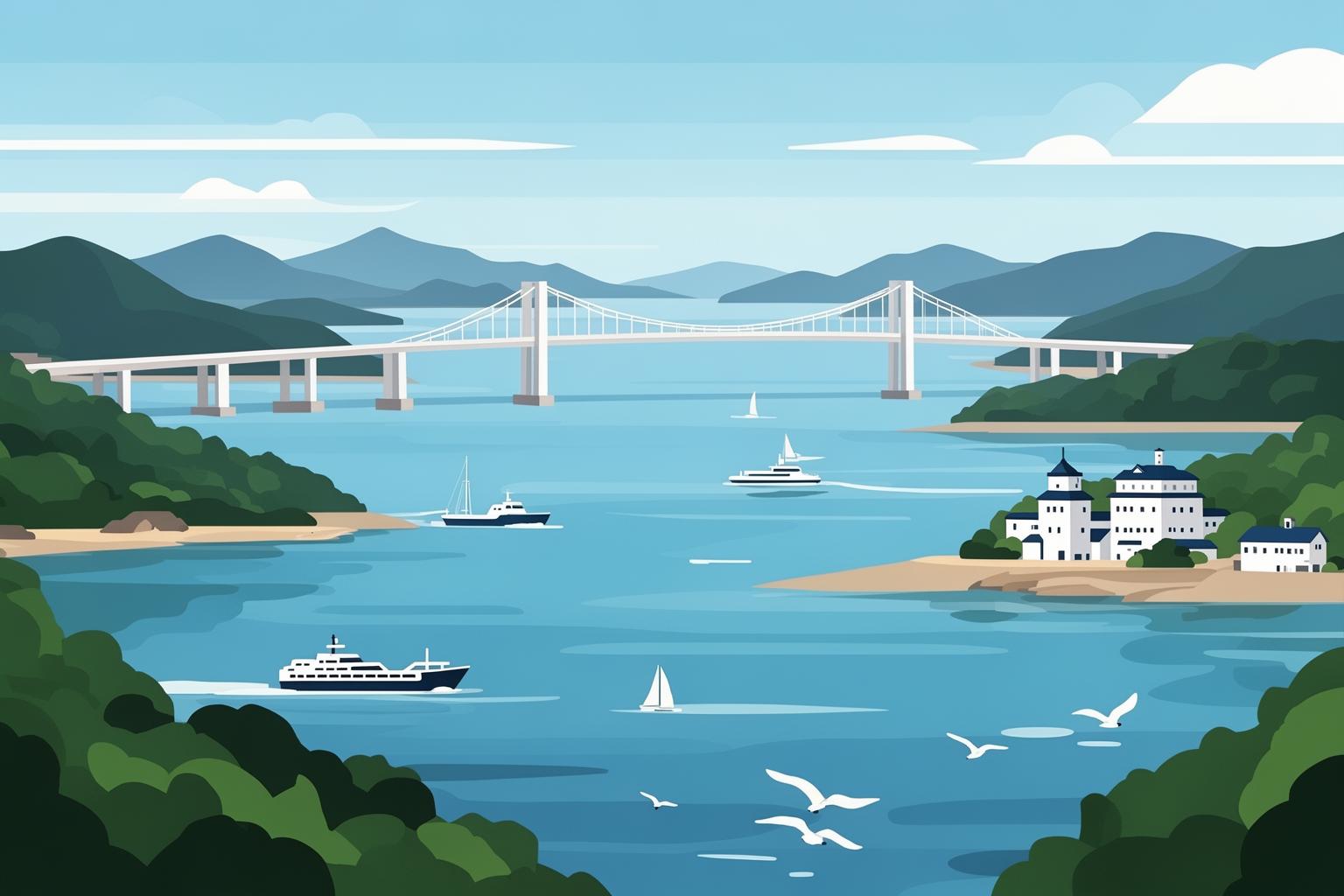
The first thing you notice on the Shimanami Kaido isn’t a sweeping vista or a magnificent temple. It’s the asphalt. It’s flawless. It’s incredibly smooth. Then you spot it: the Blue Line. This painted line on the ground serves as your North Star, your quiet guide throughout the entire 70-kilometer journey from Onomichi to Imabari. You simply cannot get lost. This isn’t by chance; it’s the opening chapter in understanding Japan’s approach to public infrastructure. It’s not just about functionality; it’s about the user experience, anticipating needs, and eliminating obstacles. The entire route exemplifies this philosophy, embodying a fundamental Japanese cultural value that often goes unnoticed.
The ‘Anshin’ Factor: Engineered Peace of Mind
In Japan, there’s a word: anshin (安心). It has no exact one-word equivalent in English. It combines peace of mind, relief, security, and confidence. It’s the feeling of knowing everything is taken care of, that you are safe and can relax because the system works. Anshin quietly underpins much of Japanese society, from the punctuality of trains to the cleanliness of public restrooms. The Shimanami Kaido distills anshin into infrastructure form. The Blue Line is the clearest example. It’s a simple, low-tech solution that completely removes the stress of navigation. You don’t need to constantly check your phone’s GPS or decipher confusing signs. You just follow the line. This frees your mind to focus on one thing: soaking in the experience. The thoughtful design extends to the bridge access ramps. These aren’t harsh, leg-burning staircases or steep, punishing hills. They are long, gently spiraling ramps that let you reach the height of these massive suspension bridges with minimal effort. This design is crucial. It democratizes the route. It says, ‘This experience is for everyone,’ not just elite cyclists in high-performance gear. It’s for families with children, elderly couples, and casual tourists on rented bikes. It’s an inclusive design that prioritizes comfort and accessibility over speed. This sharply contrasts with many Western outdoor experiences that often celebrate struggle and conquering nature. The Shimanami Kaido isn’t about conquest. It’s about harmony, about moving through a landscape with ease. Even small touches, like frequent clean bathrooms, well-stocked vending machines in remote areas, and clear distance markers showing how far to the next island, are all part of this web of anshin. The system is designed to catch you, support you, and ensure your journey is as smooth and stress-free as possible. It’s an invisible safety net woven into the very fabric of the ride.
Bridging Worlds, Literally and Figuratively
To truly understand the Shimanami Kaido, you need to know it was never intended to be a world-famous cycling route. That was a brilliant, fortunate accident. The real story lies in the bridges. They are the Honshu-Shikoku Bridge Project, one of the largest and most ambitious infrastructure undertakings in Japanese history. For centuries, the islands of the Seto Inland Sea were connected to the mainlands of Honshu and Shikoku only by ferry. This isolation drove depopulation as young people left for jobs in big cities and made economic life unstable. The bridges were a lifeline. They represented a monumental national effort to unify the country and bring the archipelago closer together. Construction took decades and cost billions. These aren’t just bridges; they are symbols of economic hope and national pride. Each is an engineering marvel. The Kurushima-Kaikyo Bridge is the world’s first triple suspension bridge. The Tatara Bridge was, for a time, the longest cable-stayed bridge in the world. They were constructed to withstand typhoons and earthquakes, showcasing Japan’s mastery over its often-hostile natural environment. The masterstroke was including a dedicated path for cyclists and pedestrians when these colossal structures were designed primarily for cars and trucks. It wasn’t just a painted lane on the shoulder of a highway. It was a completely separate, protected causeway. This decision reveals a Japanese planning philosophy that values quality of life and public access. They recognized these bridges weren’t just transport corridors; they were potential public spaces—viewing platforms to appreciate the stunning beauty of the Seto Inland Sea. By adding the cycling path, they transformed a purely utilitarian piece of infrastructure into a world-class recreational asset—a visionary move that has paid off a thousandfold, turning a string of quiet agricultural islands into a global tourism destination.
The Setouchi Vibe: Where Geography Shapes Culture
Once you find yourself on the bridges, suspended between sea and sky, you begin to sense the unique character of the place itself. This is not the dramatic, rugged coastline of the Pacific, but the Seto Inland Sea, or Setouchi. Often dubbed the ‘Mediterranean of Japan,’ a phrase that may sound clichéd, it nonetheless captures something essential. Here, the sea is calm, sheltered from the ocean’s wrath by surrounding landmasses. The climate is mild, the sunlight seems gentler, and the waters are dotted with over 700 islands, creating a maritime landscape that feels intimate and accessible rather than vast and intimidating. This distinct geography has nurtured a unique regional culture over thousands of years, and as you cycle from island to island, you’re literally pedaling through a living history book.
The Rhythm of the Islands: A Journey Through Micro-Cultures
The Shimanami Kaido is far from a uniform experience; it’s a chain of distinct worlds, each with its own character and rhythm. Your journey is an island-hopping adventure on two wheels, where the transition from one island to the next brings a noticeable shift in atmosphere.
Onomichi and Mukaishima: The Cinematic Beginning
You begin in Onomichi, a charming port town perched on a steep hillside, known for its maze of narrow alleys, numerous temples, and as a backdrop for countless Japanese films. The town has a nostalgic, slightly gritty, artistic vibe. After a brief ferry ride—considered the official and most atmospheric way to start—you arrive on Mukaishima, the first island. It offers a gentle introduction, a mostly flat ride serving as a warm-up, winding past residential neighborhoods and quiet shipyards. It feels like cycling through the suburbs, a soft transition from the ‘mainland’ mindset.
Innoshima and Ikuchijima: Pirates, Art, and a Citrus Burst
Next comes Innoshima, proudly proclaiming its history as the stronghold of the Murakami Kaizoku—the ‘pirates’ or, more precisely, naval lords who controlled the inland sea’s shipping lanes for centuries. Visitors can tour a reconstructed castle, a reminder that this placid sea was once a strategic, contested zone. Then you cross to Ikuchijima, where the atmosphere changes drastically. This is the lemon island. The air is sweet with citrus. Hillsides are blanketed with lemon groves, and everything—from local dishes to souvenirs—is lemon-themed. But Ikuchijima has another side: it’s also an island of art. Here stands the remarkable Kosanji Temple, a vivid, kaleidoscopic complex built by a wealthy industrialist in memory of his mother, featuring replicas of famous temples from across Japan. Nearby is the Hill of Hope, a sprawling fantasy landscape of pure white Carrara marble seemingly transported from Greece. It’s wonderfully bizarre and unexpected, highlighting the island’s quirky spirit.
Omishima and Hakatajima: The Spiritual Core and Salt of the Earth
Omishima, largest of the islands on the route, feels like its spiritual heart. It houses Oyamazumi Shrine, an ancient and powerful Shinto shrine dedicated to gods of the sea and mountains. For centuries, warriors and samurai came here to pray for victory, leaving armor and weapons as offerings. The shrine now holds Japan’s most significant collection of samurai weaponry and armor. The atmosphere here feels different—older, more solemn. It’s a place that demands respect. After encountering Omishima’s spiritual weight, you cross to the smaller Hakatajima, known for something far humbler: salt. Its salt-making industry is legendary, and tasting the local ‘Hakata salt’ soft-serve ice cream is a rite of passage for cyclists. This simple, elemental craft reconnects you to the fundamental realities of island life.
Oshima and the Final Push to Shikoku
Your last island before reaching Shikoku’s mainland is Oshima. It feels a bit more rugged, more demanding. Here lies the route’s biggest climb: the ascent to the Kirosan Observatory. The climb is tough, but the payoff is one of the most stunning panoramic views of the trip, overlooking the Kurushima-Kaikyo Bridge—a spectacular finale of three linked suspension bridges. This final crossing feels like a victory lap. As you descend into Imabari city on Shikoku island, a sense of accomplishment wells up that’s more than simply physical. You’ve crossed a sea, but you’ve also navigated a rich tapestry of culture, history, and nature. You’ve experienced the inaka (countryside) not as a static scene, but as a collection of living communities, each with its own story to share.
The Human Touch: Community as the Main Attraction
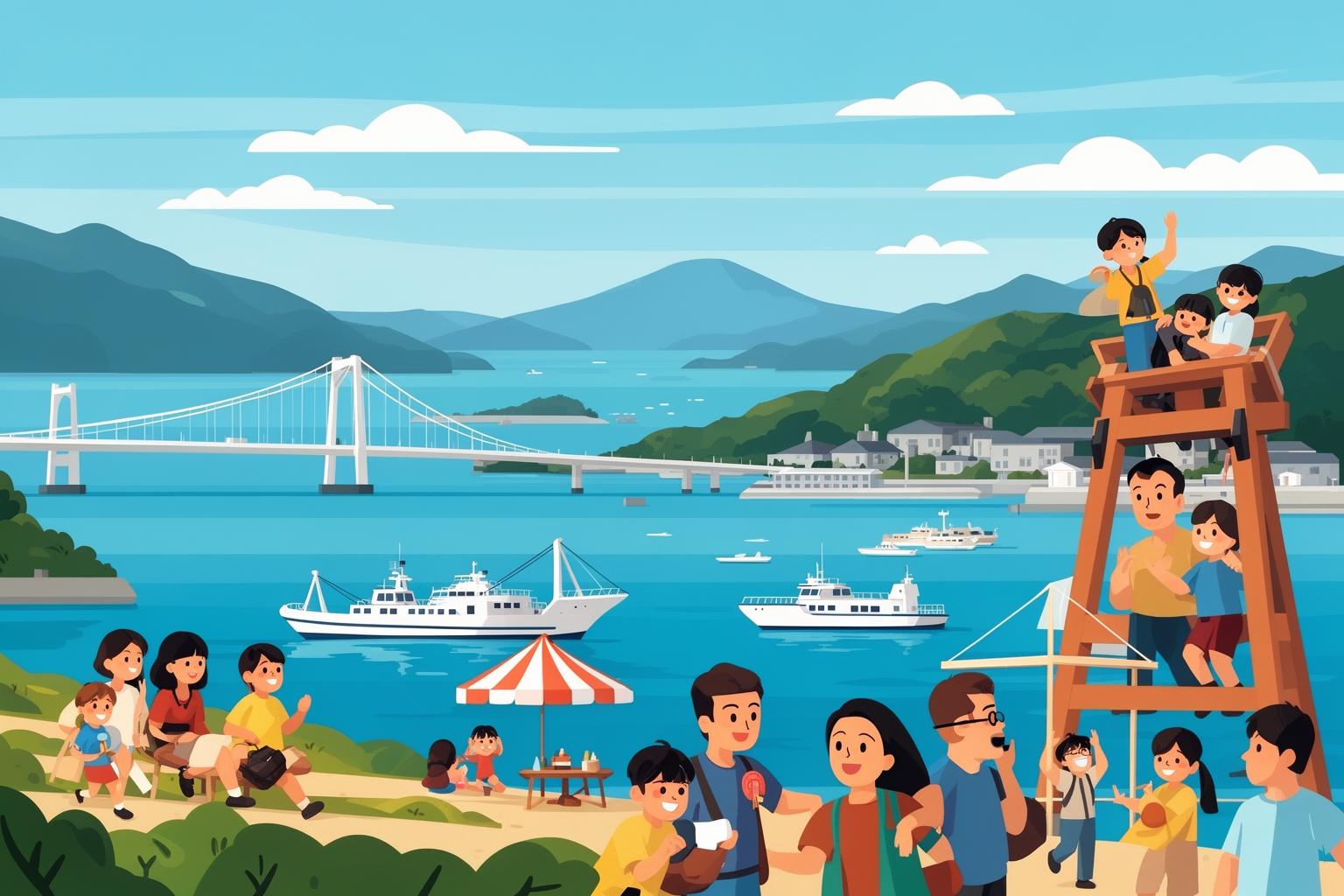
After some time, you come to realize that the most memorable aspect of the Shimanami Kaido isn’t the bridges or the scenery. It’s the people. It’s the small, steady, and overwhelmingly positive human connections you make along the way. The infrastructure forms the skeleton and the landscape is the skin, but the community is the warm, beating heart of the experience. You’re not merely a tourist passing through; you’re a guest welcomed into their home. And here, you get to experience two of Japan’s most defining cultural concepts up close and personal.
Omotenashi on Two Wheels
You’ve probably encountered the word omotenashi (おもてなし). It’s often translated as ‘Japanese hospitality,’ though that barely captures its full meaning. Omotenashi is a complex, deeply embedded cultural practice. It’s a selfless, anticipatory kind of hospitality where the host goes to great lengths to understand and meet the guest’s needs before the guest even asks. It’s carried out gracefully and without expectation of reward or even a ‘thank you.’ It’s about crafting the perfect experience for the guest. Along the Shimanami Kaido, omotenashi is everywhere. It’s in the way the staff at the Giant rental shop in Onomichi carefully adjusts your seat height and explains the route, genuinely wanting you to have a safe and comfortable ride. It’s the elderly man tending his orange grove who smiles warmly and gives you a deep, respectful bow as you pedal by. It’s the owner of a tiny coffee shop who offers a small, complimentary sweet treat with your drink, simply because. It’s the guesthouse host who, upon hearing your plans, pulls out a hand-drawn map to reveal a secret path for a better sunset view. These aren’t grand gestures but small, quiet acts of profound kindness. There’s a strong sense of local pride. The residents know they live in a special place, and they serve as its ambassadors. They see it as both their duty and pleasure to make sure you love it as much as they do. This is more than good customer service; it’s a way of life, a cultural ethos that elevates your entire journey.
The ‘Unmanned’ Trust System: A Social Contract in Action
Then you notice it, and for many non-Japanese visitors, it’s a moment of genuine cultural surprise. A small wooden stand by the roadside, stacked high with bags of lemons, oranges, or fresh vegetables. A sign displays the price—100 yen (less than a dollar)—and there’s a small, open box with some change inside. No one is there. This is the mujin hanbaijo (無人販売所), the unmanned stall. The concept is simple: take what you want, and leave the correct amount of money in the box. If you need change, you make it yourself from the cash already inside. This system can be confusing to people from low-trust societies. Your first thought might be to look for a hidden camera or wonder why nothing is stolen. But that misses the point. The unmanned stall isn’t an invitation to steal; it’s an invitation to participate in a high-trust society. It works on principles of collective goodwill and shared responsibility. The farmer trusts you, a stranger, to be honest. By being honest, you affirm that trust and strengthen the social fabric for the next person. Leaving your 100 yen coin in the box is a small gesture, but an incredibly powerful one. You are actively engaging in the culture. It makes you feel connected, like a temporary member of the community helping to uphold its values. These little stalls are more than just places to buy a cheap snack; they are profound lessons in Japanese social philosophy, exemplifying a level of societal trust that many find to be the most remarkable sight along the entire route.
The Culinary Pit Stops: Fueling Your Ride, Japanese Style
Any long bike ride demands fuel. But on the Shimanami Kaido, refueling isn’t about forcing down synthetic energy gels or stale protein bars. The food here is a vital part of the journey, deeply connected to the landscape you’re traveling through. Each island boasts its own unique culinary specialties, or meibutsu (名物), famous local products. Eating along the Shimanami isn’t just about calories; it’s about savoring the terroir and engaging directly with local agriculture and fisheries. The philosophy of chisanchisho (地産地消)—local production for local consumption—isn’t a trendy farm-to-table idea here; it’s a time-honored tradition.
More Than Just a Snack Break
Your palate embarks on a journey alongside your body. On Ikuchijima, known as ‘Lemon Island,’ you must try the salt lemon ramen at Ramen Tachibana. It’s a revelation—a savory, rich broth brightened by the sharp, fragrant zest of locally grown lemons. The island also hosts Dolce, a renowned gelato shop offering flavors like Setoda Lemon and Hakata Salt. It’s the perfect cyclist’s reward—a sweet, refreshing taste of the island’s essence. As you near Imabari, the focus shifts to seafood. The Seto Inland Sea is famous for its sea bream (tai). A bowl of tai-meshi—fluffy rice cooked with tender sea bream pieces in a delicate dashi broth—is essential tasting. Octopus (tako) is also prevalent, often grilled on skewers or served as tempura. You’re consuming the very bounty of the sea you’re cycling over, a powerful connection indeed. And of course, there’s citrus. Along the route, especially in autumn and winter, you’ll find stands selling numerous varieties of mikan (mandarin oranges) and other citrus fruits. Buying a small bag and peeling one open as you pause by the sea, the sweet mist blending with salty air, is a simple, perfect pleasure. These aren’t just snacks; they are edible postcards from Setouchi.
The Vending Machine Oasis and the Konbini Lifeline
Beyond local specialties, the Shimanami Kaido is supported by two pillars of modern Japanese convenience culture: vending machines and konbini. The ubiquity of vending machines (jidohanbaiki 自動販売機) in Japan is astonishing. On the Shimanami, they serve as welcome hydration stations. Even in what feels like the most remote part of an island, you’ll turn a corner to find a gleaming vending machine offering a broad array of hot and cold drinks. On a scorching summer day, grabbing an ice-cold sports drink or bottled green tea feels like a true lifesaver. Their presence exemplifies anshin—the reassurance that your basic needs will always be met. Equally important is the konbini, or convenience store. But erase any image of a grim, depressing convenience store from your mind. Japanese konbini like 7-Eleven, FamilyMart, and Lawson are bright, impeccably clean, and stocked with an incredible variety of high-quality food. You can find excellent onigiri (rice balls), fresh sandwiches, bento boxes, fried chicken, and even freshly brewed coffee that rivals many coffee shops. For a cyclist, the konbini is an ideal pit stop—a place to use a clean restroom, grab a reliable, tasty meal, and rest for a moment in air-conditioned comfort. They aren’t a culinary fallback; they’re a respected and essential part of Japan’s food culture and a vital element of the support system that makes the Shimanami Kaido so accessible.
So, Why Does the Shimanami Kaido Hit Different?
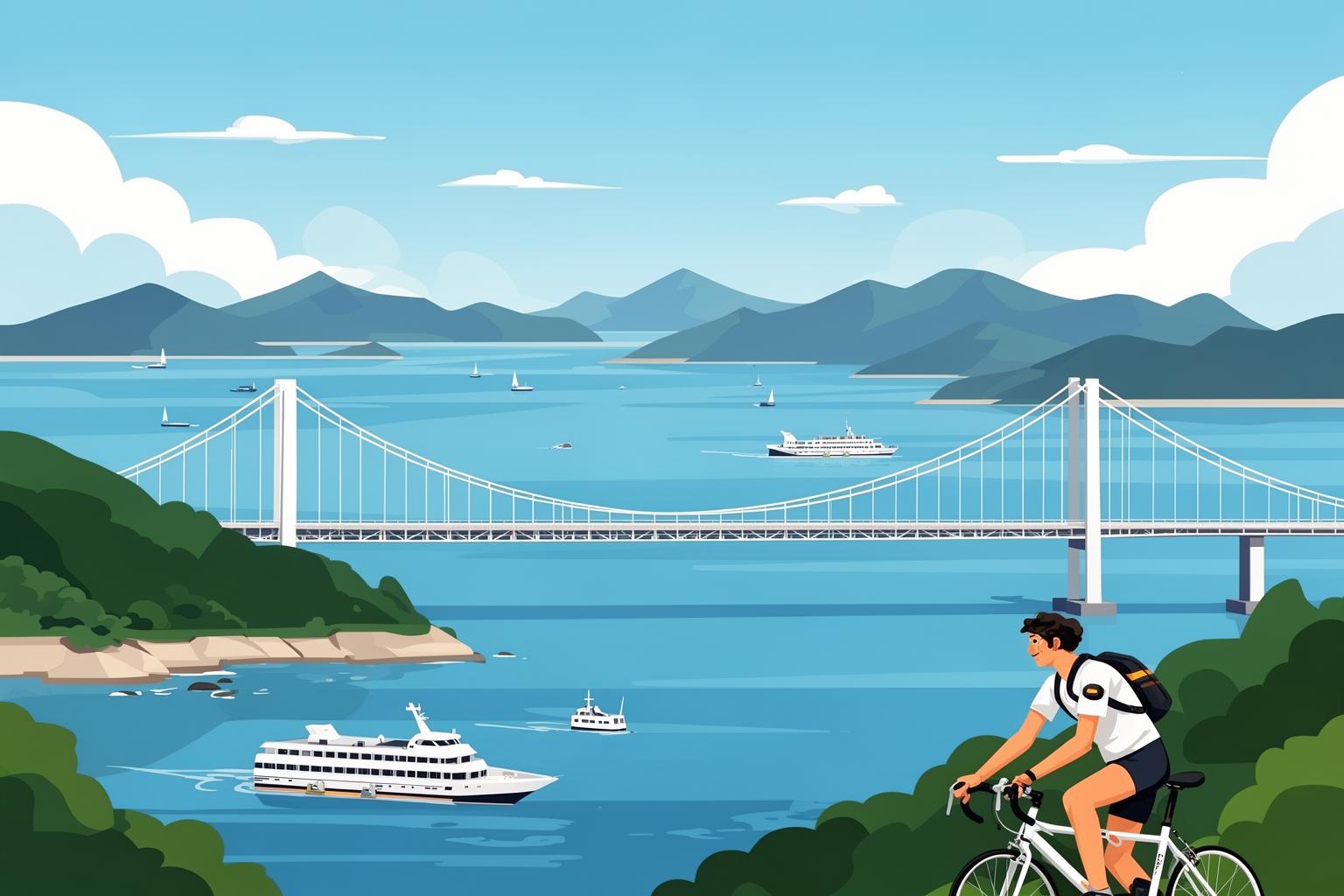
So, we return to the initial question: why does this ride feel so extraordinary? What exactly is the essence of this ‘Scenic Serenity’ vibe? It’s not a single factor. It’s the harmonious symphony created by all these elements working together. It’s the sensation of complete freedom and safety that comes from following the simple Blue Line, trusting that the carefully designed, anshin-focused infrastructure supports you. It’s the wonder you experience standing on a multi-billion-dollar suspension bridge, aware that you are traveling on a piece of visionary nation-building. It’s the gentle pace of island life, the gradual unveiling of each island’s distinct history and character, from pirates to poets to priests. It’s the heartfelt warmth of omotenashi, the small, selfless acts of kindness from a community genuinely delighted to welcome you. It’s the subtle excitement of dropping a 100-yen coin into an honesty box, becoming part of a high-trust society. It’s the flavor of salt lemon ramen or freshly picked mikan, tastes deeply connected to the surrounding soil and sea. The Shimanami Kaido is more than just a bike path. It is a carefully crafted experience. It is a rideable microcosm showcasing the best of Japan. It flawlessly combines the ultra-modern (the engineering feats of the bridges) with the deeply traditional (the ancient shrines and timeless hospitality). It invites you to engage with the culture not as a passive onlooker, but as an active participant. It answers the question, ‘Why is Japan like this?’ by allowing you to feel the answer in your legs, your stomach, and your heart. You might come for the stunning bridge photos you saw on Instagram, but you’ll leave with something far richer: a feeling. A feeling of profound peace, deep connection, and a quiet, soul-stirring serenity. And that, my friend, is a vibe you can neither filter nor fake. It’s the real deal, waiting for you between those bridges. Straight up.