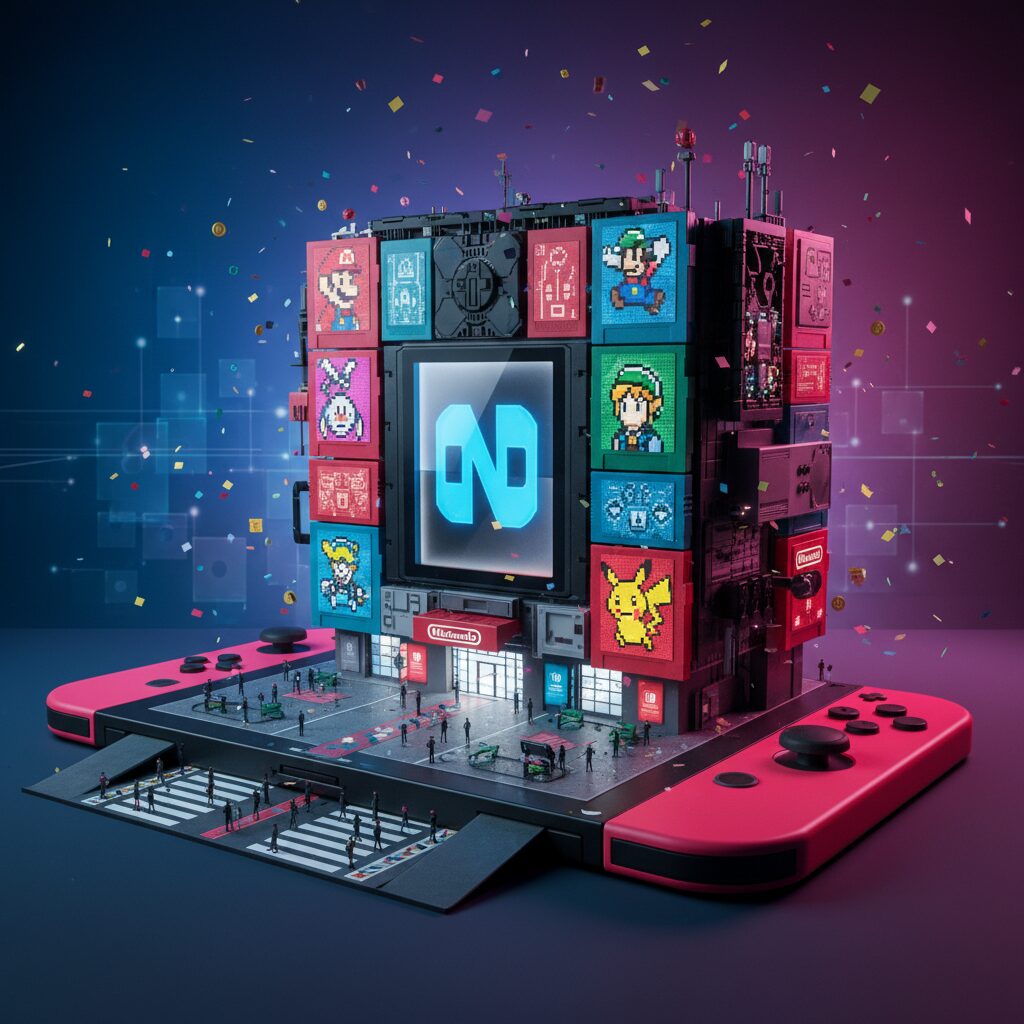
Yo, what’s the deal? It’s Megumi, coming at you live from the neon-soaked heart of Tokyo. You’ve probably seen it on your feed, right? The massive Mario statue, the walls of pastel-colored plushies, the lines of people snaking out the door like a real-life game of Snake. The Nintendo TOKYO store in Shibuya. It looks epic, maybe even a little overwhelming. You scroll through the pics and think, “Okay, it’s a store. A really, really cool store, but is it worth the hype? Is it worth dedicating half a day of a precious Tokyo trip to what’s basically a high-level merch quest?” And that’s the real question, isn’t it? You see this place online and it looks like the final boss level of shopping, but you’re skeptical. You’re wondering why a simple retail space generates the same energy as a sold-out concert. Why do people wait for hours, sometimes just for the chance to get in? It feels… extra. And you’re right, it is. But to get why it’s so extra, you gotta understand that Nintendo TOKYO isn’t just a store. It’s a cultural phenomenon, a physical manifestation of some deep-seated Japanese vibes. It’s less about just buying a Zelda hoodie and more about participating in a modern-day pilgrimage. It’s a concentrated dose of what makes Tokyo, well, Tokyo. It’s where consumerism, nostalgia, and an almost religious level of dedication collide. So, before you write it off as just another tourist trap or get lost in the hype, let’s break it down. Let’s decode the cultural software running in the background of this real-world RPG. This isn’t a guide on what to buy. This is the strategy guide for understanding why this place even exists in the way that it does. It’s time to press start.
To fully grasp this phenomenon, it helps to see how this intense, dedicated energy extends to other facets of Japanese gaming culture, like the competitive spirit found in Japan’s legendary arcade battle arenas.
The First Level: Why the Line is Part of the Game
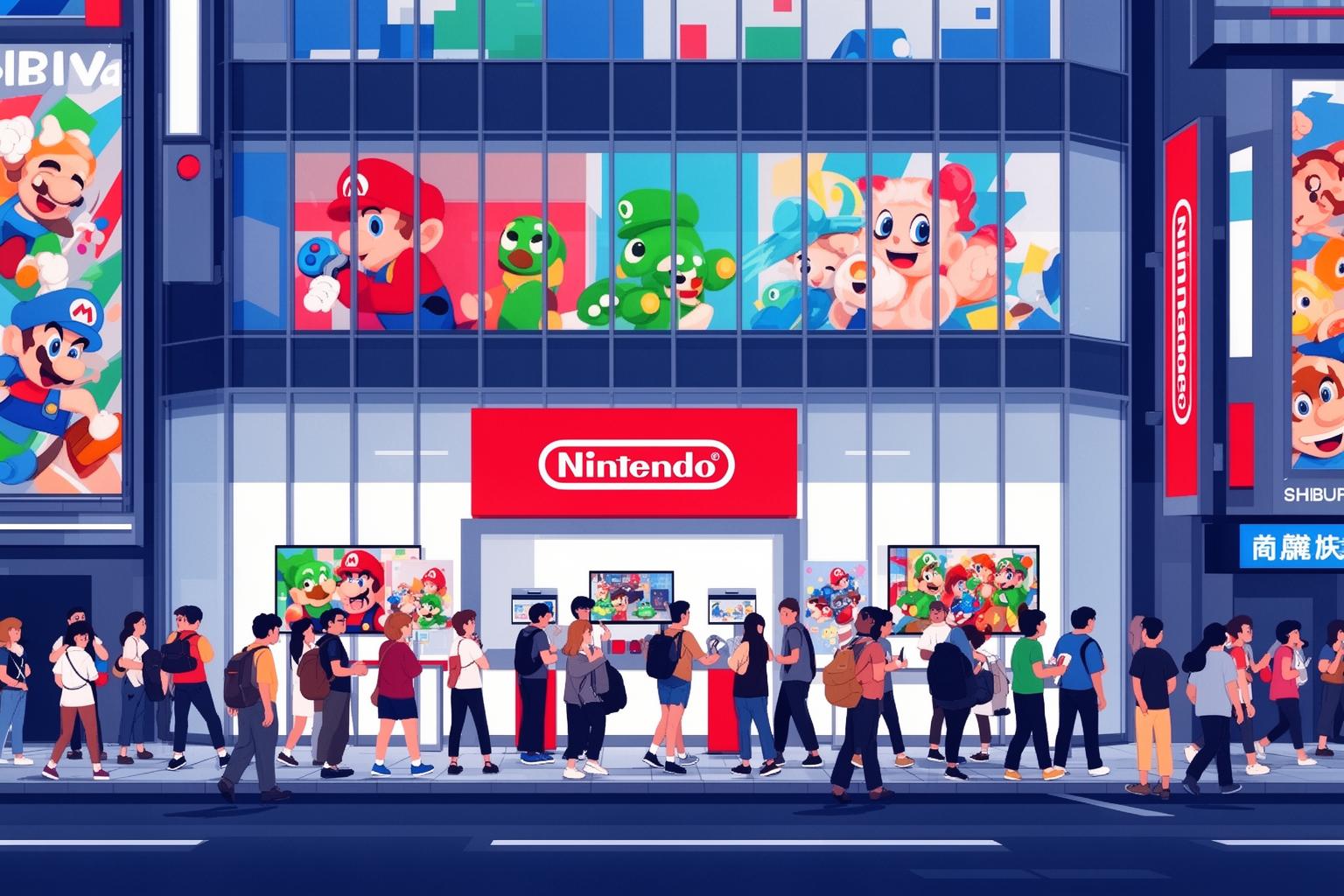
First things first, let’s discuss the queue—the infamous, often hours-long line. Or, if you’re fortunate, the digital queue where you scan a QR code to receive a timed entry ticket for later in the day. Your Western brain might shout, “This is inefficient! This is poor customer service!” But hold on. In Japan, queuing isn’t merely a necessary hassle; it’s an essential part of the experience. It’s a cultural ritual. To truly grasp the line at the Nintendo Store, you need to understand the concept of hatsubai (発売), or “release day.” For decades, the launch of a major product in Japan, especially a video game, has been a significant cultural event. I’m referring to the legendary lines for new Dragon Quest games in the 80s and 90s, where thousands of people would skip school and work, lining up overnight. The government even reportedly asked the game company to release future titles on weekends to prevent this. This wasn’t just about obtaining a game. It was about community, shared anticipation, and the collective experience of being the “first.” It was a public declaration of your passion. The line itself became the pre-party. You’d make friends, discuss strategy, and soak in the shared energy of a thousand other fans who got it. This behavior is deeply ingrained in Japanese consumer culture. It isn’t viewed as a waste of time but rather as an investment in the overall experience. The wait builds excitement. It filters out the casual visitors. By the time you enter, you’ve earned it. The store is your reward. The timed ticket system at Nintendo TOKYO is a modern, more organized version of this. It recognizes that demand is so high it needs to be managed, while still preserving the sense of a special event. Securing that ticket with a time slot feels like you’ve been invited to an exclusive party. It’s not a flaw in the system; it’s a cultural feature. It turns a simple shopping trip into a quest with a clear objective: gain entry. When you finally walk through those doors, you’re not just a customer; you’re a player who has cleared the first stage.
The Sacred Space: From Shrine to Store
So, you’re in. You’ve defeated the first boss, the queue. You step inside, and it hits you—the music, the lights, the giant statues of Link and Mario. It’s overwhelming, a sensory overload. Here, you must shift your mindset from “retail” to “ritual.” Think of the store less like a Best Buy and more like a modern-day shrine or festival, a matsuri. As an event planner, I see this everywhere in Japan. We have a talent for transforming ordinary spaces into places of special significance. In Shintoism, Japan’s indigenous religion, certain places are designated as sacred. A simple rope, a shimenawa, can mark a tree or rock as the dwelling place of a god, a kami. The entrance to a shrine, the torii gate, symbolizes the transition from the mundane world to the sacred. The Nintendo TOKYO store applies the same principles but replaces religion with pop culture. The entrance to the Shibuya PARCO building’s 6th floor acts as your torii gate. Once you step onto that floor, you’ve entered a special zone dedicated to the gods of gaming. The giant character statues aren’t just cool decorations; they’re the modern equivalent of sacred objects, the goshintai, found at a shrine. People don’t just walk past them; they stop, take pictures, and pose with them. It’s a form of reverence. They pay respect to the characters who shaped their childhoods. The store is carefully designed to be a pilgrimage site. Every corner is a photo opportunity, a chance to capture a tangible memory of your visit. This taps into another deep cultural concept: omoide (思い出), or memory. The store isn’t just selling products; it’s offering you a piece of your own past, beautifully gift-wrapped and ready to take home.
The Currency of Cool: Why Limited Edition is the Only Edition
Now, let’s dive into the merch. Here, you’ll find items you simply cannot get anywhere else in the world: T-shirts with one-of-a-kind designs, stationery sets inspired by obscure game elements, plushies of characters you might barely recall. Everywhere, you’ll notice one word in bold: gentei (限定). Limited edition. This is the magic term in Japanese retail, fueling the hype around places like Nintendo TOKYO. In many Western cultures, a limited edition product is a pleasant bonus; in Japan, it’s often the main attraction. The fascination with gentei stems from several factors. First, it’s about place. Japan is a nation of hyper-regionalism—you can travel just two hours by train and encounter a completely different dialect, cuisine, and local crafts. This regional uniqueness extends to consumer goods. Consider the hundreds of KitKat regional flavors—wasabi, sweet potato, red bean—that are only available in particular prefectures. They serve as proof that you’ve been there. They are a type of omiyage, or souvenir, imbued with a story. The gentei items at Nintendo TOKYO work in the same way. Owning a Shibuya-exclusive Splatoon keychain is more than just having the keychain—it’s a badge. It declares, “I was here. I made the pilgrimage. I waited in line.” It’s a status symbol among fans, a piece of social currency. Secondly, it ties into a cultural appreciation for seasonality and ephemeral moments. Traditional Japanese culture embraces ideas like mono no aware, a gentle sadness for the impermanence of things, famously associated with cherry blossoms. Their beauty lies in their fleeting nature. The gentei item is the commercial embodiment of this. It’s available now, but it will disappear soon. This creates an intense sense of urgency. You don’t just want the product; you feel you must get it before the chance vanishes forever. It’s a crafted moment of ichi-go ichi-e, meaning “one time, one meeting.” This particular collection, in this specific store, at this exact moment, will never come again. So, when you find yourself in the store suddenly desperate to buy that oddly specific Animal Crossing teacup set you’ll probably never use, this explains why. You’re being hit with a one-two cultural punch: the desire for a proof-of-visit omiyage and the fear of missing out on a fleeting gentei moment.
Character Worship: The ‘Kawaii’ Code
Now let’s focus on the products themselves. It’s an ocean of character goods, or kyarakutā guzzu (キャラクターグッズ) as they call them. You’ll see adults—men and women in business attire on lunch break—giggling over a Kirby plushie or carefully selecting a Pokémon phone case. To an outsider, this might seem childish, as character-branded items are often seen as children’s goods outside Japan. But in Japan, the connection with characters is fundamentally different. Characters aren’t just for kids; they’re for everyone. This is a key piece of the cultural puzzle. Why? A big part of it is the concept of kawaii (かわいい), or “cute.” But kawaii means much more than “cute.” It’s a whole aesthetic and cultural value system. It represents a gentle, non-threatening, welcoming form of communication. In a society that values harmony and indirectness, characters can convey emotions and ideas in a soft, approachable way. Even government agencies use cute mascots to explain new tax regulations. Police departments have their own adorable characters. It’s a visual shorthand that smooths the workings of a complex society. For individuals, embracing kawaii and character goods allows them to express a part of their personality—their honne (true feelings)—in a world that often demands a public façade, or tatemae. That serious-looking salaryman with a tiny Pikachu charm on his briefcase isn’t being childish; he’s adding a small, personal touch of joy and self-expression to his otherwise uniform appearance. It’s a subtle rebellion against the conformity of adult life. It’s also a form of iyashi (癒し), or healing. The simple, innocent world of a character like Kirby offers a brief mental escape and comfort from the pressures of work and social obligations. The Nintendo Store, then, is the ultimate temple of iyashi—a safe haven where people of all ages and genders are free to embrace the happiness and comfort these characters bring. It’s a collective sigh of relief, a place to recharge emotionally by reconnecting with the uncomplicated heroes of their youth.
The Final Boss: The Checkout Counter
After you’ve battled through the crowds—which feels like a multiplayer mini-game in itself—and filled your basket with gentei treasures and nostalgic tokens, you face the final boss: the checkout line. It’s long, naturally, but it also highlights Japanese efficiency and politeness. Here, the retail experience itself becomes part of the attraction. The staff are expertly trained. They greet you with a chorus of “Irasshaimase!” (Welcome!). They handle your items as carefully as fine china, not just rubber keychains. They carefully bag your purchases, sealing the bag with a branded sticker. If it’s raining, they may even slip a small plastic cover over your paper bag’s handles. This is all part of the omotenashi (おもてなし) concept, often translated as “hospitality” but much deeper than that. It’s an unspoken, intuitive understanding of a guest’s needs and the proactive effort to meet them without being asked. It’s an art form. While you focus on completing your purchase, the staff focus on finishing your pilgrimage experience. The final checkout is the closing ceremony of the ritual. The politeness, care, and meticulous wrapping are all designed to make you feel appreciated and to honor the time and effort you spent coming here. It transforms your purchase from a simple commercial transaction into a cherished memory. You don’t just leave with a bag full of items; you leave feeling well cared for, as if you’ve completed something special. The final boss isn’t a fight against a monster—it’s a battle against your own wallet, helped along by a system crafted to make spending your money a joyful experience.
So, Is It Worth It? The Real vs. The Expectation
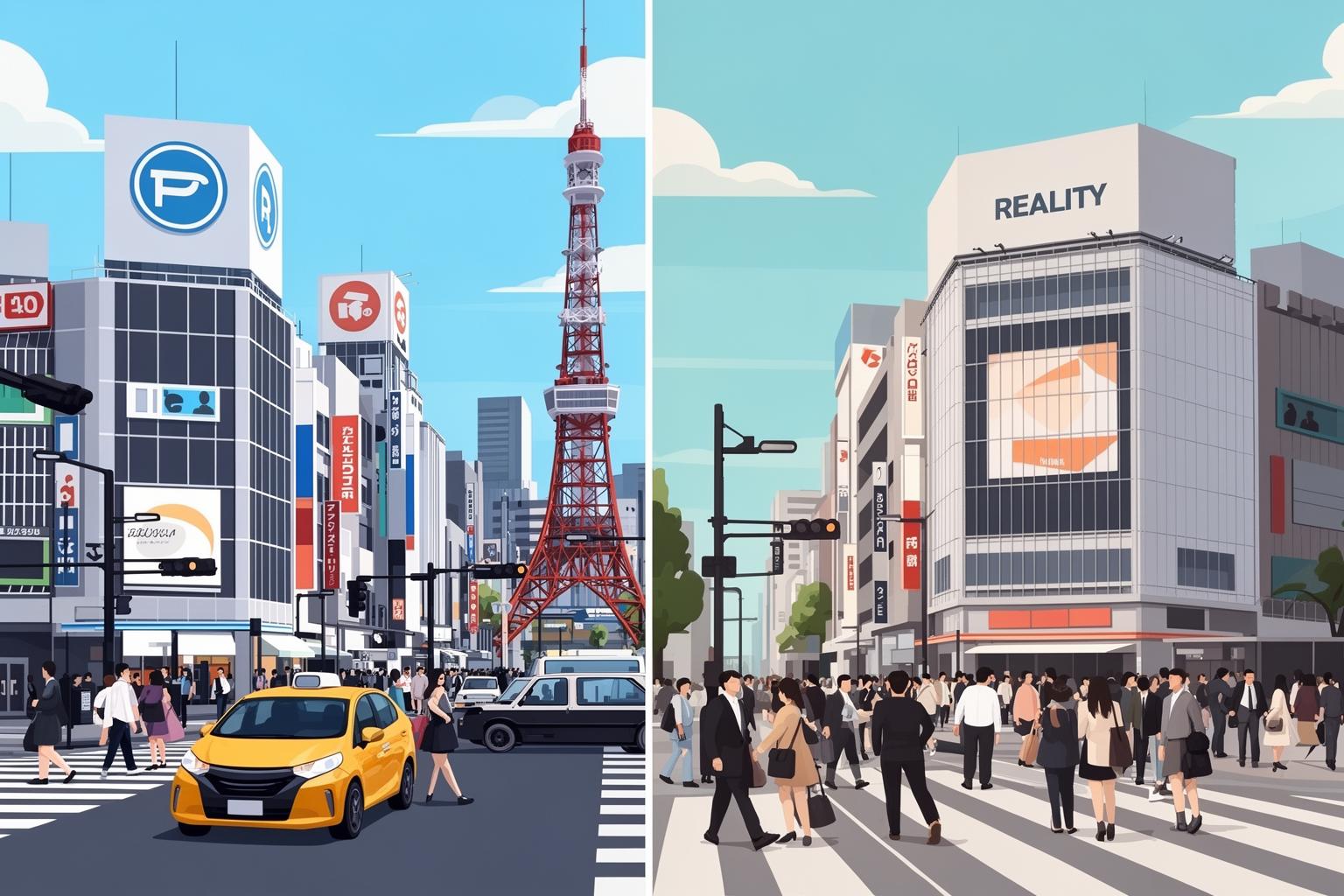
We’ve come full circle. You see the reels, you see the hype, and you wonder, “Is the Nintendo Store in Shibuya really worth it?” The answer depends on what you’re seeking. If you expect a quick, straightforward shopping trip where you can drop in, grab a Mario shirt, and be out in ten minutes, then definitely not. You’ll end up frustrated, disappointed, and feeling like it was a huge waste of time. Your idea of what a “store” should be won’t align with the reality. But if you approach it as a cultural deep-dive, a living museum of contemporary Japanese consumerism, and an immersive event, then it’s absolutely worth it. It’s worth it if you’re curious about why people queue up, why limited-edition items carry such power, and why adults openly display passionate fandom for video game characters. Visiting the Nintendo Store isn’t just about the destination; it’s about the entire experience. It’s about securing the timed ticket, sensing the energy of the crowd, admiring the meticulous craftsmanship of the displays, appreciating the omotenashi at checkout, and walking away with a gentei item that embodies that whole experience. You’re not simply buying a product; you’re buying the story that comes with it. The store perfectly encapsulates the Tokyo experience: it’s crowded, a carefully managed chaos, technologically advanced yet steeped in traditional customs, and unapologetically obsessed with its own pop culture. It’s a masterclass in how Japan has refined the art of commodifying nostalgia and community. It’s a theme park in disguise, and you need to be ready to buy the ticket and enjoy the ride. If you can do that, you won’t just leave with a cool souvenir—you’ll depart with a much deeper understanding of the cultural code that drives Japan. Game on.