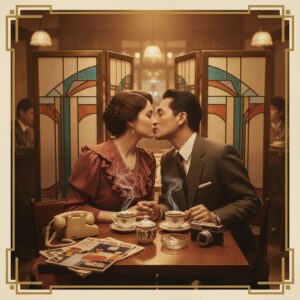
Hey fam! It’s Sofia. So, let’s talk about something you’ve probably seen scrolling through your Japan-inspo feeds. You’ve seen the Blade Runner-esque, neon-drenched future-scapes of Tokyo, right? But then you see these other spots. Places that look like they’ve been teleported straight out of a 1970s movie set. I’m talking dark wood paneling, plush velvet seats in shades of burgundy or forest green, ornate lamps casting a moody, golden glow, and the air thick with the smell of dark coffee and maybe… a hint of tobacco smoke? You see a lone salaryman reading a newspaper, a couple whispering over technicolor drinks topped with ice cream, and a serious-looking man in a waistcoat meticulously brewing coffee in some wild glass contraption. You’ve stumbled upon a kissaten (喫茶店), and your first thought is probably, “What is this place? Is it a cafe? A bar? A museum?” And more importantly, in a country obsessed with the new and the next, why do these time capsules not only exist but are actually cherished? It’s a total vibe, but it’s also kinda confusing. It’s not just about a retro aesthetic for the ‘gram; it’s a living, breathing piece of cultural history. It’s a peek into the heart of a bygone era that still defines so much of modern Japan. So, grab a seat, we’re about to spill the tea—or in this case, the siphon coffee—on the world of the Japanese kissaten. This isn’t just a guide to cute cafes; it’s an answer to why Japan holds onto its past so beautifully, even as it rockets into the future.
While kissaten offer a unique retro escape, they are just one facet of Japan’s incredibly diverse aesthetic cafe culture.
What Even is a “Kissaten”? It’s Not Just a Coffee Shop, Fam
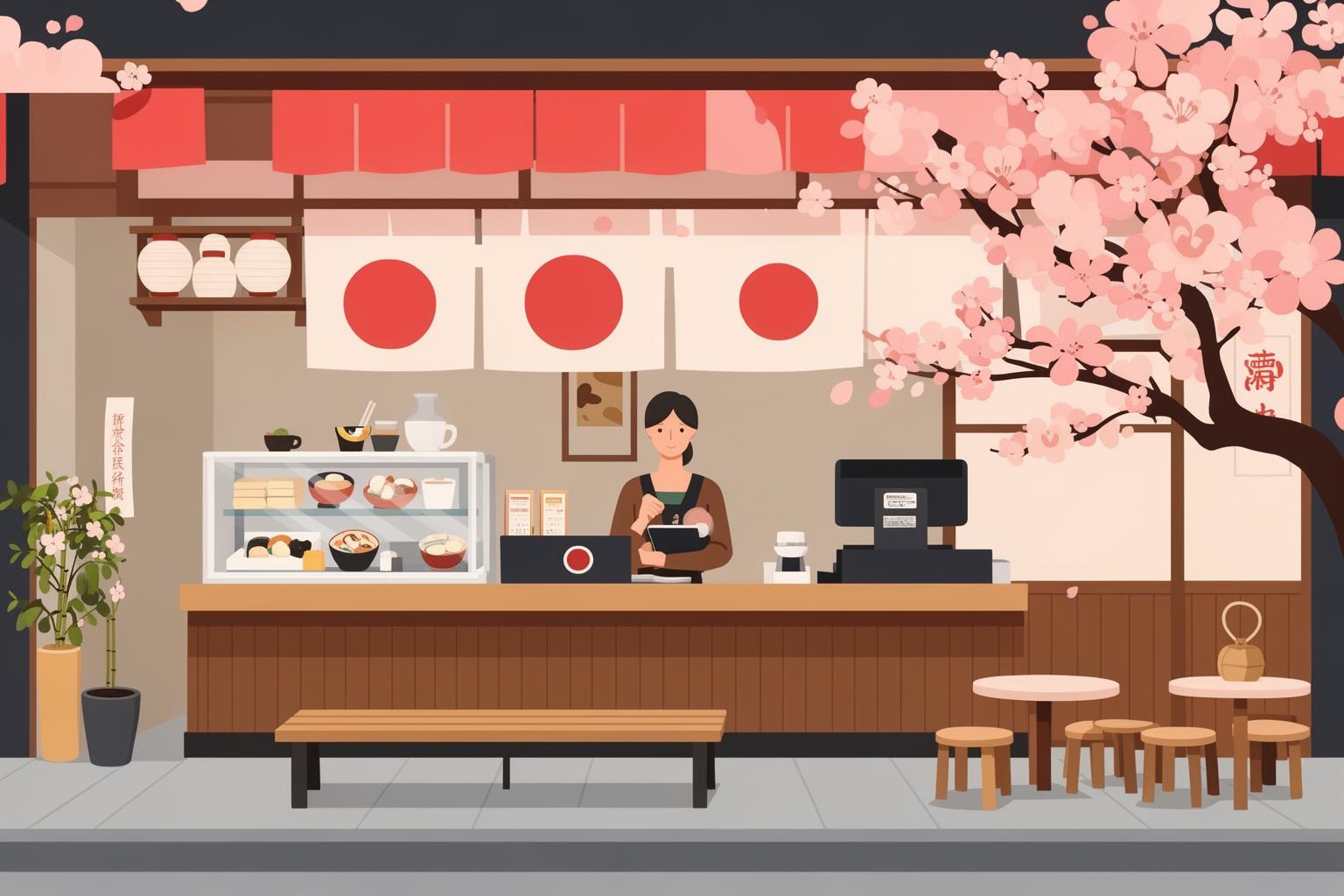
Alright, first things first: let’s clarify the terminology because it’s essential. A “cafe” (カフェ) in Japan is much like what you’d find anywhere else in the world—bright, airy spaces, latte art, avocado toast, free Wi-Fi, and people tapping away on their MacBooks. It’s a spot for a quick caffeine fix, a casual lunch, or some co-working time. A kissaten, however, belongs to a completely different realm. The term literally means “tea-drinking shop,” reflecting its origins as a place to savor non-alcoholic drinks in an elegant setting. Yet, its modern essence centers around coffee.
The core difference isn’t the menu but the space’s purpose. You don’t visit a kissaten to be productive. In fact, many traditional establishments display signs politely banning laptops or extended work sessions. It’s not a place for loud socializing with a big group of friends either. You go to a kissaten to escape. Sociologists call it a “third place”—neither home nor work—but in Japan, it’s a very distinct kind of third place. It’s a haven for quiet reflection, a refuge from the city’s relentless energy. The moment you push open its heavy wooden door, often accompanied by a softly jingling brass bell, you enter a different dimension where time slows down. The outside world, filled with deadlines and notifications, fades away. The focus shifts to the ambiance, the ritual, the sensory experience. It’s about the deep, rich aroma of dark-roast coffee, the nearly silent clink of a ceramic cup on its saucer, the soft murmur of conversation from a distant booth, and the measured, unhurried rhythm of everything. It’s a vibe that urges you to slow down, be present, and simply exist in the moment. In a world obsessed with speed and efficiency, the kissaten celebrates leisure and intentional stillness. It’s a business model that seems almost illogical in the 21st century, yet its endurance reveals much about what Japanese culture truly values beneath the surface of its high-tech society.
The Showa Vibe Check: Why Japan is Obsessed with This Retro Aesthetic
To truly understand the kissaten, you need to grasp the Showa Era (昭和時代, 1926–1989). This period is more than just history; it serves as a foundational myth for modern Japan. It was an era marked by immense turbulence and transformation, spanning pre-war militarism, the devastation of World War II, and the subsequent, almost miraculous, post-war economic boom. The kissaten we cherish today primarily emerged from that post-war boom, especially between the 1950s and 1970s. During this time, Japan was rapidly rebuilding and modernizing, drawing cultural and aesthetic inspiration from the West, particularly America and Europe. However, they didn’t merely imitate; instead, they crafted a uniquely Japanese interpretation of Western cool.
A Window to the West
For the average Japanese person in the mid-20th century, the West was an aspirational, almost fantastical idea, largely experienced through movies and magazines. The kissaten materialized as a tangible expression of that fantasy. They were designed to feel luxurious, sophisticated, and exotic. This is the source of their signature aesthetic. The dark, polished wood, heavy velvet or leather upholstery, stained-glass accents, ornate brass lighting fixtures, and Tiffany-style lamps weren’t arbitrary design choices. They formed a carefully curated assortment of elements that, to the Japanese eye at the time, symbolized Western elegance and prosperity. These spaces allowed people to feel worldly and cultured—a place to see and be seen. Listening to classical music or American jazz on a high-fidelity sound system while sipping coffee represented the height of modern urban sophistication. It was an accessible luxury, enabling ordinary people to partake in the nation’s newfound optimism and economic strength.
Nostalgia for a Golden Age
Why does this particular aesthetic endure? Because the Showa era, especially the high-growth period, is remembered as a golden age. It was an era characterized by stability, guaranteed lifetime employment, and a shared sense of national purpose and progress. For younger generations who did not experience it firsthand, the Showa aesthetic evokes a romanticized, analog past—a world before the internet, before the economic stagnation of the “Lost Decades,” and before life became so complicated and uncertain. It feels warm, human-scaled, and genuine. The slightly faded velvet, the minor scuffs on wooden tables, the gentle patina on brass fixtures—these are not imperfections. They are proof of a life lived, a history you can literally touch. In a culture that can sometimes feel sterile and overly polished, the tangible, slightly worn comfort of a Showa-era kissaten holds deep emotional appeal. It’s more than just retro; it’s a reassuring connection to a time perceived as simpler and more hopeful. Preserving a kissaten is, in essence, preserving a piece of that shared memory.
The Master’s House: Unpacking the Kissaten Social Code
One of the most distinctive—and to outsiders, most perplexing—features of a true kissaten is the presence of the “Master” (マスター, masutā). This figure is neither a manager nor a head barista. The Master is the owner, the curator, the very spirit of the establishment. Usually a man (though female “Madams” are also found), often of a certain age, he has devoted his life to this singular craft. He stands as the silent, watchful guardian of the space, his presence shaping the entire atmosphere.
The Silent Host
Upon entering a classic kissaten, you’ll likely find the Master behind a long wooden counter. He may wear a crisp white shirt, sometimes accompanied by a bowtie or waistcoat. Unlike at a chain store, he won’t greet you with an enthusiastic “Welcome!” but might offer a quiet nod or gesture toward a seat. His movements are deliberate, efficient, and imbued with a quiet dignity. He polishes glasses with intense concentration, measures coffee beans with the precision of an apothecary, and handles the siphon or pour-over equipment with a ritualistic grace honed over decades. He rarely indulges in idle small talk. His role is not to befriend customers but to serve as the steady anchor of the sanctuary he has crafted. You are a guest in his domain, where an unspoken agreement calls for you to respect the haven he has created. This is why you instinctively lower your voice and move with calm intention. The Master’s quiet authority acts as an invisible barrier that shields the space from the outside world’s chaos.
A Space for the Individual
This dynamic shapes the social etiquette of the kissaten. Primarily, it is a place for individuals or quiet pairs. Historically and today, it serves as a refuge for salarymen on their breaks, writers in search of inspiration, or locals simply seeking a moment of tranquility. Here, being alone with your thoughts is not just tolerated but encouraged. You may sit for an hour with a single cup of coffee and a book without interruption or pressure to leave. The Master understands you are paying not only for the coffee but also for the time and the quiet space. This stands in stark contrast to the Western café model, which often emphasizes turnover and maximizing sales per square foot. The kissaten’s business model relies on loyalty and consistently offering a dependable refuge. Regular patrons, who visit daily, form the lifeblood of the establishment, sharing a relationship with the Master marked by quiet, mutual respect developed over years or even decades. The Master anticipates their usual orders without asking. This is a deeply personal yet respectfully distant form of hospitality that is quintessentially Japanese.
That Menu Tho: Siphon Coffee, Melon Soda, and Naporitan Spaghetti
The menu at a kissaten serves as a culinary time capsule, showcasing a collection of dishes and drinks that narrate the story of 20th-century Japan. It features Western-inspired items that have been fully embraced and transformed into beloved Japanese classics. Don’t expect to find a flat white with oat milk or a kale salad here. The offerings are unapologetically old-school, and each item carries its own story.
The Theater of Siphon Coffee
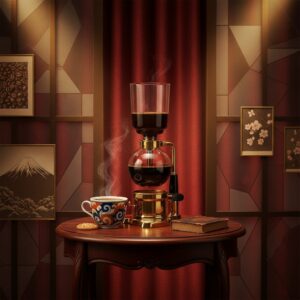
Many kissaten are renowned for their siphon coffee. This brewing technique, which uses two glass chambers, a heat source, and the interplay of vacuum and vapor pressure, merges science and culinary art. The Master’s preparation is a performance to behold. Watching the water defy gravity as it rises to the top chamber, saturates the coffee grounds, and then dramatically flows back down into a rich, dark brew is mesmerizing. The coffee is typically a dark roast, often a house blend unchanged for decades. It’s strong, low in acidity, and offers a deep, smoky, comforting flavor—a sharp contrast to the bright, fruity notes of modern third-wave coffee. It’s the flavor of nostalgia, a taste that has comforted generations. When you order this drink, you’re ordering a piece of theater culminating in a classic, soul-warming cup.
Melon Soda and Other Technicolor Dreams
At the other end of the spectrum is the Melon Soda (メロンソーダ), pure, unfiltered joy in a glass. It’s a strikingly bright, nearly fluorescent green melon-flavored soda, often crowned with a perfect scoop of vanilla ice cream and a shiny maraschino cherry. This combination is known as a Cream Soda (クリームソーダ) and tastes like childhood itself. It’s not refined or artisanal—it’s a sweet, fizzy, gloriously artificial treat that became an icon of Showa-era family restaurants and kissaten. Ordering one as an adult is a pure nostalgic indulgence. You’ll also find other colorful drinks like Coffee Floats (iced coffee with ice cream) or vibrant Blue Hawaii sodas. While photogenic, their appeal runs deeper—they are a direct connection to the cheerful, optimistic pop culture of the post-war boom.
The Delicious World of Yoshoku
The food menu is where things become truly fascinating. Kissaten typically serve light meals called yoshoku (洋食), or Western-style Japanese food. These dishes originate from Japan’s early encounters with Western cuisine and have been adapted to local tastes and ingredients.
Naporitan Spaghetti
This is the crown jewel of kissaten meals. If you expect authentic Italian pasta, you’ll be very confused. Naporitan has no real ties to Naples. Legend says it was created in Yokohama by a Japanese chef after World War II, inspired by spaghetti with ketchup eaten by American soldiers. It features thick, soft spaghetti noodles stir-fried with sausage (or wieners), onions, and green bell peppers, all coated in a sweet and tangy ketchup-based sauce. Often served on a sizzling cast-iron plate, sometimes topped with a fried egg, it may seem a culinary offense to Italians. But to Japanese people, it’s an ultimate comfort food, evoking memories of school lunches and childhood dinners. It perfectly exemplifies Japan’s skill in cultural adaptation.
Tamago Sando
Another classic is the Egg Sandwich (タマゴサンド). Forget what you know about egg salad sandwiches. The Japanese version is an exercise in sublime simplicity. It’s made with shokupan, the impossibly soft, fluffy, slightly sweet milk bread. The crusts are always carefully trimmed off. The filling comes in two styles: either a creamy, rich egg salad mixed with high-quality Japanese mayonnaise, or the more visually striking Osaka-style atsuyaki tamago sandwich, featuring a thick, warm, beautifully layered rolled omelet tucked between the bread slices. Both are divine. A simple dish, but the meticulous attention to texture and balance elevates it to something truly special.
The Smoke-Filled Room: A Relic of the Past?
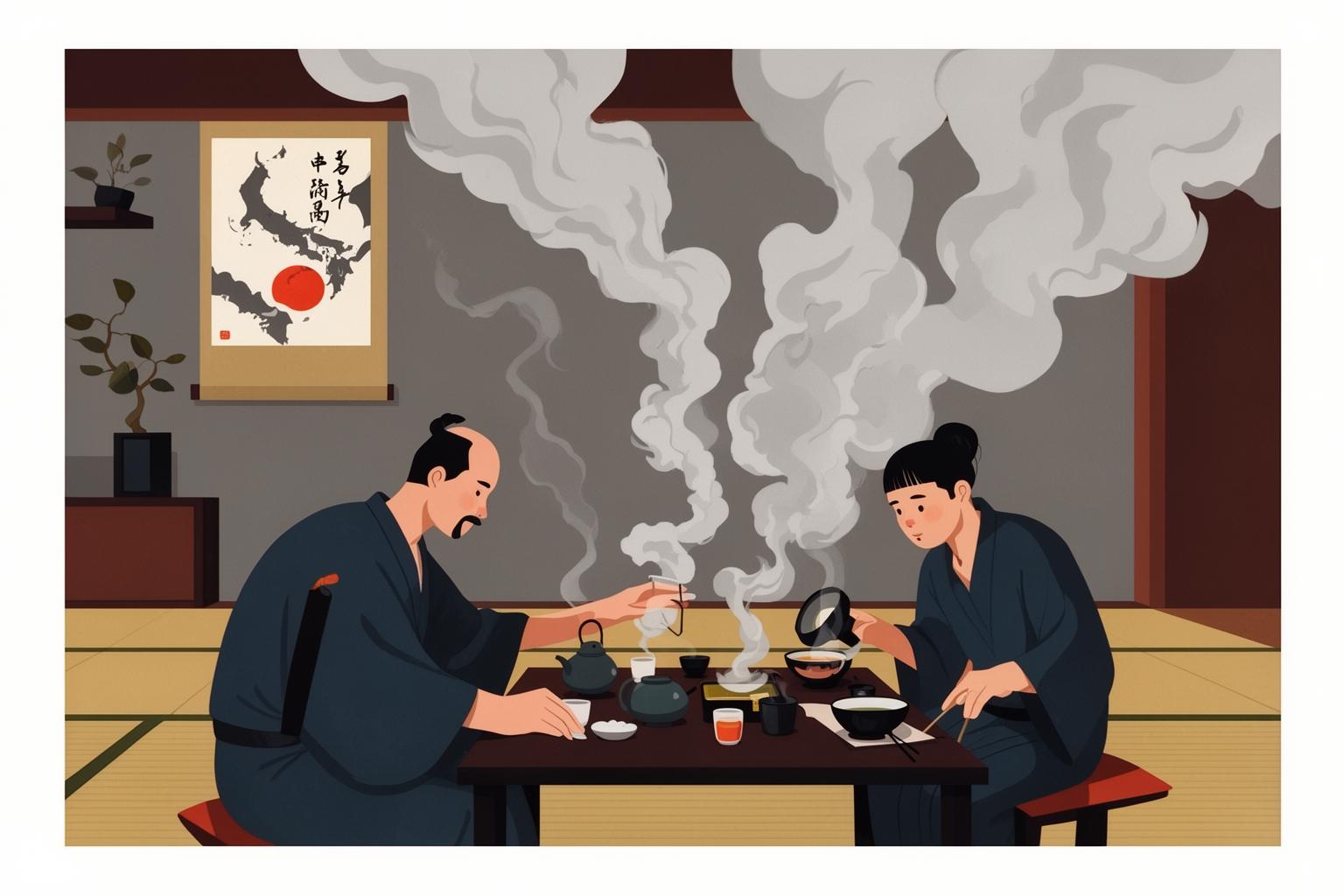
Now, we need to confront the obvious issue, or rather, the smoke. For decades, one of the defining features of a kissaten was the constant haze of tobacco smoke. In the Showa era, smoking was nearly universal among men, and the kissaten served as an adult space where smoking over coffee and a newspaper was commonplace. It contributed to the moody, cinematic ambiance. For many international visitors and even younger Japanese today, this can be a significant drawback. The scent of stale smoke lingering on the velvet curtains and upholstery is an unmistakably authentic sensory detail, though not always pleasant.
It’s important to recognize that this is not a sign of neglect but rather a reflection of historical authenticity. The kissaten was a haven for salarymen, writers, and thinkers, and for many years in Japan, that culture embraced smoking. However, times are changing. Nationwide smoking regulations enforced in 2020 have compelled many establishments to either go entirely non-smoking or create separate, enclosed smoking areas. Many traditional Masters, faced with renovation costs or a desire to maintain their shop’s original atmosphere, have opted to ban smoking altogether or, in some cases, close their doors permanently. Smoking-permitted kissaten can still be found, especially among smaller, independent shops, but they are increasingly rare. When you do come across one, it’s best to view it not as a health risk (though it is), but as another layer of the time capsule—a direct, unfiltered connection to the social norms of a very different era.
Finding Your Vibe: From Jazz Kissa to Meikyoku Kissa
Not all kissaten are the same. The classic, multi-purpose style is the most common, but over time, specialized sub-genres have appeared, catering to specific interests and subcultures. These niche kissaten are some of the most intriguing places you can find, serving as gathering spots for communities of enthusiasts.
Jazz Kissa
Arguably the most well-known sub-genre is the Jazu Kissa (ジャズ喫茶), or Jazz Kissaten. These are not venues for live jazz performances. Instead, they are sanctuaries dedicated to the devoted appreciation of recorded jazz music. When you enter, the first thing that strikes you isn’t the aroma of coffee, but the sound: rich, intricate jazz played loudly through a massive, vintage, high-fidelity sound system—imagine enormous speakers and glowing vacuum tube amplifiers. The walls are often lined from floor to ceiling with an astounding collection of thousands of vinyl records. The Master in a Jazz Kissa acts more as a DJ or curator, selecting albums to craft a particular mood throughout the day. And here’s the crucial rule: in many of the most serious Jazz Kissa, conversation is strictly prohibited or at least strongly discouraged. You are there to listen. It’s a place for deep, immersive, solitary listening. The experience is intensely focused, a throwback to an era when music was a precious commodity demanding your full attention.
Meikyoku Kissa
Following the same concept is the Meikyoku Kissa (名曲喫茶), or “Famous Music” Kissaten. These are the classical music counterparts to Jazz Kissa. The setup is similar: a vast record collection, a top-quality sound system, and a solemn, library-like atmosphere. Patrons, often older, may sit for hours, sometimes following along with the musical score, completely absorbed in a Beethoven symphony or a Chopin piano concerto. These spaces originated from a time when owning personal record collections and high-end audio equipment was prohibitively expensive for most people. The Meikyoku Kissa provided a public venue for a private, high-fidelity experience. They stand as a testament to a profound passion for music and a longing for shared, yet solitary, cultural moments.
So, Is It Worth It? The Kissaten Experience in the 21st Century
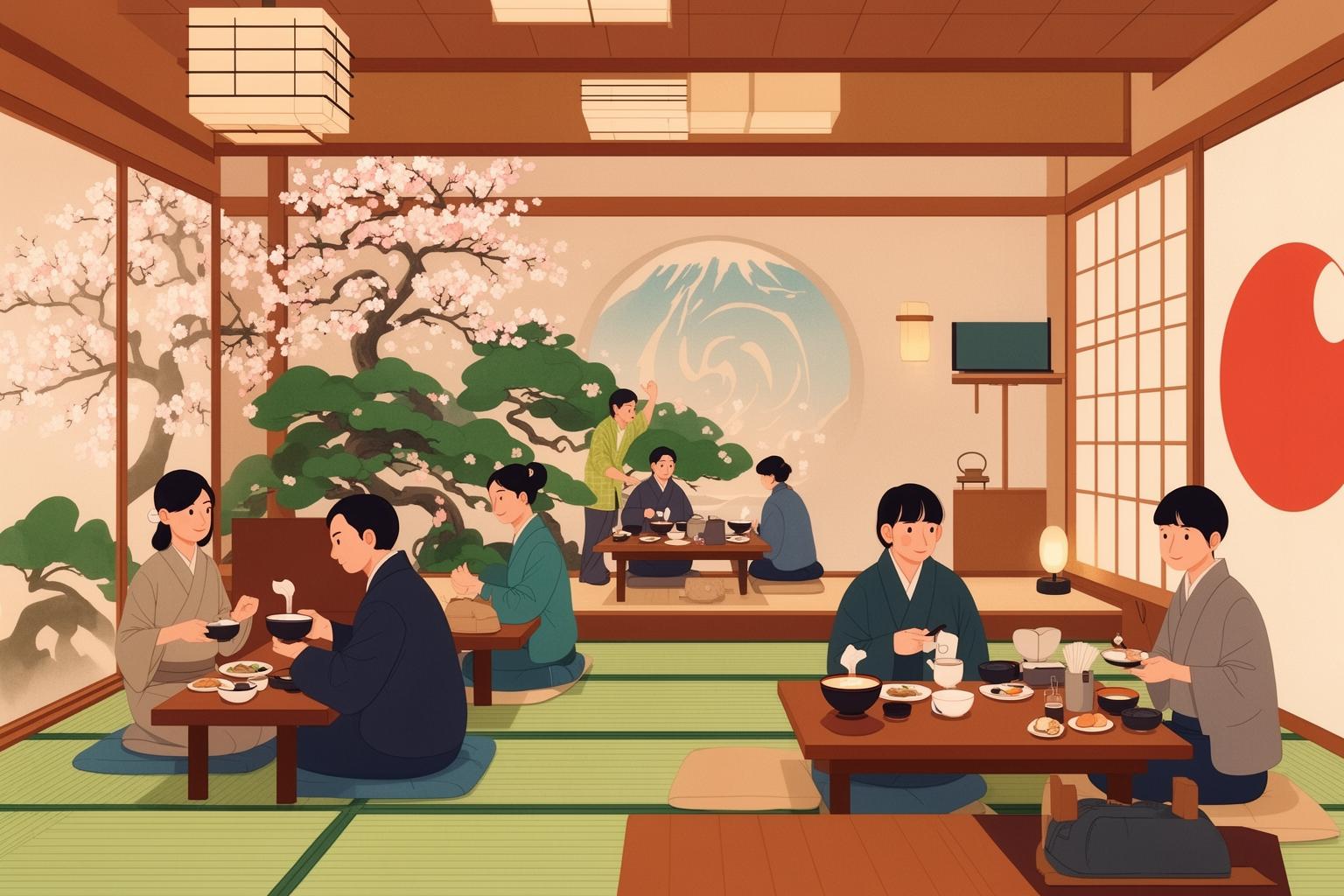
After all this, you might be asking yourself, “Okay, I understand the history, but in a city like Tokyo, known for some of the best coffee and food in the world, is it really worth visiting a place that might be smoky, serves ketchup spaghetti, and where talking is discouraged?” The answer is an unequivocal yes. Absolutely, one hundred percent. But you have to go with the right mindset.
You don’t visit a kissaten expecting the best coffee you’ve ever had (although some siphon masters are true artisans). You don’t go for a quick, cheap meal. You go to a kissaten to experience a different pace of life. You go to appreciate an essential piece of Japanese social history that still resonates today. It’s a living museum where you can sit down and become part of the exhibit. It offers a glimpse of Japan that runs parallel to the fast-paced, high-tech world visible on the surface. It’s the quiet, reflective, analog heart of the city.
Going to a kissaten is a form of cultural immersion. It’s about valuing the beauty in things that are old and well-cared for. It’s about recognizing the importance of quiet, personal space in one of the most densely populated places on earth. It’s about witnessing the devotion of a Master who has dedicated their life to preserving a single, perfect moment in time. So find one. Open the door and let the little bell announce your arrival. Find a cozy booth and order a coffee float or a plate of Naporitan. Put your phone away. Notice the details—the grain of the wood, the pattern on the wallpaper, how the light hits the sugar dispenser. Listen to the soft sounds. Just be. In that moment, you’ll understand. You’ll get it. You’re not just in a coffee shop. You’re stepping into a time machine. And that, my friends, is a journey worth taking.