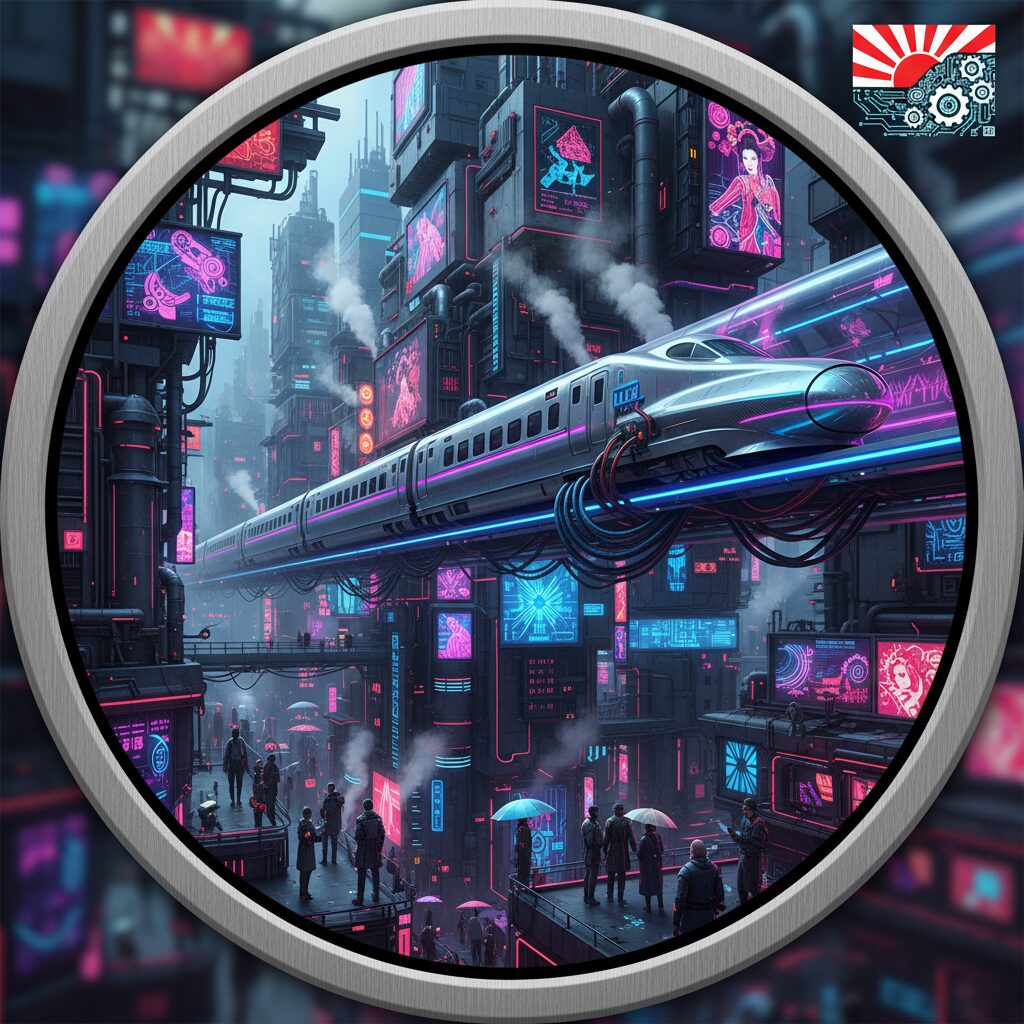
When you picture Japan, what comes to mind? Is it the serene grace of a Kyoto temple, the electric chaos of Shibuya Crossing, or maybe the gentle cascade of cherry blossoms? These are the images that fill our feeds, the postcards we send home. They are beautiful, iconic, and absolutely a part of the real Japan. But they aren’t the whole story. There’s another side, one that hums and glows with a raw, mechanical power, a landscape so alien and futuristic it feels ripped from the pages of a sci-fi novel. This is the world of the kombinato—Japan’s sprawling industrial complexes. I’m talking about city-sized networks of pipes, towers, and tanks that light up the coastline like a fallen constellation. From a distance, it looks like the engine room of the planet has been cracked open for all to see. The first time I saw a picture of it, I was confused. Is this a tourist attraction? Why would anyone want to go see a bunch of factories? It seemed to be the antithesis of everything I thought I knew about Japanese aesthetics, which I associated with minimalism, nature, and refined beauty. Yet, there it was: night cruises and photography tours dedicated to appreciating these steel behemoths. It sparked a question that goes deeper than just an unusual travel itinerary: Why is this a thing? What does this fascination with industrial landscapes reveal about Japan’s relationship with technology, beauty, and its own modern history? This journey isn’t about finding another perfect photo spot, though you will certainly find many. It’s about peeling back a layer of the country to understand the machinery that makes it all tick. It’s a trip into the heart of the machine, a cyberpunk pilgrimage that reveals more about the Japanese psyche than a thousand temples ever could.
This cyberpunk pilgrimage into Japan’s industrial heartland shares a similar fascination with technology and isolation found in the country’s personal sci-fi escape of karaoke pods.
What Even is a ‘Kombinato’? Deconstructing the Steel Jungle
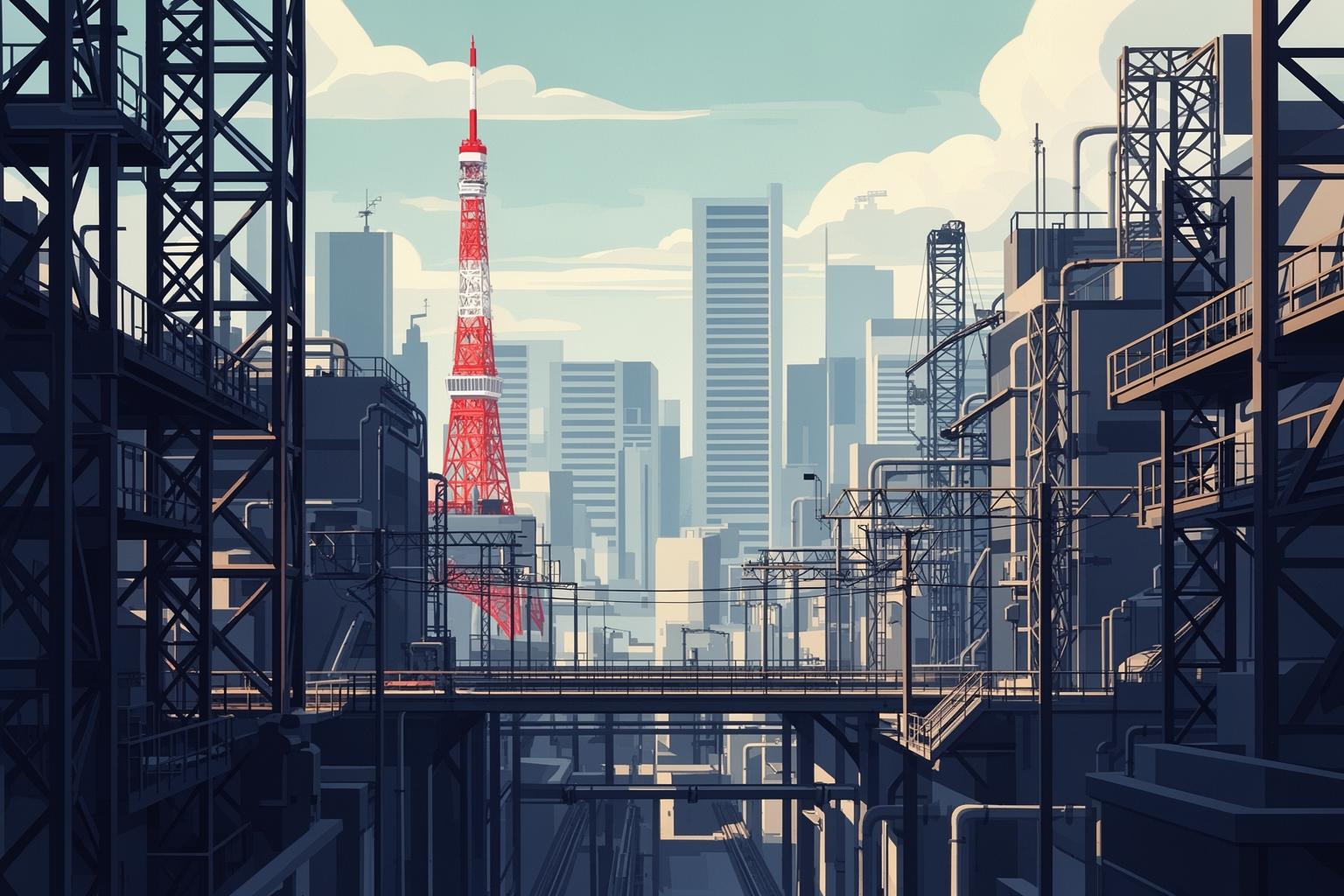
Before diving into the reasons why, we first need to grasp what a kombinato is. The term “kombinato” (コンビナート) is not originally Japanese; it is borrowed from the Russian kombinat and German kombinat, words used to describe large, integrated industrial complexes, especially during the Soviet era. In Japan, the term gained a distinct meaning during the post-war economic boom. A kombinato isn’t merely a random cluster of factories built side by side; it represents a highly sophisticated, interdependent ecosystem of heavy industry. Think of it less as a business park and more as a vast, single organism composed of many interconnected parts.
More Than Just a Factory
At the heart of a kombinato lies industrial synergy. These complexes typically focus on petrochemicals, steel production, or power generation and are almost always situated on reclaimed coastal land. This location is strategic, offering easy access for large tankers to bring in raw materials like crude oil and iron ore, and to export finished goods. However, the true brilliance lies in the internal logistics. Waste from one factory serves as raw material for another. For example, a petroleum refinery cracks crude oil into gasoline and diesel, but also produces byproducts like naphtha. An adjacent chemical plant then converts that naphtha into plastics. Another facility might harness the heat generated by one process to create steam that powers another. This intricate web of pipelines is not just for show; it embodies extreme efficiency, a cornerstone of Japanese manufacturing philosophy. Every drop of oil, watt of energy, and puff of steam is tracked and utilized. Though the complex tangle of steel might appear chaotic, it is in fact a monument to meticulous planning and an unwavering drive to minimize waste while maximizing output. It is a perfectly designed system where each component relies on the others for the whole to function. This systematic approach echoes throughout many aspects of Japanese society, from precise train schedules to well-organized bento boxes. The kombinato stands as the most dramatic and large-scale expression of this principle.
A Post-War Miracle, A Post-Bubble Relic
To fully appreciate the importance of these industrial zones, we need to turn back to the aftermath of World War II. Japan was devastated, its economy in ruins. The government, working alongside major corporations (keiretsu), launched an ambitious plan for rapid industrialization. The kombinato was the driving force behind this strategy. Beginning in the late 1950s and surging through the 1960s, massive complexes sprang up at an astonishing pace in places like Yokkaichi, Kawasaki, and Kitakyushu. They became tangible symbols of the “Japanese Economic Miracle.” These sites produced steel for the cars and ships Japan exported worldwide, plastics for its groundbreaking electronics, and the energy powering its expanding cities. For the generation that built them, these were not grimy, polluting factories but shining emblems of recovery, progress, and national pride. Their glowing flare stacks symbolized a bright future, representing a triumph over destruction and a testament to the nation’s resilience and hard work. Visiting them today, however, evokes a strange sense of temporal dislocation. Though still operational and vital to Japan’s economy, they feel like relics. The architecture, technology, and sheer scale evoke a 20th-century vision of the future—one reminiscent of classic sci-fi films like Blade Runner or anime such as Akira—a future imagined from the past. The steel is often rusted, the concrete stained. It is a landscape that is at once futuristic and decaying. This contrast is what makes it so compelling. It is not a sterile, polished vision of tomorrow; rather, it is a gritty, lived-in future that has begun to age. It tells the story of Japan’s meteoric rise, the peak of its industrial power during the 1980s bubble economy, and the following era of stagnation. It stands as a living museum of the nation’s economic journey.
The Aesthetics of Industry: Why is this ‘Beautiful’?
This is the key question that puzzles most foreign visitors. We are conditioned to view factories as unattractive, as blemishes on the natural environment. So why do people in Japan pay to take boat tours and spend hours admiring them? The answer lies in a blend of distinctive Japanese aesthetic sensibilities and a modern subculture that has redefined what can be seen as beautiful.
Discovering Beauty in the ‘Ugly’
Japanese culture has a long tradition of finding beauty in places that Western culture might disregard. Consider wabi-sabi (侘寂), which embraces imperfection, impermanence, and simplicity. It involves appreciating beauty in a cracked tea bowl or an aged wooden gate. While not directly applicable, a similar attitude can be extended to the kombinato. There is an undeniable beauty in its raw, utilitarian design. Nothing in the kombinato is created for visual appeal. Every pipe, valve, and ladder serves a specific function. This complete lack of artistic embellishment gives rise to an unintended aesthetic of its own—a beauty rooted in pure, intricate functionality. At night, this effect is magnified immensely. Darkness generously conceals rust, dirt, and daytime grime. What remains is the structure, outlined by a constellation of lights. Sodium-vapor lamps cast a warm orange glow, mercury-vapor lamps emit a cool blue-white light, red safety lights blink rhythmically, and occasional flares from stacks illuminate the sky like tiny suns. It is a silent, sparkling city that feels both immense and detailed. This landscape invites you to put aside conventional ideas of beauty and simply observe the form, the light, and the vast scale before you. It is an exercise in perceiving the world differently, discovering patterns and poetry in the purely functional.
The Emergence of ‘Kojo Moe’ — Factory Fandom
This admiration for industrial scenes is more than a niche interest; it is a recognized subculture in Japan called Kojo Moe (工場萌え). The term is hard to translate exactly. Kojo means factory, and Moe is an otaku term describing a deep, affectionate fascination, usually with an anime character. So, Kojo Moe literally translates to “factory crush.” It represents an authentic, passionate fandom for industrial architecture. The movement gained mainstream popularity in the mid-2000s with photo books presenting the stunning nighttime allure of these complexes. Filled with long-exposure images that transformed the industrial zones into ethereal dreamscapes, these books struck a chord. Suddenly, these sites were seen not as eyesores but as subjects for artistic and even romantic admiration. This fandom draws on a rich visual tradition. The aesthetic of the kombinato has long featured in Japanese science fiction, especially cyberpunk. The sprawling, high-tech, somewhat dystopian cityscapes of anime like Ghost in the Shell and Akira are heavily inspired by real industrial areas such as Kawasaki and Yokkaichi. For many fans, visiting a kombinato feels like stepping into the universe of their favorite film. The growth of Kojo Moe directly led to the creation of night cruises and bus tours. Companies recognized the demand for this experience, and now, on any weekend, boats are filled with photographers, couples on dates, and curious fans navigating industrial canals, all sharing this unique form of aesthetic appreciation.
A Symphony of Light and Steam
What makes the experience so mesmerizing is its immersive, sensory quality. It is not merely a visual display. From the tour boat, you sense the low hum of machinery vibrating through the water. You smell a faint, not unpleasant industrial scent—a blend of ozone and heated metal. You watch plumes of clean white steam rising from stacks, catching the light and resembling soft, glowing clouds against the night sky. This steam is essential. In the past, these stacks emitted thick, dark smoke. Today, thanks to strict environmental regulations, it is almost entirely water vapor—a visual testament to the country’s industrial cleanup efforts. The lighting itself tells a story. The endless rows of lights are purposeful; they illuminate walkways, highlight vital equipment, and act as warnings. The entire complex is a language of light, communicating its status to unseen workers inside. The overwhelming complexity is striking. Try to follow a single pipe, and it twists into bundles of dozens, ascending into towers before branching off again. It is like an Escher painting brought to life, a three-dimensional circuit board on a colossal scale. You begin to recognize different structures: tall, slender distillation towers where crude oil is separated; spherical tanks holding pressurized gas; vast networks of cooling pipes. Each has a distinctive shape and function, together composing a skyline more intricate and arguably more captivating than any natural mountain range.
The Dark Side of the Glow: Pollution, People, and Progress
It would be both irresponsible and dishonest to speak of the beauty of the kombinato without recognizing its troubled history. The romantic allure that draws photographers today is the sanitized legacy of a far darker industrial reality. To truly understand why Japan is the way it is—both in terms of its industrial strength and its environmental awareness—you must acknowledge the shadows cast by these steel giants.
The Specter of ‘Kogai’—Japan’s Pollution Legacy
The same era of rapid economic growth that created the kombinato also brought about a devastating side effect: severe industrial pollution, known in Japan as kogai (公害). During the 1960s and 70s, the push for production greatly surpassed concerns for the environment and public health. The Yokkaichi Kombinato, now a popular site for night tours, was at the heart of one of Japan’s “Four Big Pollution Diseases.” Sulfur dioxide emissions from oil refineries and power plants reached such harmful levels that they caused a widespread respiratory illness known as Yokkaichi Asthma. Thousands of local residents endured chronic bronchitis, asthma, and other serious health conditions. The air was visibly yellow and the stench unbearable, marking a public health crisis impossible to ignore. Residents of Yokkaichi and other polluted regions took action, suing corporations and demanding government intervention. These landmark legal battles established the precedent that companies were responsible for the health impacts of their pollution. Public outrage and court victories compelled a dramatic shift in national policy. In the early 1970s, the Japanese government introduced some of the strictest and most comprehensive anti-pollution laws worldwide. This painful legacy is an essential part of the story. The clean, white steam visible today is a direct result of the suffering endured by the people of Yokkaichi. The modern kombinato’s beauty rests on a foundation of environmental tragedy and eventual redemption. When you take that tour, you aren’t simply viewing a factory; you are witnessing a testament to a painful lesson learned. It is a symbol of both the costs of unchecked progress and a society’s ability to confront its mistakes and change direction.
The Invisible Workforce
As we admire the sparkling lights from our tour boats, it’s easy to forget that the kombinato is not an art installation; it’s a workplace. Within that intricate steel maze, thousands of people labor, often under demanding and hazardous conditions, to keep the operation running 24 hours a day, 365 days a year. The lights we admire serve their purpose—to illuminate tasks and ensure their safety. The story of the kombinato is also the story of the Japanese worker. It represents the era of “lifetime employment,” where a generation of men devoted their entire careers to a single company, embodying values of loyalty, diligence, and sacrifice for the collective good. These facilities are managed with the same precision and meticulousness that define much of Japanese work culture. The contrast between the outside view and the internal reality is striking. From the exterior, it appears as a serene, almost magical light display. Inside, it is a world of intense heat, pressure, noise, and complex chemical processes. The romanticism felt by outsiders is a luxury not extended to those who work there. Appreciating the kombinato also means honoring the tremendous human effort it represents. It reminds us that the conveniences of modern life—the fuel in our cars, the plastic in our devices, the electricity in our homes—do not arise by magic but are the product of this vast, humming, and deeply human enterprise.
The Tour Experience: Is It Actually Worth It?
So, you’ve heard the history, the aesthetics, and the cautionary stories. But what is it really like to take one of these tours? Is it a truly captivating experience or merely an odd niche for industrial enthusiasts? The answer, much like Japan itself, is nuanced.
Choosing Your Cyberpunk Adventure
First, it’s important to understand that “the kombinato” isn’t a single location. These complexes are scattered along the coastlines of Japan’s main industrial zones. The “big three” for tourism are Yokkaichi (near Nagoya), Kawasaki (between Tokyo and Yokohama), and Kitakyushu (in Fukuoka Prefecture). Each offers its own distinct vibe. Yokkaichi is regarded as the king, the most visually dense and spectacular. Kawasaki, easily accessible from Tokyo, presents a grittier, more urban-dystopian atmosphere. The most common way to experience them is through a guided night cruise. These boat tours usually last 60 to 90 minutes and are designed to offer the best views from the water. Another favorite, especially for locals, is to simply drive through. The elevated highways that wind through and around these industrial zones provide breathtaking, cinematic vistas. Lastly, some areas have dedicated observation decks or parks, like the Yokkaichi Port Building, which offers a panoramic vantage point from above. The cruises offer the most curated experience, often featuring a guide who points out key structures and explains their functions, adding valuable context. They bring you closer to the action than you could get on foot, navigating narrow canals that feel like canyons of steel.
The Reality vs. The Instagram Photo
Let’s set some expectations. This is not a luxury cruise. The boats are typically functional, open-air vessels. It can be very cold and windy on the water, even during milder seasons, so dressing warmly is crucial. The experience also depends heavily on factors beyond control. Weather is one — rain or fog can obscure the view. Equally important is the level of factory activity. The most dramatic sight is the flare stack, which burns off excess gas in a brilliant, towering flame. Whether you see this depends entirely on the plant’s operational needs at that moment. Some nights, the sky is ablaze with flares; others, it’s quiet. From my perspective as a photographer, this is a challenging subject. You’re on a moving, vibrating boat in near-total darkness. You need a camera with strong low-light performance and a steady hand (or a very high ISO). A tripod is useless. Capturing the striking photos found in the glossy Kojo Moe books requires professional gear, patience, and often special access. That said, even with a simple phone camera, you can capture the general atmosphere, the overwhelming sense of scale, and the hypnotic light patterns. The goal shouldn’t be to replicate a perfect postcard shot but to capture the feeling of being there.
What You’re Really Seeing
The best part of a guided tour is that it turns the view from an abstract spectacle into something understandable. The guide might point to a towering structure and say, “That is a catalytic cracker. It breaks down heavy hydrocarbon molecules into lighter, more valuable ones like gasoline.” Suddenly, the abstract shape has a name and a purpose. You begin to see the complex not as a single entity, but as a collection of specialized tools. You learn that the spherical tanks store gases under high pressure because a sphere is the strongest shape to contain that force. You discover that the tall, slim towers are distillation columns, separating liquids by their boiling points. This knowledge adds incredible depth to the experience. You’re no longer just admiring “pretty lights.” You’re witnessing the fundamental processes of industrial chemistry brought to life. You’re seeing the physical embodiment of the science supporting our entire modern civilization. It connects the distant glowing lights to the tangible products you use every day. That, more than anything, is the “wow” moment. It’s the realization that this alien landscape is, in fact, deeply connected to your own life.
The Kombinato as a Metaphor for Modern Japan
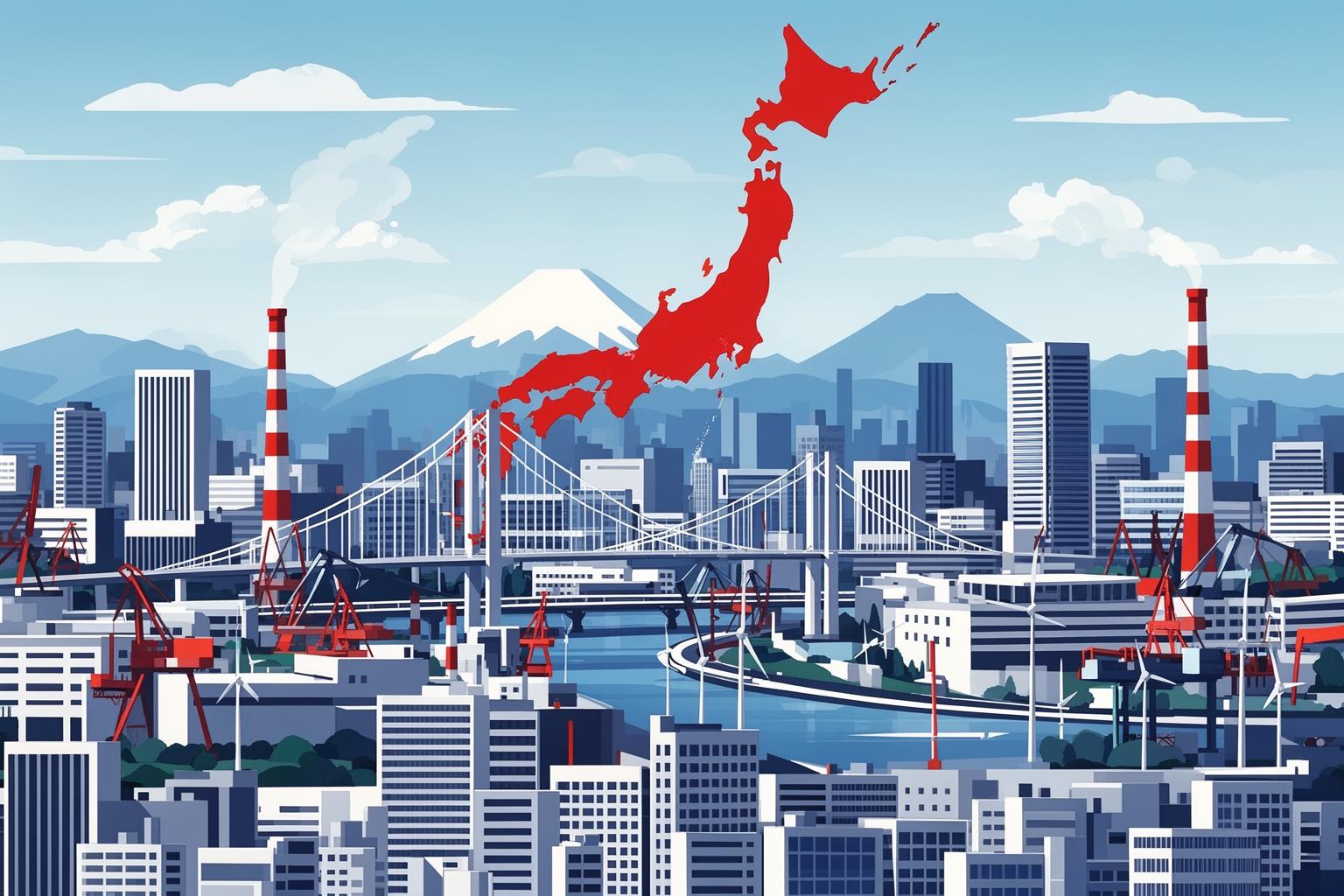
A journey into the core of the kombinato is, ultimately, a journey into the psyche of modern Japan. The intertwined pipes, the precise systems, the aging structures, and the haunting beauty all stand as powerful metaphors for the country itself.
The Orderly, Complex System
The first and most evident metaphor is that of the system. The kombinato perfectly exemplifies the Japanese talent for designing and sustaining incredibly complex, interconnected systems. Each part plays a role, and the success of the whole relies on the flawless performance of every component. This echoes many facets of Japanese society: the intricate rail network running with split-second precision, the labyrinthine bureaucracy, the unspoken social codes guiding interaction. There is a profound cultural respect for order, efficiency, and the collective effort necessary to keep a complex society functioning smoothly. The kombinato embodies this principle in steel and concrete. It is a celebration of the system, a testament to what can be achieved when every part operates in perfect harmony.
A Future Built on an Aging Foundation
At the same time, the visible signs of wear—the rust, the weathered concrete—tell a more poignant story. These structures, once shining symbols of an unlimited future, are now decades old. They represent an industrial model that, while still operational, belongs to a previous era. This mirrors a wider anxiety within Japan about its future. The nation is confronting an aging population, a stagnating economy, and the challenge of sustaining its complex, high-cost infrastructure. The kombinato stands as a powerful visual symbol of this dilemma. It is a magnificent, robust machine, but an old one. The question of how to innovate, adapt, and build a new future on this aging base is one of today’s central challenges for Japan. Observing the kombinato, you cannot help but feel the weight of its history and the uncertainty of what lies ahead.
Why This Journey Matters
So, why should a visitor to Japan, with limited time, choose a night cruise around a petrochemical plant over a day in Kyoto? Because the kombinato answers the question, “Why is Japan like this?” in a way that a temple or garden cannot. It reveals the source of the country’s 20th-century power. It explains the roots of its profound environmental consciousness. It demonstrates the cultural focus on systems, hard work, and precision. It offers a tangible connection between the abstract forces of economics and history and the physical world. A Japanese temple reveals Japan’s soul. A busy city intersection shows its energy. The kombinato reveals its heart—its powerful, mechanical, and relentlessly beating heart. It is not the serene, curated image of Japan, but perhaps a more honest one. It is the engine in the basement, the complex and sometimes messy reality that drives the beautiful facade. To see it glowing in the dark is to understand the immense power, difficult history, and enduring complexity of the nation. It is not merely a tour; it is a revelation.