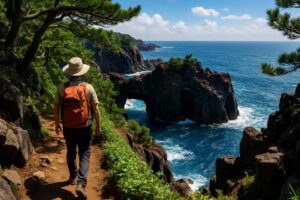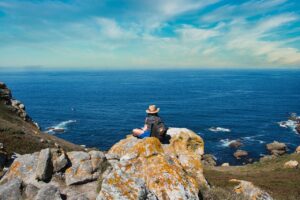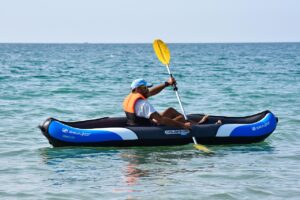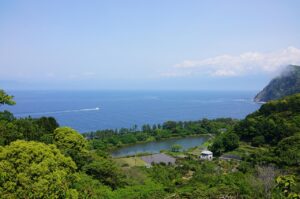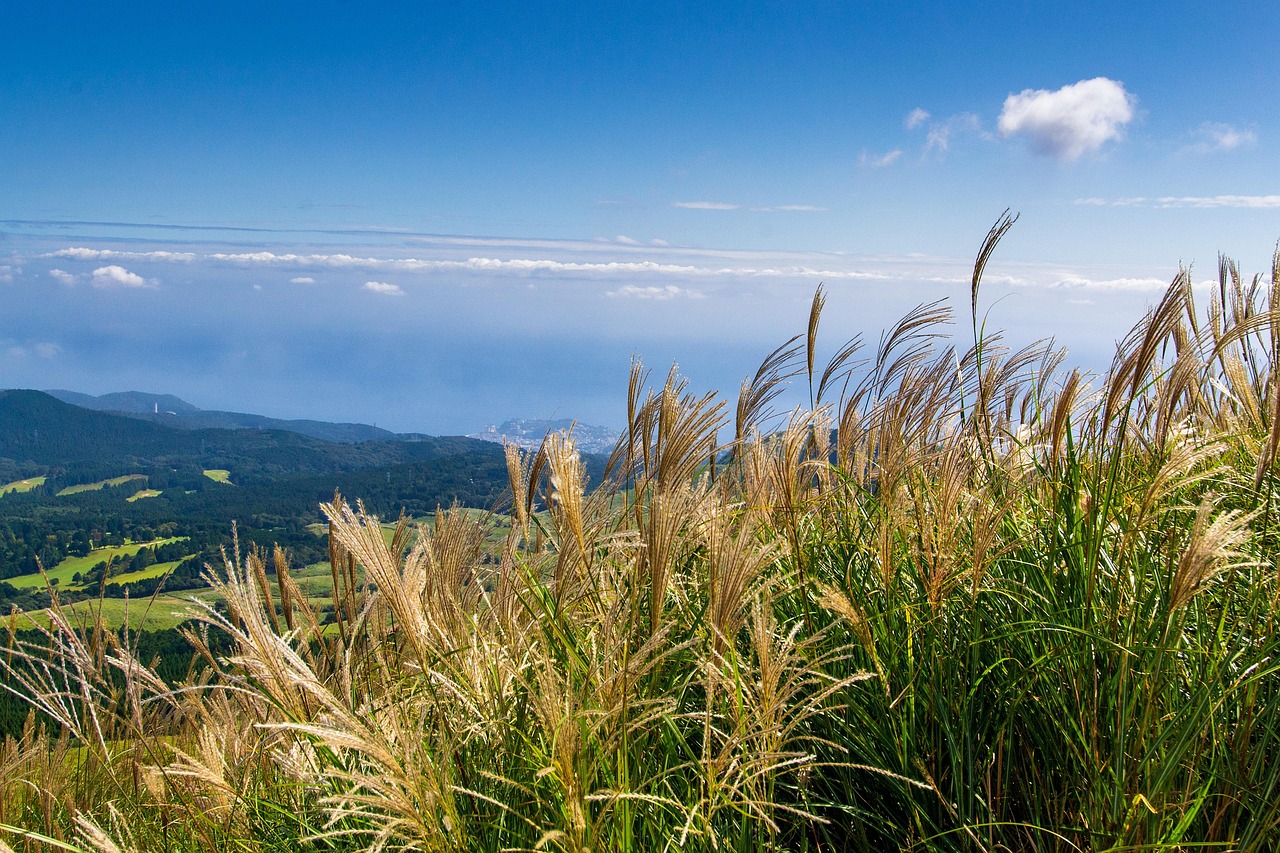
Yo, let’s have a real talk about Japan. When you close your eyes and picture it, what do you see? Neon-drenched streets of Shinjuku? Serene temples in Kyoto? Maybe that iconic scramble crossing in Shibuya? That’s all legit, a total vibe, and you should absolutely soak it all in. But what if I told you there’s a whole other side to this country, a secret level that’s just a quick train ride from Tokyo but feels like a different planet? A place where the coastline gets so dramatic it looks like it was ripped straight from a fantasy anime, and the water is so clear you’ll think you’re floating on air. That place is real, no cap. It’s the Izu Peninsula in Shizuoka Prefecture, and the ultimate way to unlock its magic is by grabbing a paddle, hopping in a sea kayak, and exploring its jaw-dropping coastline one stroke at a time. This isn’t just about sightseeing; it’s about an experience. It’s about feeling the rhythm of the ocean, discovering hidden coves that tour buses can never reach, and connecting with a wild, untamed side of Japan that will live in your head rent-free forever. Forget just watching the adventure on screen; in Izu, you get to be the main character. It’s time to trade the train pass for a life vest and see what’s really good.
Why Izu is Basically Japan’s Adventure Mode DLC
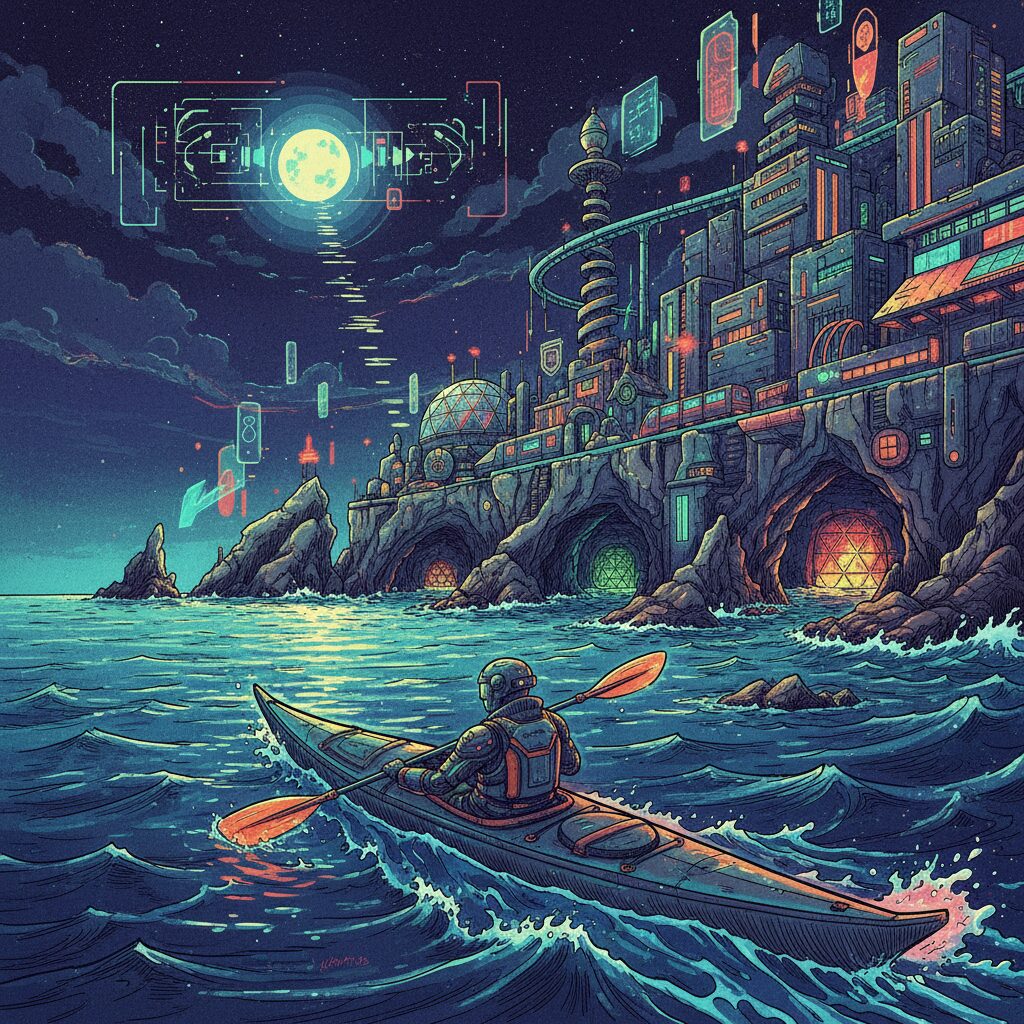
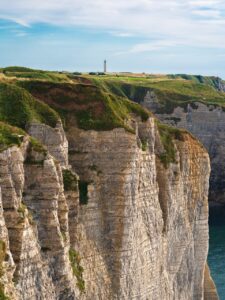
So, what’s the story behind this peninsula? Why is it such a hotspot for marine sports, especially sea kayaking? It all boils down to its origin. The Izu Peninsula is essentially the dramatic outcome of ancient volcanoes colliding with mainland Japan millions of years ago. This turbulent, fiery beginning gifted the region with an incredibly unique landscape. We’re talking about a coastline full of drama—towering cliffs that plunge into the sea, jagged rock formations resembling sleeping dragons, and a maze of sea caves just waiting to be explored. The entire area is a designated UNESCO Global Geopark, which is a fancy way of saying, “Yes, this place is geologically remarkable.” But it’s more than just rocks and science. The atmosphere here is a brilliant paradox in the best sense. You have this raw, powerful coastline meeting intensely turquoise and sapphire waters. Then, lush, deep green forests cascade down the mountainsides, nearly touching the waves. It’s a full sensory feast. One moment, you’re paddling in the shadow of a colossal cliff that feels ancient and imposing; the next, you’re gliding over crystal-clear water where fish dart among coral gardens below. This constant contrast—the dance between wildness and calm—makes Izu incredibly addictive. And the best part? This entire adventure playground is just a short distance from Tokyo’s concrete jungle. You can be sipping a latte in Shibuya one morning and launching your kayak into a hidden cove in Izu the very next afternoon. It’s the perfect extension to any Japan itinerary, offering a thrilling blend of nature and adrenaline that balances the urban rush perfectly.
The Main Quest: Sea Kayaking the Izu Peninsula
Alright, let’s dive into the heart of the matter—the true sea kayaking experience. This is where the real enchantment unfolds. There’s something instinctive and incredibly liberating about propelling yourself across the water, armed with nothing but a paddle and your spirit of exploration. The perspective from a kayak is unparalleled. You’re right at water level, sensing every gentle swell and viewing the coastline from the vantage point of a seabird. It’s intimate, peaceful, and completely immersive. The soundscape shifts from urban noise to the rhythmic splash of your paddle, the cries of gulls overhead, and the whisper of waves lapping against the cliffs. You’re not merely observing the scenery; you become part of it. It’s a full-body experience that connects you to the environment in a way a tour boat window never could.
Gearing Up: From Beginner-Friendly to Pro-Level
First things first: you don’t have to be an experienced kayaker to join in on this adventure. That’s the beauty of Izu. The region is filled with excellent tour operators and guides who warmly welcome beginners. If you’ve never even sat in a kayak before, that’s perfectly okay. A typical guided tour begins on land with a thorough safety briefing and an introduction to basic paddling techniques. They provide all the necessary gear: a stable, easy-to-handle sea kayak, a lightweight paddle, and a snug life vest, known as a PFD (Personal Flotation Device). The guides are true professionals—not only ensuring your safety but also unlocking the secrets of the area. They know the local waters intimately—the currents, weather patterns, optimal times to visit certain caves, and where the most fascinating marine life resides. They’re also engaging storytellers, sharing insights about the local geology, history, and folklore that bring the landscape alive. Pushing off from the shore for the first time, feeling the kayak gently bob on the water, and taking those initial strokes into the open ocean is pure bliss. Any initial awkwardness quickly fades, replaced by a smooth, meditative rhythm. You, the paddle, the kayak, and the water—it all harmonizes. It’s a gentle workout, but the incredible views easily distract you from the burn in your shoulders.
Southern Izu’s Highlights: Where the True Adventure Awaits
Although the entire Izu coastline is breathtaking, the southern tip, known as Minami-Izu, is where things become truly legendary. This area is more remote, less developed, and the coastline is at its wildest and most dramatic. It’s the ultimate destination for sea kayakers. Two locations, in particular, are on every adventurer’s must-see list: Dogashima and Hirizo Beach. They each offer unique, equally awe-inspiring experiences.
Dogashima: Real-Life Cave Exploration
Prepare for your inner explorer to be thrilled, because Dogashima is all about sea caves. This isn’t just paddling near caves; it’s paddling inside them. The undisputed highlight is Tensodo Cave, and believe me, the excitement is justified. As you steer toward the entrance—a narrow slit in the cliff face—your heart rate quickens. You duck slightly to guide your kayak through the opening, and suddenly you enter another world. The air cools, the sounds of the open ocean soften, and your eyes adjust to the dim light. The water glows with an ethereal, otherworldly blue, illuminated by sunlight filtering through the cave entrance. But the true marvel is above. High overhead, a perfectly circular hole in the cave ceiling opens to the sky, allowing a brilliant beam of sunlight to pour in. This natural spotlight shines down on the crystal-clear water, bathing the cavern in a surreal turquoise glow. It’s a moment of pure, cinematic wonder. It feels sacred and secret. You’ll want to simply float there, paddle resting on your lap, soaking in the breathtaking natural architecture. Beyond Tensodo, the Dogashima coast is a playground of remarkable rock formations, sculpted over millennia by wind and waves. You’ll paddle around islands shaped like animals and past sheer cliffs marked by volcanic history. Your guide will highlight formations like the “Sanshiro Islands,” connected to the mainland by a land bridge that appears only at low tide, along with the local legends tied to them. Paddling here feels like journeying through a forgotten mythical seascape. The atmosphere is charged with mystery, awe, and the thrill of discovery. It’s like uncovering a secret level in a video game that’s even more breathtaking than the main world.
Hirizo Beach: The Clearest Waters Imaginable
If Dogashima is about thrilling exploration, Hirizo Beach is about pure, unspoiled natural beauty. This spot holds a legendary reputation among Japanese locals for one thing: its astounding water clarity. The visibility here is extraordinary. The water is so crystal-clear it seems as if your kayak is floating just inches above the seafloor. You can clearly see every pebble, swaying piece of seaweed, and tiny fish going about their day in perfect, high-definition detail. This pristine condition owes to its remarkable inaccessibility. Hirizo Beach is a small, jewel-like cove completely enclosed by steep cliffs. There are no roads leading to it. The only ways to reach it are by a small, seasonal ferry from the nearby port of Nakagi or—of course—by sea kayak. This natural barrier has shielded Hirizo from development, preserving it as a slice of paradise. Kayaking to Hirizo is an adventure in itself. You’ll launch from a nearby beach and paddle along the rugged coastline, anticipation building with every stroke. When you finally round the last headland and the cove comes into view, it’s a genuine gasp-out-loud moment. The water shifts from deep blue to a dazzling, swimming-pool-like turquoise that seems almost unreal. Landing your kayak on the smooth, pebbled shore, you’ll feel like you’ve discovered a secret island. The best experience here combines kayaking with snorkeling. You can anchor your kayak (or simply pull it ashore), don a mask, and slip into the water. The marine life is spectacular: schools of shimmering silver fish, bright blue damselfish, and colorful sea anemones all flourish in this stunning natural aquarium. The vibe at Hirizo is exclusive, pristine, and utterly tranquil. It’s the perfect untouched spot you dream of finding on vacation. It’s a subtle brag, a story to impress friends back home, leaving them green with envy. And it’s a reminder that sometimes, the greatest treasures are those hardest to reach.
Beyond the Paddle: What’s the Vibe Ashore?
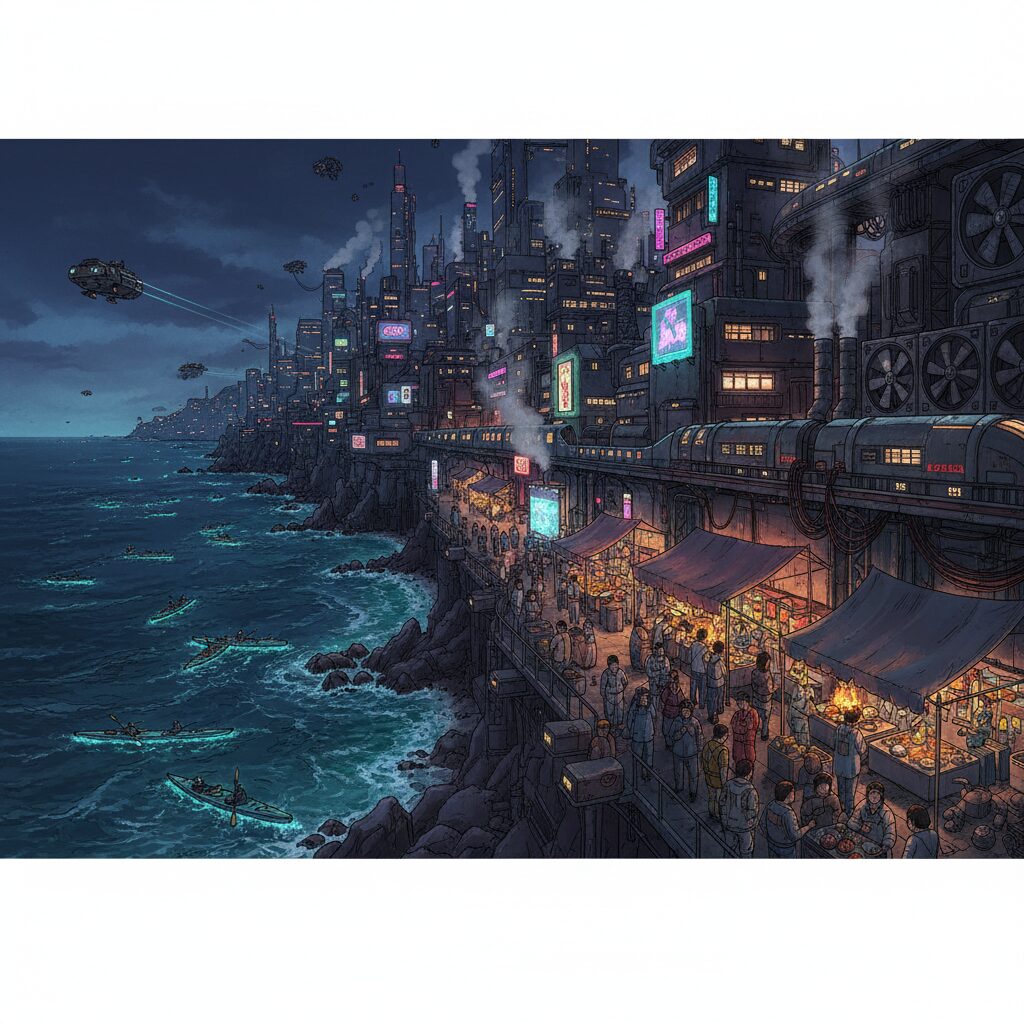
As incredible as sea kayaking is, your Izu adventure doesn’t end once you leave the water. The peninsula boasts a rich culture on land that perfectly complements your day of marine activities. Here is where you recharge, refuel, and immerse yourself in the local atmosphere, completing the cycle of adventure and relaxation that makes Izu truly special.
Onsen Culture: The Post-Adventure Refresh
After hours of paddling, your muscles will definitely feel the strain. There’s no better remedy on Earth than soaking in a Japanese hot spring, or onsen. Fortunately, the Izu Peninsula is one of Japan’s top onsen destinations, thanks to the volcanic activity simmering beneath the surface. Sliding into a geothermally heated, mineral-rich onsen after a day of physical effort is a transcendent experience. You can feel tension and fatigue literally melting away—it’s the ultimate natural spa treatment. What elevates the onsen experience in Izu even more are the views. Many onsen, especially those in coastal ryokans (traditional inns), feature outdoor baths called rotenburo. Imagine this: submerged in steaming, restorative water, a cool breeze on your face, gazing out over the dramatic coastline you paddled along earlier. You can watch the sun set, painting the sky with orange and purple hues, accompanied by the soothing sound of waves crashing below. It’s a moment of deep peace and gratitude. Different towns in Izu offer distinct onsen atmospheres. Places like Atami and Ito on the east coast are larger, more developed resorts with a lively, nostalgic vibe. Further south, towns such as Shimoda and Matsuzaki provide quieter, more intimate onsen experiences. Exploring onsen culture is a key part of the Izu glow-up—it’s not just about cleansing, but a cultural ritual of relaxation, healing, and appreciating nature’s gifts.
Fueling Up: Izu’s Culinary Scene is Top-Tier
Adventure works up a serious appetite, and Izu’s food scene delivers. Surrounded by the sea, seafood naturally takes center stage—and it’s incredibly fresh. You’ll find tiny, family-run restaurants in sleepy fishing villages serving fish caught that very morning. The must-try local specialty is Kinmedai, or Splendid Alfonsino, a striking bright red fish with a delicate, sweet flavor. It’s fantastic served as fresh sashimi, simply grilled with a sprinkle of salt (shioyaki) to highlight its natural taste, or simmered in a sweet-savory broth of soy sauce, mirin, and sake (nitsuke). It’s a real game-changer. But Izu’s culinary excellence extends beyond seafood. Shizuoka Prefecture is Japan’s undisputed wasabi capital. Forget the typical green paste from a tube; here, you experience the real thing. Wasabi farms thrive in the cool, clear mountain streams of central Izu, growing knobby green rhizomes. At many local soba shops and restaurants, you’ll receive a small piece of wasabi root and a sharkskin grater to freshly grate at your table. The flavor is entirely different—clean, aromatic heat that’s complex and fragrant rather than just spicy. It’s a true taste of the pure Izu mountain water. To wash it all down, try local craft beers from breweries like Izu Kogen Brewery. For dessert, don’t miss the regional soft-serve ice cream, which comes in unique flavors such as wasabi (surprisingly sweet with a subtle kick) or New Summer Orange, a local citrus fruit. Dining in Izu is about savoring the terroir, a direct and delicious connection to the peninsula’s rich land and sea.
The Logistics Lowdown: Planning Your Izu Escape
Alright, so you’re convinced by the vision: kayaking in sea caves, relaxing in ocean-view onsens, and indulging in fresh seafood. Great. Now, how do you make it happen? Planning a trip to Izu is surprisingly easy, though a few insider tips will help you maximize your experience.
Getting There & Getting Around
Traveling to the Izu Peninsula from Tokyo is simple. The easiest way is to take the Tokaido Shinkansen (bullet train) to either Atami Station at the northern entrance of the peninsula or Mishima Station on the western side. The journey is quick and efficient. From there, you can transfer to local train lines to reach deeper parts of the peninsula. The Izu Kyuko Line, which runs along the picturesque east coast from Ito to Shimoda, is an adventure in itself, offering fantastic ocean views right from the train window. However, to fully enjoy the freedom of exploring Izu’s hidden gems, especially the top sea kayaking spots in the south, renting a car is your best option. Public transport becomes less frequent the further south you travel, and having a car lets you chase better weather, stop at unexpected scenic spots, and discover small, off-the-beaten-path eateries. Driving along Izu’s winding coastal roads is an unforgettable experience. Pro tip: If you rent a car, consider renting an ETC (Electronic Toll Collection) card too, which makes paying highway tolls effortless. For those on a tighter budget—or who prefer not to drive—a bus network does exist, but it requires more careful planning and sticking to timetables.
When to Go: Seasonal Highlights
Izu is a year-round destination, with each season offering a unique atmosphere. Your choice depends on what you’re after. Spring (March to May) is lovely, with mild weather and mountains bursting with color. Izu is famous for its Kawazu-zakura, an early-blooming cherry blossom that flowers from February to early March, giving you an early start to sakura season. The water will still be chilly for kayaking, so a wetsuit is essential. Summer (June to August) is peak season for good reasons. The weather is hot, greenery is lush, and the ocean is warm and inviting—perfect for swimming and snorkeling as well as kayaking. The downside? It’s also the most crowded and pricey time to visit, plus it’s typhoon season, so keep a close watch on weather forecasts. Be sure to book accommodation and tours well ahead. Autumn (September to November) is, in my opinion, the best time to visit. The summer crowds fade, the weather stays comfortably warm and often clear, and the water retains much of its summer heat. Humidity drops, and the sunlight turns a beautiful golden hue. This is ideal kayaking season, with stable conditions and breathtaking views. Winter (December to February) is for the adventurous. It’s cold, so you’ll need a drysuit or a thick wetsuit for kayaking. However, you’ll enjoy the clearest air of the year, resulting in unbelievably sharp, crisp views. On clear winter days, the sight of Mount Fuji from Izu’s west coast is simply stunning. Plus, nothing beats soaking in a steaming hot onsen after braving the chilly winter air.
Where to Stay: Base Camp Choices
Izu provides a wide range of accommodations to suit every type of traveler. For an authentic cultural experience, staying in a ryokan is essential. These traditional Japanese inns feature beautiful tatami rooms, exquisite multi-course kaiseki dinners made with local ingredients, and, most importantly, their own onsen baths. It’s more than just a place to stay—it’s a full cultural immersion. For a more casual and budget-friendly option, try minshuku—family-run guesthouses similar to bed and breakfasts. These offer a more intimate look at local life, with often wonderful home-cooked meals. There are also plenty of modern hotels and resorts, especially in larger towns like Atami, Ito, and Shimoda, providing familiar Western-style comforts. For those wanting to stay closer to nature, several campgrounds and glamping sites are spread across the peninsula, some boasting stunning coastal views.
Pro Tips From a Fellow Traveler
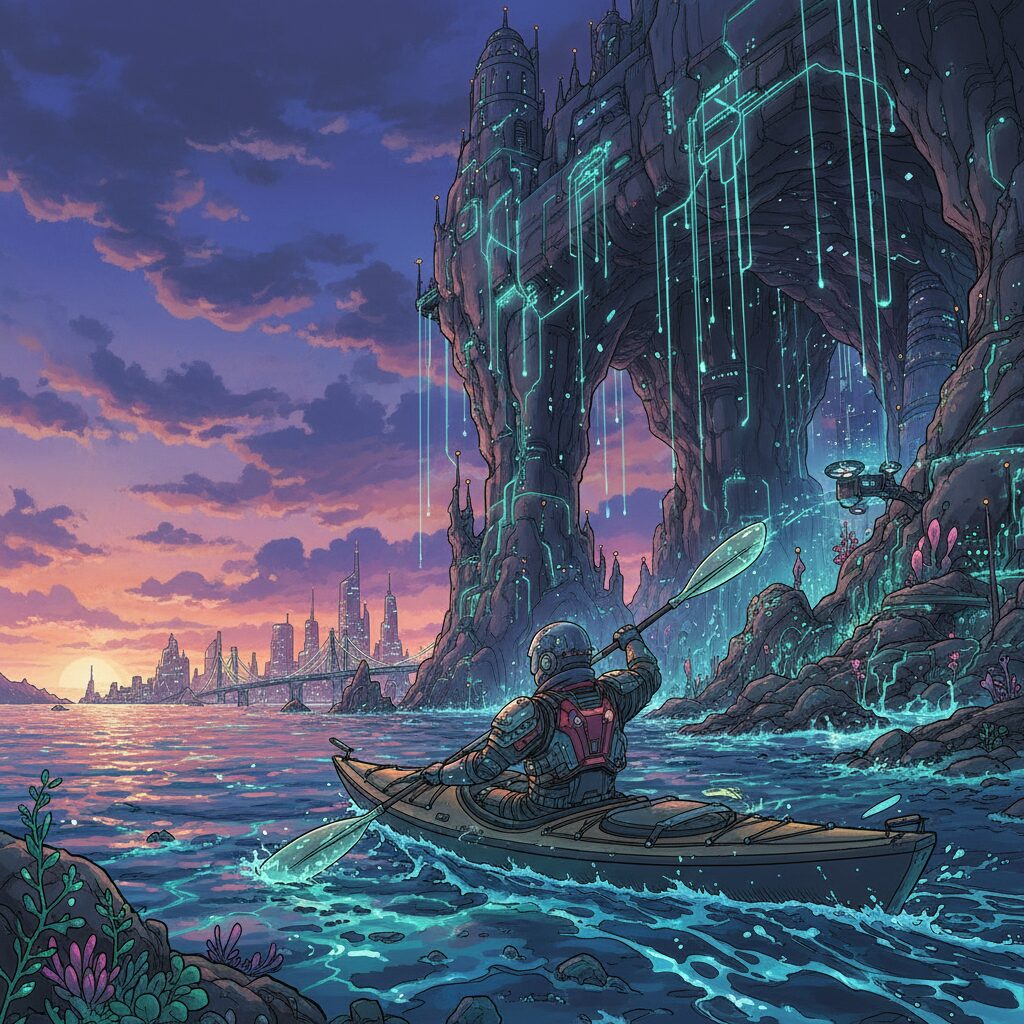
Having explored the Izu coast, I’ve gathered a few helpful tips that could make your trip even smoother. First, pack wisely. The sun in Japan can be intense, especially when reflected off the water. Sunscreen is essential. A wide-brimmed hat, polarized sunglasses, and a long-sleeved rash guard are also highly recommended. A reliable waterproof dry bag is crucial for keeping your phone, camera, and wallet safe while you’re on the water. Second, unless you are an experienced sea kayaker familiar with ocean navigation and safety, always go with a guide. It’s a safety issue. The guides in Izu are certified professionals who will not only ensure your safety but also enhance your experience with their local knowledge. Third, follow the principle of Leave No Trace. Izu’s natural beauty is its greatest asset. Take out everything you bring in, avoid disturbing wildlife, and respect the local environment. It’s a shared responsibility to preserve these places for future generations. Fourth, a little Japanese goes a long way. Fluency isn’t necessary, but learning simple phrases like “Arigatou gozaimasu” (Thank you very much), “Sumimasen” (Excuse me/Sorry), and “Konnichiwa” (Hello) will be warmly appreciated by locals. Finally, although Japan is becoming more card-friendly, many smaller, family-run businesses in rural Izu still accept only cash. It’s wise to carry a sufficient amount of Japanese yen just in case.
The Deeper Dive: Izu’s Cultural Cachet
Izu’s charm runs deeper than just its beautiful appearance. The peninsula is rich in history and culture, adding intriguing layers to your kayaking experience. The town of Shimoda, located at the southern tip of the peninsula, played a crucial role in Japanese history. In 1854, it was here that Commodore Matthew Perry of the U.S. Navy arrived with his “Black Ships,” compelling Japan to open its ports to international trade after more than 200 years of self-imposed isolation. As you paddle your kayak around Shimoda Bay, you are navigating waters that witnessed a significant turning point in world history. The peninsula’s evocative scenery has long inspired artists and writers. The best-known example is Nobel Prize-winning author Yasunari Kawabata’s short story, “The Izu Dancer” (Izu no Odoriko), a poignant tale of a student traveling through Izu who becomes captivated by a young traveling performer. The story beautifully captures the peninsula’s romantic, nostalgic, and slightly wild atmosphere. For a more contemporary cultural connection, Izu’s landscapes have become familiar to anime fans. The area serves as a key setting for series like Amanchu!, which vividly portrays the joy of scuba diving in Izu’s waters, and Yuru Camp△ (Laid-Back Camp), where characters explore Izu’s campsites and natural beauty. As someone who writes about anime, kayaking in a real-life place that inspired these stories is a surreal experience. It feels like stepping through the screen—an actual anime pilgrimage where you become part of the scenery. This adds an extra dimension to your journey, linking the pop culture you cherish with the tangible, breathtaking beauty of the natural world.
The Final Word
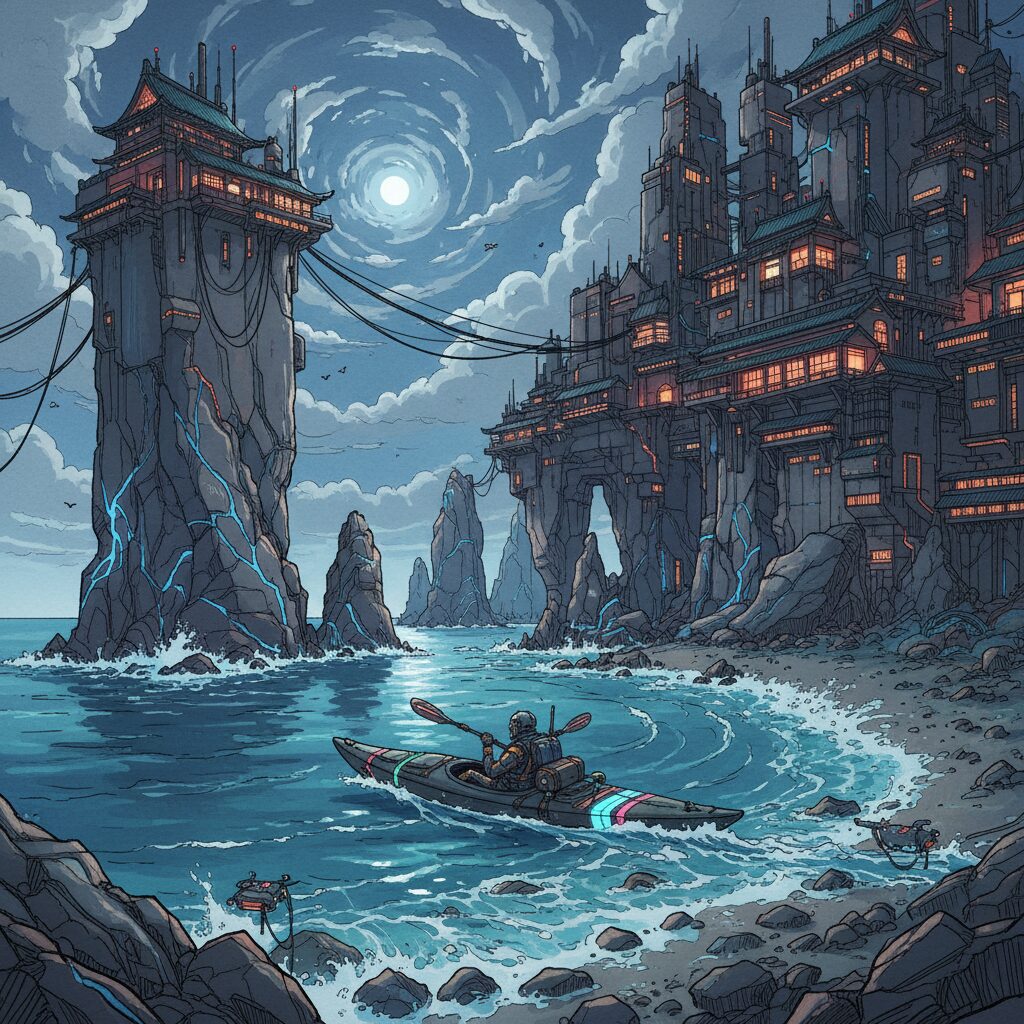
So, what’s the key takeaway? Sea kayaking in the Izu Peninsula offers far more than just a day of marine sports. It’s an invitation to connect with a different facet of Japan—a side that’s wild, ancient, and strikingly beautiful. It’s about the thrill of discovery as you paddle into a glowing sea cave, the peaceful calm that envelops you while drifting on crystal-clear waters, and the deep contentment of soaking in an onsen after a day spent exploring under your own power. Izu isn’t a place to merely observe from afar; it’s a place to experience with all your senses. You’ll treasure the taste of salt in the air, the sound of your paddle cutting through the water, the warmth of the onsen on your skin, and the fresh flavor of seafood caught just hours earlier. So, when planning that dream trip to Japan, dare to stray from the usual path. Look beyond the endless cityscapes and famous temples. A world of adventure awaits you on the waters of Shizuoka, a story etched in volcanic cliffs and turquoise coves. Find your own secret spot. Paddle your own route. I promise the Izu Peninsula will be a chapter of your travel tale you’ll want to revisit again and again. Bet.