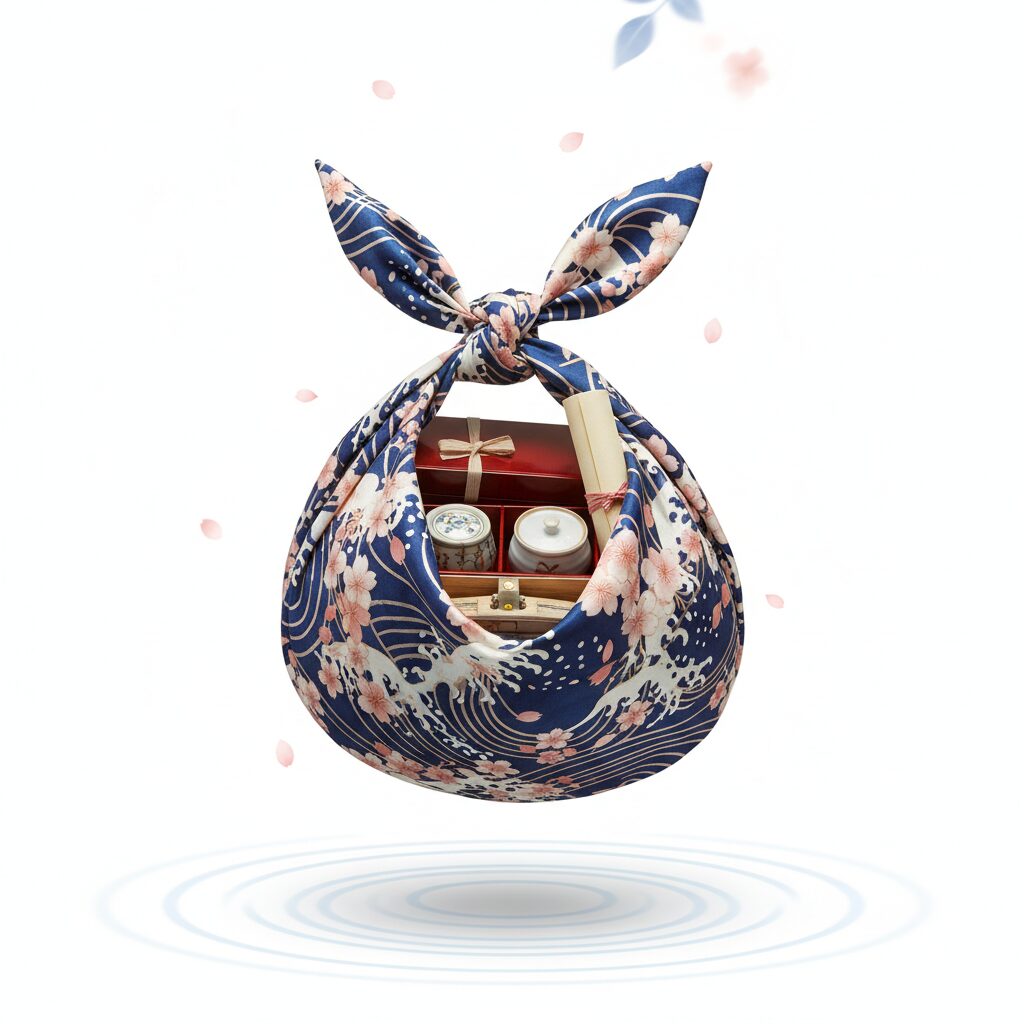
You’ve seen it, for sure. Maybe scrolling through your feed, a picture of a perfectly knotted, patterned cloth cradling a bento box. Or maybe you saw it in person, in the hands of an elegant grandma in Kyoto, carrying… something, in a vibrant silk square. And you probably thought, “Cute. A traditional thing. Kinda extra, though, right?” In a country that gave us bullet trains, robot cafes, and heated toilet seats, this simple piece of fabric feels like a weirdly analog throwback. It’s like finding a hand-cranked phonograph in the middle of an Apple Store. The question that hangs in the air, the one you’re too polite to ask, is: What’s the deal? Is Japan just holding onto Furoshiki for the aesthetic, for the ‘gram? Or is there a deeper story folded into that cloth?
Here’s the plot twist: that simple square is one of the most brilliant, high-concept pieces of design to ever come out of Japan. It’s not just a reusable wrapper; it’s the original eco-bag, a masterclass in minimalist functionality, and a low-key philosophical statement all tied up in a neat little bow. It’s a whole vibe, a mindset that speaks volumes about Japan’s complicated relationship with tradition, beauty, and waste. To get Furoshiki, you have to get the cultural software it’s running on. It’s less about the cloth itself and more about the art of caring—about your stuff, about the planet, and about the person you’re giving something to. Forget what you think you know about old-school crafts. We’re about to unfold the real story, and it’s way more relevant than you think.
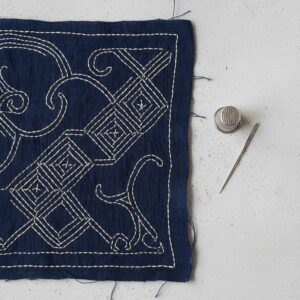
This mindset of care and repair extends beyond wrapping, finding a parallel in the Japanese art of Sashiko stitching, another traditional craft that elevates mending into a sustainable art form.
The Lowdown: What Even Is Furoshiki?
More Than Just a Square
At its core, a Furoshiki is simply a square piece of cloth. No zippers, no straps, no fixed shape—just pure potential. Its brilliance lies in this simplicity. But don’t mistake that for basic. The materials themselves tell a rich story. You have your everyday workhorses, typically made from sturdy cotton or synthetic blends like rayon, which are durable, washable, and ideal for wrapping up lunch or a few books. They feel practical and dependable. Then there are the upscale varieties crafted from silk—either smooth, glossy silk crepe (`chirimen`) or the lighter, more textured silk pongee (`tsumugi`). These are reserved for special occasions, perfect for wrapping a truly meaningful gift. Handling a silk Furoshiki is an experience, with its weight and drape signaling luxury and respect.
The true narrative, however, lives in the patterns. A Furoshiki serves as a canvas. Traditional motifs offer a visual language of Japanese culture. You might recognize the `karakusa` pattern, that classic green vine-like swirl often seen in vintage anime, symbolizing longevity and prosperity. Cherry blossoms (`sakura`) represent the fleeting beauty of spring, cranes for good fortune and longevity, and geometric designs like `asanoha` (hemp leaf) for growth and `seigaiha` (waves) for peace and good luck. Each pattern carries a unique meaning, a subtle message for the recipient. But it isn’t just history—today, you can find Furoshiki with sleek modern, minimalist designs, pop art, charming animal characters, or collaborations with well-known artists and brands. It’s a living art form, continually reinvented and reinterpreted. The Furoshiki you pick reveals something about you, your style, and the event. It’s a statement piece even before the gift inside is unveiled.
The Name Drop: Furo-what?
Let’s unpack the name, since it’s essentially the origin story in two words. `Furo` (風呂) means “bath,” and `shiki` (敷) means “to spread.” So literally, a “bath spread.” It sounds a bit odd at first, but it makes perfect sense if you go back to the Nara Period, over 1,300 years ago. Public bathhouses were becoming popular, especially among the elite. When visiting, you needed something to stand on while changing and something to wrap your clothes in to keep them separate from others’. The answer? A cloth bearing your family crest.
You’d spread this cloth on the ground, undress on top of it, bundle up your fine kimono, and tie it securely. After bathing, you’d unwrap your bundle, use the cloth again as a bath mat, then wrap your wet towel for the trip home. It was a versatile tool for the bathhouse routine. This custom grew in the Muromachi period as public bathing culture spread further. The name `Furoshiki` became commonplace in the Edo period when these cloths expanded beyond bathhouses to become an essential item in everyday life. So the next time you see one, remember that this elegant piece of fabric has humble, slightly damp beginnings. It’s a glow-up story: from a simple bath mat to a symbol of refined, sustainable living.
The Glow-Up: From Bath Mat to Street Style Staple
The Edo Period Vibe Shift
The Edo period (1603-1868) was when Furoshiki truly flourished. Japan was largely peaceful and isolated from the outside world, leading to a major surge in domestic culture, commerce, and art. Cities like Edo (now Tokyo) were vibrant, with a rising, influential merchant class. These merchants needed practical ways to carry goods, samples, and documents. More importantly, they were deeply invested in a culture of gift-giving where presentation was crucial. You couldn’t simply hand over a valuable item in a plain bag; the wrapping was part of the exchange, symbolizing respect and sincerity.
Enter Furoshiki. It was the ideal tool for the task. Its versatility was its greatest strength. A single cloth could be fashioned to carry anything from a small box of sweets to a stack of account books, a pair of sake bottles, or even a watermelon. There was a distinct knot for every circumstance. Merchants developed intricate, almost coded ways of tying Furoshiki to convey the type of contents or the significance of the delivery. The Furoshiki became the Edo period’s equivalent of a briefcase, shopping bag, and premium gift wrap all rolled into one. It was everywhere, a common thread woven throughout the city’s social and economic life. Owning a range of Furoshiki—from simple cotton for daily errands to elegant silks for formal visits—signaled one’s means and taste. It was more than just practicality; it was a status symbol, an essential part of the urban identity.
The Post-War Ghosting
For centuries, Furoshiki reigned supreme as the go-to method for carrying items. Then, the 20th century brought dramatic change. After World War II, Japan experienced rapid industrialization and Westernization. The national mindset embraced modernization, efficiency, and a forward-looking spirit. In this new era, Furoshiki began to seem somewhat outdated—something your grandmother might have used. The first competitor was the paper bag, which gained popularity in department stores for its convenience, branding, and modern, American feel.
But the real knockout was the plastic bag. With the rise of supermarkets and convenience stores (`konbini`) in the 1970s and ‘80s, free disposable plastic bags became everywhere. They symbolized a new consumer-driven paradise. Why learn knot-tying skills when a free bag could be handed over without effort? It was quicker, required no skill, and you could simply discard it afterward. Furoshiki was ghosted, pushed to the back of the closet, reserved only for very formal, traditional occasions like weddings or wrapping heirlooms. For decades, it seemed the rich history of Furoshiki was finally fading into obsolescence, destined to remain a museum relic rather than a part of everyday life.
The Comeback Tour: Why Furoshiki is Trending Again
“Mottainai” – The Original Sustainability Mindset
Just when it seemed like Furoshiki was fading into obscurity, a cultural shift began to emerge. A quiet yet powerful concept, long embedded in the Japanese mindset, started to reappear: `mottainai` (もったいない). This term is famously hard to translate directly into English. It means more than just “wasteful.” `Mottainai` expresses a deep feeling of regret about waste. It embodies the belief that everything, from a single grain of rice to a sheet of paper, holds intrinsic value and should be used to its fullest extent. To waste something is to show disrespect for the resources, time, and effort that went into producing it. Rooted in Buddhism, this idea has been intricately woven into Japanese culture for centuries.
Furoshiki is the tangible representation of the `mottainai` ethos. It opposes the throwaway culture. A single cloth can serve as a gift wrap one day, a grocery bag the next, and a picnic blanket over the weekend. It can be washed, mended, and passed down through generations. When worn out, it can be transformed into a cleaning rag. Its lifecycle is long and cyclical. As global discourse shifted towards sustainability and environmental awareness, people in Japan—and around the world—began to see Furoshiki in a new way. It was no longer an outdated artifact; it was a brilliantly simple answer to a contemporary problem. A native solution to the plastic crisis, it was a piece of ancestral wisdom that suddenly seemed remarkably forward-thinking.
The Eco-Warrior Statement
This revitalized appreciation for `mottainai` wasn’t just a grassroots trend. It received official endorsement. In 2006, Japan’s Minister of the Environment, Yuriko Koike, launched a campaign promoting Furoshiki as a stylish, eco-friendly alternative to plastic bags. She even introduced a new design called the “Mottainai Furoshiki,” highlighting its versatility and modern appeal. This was transformative. It gave Furoshiki a fresh kind of cool. Suddenly, it wasn’t only a traditional craft; it became a deliberate environmental choice. A quiet way to show that you were thoughtful, creative, and concerned about the planet.
Younger generations, raised with plastic as the norm, started discovering Furoshiki with new perspective. It resonated with their craving for authenticity, sustainable goods, and items with a story. Stores specializing in modern Furoshiki appeared. Online tutorials demonstrating how to fold a Furoshiki into a trendy handbag or backpack went viral. The Furoshiki had successfully reinvented itself. It tapped into the global wellness and minimalism trends, perfectly aligning with the idea of a curated, intentional lifestyle. Using a Furoshiki became a subtle act of rebellion against disposable culture, a way to connect with deeper Japanese values centered on sustainability.
Aesthetics Matter: The Art of Tsutsumi
To truly grasp the Furoshiki revival, you must understand that in Japan, how something is presented often matches the importance of the item itself. The wrapping culture, known as `tsutsumi` (包み), is a profound, nuanced art. It’s not simply about covering an object; it’s about creating anticipation, showing respect, and conveying messages without words. Wrapping is a form of `omotenashi`—heartfelt hospitality and care.
Furoshiki is the perfect embodiment of `tsutsumi`. The various tying techniques are not merely practical; they are expressive. A simple knot like the `otsukai-zutsumi` is used for everyday objects. A more intricate knot, incorporating a decorative bow or floral shape, is reserved for a special gift, signaling care and celebration. The `bin-zutsumi` is a clever set of wraps designed specifically for one or two bottles, producing a stable and elegant handle. The `hira-zutsumi` is the classic flat wrap for boxes, delivering clean lines and a beautiful presentation. How the cloth is folded, the knot tied, and even the direction of the corners can all carry subtle meaning. When you receive a gift wrapped in Furoshiki, unwrapping it becomes part of the gift itself. You carefully untie the knot, revealing the item inside. This is a moment of quiet ceremony, sharply contrasting with tearing paper and discarding it. This deep cultural respect for thoughtful presentation is what gives Furoshiki its lasting significance. It is a skill, a meditation, and a silent form of communication—all contained in one beautiful square of cloth.
The Real Tea: Furoshiki in the Wild Today
The Everyday Carry vs. The Special Occasion
With all the buzz about sustainability and tradition, are people in Tokyo and Osaka really using Furoshiki to carry their groceries from the supermarket? Let’s be honest: not really. Step into a typical `konbini` or supermarket, and you’ll be met with a sea of tote bags, backpacks, and—yes—a significant number of plastic bags (although these often come with a charge now). For most everyday tasks, the Furoshiki hasn’t replaced the convenience of a modern bag. It takes more time and skill to wrap a carton of milk and a bag of chips in a Furoshiki than simply tossing them into a tote.
Where Furoshiki truly excels today is in gift-giving—that’s its main arena now. When presenting a meaningful gift—for a wedding, milestone birthday, a thank-you to a valued mentor, or a quality souvenir (`omiyage`)—wrapping it in a Furoshiki elevates the gesture. It communicates, “I put time and thought into this. This gift, and you, are important.” It transforms a simple bottle of sake or box of sweets into an object of beauty and deep respect. Outside of gift-giving, it finds niche uses: it remains the favored way to wrap and carry bento boxes, since it can unfold into a placemat. Smaller Furoshiki serve as handkerchiefs or to bundle small items inside bags. Its versatility is its secret strength; it adapts to whatever you need, whenever you need it. But as an everyday grocery carrier? It’s more of an aspirational ideal than a widespread practice.
The Japan Paradox: Hyper-Packaged Land of the Reusable Cloth
At this point, anyone who’s spent more than a few minutes in Japan might get puzzled. “Wait,” you could say, “You’re telling me this culture values a deep-rooted philosophy against waste called `mottainai`, yet the last cookie I bought was individually wrapped, nestled in a plastic tray, sealed inside cellophane, and placed in a decorative box?” And you’d be absolutely right. Welcome to one of Japan’s central modern paradoxes.
Japan is both a culture that treasures the reusable Furoshiki and one that has mastered the art of excessive packaging. A single piece of fruit may rest on a foam cushion and be encased in plastic. A souvenir box of crackers often holds each cracker in its own tiny, hermetically sealed packet. Why? This isn’t simply hypocrisy at play. It reflects different, sometimes competing cultural values existing side by side. The Furoshiki embodies the principles of `mottainai` and respect for resources. The obsessive packaging reflects equally strong values: a meticulous focus on hygiene, a demand for flawless quality, and the art of presentation as a form of respect for the consumer.
A Tale of Two Mindsets
Let’s explore this further. The plastic wrapping around a rice ball (`onigiri`) at the `konbini` isn’t merely an annoyance; it ensures the food remains pristine, untouched by hands, and exceptionally fresh. Individually wrapped cookies guarantee each one stays crisp from factory to consumer and can be shared without contact. It’s a form of thoughtfulness toward the end-user. It’s also about aesthetics. In Japan, a damaged product—a crushed box, a bruised apple—is often unsellable. Packaging acts as armor, safeguarding the product’s flawless arrival in the consumer’s hands.
Thus, two parallel philosophies coexist. The Furoshiki mindset embraces flexibility, sustainability, and finding beauty through function. It respects an object by maximizing its use. The hyper-packaging mindset focuses on purity, preservation, and presenting an impeccable product. It respects the consumer by ensuring safety and delivering a perfect experience. These ideas are not mutually exclusive; they live side by side. Someone might carefully wrap a gift in a reusable Furoshiki and then purchase a bag of individually wrapped candies. Understanding this paradox is essential to comprehending modern Japan—a culture that deeply reveres ancient sustainable traditions while also thriving as a hyper-consumerist, convenience-driven society. The dynamic tension between these poles is where much of the intrigue of contemporary Japanese life lies.
So, What’s the Vibe? Is Furoshiki Just for Show?
Beyond the Hype: It’s Both a Skill and a Mindset
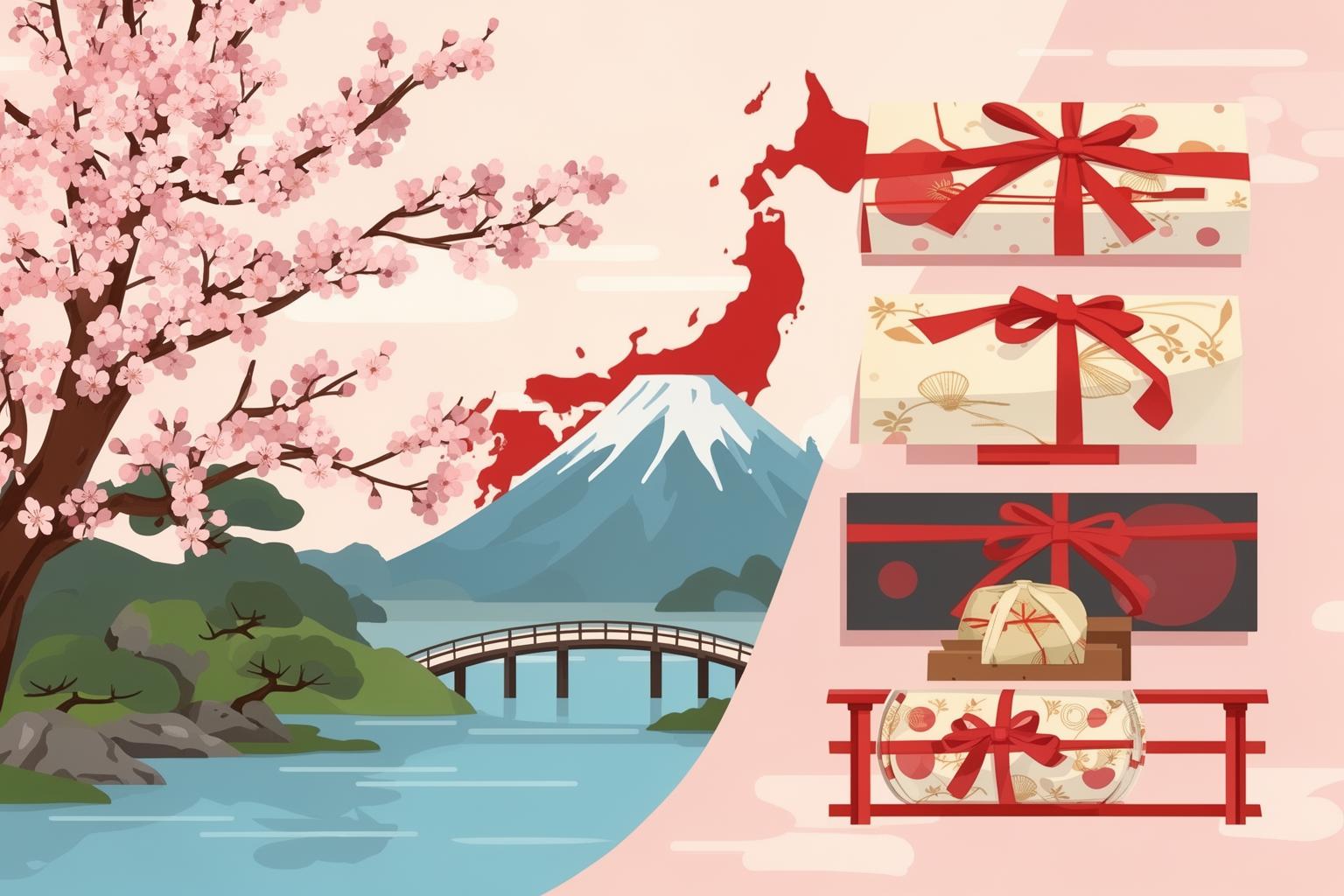
Ultimately, it’s evident that Furoshiki is much more than a decorative piece of fabric or a passing eco-friendly trend. It’s not a passive product. Using a Furoshiki is engaging in a mindful practice. It demands a small time investment to master a few basic knots and requires a moment of consideration for the shape of the item you’re wrapping. In our era of instant gratification and one-click ease, this intentional act of folding and tying serves as a subtle yet powerful statement. It offers a moment of mindfulness—a physical meditation that deepens your connection to the object you hold.
Perhaps this is its greatest value today. It challenges the mindless consumption that characterizes much of modern life. Unlike a plastic bag, which is anonymous and unthinking, a Furoshiki is personal and deliberate. It elevates the ordinary task of carrying something into a small act of creativity and care. It’s not about speed or efficiency; it’s about choosing to act with more grace, beauty, and thoughtfulness. This mindset prioritizes the process over pure convenience, enriching a simple everyday action with added meaning.
Your Japan Trip Souvenir, Elevated
If you’re planning a trip to Japan and considering what to bring back, skip the mass-produced keychains and quirky-flavored Kit Kats (well, maybe grab a few). Instead, seek out a Furoshiki shop. Purchasing a Furoshiki is like acquiring a piece of functional art imbued with a slice of Japanese philosophy. It’s lightweight, easy to pack, and available in a stunning variety of designs to suit any taste. You can find them in department stores, specialty boutiques, and even museum gift shops.
What’s best is how it lives on after your trip. At home, it won’t just collect dust on a shelf. Use it to wrap birthday or holiday presents, instantly making your gift feel more special and thoughtful. Learn to fold it into a small bag for evenings out. Wear it as a stylish scarf or headband, cover a tissue box with it decoratively, or hang it on your wall as art. A Furoshiki isn’t merely a souvenir; it’s a versatile and elegant tool that carries the story of your travels and the essence of a culture that finds profound meaning in the simplest things.
The Final Take
Ultimately, the humble Furoshiki provides a clear answer to that big question: “Why is Japan like this?” It’s a culture where form and function are deeply connected, where the past is constantly reimagined for the present, and where even the simplest acts are layered with ceremony and respect. The Furoshiki perfectly embodies this. It is at once ancient and strikingly modern, incredibly simple yet endlessly intricate, practical and profoundly artistic.
It stands as a quiet testament to the idea that sustainability is not a new trend but ancient wisdom. It reminds us that beauty doesn’t need to be complicated, and that the most valuable qualities—care, respect, and thoughtfulness—can’t be bought but can be folded, tied, and shared. That simple square of cloth is not just a nostalgic relic; it’s a blueprint for a more intentional way of living. And that ethos feels more relevant now than ever.