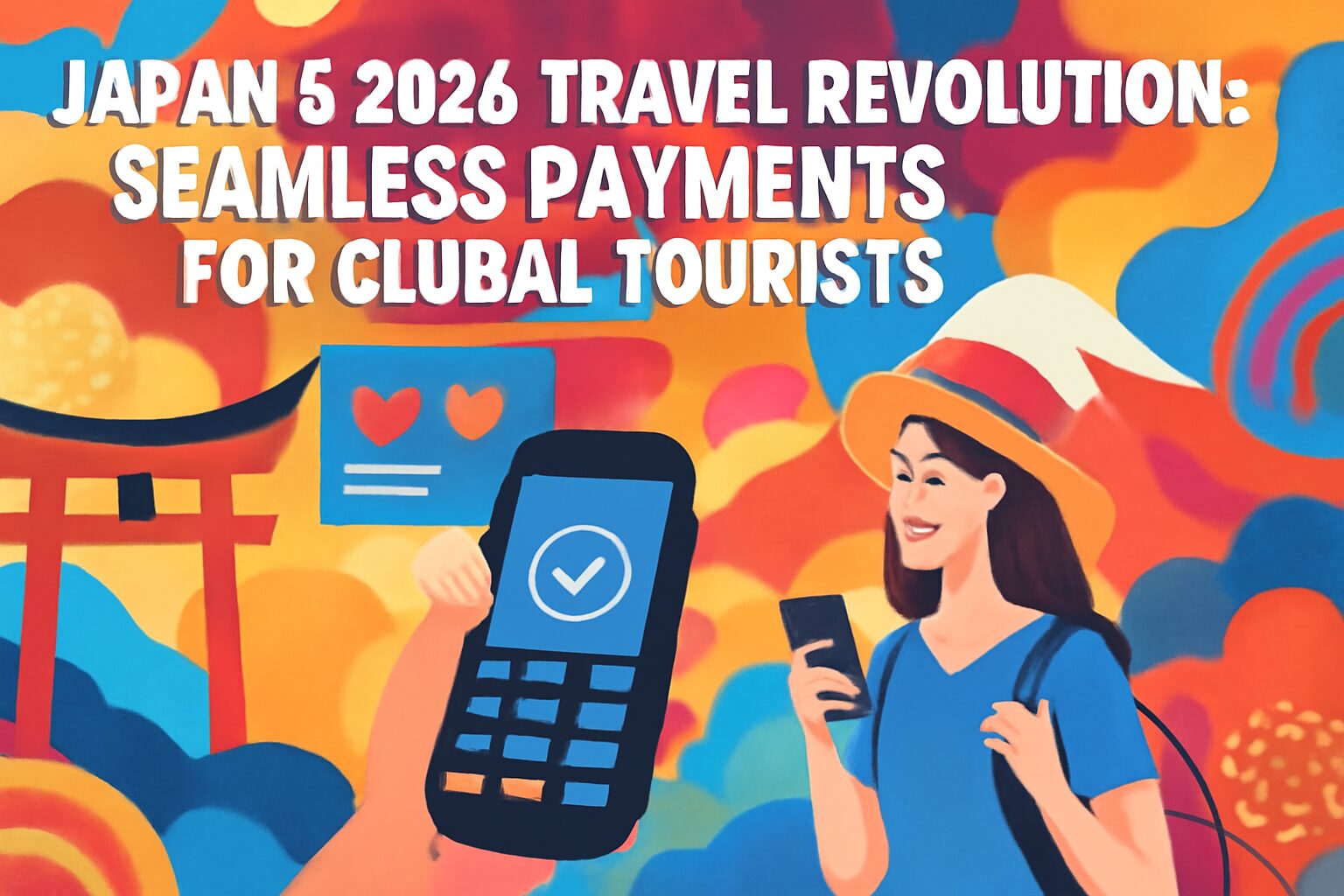
Japan is gearing up for a major leap in its tourism infrastructure, announcing a plan to integrate popular international QR code payment systems by 2026. This landmark initiative aims to create a frictionless payment experience for a new wave of global travelers, particularly from rapidly growing markets like India. For visitors, this means saying goodbye to the hassles of currency exchange and the anxiety of carrying large amounts of cash.
The “Why” Behind the Move: Addressing a Long-Standing Challenge
For years, Japan has been known for its cash-centric society, a trait that often posed a challenge for international tourists accustomed to digital wallets. While major cities and hotel chains have embraced credit cards, smaller shops, local eateries, and rural tourist spots have often remained cash-only, creating a “payment barrier” for visitors.
The push for this change is fueled by staggering tourism growth. In 2023, Japan welcomed over 25 million international visitors, a remarkable recovery approaching pre-pandemic levels. The total tourism consumption for the same year reached a record-breaking 5.3 trillion yen (approximately $34 billion USD).
Significantly, travelers from India are a rapidly growing demographic. In 2023, Japan saw a record 221,600 visitors from India, a substantial 26.9% increase compared to the pre-pandemic year of 2019. Recognizing this trend, the new payment system directly targets the needs of this expanding market. The Japanese government has also set an ambitious goal to raise its cashless payment ratio to 40% by 2025, and this initiative is a crucial step toward achieving that target.
What This Means for Travelers: The UPI Connection
The core of this initiative is the integration of Unified Payments Interface (UPI)-based systems. UPI is a real-time payment system developed in India that has revolutionized digital transactions in the country, with billions of transactions processed monthly.
For Indian tourists, this is a game-changer. They will be able to use their familiar and trusted apps, such as PhonePe and Paytm, to make payments in Japan simply by scanning a QR code at the point of sale. The process will be as seamless as it is in their home country, with the currency conversion handled automatically in the background. This eliminates the need for currency exchange fees, the risk of carrying cash, and the confusion of using unfamiliar payment methods.
The Broader Impact: A More Inclusive and Welcoming Japan
This move is expected to have far-reaching positive effects on Japan’s tourism industry and its global image.
Economic Ripple Effects
By making payments effortless, Japan encourages more spontaneous and higher-value spending from tourists. When the payment process is simple, visitors are more likely to make impulse buys, dine at a wider variety of restaurants, and purchase souvenirs. This will be a significant boon for small and medium-sized businesses, particularly in regional areas, which can adopt QR code payments with minimal cost compared to traditional credit card terminals. It opens up the tourism economy to a broader range of merchants, spreading the benefits beyond major urban centers.
Enhancing the Tourist Experience
The greatest impact will be on the travel experience itself. A stress-free payment system enhances the overall feeling of welcome and accessibility, a core principle of Japanese “omotenashi” (hospitality). Travelers can focus on immersing themselves in the culture, scenery, and cuisine without worrying about payment logistics. This creates a more positive and memorable journey, encouraging repeat visits and glowing recommendations.
Looking Ahead: The Future of Travel Payments
This UPI integration is likely just the beginning. The successful implementation of this system could pave the way for integrating other popular QR payment networks from across Asia, such as Thailand’s PromptPay or Singapore’s PayNow.
As Japan prepares to host major international events like the Osaka-Kansai Expo in 2025, building a truly global and tech-forward payment infrastructure is essential. This 2026 initiative is not just a technical upgrade; it’s a strategic move to position Japan as one of the most accessible, convenient, and forward-thinking travel destinations in the world for the decades to come.