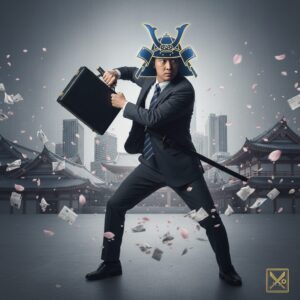
Yo, let’s get real for a sec. You’ve probably seen it online—the vids of Japanese salarymen, suits slightly askew, absolutely vibing in a packed izakaya after a long day. Or maybe you’ve heard the stories, the whispers of mandatory after-work drinks where the real business goes down. You land a gig in Tokyo, all hyped up, and then the email drops: “Team-building drinking party, Friday at 7 PM. Attendance is expected.” Expected? Wait, what? Is this part of my job description? Do I have to? Can I just… not? It’s this massive culture shock moment, a collision between the Western ideal of a clear work-life boundary and a Japanese tradition that’s as ingrained as bowing. This whole scene, this blurry line between colleague and drinking buddy, has a name: Nommunication. It’s a mashup of the Japanese word for drink, nomu (飲む), and communication. The concept is simple on the surface: booze is the ultimate social lubricant, a magic potion that melts the stiff corporate hierarchy and lets people speak their true minds. It’s where the stoic manager supposedly reveals their human side, and the quiet rookie gets to shine. For decades, this wasn’t just a fun option; it was the unspoken second shift, the real arena for career advancement, team bonding, and information sharing. But here’s the tea: that era is getting a major vibe check. The mandatory, all-night sessions are starting to feel totally cringe to a new generation. The whole foundation of Nommunication is shaking, and what’s emerging is something new, something different. We’re about to dive deep into the world of after-work drinks, exploring why it was the main character of Japanese corporate life for so long, and why it’s now slowly getting written out of the script. This isn’t just about drinking; it’s about a fundamental shift in Japan’s relationship with work, identity, and personal time. It’s the story of a culture in transition, one pint at a time. Peep the map below—these narrow alleys in Shinjuku are ground zero for the old-school Nommunication vibe, a living museum of a fading corporate ritual.
The Unspoken Rules of the Corporate Watering Hole
So you’ve made up your mind to go—or rather, you’ve recognized that saying no involves a social calculus too complicated for your first month on the job. Entering an izakaya for a company drinking party feels like stepping into another world where your office persona is expected to undergo a major upgrade. It’s not simply about having a few drinks; it’s a performance, a game governed by a dense, unwritten rulebook that everyone but you seems to know by heart. The air is heavy with the aroma of grilled skewers and cigarette smoke, accompanied by a chaotic mix of clinking glasses and raucous laughter. Yet beneath the surface-level enjoyment, there flows a current of strict etiquette. This isn’t a casual get-together with friends from back home; it’s an extension of the workplace, just with more beer and less fluorescent lighting. Missteps won’t cost you your job, but they can mark you as someone who doesn’t “get it,” a serious transgression in a culture that values group harmony above all. Grasping these rituals is vital to understanding both the pressure and the purpose behind the whole event.
Decoding the Invite: The Illusion of Choice
The invitation itself is the initial test. It might come as a casual “Hey, we’re all going for drinks after work, you should join us!” from the coworker next to you. Or it could be a more formal calendar invite for an enkai (party). But pay close attention to the subtext. In traditional Japanese corporate culture, an invitation from a superior is more akin to a royal summons than a mere suggestion. The word “optional” often serves as a trap for the uninitiated. Declining requires a skillfully crafted excuse—a yotei (prior engagement) so compelling that it simply can’t be moved. A plain “I’m tired” or “I’m not much of a drinker” is usually interpreted as rejecting the team itself. It signals that you’re not a team player, that you don’t value bonding with your colleagues. For the older generation, who sacrificed their personal lives for the company, your refusal to sacrifice one evening is genuinely perplexing. This dynamic creates a subtle psychological pressure. You’re constantly balancing your own desire for freedom against the unspoken expectation to participate. The stress is intense, especially for younger employees who want to avoid causing waves. This isn’t about enforced fun; it’s about performative loyalty.
The Ritual of the First Pour: Toriaezu Biru!
You’ve taken your seat, carefully navigating the seating order—which, by the way, is anything but random. The most important person, the highest-ranking boss, sits at the head of the table (kamiza), farthest from the door, while the lowest-ranking newcomers sit near the entrance (shimoza), ready to flag down the server. Before you can even decide what you want, a chorus erupts: “Toriaezu biru!” This phrase, which roughly means “Beer for now!” or “Let’s just start with beer,” is iconic. Instantly, frosty mugs of lager arrive for everyone, regardless of personal preference. Why? It’s about efficiency and harmony. No one wastes time deciphering menus and generating a cacophony of individual orders. The team begins as one, with a shared drink. It’s a powerful, symbolic act of unity. The first kanpai (cheers) is a sacred moment. Everyone raises their glass, making sure to hold theirs slightly lower than their superiors’ as a gesture of respect, and together they toast the team’s hard work. Only after this initial ritual concludes can the real drinking—and authentic Nommunication—begin. The system is designed to get everyone aligned, lubricated, and ready to bond as quickly as possible. From the very first order, the individual is subsumed into the group.
The Art of Oshaku: A Never-Ending Task
Now, the real challenge starts. You must never, ever pour your own drink. More importantly, you must never let your boss’s glass run dry. This is the art of oshaku. Your eyes constantly scan the table, monitoring the drink levels of your superiors. The moment a glass falls below halfway, it’s your cue to grab the nearest beer or sake bottle, hold it with both hands (one hand is too casual and disrespectful), and politely ask, “May I pour for you?” While pouring, you ensure the bottle’s label faces upward. It’s a dance of social awareness. Conversely, when a superior pours for you, you must accept the drink with both hands, expressing gratitude. This constant, reciprocal pouring isn’t just about keeping glasses filled. It’s a physical representation of office hierarchy and a means of interaction. It provides junior employees with a legitimate reason to approach senior bosses, offering a rare opportunity for one-on-one conversation that would be impossible in formal office settings. It’s a chance to be noticed, to show respect, and to build rapport. For a foreigner, this can be exhausting—a high-stakes game of whack-a-mole where the moles are empty glasses. But for generations of Japanese workers, it was the primary way to navigate corporate relationships and earn favor with higher-ups.
Why Did Japan Get So Lit at Work? The Genesis of Nommunication
To truly understand why these drinking sessions became so deeply ingrained in Japanese corporate culture, we need to rewind time. This isn’t an ancient samurai practice; rather, it’s a relatively modern phenomenon, emerging from the aftermath of World War II and fueled by Japan’s later economic miracle. The intense pressure of post-war reconstruction and the explosive growth of the 1960s through the 1980s forged a unique corporate atmosphere. The company was more than just a workplace; it functioned as a surrogate family, a tribe that demanded complete loyalty. The izakaya served as this tribe’s official campfire—the place where its stories were shared, bonds were strengthened, and future plans were made. Understanding this historical and social backdrop is essential because Nommunication was never merely about drinking to excess. It was a, albeit imperfect, response to a specific set of social and economic circumstances that shaped 20th-century Japan.
The Kingdom of the Salaryman: Company as Family
During the post-war economic boom, Japan developed a system centered on large corporations offering lifetime employment (shūshin koyō) and seniority-based wages (nenkō joretsu). In this model, employees joined a company straight from university and were expected to remain until retirement. Personal identity blended with corporate identity. You weren’t just Kenji Tanaka; you were “Tanaka from Mitsubishi.” In return, the company provided for housing, healthcare, and family allowances—creating a strong sense of belonging and mutual responsibility. The boundaries between work and personal life largely disappeared. Colleagues weren’t merely coworkers; they were comrades with whom you would spend the next forty years. In this context, evening drinking sessions weren’t seen as an obligation but a natural, essential aspect of membership in the ‘family.’ It was a way to show commitment, loyalty, and willingness to prioritize the group above oneself. The salaryman became a cultural symbol, a corporate warrior whose battleground was the office and whose ritual of unity was the nightly izakaya visit.
A Pressure Valve for a Rigid Society: Honne and Tatemae
Japanese society functions on a fascinating duality between honne (本音), one’s true feelings and desires, and tatemae (建前), the public facade maintained to preserve social harmony. In the workplace, tatemae dominates. The office environment is characterized by extreme politeness, indirect communication, and strict respect for hierarchy. Openly criticizing a superior or expressing a controversial opinion during a meeting is unthinkable. While this system maintains a smooth, conflict-free exterior, it hinders genuine communication and innovation. So, where could people express their honne? The answer: the izakaya. Nommunication became the officially tolerated release valve for the corporate system. Under the influence of alcohol, the strict rules of tatemae were temporarily loosened in a practice called bureikō (無礼講). This was the moment when ranks could be set aside, and people could speak frankly. A junior employee might (carefully) voice a grievance to a manager, or colleagues could settle disputes without the usual layers of politeness. Of course, it was a temporary illusion—you still couldn’t truly say anything, and everyone remembered what was said the next day—but it was a necessary one. It created space for the messy, human side of business that the pristine formality of the office couldn’t accommodate. It was therapy, brainstorming, and a loyalty test combined.
The Economic Logic: More Than Just a Good Time
To be clear: these drinking sessions weren’t merely for enjoyment. They were an integral part of business operations and, for a long time, incredibly effective. During the boom years, companies had generous expense accounts, and managers were expected to use them to entertain teams and clients. The izakaya and upscale hostess clubs in Ginza were where real business happened. Information that couldn’t be shared in the office, due to departmental silos or strict hierarchy, flowed freely over sake. Deals were informally made, cross-department collaborations were initiated, and vital market intelligence exchanged. A manager could discreetly mentor a promising subordinate, or a team could vent about a challenging project and devise a new plan together. Nommunication was essentially a highly efficient, if informal, information network and management tool. It lubricated the workings of a corporate machine that could otherwise be rigid and bureaucratic. Your ability to participate—to drink, listen, pour, and connect—directly affected your career path. Skipping out meant missing crucial information and opportunities, effectively sidelining yourself from the company’s main current.
The Hangover Hits: Cracks in the Nommunication Empire

For decades, the Nommunication system appeared unshakeable, a cornerstone of Japanese corporate strength. Yet, nothing endures forever. The very foundations that made Nommunication indispensable have been eroding for years, and the entire structure is beginning to seem seriously unstable. What was once regarded as a crucial team-building ritual is now increasingly seen by younger generations as unpaid, soul-draining overtime fueled by cheap beer and social anxiety. A combination of economic realities, shifting social values, technological disruptions, and a global pandemic has dealt a series of heavy blows to this long-standing tradition. The after-work party isn’t dead yet, but its atmosphere is definitely off. The hangover from the 20th-century corporate binge is settling in, and people are finally starting to question whether it was worth it.
The Bubble Bursts, and So Does the Budget
The simplest explanation for Nommunication’s decline is cold, hard cash. The party truly began to wind down after Japan’s economic bubble burst in the early 1990s. The era of limitless corporate expense accounts came to a sudden stop. Companies entered a prolonged period of stagnation, often called the “Lost Decades,” and had to tighten their belts. Lavish nightly drinking parties were among the first casualties. Moreover, as the economy shifted from guaranteed lifetime employment to more precarious contract-based work, employees’ financial calculations changed as well. Wages stagnated while the cost of living, especially in major cities, remained high. Younger workers, often earning less than their predecessors, simply couldn’t afford to spend thousands of yen each week on after-work drinks, particularly when the company no longer covered the full cost. The practice of wari-kan (splitting the bill) became more prevalent, turning a once-mandatory work event into a mandatory expense. Suddenly, a night out with the boss felt less like a perk and more like a tax on both time and wallet.
“My Time is My Time”: The Rise of Individualism
Perhaps the most profound change has been cultural. The post-war generation was raised with a collectivist mindset: the company comes first. But generations growing up in a more affluent, peaceful, and globally connected Japan see things differently. Millennials and Gen Z value their personal time (puraibēto) in ways almost alien to their parents’ generation. They have hobbies, side projects, online communities, and a genuine desire for work-life balance. The idea of sacrificing their evenings for forced socializing with colleagues they’ve already spent eight to ten hours with is, frankly, a huge turn-off. They no longer view the company as a surrogate family deserving of unquestioned devotion; it’s simply a job. Their identity isn’t solely tied to their employer. This isn’t about laziness or antisocial behavior; it reflects a fundamental redefinition of the individual-corporation relationship. They’d rather spend their time and money on pursuits and people they truly enjoy. Loyalty is no longer automatic; it needs to be earned, and forcing people to drink together is a poor way to do so.
The Power Harassment Wake-Up Call
The discussion around harassment has also played a major role. The old Nommunication culture fostered various forms of harassment. There was pawa-hara (power harassment), where bosses would bully or demean subordinates under the guise of bureikō. There was aru-hara (alcohol harassment), intense pressure to drink heavily even against one’s wishes or health restrictions. Forcing someone to down a drink or shaming them for ordering oolong tea were common practices. As awareness of these issues has grown, companies have been compelled to take them more seriously. New compliance rules and increased fear of litigation have made managers cautious about pressuring their teams to drink. What was once seen as old-fashioned team-building is now rightly viewed as a potential HR disaster. This shift has empowered employees, especially younger ones, to refuse without fear of retaliation. The excuse “I have to go home” is gradually being supplanted by the more direct “I don’t want to go.”
Digital Killed the Izakaya Star
Technology and, more recently, the COVID-19 pandemic, have acted as powerful accelerators in the decline of traditional Nommunication. The rise of internal communication tools like Slack and Microsoft Teams created new, more efficient channels for the informal exchanges once confined to izakayas. There’s no longer a need to get your boss drunk just to ask a quick question or pitch a new idea. Then came the pandemic. Remote work became the norm overnight. The physical office—the heart of corporate culture—was abandoned. This shattered the daily routine that typically ended with a spontaneous visit to the bar. People grew accustomed to finishing work and immediately shifting to personal life. Companies tried to recreate the vibe with awkward “Zoom-munication” sessions, but it just wasn’t the same. The pandemic proved teams can bond and companies can thrive without compulsory drinking. It broke a lifelong habit and revealed to a new generation that there’s another way to work and socialize—one that offers a freedom they’re unwilling to give up.
The New Wave: Post-Nommunication Japan
If the era of all-night, mandatory drinking sessions is waning, what’s emerging to replace it? Is corporate social life in Japan simply nonexistent now? Far from it. It’s evolving. The desire to connect with colleagues remains strong, but the ways to do so are undergoing a significant transformation. The new trend emphasizes choice, diversity, and a healthier balance between work and personal life. The strict, hierarchical, alcohol-heavy rituals are giving way to a more flexible, inclusive, and genuinely modern approach to team bonding. This is not a dismissal of socializing, but rather a rejection of the notion that there’s only one proper way to do it. The post-Nommunication scene is much more intriguing and considerably less likely to leave you with a two-day hangover.
Lunch is the New Dinner: The Rise of Lunch-munication
A leading alternative gaining popularity is “lunch-munication,” which is brilliant in its simplicity. Instead of enduring a lengthy, alcohol-fueled dinner that takes up your entire evening, teams opt for a pleasant lunch together. The benefits are clear. First, it’s time-limited; lunch breaks usually last about an hour, so they can’t drag on endlessly. Second, it’s far more inclusive. Those who need to pick up children, have evening plans, or don’t drink alcohol can fully participate without feeling pressured or left out. Third, it’s much more cost-effective for both the company and employees. A fixed lunch menu costs only a fraction of a night out for food and drinks. Conversations tend to be more focused and productive without the influence of alcohol. It provides a low-pressure, efficient way to bond that respects everyone’s time and boundaries. This shift reflects a growing understanding that strong teams can be built during daylight hours, too.
From Pints to Projects: Hobby Circles and Shared Interests
Another key development is the move away from generic, one-size-fits-all drinking parties toward social activities rooted in genuine shared interests. Many companies now sponsor or support internal hobby clubs, or sākuru (circles). These range from futsal teams and running clubs to board game groups and photography circles. The crucial difference is that participation is completely voluntary and fueled by real passion. You’re not hanging out with your boss because you have to; you’re playing tennis with a colleague because you genuinely enjoy the sport. This fosters a more authentic and egalitarian form of bonding. Workplace hierarchies tend to dissolve more naturally on the sports field or over a game board than they ever could in a forced drinking environment. It allows employees to connect as whole individuals, not just by their job titles. This approach nurtures genuine friendships rather than the transactional relationships typical of the old Nommunication culture.
The Art of the Swift and Guilt-Free Exit
Even when traditional drinking parties still occur, the atmosphere has shifted. The pressure to stay until the very end, often followed by a nijikai (second party) and sometimes a sanjikai (third party) at another venue, has noticeably lessened. It’s now much more socially acceptable to make a quick exit. Younger employees feel more empowered to leave whenever they choose. They might attend the first hour or two, join in the main toasts and conversations, then politely excuse themselves. The important part is to show up and participate enough to demonstrate you value the team before bowing out to reclaim your evening. In modern workplaces, good managers understand and even encourage this practice. They recognize that morale improves when people feel respected and free to manage their own time. The marathon drinking session is being replaced by a more relaxed, drop-in/drop-out style that better suits everyone’s individual needs and schedules.
So, Is Nommunication Totally Dead?
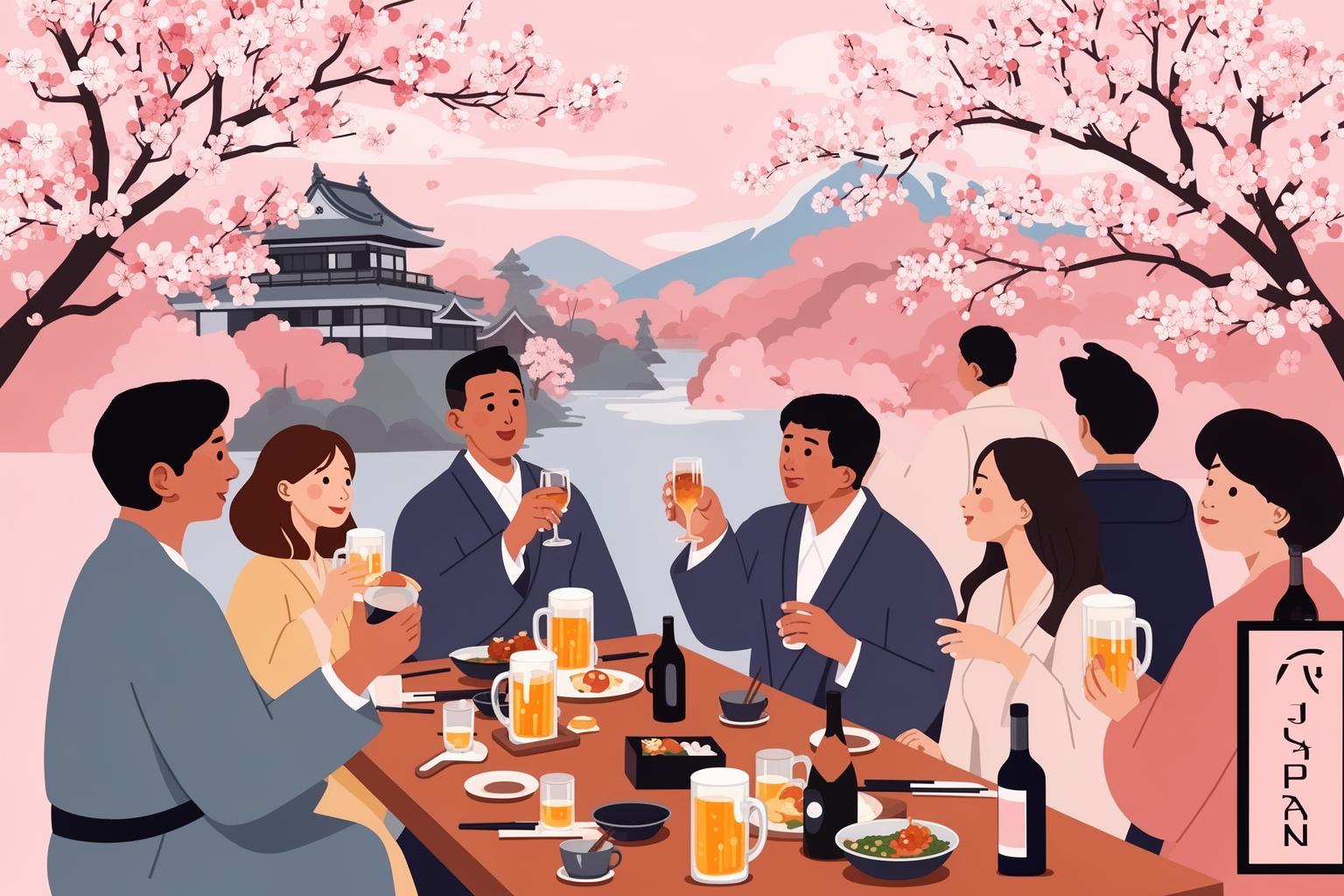
After all the talk of its decline, one might assume Nommunication is a relic, a ghost lingering in the boardrooms of a bygone era. But that’s not the whole story. Culture doesn’t simply switch off like a light; it evolves, adapts, and leaves behind echoes. Nommunication isn’t dead, but it has been dethroned. It’s no longer the absolute, unquestioned ruler of Japanese corporate social life. Its influence has waned, its rules are being rewritten, and its participants are quietly revolting based on personal choice. To say it has vanished entirely would overlook the deep roots it still holds in parts of Japanese society and the genuine, though complex, role it played for generations. The real narrative is one of transition—from a mandatory monolith to a mosaic of optional, more authentic connections.
Echoes in the System: Where the Vibe Lives On
While the trend in major cities and in tech or creative industries leans firmly toward a new model, old habits die hard. In more traditional sectors like banking, construction, or manufacturing, especially in regional offices outside the Tokyo-Osaka corridor, the classic Nommunication culture remains very much alive. For many older managers who built their entire careers within that system, it’s the only way they know to manage and connect with their teams. They may interpret the younger generation’s reluctance not as a wish for work-life balance, but as a lack of fighting spirit or company loyalty. Consequently, many young Japanese employees face this generational divide daily. They might work in companies with progressive official policies, yet their direct supervisors remain old-school traditionalists who still expect their presence at the izakaya every Friday night. The transition is underway, but uneven and often tense.
The Good We Almost Forgot: A Moment of Reflection
It’s easy to criticize Nommunication for its toxicity—the pressure, harassment, and unhealthy lifestyle. That critique is valid. But it’s also important to recognize why it endured so long: because, at times, it genuinely worked. Despite its flaws, the izakaya provided a space for real mentorship. It was where seniors might share invaluable career advice with juniors, or where colleagues facing struggles could find moments of solidarity and emotional support. In the best instances, these gatherings forged powerful, lifelong bonds and fostered team unity essential to many Japanese companies’ success. The issue was never the idea of bonding over drinks itself; it was coercion, excess, and lack of alternatives. In our haste to discard the old model, there’s a risk of losing the positive spirit of connection it sought to encourage.
The Future Vibe: A Healthier Blend
The future of workplace socializing in Japan is shaping into a hybrid model—seeking a healthy, sustainable balance. The future is not about no communication, but better communication. It’s about offering employees a choice—a menu of options such as lunch, hobbies, and shorter, less frequent drinking parties—and trusting them to select what suits them best. It’s about managers leading with empathy, recognizing that team cohesion is built on mutual respect rather than forced attendance. The core aim of Nommunication—to bridge gaps and foster understanding beyond job titles—remains a worthy pursuit. The ongoing revolution isn’t about abandoning that goal, but finding more creative, inclusive, and respectful ways to achieve it. The new Japanese corporate vibe allows you to be a devoted team player while still making it home for dinner, and that’s a change definitely deserving of a kanpai.