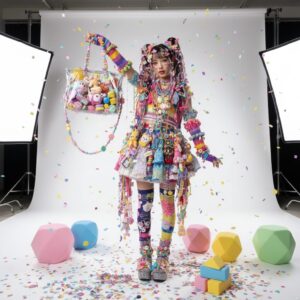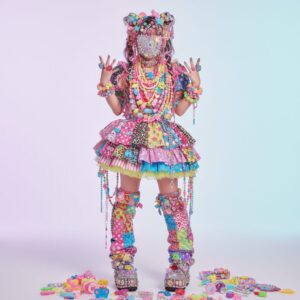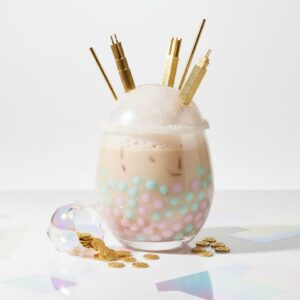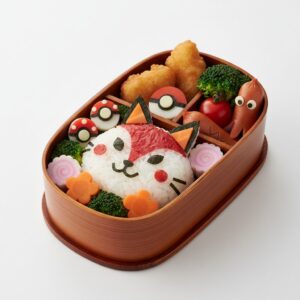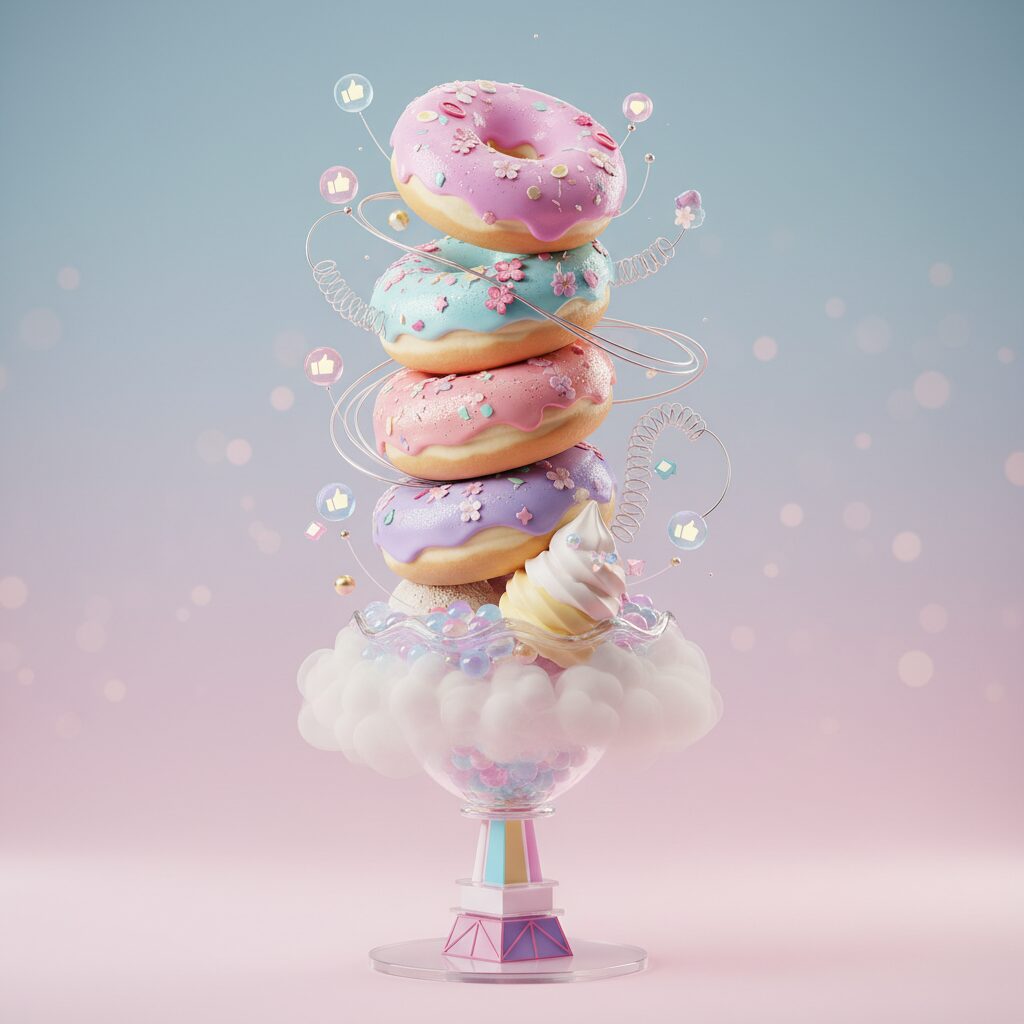
Scroll through any social media feed for Tokyo, and you’ll inevitably land in Harajuku. You’ll see it before you even know its name: a tidal wave of pastel pink and electric blue, of foods that defy gravity and logic. Giant clouds of rainbow candy floss dwarf the faces holding them. Adorable pig-shaped ice cream cones seem to weep strawberry tears. Crepes are folded into kaleidoscopic bouquets overflowing with cream, cake, and fruit. And, of course, the infamous grilled cheese sandwich that stretches into a neon rainbow of pure, unadulterated food colouring. As a mother of two who generally considers a bruised apple a sufficient daily treat, my first reaction was a mix of awe and mild horror. My immediate question, the one I imagine many of you have, was: “Does anyone actually eat this? And why?” It all looks spectacular, a fever dream cooked up in a pop-art laboratory. But is it just a tourist trap, a cavity-inducing gimmick designed for the perfect Instagram shot? The short answer is yes, partly. But the long answer, the one that gets to the heart of why Japan is the way it is, is so much more fascinating. Harajuku’s street food scene isn’t just about food. It’s a performance, a form of non-verbal communication, and a vibrant, edible expression of deep-seated cultural currents. It’s a window into the Japanese soul, one rainbow cheese pull at a time. To understand it, you have to look past the sugar and see the story it’s telling. This isn’t just about satisfying a sweet tooth; it’s about satisfying a cultural need for expression, joy, and a very specific kind of cuteness that holds profound meaning here.
This vibrant, edible expression of culture is a direct descendant of the 2000s Harajuku Decora fashion movement, which you can explore further in our deep dive into Harajuku’s faded Decora vibe.
The Art of ‘Moe’ and the Edible ‘Kawaii’ Universe
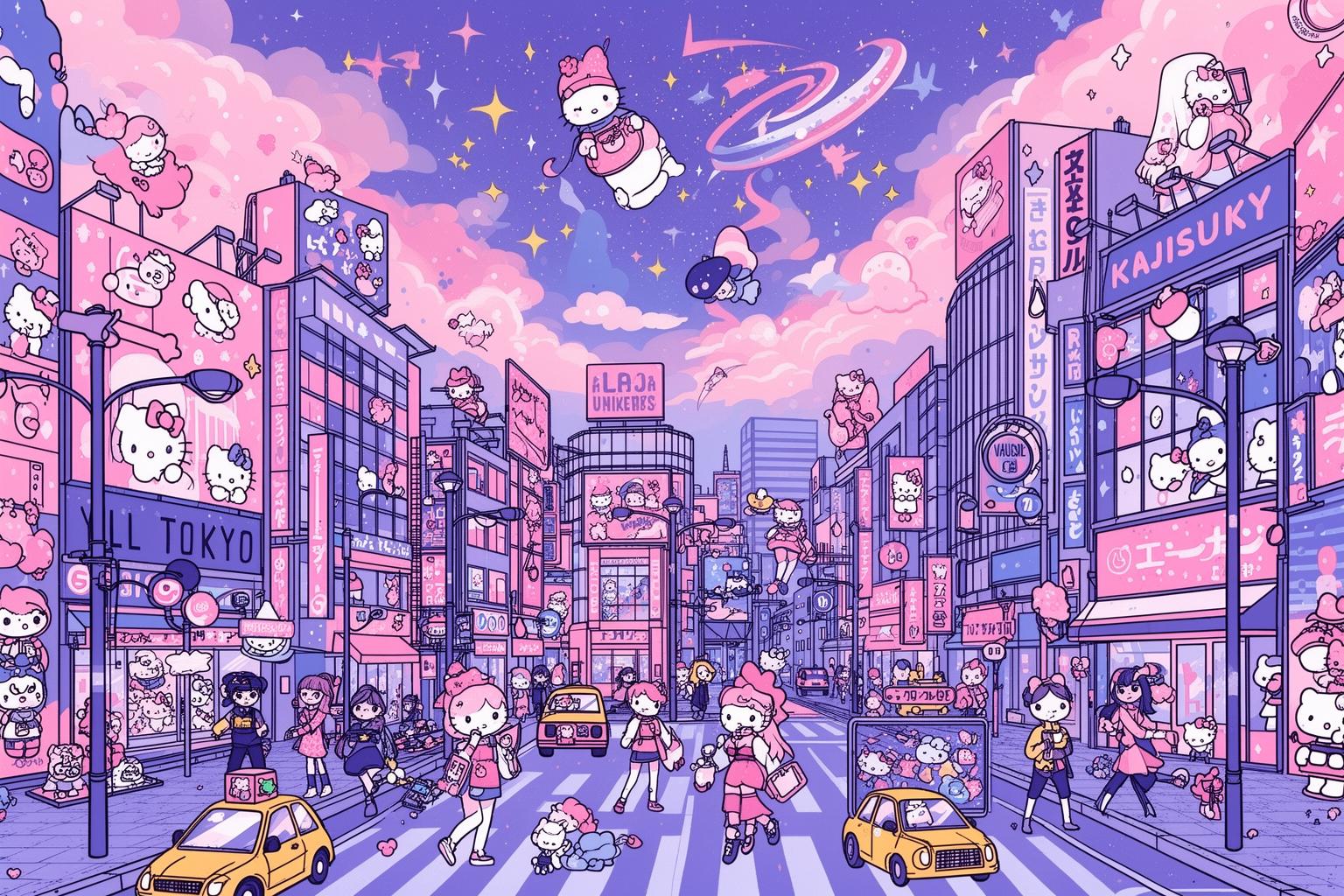
To begin to understand a rainbow grilled cheese, you first need to grasp the concept of kawaii. For most outsiders, kawaii simply means ‘cute’. Hello Kitty is cute. Pikachu is cute. An ice cream cone shaped like a tiny bear is cute. But in Japan, kawaii is less an adjective and more a cultural ethos, a pervasive and powerful force influencing everything from corporate mascots to public safety announcements. It’s a full-fledged aesthetic woven into daily life, with surprisingly rebellious origins. To truly understand why an adult woman would wait in line for thirty minutes to buy a pig-shaped ice cream, you must look beyond the surface sweetness and appreciate the cultural significance embedded within.
Beyond ‘Cute’: Understanding ‘Kawaii’ as a Form of Expression
The kawaii phenomenon as we know it today took root in the 1970s. This was a time of rapid economic growth in Japan, marked by conformity, strict corporate hierarchies, and an unyielding drive for national progress. The ideal citizen was a serious, hardworking salaryman. In reaction to this oppressive adult world, teenage girls began creating their own unique subculture. They developed a style called marui ji (round writing), featuring rounded, childlike characters decorated with little hearts, stars, and cartoon faces. This was a deliberate rejection of their parents’ formal, angular script. It was hard for adults to read, and that was exactly the point. It provided a private space—a world of innocence and playfulness offering an escape from adulthood’s pressures and societal expectations. This marked the birth of modern kawaii. It wasn’t just about adorability; it was a subtle form of rebellion. It was a statement saying, “I refuse to be defined by this society’s rigid expectations. I choose vulnerability, gentleness, and childlike wonder.” Harajuku became the movement’s epicenter. The street fashion emerging there made a bold, unmistakable statement of individuality within a culture that often values the group. Naturally, the food scene followed suit. That animal-shaped doughnut is not just a sweet treat; it traces its lineage back to that rebellious, rounded handwriting style. It’s an edible act of defiance. Eating it allows a momentary escape from the serious adult world. It’s a small, affordable act of self-care, a declaration of the right to find joy in whimsy and playfulness. When you see young women, perfectly dressed, squealing with delight over a flawless Totoro-shaped cream puff, you’re witnessing more than just snack enjoyment. You’re observing a cultural ritual that affirms an identity valuing softness and emotional expression in a world that often feels harsh and restrictive. It’s a way to reclaim a part of oneself that societal pressures often demand be hidden.
The ‘Moe’ Factor: Building an Emotional Bond with Your Crepe
If kawaii represents the overarching aesthetic, moe (萌え) is the emotional response it aims to provoke. Moe is a term that originated in otaku (geek or nerd) culture, and it’s notoriously hard to translate. It describes an intense, almost overwhelming feeling of affection and protectiveness, usually directed towards fictional characters in anime or manga. It’s the emotion you experience when a character is so pure, innocent, or adorably clumsy that you want to shield them from the world. It’s a surge of platonic infatuation. Harajuku’s food creators have expertly harnessed the moe factor. Consider this: you’re not simply given a scoop of matcha ice cream. Instead, you receive a Zaku Zaku soft serve—its cones intentionally long and crunchy, almost phallic in their industrial strength—topped with a soft, yielding swirl. Or, more obviously, you get an ice cream from Eiswelt Gelato carefully shaped into a pig, teddy bear, or frog. It has eyes. A tiny smile. A personality. For a brief moment, it transcends food and becomes a character. You feel a pang of moe, a protective affection for this little ice cream creature. This emotional bond is central to the Harajuku experience. You hesitate before taking the first bite. You feel a twinge of guilt as its face begins to melt and drip down your hand. This emotional tension is part of what makes the experience so memorable, far beyond eating a standard scoop of vanilla. It explains why people are willing to pay a premium for food that, flavor-wise, is often quite ordinary. The cost isn’t about the ingredients; it’s for the artistry, the character design, and the emotional reaction it inspires. You’re paying for a feeling—and in a society where open emotional expression is often subdued, having a commercial, socially accepted outlet for that feeling is deeply appealing.
‘Insta-bae’: The Visual Language of a Social Media Society
Let’s confront the obvious, or rather, the rainbow cheese in the sandwich. Does it actually taste good? The honest answer is… sometimes. Often, it’s perfectly acceptable, but it rarely offers a life-changing culinary experience. For example, the rainbow cheese toast tastes much like a typical, slightly sweet grilled cheese. The various colors don’t correspond to different flavors. The giant candy floss tastes exactly like spun sugar. The flavor profile is often secondary, playing a supporting role in a presentation where visuals are the true star. This can feel unusual for a Western palate, conditioned to believe taste is the ultimate criterion for a food’s value. But in Harajuku, that completely misses the point. The main purpose of this food isn’t gustatory enjoyment; it’s visual communication.
When ‘Looking Good’ Beats ‘Tasting Good’
The crucial phrase to understand here is insta-bae (インスタ映え). It’s a blend of “Instagram” and haeru, which means to shine or to look attractive. The term surged in popularity a few years ago, becoming the Japanese Youth Buzzword of the Year. It means “Instagram-worthy” or “photogenic,” but carries much deeper cultural significance. It refers to an aesthetic quality meant specifically for being photographed and shared on social media. An insta-bae item isn’t just pretty; it’s visually bold, instantly identifiable, and stands out on a small screen. Harajuku’s food vendors excel at creating insta-bae experiences. They’re not just chefs; they’re food stylists and set designers. They know color theory, composition, and how to make someone stop their endless scrolling. The rainbow colors in the cheese toast, the extreme length of the Tornado Potato, the sheer size of the candy floss—these are all deliberate choices made to maximize visual impact. The taste only needs to be good enough not to spoil the experience. The real product being sold is the photograph. The snack itself is merely a prop you get to eat afterward. This may sound cynical, but it taps into a key aspect of Japanese communication. In a culture that often values indirectness and non-verbal cues (honne and tatemae, one’s true feelings vs. public facade), social media serves as a powerful tool for self-expression. Posting a photo of an outrageous Harajuku crepe is a low-effort way to convey a lot. It says: “I’m in a trendy spot. I’m having fun. I’m connected with popular culture. I have good taste (aesthetic, if not culinary).” It’s a visual status update that needs no lengthy caption and is instantly understood by peers.
The Performance of Consumption
Because the photo is the main objective, the whole act of consumption in Harajuku becomes a public performance. The street is the stage, and everyone is both performer and audience. The ritual starts well before the first bite. First, there’s the queue. Waiting in a long line isn’t viewed as an annoyance; it’s social proof. A long line signals popularity, desirability, and worthiness of the wait. It raises anticipation and validates your choice. While tourists may complain, for many locals, lining up is part of the shared experience. Once you receive your item, the next act begins: the photoshoot. Groups of friends work together to capture the perfect shot. One person holds the crepe at just the right angle, another adjusts the lighting, and a third takes dozens of photos. They shift to find a wall with a matching color. They manipulate their grip to make their hands look delicate. It’s a careful, collaborative art project. Only after securing the digital proof, often uploaded immediately, does the final act—eating—begin. This performative element is closely linked to the group-oriented nature of Japanese culture. While Harajuku embraces individuality in fashion, the food experience is often deeply social. You come with friends. You buy different items to photograph together. You share the experience both in person and online, strengthening social ties. It’s a collective project that says, “We are here, together, participating in this trend.” The taste may fade from memory, but the photo—and the memory of creating it with friends—will endure.
The Economics and Psychology of a Rainbow Cheese Toast
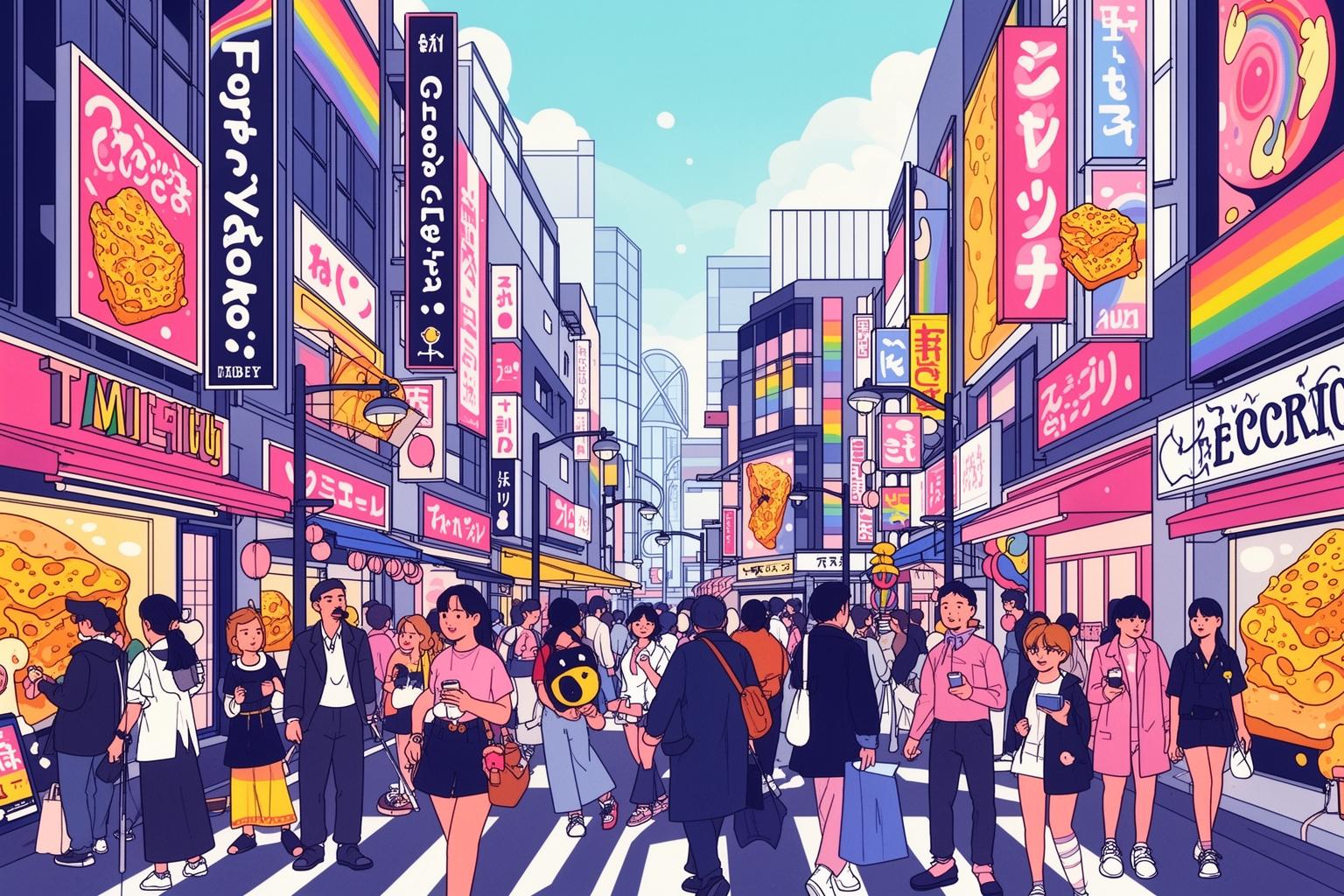
So, we’ve established that Harajuku food serves as both a cultural statement and a social media prop. However, it is also a business—and a highly efficient one at that. The constant cycle of new fads and viral sensations is no accident. It’s a carefully crafted economic engine based on specific principles of Japanese consumer psychology. Why does a new trend like the ’10 Yen Coin Bread’ (a cheese-filled pastry shaped like a giant coin) suddenly appear everywhere, only to be possibly replaced by another trend six months later? It’s all part of a deliberate strategy that appeals to the desire for novelty and the fear of missing out.
Limited Time Only: The Scarcity Principle in a Candy-Coated World
One of the most influential words in Japanese marketing is gentei (限定), meaning “limited edition.” Japanese consumers are conditioned to react with great enthusiasm to anything seasonal, store-specific, or available for a limited time only. Major brands launch seasonal flavors of everything from chocolate bars to soft drinks, and these are hugely popular. Harajuku’s food scene takes this principle to an extreme pace. The whole district is a hub for gentei products. A shop might gain fame for its cloud-like bubble tea, but that’s just a platform for releasing a constant flow of new, limited-edition flavors: sakura blossom in spring, sweet potato in autumn, a special collaboration with an anime character for a month. This approach achieves two things. First, it creates a strong sense of urgency. You must visit Harajuku now to try this particular item before it disappears forever. It transforms a casual snack into a must-experience event. This generates buzz and ensures a steady stream of repeat customers eager not to fall behind the trend curve. Second, it fosters a culture of continuous documentation. If you were there to try the unicorn-poop-themed ice cream of summer 2018, you have the photo to prove it—you were part of that specific cultural moment. This ongoing innovation keeps Harajuku feeling fresh and exciting, even as the core products (crepes, ice cream, doughnuts) largely remain the same. It’s a brilliant business model that converts fleeting trends into a sustainable economic ecosystem. Shops compete relentlessly to create the next viral hit, the next insta-bae sensation that will attract crowds and dominate social media for the season.
The ‘Small Indulgence’ in a High-Stress Society
Consider the price point. A fancy crepe can cost over 700 yen. A rainbow cheese toast might approach 1,000 yen. This isn’t cheap for a snack. But it’s important to understand this cost in the context of Japanese life. For many young people—especially students or those early in their careers—life is highly structured and often extremely stressful. The pressures to study, conform, and work long hours are intense. Major luxuries like international travel or costly hobbies can feel out of reach. In this environment, the “small indulgence” (chotto zeitaku) becomes a crucial psychological release. Spending 800 yen on an elaborate, visually appealing, and fun snack is an affordable act of self-reward. It offers a moment of pure, unfiltered joy during a stressful week. It doesn’t break the bank, it is instantly satisfying, and it provides a story to share (or rather, a photo to post). It’s a high-return emotional investment. You’re not just buying sugar and flour—you’re buying a 15-minute escape from responsibility. You’re buying a burst of color in a world that can sometimes feel very grey. This is why the visual aspect is so essential. A simple, brown, but tasty pastry doesn’t offer the same kind of escapism. The wild, artificial colors and whimsical shapes are a purposeful break from the ordinary. It’s a form of edible fantasy—a brief journey to a world where everything is sweet, bright, and adorable. For that modest price, it’s a steal.
Navigating the Streets: A Practical Guide to the Harajuku Food Experience
Alright, so you’re convinced. You want to immerse yourself in this candy-colored world not just as a tourist, but as a cultural observer. How do you actually navigate its delicious, chaotic reality? The experience can be a sensory overload—an assault of people, music, and competing aromas. Knowing a bit about the landscape and the unwritten rules can make all the difference between a joyful sugar rush and a stressful, sticky mess.
Takeshita Street: The Epicenter of the Sugar Storm
Most of the iconic foods you’ve seen online are located on or just off Takeshita Street, the narrow, pedestrian-only lane that runs from Harajuku Station. This is ground zero. Expect crowds, especially on weekends—it can feel like being swept along in a human river. My advice is to go on a weekday morning if you can, though honestly, the crush is part of the experience. This street is home to the giants of the scene. Marion Crêpes and Angel’s Heart Crêpes, two of the oldest and most famous crepe stands, face off against each other. The competition is fierce, and their menus are bewilderingly long displays of plastic food models. This is also where you’ll find places like the Totti Candy Factory, selling those giant rainbow candy-floss creations that are more fashion statement than snack. You’ll see stalls offering impossibly long French fries, animal-shaped ice creams, and bubble teas in every imaginable color and flavor. Don’t try to do it all. Pick one or two things that truly capture your imagination. The goal isn’t to get full, but to participate in the spectacle. Look around and see what the local teens are lining up for—that’s usually where the latest trend is brewing. It’s a living, breathing ecosystem of sugar, and Takeshita Street is its beating heart.
Beyond the ‘Gram: Are There Hidden Gems?
While Takeshita Street is the main attraction, it’s not the whole story. If the sheer density of cuteness and crowds becomes overwhelming, you can find some relief and genuinely delicious food just a short walk away. The area known as Ura-Harajuku (literally “back Harajuku”), which includes the famous Cat Street, has a different vibe—more relaxed, more ‘cool’ than ‘cute.’ Here, the focus shifts from quick, photogenic sugar hits to slightly more substantial fare. You’ll discover gourmet popcorn shops, artisanal coffee stands, and excellent burger joints. It’s also worth noting that not everything in Harajuku is a passing trend. Marion Crêpes has been serving its creations since the 1970s and is an institution. While it’s adapted to the insta-bae era, its core product remains a classic for a reason. You’ll also find smaller shops selling traditional Japanese sweets like daifuku (mochi filled with bean paste) or senbei (rice crackers) that have stood for generations, quietly coexisting with the neon newcomers. Seeking these out gives a fuller picture of the area, showing that beneath the frantic churn of viral trends lies a foundation of enduring quality. It’s a reminder that Harajuku’s identity is layered—a mix of the hyper-modern and the quietly traditional.
The Unspoken Etiquette of Eating on the Go
Here’s a crucial cultural tip that will save you from some disapproving glances. In Japan, walking while eating is generally considered rude. It’s messy and viewed as somewhat uncivilized. This presents a paradox in Harajuku, a place practically fueled by street food. So how does it work? You’ll notice that most Japanese people, after buying their snack, step aside. They stand in a designated spot, often right in front of the shop they purchased from, and finish the entire item there. They do not take a single step while holding their food. This is the unwritten rule: consume your food and drink where you bought it. Once finished, dispose of the packaging in the bin provided by that specific shop. This explains a common source of confusion for tourists—the near-total absence of public rubbish bins in Tokyo. The system works because everyone is expected to manage their own trash, either by taking it home or disposing of it at the point of purchase. So, when you get your adorable bear-shaped gelato, resist the urge to stroll down Takeshita Street with it. Find your spot, enjoy your performance of consumption, snap your photos, eat it, and neatly discard the evidence before rejoining the crowd. It’s a small act of social consideration that shows you respect and understand local customs.
The Final Verdict: Is Harajuku Street Food a Must-Try or a Tourist Trap?
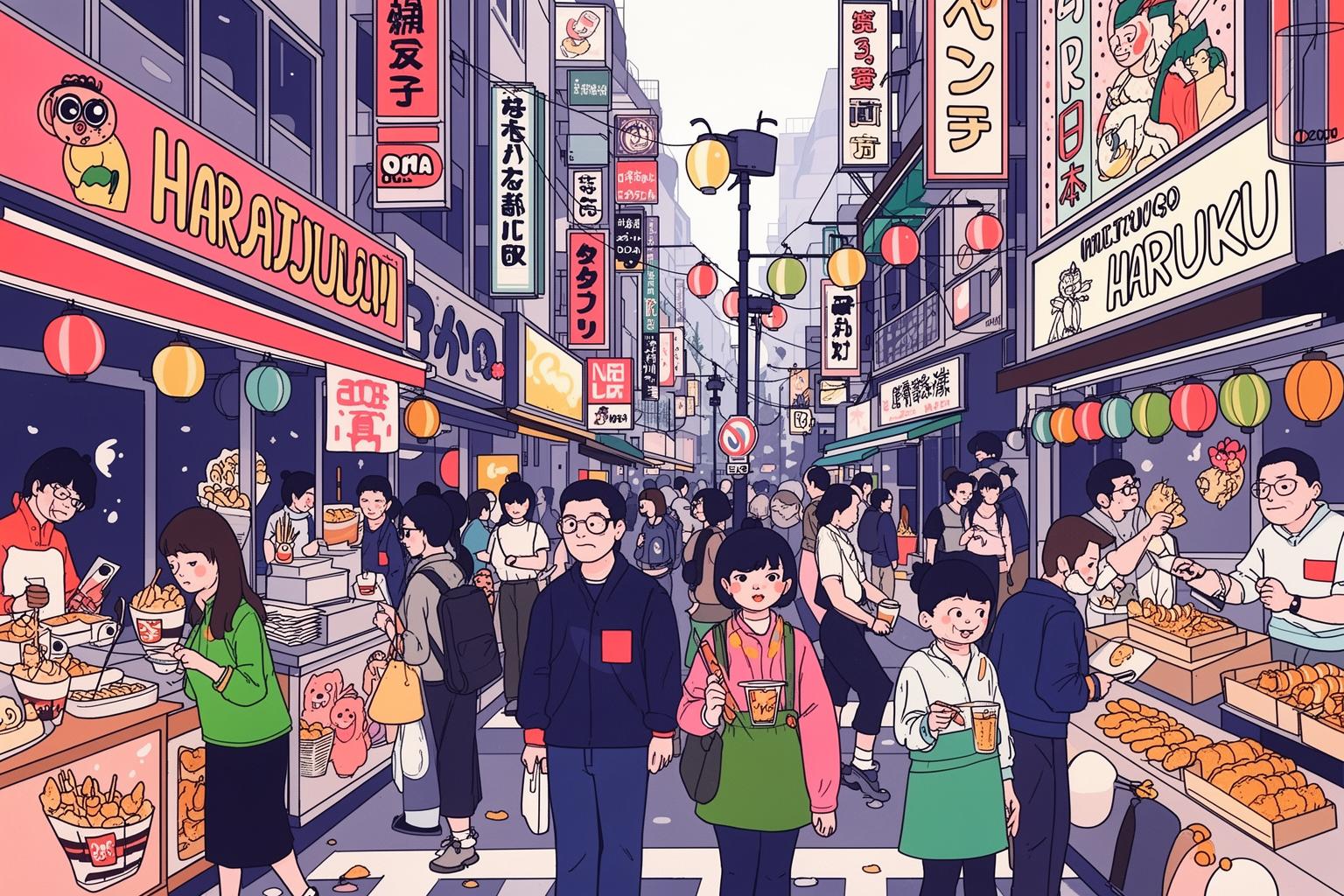
So, after all this, let’s circle back to the original question: Is Harajuku’s viral food scene truly worth your time and money, or is it simply an over-hyped, overpriced tourist trap? I believe it can be both, and which one it is for you depends entirely on your perspective. If you arrive in Harajuku expecting an authentic, gourmet culinary experience that will delight your palate with complex, nuanced flavors, you’re likely to be very disappointed. You’ll see it as a gimmick, prioritizing style over substance, and walk away feeling cheated. However, if you approach Harajuku not as a restaurant but as a living museum, an interactive art gallery, and a fascinating sociological experiment, it becomes an absolutely essential Tokyo experience. You have to be willing to view the food as more than mere sustenance. It’s a symbol. It’s a language. The rainbow cheese toast isn’t really about the cheese; it’s about grasping the power of insta-bae and the visual dialect of Japanese social media. The adorable animal ice cream isn’t about the quality of the gelato; it’s about a culture’s intricate relationship with kawaii, using it both as comfort and a form of gentle rebellion. From my perspective as a mother, it was a captivating day out. The kids, naturally, were in pure, unadulterated bliss. They saw giant sugar clouds and bear faces and were completely, uncritically enchanted. And I was captivated too, but for different reasons. I witnessed a tangible, edible embodiment of the cultural ideas I’d been studying. I saw the tension between group identity and individual expression, the need for escapism in a high-pressure society, and the remarkable creativity that flourishes when food is treated as a medium for art and communication. So yes, go to Harajuku. Stand in line. Buy that absurd-looking snack. Take the obligatory photo. But while you do, try to look beyond the bright colors and sugar. See the performance, understand the history, and appreciate the narrative it conveys. That rainbow-colored, ridiculously long, not-so-tasty stick of fried potato you’re holding is, in its own peculiar way, a perfect slice of modern Japan: innovative, performative, obsessed with novelty, and endlessly, wonderfully strange.