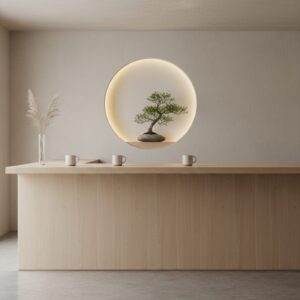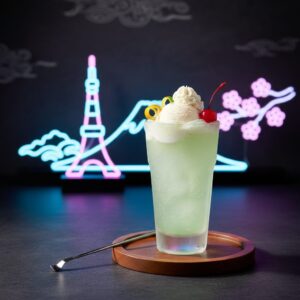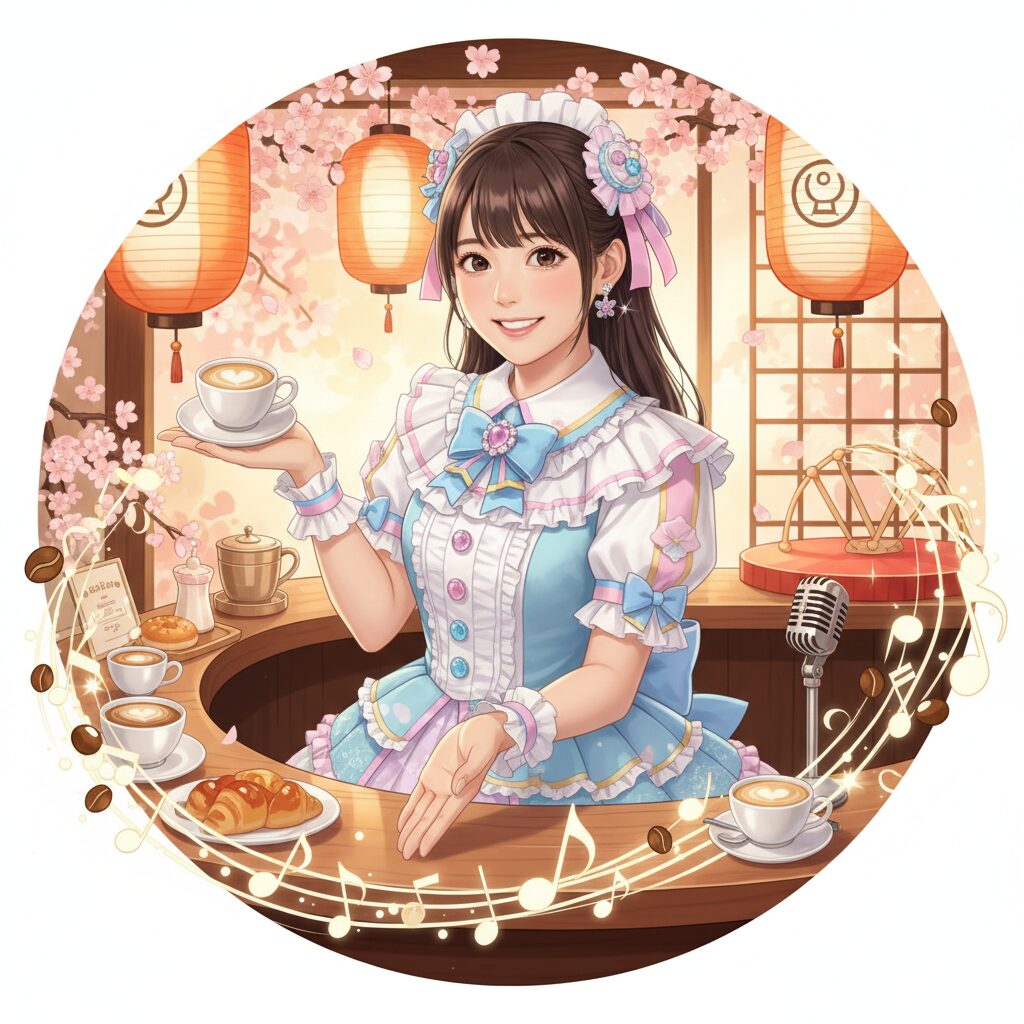
Yo, let’s get real. You’re scrolling through your feed, soaking in the immaculate vibes of Japan from afar. You see a photo tagged in Daikanyama or some cool corner of Harajuku. The cafe is a minimalist dream—stark white walls, warm wooden furniture, a single, artfully placed flower in a vase. In the frame, there’s a perfectly crafted latte, maybe a slice of Basque cheesecake. But right next to it, propped up like a tiny deity, is a 4-inch tall acrylic figure of an anime boy with electric blue hair. Or maybe a photocard of a K-pop idol, meticulously arranged next to a pastel-colored cream soda. And you think, what is going on here? Why go to a beautiful, expensive cafe and make the centerpiece… a piece of plastic merchandise? Is the coffee even the point? The short answer? Not really. The long answer is a deep dive into one of modern Japan’s most potent cultural forces: ‘Oshi-Katsu’ (推し活). This isn’t just about being a fan. It’s a lifestyle, a creative outlet, and a social ritual that has completely transformed public spaces into personal sanctuaries. To understand why that acrylic stand is sitting next to that latte, you need to understand the soul of the person who put it there. This is a story about devotion, aesthetics, and the quest for a ‘life with my oshi’ (推しのいる生活). It’s about turning consumption into creation and finding your tribe in a world that can feel pretty isolating. So grab a drink, because we’re about to break down how and why minimalist cafes have become the new high churches of modern fandom. It’s a whole scene, and once you get it, you’ll never look at a Japanese cafe photo the same way again.
This transformation is part of a broader trend where Japan’s minimalist cafes are becoming curated spaces for personal expression, as explored in our look at why Japan’s minimalist cafes are more than just an aesthetic.
Deconstructing ‘Oshi-Katsu’: More Than Just Fandom
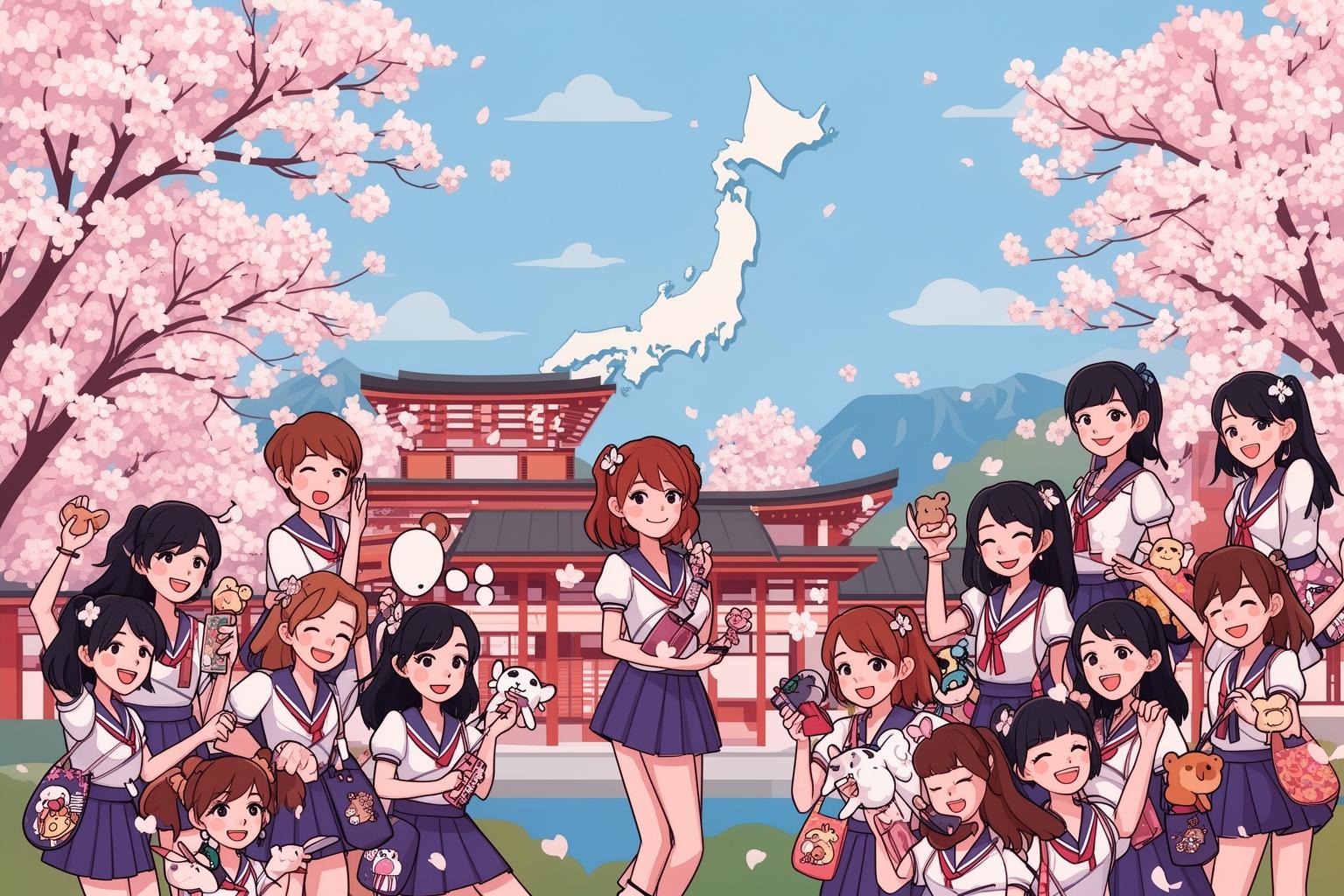
Before we even start discussing the cafes, we need to clarify the terminology. The term ‘Oshi-Katsu’ is currently widespread in Japan, but it carries a cultural significance that ‘fandom’ or ‘stan culture’ doesn’t fully convey. It is a compound word: ‘Oshi’ (推し) and ‘Katsu’ (活). Grasping the meaning of these two components individually is essential to understanding the whole phenomenon. This is not just a passive interest; it is an active, all-encompassing pursuit that influences how people allocate their time, money, and creative energy. It serves as a life framework, offering structure, community, and moments of pure joy. It shapes social calendars, affects fashion choices, and, indeed, determines which cafes are considered worth a visit. It is a universe in itself, with its unique language, rituals, and value systems.
What Exactly is an ‘Oshi’?
The term ‘oshi’ derives from the verb ‘osu’ (推す), meaning ‘to push’ or ‘to endorse.’ In this context, your ‘oshi’ is the individual—or character—you wholeheartedly support and champion. It goes beyond simply being a ‘favorite.’ Calling someone a ‘favorite’ feels too casual and passive for the intensity of this bond. Your oshi might be the idol group member who captures your focus during performances, the anime character whose merchandise you purchase without hesitation, or the stage actor whose every line you analyze. Their achievements, however small, feel like personal victories; their struggles can feel like your personal burdens. This is a deeply felt, one-sided emotional investment known as a parasocial relationship, but elevated to an art form.
While this concept isn’t entirely new—patronage of the arts has existed for centuries—the modern oshi is distinct. They appear more accessible through social media, live streams, and fan events. This perceived closeness fosters a strong sense of responsibility among fans. You’re not just an observer; you’re a supporter and a vital part of your oshi’s journey. This relationship is defined by your actions on their behalf. Purchasing their latest single goes beyond mere ownership; it’s about helping them climb the charts. Retweeting their posts is a way to boost their visibility. The terminology is telling: you don’t just love your oshi; you ‘support’ (応援する, ouen suru) them. Your oshi could be anyone—from a mainstream J-pop or K-pop idol, an underground group member, a voice actor, a 2.5D stage actor (who portrays anime characters on stage), a YouTuber, or even a character from a mobile game. Though the object of devotion varies, the structure of that devotion remains remarkably consistent.
The ‘Katsu’ (活) in Oshi-Katsu: An Active Pursuit
This is where the action happens. ‘Katsu’ (活) is short for ‘katsudou’ (活動), meaning ‘activity’ or ‘activities.’ It’s the same ‘katsu’ found in words like ‘shukatsu’ (就活, job hunting) or ‘konkatsu’ (婚活, marriage hunting). Adding ‘katsu’ to a noun transforms it into a purposeful, active, often goal-driven process. It implies effort, strategy, and dedication. Thus, ‘Oshi-Katsu’ encompasses all the activities a person engages in to support their oshi. These activities are numerous, inventive, and often require significant time and resources.
It starts with the fundamental act of consumption—buying CDs, DVDs, photobooks, and a seemingly endless array of merchandise. But it quickly expands. Attending live events is central, including concerts, fan meetings, handshake events (a distinctively Japanese phenomenon where purchasing a CD grants a brief opportunity to shake an idol’s hand), and themed collaboration cafes. Even entering these events is an activity in itself, frequently involving complex lottery systems that challenge a fan’s luck and patience.
Beyond official activities, there is a realm of fan-driven rituals. A key example is celebrating your oshi’s birthday through a ‘seitansai’ (生誕祭), or ‘birth festival.’ This major event on the oshi-katsu calendar sees fans gathering with friends, often reserving hotel rooms or karaoke booths, to hold elaborate parties for someone who isn’t physically present. They order custom cakes bearing their oshi’s image, decorate the space with balloons in the oshi’s official colors, and arrange their entire merchandise collection in a shrine-like display. They then document the celebration extensively for social media.
Another important ‘katsu’ is the pilgrimage, or ‘seichi junrei’ (聖地巡礼), meaning visiting ‘holy sites.’ These might be anime locations, drama filming spots, or even a restaurant an idol once mentioned liking in a blog post. Visiting these places allows fans to feel closer to their oshi—to literally walk in their footsteps. Every part of this journey—from purchasing concert tickets to visiting holy sites—is carefully documented and shared online. This documentation is not merely an afterthought but a vital component of the ‘katsu’ itself. The ideal venue for such documentation, the most accessible and aesthetically pleasing ‘holy site,’ has become the humble cafe.
The Cafe as a Canvas: Why Your Latte Needs an Acrylic Stand
So, we’ve established that oshi-katsu is an active pursuit requiring constant content creation to demonstrate one’s devotion. Now, let’s connect the dots: why the cafe? Why not a park, a library, or one’s own home? The answer lies in a perfect combination of social media trends, Japanese aesthetics, and the specific needs of the oshi-katsu practitioner. The cafe isn’t merely a place to get a drink; it serves as a rented studio, a neutral backdrop, a stage that elevates the merchandise from a simple commodity to a sacred object. It provides the ideal environment to perform the central ritual of modern oshi-katsu: capturing the perfect photo.
The Rise of the ‘Aesthetic’ Cafe (Oshare Cafe)
Over the last decade, Japan’s cafe scene has experienced a significant transformation. The traditional, dimly-lit ‘kissaten’ with their siphon coffee and smoky interiors still exist but have been joined by a new type of cafe, heavily influenced by Korean interior design trends and the visual language of Instagram. These are the ‘oshare cafes’ (おしゃれカフェ), or ‘stylish cafes.’ You recognize the style: minimalist, clean, and bright. The color palette is strictly curated—white, beige, cream, with touches of light wood or brushed metal. Natural light is crucial. Furniture is sparse yet photogenic. Even the drinks and food prioritize aesthetics—lattes adorned with perfect foam art, cream sodas in dreamy pastel hues, and cakes precisely geometric.
Importantly, the primary product of these cafes isn’t the coffee or cake; it’s the photo opportunity. The entire space is designed as a perfect backdrop for social media posts. This aligns seamlessly with a broader Japanese cultural appreciation for aesthetics, or ‘bi-ishiki’ (美意識). There is a deeply ingrained value placed on presentation, harmony, and subtle beauty. These cafes offer an accessible way for anyone to engage with that aesthetic and project a curated image of a tasteful, beautiful life. The rise of this cafe style has created a network of beautiful, socially accepted ‘studios’ across the country. And the fans have taken notice.
Merging Two Worlds: When Oshi-Katsu Meets Cafe Culture
This is where the magic happens. For a fan involved in oshi-katsu, the oshare cafe is the ultimate tool. Here’s why it fits so perfectly. First, the neutral, minimalist background makes the oshi merchandise pop. An idol’s brightly colored costume or an anime character’s vibrant hair stands out against a sea of beige and white. The cafe’s aesthetic doesn’t compete with the oshi; it frames and elevates them. It transforms mass-produced merchandise into the subject of an artful still-life photograph.
Bringing your oshi to a beautiful place is itself an act of devotion—a symbolic gesture. You’re treating your oshi to a special outing; you’re sharing a moment with them. The photo you post doesn’t just say, ‘Look at my merch.’ It says, ‘My oshi deserves this beautiful setting. I am creating a beautiful life with my oshi.’ It bridges the gap between the fan’s everyday reality and the idol’s world of fantasy. For a moment, over a latte, those two worlds coexist in a single, perfect photograph.
This has spawned a whole sub-genre of photography with its own techniques and language. Fans scout cafes online, specifically seeking locations with good lighting and uncluttered backgrounds. They might select a cafe because its color scheme matches their oshi’s official color. Upon arrival, the process is deliberate. They order a drink that complements their merch. Then, they carefully arrange their items: an acrylic stand, a few photo cards, maybe a small plushie. They take dozens of shots from various angles, adjusting lighting and composition until perfect. The drink might cool. The cake might remain uneaten. That’s not the point. The point is creating the image—the artifact of devotion—to share with the world.
The Ritual of the Oshi Birthday Party (Seitansai)
The pinnacle of this cafe culture is the off-site ‘seitansai.’ While some fans reserve hotel rooms for these celebrations, the aesthetic cafe has become an increasingly popular and accessible venue. A group of fans of the same oshi will book a table or even a private room. They arrive with tote bags filled with treasures: dozens of photo cards, acrylic stands, plushies, uchiwa fans, and more. They bring balloons, garlands, and fairy lights. A custom cake, often featuring a high-quality edible print of the oshi’s face, takes center stage.
For hours, they transform their corner of the cafe into a full shrine. Merchandise is meticulously arranged into a stunning display known as a ‘matsuri-dan’ (祭壇), or ‘festival altar.’ They take countless photos and videos, toast to their oshi’s health and success, and share the experience live on social media, tagging it with hashtags like #本人不在の誕生日会 (‘birthday party without the person himself’). It’s a powerful communal experience that strengthens bonds among fans and reaffirms their collective devotion.
What’s intriguing is how cafes have responded. Rather than viewing this behavior as odd, savvy cafe owners have recognized a lucrative market. Many cafes, especially in fan-focused districts like Ikebukuro or Shin-Okubo, now actively cater to the oshi-katsu crowd. They offer drinks in a rainbow of colors to match various idol groups. They provide dessert plates with ‘Happy Birthday’ written in chocolate sauce. Some even feature props or special lighting areas designed specifically for photographing merchandise. This relationship has become symbiotic: fans gain the perfect stage for their rituals, and cafes secure steady business from a highly motivated and engaged clientele.
The Social and Economic Engine Behind the Phenomenon
This culture did not simply emerge spontaneously; it is driven by a complex economic system and deeply embedded social dynamics. The entertainment industry, social media platforms, and the fans themselves have collectively created a self-sustaining ecosystem that nurtures and rewards this behavior. Understanding the essential tools—the specific types of merchandise and the platforms on which they are shared—is key to appreciating the scale and importance of this trend. This is a story about how a small piece of acrylic can symbolize a vast emotional and financial commitment, and how a hashtag can unite a global community.
The Power of Merchandise: More Than Just a Souvenir
The entire oshi-katsu cafe experience centers on the merchandise. These items are not merely souvenirs; they are cherished objects, means of communication, and avatars for the oshi themselves. The industry has mastered the art of crafting merchandise that is not only collectible but also perfectly designed for this kind of social media-driven activity.
Acrylic Stands (アクスタ, Akusuta)
The undisputed star of oshi-katsu cafe photography is the acrylic stand, or ‘akusuta.’ Typically, this features a full-body image of a character or idol printed on clear acrylic, which fits into a base. Its brilliance lies in its portability and three-dimensionality. Unlike a flat photo, an akusuta can ‘stand’ on the table, creating the illusion that the oshi is present beside you, sharing the same space. They are lightweight, durable, and come in various sizes, making them easy to carry. Fans often have special pouches or cases, called ‘akusuta-keesu,’ to protect their treasured items. The akusuta enables fans to set a scene, creating a mini-diorama on the cafe table. It transforms a passive image into an active participant.
Photo Cards (トレカ, Toreka)
Photo cards, or ‘toreka’ (short for ‘trading card’), are another indispensable item. These small, palm-sized photos are often included as random bonuses in CD albums or sold in blind packs. Their compact size makes them ideal for crafting artistic flat-lay arrangements alongside a coffee cup or dessert. The ‘gacha’ element—the unpredictability of which card you’ll receive—drives a passionate collecting and trading culture. Obtaining a rare card of your oshi is a significant triumph. Beautifully arranging these cards for photos is a way to showcase your collection and dedication. Fans commonly place them in decorative plastic sleeves or toploaders to enhance their appearance.
Nui (ぬい)
A third popular category is the ‘nuigurumi’ (ぬいぐるみ), or plushie, often abbreviated as ‘nui.’ These are small, stylized plush versions of characters or idols with their own subculture known as ‘nui-tori’ (ぬい撮り), or ‘nui photography.’ Fans frequently buy or create tiny outfits for their nui, dressing them up for cafe visits. The nui adds a cute, soft element to photos and, like the akusuta, offers a tangible, three-dimensional representation of the oshi. The act of caring for the nui—dressing it, keeping it clean, taking it on outings—strengthens the emotional connection and sense of companionship.
The Instagram Connection: Publicly Demonstrating Your Devotion
If the merchandise provides the cast, then social media, especially Instagram, offers the stage. The entire oshi-katsu cafe phenomenon is deeply intertwined with the visual, hashtag-driven world of Instagram. This platform is the main arena for performing one’s fandom.
An oshi-katsu session post is more than just a photo; it is a carefully crafted statement. It conveys multiple messages simultaneously: your dedication to your oshi, your refined taste in selecting a stylish cafe, and your creative abilities in photography and composition. It is a performance of an ideal type of fandom. The visual language is highly codified. Photos are often edited to produce a soft, dreamy effect. Props such as lace, ribbons, jewelry, or dried flowers are frequently used to enhance the scene. The goal is to create an entire ‘worldview’ (世界観, sekaikan) centered around the oshi.
Hashtags serve as the threads weaving this community together. A single post may be laden with tags that connect it to various conversations. There are tags with the oshi’s name, the group’s name, and specific event tags. Additionally, conceptual hashtags define the culture. #推しのいる生活 (‘a life with my oshi’) is among the most popular, framing the photo as a window into a lifestyle enriched by fandom. Others include #アクスタのある生活 (‘a life with an acrylic stand’), #オタ活 (‘ota-katsu,’ another term for fan activities), and #お洒落なオタクさんと繋がりたい (‘I want to connect with stylish otaku’). These hashtags do more than categorize content; they declare identity and invite connection. They enable fans to discover one another, admire creativity, and validate their shared passion. This transforms a solitary pursuit into a communal experience, creating a virtual space where devotion is recognized and celebrated.
A Modern Form of Personal Expression
In a society that often emphasizes group harmony and public restraint, oshi-katsu provides an essential and socially acceptable outlet for passionate personal expression. While fans may not proclaim their love for an idol loudly, they can craft beautiful Instagram posts that express that love in a subtle, aesthetic, and socially mediated way. The choice of oshi, the manner of photographing their merchandise, and the cafes selected all become components of a carefully curated personal brand. This allows for an expression of intense emotion and individuality within a well-defined and widely understood cultural framework.
For many, it also offers genuine purpose and structure. Oshi-katsu provides a calendar of events to anticipate (album releases, birthdays, concerts), goals to pursue (collecting every photo card), and an ongoing stream of creative projects (decorating toploaders, planning cafe visits). In a world that can often feel chaotic and uncertain, it offers a predictable and rewarding universe to inhabit. It is a hobby that gives back, offering not only entertainment but also a sense of identity, community, and accomplishment.
The Other Side of the Coin: Is It All Just Vibe?
It’s easy to romanticize this world of aesthetic devotion. The photos are stunning, and the passion feels tangible. However, it’s important to consider the full picture. Like any intense subculture, especially one so closely linked to consumerism and social media, oshi-katsu comes with its own pressures and drawbacks. The boundary between a joyful hobby and a stressful obligation can become dangerously thin. The same structures that foster community and meaning can also generate anxiety, social pressure, and considerable financial strain. Recognizing this side is vital to truly grasping ‘why Japan is like this.’
The Pressure to Participate
The highly visible and performative nature of oshi-katsu on social media sets an unspoken standard. When your feed is filled with friends and acquaintances posting gorgeous photos from the latest trendy cafe, it’s natural to feel pressure to keep up. There can be a sense of ‘fandom FOMO’ (Fear Of Missing Out). If you’re not taking part in these rituals—celebrating birthdays, buying the newest merchandise, visiting collaboration cafes—are you still considered a ‘good fan’? This can foster a competitive mindset, where the quality and frequency of one’s oshi-katsu posts become a way to measure devotion.
This pressure isn’t only social; it’s intensely financial as well. Oshi-katsu can become an extremely costly pastime. A single acrylic stand may cost ¥1,500 or more. A CD might be ¥1,000, but collecting every edition and bonus photo card could mean buying dozens of copies. Concert tickets are expensive and difficult to obtain. Adding transportation, custom cakes, cafe bills, and other related expenses, costs can quickly accumulate. Many fans, especially young people, spend a large portion of their disposable income—or even more—on their oshi. Stories of ‘working for my oshi,’ where people take on extra part-time jobs to fund their fan activities, are common. While this can showcase dedication, it also underscores the significant financial burden this culture can impose.
Commercialization and Capitalism
It’s impossible to ignore that this whole ecosystem functions as a brilliantly engineered commercial machine. Entertainment companies aren’t just selling music or stories—they’re selling a lifestyle and have become experts at monetizing fan devotion. Merchandise isn’t a mere byproduct; it’s central to the business model. The ‘gacha’-style random merchandise, store-exclusive bonuses that push fans to buy the same product from multiple retailers, and the steady release of new goods are all tactics designed to maximize profits.
They know their audience intimately. They understand that fans like to bring their merchandise to cafes, so they design items that are portable and photogenic. They produce cases and accessories specifically for carrying and showcasing these items. Companies nurture parasocial relationships through social media and events, which in turn spurs spending as a way to demonstrate support. Cafes have also leveraged this, transforming fan enthusiasm into a dependable revenue stream. This raises a critical question: Is this grassroots fan culture that corporations have tapped into, or is it a culture manufactured and directed by corporate interests from the outset? The truth likely lies somewhere in between. But the commercial forces at work are undeniably strong and profoundly influence fan behavior. At times, it can feel less like a personal expression of love and more like a compelled pattern of consumption.
So, Why Do They Do It? The Real Takeaway
After exploring the world of “oshi-katsu” in depth, let’s return to our initial question: Why does an acrylic stand of an anime character sit next to a latte in a minimalist Tokyo café? The answer, as we now understand, is much more complex and meaningful than it appears at first glance. It’s not really about the coffee, nor truly about the café itself. The café simply serves as the most convenient and aesthetically pleasing backdrop for a deeply personal and socially significant ritual.
Bringing your oshi’s merchandise to a café and photographing it is a multifaceted act. At its core, it is:
An Act of Devotion: A modern-day offering. Instead of a prayer at a shrine, the offering takes the form of a carefully composed Instagram photo. It’s about creating a moment of beauty for your oshi, elevating them by placing them in a tasteful, elegant setting. It’s a way of saying “thank you” and “I support you” in the visual language of the 21st century.
An Act of Self-Expression: A means to craft and project identity. In a world of infinite choices, your oshi becomes a symbol of who you are. How you celebrate them—the cafés you select, the photos you capture—reflect your own personal taste and creativity. It’s a low-pressure way to be an artist, curator, and storyteller.
An Act of Community Building: The photo sends a message to a community of like-minded people. It signals, “I belong here.” Sharing these images on social media with the right hashtags helps to create and strengthen bonds among fans. It allows participation in a vast, ongoing conversation and provides a sense of being seen and understood in your passion.
An Act of Integration: Perhaps most importantly, it blurs the lines between fantasy and reality. An idol or fictional character can feel distant and unattainable. Placing their avatar within the scene of your daily life—your local café, your favorite dessert—makes that connection feel more tangible and real. It enriches the ordinary, infusing an everyday moment with the special magic of your oshi. It is the literal embodiment of “a life with my oshi.”
So, the next time you spot one of these photos online, don’t dismiss it as a quirky or baffling trend. Recognize it for what it is: a sophisticated fusion of modern capitalism, social media dynamics, and the timeless human needs for worship, community, and creative expression. It’s a personal shrine set on a café table, a quiet ritual enacted in a public space, and a vibrant testament to the power of finding something—or someone—to believe in. It’s a whole vibe, and for countless people across Japan, it’s a deeply meaningful and beautiful way of life. Truly.